Iceverge
-
Posts
4485 -
Joined
-
Last visited
-
Days Won
32
Everything posted by Iceverge
-
What a pain. It seems you are managing it well. Good luck with the pour.
-
I don't know about Hardie plank but in metal roofing and artificial slates the quality of Tegral stuff (cedral/eternity) would be at the higher end.
-

Fine tuning my IWI Solid wall (Warm Batten) design
Iceverge replied to Annker's topic in Heat Insulation
It's a very poorly understood topic. Unfortunately it's a common misconception that the moisture that causes an issue comes from outside. Assuming you have dealt with gutters + pointing etc this is never the case. It comes from inside the building, from breathing, cooking showering etc. This airborne moisture condenses when it reaches a cold surface. It is carried on drafts and air leaks around the house. This is why PIR is bad news unless you are prepared to hermetically seal it (Airtighess!!) If you leave a hole the size of half a penny that allows damp air to leak consistently you will get dampness behind the boards. As it's cold and sandwiched between a layer of miniscule vapour permeability (foil) it'll be forced into the exterior walls. Bad news. The walls will be much wetter than before the interior insulation. A flexible more vapour open airtightness layer like lime parge will be much more resilient as the walls will still have a drying route into the room. Mineral wool and gypsum are still massively more vapour open than foil faced PIR. 10 mm Lime render has a SD value of 0.1m. 12.5mm of gypsum is the same. Aluminium foil on the face of PIR is about 200m. In other words 2000 times worse. Lime parge, mineral wool and gypsum will allow the wall to dry inwards. Theres many way to skin cats and many wonder products but if you get a handle on the actual numbers the you can make an informed, financially balanced choice. -
Fine tuning my IWI Solid wall (Warm Batten) design
Iceverge replied to Annker's topic in Heat Insulation
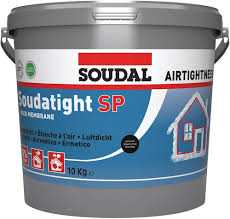
Be very cautious of foil faced PIR as an internal insulation. It has very very low vapour permeability and will actively trap any moisture that is behind it permanently. Unless you are willing and confident to seal every single screw hole and edge of it I would stay away. A more preferable method is a parge coat and a battered cavity full fill with mineral wool batts. A parge coat is a thin coat of wet plaster applied as an airtightness layer. You can use cement or lime but in this application lime would give more drying ability. Use plastering sand and (NHL 3.5) at a ratio of 2 sand to 1 Lime. Mix it to a creamy consistency and use a trowel to apply a thin coat. Alternatively it can be applied with a sweeping brush but it needs to be watered into a slurry first. Floor to wall junctions, internal abutting walls, window and door junction, penetrations and joists ends should be airtighed to the parge coat with a plaster-able tape or airtight paint. So. 1. Seal all windows and doors and junctions and penetrations. 2. Apply a parge coat. 3. Fix 70*42mm battens centres with hammer in frame fixings. 4. Install all wiring and services. 5. Install mineral wool batts. 6.Install sheets of plasterboard. You can play with the batten thickness and spacing required to fit your batts and plasterboard and ceiling height.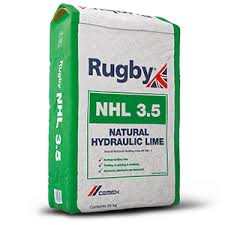
-
Just use the thickest layer you can. 100mm PIR is normally good value. 200mm might cost the same as 150mm if you can fit it.
-
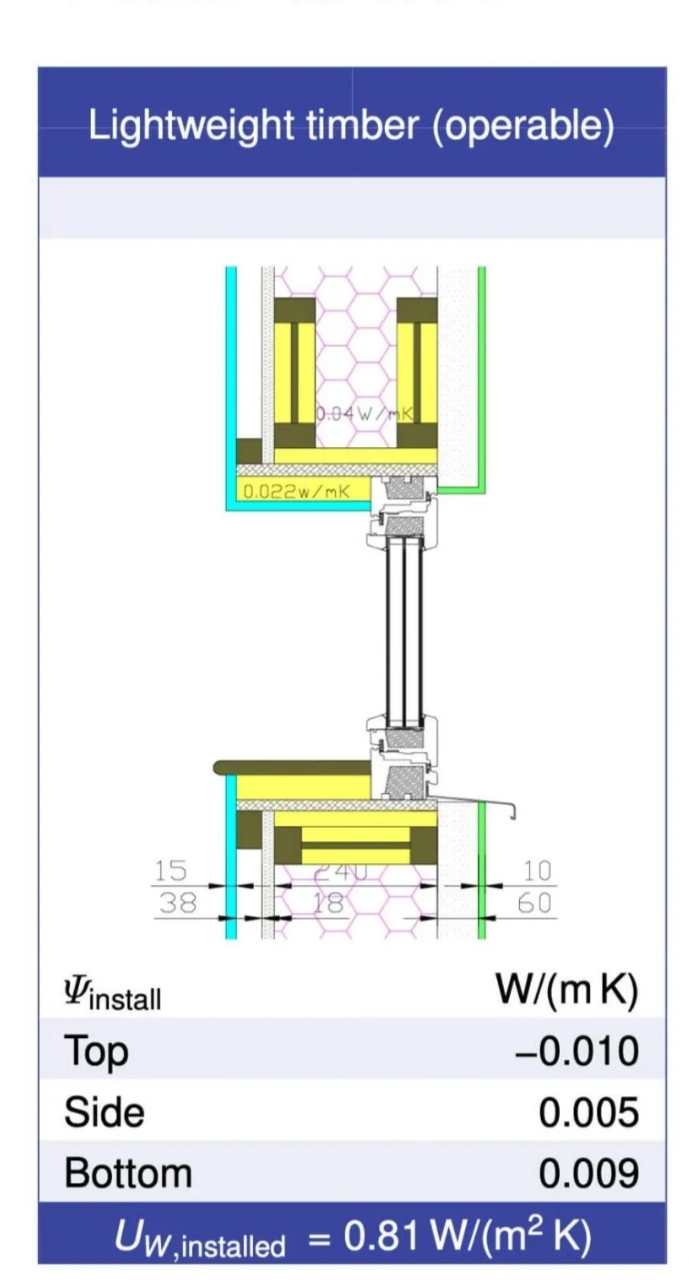
The best windows with the best install are typically still worse than the worst new build wall by about a factor of 4. Depends on your window frames. I would leave say at least 10mm of the frame exposed. Beyond that fit as much insulation as you can.
-
As soon as I posted it I regretted the level of smut I had sunk to. Clearly you've rubbed off on me.
-
Largely an airtighess and ventilation issue. Full fill fluffy every time for me in this regard. EWI boards should be foamed at the perimeter and at all joining faces for install too.
-
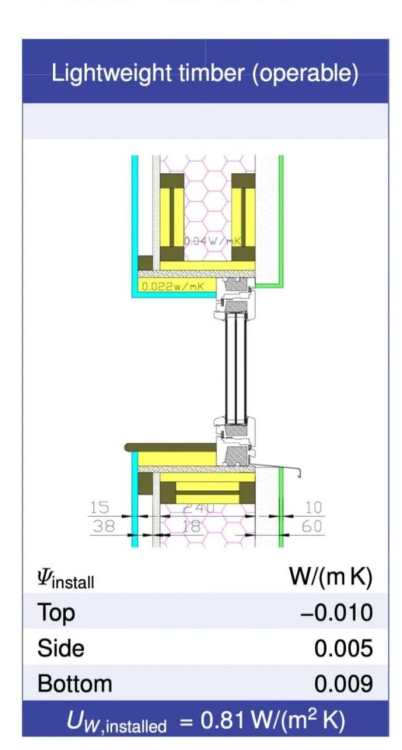
PIR + plasterboard or insulated plasterboard to the head jambs and sill.
-
More details needed. Is it for a shower or a foundation or flat roof or something else?
-
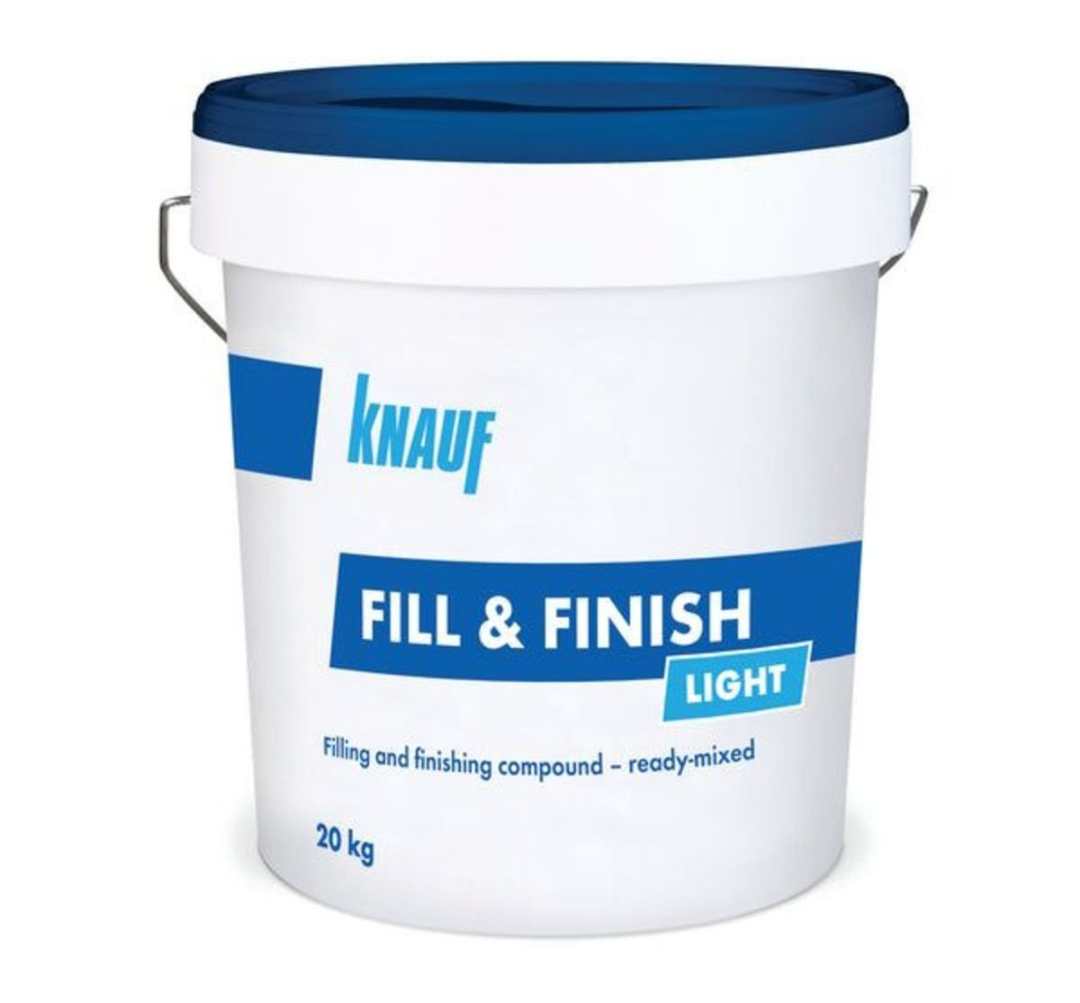
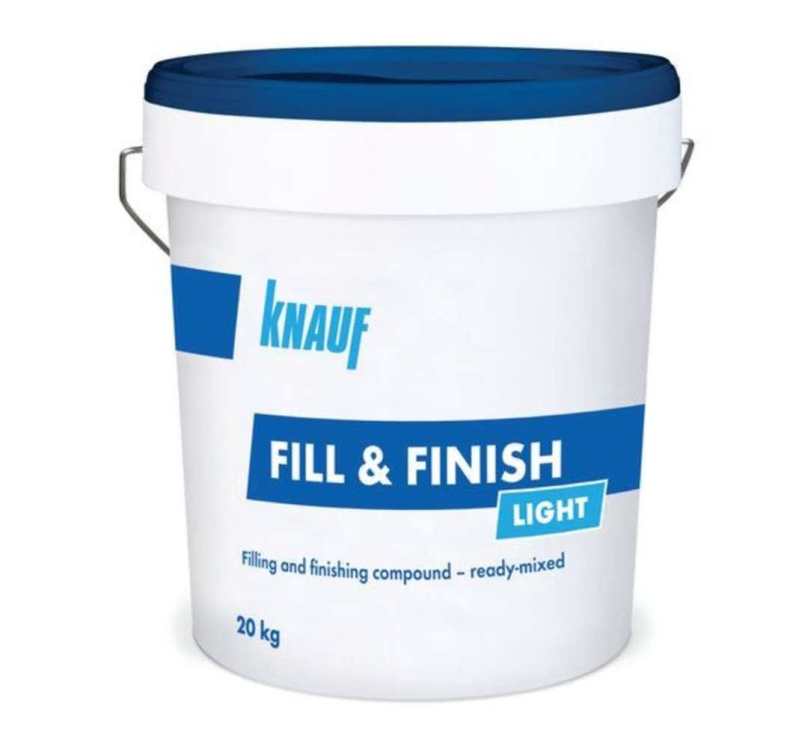
This stuff. It won't do huge holes, and may need a second hit for a deep one but it finishes well and seems to last for ages in the bucket.
-
I would say it's very unlikely that you'll be anywhere near the foundations at that level. It'll be more digging out but it's worth it I would say. Consider something like seconds&co for a deal on PIR boards. I would work on 200mm as a good figure as 100mm boards typically have a good price to depth ratio. There's no rocket science to airtighess. Basically just seal up all the gaps.
-
What type of windows are they? Inwards opening or ouward openers?
-
Welcome welcome. Sounds like a good plan. I would the only thing I might focus on more is Airtightness and more insulation under the floor. 200mm PIR or 300mm EPS would b a good level.
-
That's over double the price in Ireland.
-
Anti-Microbial or not?
Iceverge replied to Philxyz's topic in Mechanical Ventilation with Heat Recovery (MVHR)
4 years. I haven't inspected the inside of the pipes mind you. -
Preparing a steel in block wall for plasterboarding over
Iceverge replied to crispy_wafer's topic in Plastering & Rendering
Airtight paint. I love to see it!! Use something capable of taking a screw. Our builder just put in plaster board and it struggles with curtain rails. -
Anti-Microbial or not?
Iceverge replied to Philxyz's topic in Mechanical Ventilation with Heat Recovery (MVHR)
Didn't bother here. Haven't noticed any issues. -
Pir in cavity wall. Nope. Use mineral wool batts instead
-
Great idea @ProDave. Personally I would be aiming for level or close to level with the new beam if I could without hurting the old structure too much.
-
Installing a small MHVR system
Iceverge replied to Mark-R's topic in Mechanical Ventilation with Heat Recovery (MVHR)
We have MVHR in the house a PROAIR 600pli unit. Filters are not cheap at about €22/pair but the unit is fine. I change them every 6 months. I did dismantle it to give the insides a clean after about 2 years. I think I may do the same and change some bearings this year after 4 years operation. I wouldn't say it would be unreasonable to allocate £100/year in maintaining, servicing and running the unit if you were outsourcing the job. It recovers many times more than that in energy for us but more importantly it gives healthy and comfortable internal air. The dDCV I have out in the office is a plug in, pick your setting and completely forget. No heat recovery but then it was about £60 from eBay. You can hear it if you are beside it. I would compare the noise to a PC fan on tickover. I wouldn't put it beside a bed but it would be inaudible in an adjoining room. -
Design for mull of Galloway. Thoughts?
Iceverge replied to DannyT's topic in New House & Self Build Design
Perhaps ask for a quote for both for interest. -
Design for mull of Galloway. Thoughts?
Iceverge replied to DannyT's topic in New House & Self Build Design
It's the sealing that I'd be concerned about. Old fashioned sliding doors rely on brush seals which are completely useless. You can get lift and slide or a straightforward French door which are all compression seals and perform much better. -
Installing a small MHVR system
Iceverge replied to Mark-R's topic in Mechanical Ventilation with Heat Recovery (MVHR)
Another example of Buildhub being a decade ahead of Industry. -
Installing a small MHVR system
Iceverge replied to Mark-R's topic in Mechanical Ventilation with Heat Recovery (MVHR)
Those CV2GIP fans are excellent. Thakd for the tip @JohnMo Thinking about the categorisation I would split Mechanical extract ventilation (MEV) into 3 categories. 1. Intermittent extract fans such as those annoying noisy bathroom fans we all hate. 2. CEV continuously extract ventilaton that run at a constant level all the time. 3. DCV Demand Controlled Ventilation that adjust the a airflow according to demand based on CO2 or humidity. Then add a small "d" to indicate a decentralised version. I would say the Greenwood CV2GIP is a dDCV. Would you agree/disagree?