Iceverge
-
Posts
4485 -
Joined
-
Last visited
-
Days Won
32
Everything posted by Iceverge
-
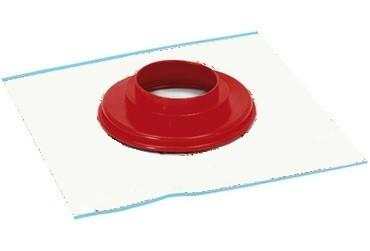
Try googling something like "twin wall flue grommet".
-
I like EPS but for this instance I would be tempted to use say 200mm of PIR to avoid too much digging. 650mm is a lot of wheelbarrowing muck. Buying PIR in 100mm thicknesses is often cheaper than odd sizes too. Have you considered a pumped screed to avoid too much labour? How about this. Excavate 350mm. 100mm type 804 hardcore leveled and compacted. 100mm PIR from secondsandco DPM. 100mm PIR Slip membrane. UFH pipes spaced closely, say 100mm for quick response time. 50mm pumped screed. Floor finish. Should be a good bit cheaper than the one you proposed and with a higher heat loss house a quicker heating response time would be advantageous.
-
You can get an airtight grommet to join to your airtightness layer.
-
 If there's an appropriate membrane installed below the joists with zero penetrations it should be fine. Something like intello plus. My preference would certainly be mineral wool between the joists rather than PIR. Then a countered battened 50mm service cavity with more mineral wool. The fan can go out either but the wall is probably easier.
 -
Pics from the outside would help to see, Also discuss it with your builder. In my hierarchy of building for longevity, comfort and health of the occupants. I would put things in this order. 1. Water management. Make rainwater and ground water can go about their business without trying to get into your building. 2. Planned ventilation, preferably mechanical and continuous. 3. Airtighess. Make sure drafts don't go where they shouldn't. 4.Good windows and doors. 5. Continuous insulation. For the ventilation get yourself a Greenwood CV2GIP, fit it and forget. Often available on eBay for £50 ish.
-
You can Use this method but I would avoid it unless you 1. have an installer that is absolutely surgical about 2. installing an internal membrane and you have 3. continuous mechanical ventilation and 4. heating in the shed to control humidity. A warm roof is relatively fool proof.
-
13k sqft self build in Hertfordshire
Iceverge replied to LadybuilderLOL's topic in Insulated Concrete Formwork (ICF)
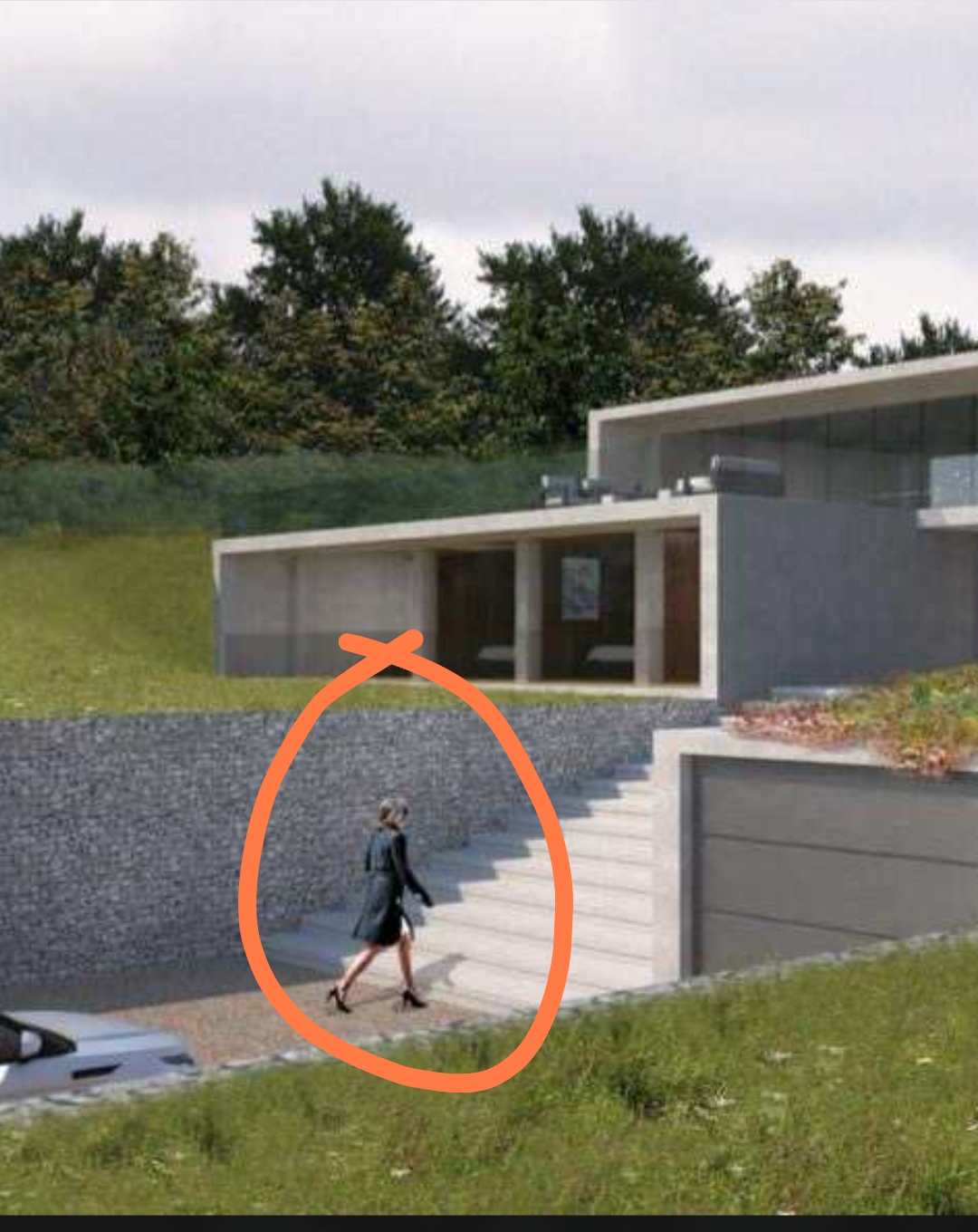
The more I look at it the more I think the comment above about it just being "a design to secure planning permission" makes more and more sense. Its baffling how the designer expected the roof over the kitchen to stay up. If it is concrete it could weigh 250 tonnes and yet seems to be supported only at the end and them in turn partially below by fresh air. There is some artistic licence with the sketches too and they seemed to have moved it to the southern hemispheres with some of the sketches looking at the shadows. This makes it all look much sunnier and more inviting that a Northern Elevation is in reality in our neck of the woods.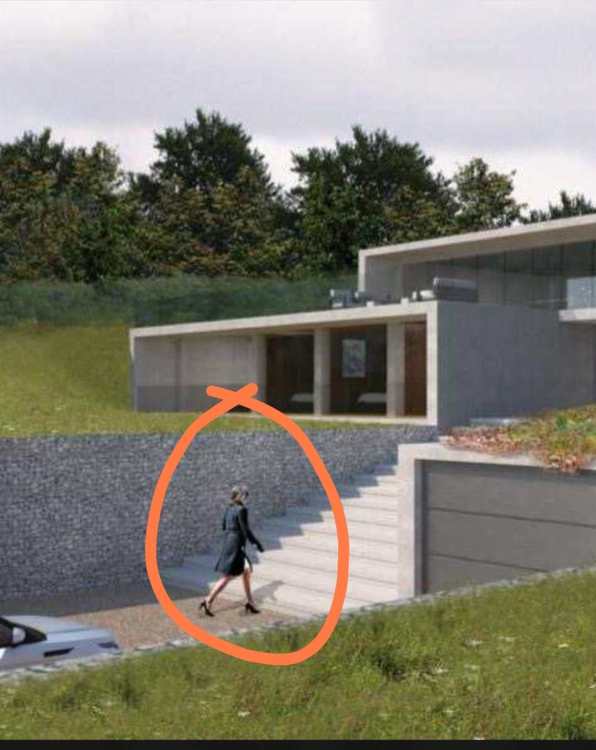
-
What @Kelvin said. Rafters. OSB membrane Insulation OSB EDPM would be an example
-
13k sqft self build in Hertfordshire
Iceverge replied to LadybuilderLOL's topic in Insulated Concrete Formwork (ICF)
Welcome! Wowzser! LA hills or Bond Villian mansion, I love it. The scale and complexity of it are going to drive up the cost. More or less everything you see about costs here will not apply sadly. I was guessing £4million initially but on refelection I don't think I'm even close. Maybe £6m. Professional fees alone are lightly to be well into 6 figures. It'll be a commercial contractor for the project as it's too expansive for a domestic builder. However you're unlightly to get commercial discounts as it's a one off project and will require much better asthetic detailing than the equivilant warehouse or block of apartments. Don't be suprised if most refuse to quote or else come back very very expensive. On the practicalities I would say ICF alone is unlightly to be the best solution, or prefabricated concrete. In LA or the 1960's it would have been an easier build as the thermal considerations would be far reduced. Steel frame and poured on site floors and roofs would have been the order of the day running right through from inside to outsde. However I think if you want a really warm and durable house there's going to have to be serious consideration given to how effectively completely decouple the external conctrete shell from the house interior whilst still retaining the continious feel on a monolithic design. I'm going to scratch my selfbuilder chin and think about it for a moment I think! Good luck!. -
Sadly it't quite expensive. I A length of

-
Agreed. It is a missed oppurtunity to make it a warm roof with some insulation. It will make condensation and therefore mould much more unlikely in future.
-
Ideally bring them up through the slab in a duct and avoid holes in your walls. If you can't do this I wouldn't be too concerned about point breaches of the insualtion envelope. They make little differnce to the thermal performance. The airtightness is more important. Insert conduit's during the build to allow wires to be pushed through and seal them well, both to the airtight and windtight layer . Don't push individual wires or pipes through as they'll be difficult to replace in future. Use a duct or conduit. Holes drilled in a sheet of OSB or ply are easier to seal well and more robust than holes in a membrane so consider a ply "patch" on the membrane to seal these consuits to. The mantra is always ONE HOLE for ONE PIPE/WIRE too. A bunch of wires is impossible to airseal. Always slope the hole outwards slightly for drainage.
-
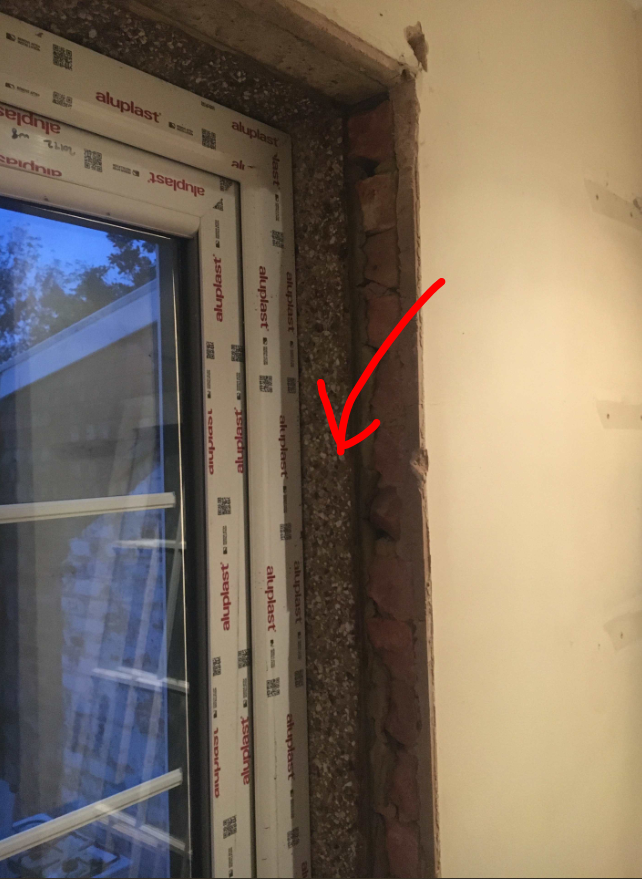
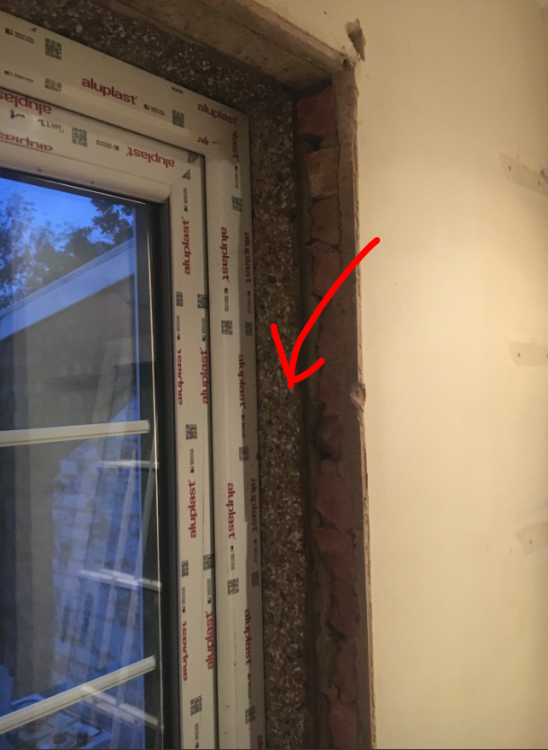
What exactly is this mystery material. How is the window held in? I can't see any window straps.
-
The roof will be fine. The membrane alone be ok for many months. Trying to eliminate mould by "keeping it out" is not likely to be a successful strategy. It's like trying to pick up every spec of dust with your fingers. A far more successful approach is to keep humidity and condensation under control. Appropriate ventilation and heating will do this. What's your previous issue with mould and how did you try tackle it?
-
Am I missing something here? What's wrong with a Hep2O elbow and a length of copper sticking out through the wall in the correct place. Then tank and tile as required. Then drill the tiles and fit these with long screws, rawlplugs and plenty of mastic in the screw hole? You'll need to drill tiles but it's not rocket science.

-
U value calculation help required - Data sheet provided
Iceverge replied to ruggers's topic in Boffin's Corner
By the time you've started adding surface resistance's to the calculations you've lost the wood for the trees in my view. Things like uncontrolled airflow will be orders of magnitude more important. Even the best thermal models are only a guide in real life. If you want really accurate numbers for heat loss a static test with an electric radiator and a thermometer would be far better. -
Ok so your saying there's just a wall between each house and none at either end. For example 10 houses and 9 walls?
-
I'm not an expert either soso anyone who has a better practical understanding of it please enlighten me more. None the less, this is the internet so I'm going to present my opinion as fact regardless! To mitigate sound transmission. 1. Airpaths - lots of acoustic mastic at any joints and at the walls. Seal all gaps. 2. Reverberation - A layer of fluffy stuff just to stop the drum effect. The stuff you've done is fine. Infact any more will only add slightly more mass and risk increasing the coupling effect of the floors. 3. Impact noises - decouple the surfaces. Carpet, foam strips under floorboards, resilient bars downstairs. 4. Add Mass. Plasterboard, standard or soundbloc or OSB is the cheapest way. Upstairs or downstairs . The more kg the merrier. "Acoustic" insulation adds more mass than regular insulation but it's an expensive method of buying mass.
-
SketchUp fantasy Garage. Drawings for building control
Iceverge replied to Russdl's topic in Garages & Workshops
Congratulations @Russdl. Any chance of pics!? How exactly did you connect the EWi to the foamglass? It's a really novel approach to an insulated slab. -
Fine tuning my IWI Solid wall (Warm Batten) design
Iceverge replied to Annker's topic in Heat Insulation
That'd be fine. Maybe @Redbeard has more experience than me. -
Can you look at the back gardens of the houses at the top of the hill and the bottom of the hill as see what side the remaining wall is of their property. It should give you a clue as to what wall each house owns as everyone should only have one wall. Pick the incorrect one and the house at the top will have 2 and the bottom none or visa versa.
-
Fine tuning my IWI Solid wall (Warm Batten) design
Iceverge replied to Annker's topic in Heat Insulation
You could lay top and bottom plates and build a stud wall detaches from the stone entirely. Something like 63mm CLS timber is probably the thinnest thing you would have a chance of getting. To stay straight. Insert 70mm or 75mm batts then. The mineral wool will take up the gaps. It's air currents carrying moisture rather than diffusion through materials that causes issues. An excellent airtight of a well done parge coat, the elimination of any gaps behind the plasterboard with the flexible insulation and the good drying ability or the materials will prevent any buildup of moisture. -
Was the retaining wall built originally to allow your garden be lowered artificially below the normal grade? In which case I would say it is your responsibility. The neighbours are entitled not to have their garden fall away because of your failing retaining wall. If the wall was built as a normal dividing wall, and the neighbours built up their garden above the normal grade I would say you were perfectly entitled to do whatever you wanted with your wall. Including removing it entirely or let it fall down and their garden to collapse too.
-
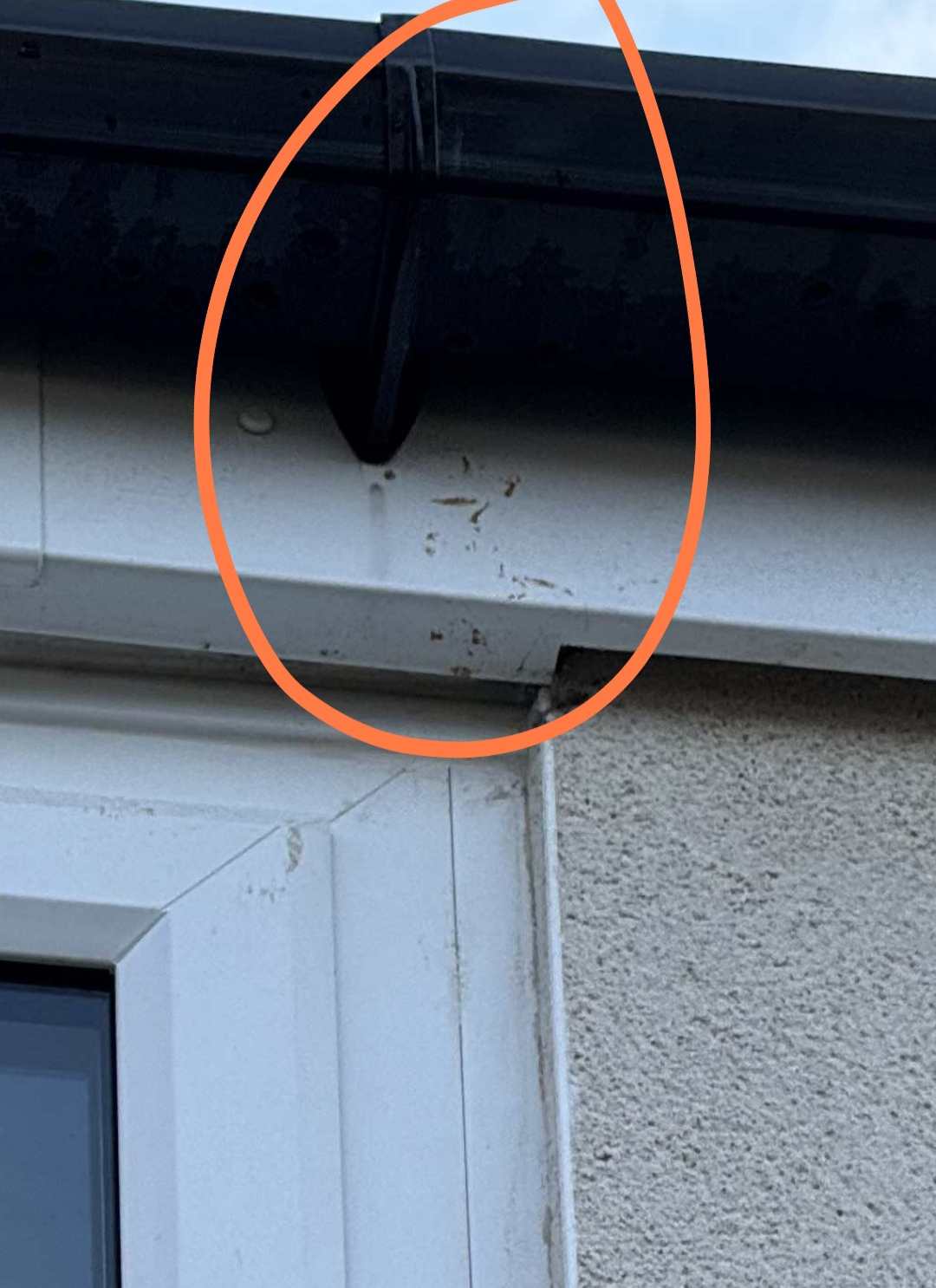
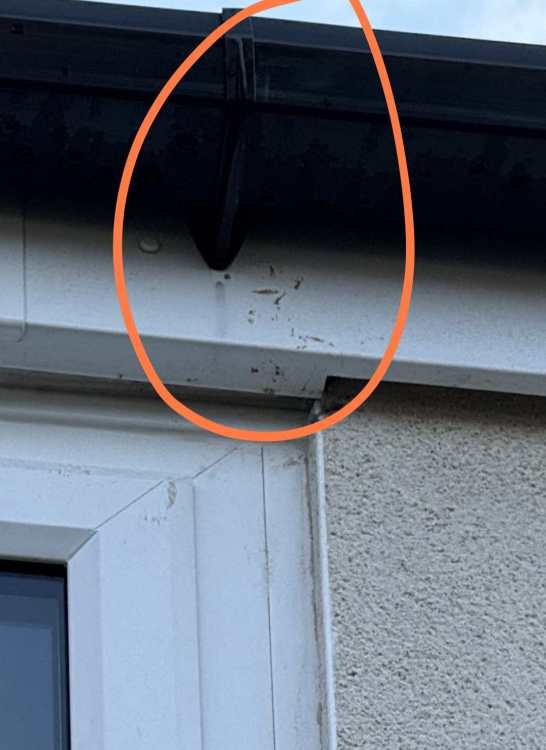
Two possible causes. 1. It's originating from outside caused by the gutter over flowing. And poor eve and window detailing with a retrofit external wall insulation job. Or 2. High humidity internally caused by poor ventilation and insufficient heating leading to condensation on the window jambs as these will be the coldest surface of the house. Questions. 1.Do you have a wider view of the front of the house? 2. What kind of ventilation strategy do you use in the house? Trickle vents and bathroom fans? 3. Do you have any pics of the house before the external insulation was done?
-
I too am a thought leader. The trouble is though, that I have no thought followers.