Iceverge
-
Posts
4485 -
Joined
-
Last visited
-
Days Won
32
Everything posted by Iceverge
-
 I think there's a little confusion better U values and R values. A U value of 2 W/m²K would be the same as an R value of 0.5m²K/W. In any case I would be slow to attribute too much to the layers of multifoil without some accurate third party testing. I thought your architect was a she? Did you change? Ask him for his decrement delay) phase shift calculations. With a masonry wall and any insulation it'll be totally fine regardless of what kind of insulation he uses. The heat protection advantages of woodfiber ( which I like) is only really apparent in roofs with minimal space to insulate). For most new build applications a thick layer of mineral wool and some plasterboard will perform just fine. EPS in an urban situation or area that may be fire prone isn't robust enough in my opinion. Some wayward youth will be able set fire to your house with a lighter. Something they can't do with rockwool.
 -
Very true. I alter with the exterior temperature quite a lot to get a more realistic feel for worst case scenario.
-
Any party wall agreement beforehand?
-
Do I Need Even more Insulation? Decision needed within next 24hrs
Iceverge replied to peekay's topic in Heat Insulation
It really should go outside the EWI too. Draining into the bricks behind the EPS isn't robust solution. That EPS won't be achieving any insulative benefit with the open cavity to the rear. Just move the cement board out a d render that instead. Beware they'll want to tell you "it's fine". It probably will be initially but not long term. 10-20-30 years from now you will have issues. Who specced this build-up? There's lack of knowledge of how to create a robust water barrier, air barrier and thermal barrier. -
Do I Need Even more Insulation? Decision needed within next 24hrs
Iceverge replied to peekay's topic in Heat Insulation
Unfortunately water tends to find a way in time. Cracks in the render, gaps between boards, differential expansion and contraction of timber, foam and masonry will all stress the external weather proof layer. Eventually it will fail. EWI over masonry it isn't such an issue as it's very very moisture tolerant. A small leak may do little or no damage over years. The same can't be said of timber which is a brilliant material but needs to be treated with more respect. Read about the leaky condo crisis to see what happens when you build in a damp environment without proper ventilated rain screens and appropriate drainage paths for timber frame buildings. What I have proposed I think I'd very inexpensive, easily buildable and won't require and dismantling of what is already there. If anyone else has an improved suggestion please chip in. -
Do I Need Even more Insulation? Decision needed within next 24hrs
Iceverge replied to peekay's topic in Heat Insulation
run a hose on it for an hour and see where the water ends up. Water must always drain DOWN And OUT. At the moment it has a path IN. I know it'a not much fun to reverse a decision but it'll be orders of multitiude cheaper to do it now than in a few years time. -
Do I Need Even more Insulation? Decision needed within next 24hrs
Iceverge replied to peekay's topic in Heat Insulation
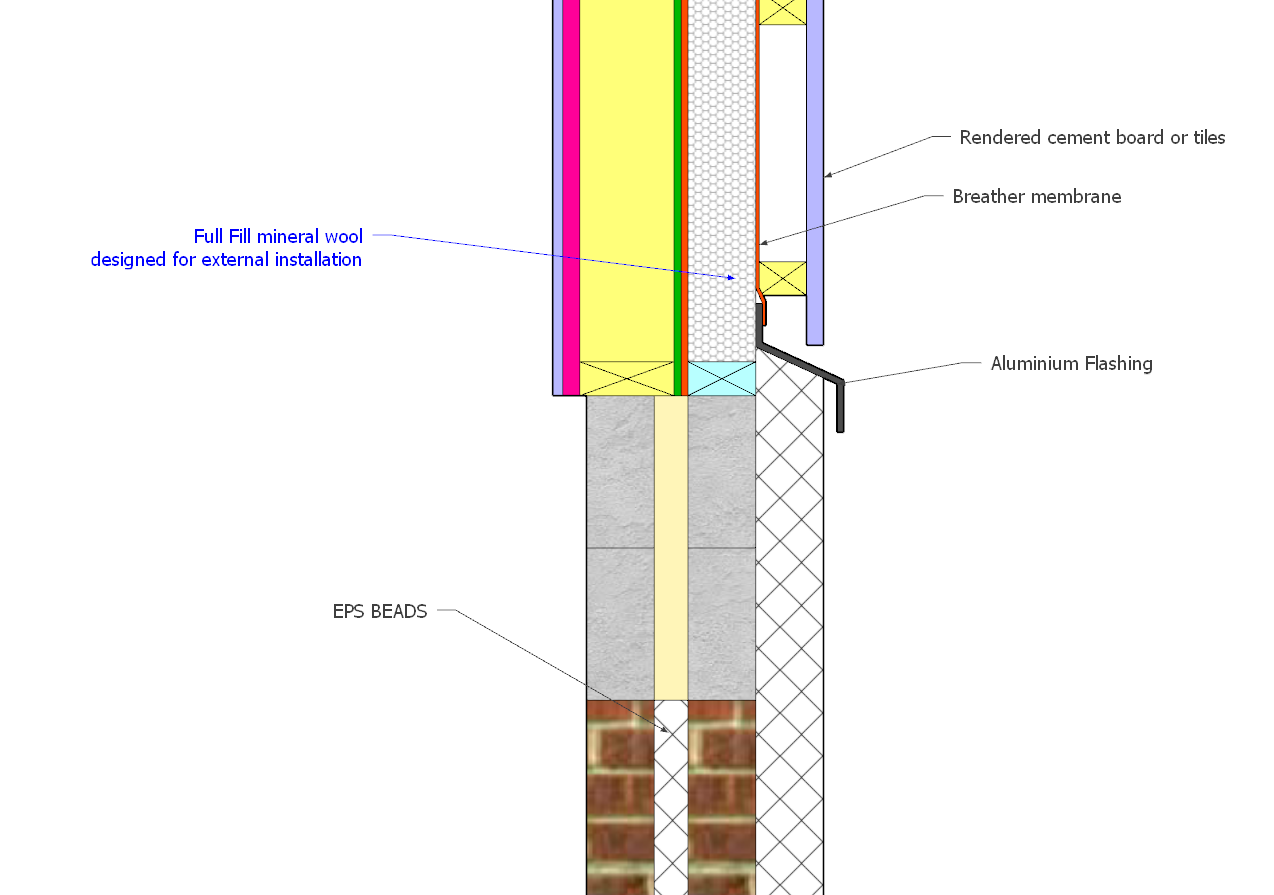
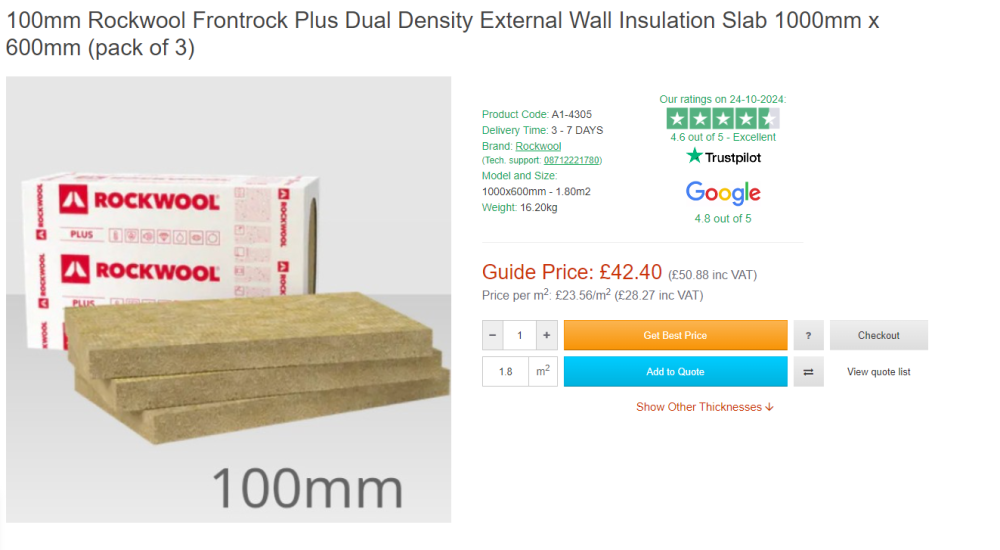
As an option you could infill the external studwork with some mineral wool. Not the stuff that is used in attics but the stuff that is designed for EWI or cavities.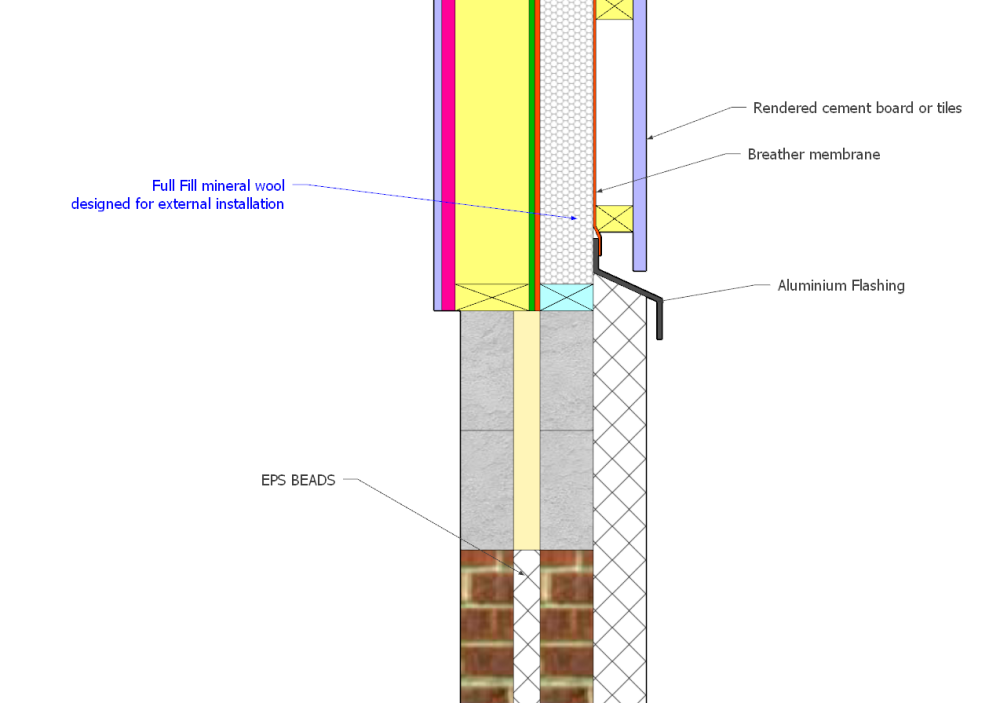
-
Do I Need Even more Insulation? Decision needed within next 24hrs
Iceverge replied to peekay's topic in Heat Insulation
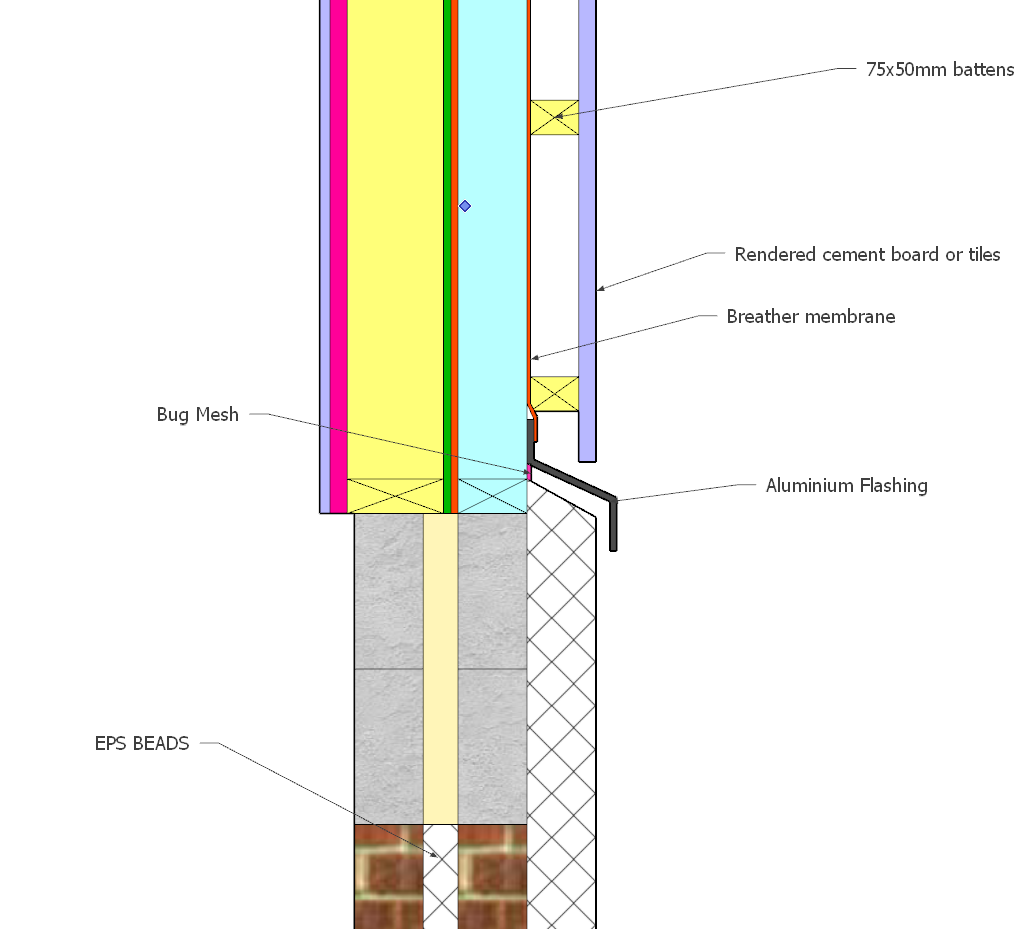
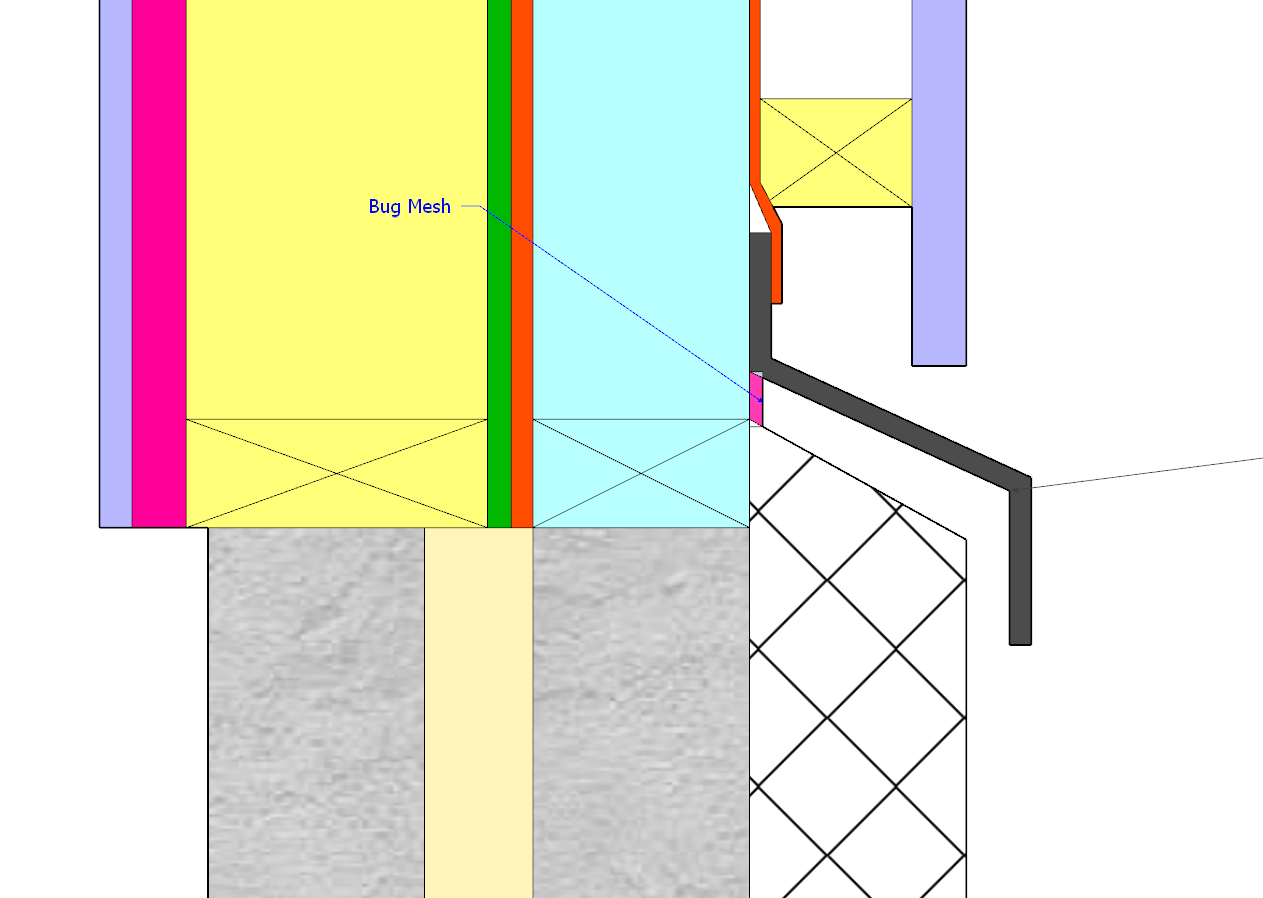
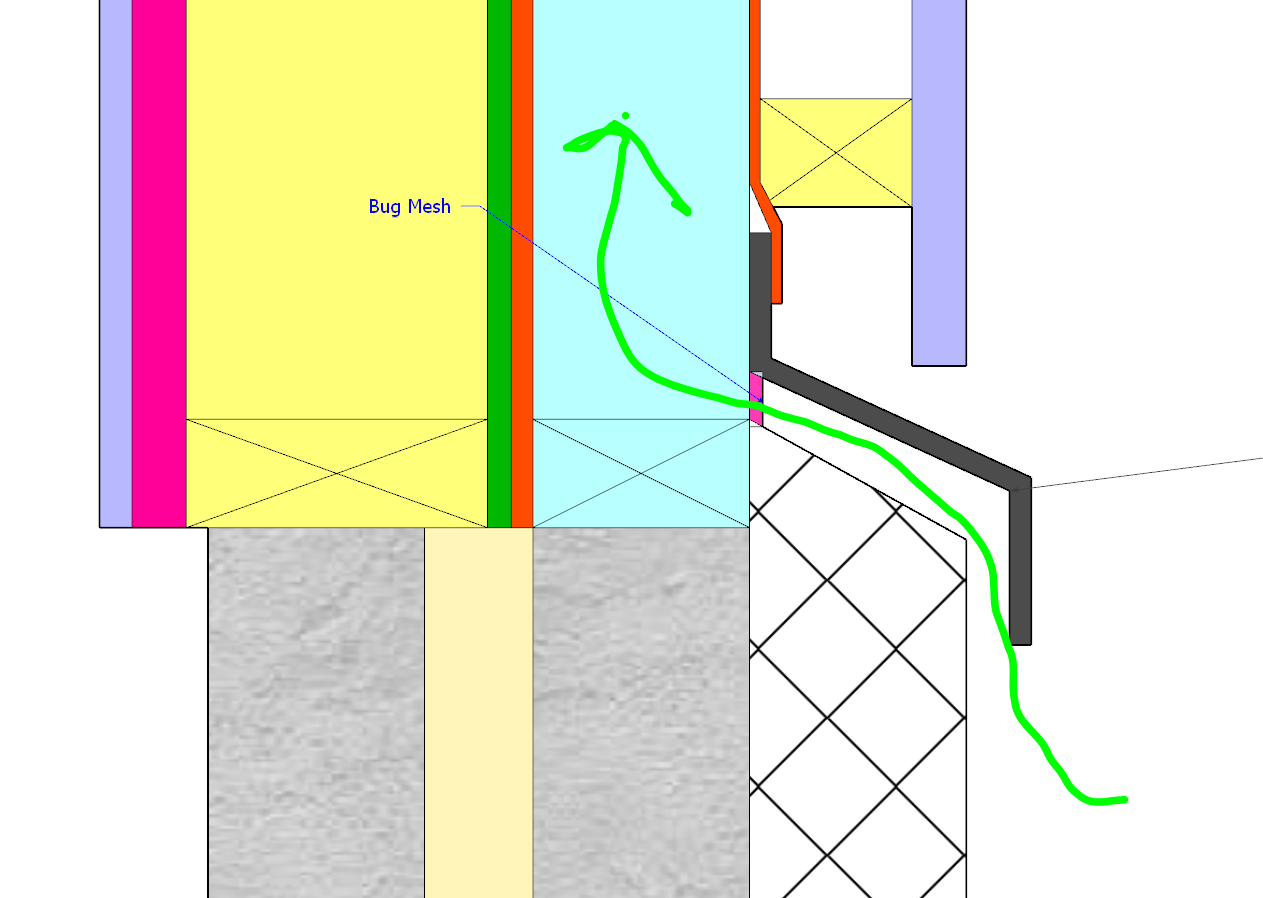
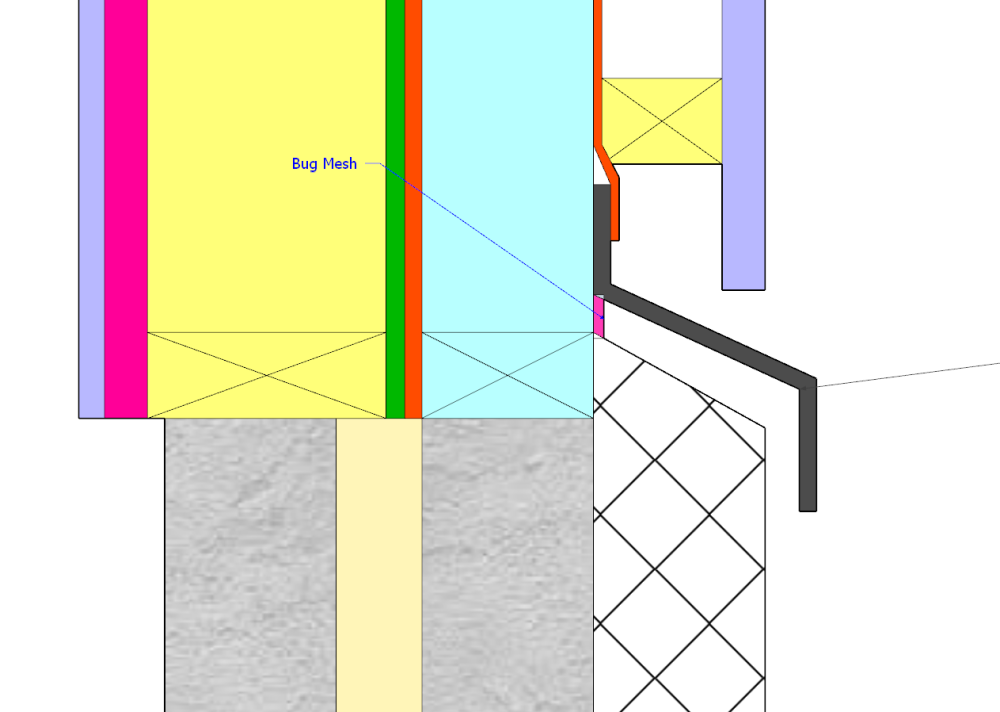
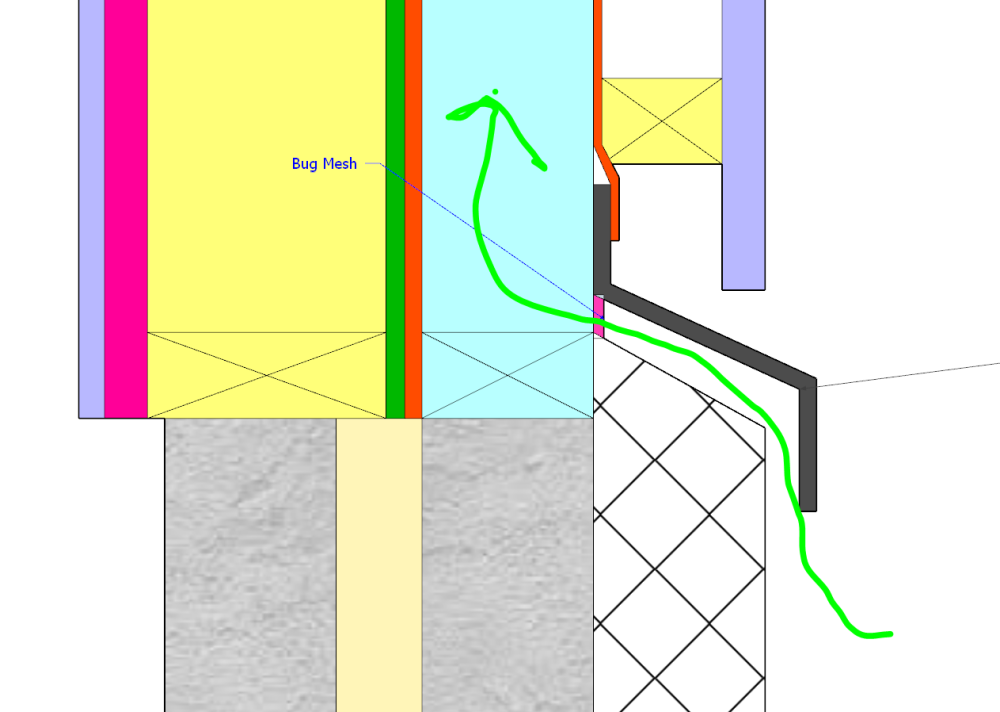
Here's my proposed solution. Fill the existing cavity with beads. Apply a flashing as shown to direct any drips from behing the caldding outwards. Batten and renderboard the studs as shown. Apply a bug mesh and leave a ventilated gap as shown above the EPS to allow the back of the studs to ventilate.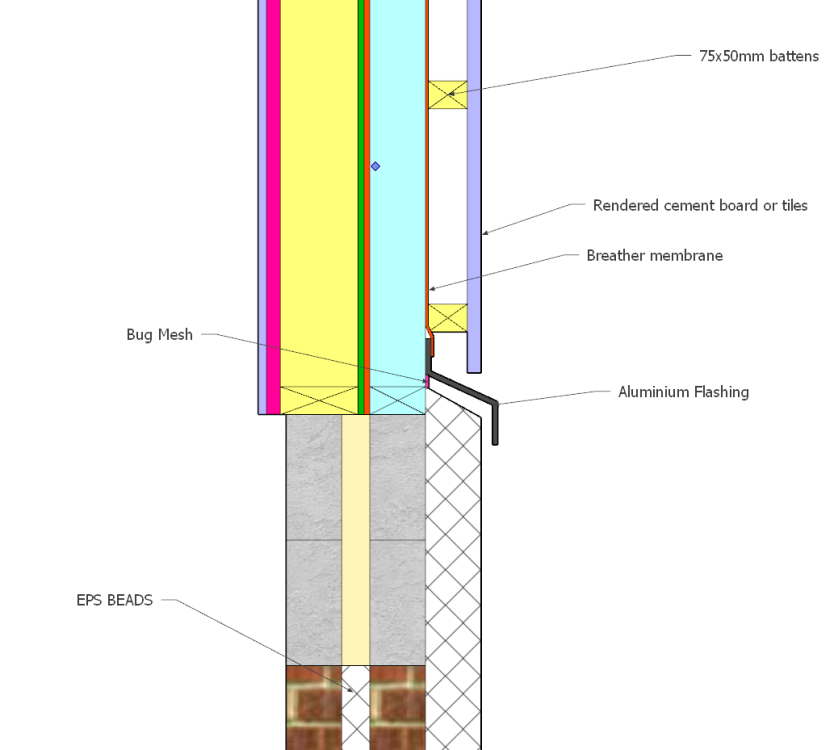
-
Do I Need Even more Insulation? Decision needed within next 24hrs
Iceverge replied to peekay's topic in Heat Insulation
Similarly any drips that might get into the wall behind the insulation will make their way into the cavity and make the existing cavity wall damp.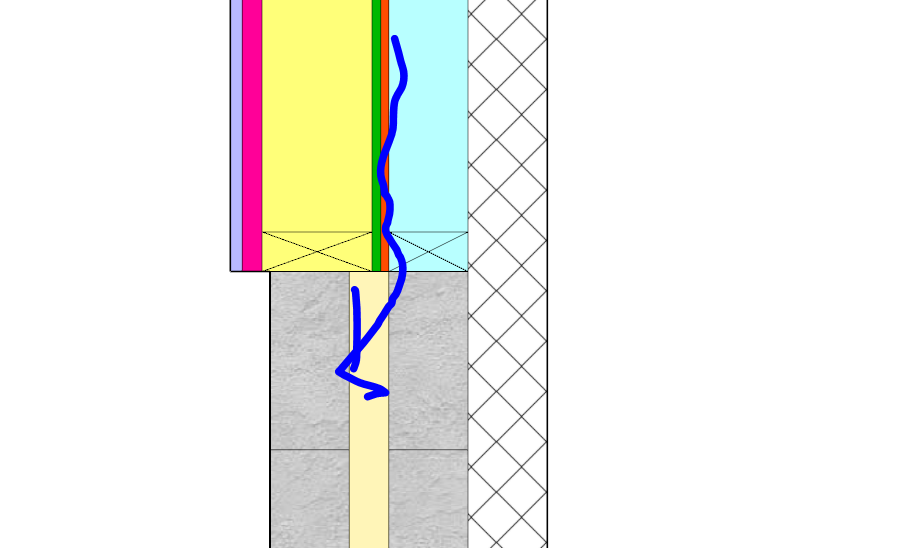
-
Do I Need Even more Insulation? Decision needed within next 24hrs
Iceverge replied to peekay's topic in Heat Insulation
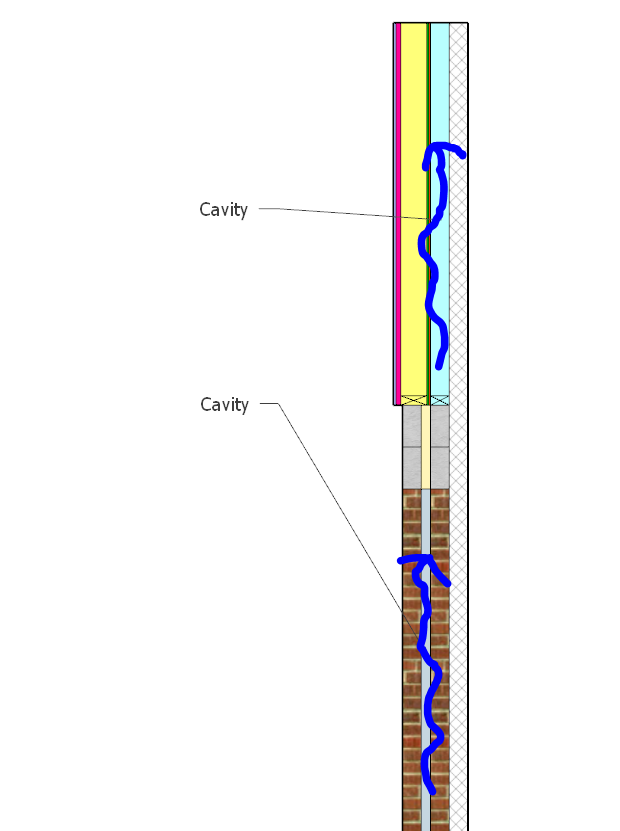
Here is your proposal as I see it today. Not ideal at all as the ventilated cavities will make the EPS insulation almost useless as cold air will circulate behind it.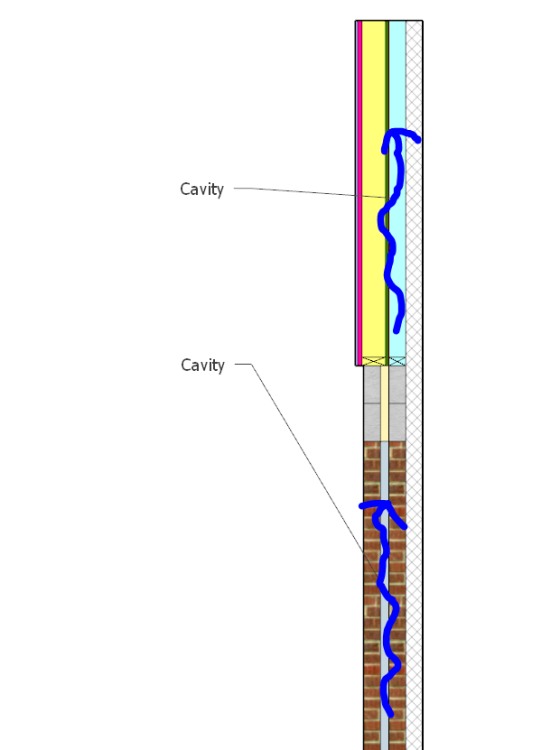
-
Do I Need Even more Insulation? Decision needed within next 24hrs
Iceverge replied to peekay's topic in Heat Insulation
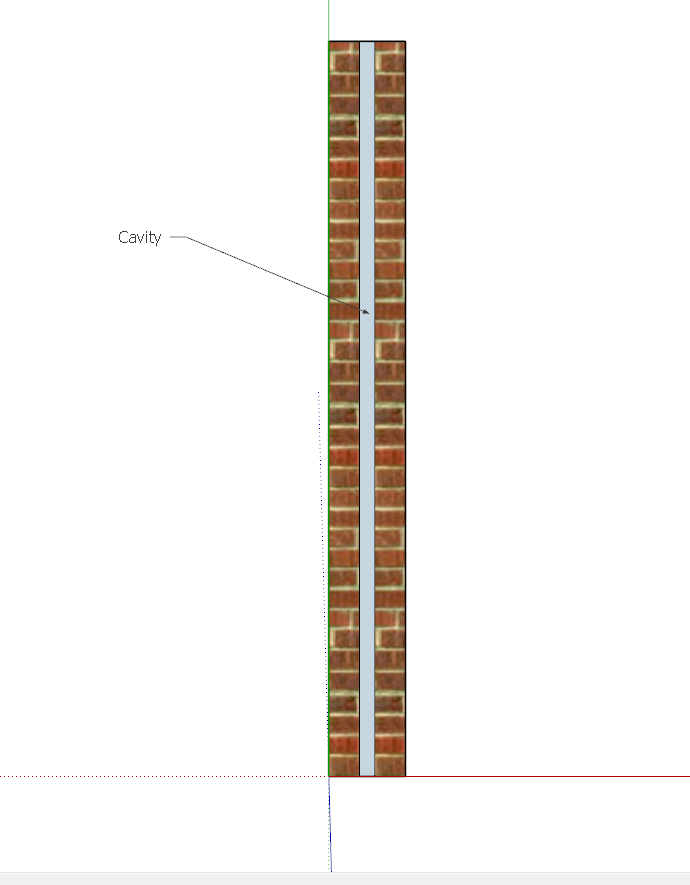
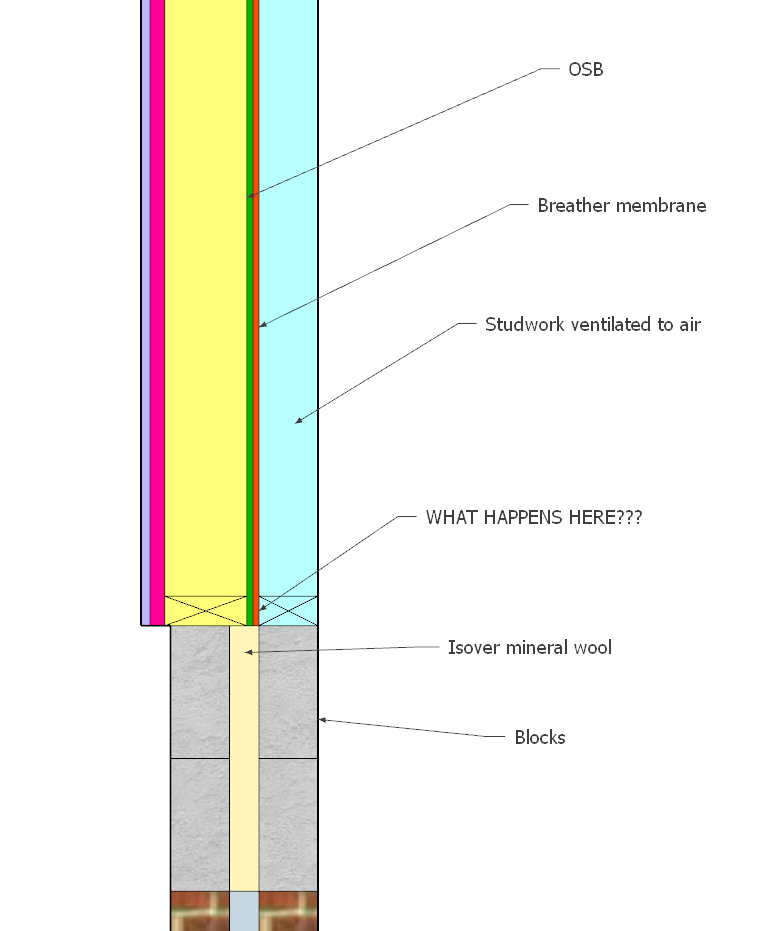
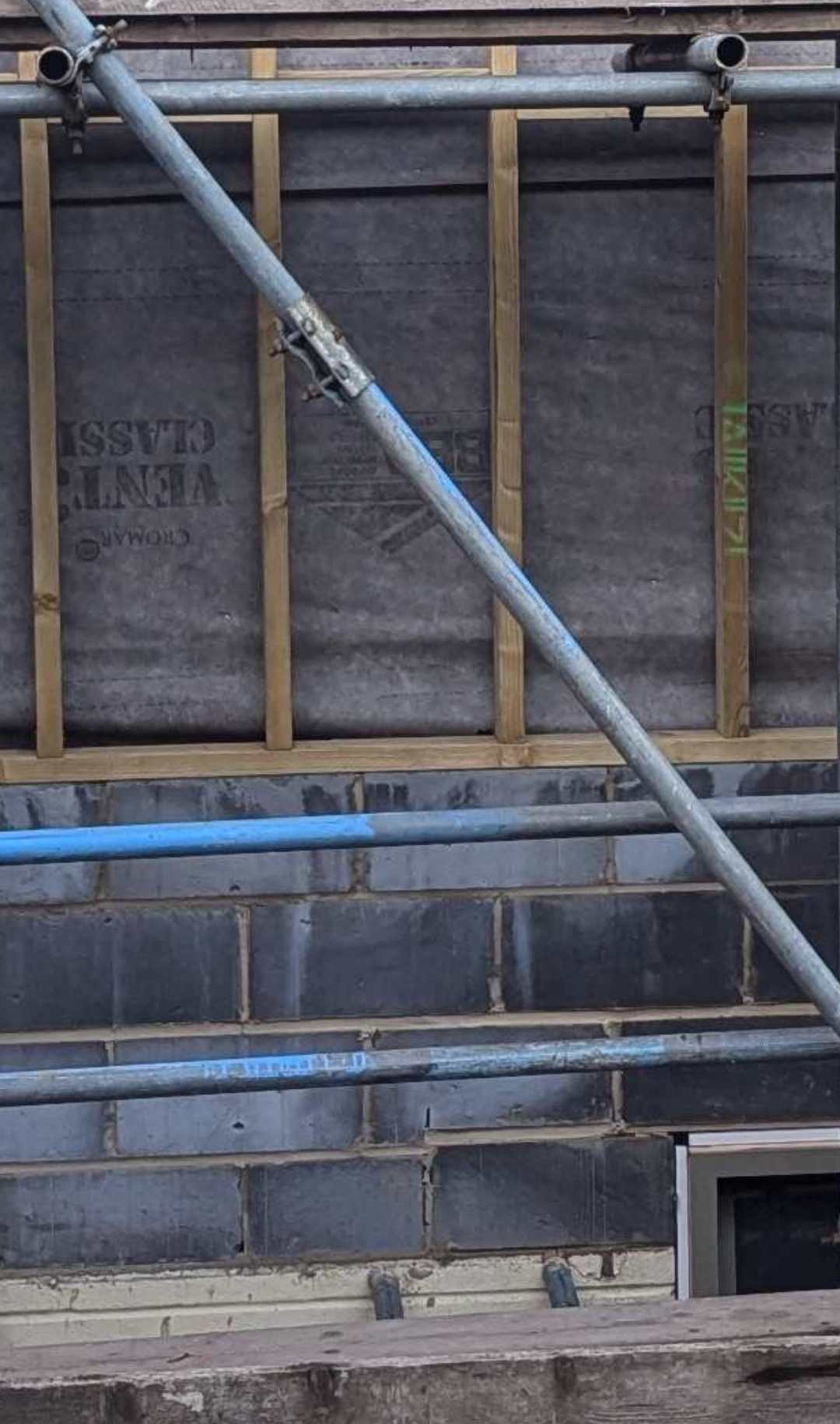
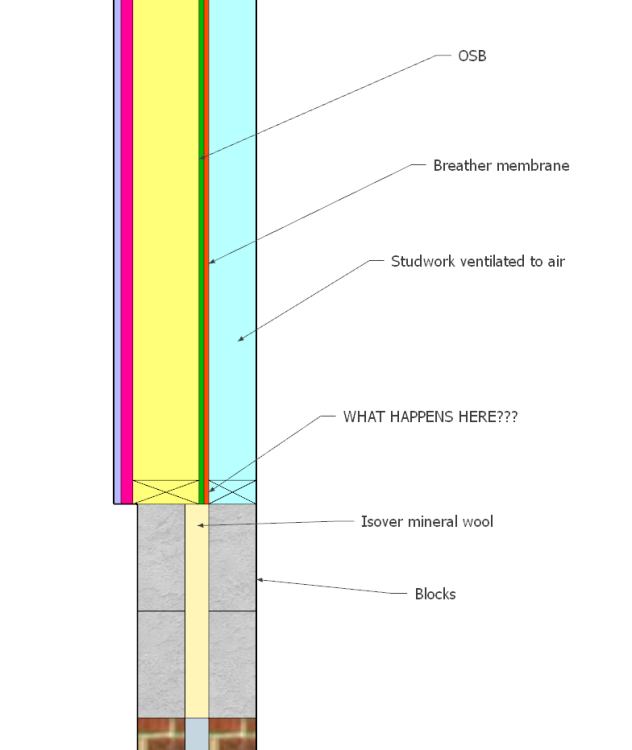
Ok a little detective work here. Your existing wall if i'm correct? Whats's in the cavity as indicated? This is what I think you have today??? What happens at the bottom of the studword with the membrane?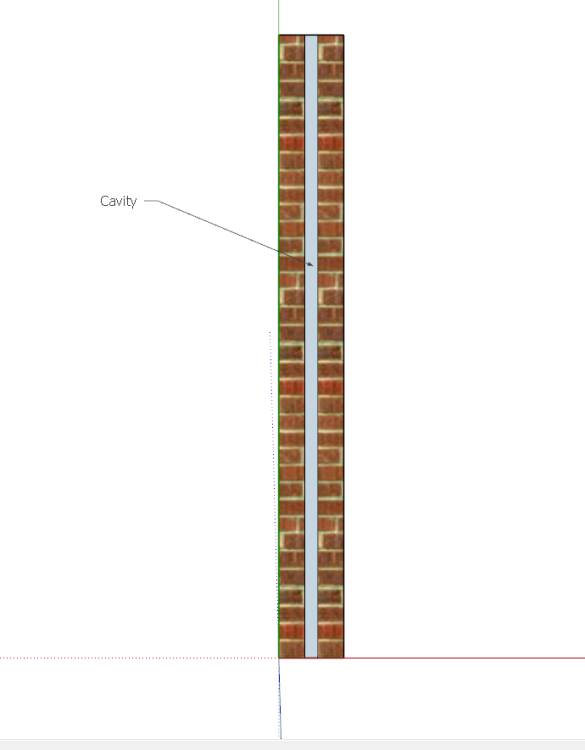
-
Do I Need Even more Insulation? Decision needed within next 24hrs
Iceverge replied to peekay's topic in Heat Insulation
Ok so not EPS direct onto the OSB in that case. Not catastrophic but..... However this detail I wouldn't be too chuffed about. That membrane is the barrier between the water and you. Any drips that get in will run down and disappear into the old cavity by the looks of things. Not ideal and may well make itself known inside your house at a later date and you'll have no idea where the leak is coming from. EPS over this ventilated gap like @Redbeard mentioned will be just a render board. I think this needs to be sorted on paper before any further work is done. Never mind insulation for now. Keeping water out is far more important. I have some suggestions but I'd like to get more photos and drawing if you have them. Can you get on the scaffolding please and take lots of pics. Pics from the inside too. Call the EWI contractor and delay them. This needs sorting beforehand.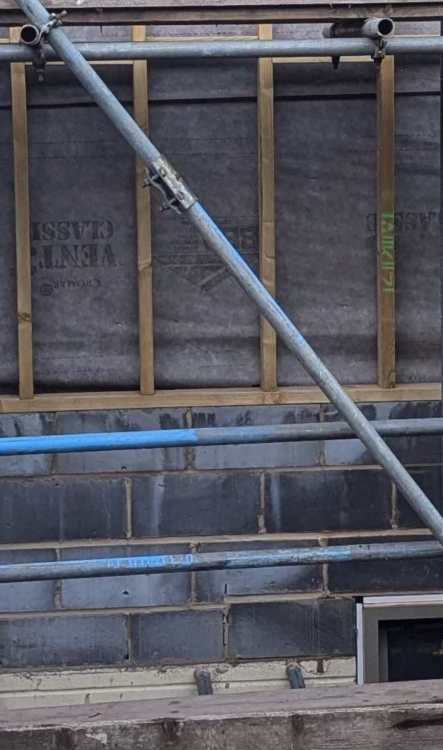
-
Keep us posted. I'm guessing 4ach50.
-
Do I Need Even more Insulation? Decision needed within next 24hrs
Iceverge replied to peekay's topic in Heat Insulation
Fine You've lost me. Sketch please. STOP!!!!!!!!!! STOP!!!!!!!!!! STOP!!!!!!!!!! Render over EWI onto timber frame isn't a good idea. @ProDave has some unfortunate issues but they look minor compared to the problems of the "leaky condo crisis" in British Colombia in the 80's and 90s. Often a component of these buildings failures was the lack of a proper rainscreen and a simple rendered EPS over timber frame finish. Exactly what you are proposing. Get some pictures inside and outside of the building as it sits. Specifically of the gable areas and cheeks to the dormers. It may be best to go back to the hanging tiles or a rendered cement board. Some pics will tell all. -
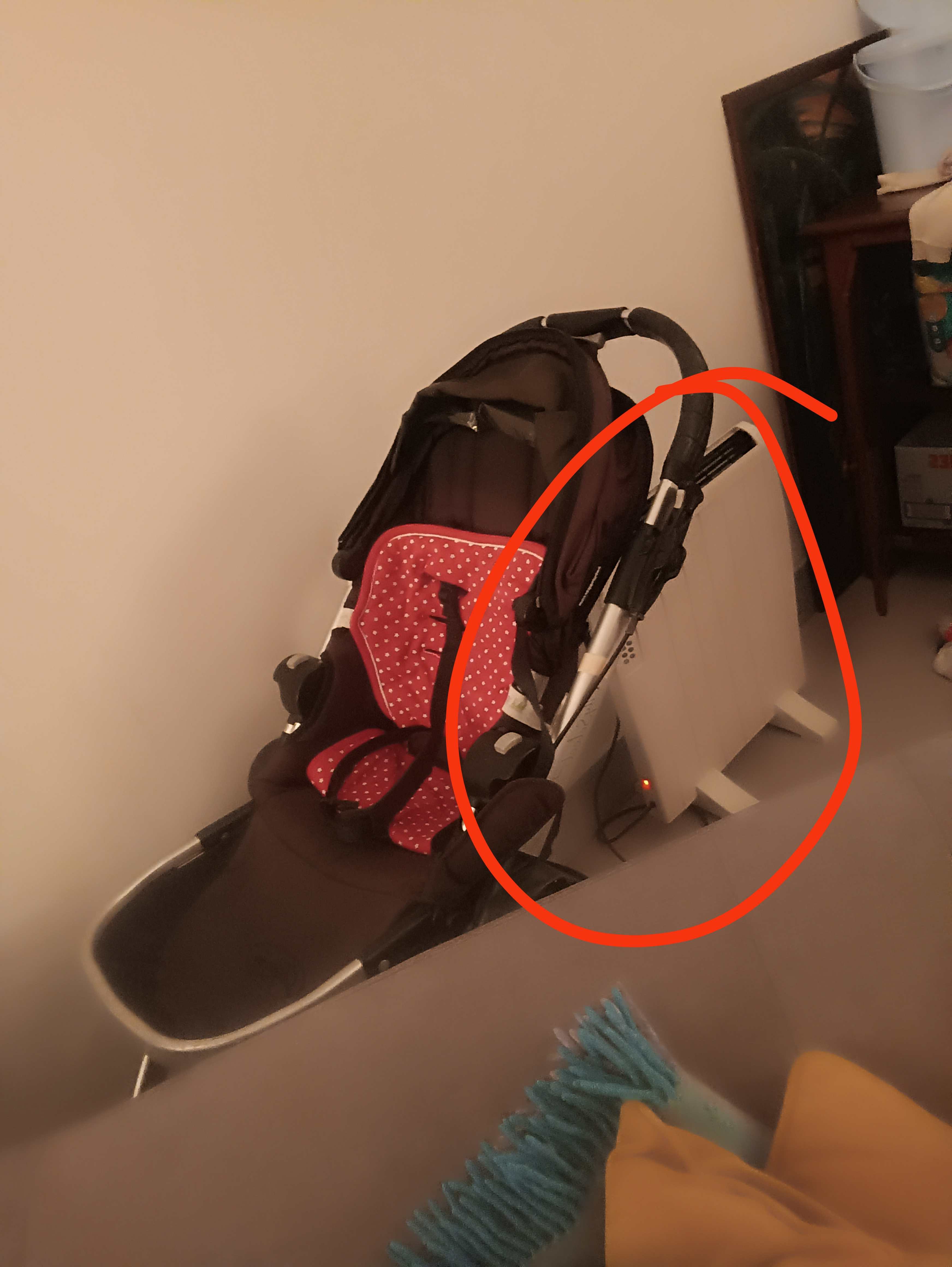
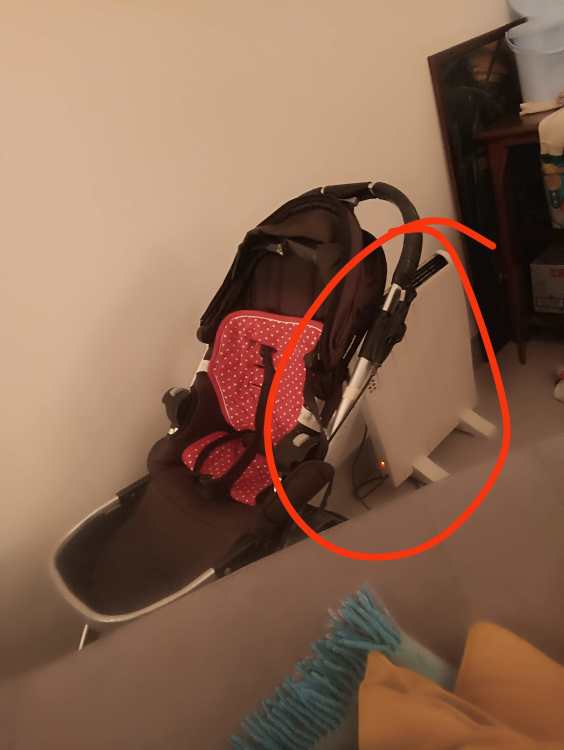
Get you fabric right and anything/anywhere will heat the house. My Mrs just flicked the switch on that 900w thermostatic electric rad. It will tick over from now until morning on cheap leccy. The whole place stays at about 20-21 Deg. It makes little difference where you put the rad downstairs. I'm waiting on my heat pump mate to do the gas connection on the A2A in the hallway. That's only going in to save €500/annum on electricity though. Otherwise I really appreciate the simplicity of direct electric.
-
The Psychology of Visual Heating
Iceverge replied to ToughButterCup's topic in Other Heating Systems
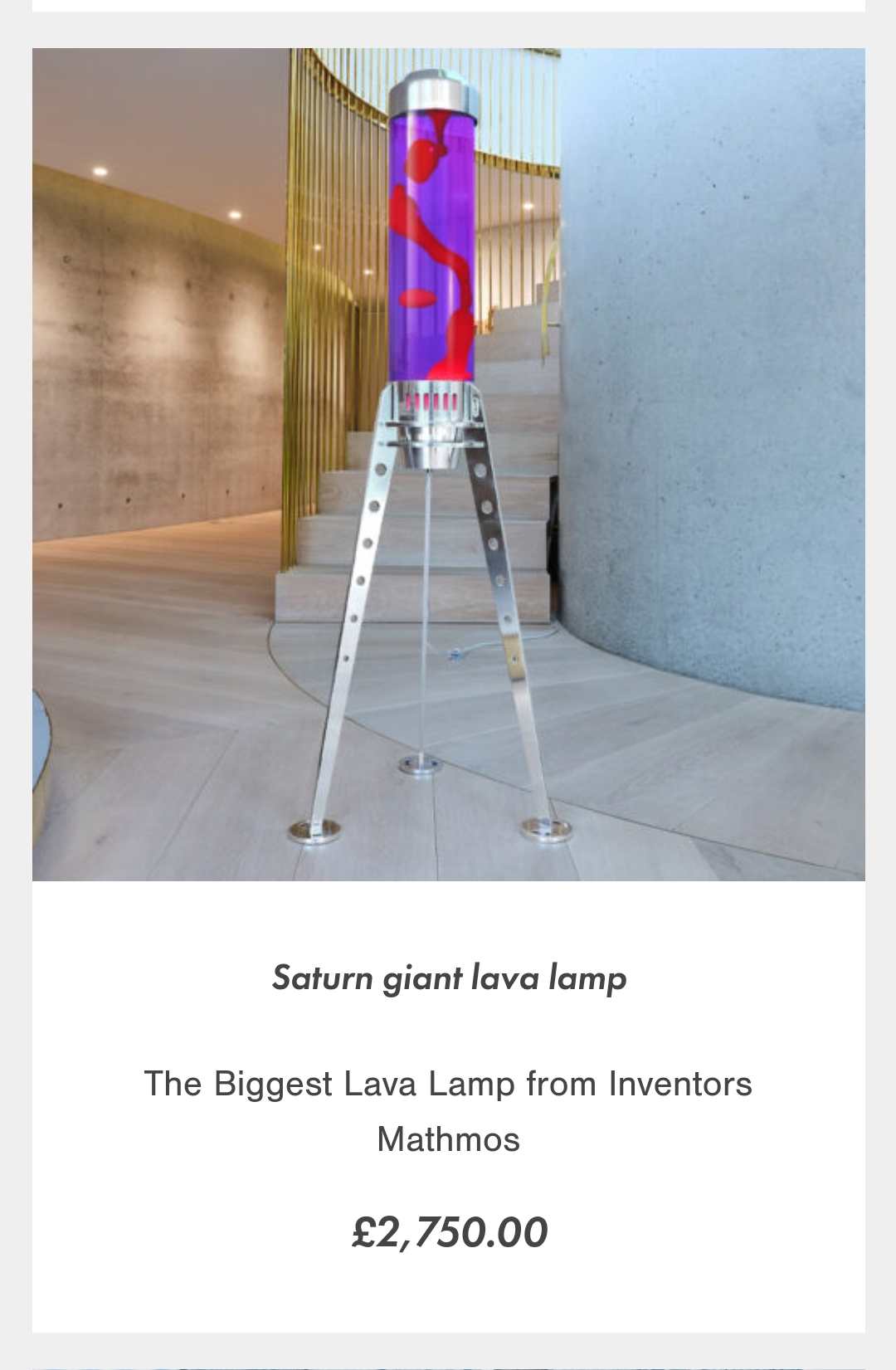
@G and J where does a giant 120w Lava lamp sit on that list?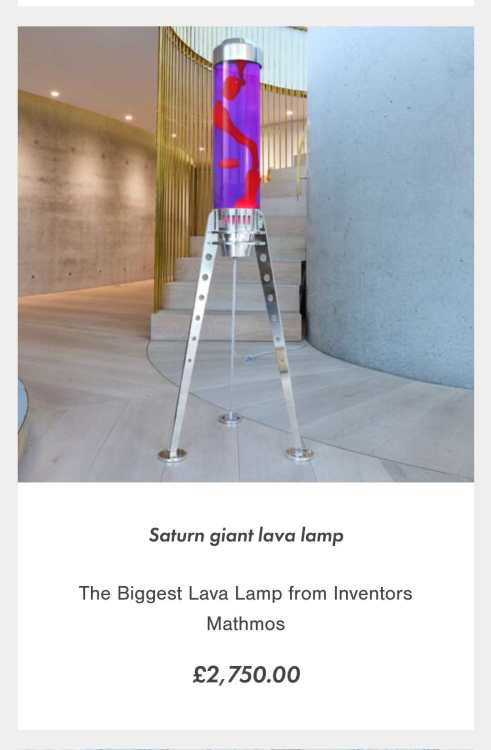
-
Where is progress today? Any pics to share? Have you done any drawings or are you hoping for a starting point with these too?
-
Been there, got the no UFH T shirt. We didn't do it because our plumbers wanted an arm and a leg and I was stubbornly of the opinion that passive houses don't need heating. (Untrue, they only need very little heating) If it isn't scandalously expensive, stick in few loops of UFH to allow you to heat the house like @TerryE by banking cheap tariff electricity. Passive class houses are like those old Soviet jets, they'll run on anything. A couple of fan heaters, a stove, A2AHP, a brace of energetic children/dogs , whatever will heat the house. Don't over complicate it with zones etc. UFH mats under the tiles for the bathrooms too.
-
Extremely Distorted / Warped Double Glazing
Iceverge replied to CGoodge's topic in Windows & Glazing
I've just had a look at our windows. The sliders that are toughened have a very slight ripple effect Vs the non toughened ones. It's not easy to see unless you are observing a distant reflection. Ours are much larger though, the 3g units are 900x2200. -
Extremely Distorted / Warped Double Glazing
Iceverge replied to CGoodge's topic in Windows & Glazing
@craig might have some insight. I wonder is something to do with the toughening. -
Agree with above. From the top down Screed with UFH pipes Slip sheet Insulation layer DPM Layer of EPS insulation Concrete slab.
-
Warm Pitched Roof = 2 membrane layers?
Iceverge replied to Duncan62's topic in Roofing, Tiling & Slating
Woodfiber boards don't need any membrane in some applications so the carpenters are over killing a little. Their understanding may be based on some older membrane types which demanded a ventilated layer at both sides as the weren't of sufficiently low Sd value. But for me in this situation: Rafters with insulation Woodfiber. Membrane (taped at joints) Battens Counter battens Tiles. -
Installing a small MHVR system
Iceverge replied to Mark-R's topic in Mechanical Ventilation with Heat Recovery (MVHR)
I would say Aerobarrier is likely to be very effective. If you use the search function on here there's a couple of people who have used it. It won't fix bad windows and doors however and if you have designed holes like badly fitted stoves it can't fix that either. I wouldn't get too caught up with ACH numbers and MVHR effectiveness, as it's largely an academic argument about energy recovery on a windy day. On a calm day it'll perform much the same in any house. You'll get the comfort and benefits regardless. The only situation I wouldn't think it's worth it is if you need to do mega destruction of a perfectly ok house to install, as the alternative of dDCV is so cheap and easy. -
Knock on the door of a few self builds near you and pick their brains. You'll get some pointers. Have a look at local planning permissions online if you can. It may help suss out the lay of the land.
-
The Psychology of Visual Heating
Iceverge replied to ToughButterCup's topic in Other Heating Systems
You could hope for a blizzard