Iceverge
-
Posts
4485 -
Joined
-
Last visited
-
Days Won
32
Everything posted by Iceverge
-

Sizing MVHR
Iceverge replied to sonicboom's topic in Mechanical Ventilation with Heat Recovery (MVHR)
Yes, calibrated ones. Expensive though. I made my own to depressurise and find leaks in the house from a car rad fan and some OSB for about €40. There's a thread of how to do it somewhere. -
Wet boards. They'll need to redo them Make sure every defective board "falls" down so they don't try to get out of a full reboard.
-
The whole thing is still bananas. Get the bulldozer.
-
Changing your mind is part of this game. It's got more to do with learning than indecisiveness. My plans went from renovations of an ancient cottage, to a shipping container build, to ICF, to masonry with EWI, to timberframe, to stick build, to wide cavity wall. At one point, each one seemed like the best course of action. ........until I learned more. Similarly with heating and ventilation systems and a Plethora of other choices. When you stop changing your mind one of two things have happened. 1.you've arrived at an absolute truth or 2.you've given up thinking. Try not to do the later and mistake it for the former.
-
Going round the houses (literally!) on design…
Iceverge replied to CaptainDram's topic in New House & Self Build Design
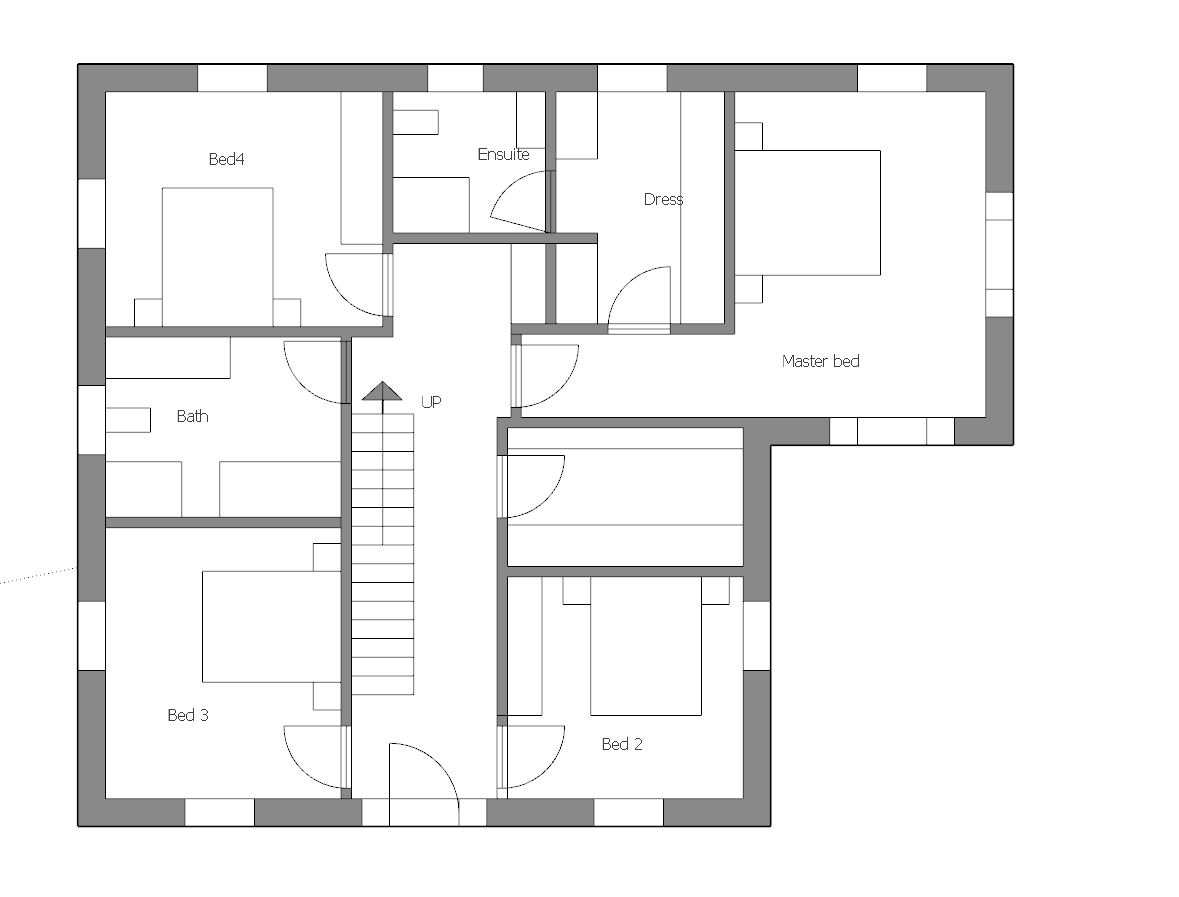
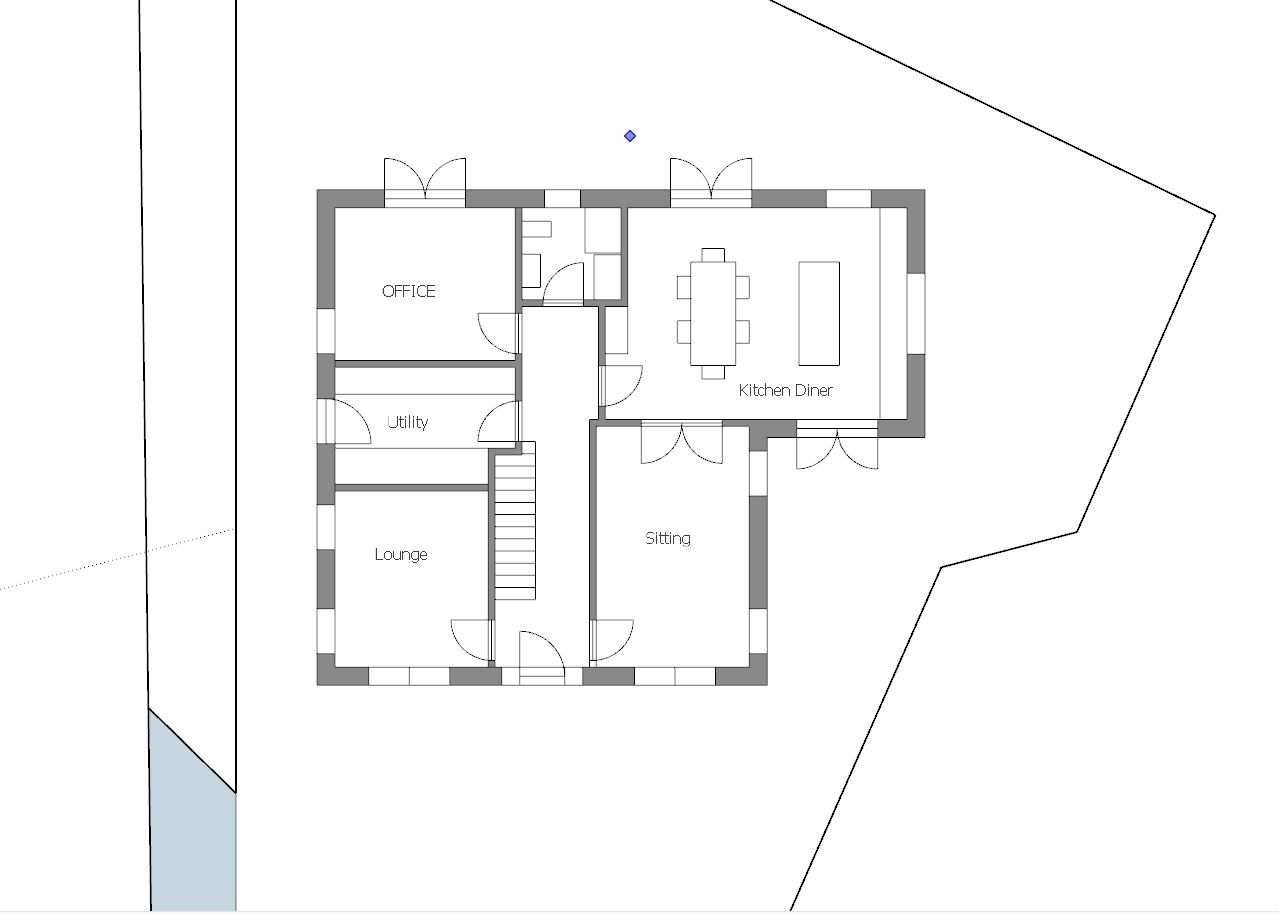
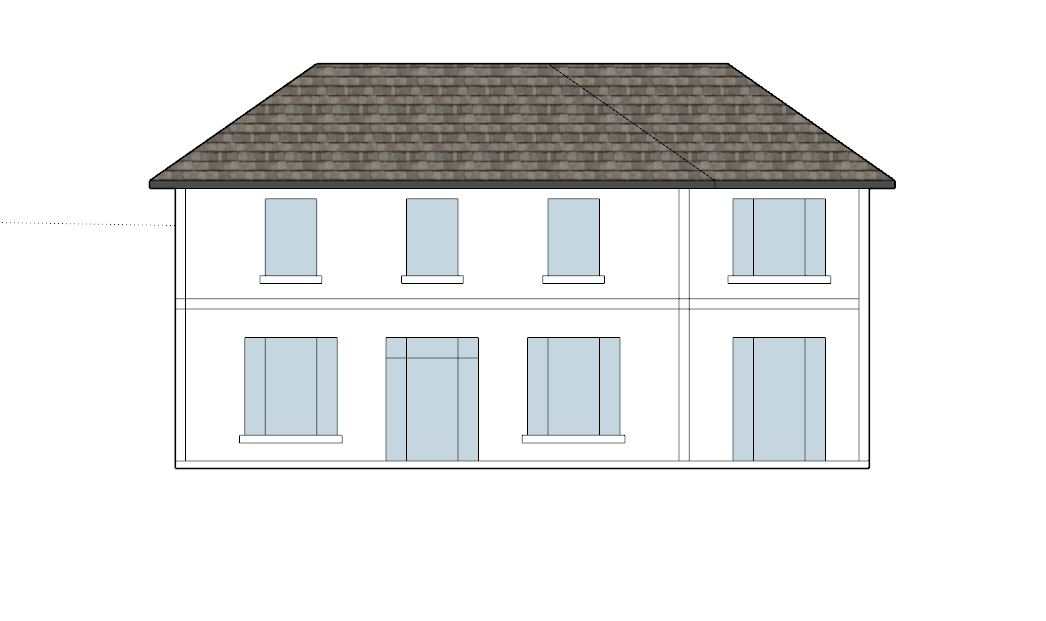
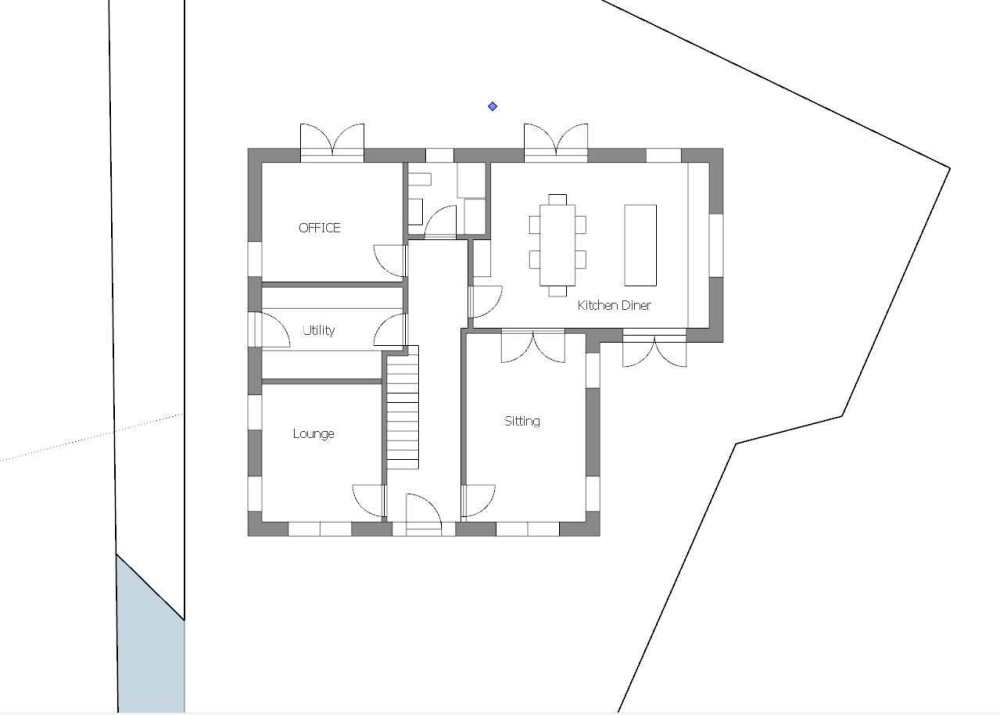
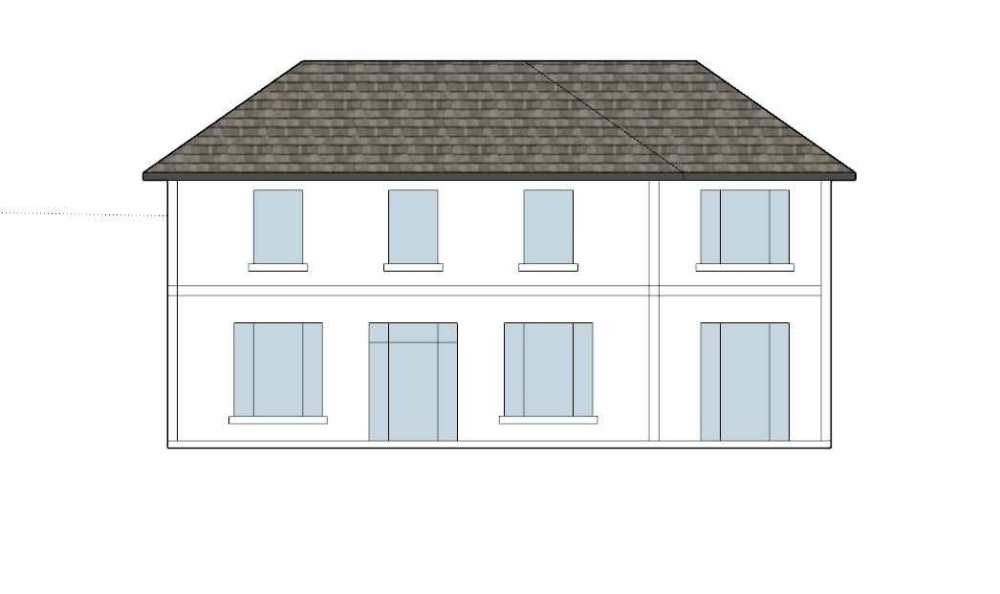
A little rough and ready but i think it works. Should be cheap to build, almost all walls upstairs and down line up. Downstair office has scope to become a bedroom adjacent the downstair WC. Lots of nice southerly light into the kitchen and living rooms. A "wall through" utility to prevent humans cluttering it. I forgot to label the airing/linen store/ laundry upstairs. It's just north of BED 2 The exterior style can be modded easily. Just my default of white walls! .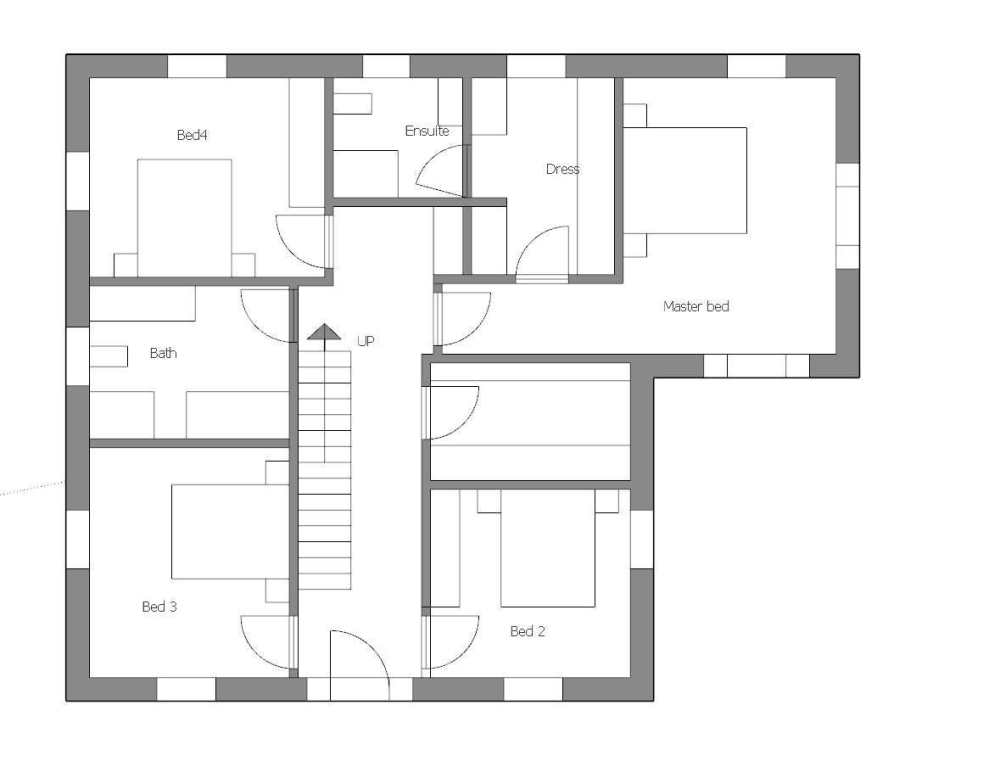
-
Advantage of an induction hob.
Iceverge replied to SteamyTea's topic in Kitchen & Household Appliances
Induction is the best. What isn't though, is the touch controls which they almost all have. Impossible to tackle with oven gloves. When something spalshes out of a pan it sends the whole thing haywire. I would love some remote knobs that fitted onto the wall behind the hob. It'd still be simple to clean then too. -
Ensuite refurbishment & bedding a stone resin tray
Iceverge replied to Gringo's topic in Bathrooms, Ensuites & Wetrooms
How about squirting several tubes of silicone in there? -
Great post @Gus Potter From an amateur point of view, does this mean that if you could convince the DNO to give you even a tiny supply, with a very small fuse, you could make it function ok with appropriate losd spreading and battery storage downstream of the meter?
-
Hybrid system layout to ponder
Iceverge replied to Beelbeebub's topic in Air Source Heat Pumps (ASHP)
Ok rereading the original post it seems to be more of a "could" it be done rather than "should" it be done. ASHPs are really good in 3 ways I think. 1. You can rid yourself of a gas line and the associated standing charges/storage tank. 2. Heating larger volumes of water by a small amount. 3. Cooling. They are bad at: 1. Heating water by a large amount of to high temperatures. Gas boilers on the other hand are: 1. good at heating stuff to high temps. 2. High power outputs In the ideal setup I would say you would preferentially take care of all low temp heating by the ASHP. Without working out the details maybe a very tall thin high volume thermal store. Feed the ASHP in the bottom. The gas above it. Take the heating for the UFH from lower down than the rads. Extract your DHW from a coil near the top. -
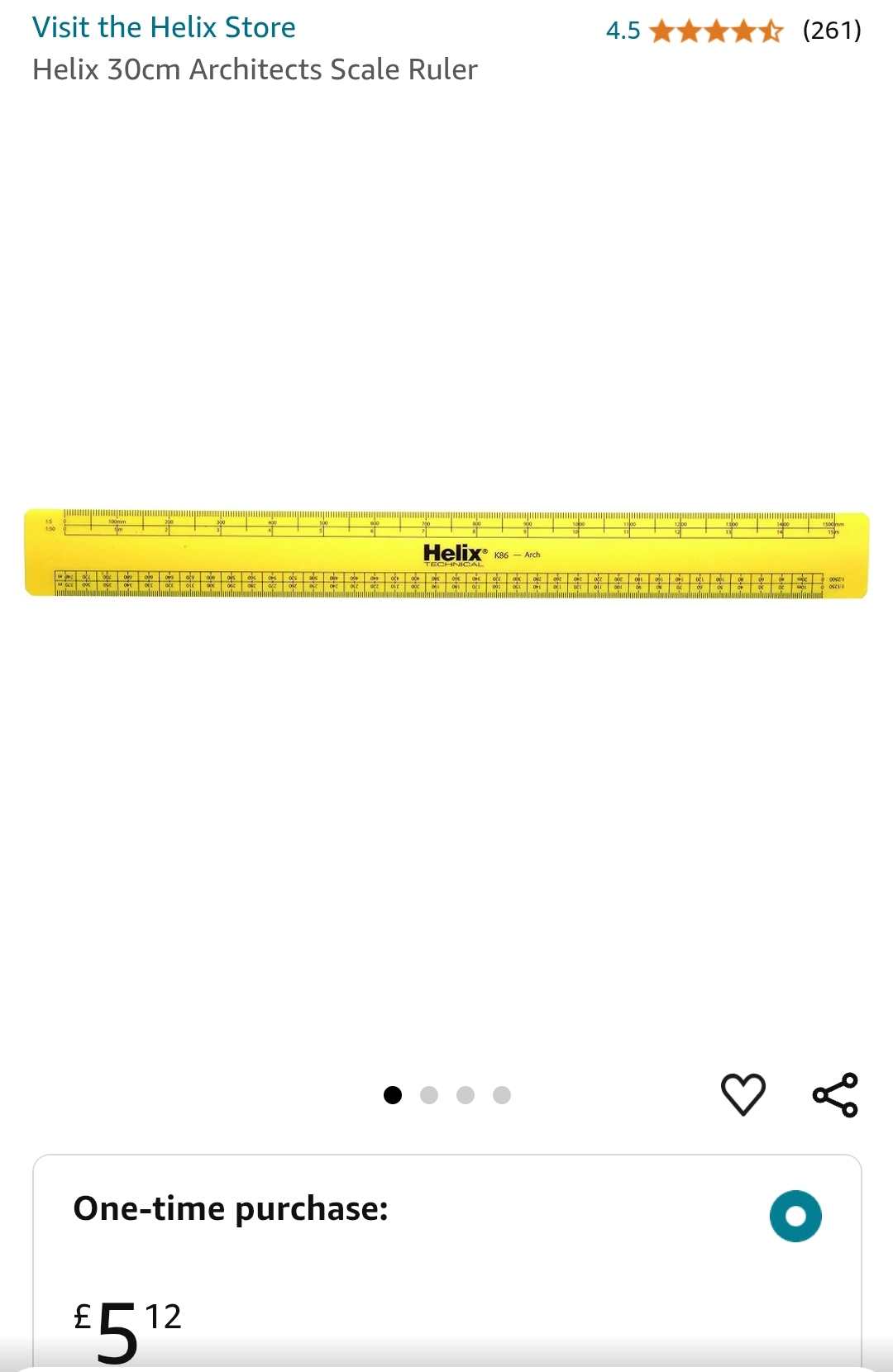
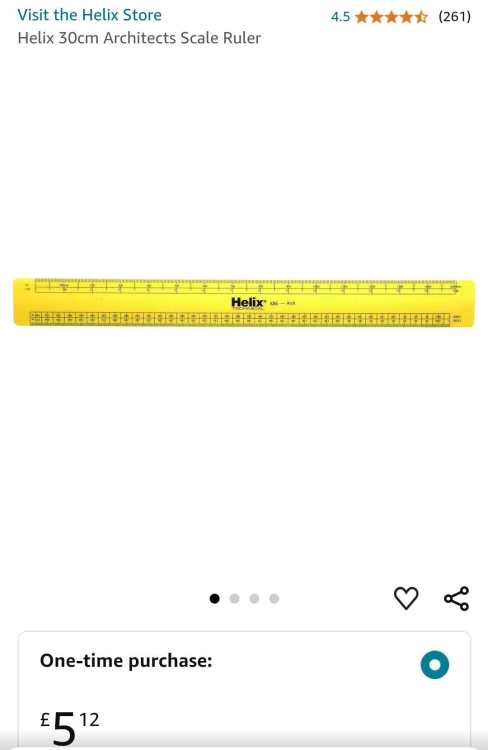
Some A3 2mm graph paper. And a scaled ruler. Don't bother with the triangular ones. Too awkward to use. Oh, and think in millimeters drom the get go. It'll pay dividends later.

-
Hybrid system layout to ponder
Iceverge replied to Beelbeebub's topic in Air Source Heat Pumps (ASHP)
I absolutely love tinkering, inventing, thinking, experimenting. However the above setups are barmy. Internet connected, shelly controlled, bespoke hybrid, Loxone, mini servers, mod box extensions. If you die, get infirmed or sell you house NOBODY WILL FIX IT. There was a tale on here of one of our members very sadly widowed. Her late husband's similarly complex and bespoke setup broke and she was left with no heating. Nobody local could mend it. Very kindly a couple of good souls , I think @PeterW and @Nickfromwales drove to Scotland to fix it up. Keep the core mechanics of a house absolutely as simple as possible. The least tech savvy house member should be able to operate them with ease after 3 bottles of wine. If you must stray into complexity make sure that it is an off the shelf variant that there's enough public knowledge available hat Google will allow you to repair it easily. -
How to build an extension
Iceverge replied to OldieNewbie's topic in House Extensions & Conservatories
Absolutely. People love showing off their building jobs. You'll make plenty of contacts and recommendations along the way. -
Ensuite refurbishment & bedding a stone resin tray
Iceverge replied to Gringo's topic in Bathrooms, Ensuites & Wetrooms
We have a slate effect tray and I don't like it. I much prefer a plain white one. Far easier to clean. Our plumbers put them on sand/cement and as it turned out some gravel too. Made a complete balls of it, bouncy and hollow. Next time I would use a Mira tray (bedded on Tile adhesive) with upstands or else make a wet room style floor. -
Sizing MVHR
Iceverge replied to sonicboom's topic in Mechanical Ventilation with Heat Recovery (MVHR)
I'd double on this. They're a straight swap for most bathroom extractors. Almost silent, cheap, fit and forget. MVHR does take a certain amount of know how and servicing. The filters need doing a couple of times a year. The exchanger could do with a wash every few years and the bearings in the motor will wear out too. There's probably £100/year of maintenance when you take this into account so unless you're in a passive class house and know what you're doing a dMEV is a very easy recommendation. -
This is the real benefit with airtighess. Keeping the structure safe from all the dampness we make inside. Although with mechanical ventilation the leaks will rarely cause issues as the internal air will generally be of a safe humidity level anyway.
-
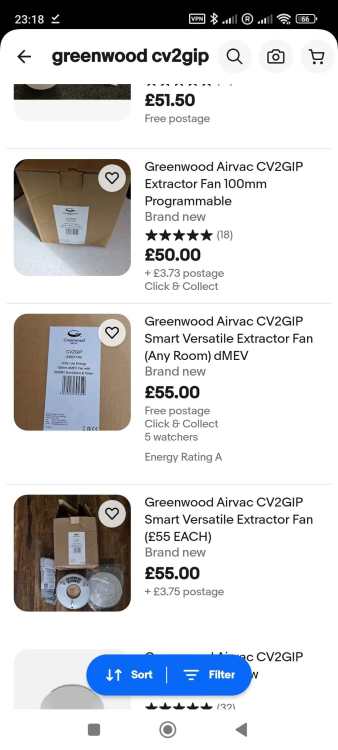
What is your current ventilation strategy? Get some of these installed in any case. Is there issues outside the wall with standing water or anytime?
-
New MVHR question DIY install
Iceverge replied to AppleQueen's topic in Mechanical Ventilation with Heat Recovery (MVHR)
Don't! You'll fill the ducts with dust! Jamb a cloth in the terminals or stretch a rubber gloves over them. Yes. Completely normal until you fit valves and balance them -
Hybrid system layout to ponder
Iceverge replied to Beelbeebub's topic in Air Source Heat Pumps (ASHP)
One or the other would be my vote. The cheapest thing would be keep the rads and boiler. Spend the savings on dMVHR, airtighess and insulation. -
Coldwells Passivhaus Turnkey Houses.
Iceverge replied to TheMitchells's topic in New House & Self Build Design
I applaud the idea. However they seem dear. The turnkey price is about £2500. Still need to add PV, paths driveways and utilities connectors after that. We built a passivhaus in 2020 for about half that. -
Sizing MVHR
Iceverge replied to sonicboom's topic in Mechanical Ventilation with Heat Recovery (MVHR)
Not worth the hassle, just set an average rate to maintain an acceptable overall air quality. The house will have enough volume to buffer the peaks and troughs. -
Curved ceiling / Vaulted rafters insulation
Iceverge replied to InspiredSloth's topic in Building Regulations
Any pictures? How big is the roof area you need to cover? Ultimately if you want to make a proper job of it you'll need a thicker roof. I would avoid rigid boards between the rafters. -
41kVa is a lot. We were given the option of 16 or 12kVa. 6 kVa would probably have done us. I would enquire what they can do with the existing transformer too. I bet that if it's even 1kVa you could make it work with some diligence.
-
Is your house completely in the middle of nowhere? Can you settle for a smaller supplier and buffer it with an on-site battery for peak loads? Would it be possible to organise the routing from a suitable transformer to your house yourself and just bury a chunky cable on your land? Can you move the house?
-
Sizing MVHR
Iceverge replied to sonicboom's topic in Mechanical Ventilation with Heat Recovery (MVHR)
How many people in the house? BALLPARK numbers here..... 30m³ per person per hr, normal flow rate for an MVHR unit is about 30% So if a Brink 450 is I assume 450m³/hr in a nominal setup then it'll do 4.5 people. If you have 6 people get a Brink 600 (if even such a thing exists). -
Nice.... I'm nicking that.