Iceverge
-
Posts
4487 -
Joined
-
Last visited
-
Days Won
32
Everything posted by Iceverge
-
Welcome @Beechgate Passive house here. Concrete built. It was about €35k cheaper than MBCs timber frame which swung it. I had about 4 years of research done, did the design and specification myself. In hindsight a good architect would have been worth employing. But one who will really understand passivhaus, match your aesthetic preferences and really respect your budget will be very hard to find. We used a main contractor and did some work myself during covid. Passive house is tricky and some of the details need to be different from the norm. Expecting a contractor to change their system and learn on the job is not going to be without a time or effort cost. Luckily ours just left me get on with any of the strange details myself. I would start with what your realistic budget is. That will determine everything.
-
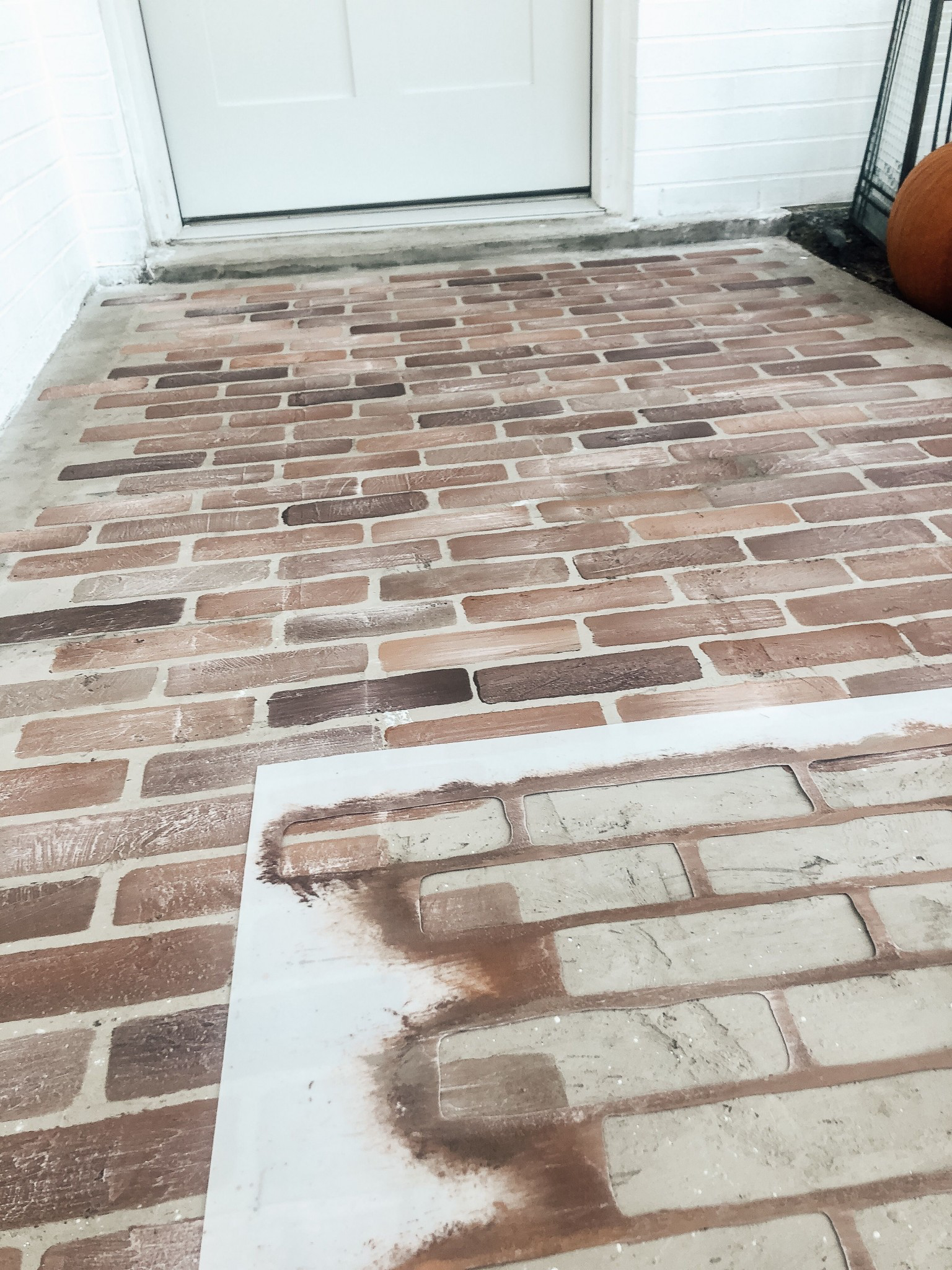
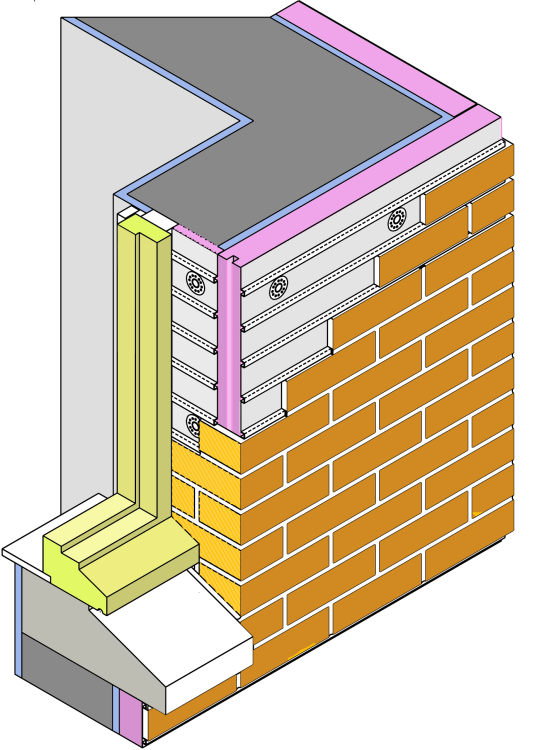
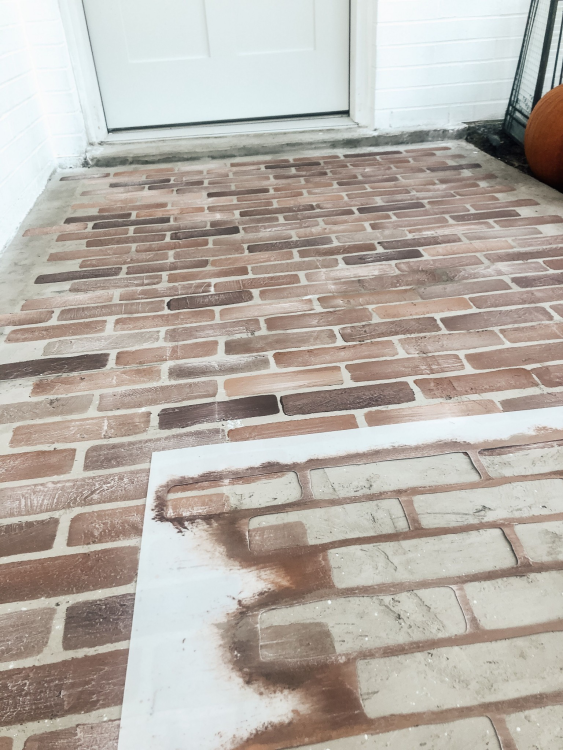
Picture's would help. especially of the quoins and soffits in detai. Lots of knowledgeable folk on here with a world of experience. You can get dedicated brick slip carrying insulation boards. It really would be a squandered opportunity to only do the brick slips without insulation. A cheaper alternative might be to get a stencil and a good painter. https://www.cuttingedgestencils.com/blog/paint-a-faux-brick-wall-using-stencils.html

-
I'm with @ProDave here. You'll need to extend the eaves to cover any cladding too. I would chose a neutral paint complimentary to the colour of the stonework. A cream or light brown maybe. Another option for it to look fresher is to power wash and paint the roof tiles.
-
I have one of these, built my garage with it. Twice it's come to save the day when a DeWalt level and then an expensive rental model went bust. Its about 4 years old, never got any special treatment and is still going strong.

-

Thermal bridge of vertical metalwork
Iceverge replied to MattMiller's topic in House Extensions & Conservatories
Can you post accurate external dimensions of the house and I'll throw together a sketch if I get a chance -
Thermal bridge of vertical metalwork
Iceverge replied to MattMiller's topic in House Extensions & Conservatories
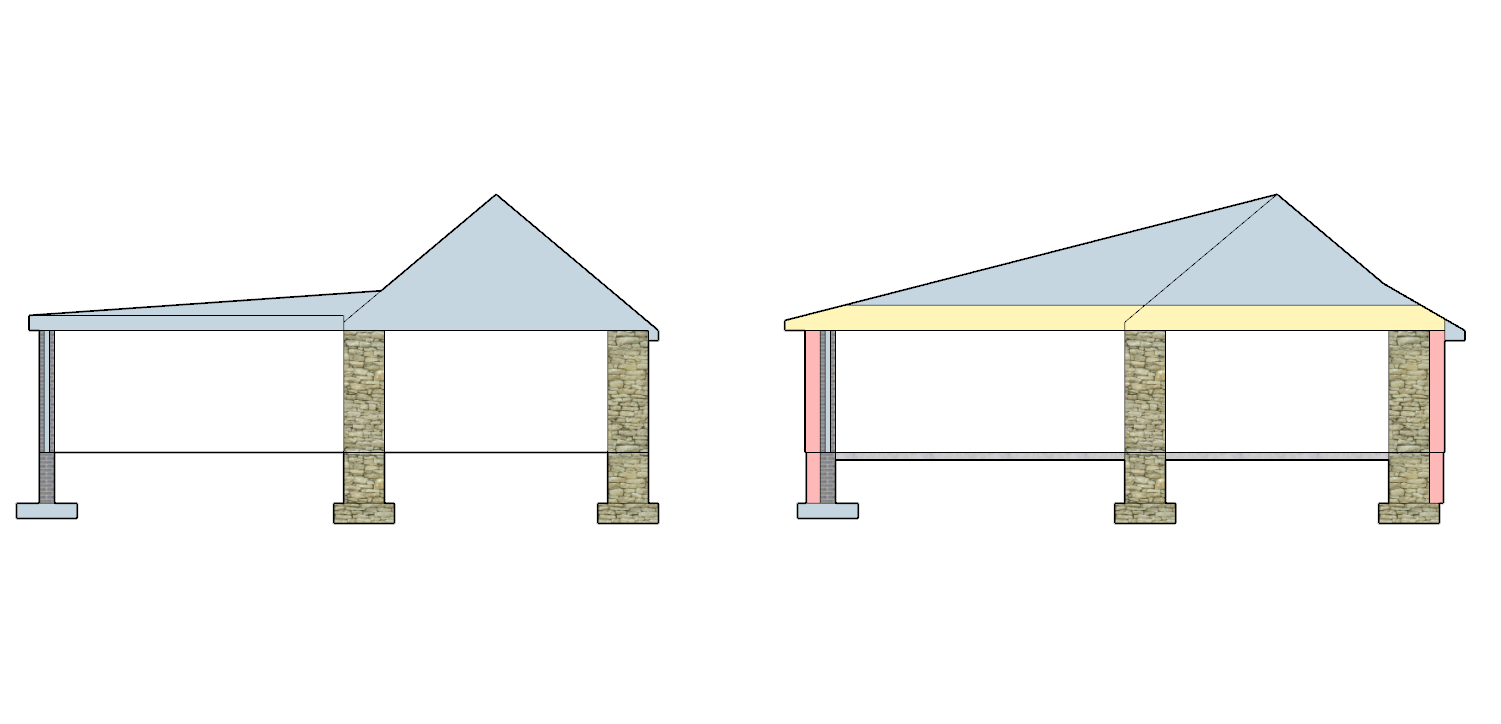
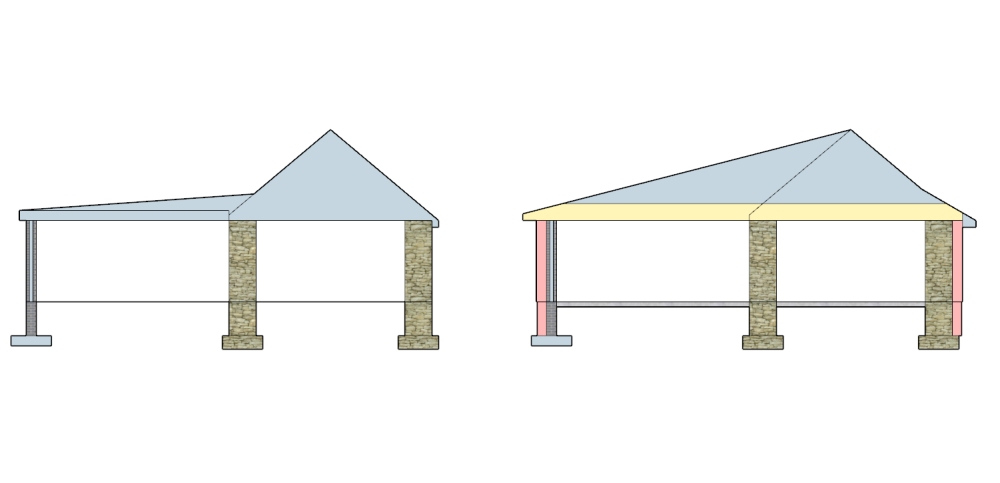
I was actually referring to the entire house but having looked at the sellers photo's I can see that it is in far better condition than I thought. In fact it looks quite finished regarding the interior. Probably worth spending a few bob refurbing rather than pushing the whole lot into a hole with a bulldozer and doing a new build. That's my default answer when it comes to old houses that are in poor condition. Good, it'll need ducting to the wet rooms however given the layout of the house. If it was a compact shape single point extraction from a central room may have given you 90% of the benefits at 10% of the hassle. Consider a future ESHP location when you're installing the extractor and a silencer as it may be loud. I would consider holding fire on the windows and doors for now. The roof is top priority. Excellent, the basics of heat loss calculations will be child's play to you in this case. Well worth getting a handle on the numbers. They often make complex issues very straightforward. They are probably not as awful as the extension with its drastic overglazing. However they are still lightly to be in the region of 1.5-2.0 W/m2K. An order of magnitude worse than a modern acceptable figure. Given their high heat capacity they will resist any sudden changes in temperature, and the interior surface will be close to room temperature leading to good thermal comfort. However they'll still be leaking lots of energy. I'm guessing oil then. Probably worth thinking about an all electric future at some stage, even if it is 10-20 years away. That means induction hobs (brilliant IMO) and ASHP (great if done well, awful if not). PV is far down the list of priorities unless you have a specifically high summer load than can maximise its use. Get the fabric sorted first. @Marvin's AIM-APE nails it. Airtightness,Insulation,MVHR,- ASHP, PV. Yes, flat roofs belong in the Sahara Desert, certainly not in the west of Scotland. Pitched roofs are far more durable, almost never leak, don't suffer from interstitial condensation are cheaper. Easier to insulate and you get space for plenty of insulation and services. You'll need to move that velux. The current roof is too close for comfort to the bottom of it as is IMO. No, it's success is entirely due to marketing. Apart from a few tricky situations which could have been avoided by better designers there is always a better solution to PIR. It's a shallowing of the roof slope at the eaves. In your case to allow continuous insulation between the loft and the external wall insulation. External wall insulation (EWI) comes in many forms. Most common is EPS boards. Phenolic boards, rockwool, woodfiber are all used. They normally take an acrylic or silicone render. These are not cheap or foolproof however and some members have had issues. My neighbour used a special roughcast on EPS . Seems to be lasting well. Less common ways to do it are attaching larsen truss timbers to the wall. insulating between, then a vented cavity and rain screen. I have seen pictures online of metal ties being used to hold cement board away from the wall and create a cavity which was then filled with EPS beads. You could always just build another single leaf concrete wall away from the wall and create a cavity. Cheap and very durable but you'd have an extremely thick wall! There's no issue with EWI and stone walls as the insulation moves the dewpoint outboard of the stone. Infact it will help preserve the wall almost indefinitely provided you do a good job keeping the water out too. Sorry about the planning queries, I know little in this area re the UK. Here's a quick drawing I did of a section through your plans to demonstrate what I was thinking re a really good renovation. On the left is before and on the right is after. The lead flat roof is removed and it is pitched to the apex with a substantial overhang and a raised wall plate detail. Similarly the existing pitched roof is given a bellcast and overhang. You can see how the roof insulation ( loft roll is about £10/m2 at 400mm) joins up with the external wall insulation to mitigate any bridging at the wall/roof junction. The EWI runs outside all the existing wall outside the troublesome steel and solid walls. EPS runs at about £35/m2 for 300mm. It is cheap VS the time and render cost so do as much as you can. Take it right down to the foundation and your heat loss thought the uninsulated(??) floors will be minimal and you won't have to disturb the inside of you nice house at all.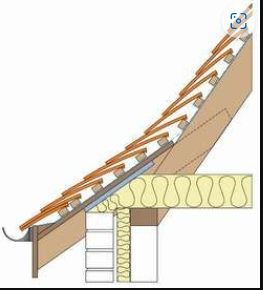
-
Yes, it is an unvented system so will require a pressure vessel too. Check your current plumbing is capable of mains pressure. You can dispense with this as you'll have mains pressure hot water, a vastly superior experience. Disclaimer, I've never used one, rather learned here about them. I like the theory however. A search of the term "ESHP" should point you in the right direction. You might fall in to G3 regs which technically require an annual check AFAIK. Stand alone systems. No interdependence. It depends, a multi split is one external to many internal. A simple split unit is one for one. More knowledgeable folk than me could point to the advantages/disadvantages of siteing close to the indoor unit. A warm location for an external unit is a bit mute given the enormous volume of air they move, so long as the fan isn't constantly fighting the prevailing wind or in a tiny alcove that will become refrigerated by the external unit you'll be ok.
-
On such a small building where you can personally control the quality would you consider with having the airtightness layer outboard of the insulation. How about. 70mm logs, Taped breather membrane as airtight layer. 37mm gap 63mm stand alone stud filled with 100mm batts "tucked around" the back of the timbers. plasterboard It might work our as less in labour and materials?
-
Option 1. DPC for DPC sake makes no sense to me. You already have a continuous barrier under all the house.
-
Thermal bridge of vertical metalwork
Iceverge replied to MattMiller's topic in House Extensions & Conservatories
Congratulations on the newborn. It's a special time, and the house. Also having ones own home is something to celebrate, even when it needs improvement. I have been studying this and making assumptions...…. 1. You like the house and the area. 2. It is sufficient in size and layout for your needs. 3. A budget for a knock and rebuild is completely off the table? 4. It suffers from poor ventilation. 5. You have lots of drafts, lots of outside doors, lots of sliding patio doors. (Notoriously draughty) 6. The house has awful thermal bridging, especially the extension with all the steelwork etc. 7. You are relatively confident regarding DIY etc 8. You need to live in the house whilst any work is ongoing. 9. The house swallows heat like there is no tomorrow given it's large outside surface area vs internal area. (form factor) 10. You need to live in the house whilst any work is ongoing. 11. You will be able to afford over a few years to get it to a good standard. Just not in one go. 12. You're off the mains gas network? I don't know much about Bregs, especially in Scotland. However in practice it's unlightly anybody will stop you. Tell the neighbours how bad it is, with the baby etc and they'll be lightly to support you rather than call the council. Here is my proposed list of actions. 1. That flat roof has to go. Take it down and scrap the lead. Erect a proper pitched roof integrated into the original house. Assuming you have at least 10 deg pitch you can use roof tiles which are cheap and durable. Leave at least 600mm overhang at the gables/eves. Insulate it all with 400mm+ of insulation. Rolls of mineral wool are cheapest but a blown one like cellulose or Glass Mineral Blowing Wool will be easier to fit and re settle when you put in ducting, pipes and wires at a later date. 2. When budget allows strip the original roof and with a bell cast extend the eaves and gables at least 600mm also. 3. When the money allows for new windows and external insulation go ahead and do this, You can do one wall at a time if budget is constrained. Take the insulation around the outside of the steel poles and existing stone walls. You can continue living in the house while this goes on. Install the new windows in the insulation layer. Good quality PVC are fine, compression seals are vastly superior to brush seals so avoid patio doors, bifolds and sash windows. 4. Install some kind of ventilation system that draws air out of all wet rooms continuously and vents it outside. This can be done now, a decent inline fan, a silencer and some ducting would be enough to get you started for a few £100. The only really disruptive part of this is taking the roof off. Everything else can be done bit by bit and without upsetting the apple cart inside. Important with a family there. You could even use the opportunity of external insulation to really spruce up the outside, metal wood cladding etc. -
I assume your airtightness layer is inboard of the external wall studs. On a typical build the floor slab will form the airtight layer. Normally a primer like Siga Dockskin will be used along with a specific tape like Siga Fentrim to join the masonry floor to the airtight membrane. Alternatively you could use something like a layer of OSB as your airtightness layer, then you could treat this junction much like tanking a wetroom with a paint on membrane. Filler and mesh tape may be needed too. If using the DPM as part of the airtight layer you need to return the DPM up the inside of the timber frame and tape it to the airtightness membrane. Tricky to detail in reality. TLDR. 1.Joining solid substrate to solid substrate Tape or paint on membrane are both ok. 2. Joining solid substrate to membrane or membrane to membrane use a tape.
-
I reckon an ESHP in either of the cupboards between the sitting room and kitchen provided that works in with your existing plumbing. Then 2* small A2A units in both of the bedrooms. And a slightly larger one in the sitting room. Keep external units away from bedroom windows for noise.
-
It slots in instead of your hot water cylinder. It is a 270L unvented cylinder with a built in heat pump. It extracts air from the wet rooms in the house. As they will be at ~20deg you will get very good heat pump performance. Some units have a built in PV setting to take solar input to an immersion. Beware of the units you buy however as some need regular anode servicing. The downside is that you will be drawing in cold air through the vents in the windows/walls and any cracks in the building. Given that you will need holes in the house anyway it makes airtightness less critical than wil MVHR. This air will need to be heated up with another heat source. @Thedreamer uses a solid fuel stove but an A2A unit would work well too. As I understand it multi split systems are not as good as multiple single units. @Hanksy has some mitsubishi units if you search their posts.
-
Insulating concrete floor for engineered flooring
Iceverge replied to gambo's topic in Heat Insulation
That's a piece of string question unfortunately. Ranging from £60/m2 if you do all the work yourself and bury the spoils in the garden to maybe double that if you contract it out. Have you checked to see how thick your floor slab is? It might only be 50mm. You could save lots of digging by opting for a thinner layer of insulation and floating 2xlayers of 11mm OSB on top crossed, glued and screwed. 100mm PIR, 22mm OSB and carpet would be about 0.2W/m2K at less than 150mm total depth. Comfortable underfloor as not cold tiles or concrete. Oversize the rads to future proof for ASHP. Yes it will be messy. -
A couple of A2A @ a COP of 4 and an ESHP at a COP of 2.5-3 Bin the MVHR. This will do your heat recovery and ventilation but recover the heat to the DHW rather than air. It should provide a cheap to install system especially in a bungalow. ASHP beating running costs. Fast response heating with control from your phone built in. Free cooling in summer along with the PV. Plenty of fresh air. Put the rest of the cash into airtightness and insulation and you'll have a very warm and cheap to run house.


-
Thermally concrete is tricker but it's cheap and uber durable. We have 600mm overhang of our hip roof including gutters. The only time the upstairs bedroom windows get wet is when there's a howling wind to join the rain.
-
Insulating concrete floor for engineered flooring
Iceverge replied to gambo's topic in Heat Insulation
Get digging I say. You'll never regret putting in too much insulation. Leveled sand binding. 150mm EPS DPM 150mm EPS. Slip sheet UFH fixed with long staples. 100mm concrete slab. -
We have ours internally with an AAV. Mainly for heat loss reasons. If you need to have a vent at the top you're probably better off thermally with them outside. From an airtightness point of view either is fine so long as you deal with the wall penetration junction properly. Maintenance, noise, ease of repair and fitting you're probably better off outside.
-
Rectifying bathroom layout error
Iceverge replied to Vera16's topic in Bathrooms, Ensuites & Wetrooms
It doesn't look too tight from the pics. Have you tried putting a chair in place of the bowl and seeing if it is complete? -
Any pics, especially of the eves area and the backside of the felt. Ideally you need some ventilation of the rafters so that any vapour that escapes from your house can dry harmlessly and condensate on the timbers causing decay. Normal practice is to ventilate above the roofing insulation but below the felt. However if you have a semi permeable roof felt you may not need any ventilation space. A well sealed VCL will be critical then however. Pics would help.
-
I once visited a house with rubber flooring. Grippy, warm, easy to clean, soft underfoot. Interesting bright colours. Not cheap though.
-
Spray foam under room in roof floorboards - expensive option?
Iceverge replied to readiescards's topic in Heat Insulation
What's your build up? Is the insulation on flat or pitch? -
Removing understairs studwall timber frame property house
Iceverge replied to francis0990's topic in Introduce Yourself
This looks fraught with troubles. Loosing a downstairs W/C could make your house very hard to sell in future not to mind unusable if anyone becomes unable to use the stairs. Can you post plans of the house. Maybe the collective wisdom could come up with a clever solution that didn't involve so much upset. -
I would have a word with your solicitor, providing them with as much info as you can. Get them to draft a watertight letter dispensing with the architects services. Maybe even claiming moneys back for services not provided. If you take this approach the liquidators will probably put you at the bottom of the list of cases to deal with, probably just write you off. It'll cost a few £100 but a good solicitor will leave you pretty well protected. Put the rest down to experience and try to move on. There's always hiccups along the road, be it ground conditions, ill health etc. Ob the plus side you have permission for something. That's 90% of the battle. Maybe start a new topic, post some plans and drawings and go from there. We had 3 sets of planning before we built.
-
Thermal bridge of vertical metalwork
Iceverge replied to MattMiller's topic in House Extensions & Conservatories
That's a tremendous amount of info. Well done. Will go through it later.