Iceverge
-
Posts
4487 -
Joined
-
Last visited
-
Days Won
32
Everything posted by Iceverge
-
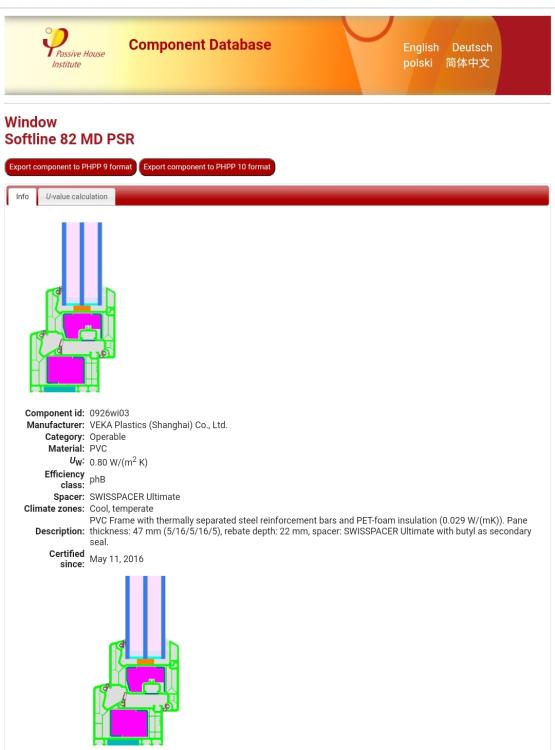
Triple sealed, passivhaus rated. They work well if adjusted properly. I got ya bro..... That must have been the depression test only, not the average. Gaelic for "cultural appropriation"😂
-
I did, there's adhesive still stuck on there😭
-
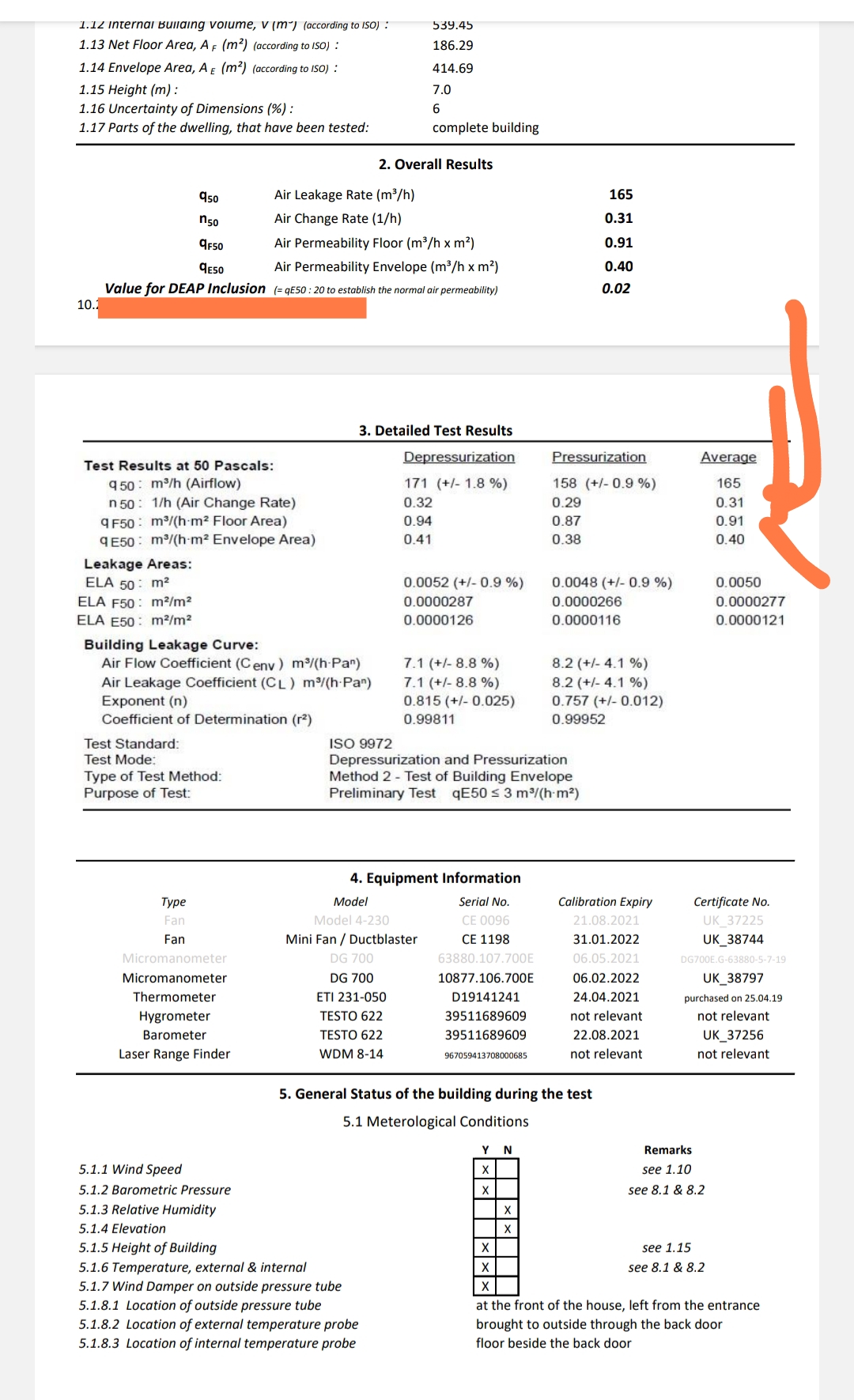
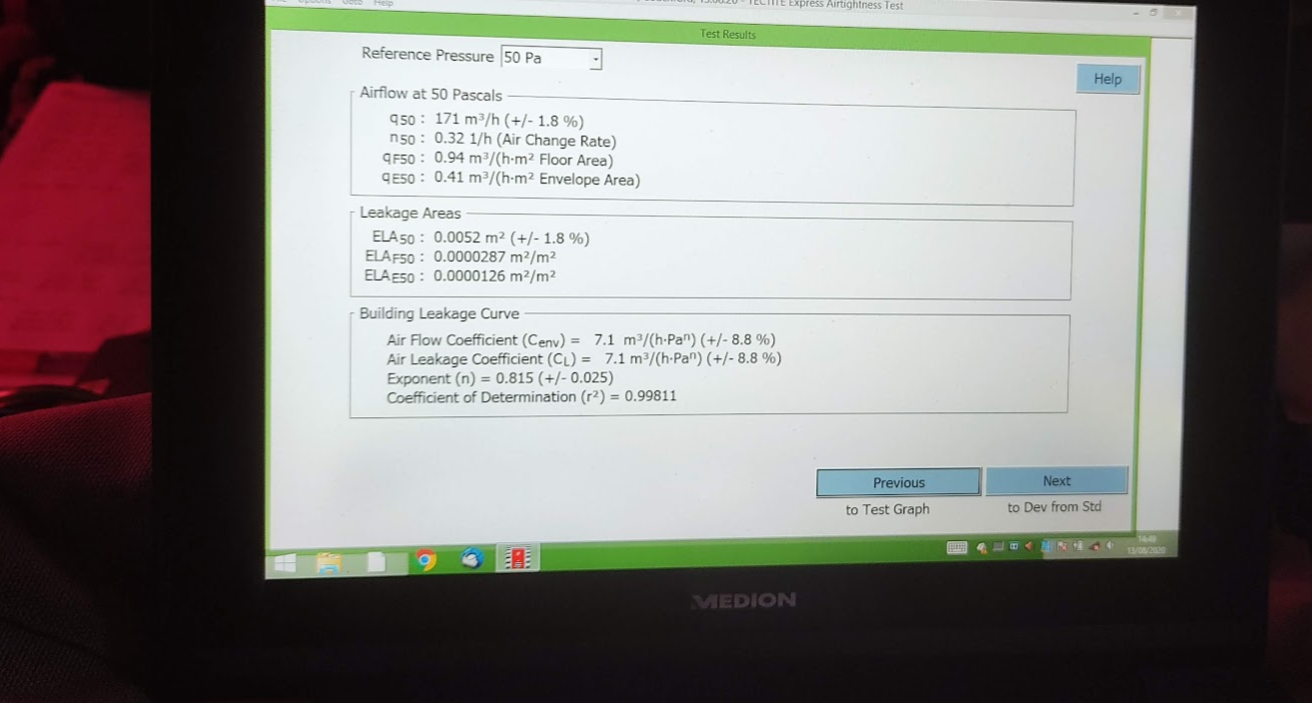
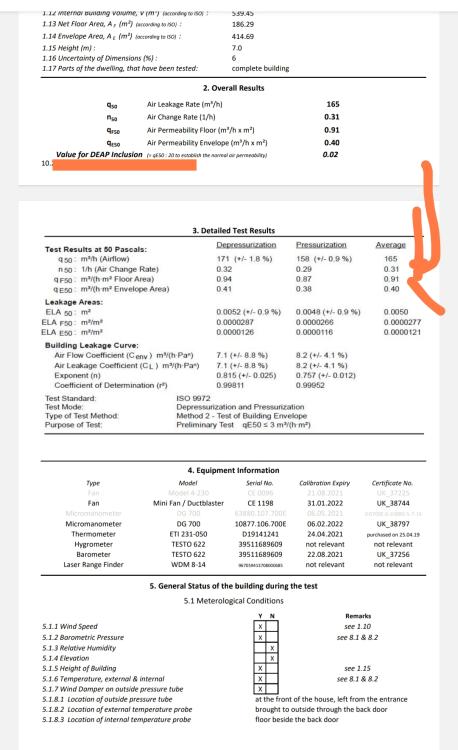
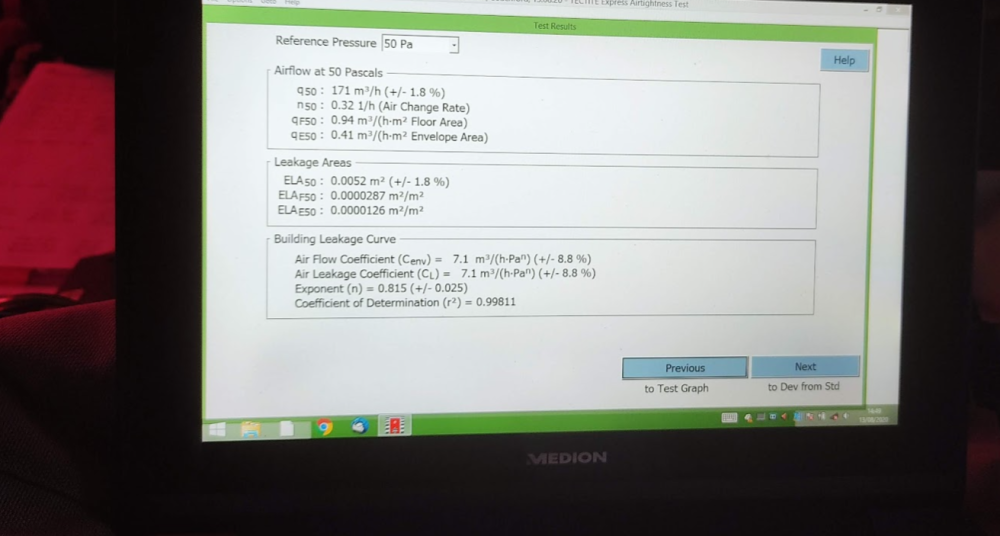
@ mods not sure if this is the most appropriate section. We don't have a dedicated Airtightness one. Time: 1hr. Cost €60 Materials: 1 X Sheet of OSB or PlY 1 x Used car radiator fan including housing ( I used a lexus IS200) 1 X Roll of Airtightness tape. 1 X length of automotive wire. 2 x Crocodile clips. 2 x wire connectors. Some short wood screws Tools. measuring tape. Jigsaw/circular saw. Pocket Knife. Large 12v powersource. ( I just used my cars battery in situ) Screwdriver Direction. 1. Measure an opening window sash/door of your house. 2. Carefully cut the OSB so that it fits snuggly into the opening and presses evenly against the seals of the window. 3. lay the radiator fan including housing on the sheet of OSB and trace the outline. 4. Carefully cut a hole out of the OSB just slightly smaller than the radiator housing. 5. Screw the housing into the hole such that the edges of the housing are all supported by the OSB. 6. Using Airtight tape seal the edges of the fan. 7. Connect the wires to the crocodile clips leaving enough length to reach your power source. 8. Insert the rig into the window and secure in place. It should fit reasonable snuggly, if it is an outward opening sash the vacuum generated will pull it tight to the seals. Consider using tape or a wedge to hold it in place. DON'T use airtightness tape. It'll stick to the window forever. 9. Connect crocodile clips to the power source. You can simply reverse polarity of the clips to swap between depressurisation and pressurisation. Testing procedure. 1. Close all doors and windows in the house. 2. Temporarily seal up/close all vents. 3. Ensure all combustion appliances are off and isolated such that there is no risk of fumes being drawn into the house. 4. Set the fan to depressurise the house. 5. Methodically go room by room using the back of your hand to detect and seal any leaks. Most are found at junctions between floors, walls and ceilings, sockets, windows and doors and wall chases. 6. Use a lighting candle to visually see any pinhole leaks (the flame will flicker). It's much more successful than smoke. Jamming the candle in a length of rigid electrical saves doing too much climbing and descending of steps. Be careful not to burn the house down!!!!! Outside View Using a candle to check leaks. Official test Final Result
-
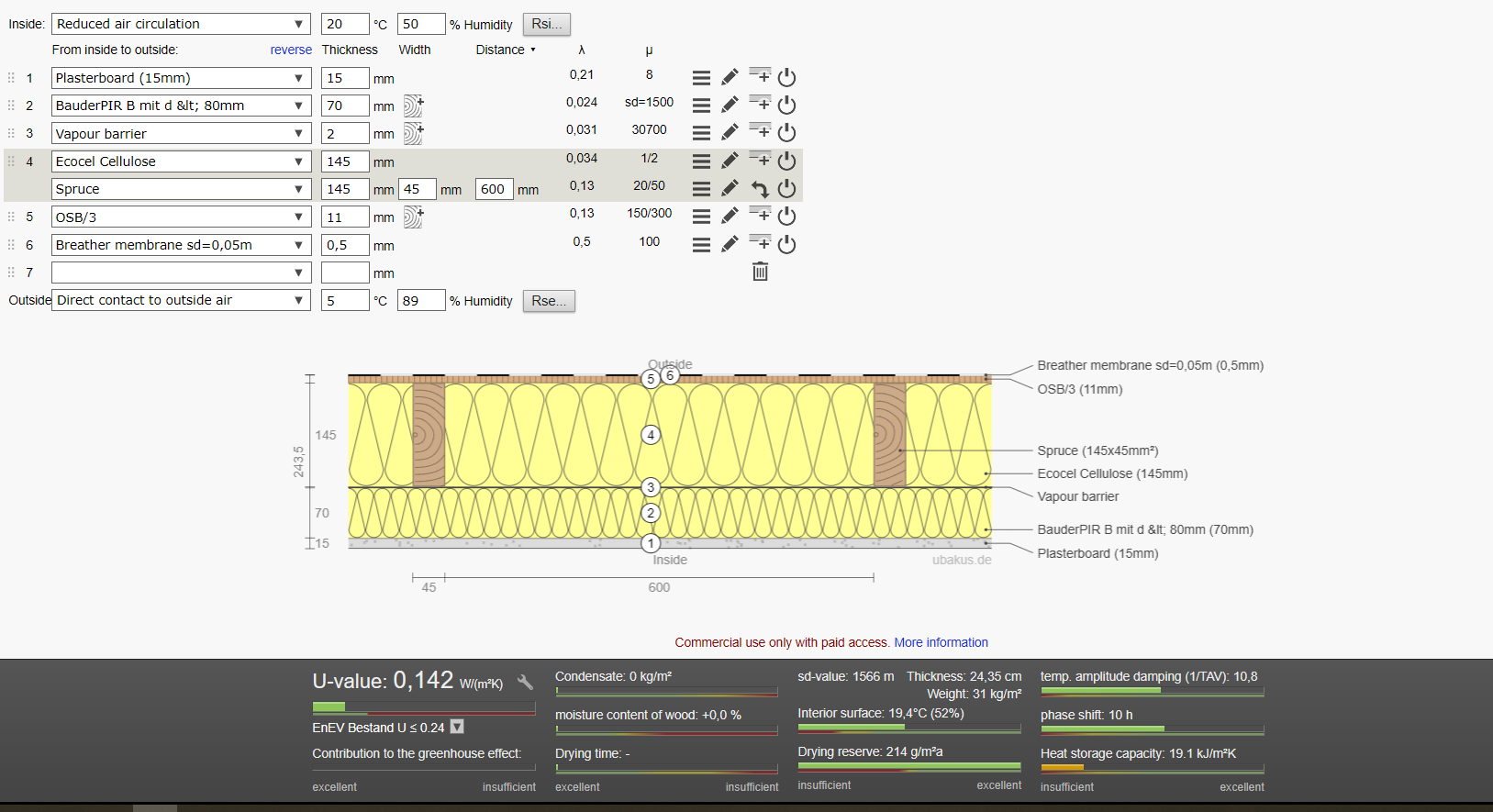
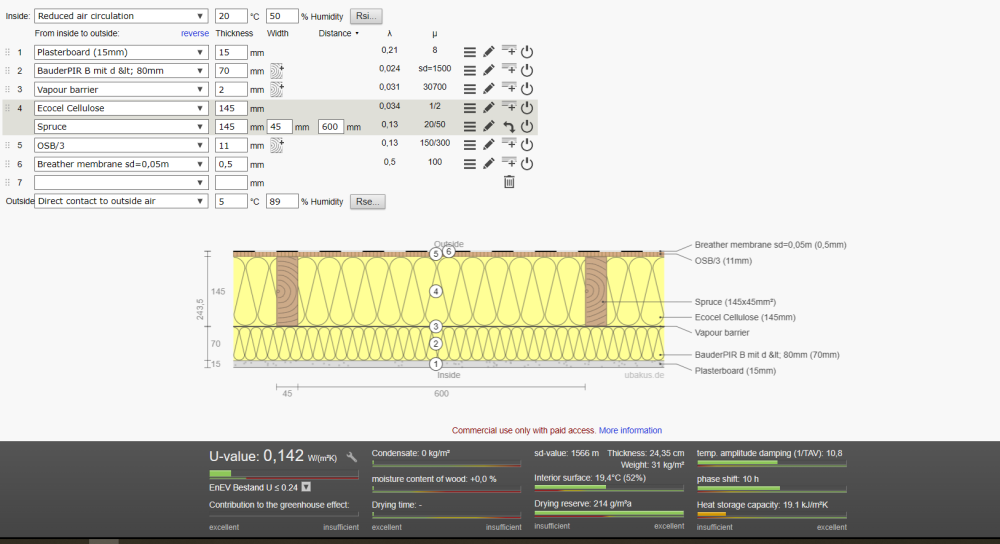
Rockwool, cellulose, hemp, anything is better than Oil based products unsurprisingly. Ask you TF company the question about this build up. 225mm timber is an off the shelf item. Better at damping the temperature swings and much superior for airtightness. You can inspect the cellulose install too and ensure that no slumping has occurred before boarding out. Better Still swap out the OSB for @IanR Egger MDF, you'll get an element of EWI for the studs from the MDF. LOWER!!!!! it's not rocket science. Head for passive levels. Best money you'll spend! I'm going to do a post on my rig later.

-

Minimum height of insulation build up on concrete slab
Iceverge replied to seano's topic in Barn Conversions
For what its worth 225mm of EPS 70 would give you the same U value as above but would only cost £12.60/m2. Over 250m2 UFH and phenolic speciality boards would be £21,250. EPS would be £9500. Bump it to 300mm for a U value of 0.12 and put some of the left over change towards digging out the old floor you'll still come out ahead.

-
Minimum height of insulation build up on concrete slab
Iceverge replied to seano's topic in Barn Conversions
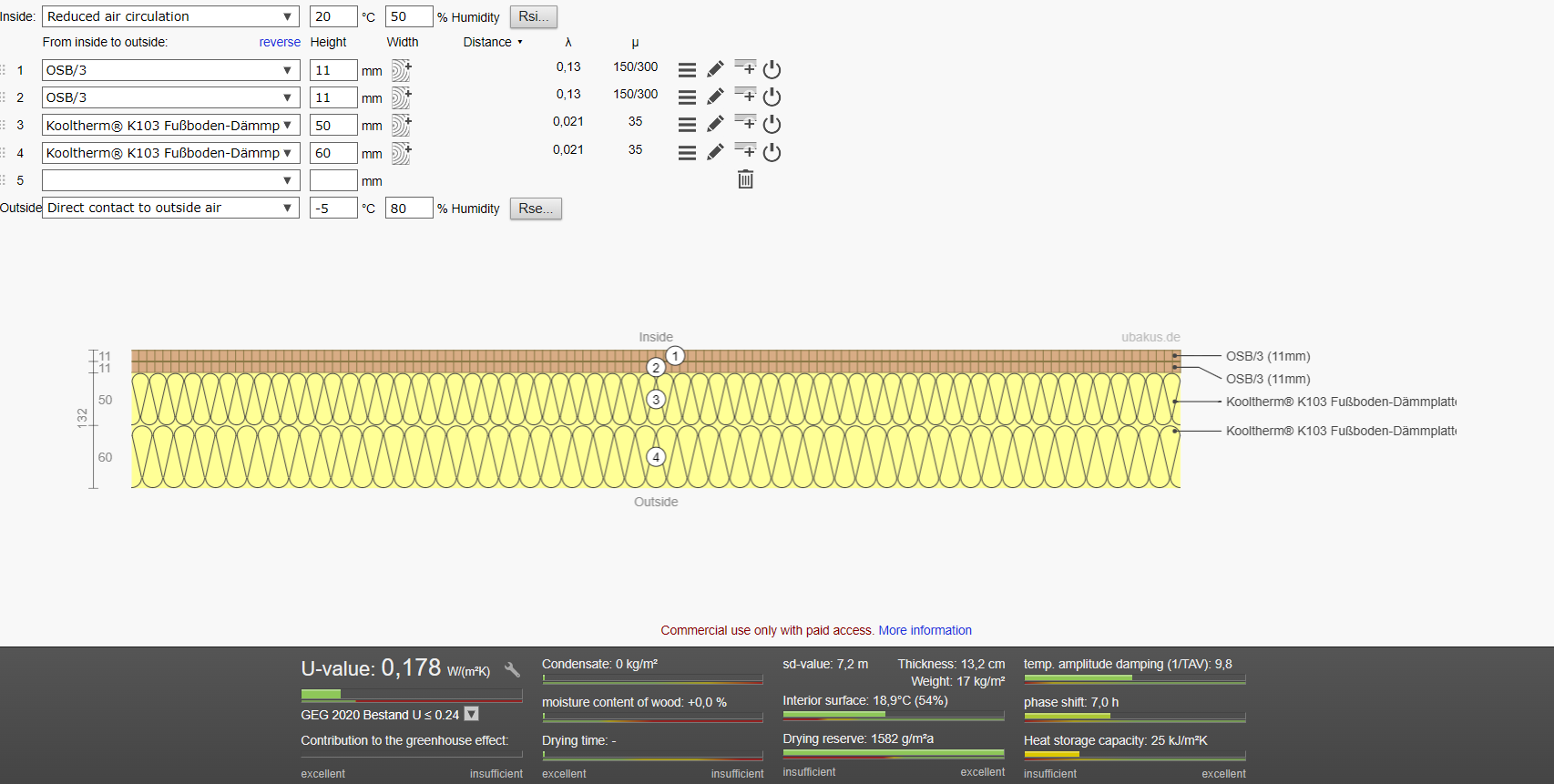
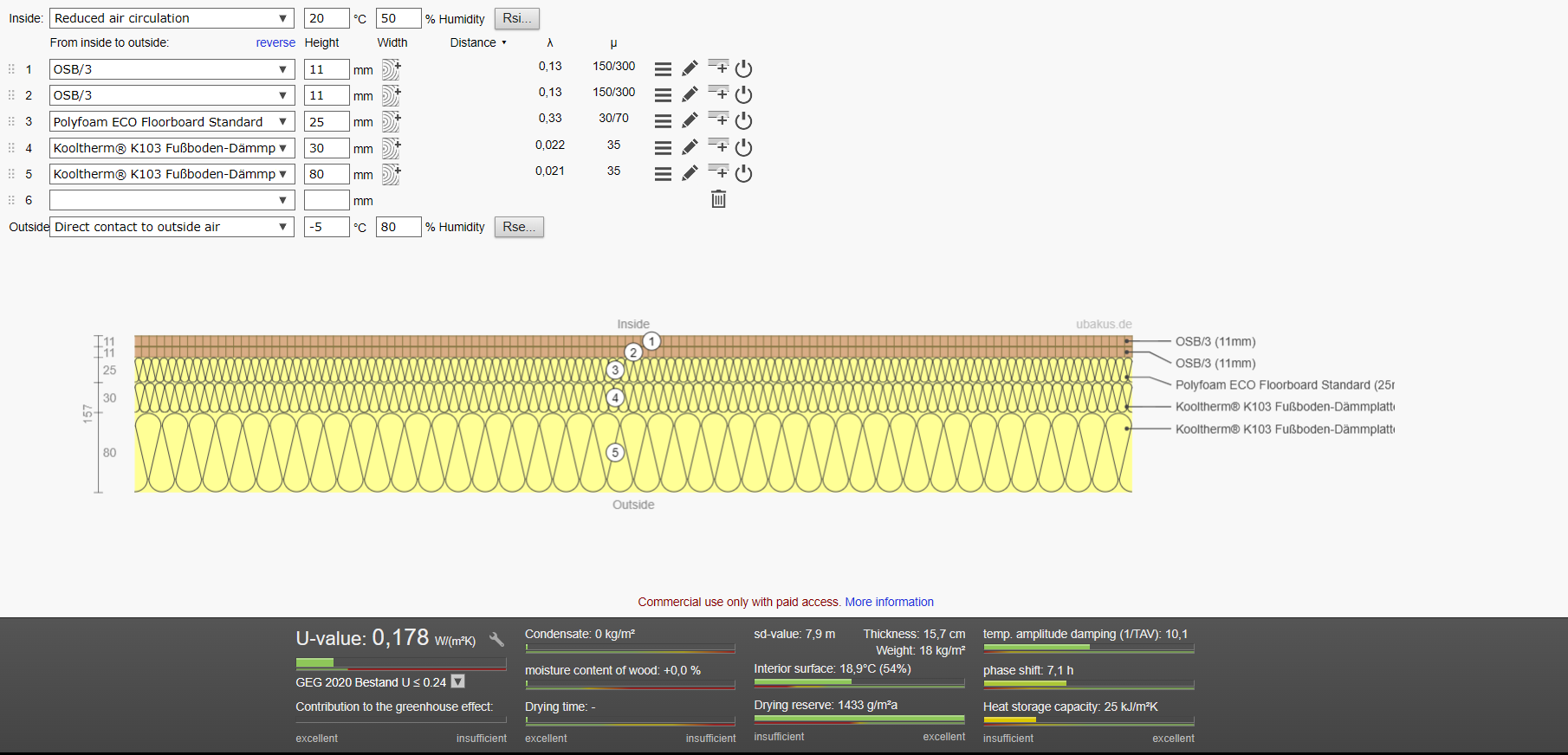
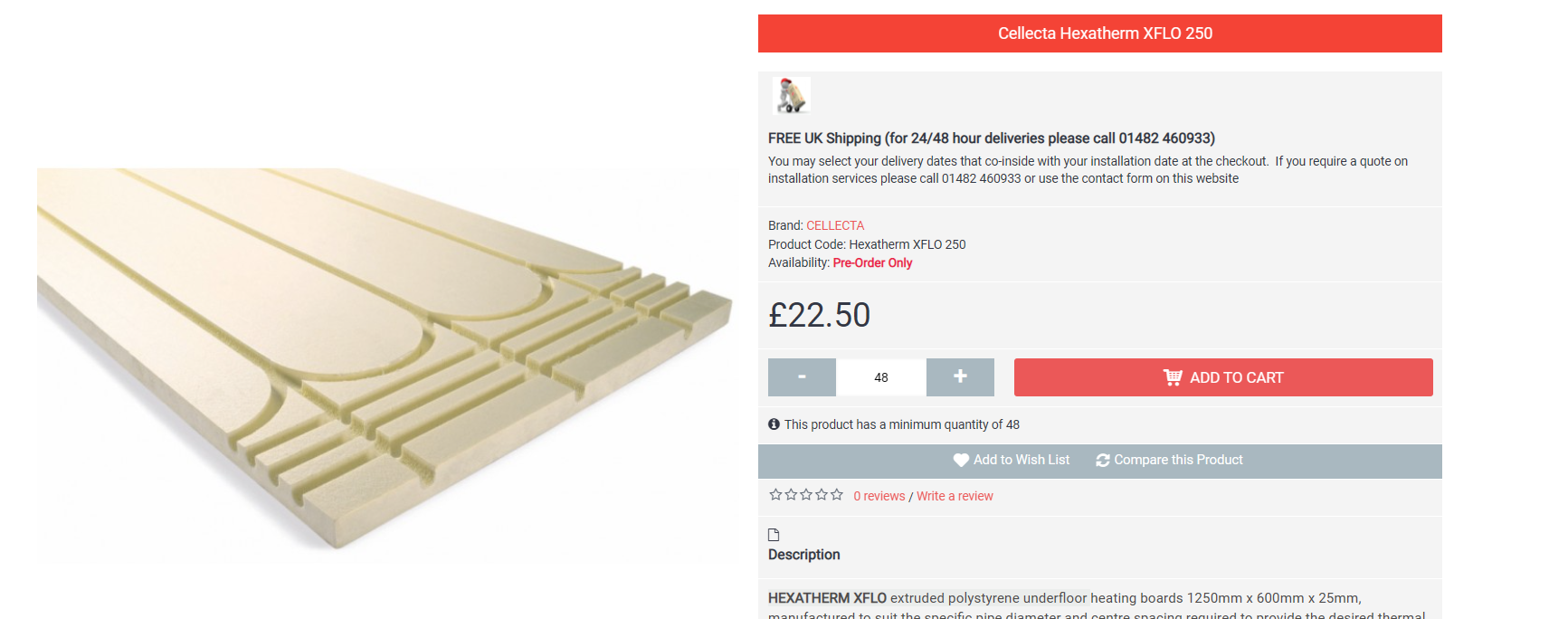
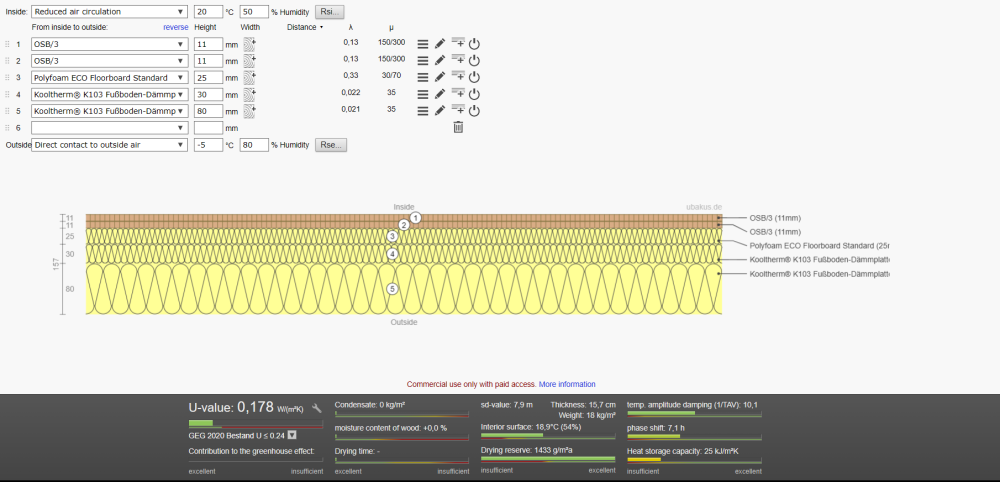
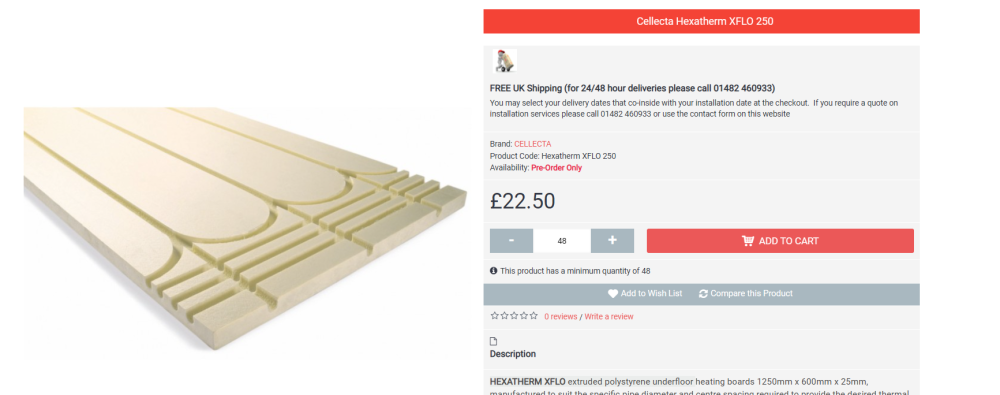
@seano That is 2 layers of OSB3 floating 1 layer of this for the UFH (its about £30/m2) 110mm of the K103 Phenolic insualtion @ about £55/m2. 157mm. Total £85/m2 not cheap. You could bin the UFH and use rads and save 25mm and just meet the 0.18W/m2/K limit with just 110mm K103 @ 132mm.

-
Minimum height of insulation build up on concrete slab
Iceverge replied to seano's topic in Barn Conversions
This is completely bonkers. It's not as if it's ye olde wall Henry VIII boinked an fluttering milkmaid against. Someone needs to challenge this legally. -
I'm not a massive fan of internally insulating with PIR. (I guess this is what you meant rather than polyurethane). It keeps the timber too cold IMO and the end of your first floor joists will be cold. You could put the PIR outside the frame like they do in the state's. Have you considered just using a 220mm stud full of cellulose and a battened insulated service cavity? Putting PIR inside studs is a PITA, ask @Thorfun
-
What is the spec of your TF wall? It can be relatively easy with TF to make pretty much thermal bridge free foundations. Depending on the layout of the building it may be possible to eliminate all load bearing internal walls. This means that all internal walls won't bridge to the ground. 2020 prices but our 114m2 base cost €16226+VAT vs an insulated slab at €20300.
-
Strip foundations can be made to work too. About 5k cheaper for us but we're lucky with our ground conditions and blocklayers were cheaper 4 years ago. Although UFH has been proven to be robust there's nothing wrong with radiators in a well insulated house if you're suspicious of pipes burried in concrete. Otherwise I wouldn't go reinventing the wheel.
-
Insulating a room that was extended in to our barn
Iceverge replied to vagrantly3893's topic in Heat Insulation
Maybe my terminology is wrong. I meant the ones outlined here. It rules out the idea of making a good job of external insulation as there'll be too many thermal bridges. With internal insulation you'll end up with a much smaller room or with external insulation you'll end up with a minimal improvement due to the aforementioned thermal bridges. A knock and rebuild, even of 3 walls and the roof might be worth considering. A small timber frame wouldn't break the bank. Otherwise some PIR inboard and foam tape all joints and 22mm battens for a service cavity. And then plasterboard. Some PIR on the floor and float 2 layers of OSB crossed glued and screwed over it. Get some dedicated ventilation in there too. Otherwise it'll be musty. Germany has more or less everything for sale s far as I can remember.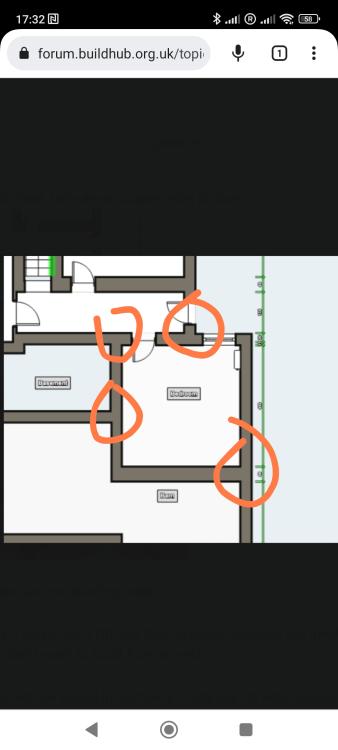
- 4 replies
-
- 1
-

-
- barn
- barn conversion
- (and 2 more)
-
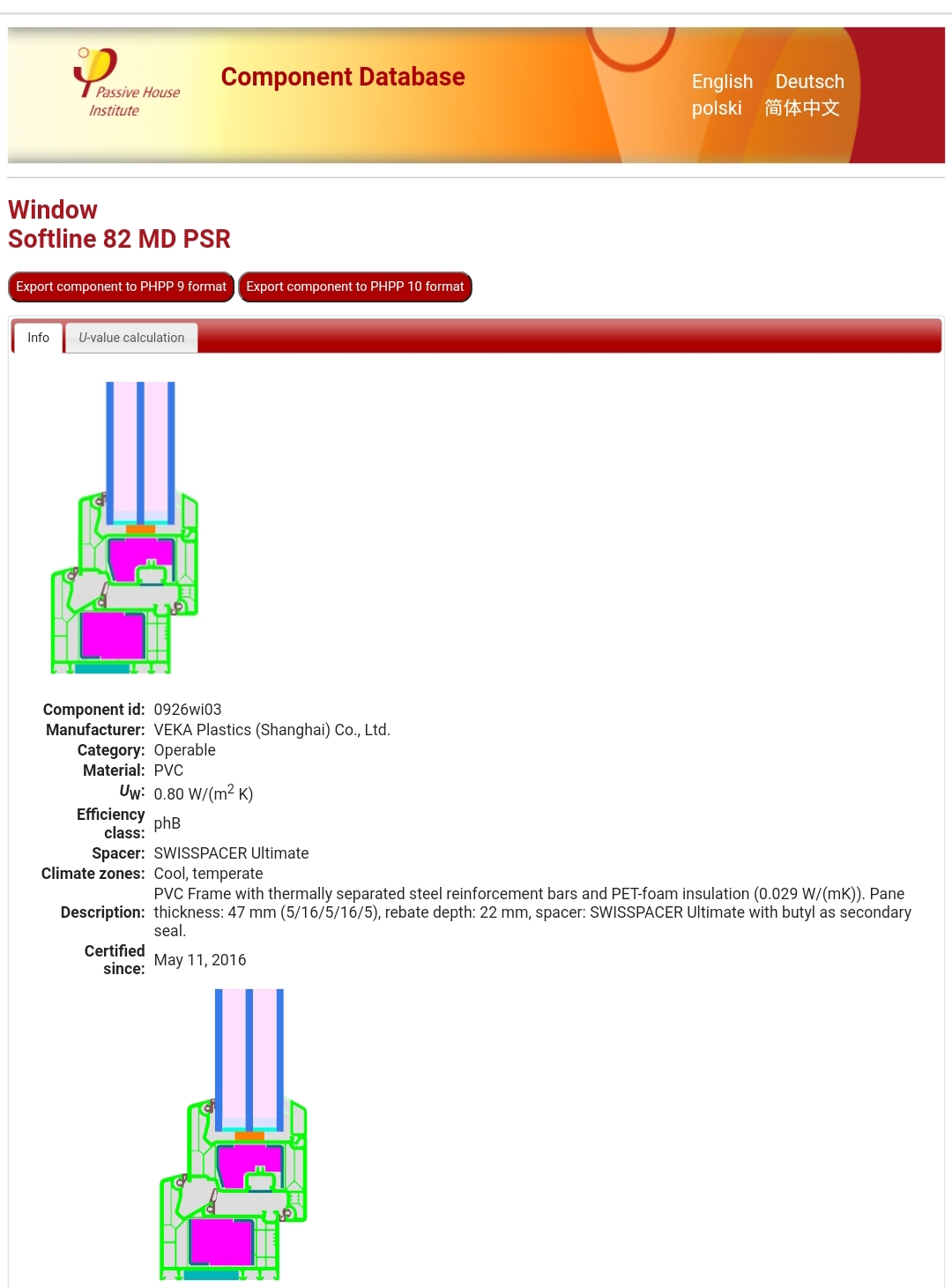
Play with that website @HughF linked. I'll really give you a good idea of what's possible and importantly the cost differences for all the options. For example a full height fixed window is cheaper than a door with a sidelight, is cheaper than a french door, is cheaper than a slider, is cheaper than bi-folds. Amusingly the cheapest is best thermally too in this scenario. Don't rule out good quality uPVC. My parents have 10 German made white UPVC 2g windows since 1985 and they're going strong apart from one broken hinge that needs fixing, a bust door lock, and two failed 2g units. Zero maintainence in that time otherwise. Also pay attention to the lentils and thresholds. These details can add up.
-
Minimum height of insulation build up on concrete slab
Iceverge replied to seano's topic in Barn Conversions
I get how it's important to have the same look of building as essentially the countryside will remain unchanged aesthetically but from a building science its raving lunicy. Agri buildings are always very budget constrained and mostly planned with a lifespan of only a few decades. They don't have the structural margins required of domestic houses and are often made from carcinogenic materials like asbestos and creosote. Add to this the possibility of zoological diseases from old mould spores and animal waste I would favour taking some accurate measurements, before bulldozing the entire thing. "National Heritage" is not something that will suffer if someone takes a 1980's cow shed and replaces it with an exact replica. -
Insulating a room that was extended in to our barn
Iceverge replied to vagrantly3893's topic in Heat Insulation
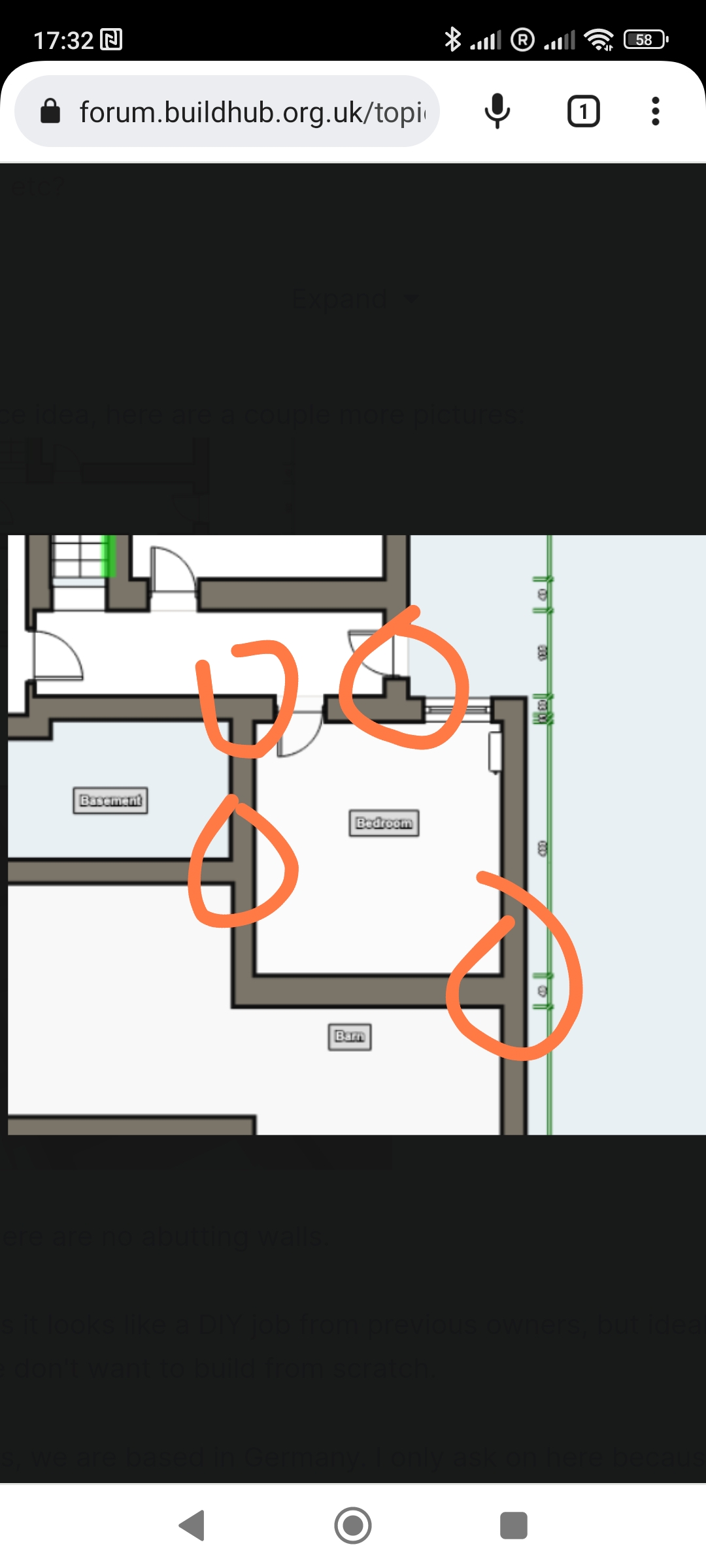
Welcome @vagrantly3893. I've been studying the pics and not coming up much the wiser as to the layout. Can you provide a quick sketch as to what are internal and external walls etc? Also any abutting walls. The structure looks a little like my standard of blockwork...... Might it be worth just starting from scratch? You're on continental Europe also I'm guessing? ( Plug sockets + bricks) Are you familiar with the range of products available in your local builders merchants? No point in specifing materials that are not available.- 4 replies
-
- 1
-
-
- barn
- barn conversion
- (and 2 more)
-
First Floor air tight membrane advice
Iceverge replied to richo106's topic in General Construction Issues
Not to worry you can still make it work. We have a cold loft and it works fine. 1. Lay a wide strip of VCL on top of all the internal wall plates (if you have any) pre roof commencing. You don't want to end up trying to seal around roof timbers where they rest on internal walls. 2. Make sure that any of the internal walls without wall plates have enough space to pull a VCL through. say 25mm, also it'll make the sparkys life easy. ( easy job = non damaged VCL) 3. Apply VCL to the bottom of the ceiling joists. and return to the external walls. 4. Put 22*70mm battens below it to create a service void. Run them at 90deg to the ceiling joists so you can run wires easily. 5. Put 2 layers of standard plasterboard for noise, staggered and sealed to external walls. 6. Install MVHR plenums after the VCL and tape as appropriate. 7. Forget the airtight box in the loft. Make something like a base of timber suspended on wires or a platform on isolating rubber feet for the MVHR to sit on. put the upstairs MVHR manifolds on the floor of the loft and run your ducts from there. Cover the whole lot of the ducting in insulation. Wrap the MVHR unit if it isn't insulated already (many are) and insulate all exposed ducting with flexible foil backed mineral wool and tape. 8. Run 2 large ducts through your airtight layer to the downstairs and host your manifolds somewhere along the line. Sealing around ten to twenty ducts would be a total pain and they will need to be spaced out lots to do it properly. 2 large ones would be easy. 9. Substitute a sheet of OSB for the VCL above a suitable cupboard for all the wires that have to go in the attic We had 5. In hindsight just the TV aerial would have been needed. Get the electrician to drill ONE small hole for ONE wire and you can seal afterwards with sealant/tape. 10. If you can afford a blown cellulose insulation or mineral wool it'll cover the ducting much easier. Cellulose is my fave, helps airtightness, good for heat protection, noise, non itchy etc etc etc. 11. Otherwise consider something denser like Rockwool which will help with sound proofing too. Any questions just ask. -
Minimum height of insulation build up on concrete slab
Iceverge replied to seano's topic in Barn Conversions
Is it permitted to level it and start from scratch with a new TF that would match exactly the old building? -
I'd have thought a steel portal frame and insulated panels would have been the cheapest as well as being very fast. It depends on the preferred design aesthetic I suppose. I do like glulam however but I seem to remember it being dearer than steel.
-
First Floor air tight membrane advice
Iceverge replied to richo106's topic in General Construction Issues
You could just use a polythene sheet. Lightly to tear if not treated well. I would spring for something with some reinforcement involved. Not terrible dear either. Have you abandoned the warm loft idea?

-
Minimum risk however as it is on the warm side of the insulation and everything is breathable outboard. Most damage occurs anyway I thought when vapour is carried through air leaks rather than diffusion.
-
Block and beam floor buildup for insulation?
Iceverge replied to puntloos's topic in Sound Insulation
Yup, just standard blocks on their side. -
Block and beam floor buildup for insulation?
Iceverge replied to puntloos's topic in Sound Insulation
We have 215mm blockwork with 20mm wet plaster on both sides between our living rooms and some of the bedrooms. You can't hear anything through them. -
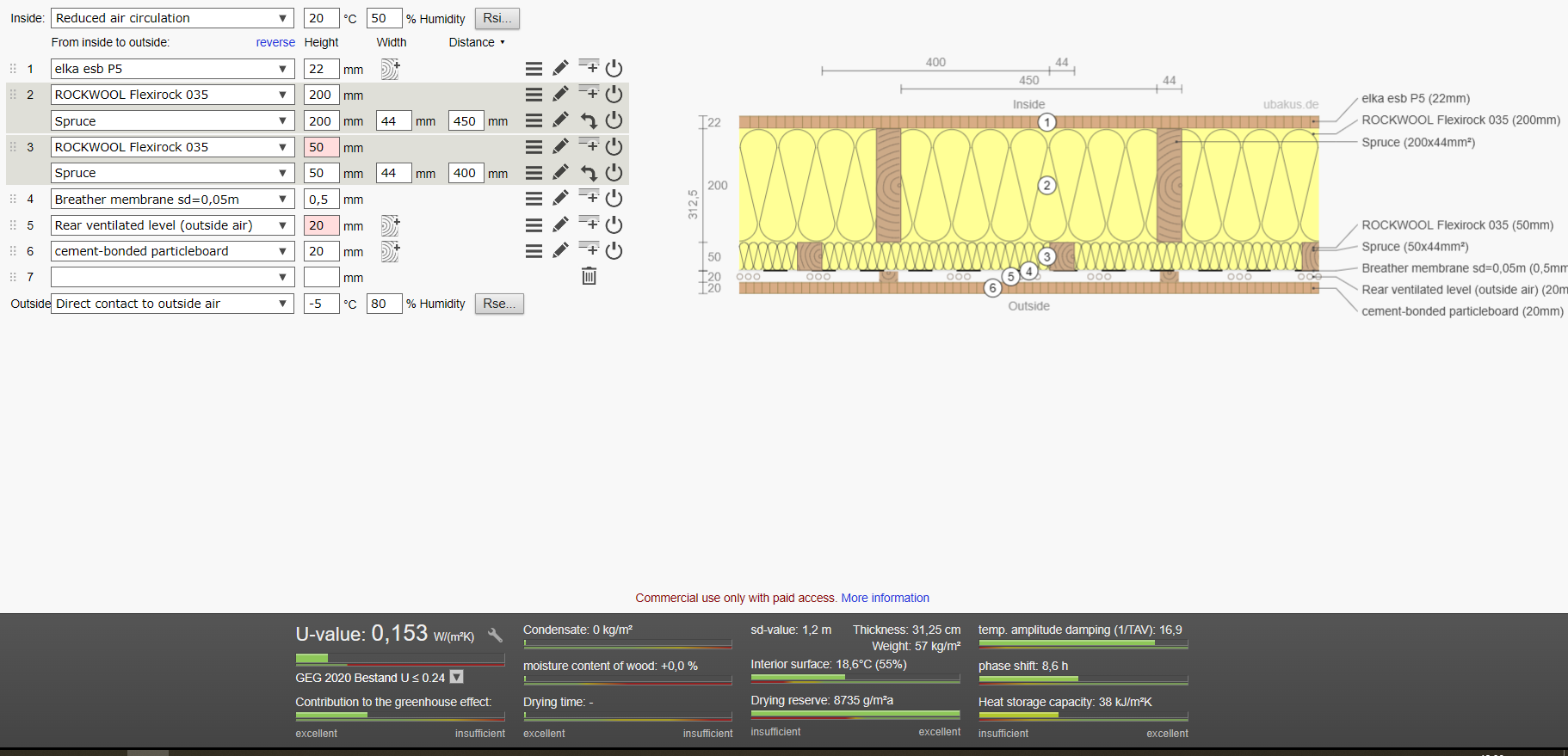
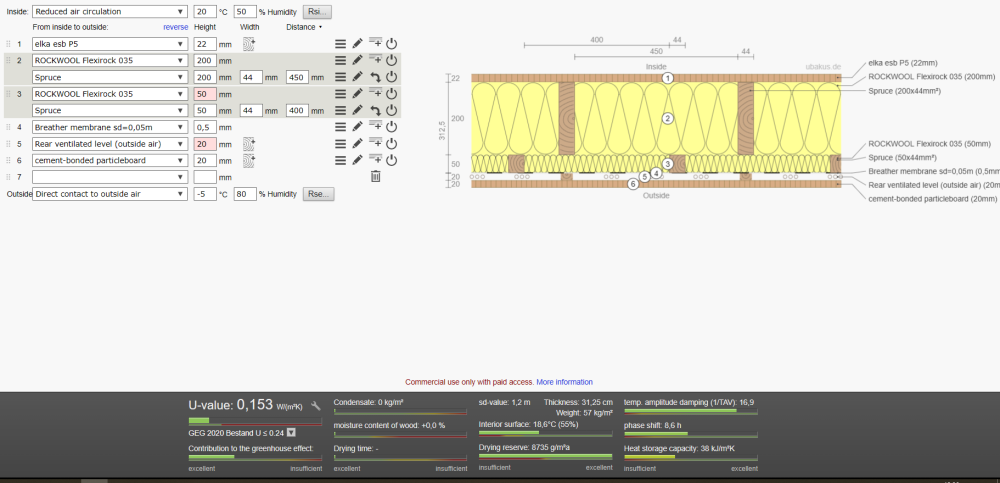
I'm guessing at the joist spacing here and sizes. If you run 50mm battens at 90deg under the main joists (can't show it here) and then some 50mm insulation in-between it'll eliminate most of the repeating bridging. Make sure the membrane is well taped as this will be a windy corner and you don't want wind blowing into your floor. 22mm airgap and then cement boards. It'll be a good spec. If you use denser batts like Rockwool it'll make a difference with noise for the room above too.
-
That looks like external insulation?
-
Cheap sturdy vacuum cleaner for DIY cleanup
Iceverge replied to Gill's topic in General Self Build & DIY Discussion
I've come to the conclusion that bagless vacuums are rubbish, especially Dysons. The filters get clogged very fast and a 99 year old asthmatic smoker would have more suck. There's always a terrible mess when you go to remove the dust inside. Then we got a Meile C3. THE THING IS AWESOME. Off brand bags are less than £1. -
@richo106 It can be any width you want. Have a look at the video I sent, it might be clearer than explaining it.