jamieled
-
Posts
639 -
Joined
-
Last visited
-
Days Won
1
Everything posted by jamieled
-
We're definitely not in that league! Maybe Rationel will only directly contract for larger jobs? They were pretty similar to other quotes for standard windows like Nordan when we got ours. Not sure about the measuring/fitting, be best to check with them but I think they might be supply only. As we were starting from scratch I just gave them and the joiner the same dimensions and it all went to plan. A local rep did contact us during the buying process but I never needed to use him. TP have a small display in Inverness if you want to look at colours/styles.
-
Also in the highlands. We have alu clad 3g, timber on the inside. They are rationel, bought from ADW in the central belt. No complaints after a year or so.
-
It seems very high, but there may be something unusual going on. Normally you would get an itemised quote - do you have one and can you see where the higher costs are coming in? Otherwise ask SSE to justify/itemise the quote.
-
Those numbers seem high. Last year we had a 33kv transformer put in. I cannot remember the exact cost on the quote, but it was sub 5k. Shut down and pole costs quoted above are 3-5 times what SSE quoted. All DNOs are under the same regulator, so even with a different DNO the costs should be similar.
-
There are a few examples of housing in that area where the owner/developer has managed to persuade the council o depart from the norm. One of the better known ones is: https://www.e-architect.com/scotland/lotte-glob-house However, while I don't consider myself gifted in an artistic sense, I'd say the property under discussion on this thread might struggle to make the case.
-
Does it have an inbuilt humidity sensor and if so what threshold is it set to to trigger the boost (or are you triggering the boost manually to test it)?
-
Timberframe cladding - Cost of cavity barriers and insect mesh
jamieled replied to AliG's topic in Timber Frame
It seems to be a bit open to BCO interpretation (in my opinion!). I used the intumescent barriers where we have ventilated openings (top and bottom of cladding and mid-height) but having tested them using direct heat I'm not entirely confident they'd do what they're supposed to in a fire. -
Timberframe cladding - Cost of cavity barriers and insect mesh
jamieled replied to AliG's topic in Timber Frame
@saveasteading Standard 2.4 of the domestic handbook. Building standards technical handbook 2019: domestic - gov.scot (www.gov.scot) -
Timberframe cladding - Cost of cavity barriers and insect mesh
jamieled replied to AliG's topic in Timber Frame
Is your mesh for ventilation gaps or is it going behind all the cladding? We used mesh rolls for board on board vertical cladding. Robinson wire cloth. Easy enough to staple to the sheathing and battens at the top and bottom. Also used at eaves/soffit. You can get quite wide rolls which are easier to use. We also used Envirograf cv intumescent barrier. Can't remember the exact cost at the moment but it would have been closer to £7/m than £3. Obviously its a bit dependent on the size of the gap you need to fill as they have different products dependent on the spec. Envirograf were helpful. I have bits left over if an offcut might help you decide. -
Moving from self-build insurance to standard house insurance
jamieled replied to jamieled's topic in Self Build Insurance
Cheers both. Are you estimating market value yourself using nearby houses or another way? We have land additional to the house which is separately insured but it was all bought as one. Assuming I could just look at local plot values to roughly figure out a plot cost from the wider land cost (in order to estimate market value). -
Finally a completion certificate is in sight for us. Up until now I've been using self build/site insurance but will need to sort normal house and contents insurance. When I've done this in the past I recall being asked for the house value and rebuild value to get the insurance quote. I think (but could be wrong) I got these from the home report but that obviously doesn't apply here. For any self builders who've transitioned to normal house insurance at the end of a build, do you need to get the place valued by a surveyor or is there another way? I don't want to end up under or over-estimating it myself and the actual build cost is probably not representative of what it would cost to rebuild.
-
Foul Treatment Plant advice - choosing the right one!
jamieled replied to Dale Hesketh's topic in Introduce Yourself
I think it depends on the tank - not all package treatment plants are equal. For example, the vortex that @joe90 mentions above spurs the air from the blower off into three areas - one to breakup the incoming waste, one to aerate the broken down waste (where the main treatment occurs) and one for a vacuum to recycle the sludge back into the incoming waste (the vortex is a bit unique in this case as it is one of the few plants that can be adjusted for low occupancy). What should be common to all EN certified plants is that they aerate the waste, so digestion is aerobic, rather than anerobic as for a septic tank. Whether they then move the sludge about using air is a bit dependent on the plant I think. -
Good news. Out of interest why did the have you in zone 2 originally? Mistake on their part or did you need to get a flood risk assessment done to prove the zone?
-
It's dependent on the specific circumstances. I get 2.5 bar static in the house which is more than adequate for us. No need for pumps/accumulators as we're gravity fed. Burn is fed from a small loch so no problems during 2018/19 dry periods. I've worked on supplies with tanks of 500l which were fine - it really depends on the nature of the supply catchment, the demand and the supply infrastructure needed. To the op, one other consideration I'd note for burn sources is that it can be hard to remove colour using domestic treatment technology. It's rarely a problem for quality unless it's really coloured, but aesthetically it's often one of the reasons why domestic pws use boreholes.
-
@steeplejack87 we're in the same position as you. I do some of this stuff for a living. We didn't bother checking anything before buying. There are a few companies you can use to do this, one of the more well known is highwater. I can split it down later but I think we were around 1k for a 2000l tank, 500 for pipe and fittings and probably around 2k for filters. The sampling will tell you what filtration is needed but for burns unless there's a history of human activity nearby there's unlikely to be any significant differences.
-
Notification of Statutory Undertakers?
jamieled replied to Tracey Gardner's topic in Party Wall & Property Legal Issues
Statutory undertakers are not the same as statutory consultees. In relation to a planning application, the council need only consult the statutory consultees and not the statutory undertakers. The list of statutory and non-statutory consultees is on the government website and gas utilities are not one of the consultees. In relation to your original question, if it is a high pressure gas main (>7bar) then the developer (in this case the homeowner) should have consulted the gas network owner/operator. It is their fault if they don't. Although as noted above, there is a lot of cables and pipes in places not mapped, high pressure gas mains are generally known about. If the existence of the pipeline is noted on the house deeds/title then ignorance on the part of the developer is no excuse. If there truly is no record of the pipeline being there then I'm not sure where that leaves the developer. More generally, it's worth distinguishing between matters of planning and other matters. Just because something is possible under permitted development or planning permission, doesn't mean there aren't other permissions required or aspects which could still stop development. These are not the councils responsibility, they are the responsibility of the developer. -
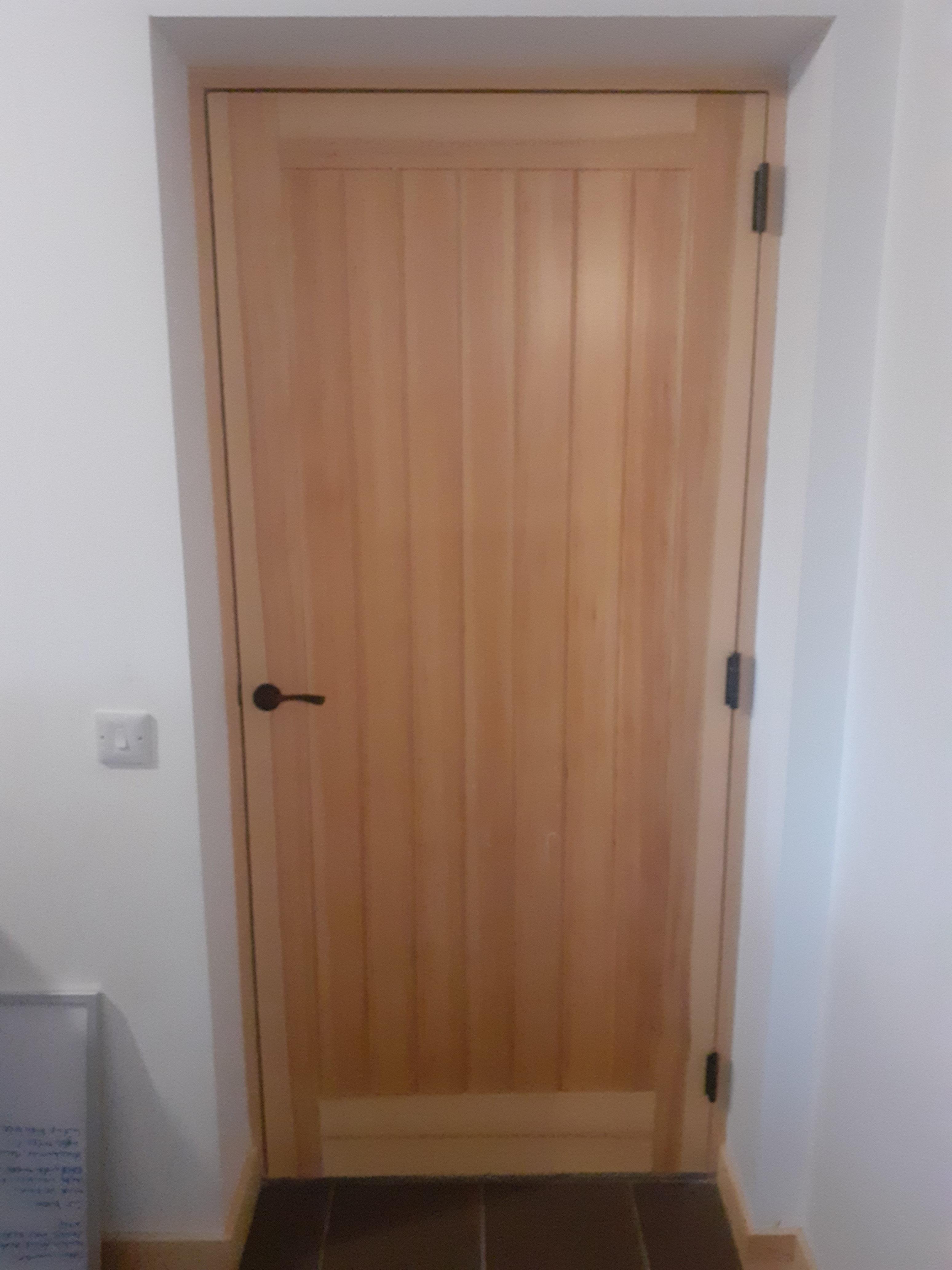
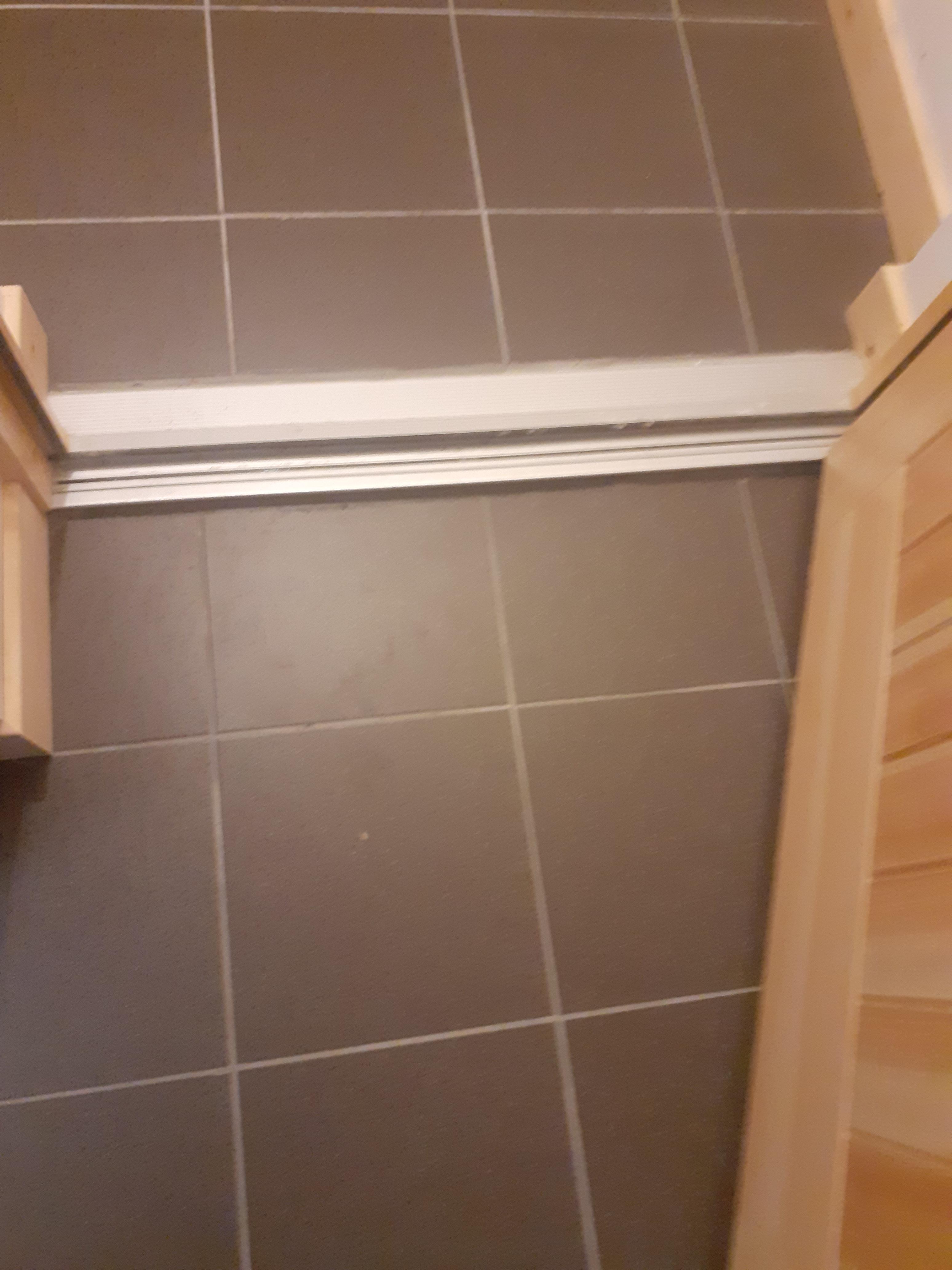
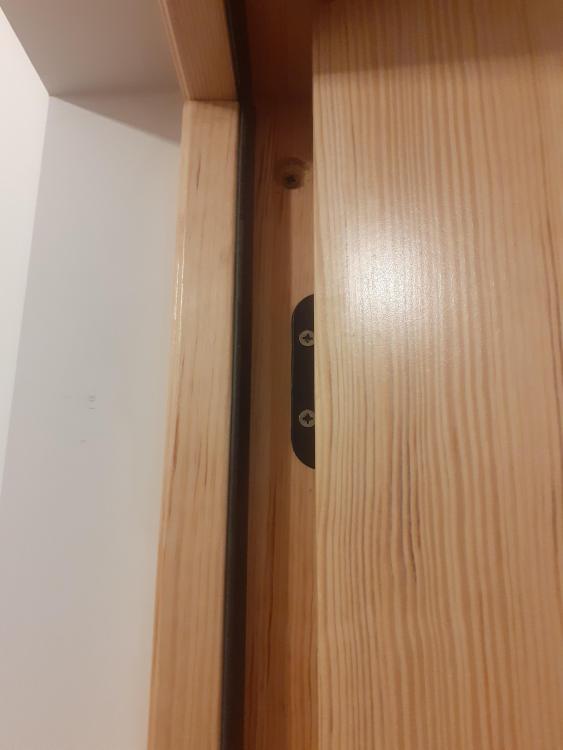
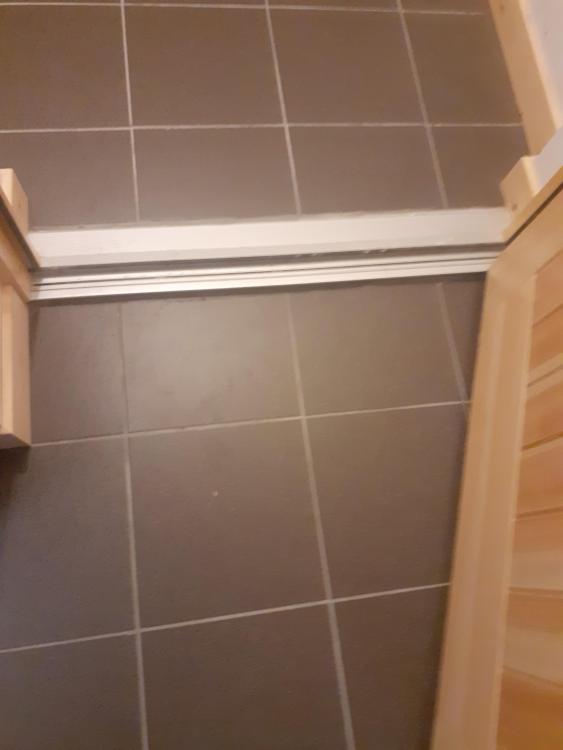
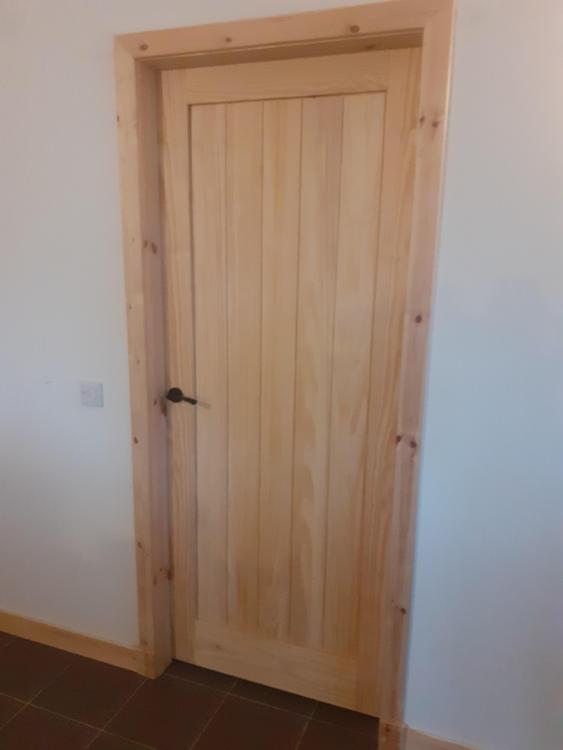
I used a small ish local company called treecraft woodwork (we used them for our front door as well). There's probably quite a few decent joinery shops around that could do this though. It wasn't cheap, only a bit cheaper than an external door, but it does look good. The door has some insulation in it to provide a thermal break which is important for us. House temp is around 18 degrees, larder temp currently about 4! Couple of photos below.
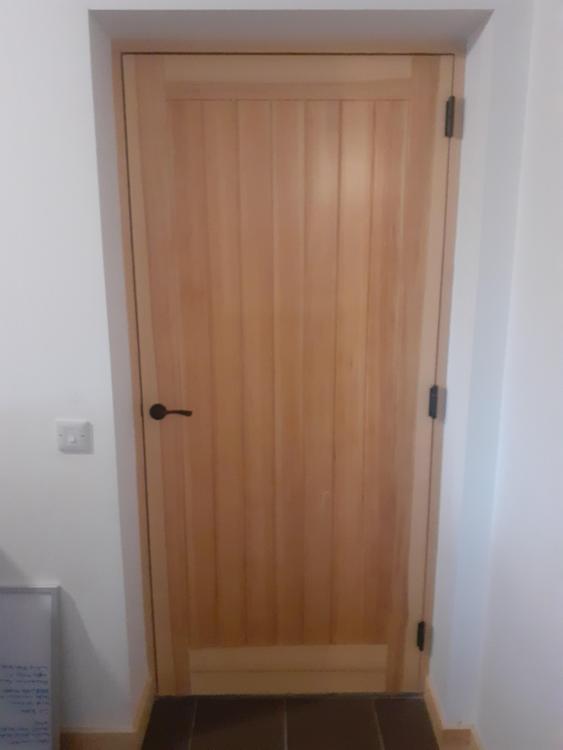
-
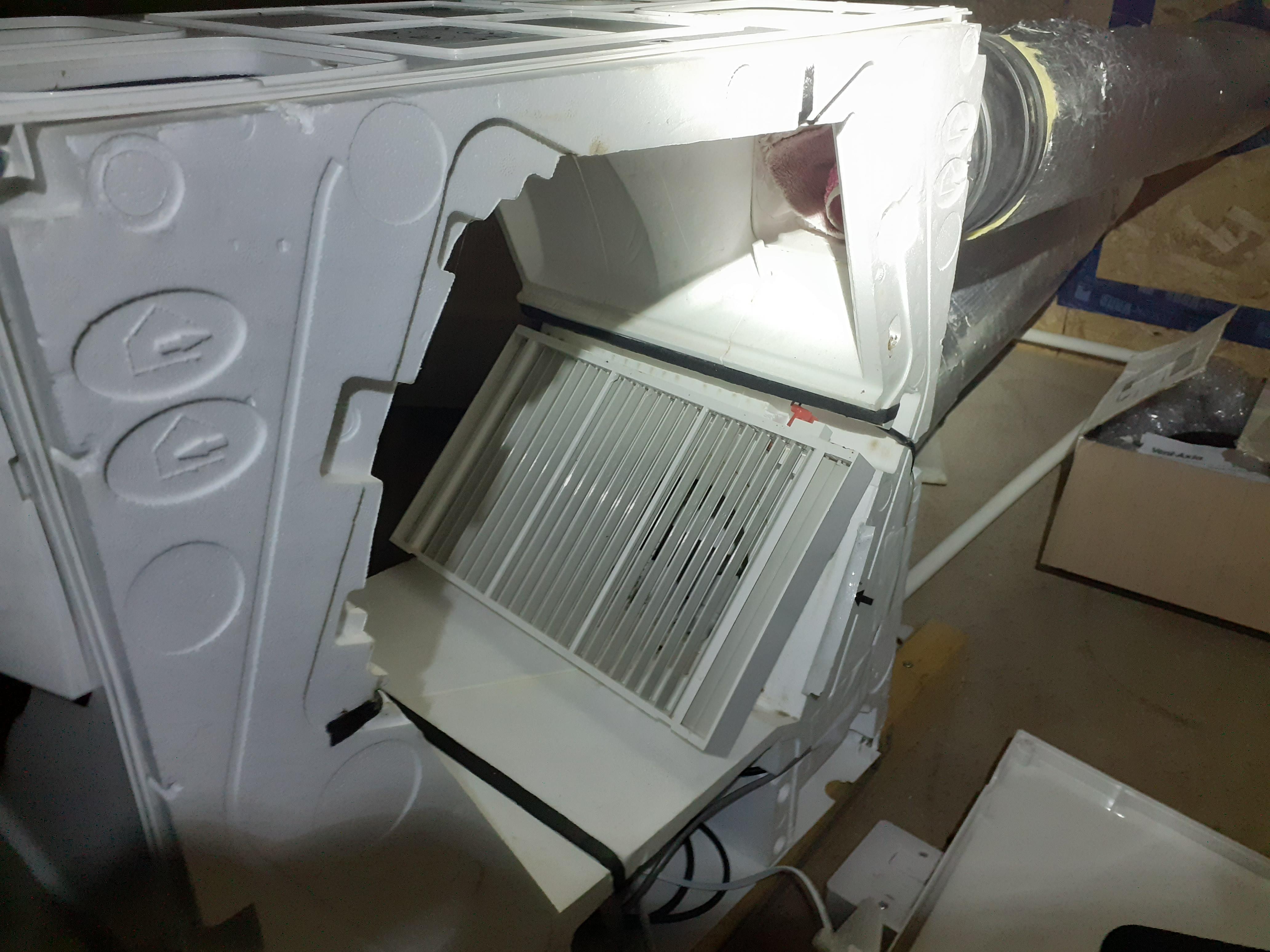
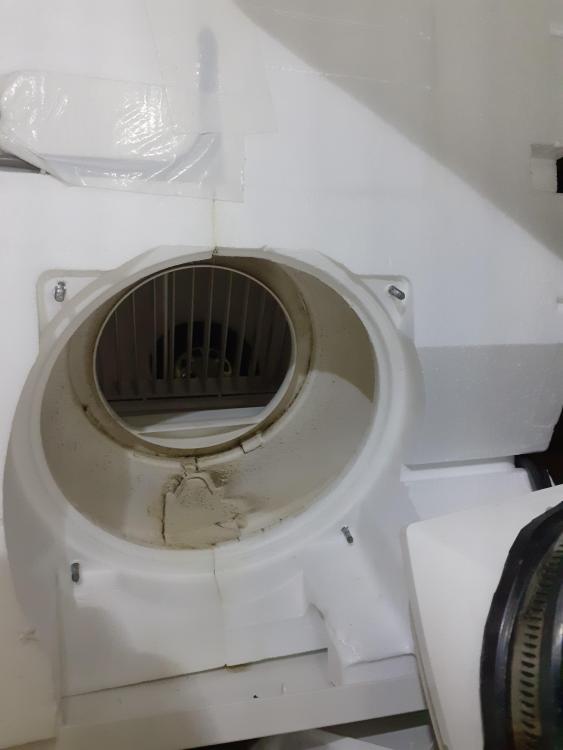
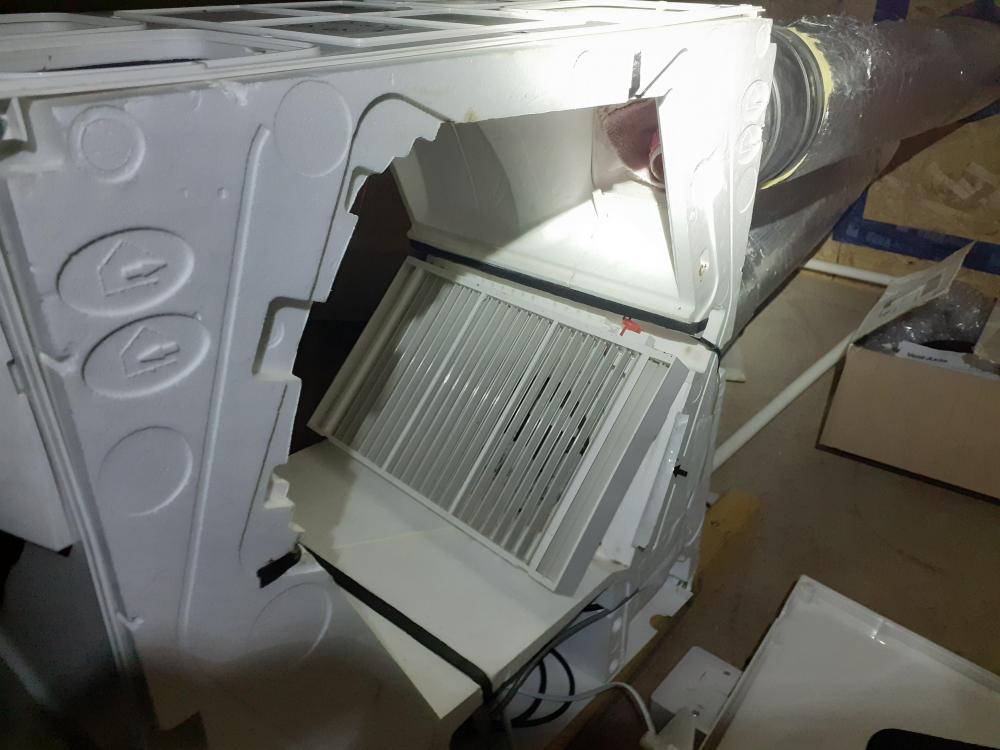
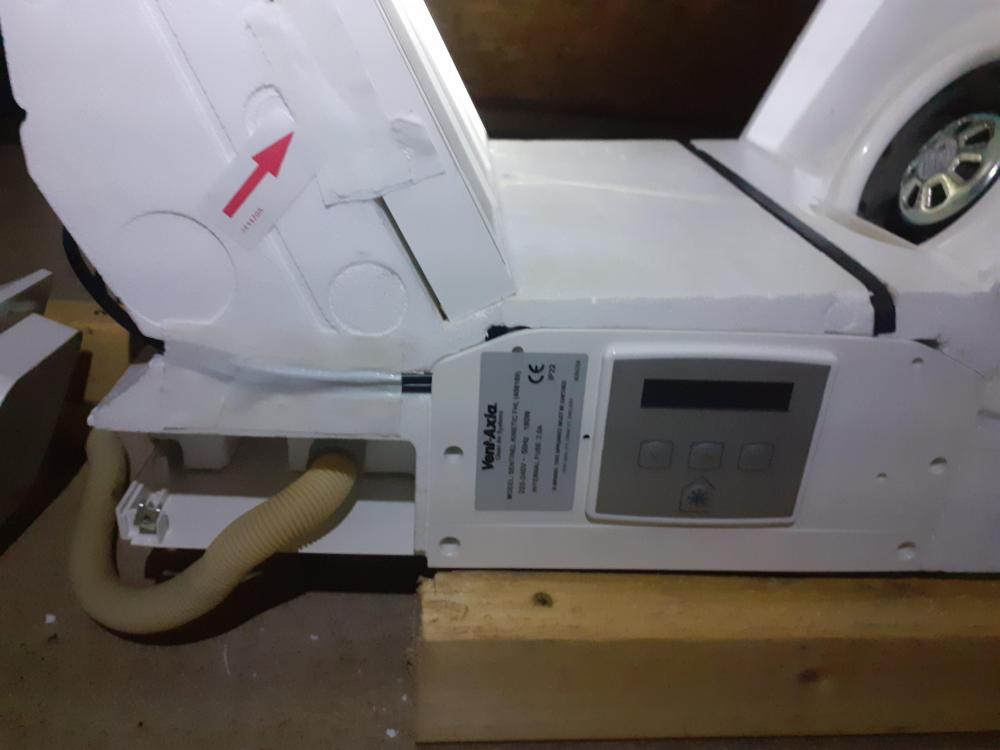
Just posting this for future reference. For anyone reading then this thread on bearing replacement may also be useful: VENT AXIA SENTINEL B FAN BEARING REPLACEMENT - Mechanical Ventilation with Heat Recovery (MVHR) - BuildHub.org.uk We installed a Vent Axia Sentinel FH MVHR unit in 2019, commissioned last year. About 2 weeks ago the noise had significantly increased to the point where it was becoming pretty annoying at night trying to sleep. On removing the fan it became clear the bearing was damaged in some way as the fan was pretty rough sounding when rotated by hand. Not great for a unit which hasn't had a lot of use (it was off over most of last winter as we were away and we switched it off for 3-4 months over summer). Vent Axia fans have a 5 year warranty on them. As we bought via BPC the whole thing was pretty straightforward. I contacted BPC, gave them some information which they passed on to Vent Axia and a new fan turned up within about a week. The dodgy fan was the extract fan and it's worth being aware that the extract and supply fans are not the same (at least for my unit), so specifying which fan has gone bust is therefore important. The process is relatively straightforward although I found it a bit fiddly in places: 1. Remove the side, top and end covers. To remove the end covers requires disconnecting the ductwork, which, depending on the unit configuration and how fixed your ducting is may be a bit of work. 2. I removed the heat exchanger though this may not be necessary. 3. Unscrew the plastic cover, then unscrew the bolts holding the fan to the unit. 4. Disconnect the wiring using the clips in the PCB. Fitting is essentially the reverse. Some pics: Picture above shows the hole where the fan sits with the 4 threads for the fan bolts visible. Picture above shows the inside of the unit with the heat exchanger removed. The fan sits behind the grill which I think is the summer bypass mechanism. Picture above shows the lower front of the unit. Remove the control panel to access the PCB and fan power clips.
-
Battening for Vertical Timber Cladding - Tips, Hints and FAQs
jamieled replied to Thorfun's topic in General Joinery
It might not matter much for that little bit in the eaves, but in anywhere more prominent would the eye not be drawn to the nail line looking a bit wonky? -
Battening for Vertical Timber Cladding - Tips, Hints and FAQs
jamieled replied to Thorfun's topic in General Joinery
Irrespective of whether the BCO requires them they're worth considering. It may be that your structure is designed a bit differently to ours and hence there's no need for them. The only reason for asking is that if you do need them, then solid timber is a useful way of doing the corners. In that case run a vertical batten down each corner to form the firestop. We used intumescent barriers elsewhere. I'd imagine they'll be fine, if I'd had a nail gun I'd probably have chosen to use it. Our roofing battens use 90mm gun nails as I got the joiners to do them. Off the top of my head: -Bevel the bottom of the cladding. Bevel joins if you have any. -Carefully plan the layout before you get going - you don't want to end up with strange widths of cladding either side of windows or doors. Might be harder with shiplap t+g (we had board on board so a bit easier to adjust the gap). -Think through the window reveal finishes and how the cladding meets them. -We found it easier to do any bottom cladding in one go, ping a chalk line then cut them all at once to get a good edge. -
Battening for Vertical Timber Cladding - Tips, Hints and FAQs
jamieled replied to Thorfun's topic in General Joinery
1. That's what we did unless they were extremely close together for some reason. 2. That's what did. How are you dealing with firestopping (do you need to?). 3. We left them square. Under a big overhang and nobody will see them. 4. We had a diagonal batten at the same angle as the roof just below the gable, otherwise the rest were square edged. 5. It depends on the windows and also firestopping requirements. We ripped a lot of timber to size in order to get it neat. 6. We didn't have a nail gun, horizontal battens had 100mm screws through vertical battens into studs. 7. No! Wait until you get to the cladding! The TRADA guide to timber cladding may be useful for you, can buy as an ebook. -
There is a huge difference between running a stove in a lab and then running one in a house. Maybe 50% up the chimney us a little harsh, but I doubt many will ever reach maximum efficiency for more than a few minutes at a time. I'm happy to be corrected, but I believe quoted stove efficiencies refer to the combustion efficiency, not heat transfer efficiency. Clean (relatively speaking) burning stoves need a hot flue so 50% might not be far off the mark.
-
Cyclists are not a major cause of pollution. Cars are. I'd bet that the majority of vehicle emissions are in no way impacted by cyclists. Keen for the bike lanes though. There's a fundamental difference between weather and climate so no, they should not be called the same thing.
-
Not really but I'd imagine it's a fair amount. I did wonder about trying to tot it all up but I'm not sure how accurate I could be. I'd always wanted to build a house so part of the attraction was being able to get stuck in, saving money a good secondary benefit. That said, I took a year off work to be able to do it, but I reckon it was probably worth it.
-
We did roofing, guttering, velux install, cladding, boarding for insulation, foul and sw drainage, private water supply installation, landscaping and most of the internal fit out. Most of the labour costs were in groundworks, founds and framing. Costs include utilities ~£20k.