
Nickfromwales
-
Posts
31384 -
Joined
-
Last visited
-
Days Won
346
Everything posted by Nickfromwales
-
Cold roof with no VCL? Can I have spotlights?
Nickfromwales replied to Mattsville's topic in Heat Insulation
-
Cold roof with no VCL? Can I have spotlights?
Nickfromwales replied to Mattsville's topic in Heat Insulation
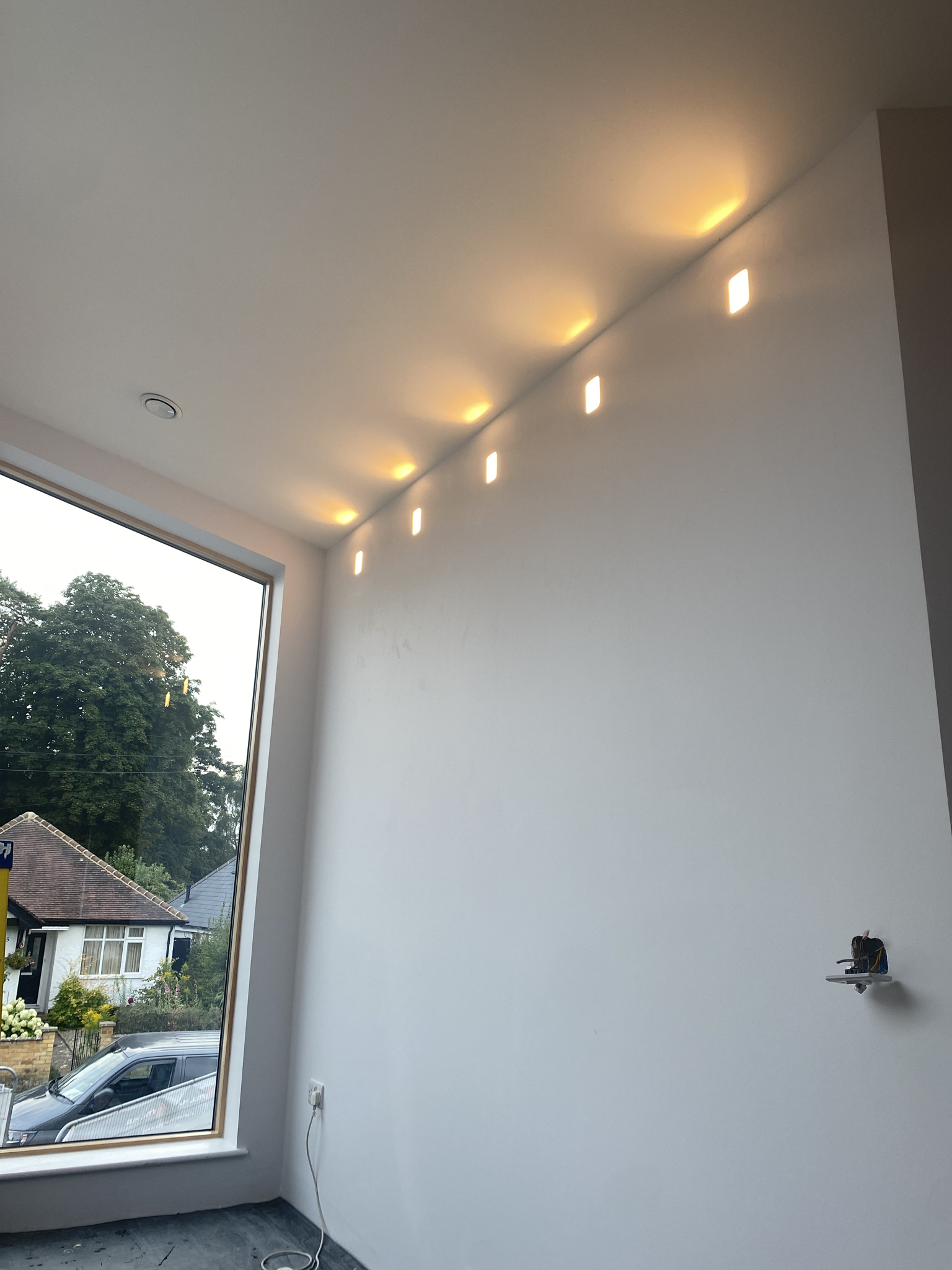
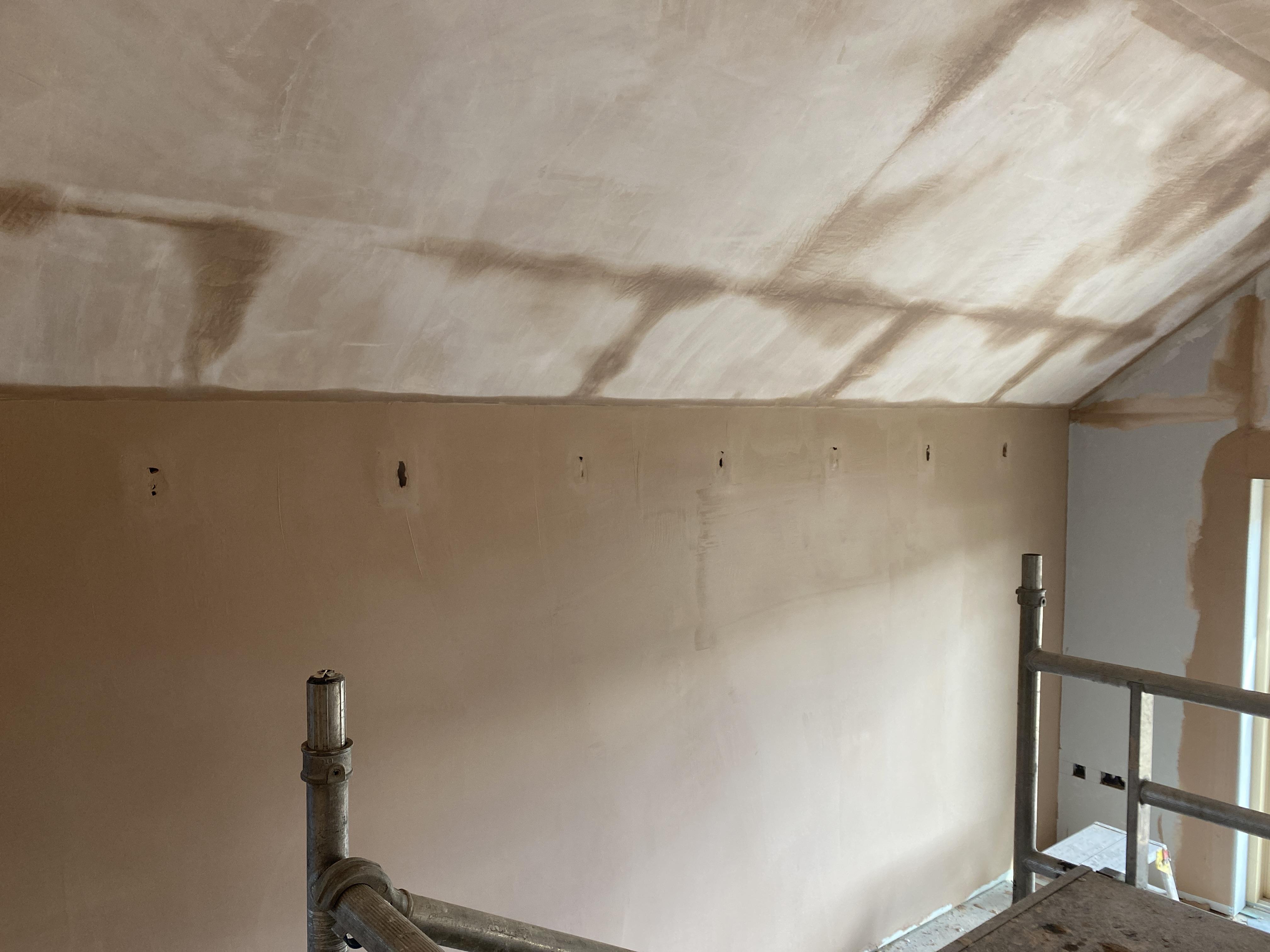
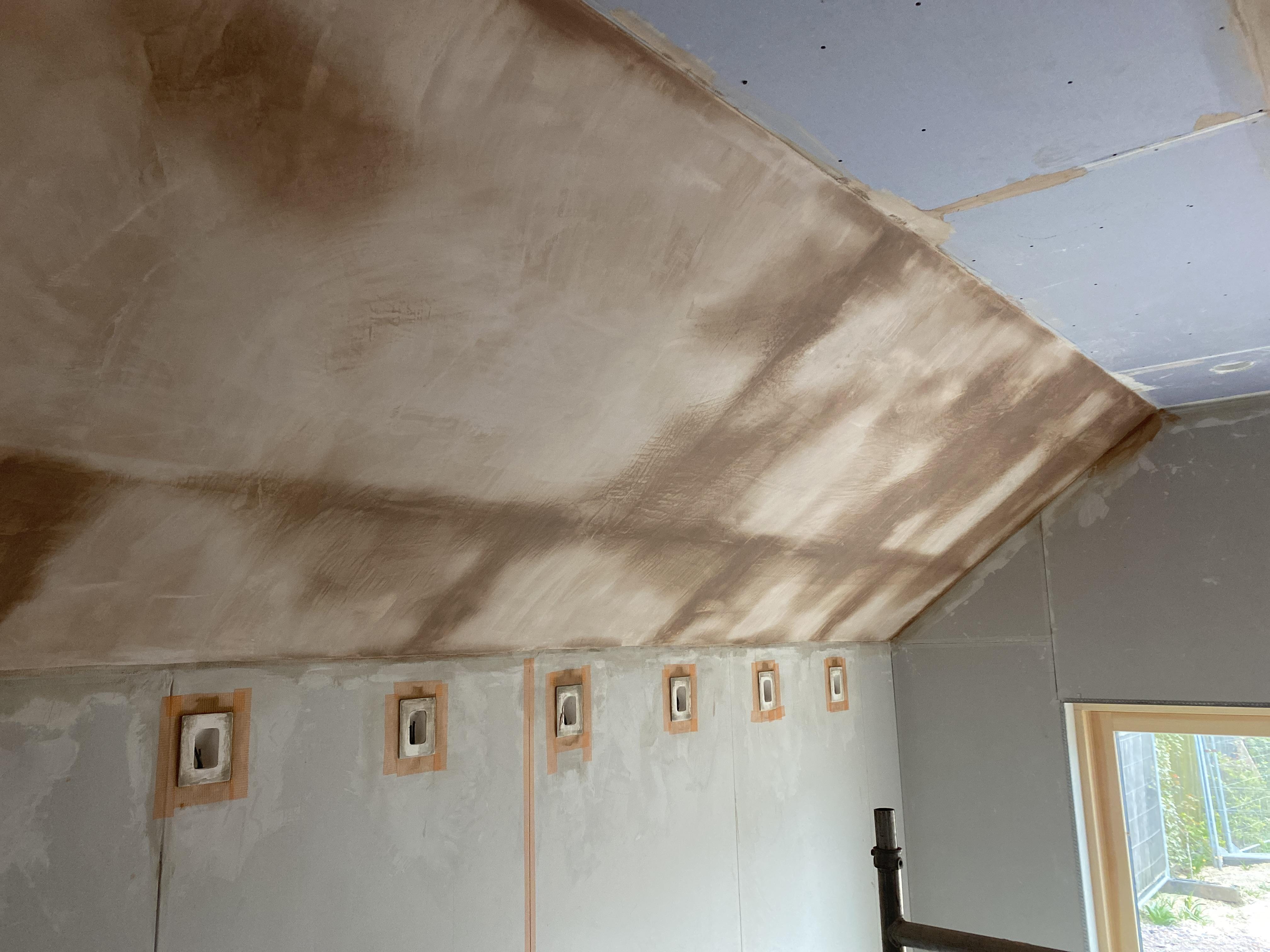
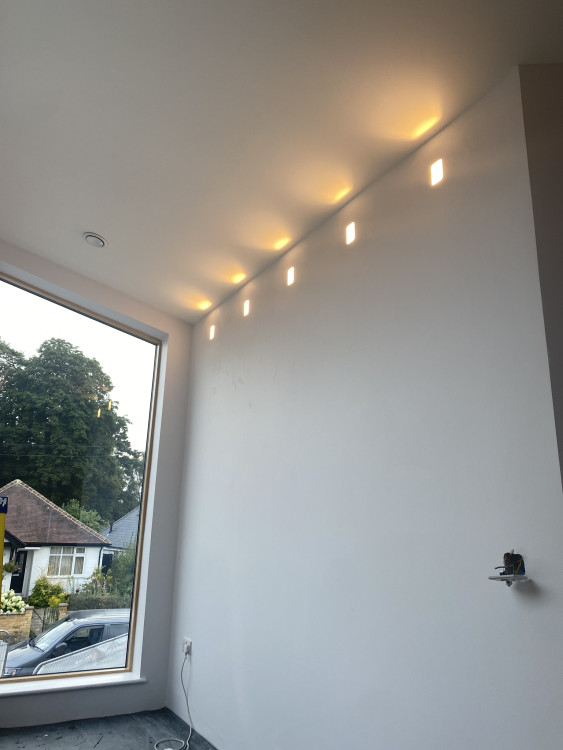
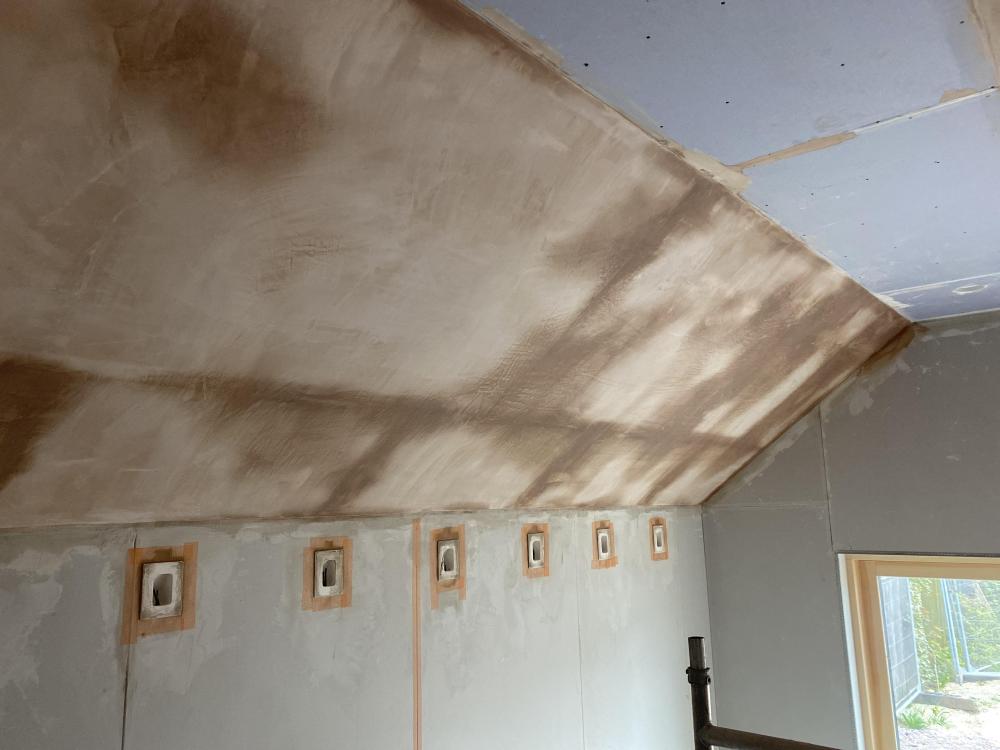
I do a lot of lighting design, and these are great for lighting the vaulted sections. Look on the Tornado lighting website for the full range of plaster-in flush / trim-less stuff.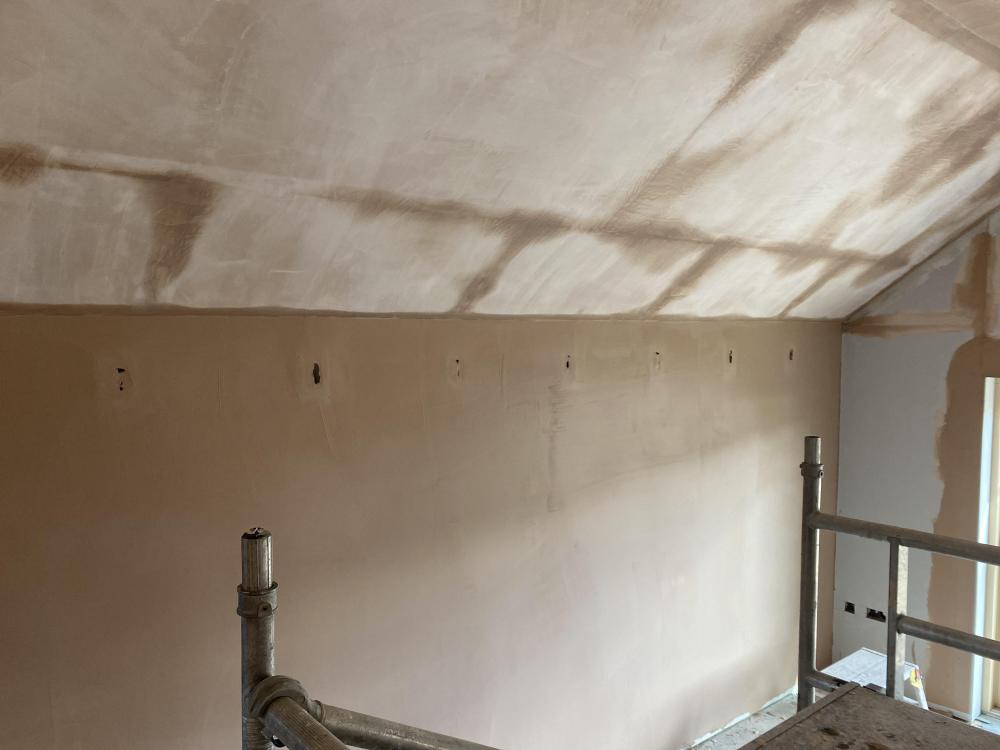
-
Another ASHP flow and return question
Nickfromwales replied to Mr Blobby's topic in Other Heating Systems
I've just done the same pipe / insulation detail on my current job, and I just drill 2x 78mm core holes and put 1x through each hole. @Mr Blobby wont even have to core drill, just install the ducts as he's going. But core drilling afterwards, which is what I'd do ( so they can be pin-point accurate ) will be 1 hour or less, if you drill slowly! For me, it would be pipes and cables punched out retrospectively, and the pipes surface mounted in the plant room. IMHO, this is too short a run to be faffing about with the big Duo pipe. -
Cold roof with no VCL? Can I have spotlights?
Nickfromwales replied to Mattsville's topic in Heat Insulation
You can do, if you mount the transformer elsewhere, or just cut out a pocket in the insulation for the transformer to install into. Very few fittings will either be shallow enough, or are void of a transformer tbh. -
Sold by Amazon, and probably other outlets who give equally less-a-fcuk, but bought by unsuspecting victims.
-
Ok. There is defo a serious leak here as the system is part-draining down and is sucking air back in through the automatic air bleed vents ( they work both ways when there isn't any water inside ). Stop using the heating system immediately, as you're just constantly refilling with fresh oxygenated water which is corroding everything ferrous, hence the dirty look to the water. Get the plumber back in immediately to fix, give this to him in writing, text / email / WhatsApp and tell him either he fixes this, or you'll get someone else at his expense.
-
Can one paint a red expansion vessel white?
Nickfromwales replied to Question's topic in Boilers & Hot Water Tanks
She’s got to go! No, seriously, find something else to worry about. Paint whatever you like, it is of zero consequence in actuality. All you need to do is apply a label stating “heating system - non potable service” on it and go for pink. I suspect you have many more of these suchlike items to deal with, if this is an issue, but that’s life! Or, Close the cupboard door, move on with your lives. 😉🙃😵💫 -
Insulhub Isotex Voluntary Liquidation
Nickfromwales replied to Surfiejim's topic in Insulated Concrete Formwork (ICF)
Do you know if this is a standard, legal practice? I would be very interested to see how they could demonstrate functioning admirably / in line with their responsibilities as a limited company with what has been written here, alone. It could stem much further afield too, and there may be many others who don’t know the scale / volume of ‘damage’ done. Will come out in the wash I suppose, but I also suppose that the company director(s) would have taken “professional” advice for repercussive mitigation. -
Yup. There is a nominal gap, for hinges etc, so that's always allowed for. Plus most openings are made 10-15mm oversized to allow for shims / packers to be installed to get the frames ( linings ) in plumb, eg to compensate for wonky stud walls etc.
-
Insulhub Isotex Voluntary Liquidation
Nickfromwales replied to Surfiejim's topic in Insulated Concrete Formwork (ICF)
@Oli I would very much recommend sticking with an ICF, and as I have explained directly to another member, an EPS system will be a night & day upgrade from wood-crete. There are plenty of ICF suppliers who are kosher, so please do not tar all of them with the same brush I have offered other members some contact details for a very good ICF installer, and he can be further recommended by at least 2 other Buildhub members who's homes he has erected / is in the process of erecting. @All. If this is of interest / help to anyone, please PM me. -
Exp foam sometimes makes the pipes creak. For heating pipes, I'd recommend spraying or brushing on something like a silicone lubricant onto the copper pipes first, as a release agent, and them foaming eg so the foam doesn't 'grip' the pipe(s). Likewise with the hot pipe, basically anything which expands / contracts / has a bit of movement. A chap I knew decided to retro fit exp foam to all of his uninsulated heating pipes throughout the entire first floor, and had to take it all back out a few months later due to how bad this clicking / creaking noise had become. Not so much of a problem if the foam plug is only a few inches long / deep.
-
I can always ask the next door neighbour to fetch it back.
-
Only someone who wishes to end their, or their families lives would buy that product. Should NOT exist.
-
Insulhub Isotex Voluntary Liquidation
Nickfromwales replied to Surfiejim's topic in Insulated Concrete Formwork (ICF)
Google etc will join the dots regardless. It's a public forum, and we do not control members activity outside of these 4 walls, or where they promote / discuss us / BH. We're north of 14,000 members, usual amount of spammers, and the angry ones get taken out to the paddock and shot at point blank range. We prefer loving to fighting @pocster..."NO!" Don't even THINK about it. -
Insulhub Isotex Voluntary Liquidation
Nickfromwales replied to Surfiejim's topic in Insulated Concrete Formwork (ICF)
Yes. I am ( was ) referring to interior. -
I've changed my mind. Can I have the money instead?
-
Ohm my god!. Nope, you just bin the lamp that comes with it, and do a bit of DIY to 'adapt' it. This way you can choose any style of lamp you like, and make it work on SELV + the flat cable. https://www.ebay.co.uk/itm/374321783458?hash=item57275122a2:g:DRAAAOSwL~RjTQb2&amdata=enc%3AAQAHAAAA4GKMqZtL0Fz9k37ihqJERtBWxJaREthUi87GyS95H9c0wOR%2F87KOBJU99Z3oOM%2FvMD6hrrXM8gkXo%2B8CjyXVuJKJNFiaJciRUTE9RdDAB%2FILoipUlXRGeQkQYZRHxMclkm9zrfjBmK0SANOQ5yAg4Pb7EfdlHmt8IznenmC09A5%2F1pC2%2B2RvplhLhS2EiodntCSmZzj3578LYrs97TLN4DbyzV8YUYB0SkCfR7bou4fu9xQ%2Fr8etx3XOmnC4JFMhwh%2FqaCUJulevkIAwcL2N1j6dOB27XinlOY4zHG7yrtnY|tkp%3ABFBMjLip_e1h Just solder one of those onto a sacrificial ES or SES lamp base ( chop up a 230v one ), feed from a suitable transformer, and send me my kebab.
-
Use the construction one, as it has fibres so you can thin it out over wooden substrates without it giving up the ghost. Primer is a good idea also, to further aid in reducing friability, but don't let it dry before putting the SLC down
-
Insulhub Isotex Voluntary Liquidation
Nickfromwales replied to Surfiejim's topic in Insulated Concrete Formwork (ICF)
Which means having battens. More materials costs, labour, and less GIA. -
It's been 28 minutes, and no food or alcohol has arrived? Is your internet down?
-
SELV (Safety Extra Low Voltage) describes a voltage that is set so low that in the event of direct touch either during proper operation or in the event of a single fault there is no danger of electric shock due to touch current. In the event of an insulation failure, adequate protection must still be provided.
-
I was considering a small vertical axis turbine, say 1kW, and hoping they aren't as problematic ( at that size, and that type ). More as a toy, than to provide for my needs, but it would be good to have any little trickle-charge at night.
-
Requirements for integral garage door
Nickfromwales replied to Moonshine's topic in Doors & Door Frames
If it's a fire door to protect the house from a fire in the garage, then any good quality lock is fine, however I would have it open with a key from the garage, and a thumb-turn from inside the house, so it can be a means of escape in a house fire. Does this need to be airtight? @Russell griffiths has posted up some options from his findings when solving the same problem. Have a search on here, lots of discussions have been had! https://forum.buildhub.org.uk/search/?q=airtight fire door&quick=1 -
Company accounts overdue
Nickfromwales replied to Kelvin's topic in General Self Build & DIY Discussion
Do as your doing. Ask questions, you're bloody well entitled to!! It's your money, and you need to be sure before you part with it. Simply explain your concerns, and let them respond accordingly. Only you can decide how you then proceed. -
Just use an LED lamp or LED strip in the light fitting, and then the cables to it will be SELV, so all you'd need to do is not short them out. The cables can then be the super flat speaker cable types, job done. https://www.thomann.de/gb/sommer_cable_tribun_240.htm?glp=1 Thank me with beer and pie.