AliG
-
Posts
3211 -
Joined
-
Last visited
-
Days Won
11
Everything posted by AliG
-
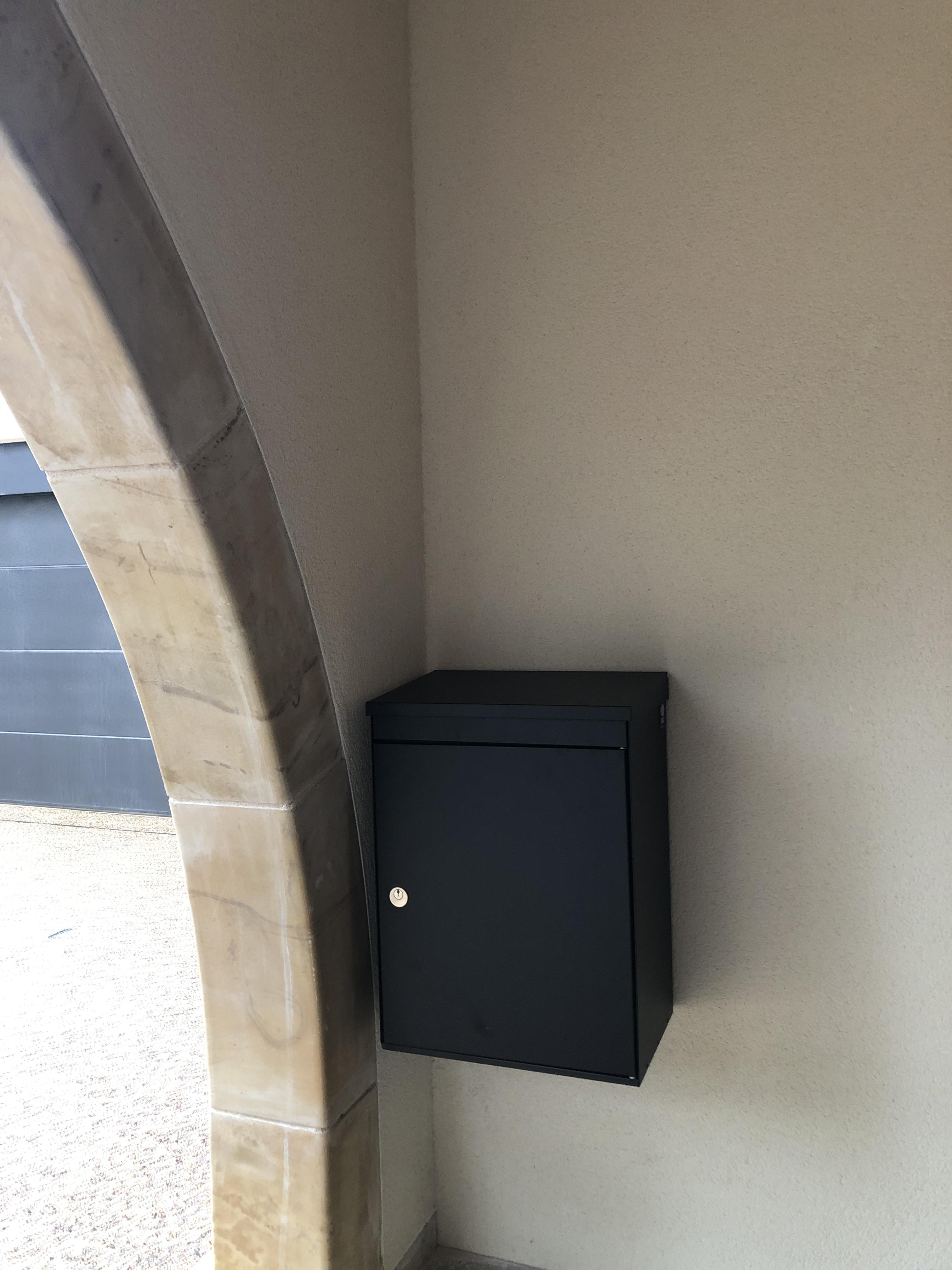
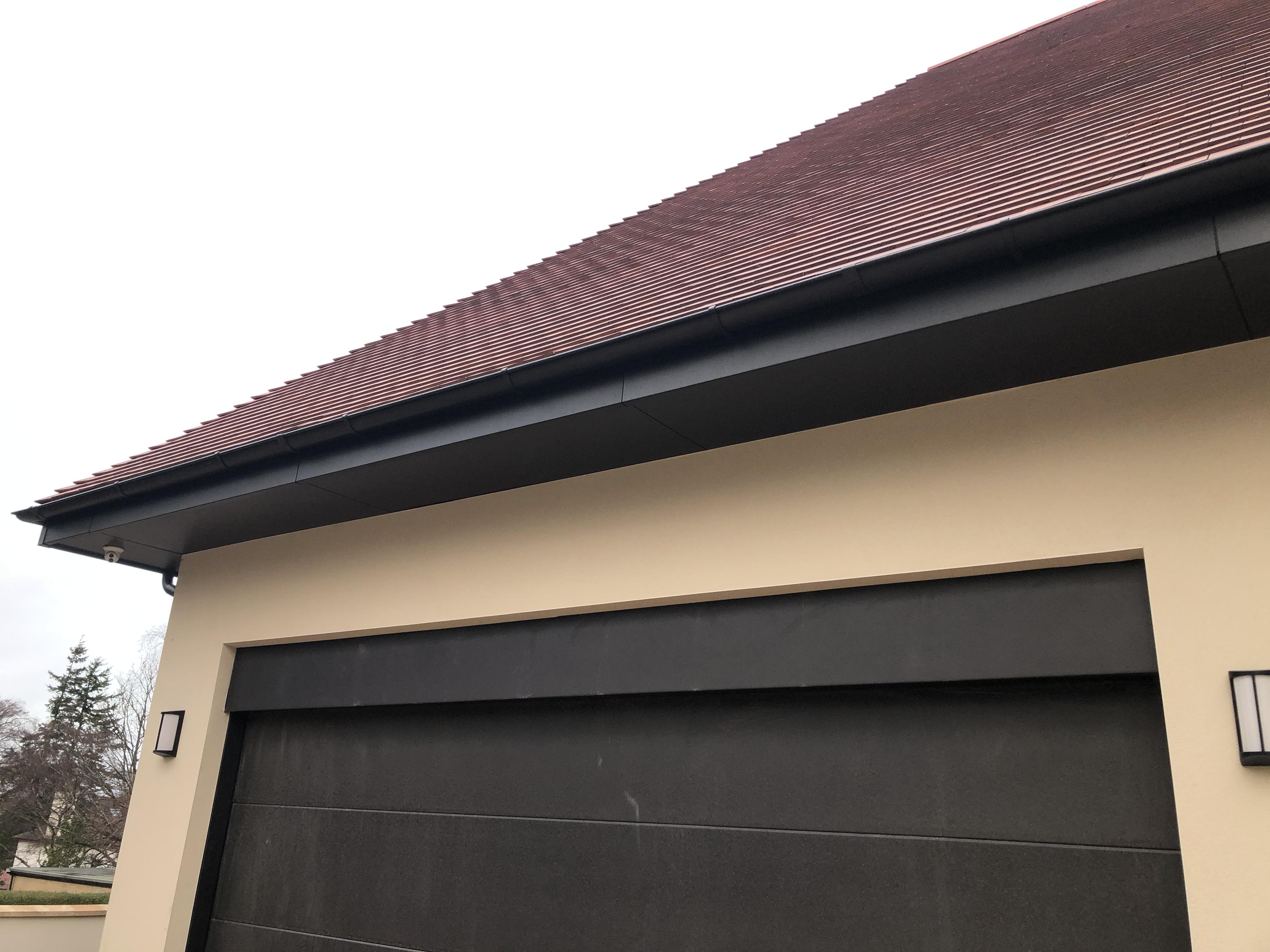
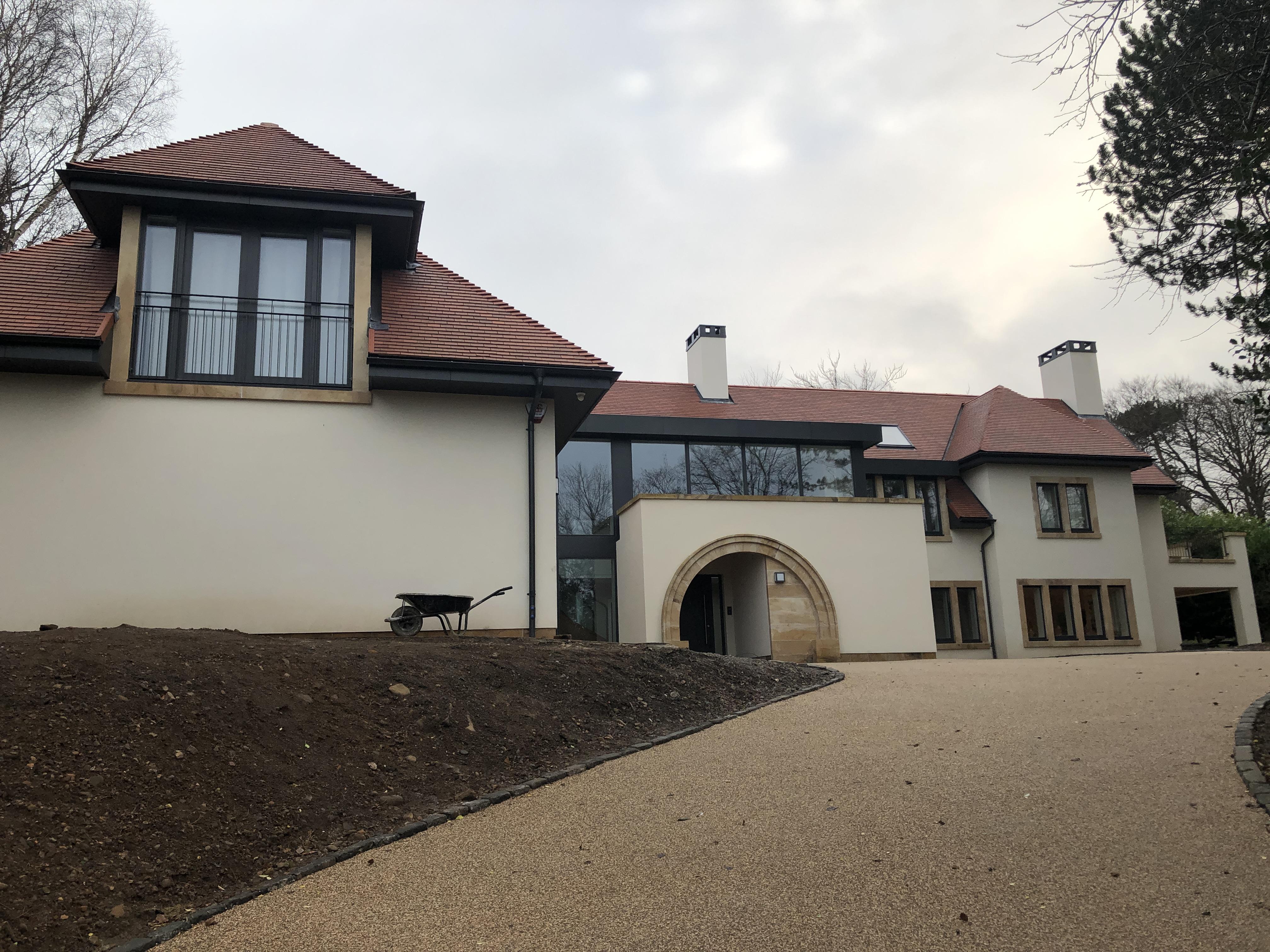
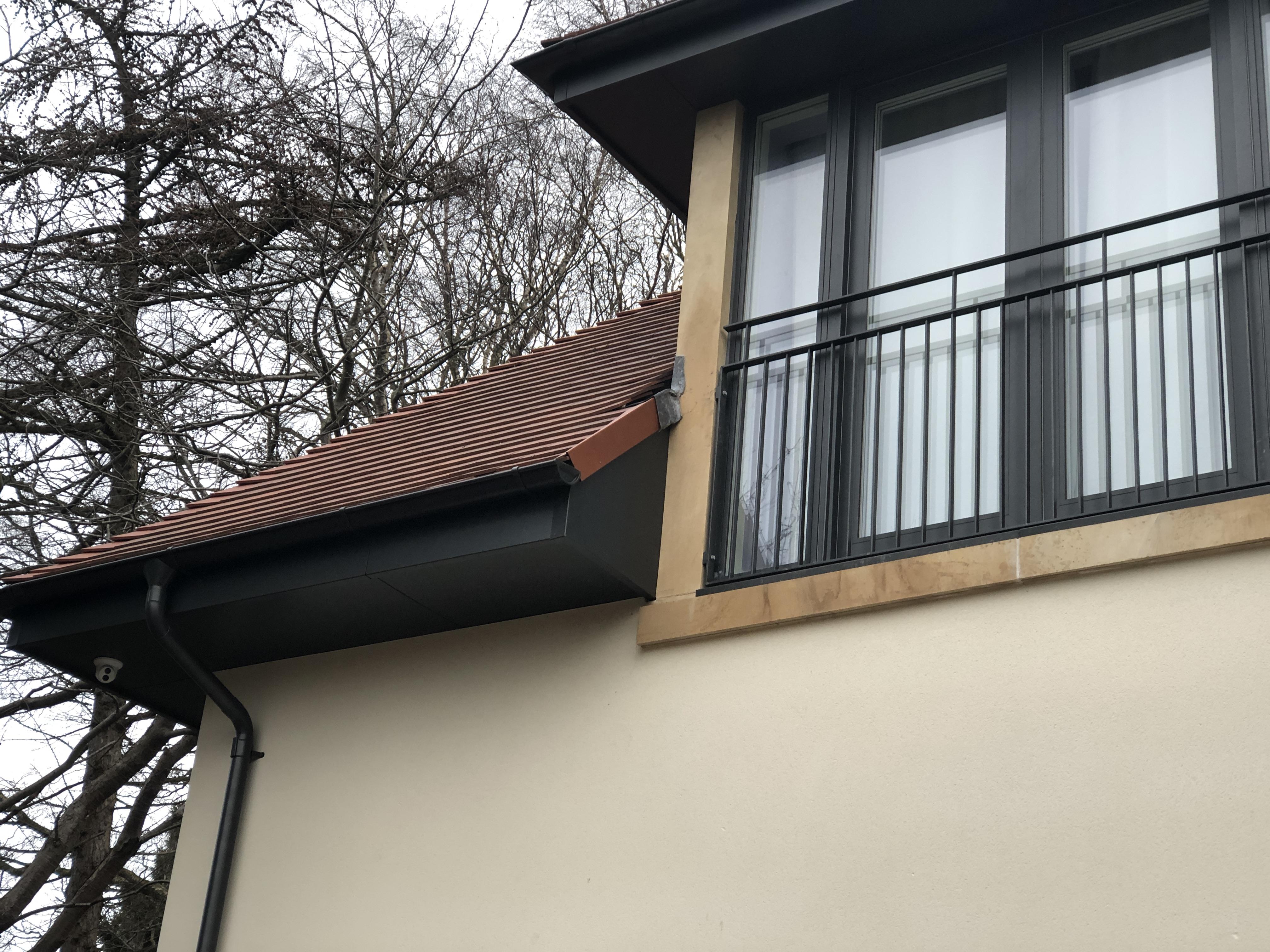
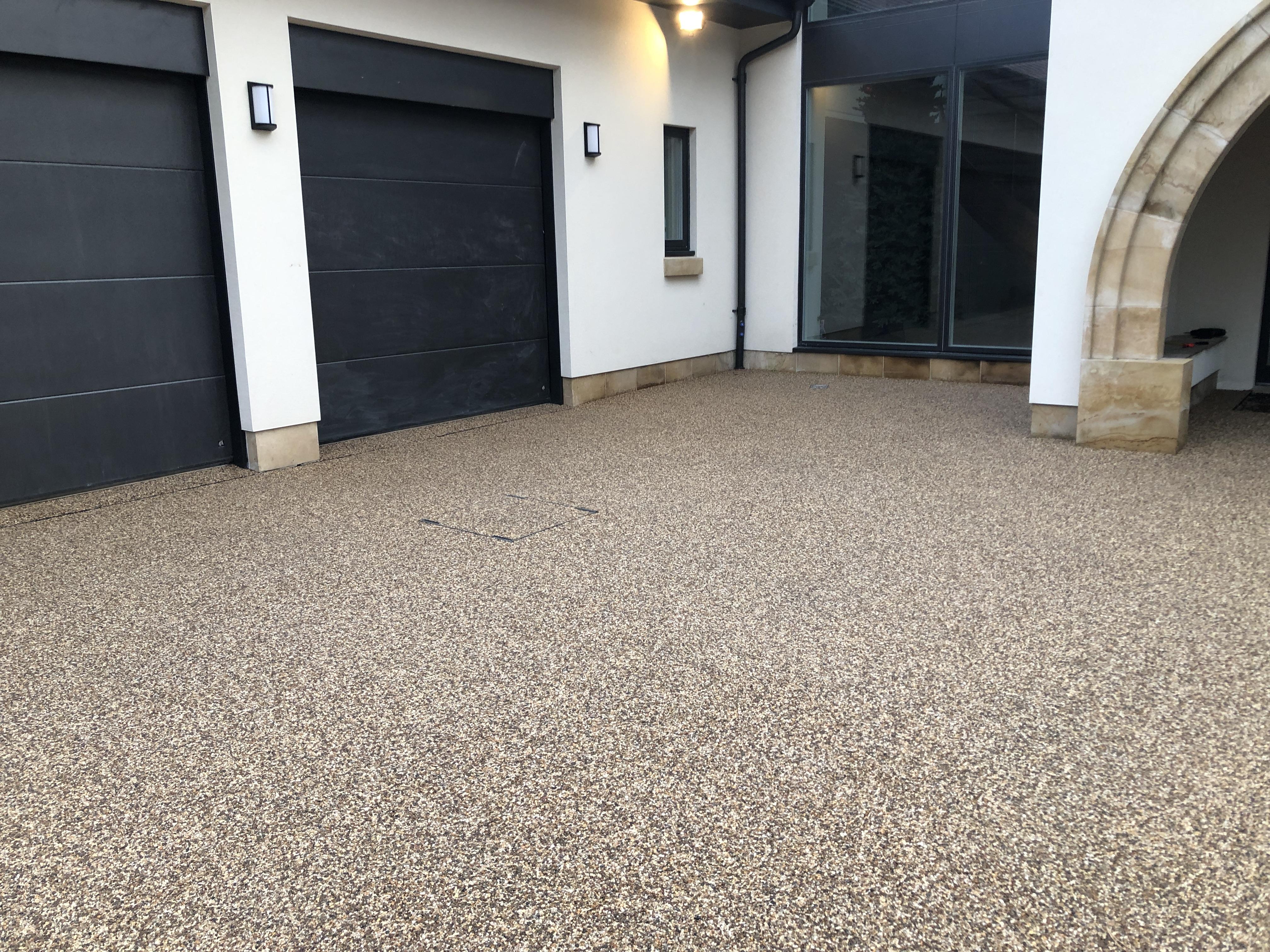
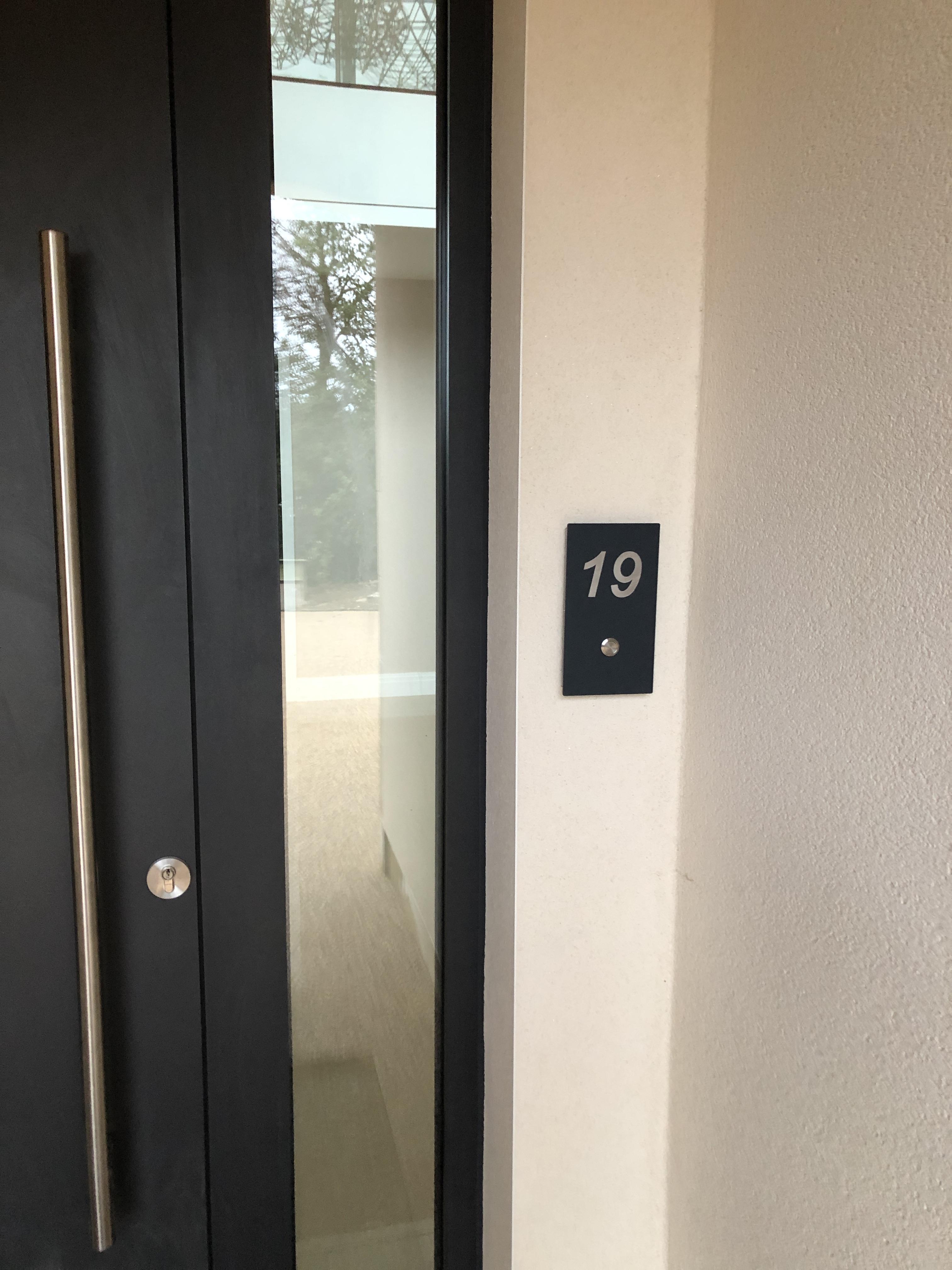
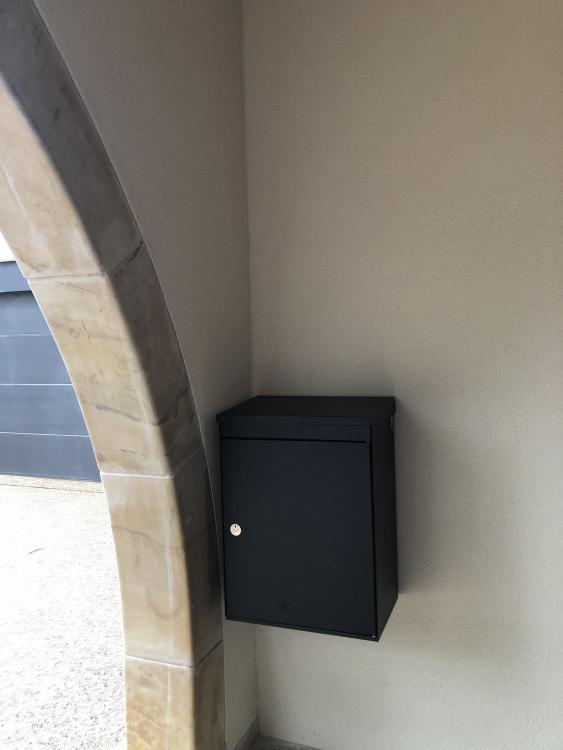
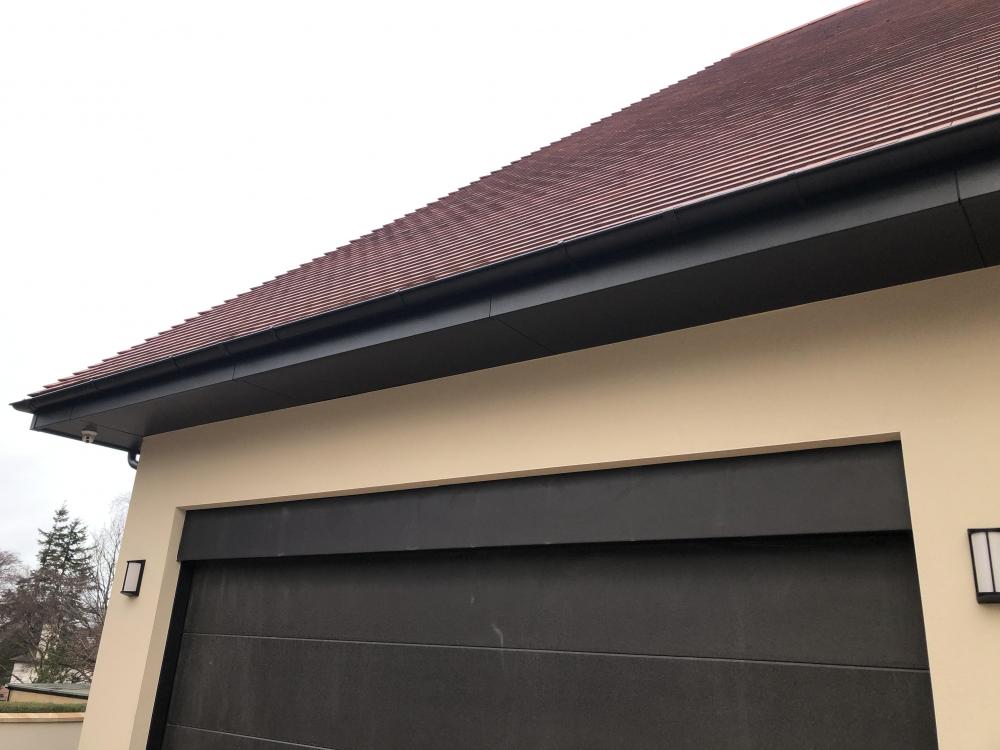
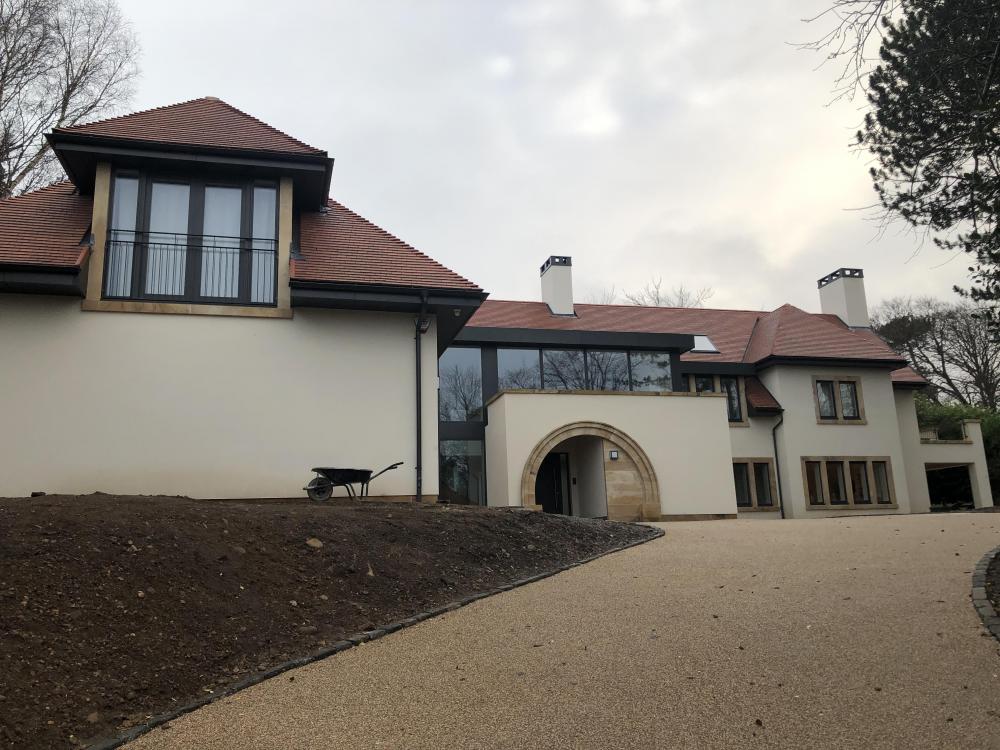
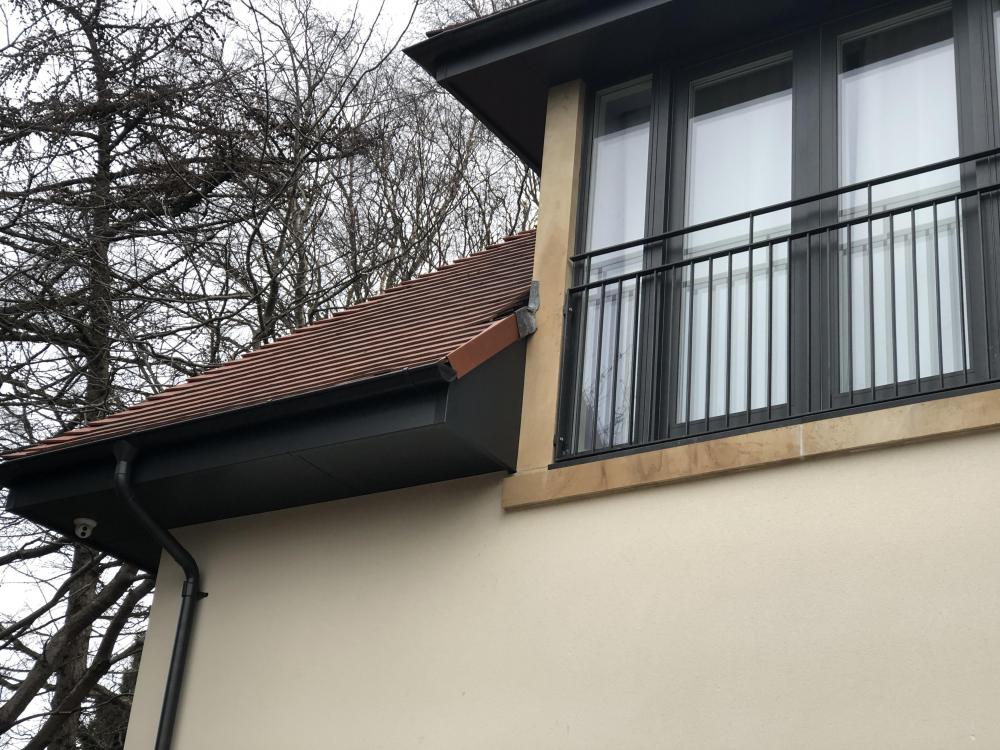
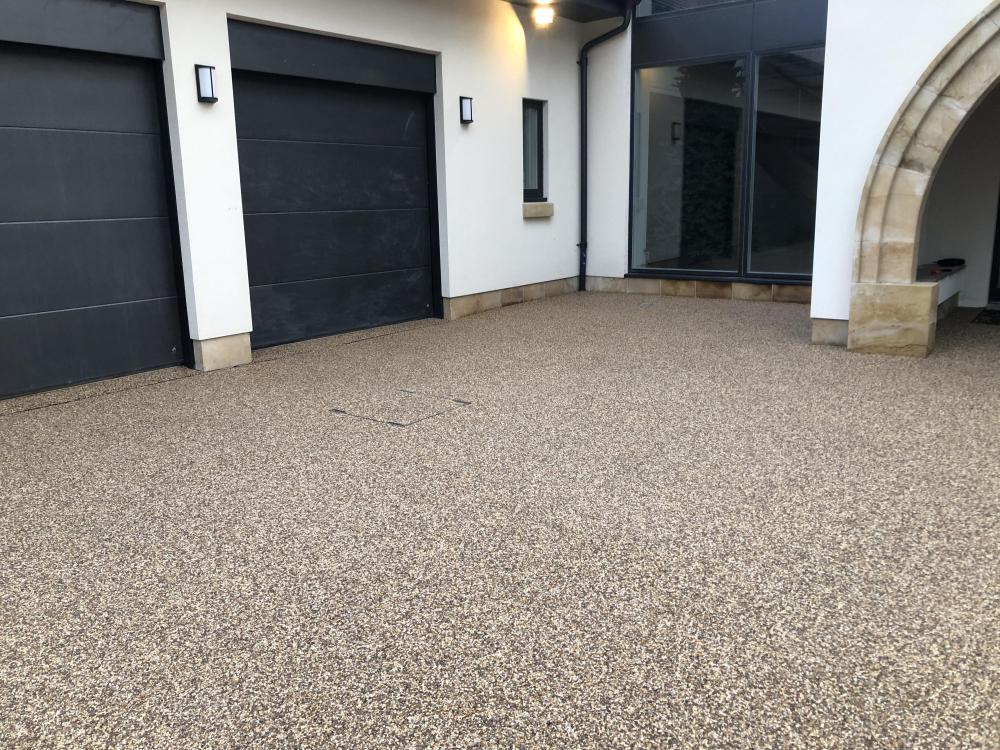
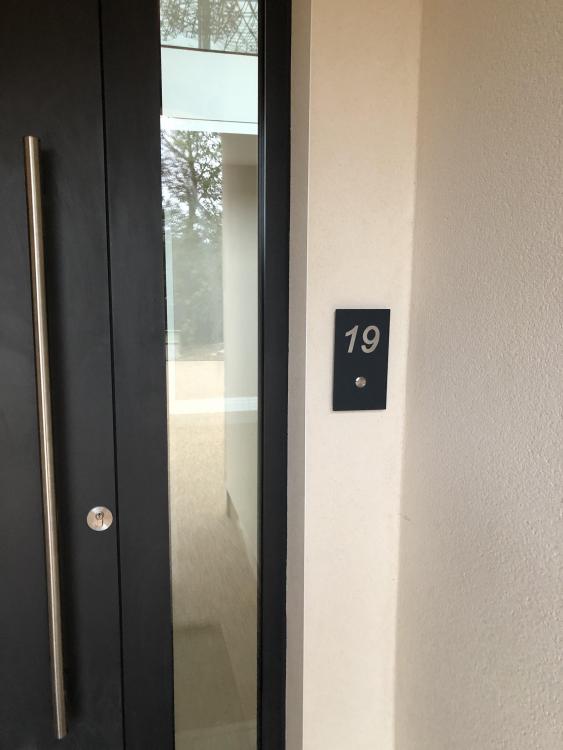
The driveway has been laid and I think they have done a fantastic job. I have also finally got around to putting up a postbox and a doorbell. I got the doorbell from a company called Metzler Trade that sells on Amazon and its own website, a lovely quality item. It always disappoints me when people have little plastic doorbells. I forgot to include power for the bell so put a Grothe wireless bell behind it. All the gutters, soffits and fascias are finished. We also framed around the garage doors in matching aluminium. This is an area that is usually just painted wood and starts to blow after a while. The builder just has a smallish list of things to finish off. Finally we can get the walls and doors washed down, I didn't see any point before the drive was down. The landscapers want to start in a couple of weeks now also which is good.
-
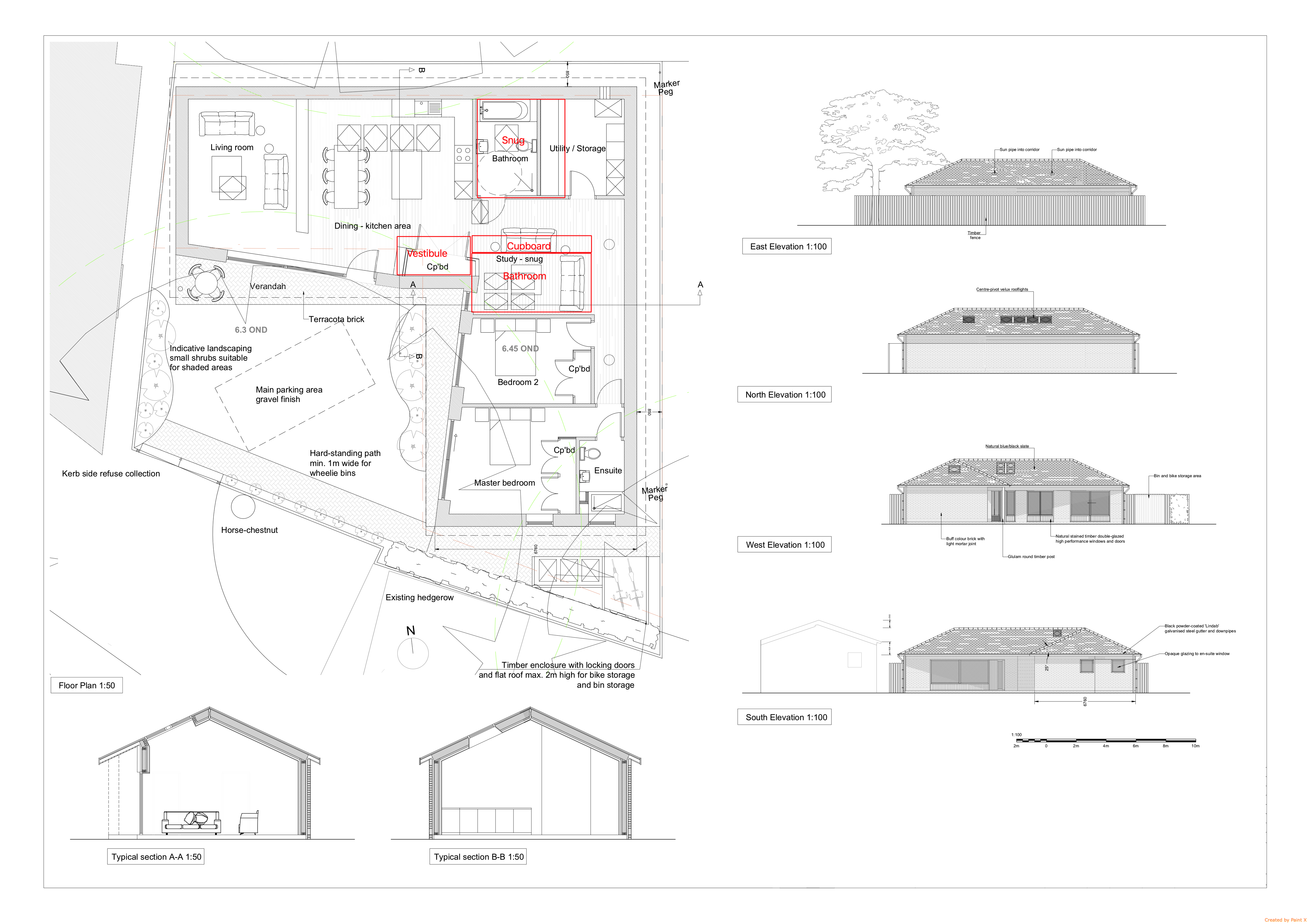
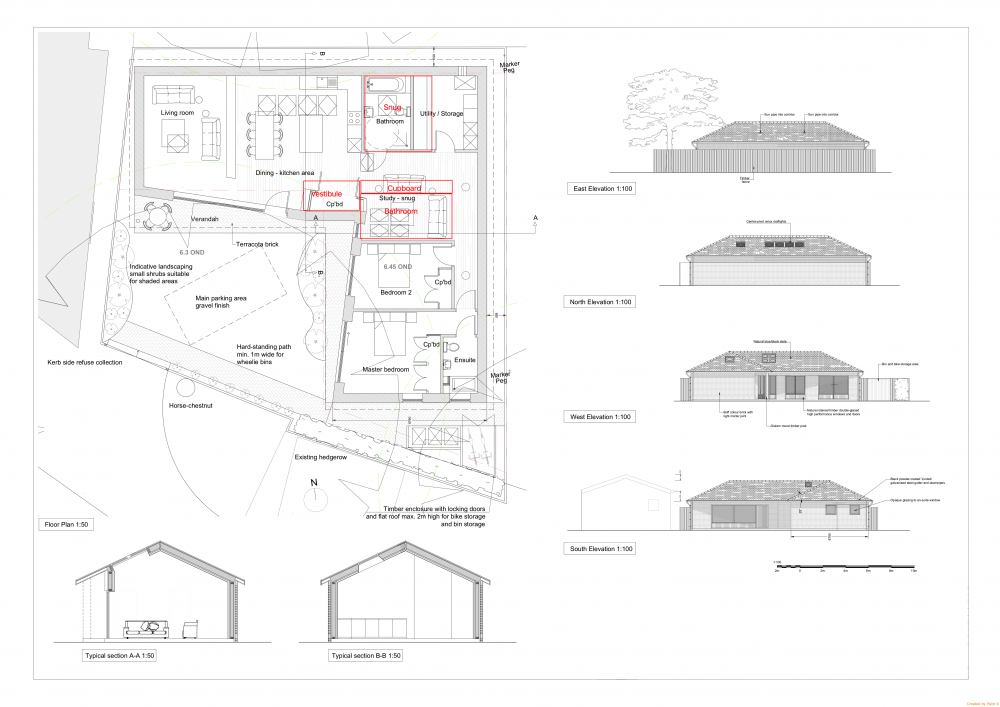
I came to this when my parents' house was referenced. The design makes good use of space, by not having a hall you maximise living space, but it is not a design for everyone and I do think you have to be careful. It is easy to create a feeling you are inhabiting a hall/pass through space and not feel comfortable. I think some of the comments re the snug reflect this. Also I tend to agree that I would not like the front door opening into the kitchen. I would feel quite uncomfortable if people make a delivery and we are all sitting down to dinner for example. I am very curious why that cupboard has been put in next to the front door on one of the places that you can have a proper window, it seems a missed opportunity. Having looked at it, I have very roughly annotated the plan. Basically swap the snug and the bathroom. The bathroom will be nearer the bedrooms, it could have a door to bedroom 2 also if you like. Put a large cupboard along the bathroom wall and take away the current cupboard to allow another window. Actually even better, you could move the front door towards the corner and have a vestibule so that it doesn't open directly onto the kitchen rather than having an extra window.You would probably make the utility a bit smaller which you could do with a larger cupboard. The snug could be incorporated into a much larger kitchen, you might want to change the kitchen plan or separated by a wall. You could still leave it open to the hall but people would be walking past not through it. This fixes the roof window issue that people have as you just continue the row across the kitchen roof, The small window in the wall will be enough for the bathroom. It could save you a couple of roof windows also. You also won't have the roof lights on the front of the house anymore, they will all be at the back. This would also allow storage above the bathroom as there won't be a roof window there now. I don't often comment on the aesthetics of houses and it is hard to tell from a black and white picture, but I feel it looks quite old fashioned. Maybe it would look better in a render. Is the plan to have the outside of the windows natural wood and the guttering black? Maybe making everything black would be better (I might be biassed as that is what we have). I am not a fan of those small wooden panels below the windows, why not just have larger windows.
-
Is the worktop in Silestone? Silestone comes in 2 sizes 306x140mm and some colours come in jumbo slabs 325x159mm. Not sure how you could need 4 slabs, unless they think of it in strips. We have a 60mm deep worktop on the island, it is created by a mitred joint round the entire perimeter of the island which is over 8m, we were going to do your design originally but changed it. The join is less than 1mm wide all the way round and you can only see it by looking closely, day to day I never notice it, it is much tighter than a worktop join. They are talking nonsense about not seeing good mitre joints. It sound like they just don't want to do it. I would certainly worry about their ability to do it. Mitred joints will add somewhat to the cost though, they are quite awkward to do as they involve cutting the quartz quite thin. But they aren't unusual at all. An overhang would look awful.
-
Has anyone incorporated concealed gutters into pitched roofs?
AliG replied to laurenco's topic in Roofing, Tiling & Slating
Those solutions are for outside walls with cladding panels, not sure if your walls are rendered panels or blockwork. Anyway, Galenco as referenced by @Russdl has solutions for different construction methods. https://galeco.pl/sites/all/pliki/do_pobrania_eng/katalog_bezokapowy_eng_24_08_2017.pdf -
Has anyone incorporated concealed gutters into pitched roofs?
AliG replied to laurenco's topic in Roofing, Tiling & Slating
All of our soffits and fascias are covered in powder coated aluminium and I think it is fantastically sharp. Unfortunately I do not have a picture to hand of the finished work as they have just finished doing it, but I will take some at the weekend. We have all the rainwater goods, the front door, garage doors and balustrades powder coated to be the same colour as our already ordered window frames. So one thing I would make sure is that if you go along this route you can get other metal items in a colour to match. We had considerable difficulty getting the garage door and front door made in non standard RAL colours. Another thing to consider is how to conceal the fixings, our builders figured this out as they went along. One thing they did was to have a consistent join gap between pieces of aluminium and hide it by putting a piece of black rubber behind each join rather than trying to cover it. But certainly some thought is required as to where fixings will go. I don't have any experience of concealed gutters in this fashion. The only thing I can think of is that you use a profile that is much higher on the inside than the outside so that if they overflow they overflow out the way as presumably the inside of the profile will have to be under the roof to catch the water. So a U shape with the inside higher than the outside. You will need a way of attaching down pipes at right angles as the low point in the gutter will be on top of the wall. This might bee more difficult than actually designing the profile. You will also need the down pipes to be inside the house. They may be hard to hide and noisy. I think that you cannot combine them with the in house waste water until it has left the house. As pointed out if they do overflow they will run down the walls, I would be less worried about this as it is a rare occurrence and even normal gutters will do this if blocked. Just keep them clean. -
Floor plans (v5 and counting)
AliG replied to Bored Shopper's topic in New House & Self Build Design
I would concur with most of the suggestions already made. I am not a fan of the shared wardrobe space, it could be very awkward as family circumstances change or for future buyers. I would be tempted to turn around the en suites as suggested and put the wardrobes between them and the bedrooms. I might go further and make bedroom 1 next to the stairs and then make bedroom 2 slightly smaller to allow for a larger bathroom and a wardrobe in bedroom 3. This assumes that you don't go the whole hog and put another bedroom on the second floor. Unless you have a bidet today and use it I would not bother. You can get combined toilet bidets if you really need one. One of those fancy Japanese toilets would almost cover the cost of an extra toilet on the third floor. I would be tempted to make the utility room smaller and the dining area plus maybe the WC bigger. I don't find you really spend much time in the utility room, you just go in there, put the washing on and leave. Making the utility room smaller and turning around the en suites might free up space to move the stair back 2-300mm. The main lounge is quite tight at 3.5m wide. I assume there would be a cupboard under the stairs not marked. I would turn the kitchen door around to hit the closed end of the units and not the doors at the other side. Ideally I would try to have a more open area in front of the door, but this may not be possible with space constraints. Considering the value of a square foot of floor area in the M25, I would consider making the eaves storage area smaller on the second floor and the floorspace larger. You could easily take it to the 1.8m line. Then with a larger area it might be more attractive to break it up and add a bathroom which I really would try and do now. Definitely have a window on the ground to first and first to second half landings, it will make a massive difference to the hall. -
Mezzanine, planning
AliG replied to Russell griffiths's topic in General Self Build & DIY Discussion
One going to two storeys no issues. Issues will be around stairs up there and balustrade. @recoveringacademic did you not put in permanent stairs and class it as storage space? Otherwise would you not need a full set of stairs that would take up a lot of room? -
Mezzanine, planning
AliG replied to Russell griffiths's topic in General Self Build & DIY Discussion
Internal is not a planning issue, but there will be quite a few issues with building control as it may effectively turn your house into three rather than two storey. We ended up having to put sprinkles into our mezzanine floor as it is open to the floor below and then fire doors on all rooms off the hall. If you are putting one in I think dealing with building regs is easier if it is self contained such as having stairs with a door at the bottom, but the rules may differ in England and depending on the area involved. -
I too have considered this, perhaps the reason I limited myself. The switches will work even if the app doesn't but I do feel that companies may not keep support for these systems going long term. I was considering the Brunt Blind Engine as an easy way to automate blinds, I note not great reviews on Amazon though although most of these are re app integration and bizarrely someone who complained it wouldn't stick to its mount using the included sticky pads. It is stupid that they included them, but really how could you generate enough torque to ride a blind whilst stuck to the wall with a little foam pad.
-
Notes on heating costs as we near completion. The builder has applied to the architect for completion, there are a few jobs I would like done first, but we are close to being done. I have been examining my gas bill as E.On have got themselves confused and won't accept my meter readings which they think are too high. They seem to have extrapolated from the brief period when the meter was fitted but the heating was not switched on and so the new figures seem wrong. It appears that we have used £3000 in gas over the first 11.5 months. On the one hand, arguably not bad for a large house with a pool, on the other hand higher than expected. I am trying to figure out what the normal usage will be, there are a few things that drastically increased gas usage in the first year. The heating was connected up before the thermostats, thus for a few weeks it just ran flat out 24 hours a day. With a 40kw boiler, that is around £30 a day. The builders don't believe in closing doors as this slows them down, luckily they are no longer about. They have only just finished mastic around all the windows and doors. In particular the bottom of windows and doors was not sealed up and so we had some draughts to contend with. I reckon that heating costs have fallen by around 1/3 in the last few weeks as this has happened. For some time the hot water loop was not insulated and used more energy than expected. There is still some sealing to be done around a couple of windows and the flue for the kitchen fire, they just cut a big hole in the wall and pushed the pipe through without sealing around it. There is a very clear draught into the kitchen from this. In hindsight I probably would not have bothered with a fire, it costs a fortune to install due to gas regs, requires cutting lots of holes in the house and hardly ever gets used. So recently we have been using around 325 kWh per day in gas. When the heating was not kicking in we were using 75-100Wkh per day for hot water and heating the pool. I am guessing that heating the pool uses more energy at this time of year, even the hot water will use a little more, so let's say that we use 100kWh per day for hot water/pool and 250kWh per day for heating. It has been unusually warm and usage has been closer to 350kWh on days with more normal winter temperatures. My guess is that I will end up with around 4 months of 250kWh per day space heating and 2 months of 150 kWh per day. The rest of the year the heating will be off. Judging by @JSHarris worksheet, I should be using around 150kWh per day for heating. My suspicion was that this was always a best case scenario and involved the builders doing everything correctly as well as not allowing for cold bridges reducing u-values below the numbers that I input. Using these numbers I will get to a gas usage of 30,000 kWh for the pool and hot water, around 1/3 hot water, 2/3 pool. For heating I would guess around 40,000 kWh. So a total bill of around £2200 a year, gas has now risen back over 3p per kWh. This is roughly what I was spending in the old house at around 45% of the size and with no pool or pumped hot water system. My hope was that I could run this house for a similar amount. Indeed, now that I have typed this out, I may even allow some thermostats to be set a little higher as gas usage isn't as bad as I felt it was. I still have to get a diverter connected up to use excess PV generation to heat hot water which will save a little. Our MVHR is on and working well in terms of providing fresh air. It is noticeable that spare rooms where the heating is off I think have their temperature dragged down a little by the MVHR. We do notice that some kitchen smells get dragged into the hall. As the kitchen has an extract and input I am wondering if I should seal under the door. We tend to forget to use the extractor fan. There are definitely areas where I think I can improve further on insulation/air tightness, we have not had an airtightness test yet. The integral garage ceiling is insulated, but not sealed around the edges which may be allowing some cold air into the fabric of house. The two rooms that have coombed storage space have could definitely take more insulation in the coombed areas and the doors into the coombs are not sealed. The room in this area with the heating off is noticeably colder than the other spare rooms. But I suspect that I could do a lot of work and spend some money and only reduce heating costs by £1 per day. What is noticeable is that the temperature in the house is very steady and only falls slowly at night when the thermostats turn down. Also I felt the triple glazed windows and the outside walls the other day and there is little difference in temperature, unlike previous houses that I have lived in it is very difficult to tell what the outside temperature is doing from inside the house. BTW by far the cosiest room in the house is the home cinema. Constantly running we have two ethernet switches, a CCTV HDD recorder, Heatmiser controller, Fibaro Homecenter and Sky Q. Then there is a projector and AV amp running when we are watching the screen as well as games consoles. Heating has never been on in the room and temperature rarely drops below 22-23C, can get to 25C watching a movie, the back door of the AV rack vents into the utility room if it gets too warm. I had them make the MVHR in this room an extract to make some use of the heat. I have not checked our electricity consumption yet!
-
Aclass Technology http://www.aclasstechnology.com There is a lot of good info on this kind of stuff on AVForums.com
-
I am by no mean an expert on Fibaro, but here goes. The main item you use is probably a Fibaro Dimmer 2, the manual gives pretty clear wiring instructions. Assuming there is room it should is in the box behind a light switch. https://manuals.fibaro.com/content/manuals/en/FGD-212/FGD-212-EN-T-v1.3.pdf It can work on a 2 wire system for retrofit, but 3 is better in a new build. It works with most kinds of light. You need a Fibaro Homecenter to control the system. The Dimmer 2s or other wireless units create a mesh network using z-wave technology. Theoretically you can add new units using the mesh, however, I have found that I could only get them to add if they were in direct range of the Homecenter (I had to buy a 30m ethernet cable and move it around the house). The mesh seems to work fine otherwise. Thus the main benefit of having the supplier set up the system was that they powered up the individual units and connected them to the Homecenter before sending them out, saving this step. However, where we ended up making changes to the system I was easily able to add or subtract extra units. Assuming that your electrician's skills are sufficient to wire in the units, the set up on the Homecenter is pretty simple. The Dimmer 2s auto calibrate on first power up and set some of their own parameters. You can go in though and set things such as are you using toggle/two way/one way switches. This is a simple web based system. The parameters that you can be changed can be seen in the manual. Really the things you are looking at for most circuits are pretty basic, switch type, dimmable etc. We have 13 units in the house plus the Homecenter 2. The electrician charged £50 per unit extra to wire them up, some of the LEDs require an extra component to increase resistance for the dimmers to work correctly. The whole system including £350 to set it up before hand cost £1700 including VAT. 3 of the units are for blind/curtain control and not currently used. I can control the lights from an app and also have cloud based remote access. There are no ongoing charges. I also got it up and running on Alexa a few weeks ago pretty painlessly, there is a pre written Alexa skill available. You literally just tell Alexa to switch on "name of the light in the system"
-
If you have to replace a bulb/fitting you can just isolate the circuit at the CU. There is no noticeable latency using Fibaro from the wall switch, and small latency from the app, probably less than 1 second. The wall switches seem 100% reliable they work even without setting it up, but I would say that response to using the app is 90%. The wall switches generally are 2 way retractive (switches sprung in the centre) so you can dim and switch lights off and on. Dimmer switches are not necessary as this function is built into the Fibaro switch. This almost pays for the switches. On mine the lights are set to fade in and out when you hit the switch, which is a nice touch. I was unwilling to pay the silly money of some installer solutions and in particular did not want a solution that I had to pay someone to programme. When I ordered the Fibaro switches the supplier programmed the basic parameters into it for me, type of fitting, dimmable, switch etc. These, however, are easily adjustable from the web based control system. I have not yet tried to programme any scenes. My Sonos has never been connected to the Sonos Mesh network, only wifi. I wouldn't buy it when you had to buy an extra box. I think if your wifi was stable you would not have issues. I don't recall ever having an issue getting the app to connect.
-
Hi @Adam2 1. We have this, works fantastically. You can save by not bothering with switches at all unless you really think you need them. So far I have not come across a time I wished the lights had a switch also. Actually I often wish almost all the lights came on automatically. 2. Pretty standard, look at reviews to make sure the PIR sensors don't give out water a few weeks. 3. I put bulbs with daylight sensors in the actual bulbs into the outside fittings that I wanted on all night. This is simpler to wire. Also as these lights are on for hours on end I wanted replaceable bulbs. LED fittings often give out well before their expected lifespan and I would not want to have replace fittings which could be especially difficult if you have multiple matching lights and they may no longer be available. 4. I used the Fibaro system which involves adding a small wireless control switch behind the light switches. These cost around £50 a time, plus a couple of hundred for the main control unit. The only extra wiring is to use three core for the lighting circuits. It works very well and you can design scenes etc. Works with standard LED fittings and effectively can make an light dimmable without buying a dimmer switch as this is built into the switches (assuming the light can be dimmed). Can be integrated into Alexa, worked away from home etc if you want to, but you don't have to. I just integrated Alexa a couple of weeks ago to see if it worked, 5.One thing I would recommend is two switches in bedrooms, one beside the bed and one at the door. The alternative is to use a wireless system and one switch which is what I have gone for. If the lights are on a wireless system then you can create scenes to switch all off or on etc. 6. I have put in some wiring for this, but so far it is unused. Motorised curtain tracks and blinds seem to be outrageously expensive, I got an insane quote for some non standard sizes and decided I could just open and close things manually. In saying this I think I may revisit it for our bedroom as it has 4 sets of curtains to open. 7. I use the Sonos system which is so easy to set up. I have not found Bluetooth systems great in the past as it has a very short range and cuts out if you walk around the house with your phone. If you are finding your Sonos flakey I would suspect you have a wifi problem. Ours is rock solid, my wife calls me all the time because something is not working, this never happens with Sonos. You might want to consider a Ubiquiti type wifi system in a new house to spread he wifi signal. We bought two Sonos Connects for rooms that are wet, and put ceiling speakers in there. Otherwise they are outrageously expensive compared to the speakers. I don't think Sonos speakers are too intrusive for bedrooms. You might also consider some of the Amazon equivalents now, also screens may help visitors. I thought about wiring for speakers outside then just decided to put in a socket and I would take a Sonos out there. 8. Put in ethernet cabling to everywhere a TV goes as well as Coax for Freeview. Sky Q and I believe Virgin V6 boxes now network over ethernet. As mentioned any other cables should be in walls/ceilngs and think where the boxes will go if you plan of having TVs wall mounted. We have Sky Q minis behind TVs, in bedroom I brought cabling inside wardrobes with TVs mounted just outside for neatness and we have a recess in the chimney breast in the kitchen. 9. A local security company put in a standard security system for us. These are now wireless and also app controlled. Ours is the Pyronix system. App control is simple and seems to work well. It was surprisingly cheap due to no wiring being required. We have a Uniview CCTV system which works over ethernet. The cameras are powered over ethernet also, you just put an ethernet cable to wherever you want a camera and bring them all back to the recorder box. Hikvision systems are very similar now. The cameras and recordings can be seen on an app. I am not aware of a PIR triggered system, but you can define the areas on each camera that you want to trigger alerts and the sensitivity. To view on TV you can use a HDMI to digital TV converter, we didn't;t bother, I just put the app on all our phones and tablets. 10. Yes Ubiquiti plus ethernet where possible. I get 100% of our wifi connection speed of just over 100megs pretty much everywhere in the house. 11. We have thermostats in every room. A lot depends on whether you have rooms that are never used, it seems overkill to me.
-
My experience is that an architect is very good for exterior design particularly and also for things such as use of light, but I think the person who is going to live in a house will always have a better idea of what layout will work for them. I wouldn't pay an architect for a floor plan and indeed some of the houses people have posted here with quite odd or unworkable floorpans seem to have been the work of an architect. Certainly if a budget was tight and it was the choice of extra space or an architect I'd be buying the space. We moved house quite a few times whilst I was a kid. My mum was always looking at houses, so I have been looking intently at house plans since I was a teenager and I started to draw out floorpans then. I don't think we lived in anything larger than 1000 square feet until I was 20. Looking at the house in more detail, there are probably better ways to use the space already there, rather than make it bigger. This was probably laziness rather than writing in more detail. Also some input on the orientation of the house would be useful. 1 - Bedroom 2 - Move the back of the bed to the left hand wall, put a built in wardrobe where the door currently swings into and then the bedroom door next to the bathroom door. 2 - Bedroom 3 - Again if the bed was on the left hand wall, there would be room for a wardrobe at the other end. With the bed positioned this way, the width would be less of a problem, but I still would feel better if it was a couple of hundred mm wider. 3 - I would probably lose some of the dressing room for a water tank/bedding cupboard. I am not sure I like the idea of having an extra door in case it is another bedroom. Either it is or it is not. 4 - In that size of en suite I would have a walk in shower across one side of the room. 5 - Actually looking at the master bedroom area, I think I would ditch the idea of a dual purpose dressing room and have the dressing room first then the en suite. I don't think walking through the en suite to the dressing room is a great idea. I don't know that a possible extra bedroom makes a big difference to resale value nowadays as it is usually based on square footage. You have ended up with two extra doors that are unnecessary which just waste space at the moment. 6 - I would lose the short run of cabinets in the kitchen, make the kitchen area 600mm shorter and add this to the study/bedroom 4. 7 - I would then make the WC larger and maybe the utility slightly shorter. I wouldn't have a corner in a short run of cabinets in a utility room. Moving the WC to give it a window will be more difficult as it alters the front elevation. 8 - A kitchen supplier might well help with the kitchen design for free. Looking at it I wonder if in fact moving the kitchen to where the sofa is, a small island where the table is and the table and sofa where the kitchen is might work better. I would try and keep a large clear area in front of the doors, so if this is a natural area in front of the island it would waste less space. That size of dining table would feel cramped in that space, mainly due to the doors swinging into its natural space. An alternative is to downsize the island, it is always tempting to fill a space that is available in a house design, but it is the area around things that makes a house feel spacious. As well as being close to cabinets most of the way around it, that narrow space between the island and the wall will be difficult to use. If there is a breakfast bar there on the island then the chairs will stop people getting past. A breakfast bar along the wall then jutting out instead of an island might work better, sometimes I feel that people are insistent on having an island when there may be a better way to use the space. 9 - A bigger change. This depends on orientation and also losing the idea of a possible extra bedroom. Also whether or not you really want a balcony off your bedroom. Move the master bedroom to the other side, then you lose that indent on the left of the upstairs landing that is wasting space. The master has the big window at the front. Then a decent en suite and a smaller dressing room at the back. The bathroom might fit next to the dressing room, I would need to draw it out. Then 2 larger bedrooms across the hall and possibly room for a second en suite. This I think would better use the space as currently around 3 square metres is wasted on the entrance area to bedroom 3 and the dressing room could probably lose 3sq metres also.
-
@epsilonGreedy I was trying very hard not to sound harsh, but the reality is that you are more likely going to give a list of things to fix or think about not things that you like. There are quite a few good aspects to the house such as the upstairs hall arrangement and windows on the lounge and bedroom 2. It is not a small house and as you say a developer may go down to a very small size for a 4 bedroom house. However, once you start having a large eat in kitchen/family room then sizes tend to approach the 170-180sq metre level. In some ways the house may give too much space to the master suite and kitchen and not enough elsewhere, but a lot of these are personal decision about how one wants to live, assuming that these are what the poster wants then the other rooms need a little more space. The dressing room is very large for example and much larger than the bedroom 4/study, although I agree with your point that you don't want to squeeze in too many rooms and in general this house has the rooms that you would want in this type of house. You are right the hall is not actually small, but still more space in front of the door would be nice. Still I think a large point of building your own house is to do something better than you could just buy and I think that there is plenty of room for improvement here.
-
Hi Ian, @TerryE makes many good points that I won't repeat. The main question is can you finance the build of two houses without selling your existing house. This could easily take two years or more. Also I think many people are finding that the standard estimates of build costs are too low and construction costs often come in higher than expected. Partly this is due to people raising the specification of houses that they do not plan to sell, but it may mean that this is not as profitable an endeavour as you expect. Assuming that you have all the financial and planning aspects in place - Who designed the layout of the house? The layout itself is OK, but the house is simply too small for the number of rooms inside it. This has resulted in may rooms that would feel quite cramped and the fact that there are no cupboards at all in the house, only a dressing room and utility room. Assuming that the budget is not that tight and as the originally approved house was 300 square metres, if you like this design I would take it and basically upscale it by 10-15%. Particular things I would want to address, they are more comments about the liveability of the house which at the moment is poor and things to think about in any house design- 1. You need a hall cupboard for coats shoes etc. 2. Bedroom 4 is too narrow. I would think it needs to be at least 2.2m wide. 3. The WC is very small, and lacks a window. If you made Bedroom 4 larger I would cut the WC into the front of it to have a small window. 4. I would look to have a larger space between the front door and the stairs to allow space to bring visitors into the house. 5. The kitchen design has around 11 linear metres of cabinets/counter tops plus a large island. This could be more than needed for the size of the house and will increase costs. The island is too large for the space, it will feel cramped with just a 1m space all the way round the island. 6. You might want to get more light into the kitchen area. 7. The dining/family room area is too narrow. A 1m wide dining table needs at least 1m all the way round it, ideally more to allow for people pushing chairs back from the table and people to get around it. Sit on a chair at a table and push it back then see how much room it takes up. With this layout it will be very difficult to walk past the table to the sitting area and the table/chairs are likely to be in your way as you walk into the kitchen, ideally you want a nice space as you walk into a room to not feel cramped. 8. Bedroom 2 and 3 need built in wardrobes. 2.855m is tight for a bedroom. A double bed is 1.9m long and a kingsize 2m long. You can add 10-20cm if they have any kind of frame or just for the duvet overhanging the end of the bed. You will end up with around 80cm between the end of the bed and the wall. This is a tight space, ideally I try to make any spaces that you walk through 1m wide at least. 9. Unless you plan to use a combi boiler you will need a cupboard for a hot water tank and again a cupboard upstairs for bedding, towels etc would be useful. In some ways this reminds me of a developer built house where they try to squeeze the maximum number of rooms into the least space possible. I think you can do better designing a house for yourself to live in.
-
Cement is 3 times more polluting than aviation fuel
AliG replied to NSS's topic in Environmental Building Politics
Prices do vary clearly. My line about not varying that much needs clarification. They don’t vary so much that you could profitably make a panel in China using more energy than the panel would then produce in other countries The difference in energy prices would have to be orders of magnitude. As many of the inputs into making a PV panel are globally priced that just isn’t possible. -
Cement is 3 times more polluting than aviation fuel
AliG replied to NSS's topic in Environmental Building Politics
@Ed Davies calculations above for PV panels made sense. Wholesale electricity costs do not vary that much globally. Generally electricity is made using globally available and priced generating equipment. The cost of fuel may vary, but again fossil fuels often have a global pricing structure. The retail price of electricity in China is around 8c per kWh compared to 13c in the US and 22c in the UK. Retail prices can be affected by distribution costs, government subsidies and taxes. https://www.statista.com/statistics/263492/electricity-prices-in-selected-countries/ This paper from the US Department of Energy references various studies that seem to suggest a 2-3 year payback for a PV system in terms of energy. https://www.nrel.gov/docs/fy04osti/35489.pdf As to wind turbines, Berkshire Hathaway opened Pacificorp, recently announced that due to improved efficiency of equipment they plan to "repower" their existing wind turbines, that I believe had been in use for less than 12 years as the efficiency of new equipment was so much higher that the investment would pay for itself. I would like to hope that people making billions of dollars of investment know a little bit about the expected return on the investment which would be considerably affected by the life expectancy and repair costs. http://www.pacificorp.com/es/energy-vision-2020.html You hear this kind of anti progress or renewables chat all the time, such as that electric cars use more energy in their production than they save, they don't. Or that the batteries only last a few miles, there are Teslas already with hundreds of thousands of miles on the clock. As with most cars something else will give out long before the motor/battery combination. There are places where EVs are barely cleaner than ICE cars depending on the local generating mix, but the good thing is that in general generating is getting less carbon intensive all the time. https://cleantechnica.com/2018/02/19/electric-car-well-to-wheel-emissions-myth/ Cement does produce a lot of CO2, but again you would have to look at this relative to its lifespan and the emissions of alternatives to see whether or not it is an environmentally friendly material. In general I think human ingenuity fixes these issues as it has in the past. I don't see us running out of resources. -
I looked at those pull down shelves for her in their current house, they are expensive and don't seem to take much. Instead I managed to get them to throw out their accumulated junk so they didn't have to use the space. Indeed any kind of nifty kitchen fitting like that seems a waste to me. Instead of corner carousels for example you will note that the kitchen simply has no corner cupboards. I just don't use the top shelf or put stuff I hardly ever use up there. It has become fashionable for taller wall cupboards in kitchens, the top shelves in ours must be over 2m off the floor.
-
This has encouraged to sit down and have a discussion with them and ask them to think about these things. Maybe they have issues that I am not aware of. I knew about the shower issue, also my mum isn't very tall and often kitchen wall cabinets are set too high for her to use, indeed they are often too high for me also. I am already finding it difficult to see in the dark, they just ordered a new car and I made sure it had LED or xenon headlights as my dad said that he doesn't like driving at night and his old car had feeble lights. My daughter is constantly trying to turn off lights, children have considerably better ability to see in the dark than older adults. Some things are already mandatory of course, such as switch and socket positioning. The house will have MVHR, we will have to be careful setting it up so as not to upset my noise sensitive mum. I did insist that the garage was perpendicular to the road, otherwise to maximise light I think it would have been where the master bedroom is but almost impossible to get into with a 90 degree turn as soon as you are on the driveway. The door will be at least 2.5m wide.
-
Thanks for all the comments. I originally drew double doors into the kitchen, the architect has changed it to a single door and glass panel. This is open to being changed depending on what my parents think, but also the issue of whether the doors interfere with where furniture can be put in the kitchen. The hall is deliberately large as I feel it is an important part of making a smaller house feel like a larger house. With the mono pitch roof, the hall will also be higher than normal and I think this adds some good wow factor (people may have seen my own slightly excessive hall). I have only just noticed that the architect turned the kitchen around swapping the table and cabinets around, not sure why. I would have liked the garage a little wider, but this gave a little in the need to keep the size down. I might ask for 100mm to be moved from the house to the garage when I look at the exact sizes. The mobility scooter/wheelchair thing is interesting. We could move the door in the hall cupboard to the other side if a wider cupboard is needed. I think if they got to the point where they needed a scooter they would stop driving. They are 70 and 71 and health wise seem fine, but already my mum hardly ever drives. One of the great things about the area is that there is a small supermarket, post office, coffee shop, pub etc within 6 or 7 minutes walk. Also lots of buses are available close by. They will have walk in showers which I think makes things easier for older people, we might put a seat in their shower, I will ask them. Their current apartment has an expensive steel enamel shower tray, unfortunately this is much more slippery than a plastic tray and I had to buy little dots for grip as my dad literally couldn't stand up in it. We will have some kind of bumpy tiles, when I ordered tiles for our house from Porcelanosa they were extremely good about asking who would use the different rooms and pointing out if they thought the tiles would not have enough grip.
-
18.75m
-
Very sad news for the staff at this time of year. It does say that the administrators have put it up for sale. Hopefully if it is a cashflow problem and not a demand or profitability problem then someone will see value inn the business and there may be a chance that people get their jobs back.
-
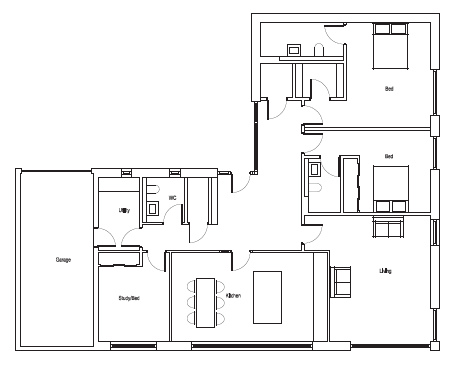
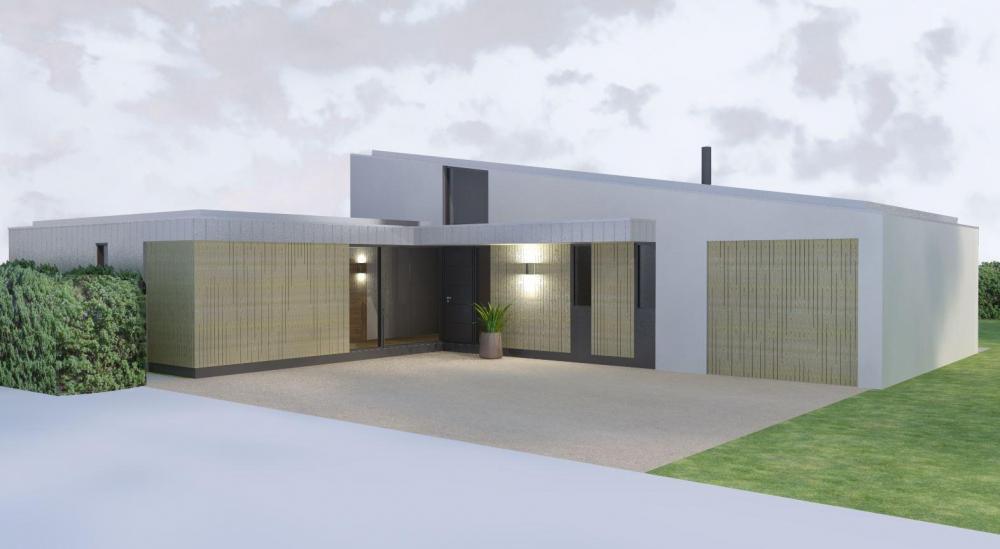
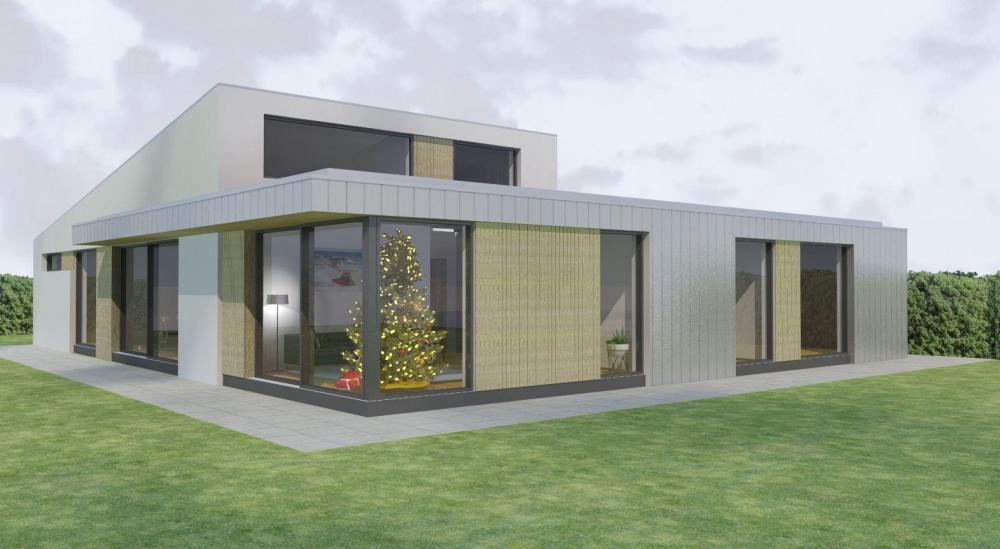
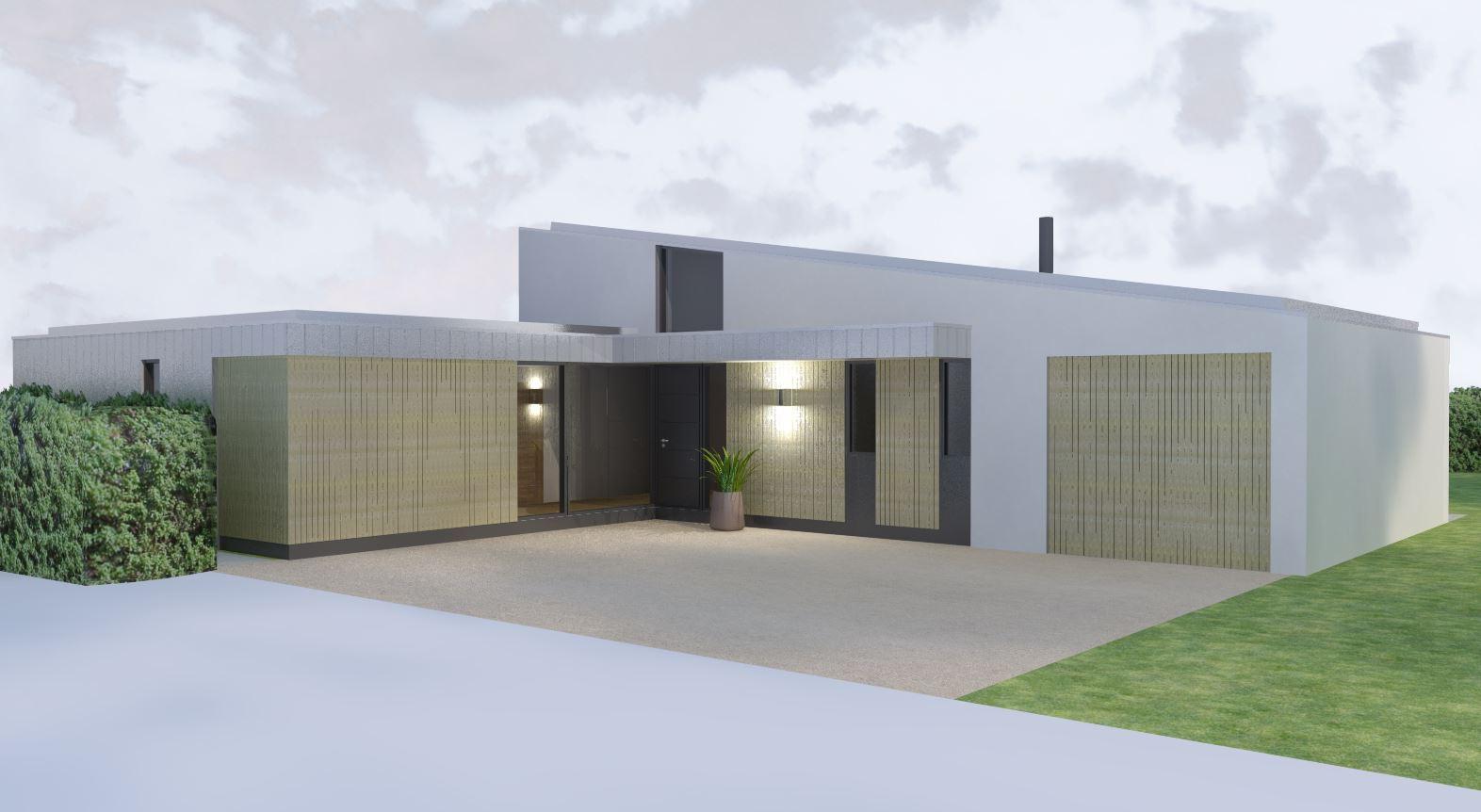
Updated plans and 3D renders. My parents are over the moon. WC adjusted to add a cupboard. We might lose the other hall cupboard for a larger dressing room.