SteamyTea
-
Posts
23863 -
Joined
-
Days Won
200
Everything posted by SteamyTea
-

Indicator modules: Scolmore
SteamyTea replied to ToughButterCup's topic in Consumer Units, RCDs, MCBOs
Erwin Schrödinger's Switch, it is both On and Off. Or should that be @Onoff's Bathroom. It is both finished and unfinished. -
Indicator modules: Scolmore
SteamyTea replied to ToughButterCup's topic in Consumer Units, RCDs, MCBOs
Um. https://drivetribe.com/p/germans-make-mistake-fZl0jxc0RKOLdx1lTTvl0Q?iid=B4R_m5lVQ1-Nf8GCJBd4cg -
Planning laws preventing my dream home.
SteamyTea replied to Waterworks's topic in Planning Permission
He would have been allowed to keep it if he had changed the design. Trouble was it was a battle of personalities, more than the planning rules. -
Planning laws preventing my dream home.
SteamyTea replied to Waterworks's topic in Planning Permission
You could start with putting a small cheap tent on it, then a larger one. See what happens. Keep adding things like caravans and sheds over time. Eventually, no one will take any notice. Then sneak your well camouflaged home in. -
Planning laws preventing my dream home.
SteamyTea replied to Waterworks's topic in Planning Permission
As they are down here, even if living in a town. The sustainable aspect of personal transport is quite interesting. We are heading for an all AV future quite rapidly. So the pollution aspect is now rather moot. The congestion aspect is a bit harder, but as I point out to people, Cornwall really does not have a traffic problem. And we get 5 million visitors a year, that is 8.3 times the permanent population. -
Want a little bit of (unconventional) plumbing help.
SteamyTea replied to ProDave's topic in General Plumbing
I had a Wimpey Bender once, it was alright. I miss the 70's, trying to work out what it would be called these days.
-
How to design a cheap 450mm square window.
SteamyTea replied to epsilonGreedy's topic in Windows & Glazing
Ask @pocster, he knows a thing or two about cheap glazing. -
200 watts to keep my study warm? Please check my maths.
SteamyTea replied to epsilonGreedy's topic in Heat Insulation
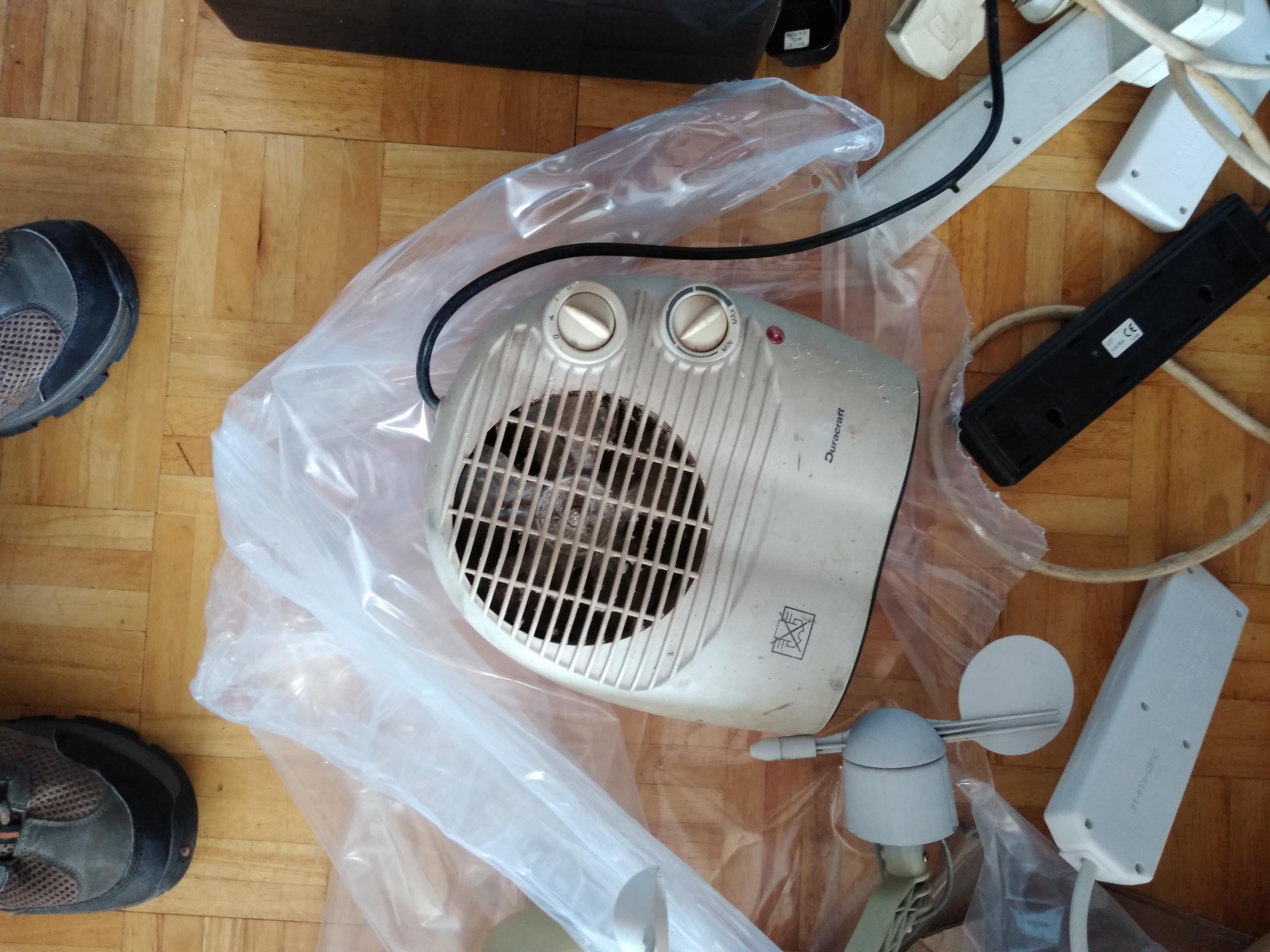
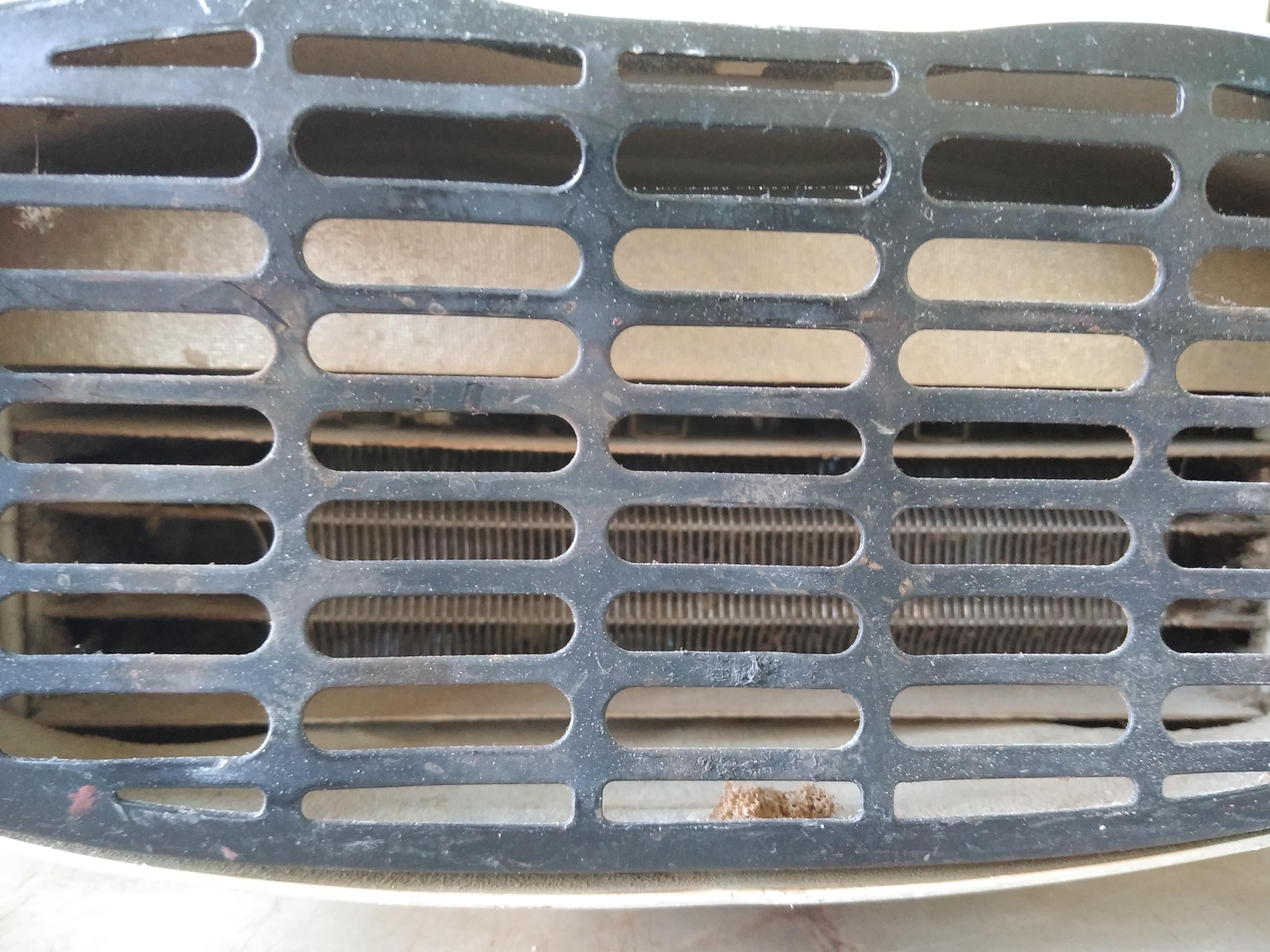
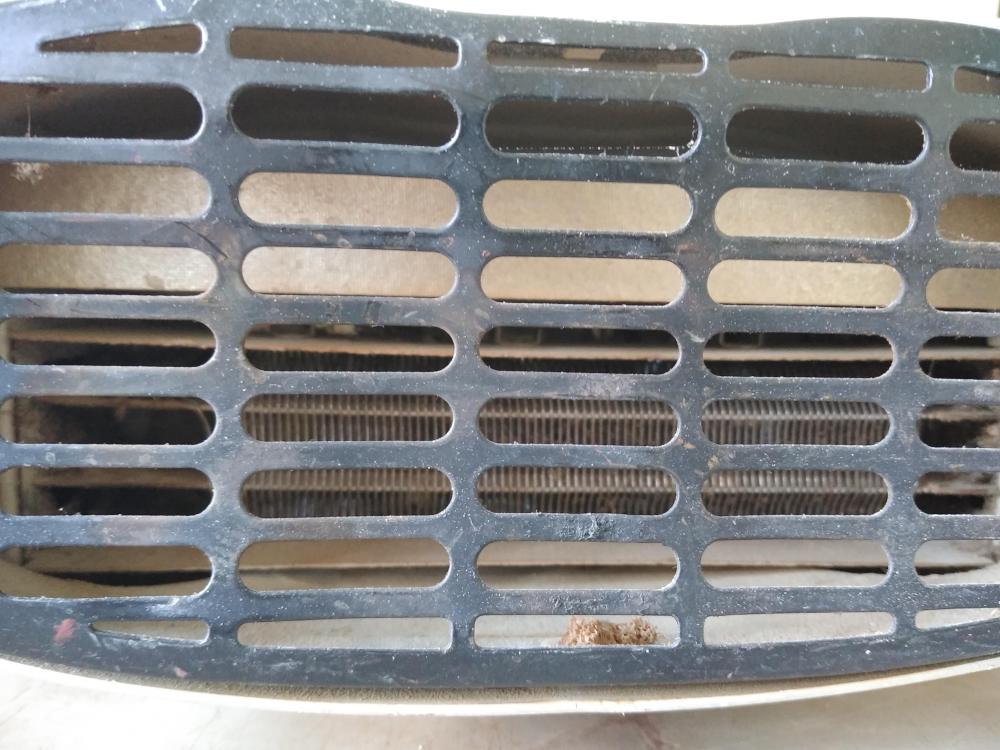
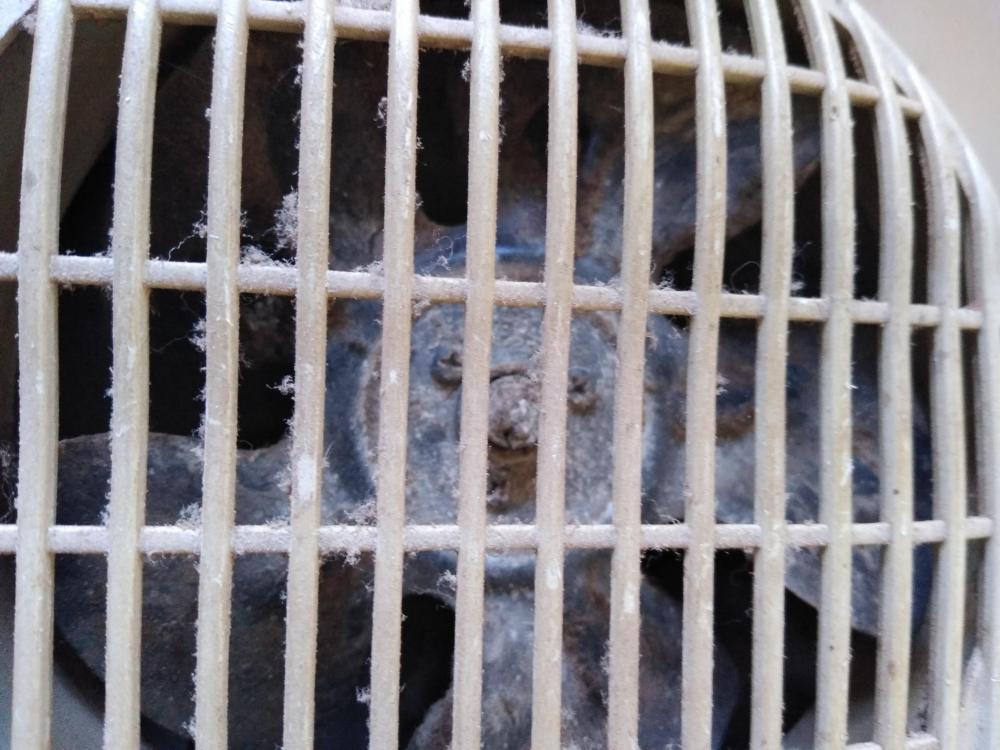
Here is my fan. Been kicking around since March. Got a good bit of dust in it, but hardly a whiff when I switched it on. Had a few embers pop out, wish I had videoed it.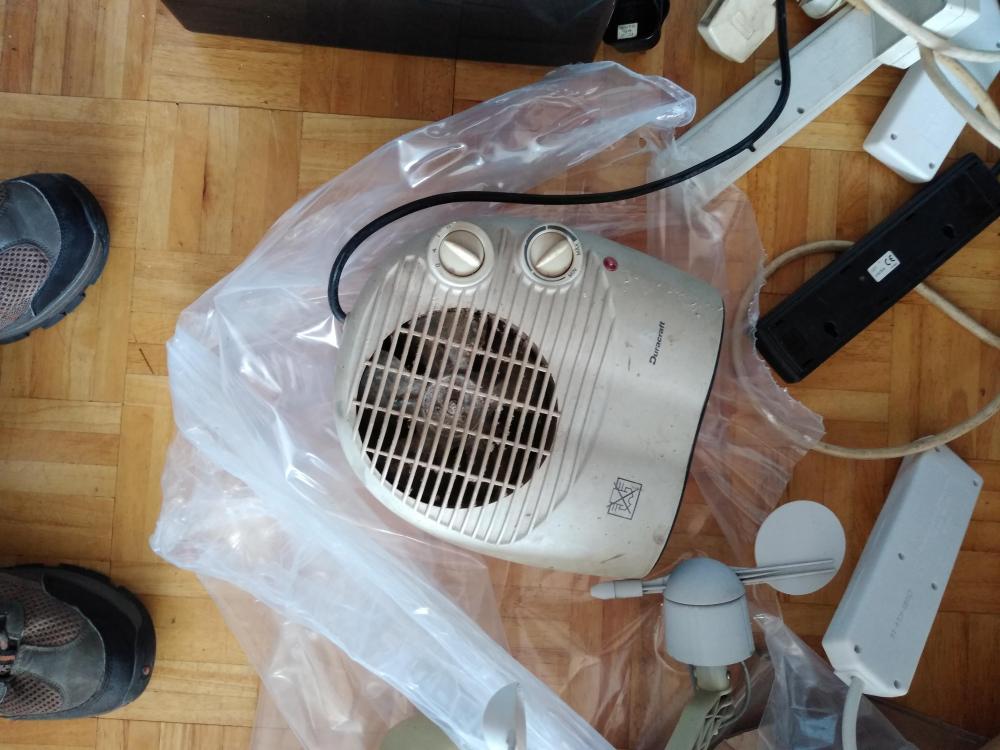
-
200 watts to keep my study warm? Please check my maths.
SteamyTea replied to epsilonGreedy's topic in Heat Insulation
That is the external temperature. I like my house to be around 21°C. Monday was a pretty miserable day, grey and drizzle. Mean temp was 16.5°C, min of 2°C and max of 18°C. House was 18.5°C on average (was painting windows, so they were open most of the day). Min was 17°C and max was 20°C. Apart from the rain, Cornwall has a great climate. And the wind, mist, fog, cloud.... -
200 watts to keep my study warm? Please check my maths.
SteamyTea replied to epsilonGreedy's topic in Heat Insulation
Not my experience. Sometime they smell if I drop sawdust down one in my shed. -
200 watts to keep my study warm? Please check my maths.
SteamyTea replied to epsilonGreedy's topic in Heat Insulation
Too right, fan heater costs a tenner to buy, even on day rate only about 25p/hour to run. Heats my kitchen up in less than 20 minutes from as cold as it gets. My experience is that, even when I leave the windows open at night, the house is 3°C warmer than outside. So the temperature difference is never quite as bad as it seems. Probably why I don't have to start heating my house until the mean temperature is below 10°C, and that is for when I am sitting and not when I am active. The only downside of fan heaters are the noise, can trip over them (an amazing amount of times in my experience) and if you get one that turns the fan off when it reaches temperature, you can forget to switch it off properly when going out. -
So they will be offering even less help now.
-
200 watts to keep my study warm? Please check my maths.
SteamyTea replied to epsilonGreedy's topic in Heat Insulation
check your areas. then multiply by temperature difference and U-value. -
I went to school with a bloke that lived at Wingham Court. Now if my memory serves me well, his name was. Robert Conan Windham Lesley Maude. There may, or may not, be initials, other than mister, before his name now.
-
The solution to house names?
SteamyTea replied to Temp's topic in General Self Build & DIY Discussion
Why we have distributed computing. https://www.newscientist.com/article/2215680-mathematicians-crack-elusive-puzzle-involving-the-number-42/ -
Just as bad down here, there is basically no wind today.
-
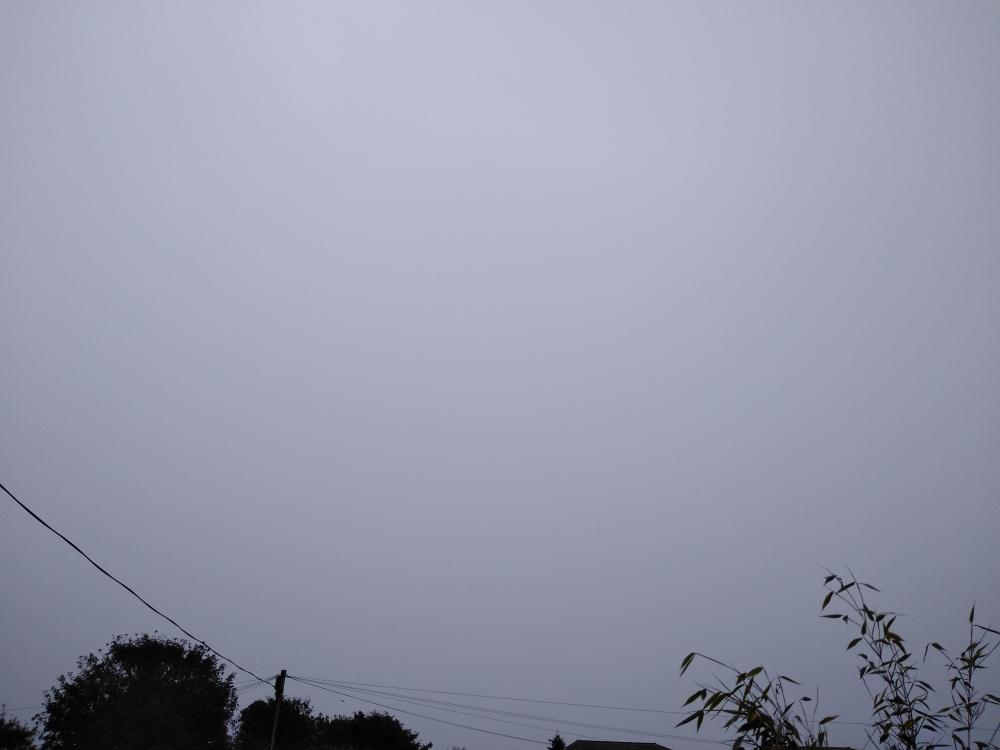
I looked at the weather forecast, it was good, got the scaffold tower up, pulled the guttering off to paint the fascia. Then this.
-
The solution to house names?
SteamyTea replied to Temp's topic in General Self Build & DIY Discussion
How difficult would it be to write a program that cycles though all the permutations, or is it combinations. Similar to what they already have. https://what3words.com/products/batch-converter/ Then just publish it online, and be damned. -
Could use that module to charge 10 cells and run the pump from that. Or put a fat resistor on the wires and drop it direct into the hot tub.
-
Following on from what @Ed Davies said about needing a height difference to get theromsyphoning going, and rather than having a largish tank of water above the panel or tubes, could one fit a heat exchanger above them. Might even be possible to fit that in the loft and not use water as the transfer medium.
-
Looks like there is a joint in the felt, why did they not thread the cable though there?
-
Put it in a tin with an inlet pipe.
-
You could ask the DNO how large a PV installation could be fitted to 1 phase, they may allow more than the usual 16A limit. Then hang the appropriate loads off that circuit. Sound like an accountant wants to turn off the things (are these lasers) that make the company money.
-
Hard to imagine Winston Churchill thrutching on on, but easy to visulise Trump, trumping.
-
If it is yellow, let it mellow.