SteamyTea
-
Posts
23851 -
Joined
-
Days Won
200
Everything posted by SteamyTea
-

Heat in Buildings Strategy Statement
SteamyTea replied to IanR's topic in Environmental Building Politics
Not really the way to look at it. The idea is that energy usage is reduced, preferably to a level where domestic PV, a long with HP technology can balance each other. It is not to do with the actual cost, complexity or return on the insulation required. -
There are roof integrated PV mounting systems that can also take Velux windows. Do a bit of research, i.e GSE system, and see how the module and tray sizes fit in with your design.
-
So does using descriptions like suitcases, for heat exchangers, and relating a heating system to holding a camera on a film set. If you want to be taken seriously, learn how the system works and take advice when it is offered, it has to be better than shooting the messenger.
-
Women and walnut trees eh
-
Poor (expletive deleted)er having to deal with this.
-
Pick another fluid. https://www.engineeringtoolbox.com/fuels-densities-specific-volumes-d_166.html
-
By pointing out it has been done before. And there is an assumption that most people look the other way.
-
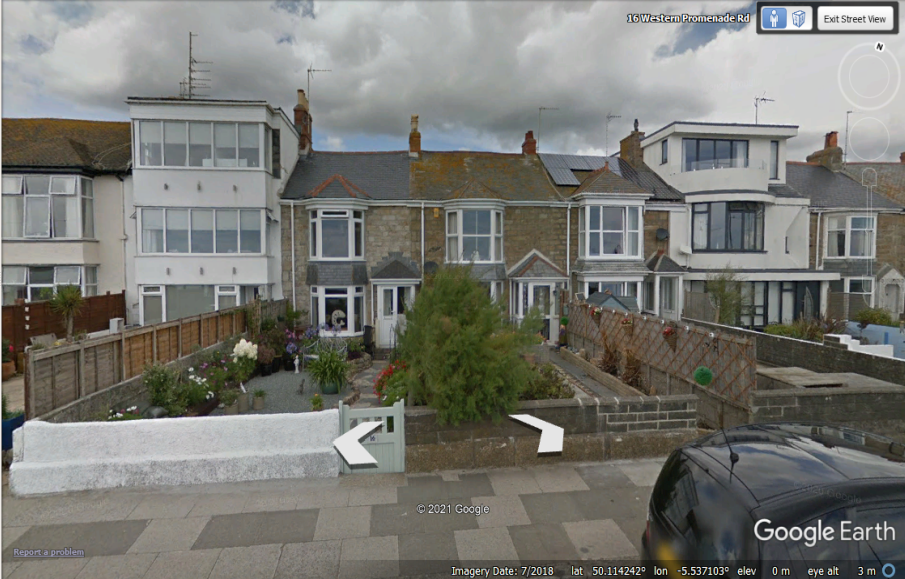
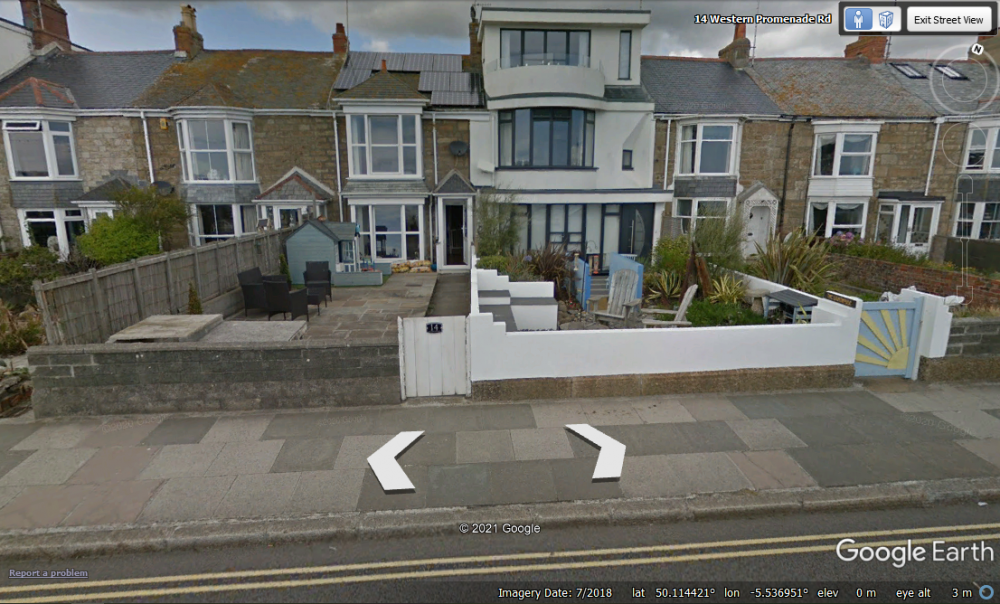
Just imagine paying a man to fit, before FiT, some panels to your nice south facing roof, then having an Architect move in next door. An Architect that wants to win an award, wins it, then moves out.
-
Yep. It is hard for people to understand why a small shadow can make such a large difference.
-
Have you used a manometer? Then worked out the pressures.
-
What does this mean? If you have chimneys, dormers and other odd things getting in the way, PV may not be worth it.
-
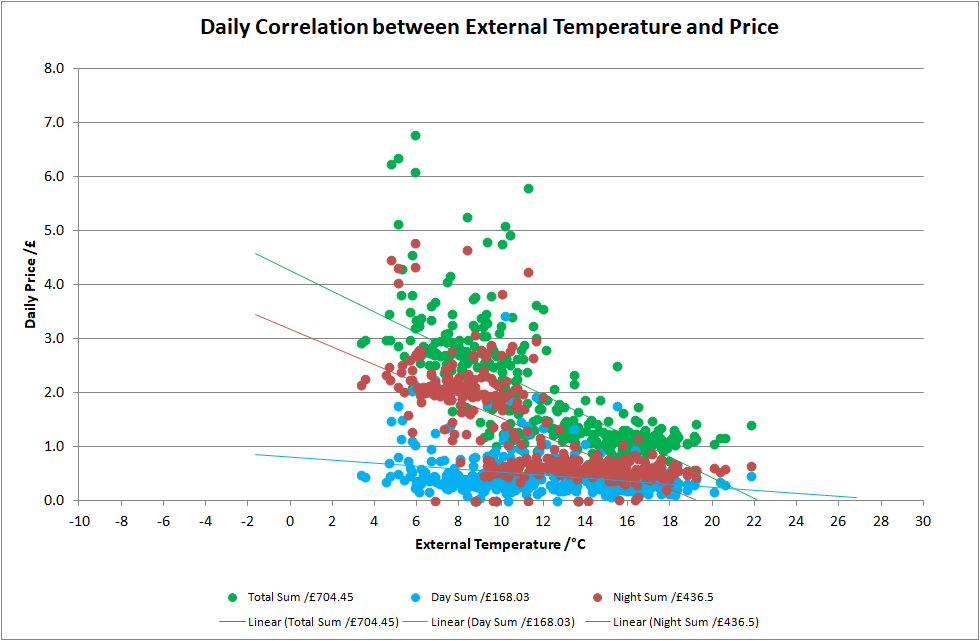
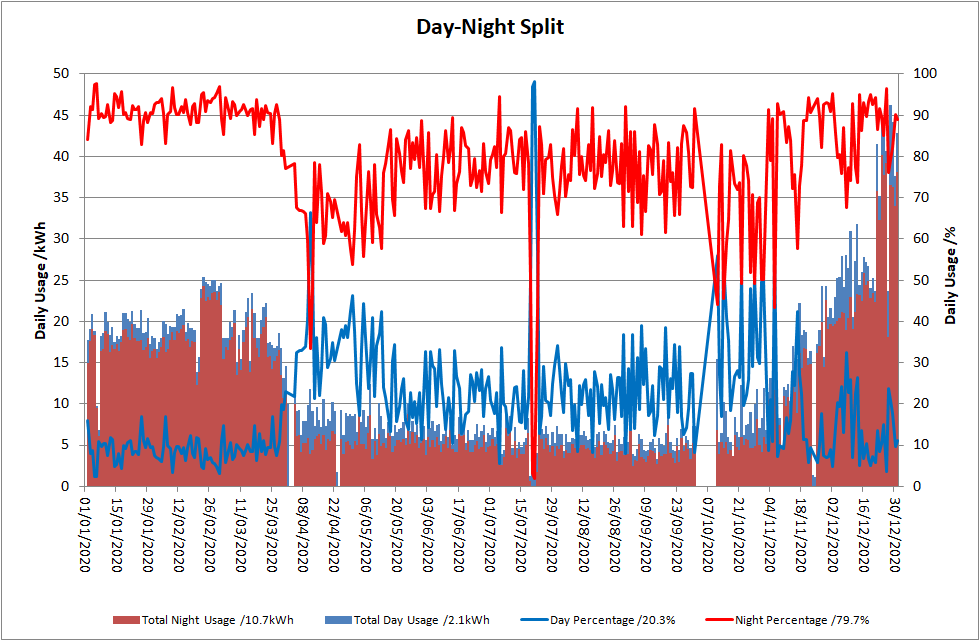
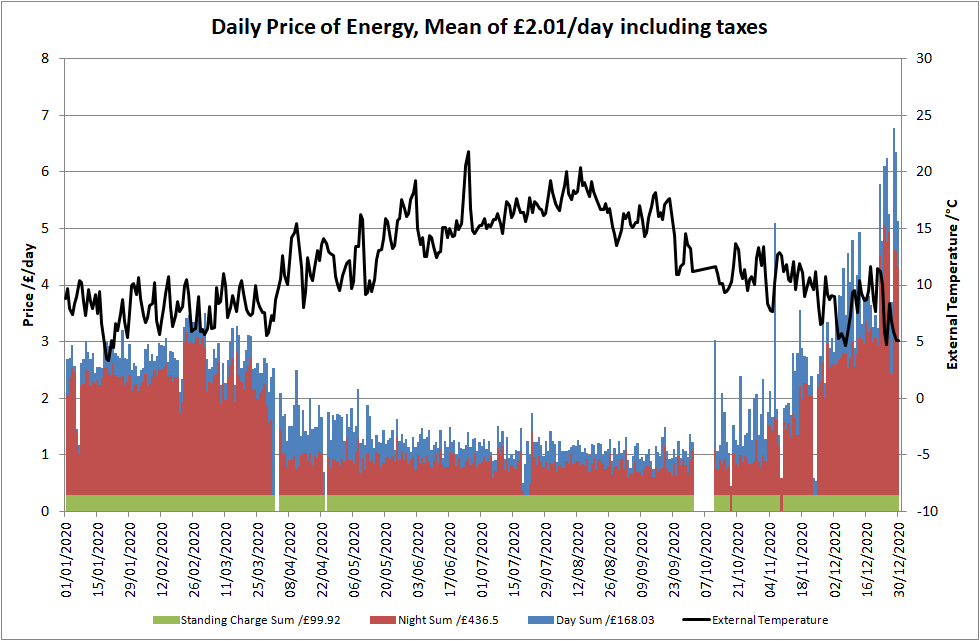
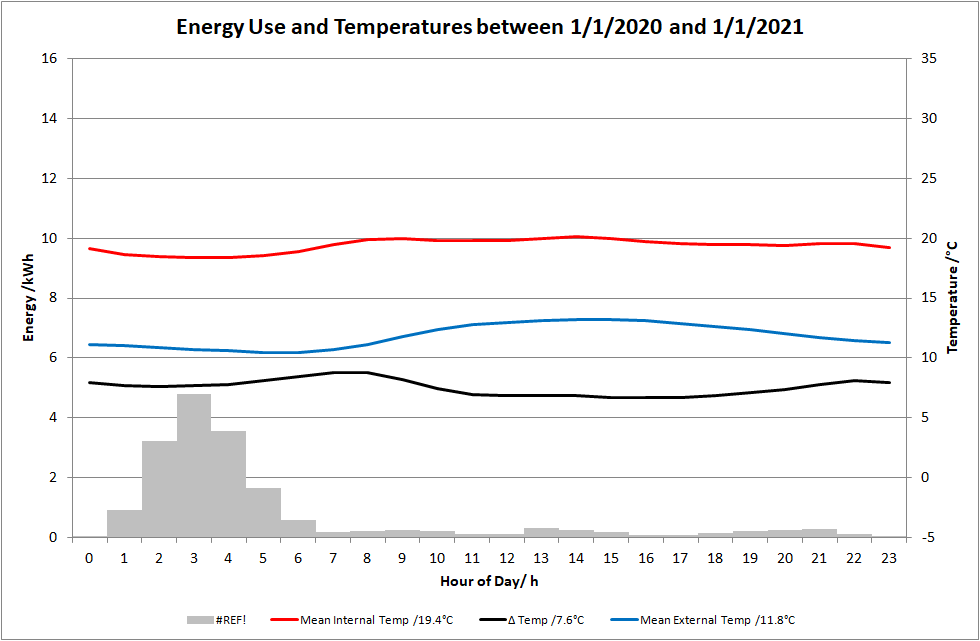
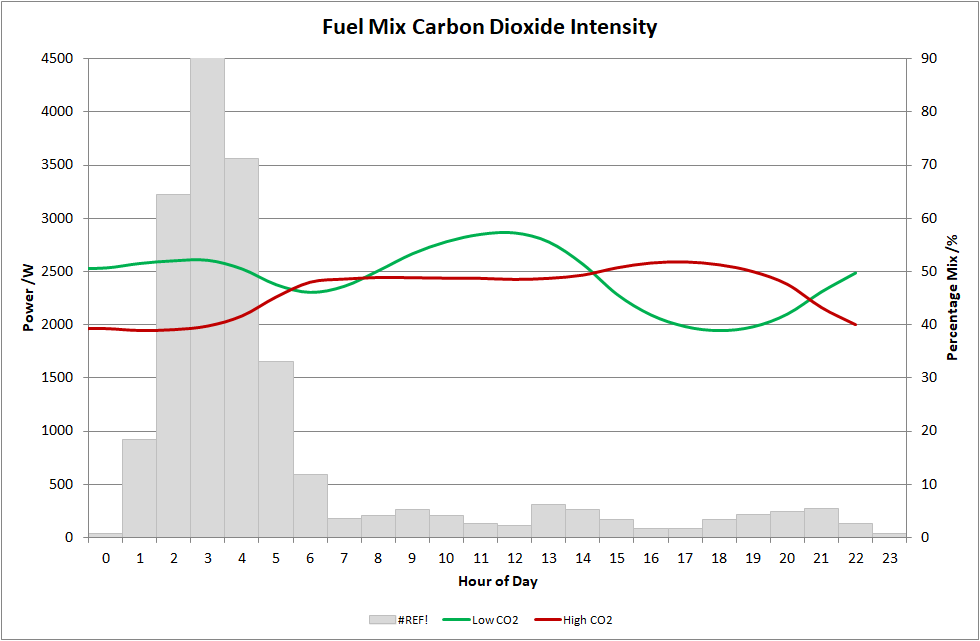
Yes, and it can quickly highlight a problem, like when my fridge went permanently on. I saw the rise in usage and got a new fridge within days. Was also useful when the element in the water cylinder went, could see that it was only partially drawing power as it failed. I use basic storage heaters and a 200lt water cylinder. I just control the times with secondary timers. I did muck about with removing elements from the large storage heater (21 kWh), but decided that using just timers (cheap from eBay and have lasted years) was easiest, and can get them to fit in with times of low emission generation.
-
Let us know how you get on with them, I made my own.
-
Do you have an electrical energy logger?
-
Mine are similar. I have disabled the late evening times as I only need about 3 hours. That way it heats the water later, or closer to when I need it. As long as I use it after the shut off time, I reduce the standing losses.
-
I am with EDF and never got offered 5p for night rate, not even 20 years ago.
-
Which is near enough 5.1 kg/m2
-
Not if you use a large tap.
-
Run a lathe in reverse for LH thread cutting.
-
Worth looking at the current rates on E7/10 as they are not so attractive. Think mine are 14p and 24p. I use around 80% of my energy at 14p. But my usage is low at ~5 MWh/year for everything. Usually only use about 2 KWh/day at 24p.
-
Heat in Buildings Strategy Statement
SteamyTea replied to IanR's topic in Environmental Building Politics
About the same as car sales then. https://www.best-selling-cars.com/britain-uk/2020-full-year-britain-new-car-market-overview-and-analysis/ A quick look at the ONS data shows 3,800 people employed in the retail and repair of motor vehicles (which feels to me a small number, but no matter). These people probably have the skills, after retraining, to help fit HPs. They would have to fit 450 system each year, do 10 a week. So not an insurmountable challenge, but not easy. These points have been made before by Al Gore (in 2006) and David MacKay (in 2008). Banging on about who is going to pay and who is going to make, and fit the systems is not the problem. We have had 20 years of knowing about this, there just seems a real reluctance to change. This is not helped by the trade and media saying that HPs are only for modern houses built to the latest specifications. That is like saying only modern cars can tow a trailer. And the statement that HPs are only truely carbon neutral, in operation, if our electricity supply is only truely renewable, is just a diversion. Don't let energy of the best be the better. -
Ways to save money on large renovation project
SteamyTea replied to richo106's topic in General Self Build & DIY Discussion
Good project management and knowing where the end point is. I read an interesting book about the Apollo project a few years back. The one thing I remember was that they made the big decisions first i.e. best design of rocket needed. Then worked on the details, which were just implementing existing technology. It worked well. -
Check all gutters and drainpipes.
-
Bugger - big chip in glass induction hob
SteamyTea replied to jack's topic in Kitchen & Household Appliances
Use lightweight pots and pans. People still think you need heavy pans "to spread the heat". This is just nonsense with even a cheap IH like mine. -
I got the perfect answer, one word to. Shame there is a swear filter.