SteamyTea
-
Posts
23851 -
Joined
-
Days Won
200
Everything posted by SteamyTea
-
Got out of mine in the wrong county, Buckinghamshire.
-
Yes. Try and establish if there is soakaway nearby. My basement used to get a good 6 inches of water in it.
-
Not one of the Isles of Scilly @pocster the pimple.
- 4 replies
-
- 1
-

-
- new build
- heating system
- (and 2 more)
-
Welcome Which island will that be then?
-
@IanR I have to agree with you. Not sure how we are going to get the message across, hopefully the economic argument will do it, though this nation has a bit of history of making itself poorer.
-
A gas boiler could be converted to run on just about any fuel. Hydrogen has some specific challenges that need to be overcome first: Production in a zero carbon and energy efficient manner. This is not easy as there will be many calls on power being generated, and until some catalyst made from unobtanium comes along, it is more efficient to just store thermal energy in bricks and water, like 7 million homes already do. Transmission. Natural gas is a large molecule that is fairly inert, so is easy to pump, pipe and store. Hydrogen, at 101.3 kPa has a 0.01188 MJ.l-1, Natural Gas, at the same pressure, has 0.0364 MJ.litre-1. So you have to pump more litres as the existing gas system cannot be run at a greater pressure than it already is. Hydrogen Embrittlement. Because hydrogen is a tiny molecule/atom that is reactive, it wants to attach to other molecules/atoms. This can significantly change a material's properties. So reliability could be a problem (though I am told gas boilers are pretty unreliable anyway, usually the control systems). Cost. Even the cheapest hydrogen is expensive, and then the CO2 has to be captured and processed and put into long term storage (some real prices in this show https://www.bbc.co.uk/sounds/play/m0010qb7 ) It sounds a great idea, couple of wires into a bucket of water, tap of the gas from one electrode and put it into the gas grid. If it was that easy, we would have done it decades ago. Not as if we have just discovered hydrogen, been about since the second second of the universe's creation, well the middle bit was, the outer bit took 370,000 more years to combine with it.
-
I think our old mate Jeremy Harris had a Stiebel Electron one that was plumbed in after his cylinder. I think he found he did not need it and someone on here had it off him. @ProDave I think.
-

Costs of Retro Fit v Dig up and re-screed UFH
SteamyTea replied to Digger1's topic in Underfloor Heating
@Dave Jones will do it in 2, and fit you a new gas boiler during his tea break. -
Costs of Retro Fit v Dig up and re-screed UFH
SteamyTea replied to Digger1's topic in Underfloor Heating
Too right. Could fit something like this: -
Particulate Sensor
SteamyTea replied to willbish's topic in Mechanical Ventilation with Heat Recovery (MVHR)
Played with one of these, connected to a Raspberry Pi. http://plantower.com/en/content/?106.html It has a built in fan, but I am told the accuracy soon drops off. Some of those Honeywells seem good value. -
How long to heat DHW with ASHP
SteamyTea replied to AdyHoggs's topic in Air Source Heat Pumps (ASHP)
Yes. Just calculate the energy in the tank, calculate the energy needed to raise the slab temperature, then work out at what rate you want to deliver the power. So if you start with 10 kWh in the tank, and it takes 1 kWh to raise the slab 1°C, and you transfer at 3 kW, then it will 20 minutes. The tank will therefore last 200 minutes, or 3 hours 20 minutes. The thing that is important is the starting temperature of both the tank and the slab, plus (well minus really) the losses they both experience. -
Put me off my partner. Was hot 35 years ago, when Jane was almost 50.
-
84 now. May rattle and wheeze like a fridge.
-
How long to heat DHW with ASHP
SteamyTea replied to AdyHoggs's topic in Air Source Heat Pumps (ASHP)
Yes. It is identical to working out the heat loss through a wall. You need to calculate the total surface area, work out the U-Value from the materials used. Usually just the insulation type and thickness is close enough. Then work out the temperature differences between the water (take a mean temp) and the surroundings. Then multiply the lot out. That will give you the power loss. Then calculate how long it will sit idle for i.e no input or usage. When I get some free time I may write this out with a worked example. -
Discount Offers of the Week
SteamyTea replied to Ferdinand's topic in General Self Build & DIY Discussion
Wow, what fantastic timing for TP. Large, short term, price rises a while back, then the summer holidays when sales fall, so no need to reduce prices because sales volumes are low. Now they can offer, in celebration, 20% of materials that they have never reduced the price off. £100 + 30% = £130 £130 - 20% = £104 -
Get rid of Gas - replace heating / DHW boiler, with what?
SteamyTea replied to tex360's topic in Air Source Heat Pumps (ASHP)
Will be interesting to see what they have on offer. -
How long to heat DHW with ASHP
SteamyTea replied to AdyHoggs's topic in Air Source Heat Pumps (ASHP)
It is worth remembering that it is very rare that a hot water cylinder will drop to the incoming mains temperature. Mine rarely goes below 30°C and I only heat my water to around 45°C, so about 3.5 kWh. This is double checked with my energy meter and is about right (I am all electric so easy to monitor). When I get back home, after a week away, my cylinder will be cold, I shall check the temperature if I remember as I have some probes on it, so easy to do. Then I can see what the overnight electricity usage is. My system is a vented system, so the 100 litres in the loft header tank is often above 20°C. This is, in effect, passive solar heating. That changes during the winter though. Not had a full year logging the loft tank temperatures yet, but the data is being collected. I have posted up my water temps somewhere on here. Here it is. I cannot remember what time period this chart comes from, I should have put it into the title.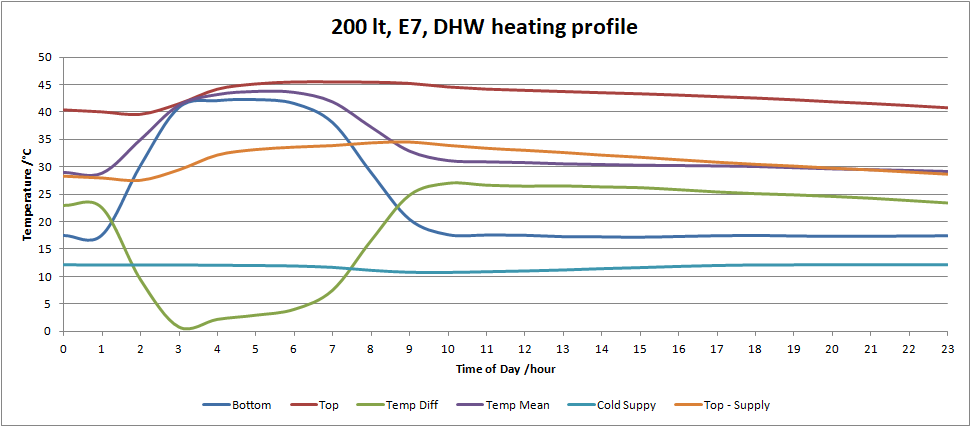
-
Most cost effective way to get to passive standard using block
SteamyTea replied to CalvinHobbes's topic in Heat Insulation
https://www.engineeringtoolbox.com/thermal-conductivity-d_429.html Easy to check out. -
Why, are you diabetic? The '8 glasses of water a day' is a total myth.
-
For what reasons?
-
How long to heat DHW with ASHP
SteamyTea replied to AdyHoggs's topic in Air Source Heat Pumps (ASHP)
Read it untill you don't understand it. Then start reading from the start again. How I do it. Can sometimes take me hours to read a technical essay or report. Worth listening to those links I posted up about water. I am not going to tell people what the really interesting part was. That really requires a bit of effort to make it more valid, and useful. https://forum.buildhub.org.uk/topic/23721-water/ -
How long to heat DHW with ASHP
SteamyTea replied to AdyHoggs's topic in Air Source Heat Pumps (ASHP)
I did Should be 4.18 kJ/kg.K or 4.18 J/g.K -
Can you use cellulose insulation?
-
Most cost effective way to get to passive standard using block
SteamyTea replied to CalvinHobbes's topic in Heat Insulation
IWI and EWI. And spend days sorting out all the places that air leaks will happen. -
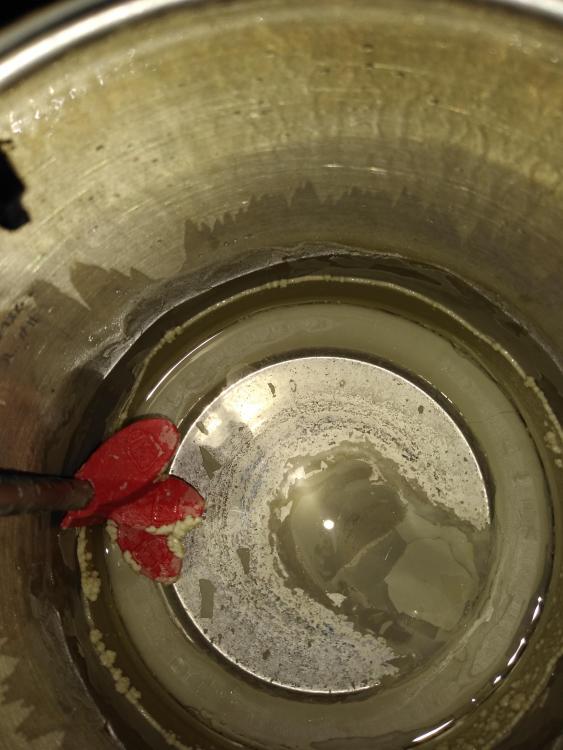
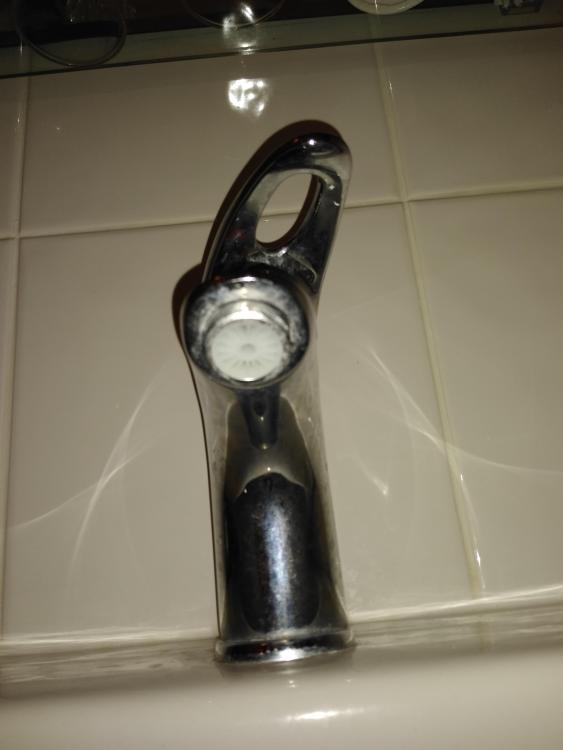
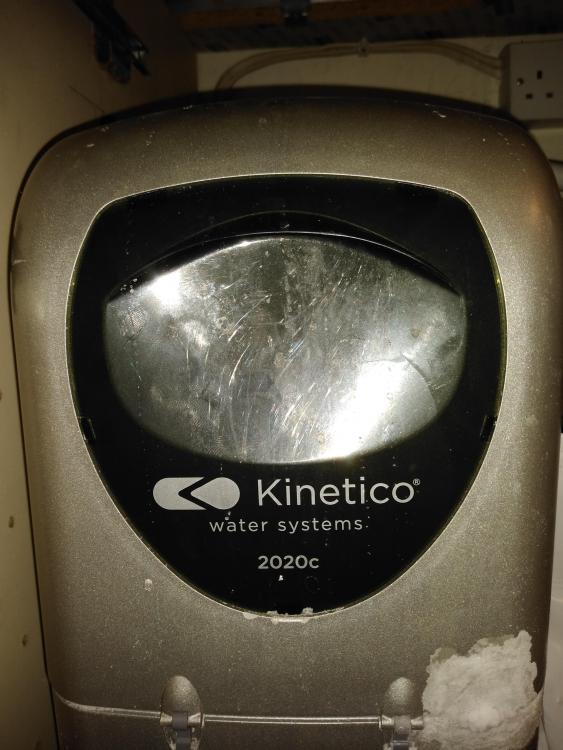
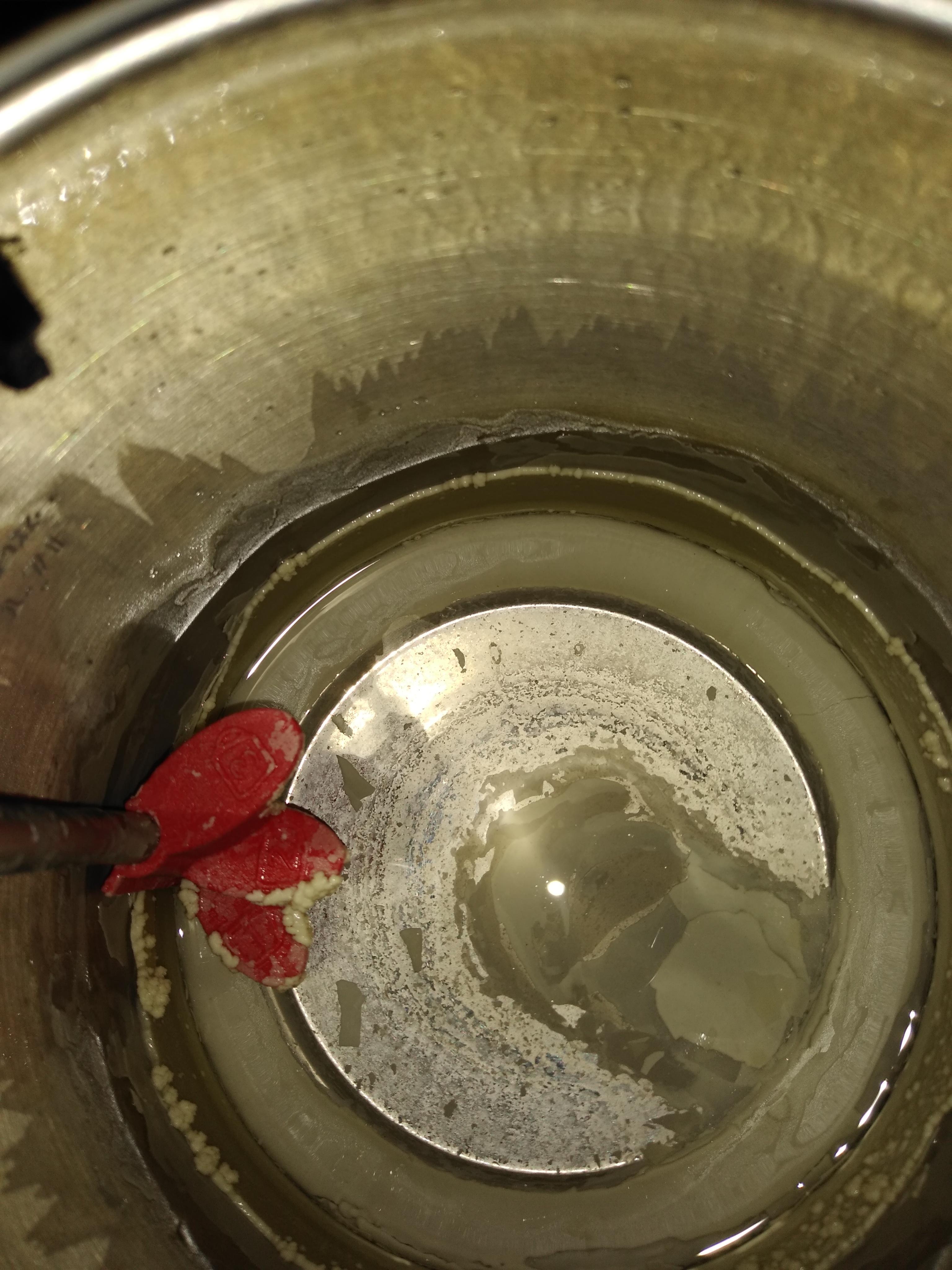
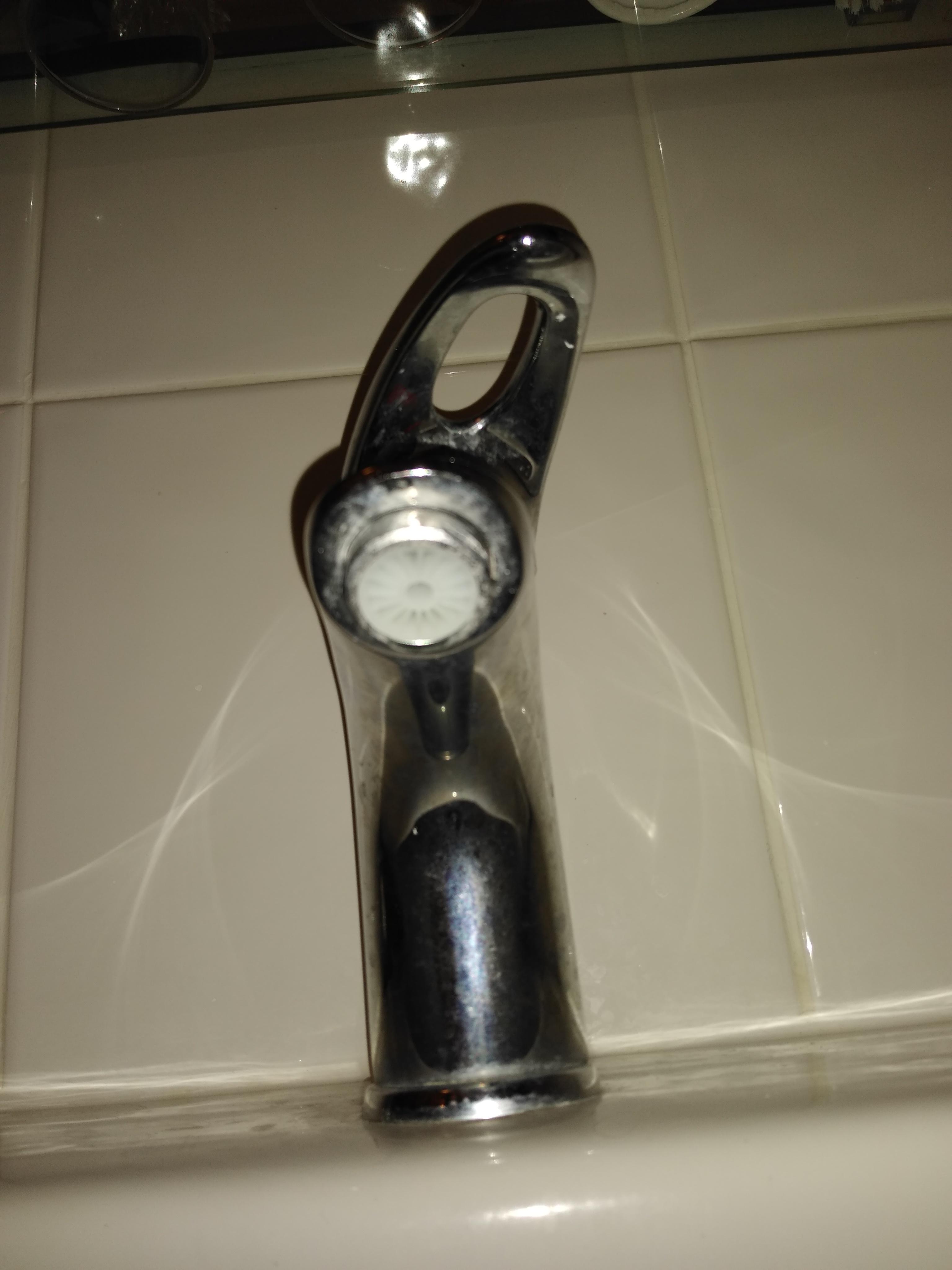
This is the inside of my Mother's new kettle. Less than a year old. She uses a water filter. This is the basin tap, probably 15 years old. No one has ever mentioned it being changed. And this is her water softener.