Ferdinand
-
Posts
12213 -
Joined
-
Last visited
-
Days Won
41
Everything posted by Ferdinand
-

Electric ovens with lower peak energy demand
Ferdinand replied to Nick Thomas's topic in Kitchen & Household Appliances
Does anyone have experience of one of the Bosch "Built-in microwave oven with hot air". Does the hot air make a difference eg does it do air frying? eg https://www.bosch-home.co.uk/product-list/CMA585GS0B#/Tabs=section-technical-overview/ Ferdinand -
Posts and Rope/Chain
Ferdinand replied to canalsiderenovation's topic in Landscaping, Decking & Patios
Looks good. Now to hope no one hops over the rope anyway. -
Someone's gonna be busy ... 😁
-
Where have you put the bell? Like the look of that.
-
Glulam vs Oak for exterior uncovered pergola
Ferdinand replied to thefoxesmaltings's topic in Landscaping, Decking & Patios
Looks tricky to get a ladder up there to treat it by the pool. -
Our Jeremy thought about this didn't he? He decided that if he popped his clogs unexpectedly there was no way in the universe that anyone else would understand his house, so his wife would be beached. So he wrote a manual.
-
Hmm. Presumably a poor man's Air Fryer requires a hot air paint stripper and Henry's Bucket with a hole in it.
-
Wishing you all the best.
-
Welcome. Ten minutes from the beach is wise in Norfolk ! If you are insulating heavily and airitght-ing, you *must* think carefully about ventilation, or you could end up with too much damp. What are your plans? When did you get PP, and do you have to / have you met the June 2022 Building Regs changes? Ferdinand
-
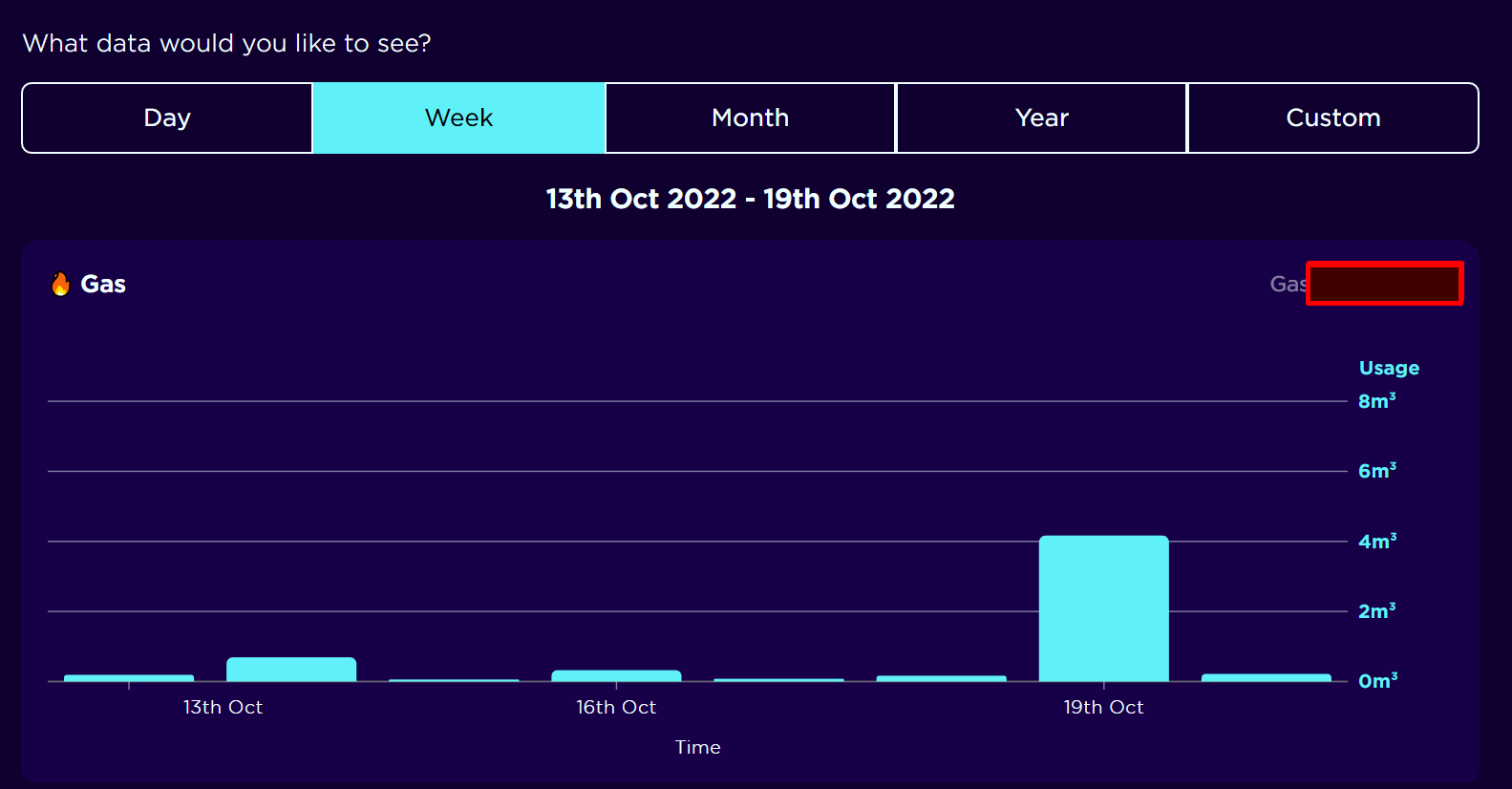
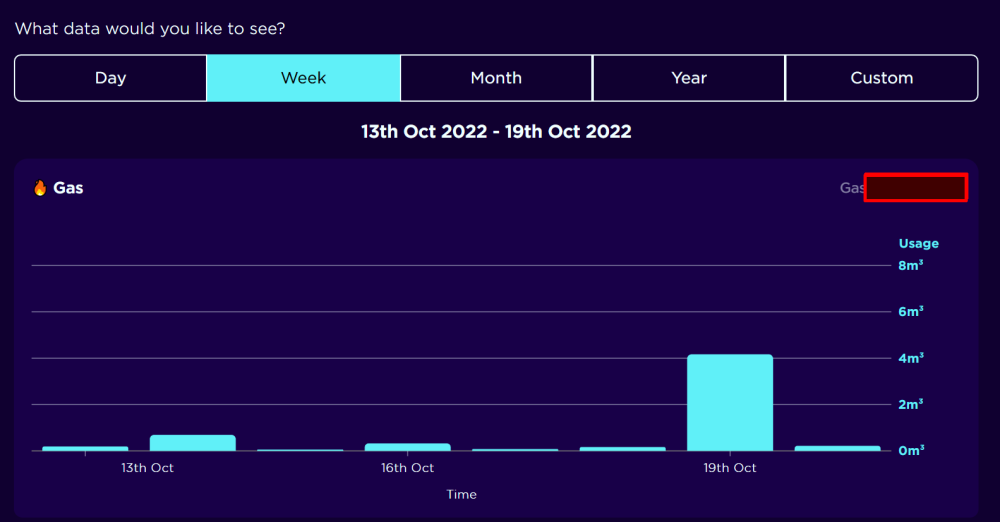
Haha. I just did a @jack. Have been running the gas for 30 minutes in a couple of radiators to slight-boost the bathrooms first thing, manually - then I run the heat pump for a couple of hours to generally boost the house when the solar comes on line. Left it on for 24 hours by mistake 😁.Time to set the timer. I make mine a ~ Midlands pint at about £3 plus a bit, whilst I made Jack's a Southerner pint at about £6. (Working on gas @ 80p per m3, which is about right, and lecky at 33p per kWh.
-
Very few food mles, then. Or are those for the customers?
-
What's a Donkey Kebeb? For information, I have a horse striploin in the freezer awaiting my attention.
-
Non opening windows as part of planning requirements
Ferdinand replied to revelation's topic in Windows & Glazing
Ob obscuring. You may also probably want sticky film on to obscure. Your call whether to remove later. I used this: https://www.amazon.co.uk/gp/product/B00RDVE71W/ Still OK 5 years later. F -
I would STRONGLY recommend against Lleylandii. Those are thugs that end up 60-70ft high without constant hacking. It is a good arboretum tree, but a poor estate hedge. There are far better options for coniferous hedges available. There are some in the appropriate sections of this page: https://www.rhs.org.uk/plants/types/hedges/choosing But some BHers will have experience. Also, ask at your local garden centre. F
-
OP has stated that they will be built many years apart. But yes - everything needs to be very carefully thought through.
-
Can anyone come up with an estimated extra costs that will apply? Two of the obvious ones are: Legal paperwork costs, for which I reckon you will be looking at low 4 figures (punting - £1k to £3k). Reduced sellability and value of the first one built, for which the first person building may have a reasonable expectation to be compensated if the second person does not build within a reasonable period. What exactly are the benefits of doing it this way? My considered view is that it is probably a far better plan to build closely spaced detached houses, which will defuse a huge number of the complications. I would say split it equally with perhaps an agreement how far you will be from the common boundary, and sharing what you can share (drains and driveway?), both get PP, you put in enough groundworks to lock yours in, and rent it to your brother for a peppercorn for a bigger garden until you want to implement your PP. I can't see much upside, except perhaps in having one Planning Application that cannot be withdrawn, but that would mean that there may be issues about signing off the completion of the first house as the PP will not be completed for 10 or 20 years. Are there complications there about house 1 getting its self-build subsidies and tax breaks - which require completion (eg the VAT reclaim). Other know far more about this side of the paperwork than I do. You need to examine this very very carefully and cost benefits, including potential impact on your filial relationship, or you may discover dragons later, and have a dispute. My experience of this was that I bought a cottage off my gran, which with her house was potentially going to form access to a biggish building site behind. It came off 24 years later, but I was stuck with the same house for that period of time, and there were some brief but hellish family politics based around my ownership in the house I owned making my interest diverge from my sibling who owned the other half of the building site but lived 200 miles away. So things that mattered to me were just seen as an obstruction to making the maximum money. Ferdinand
-
I thought the calculation needed to be (something something something something something) = 109l pppd. :🙃
-
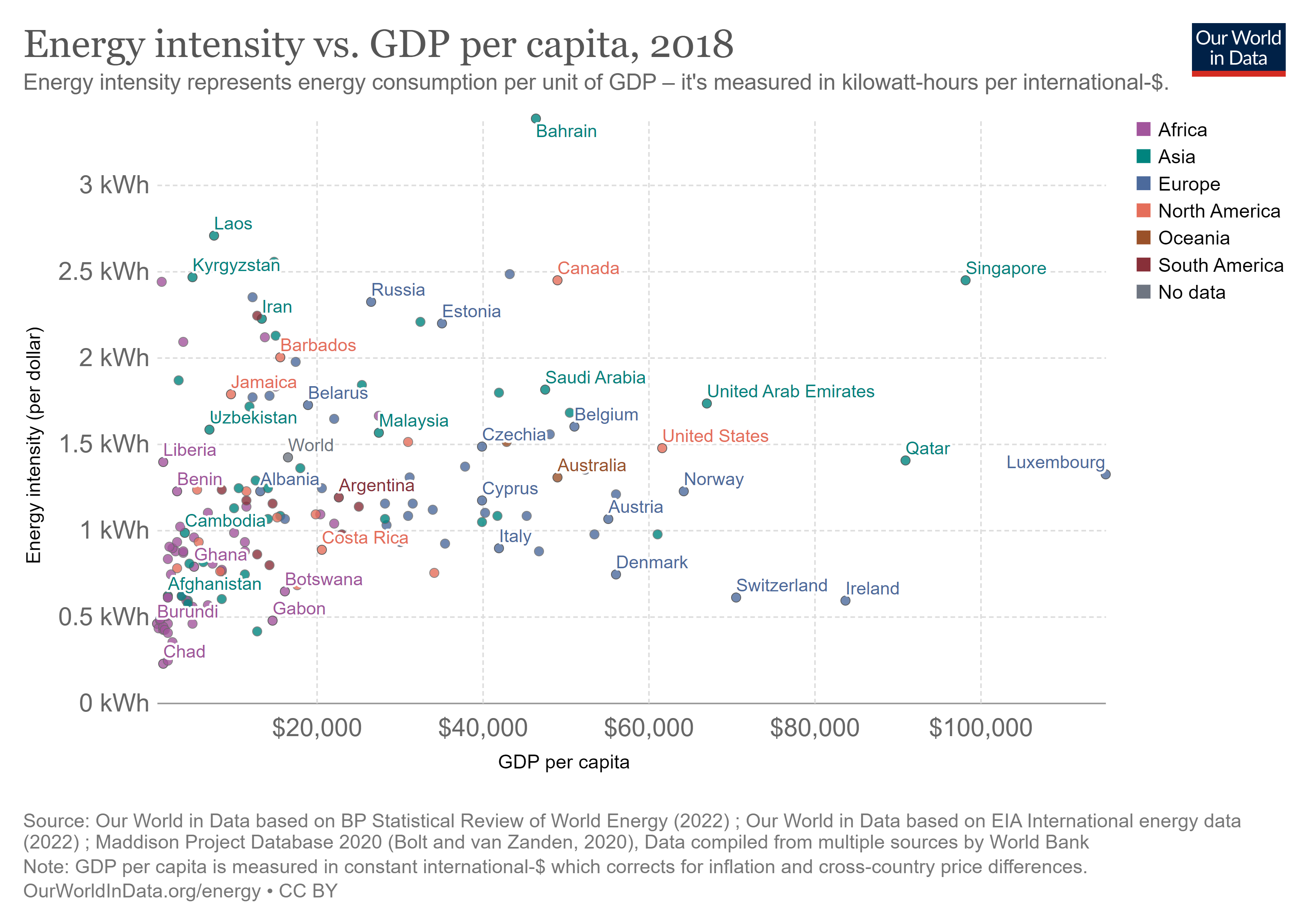
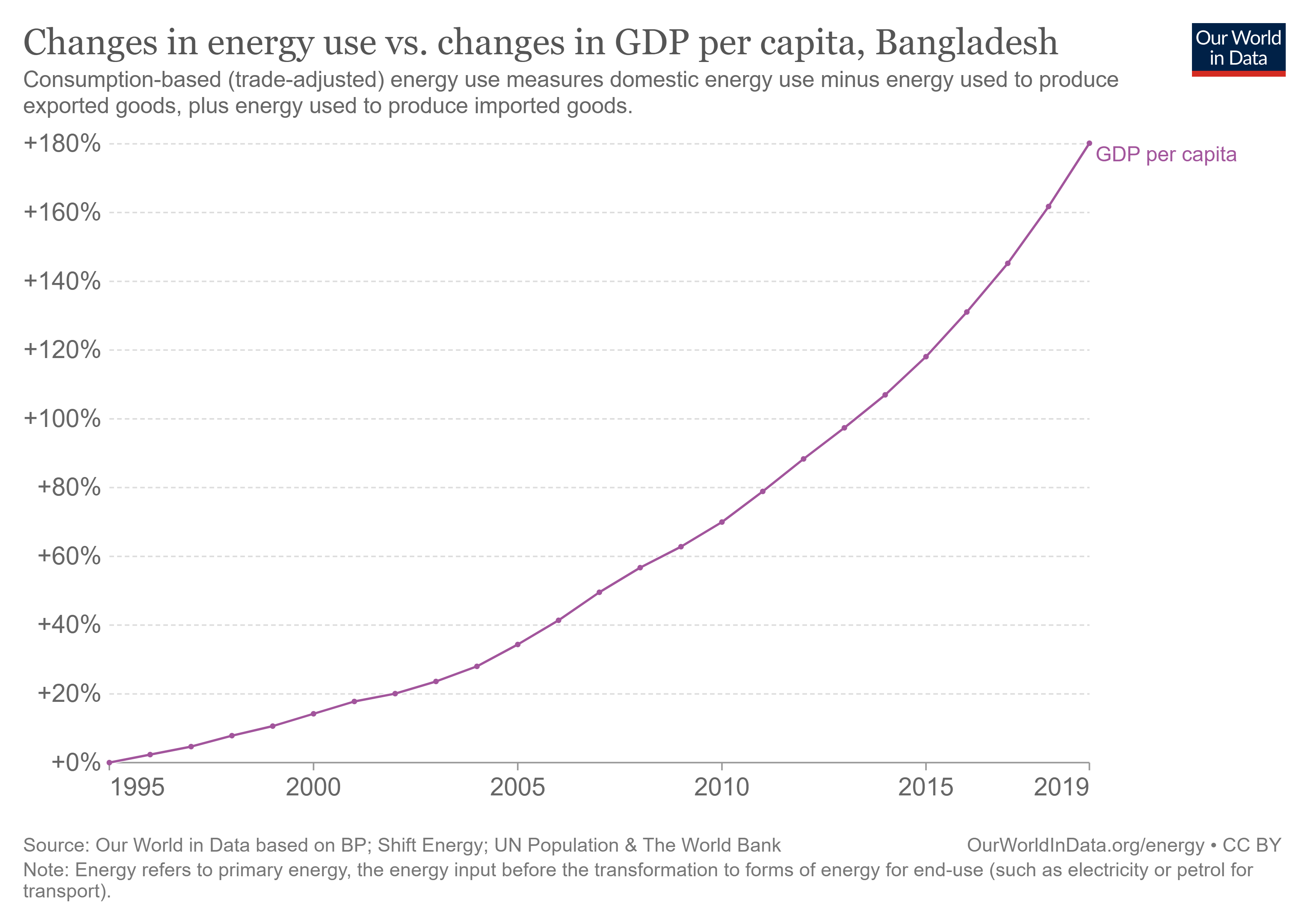
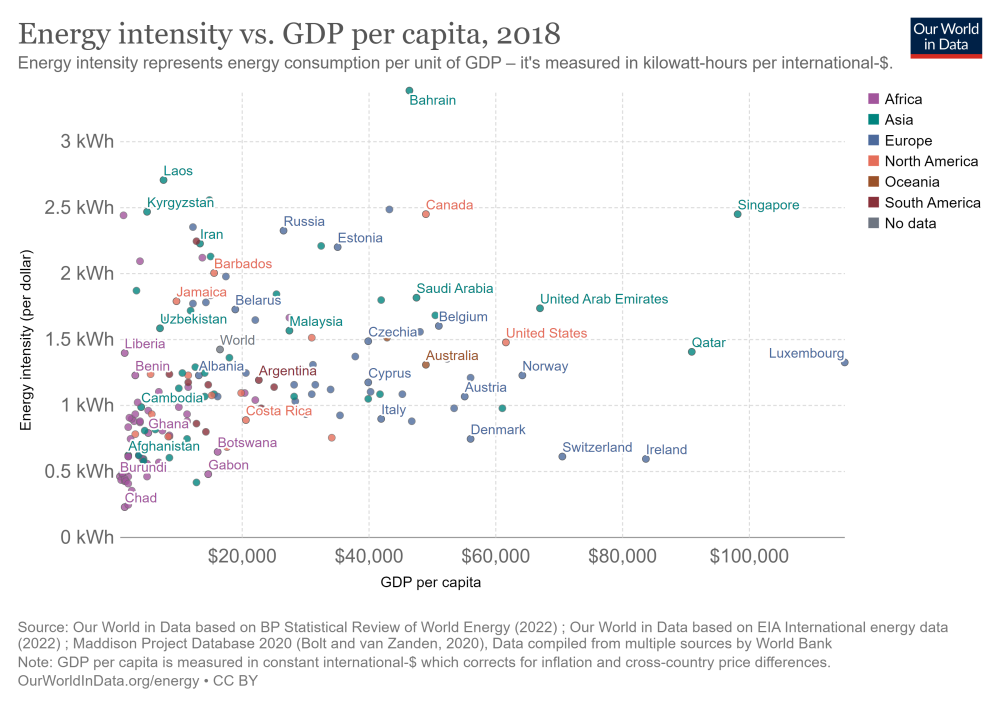
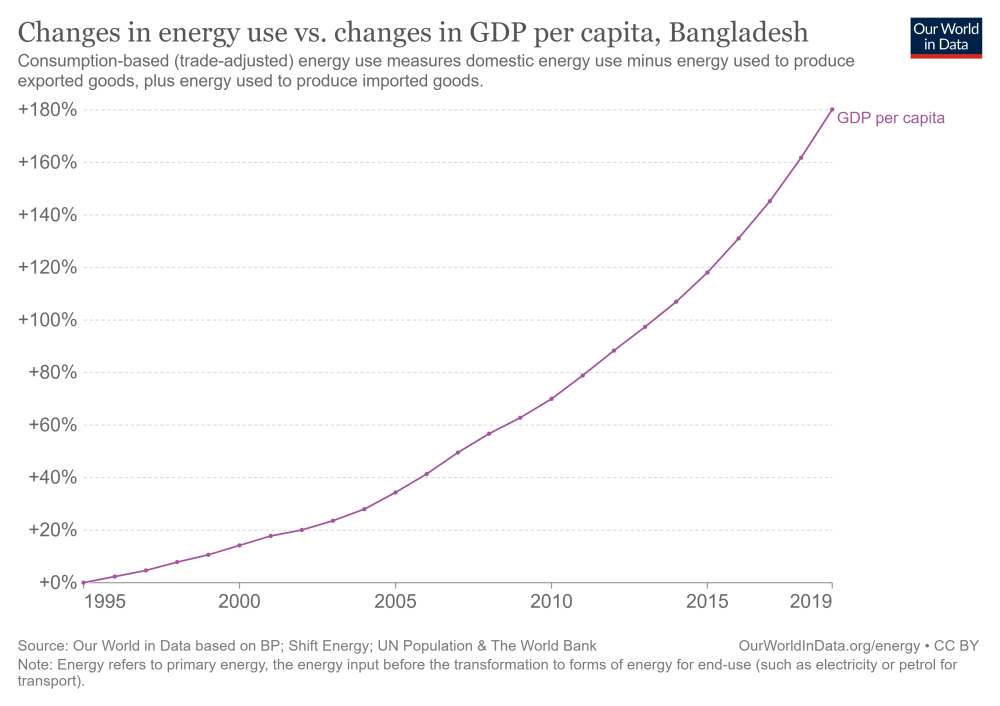
I don't think that holds to the extent implied - energy intensity of GDP (kWh/$) varies massively even across peer economies. It's quite possible for a wealthy county to use similar total energy to a similar less wealthy one. For me, that is one of the more hopeful signs that we can reduce emissions without returning to 1400. It is quite possible for development to happen with fewer emissions. We did total emissions per pop above. (Obvs there are factors such as exported emissions, local climate etc so it is all non totally precise). For example, numbers of kWh per dollar of GDP for several countries, with a fuller graph below. Compare for example Denmark and Sweden, or Switzerland, France, Belgium and the Netherlands. UK - 0.88 France - 1.08 Germany - 0.98 Denmark - 0.74 Italy - 0.89 Switzerland - 0.60. USA - 1.48 Belgium - 1.60. Netherlands - 1.21. Canada - 2.45 Sweden - 1.35. Singapore - 2.44 China - 2.13 South Korea - 1.8 Poland - 1.16 Spain - 1.1 Here's a chart: Here's how that energy intensity of GDP over 25 years has changed for Bangladesh. They are using their carbon 3x as efficiently to produce income. Tis is even trade adjusted. I haevn't quite answered @SteamyTea's q in the units he asked it, but these are adjacent numbers.
-
Slight rant there. Sorry - close to my heart.
-
I stand corrected on Sheds in the front garden, though you could have eg a bin store as it is non-permanent. I think.
-
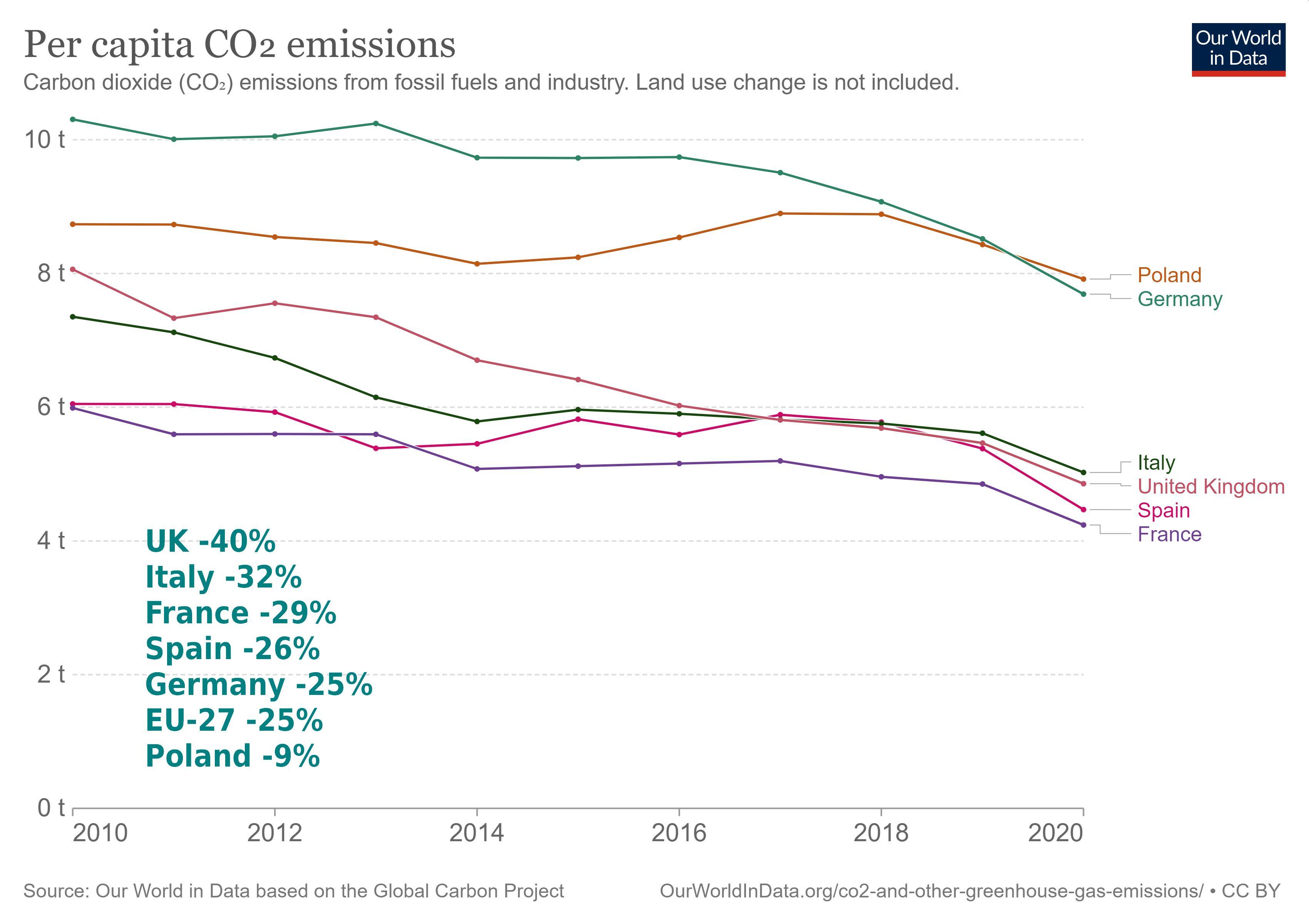
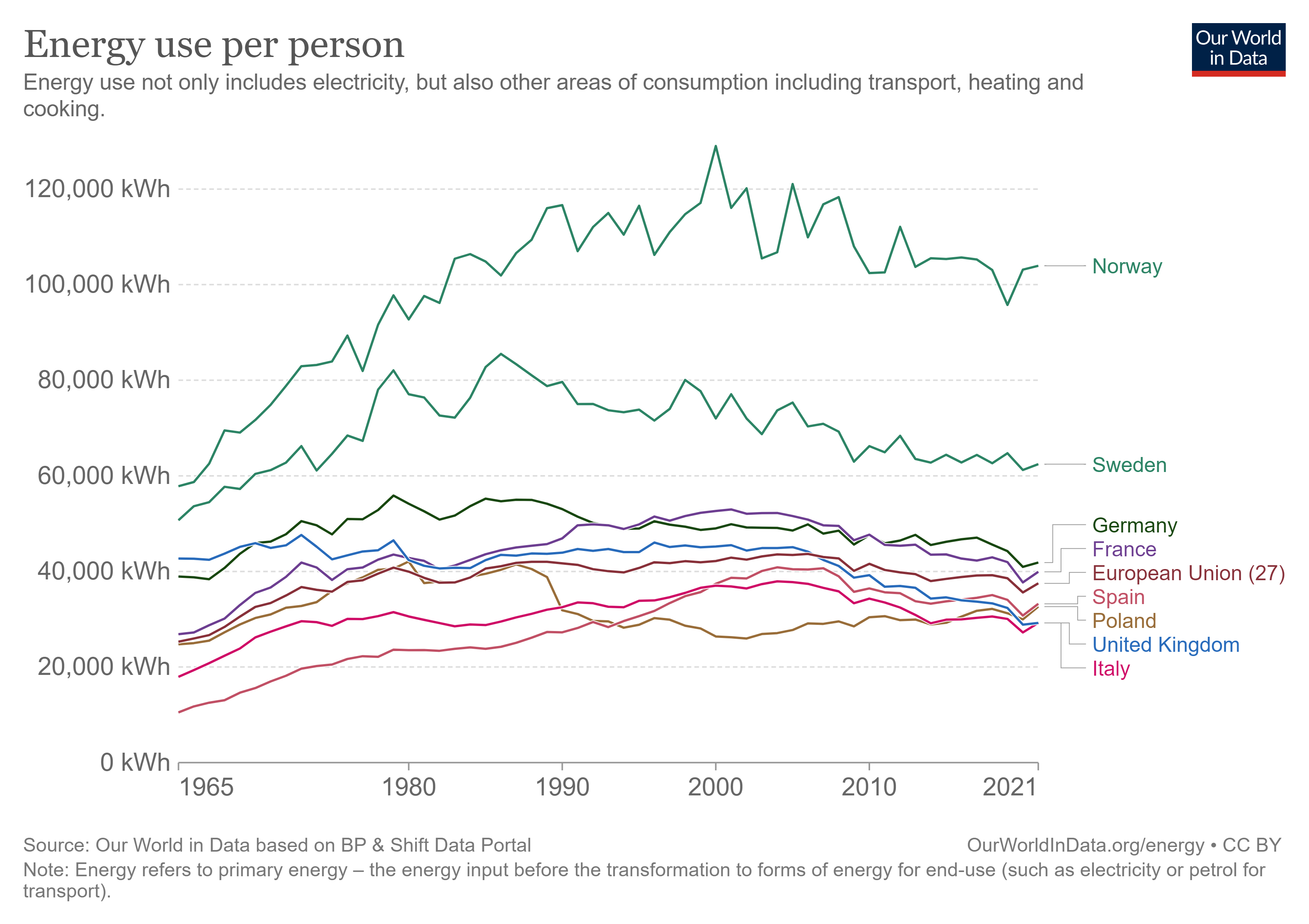
New builds stopped being a noticeable part of the problem years and years ago, since they each use only a fraction of the energy of an inefficient older house. That's not a reason to stop raising standards, eg the latest lot of Building Regs changes model as reducing modelled emission by 31%, but we need to know that this is the 20% side of the pareto analysis. Plus the large majority of houses in the UK *are* older, as we like to keep them around rather than rebuild using shed-tech every 30 years like in the USA, or have newer stock due to recent wars and more frequent renewal like much of the European mainland. (For impacts, see the problems Germany has with water supplies in their remaining older city centres). The needed fix on newbuild is what it has also been for years - a rigorous inspection process by the BCO, rather than a game of pin the tail on the donkey inspecting one house from X. We need to recognise that the UK has been effective in reducing emissions compared to our peer countries, and we use little energy by comparison with our peer countries. This was a graph I put together earlier when there was a remainer-type (one Siobhan Benita who is on perambulation through lots of political parties) trolling around on social media for things to help diss the UK wrt the EU, over the period of the current govt: On energy usage (which I agree is very desirable to have low - need to build less infrastructure, or can export more), we are also doing OK by comparison. This is all energy usage, not just electricity. Though it is not "consumption based", which would make Germany (all those cars exported) and perhaps Norway (all that oil exported) look relatively better. F
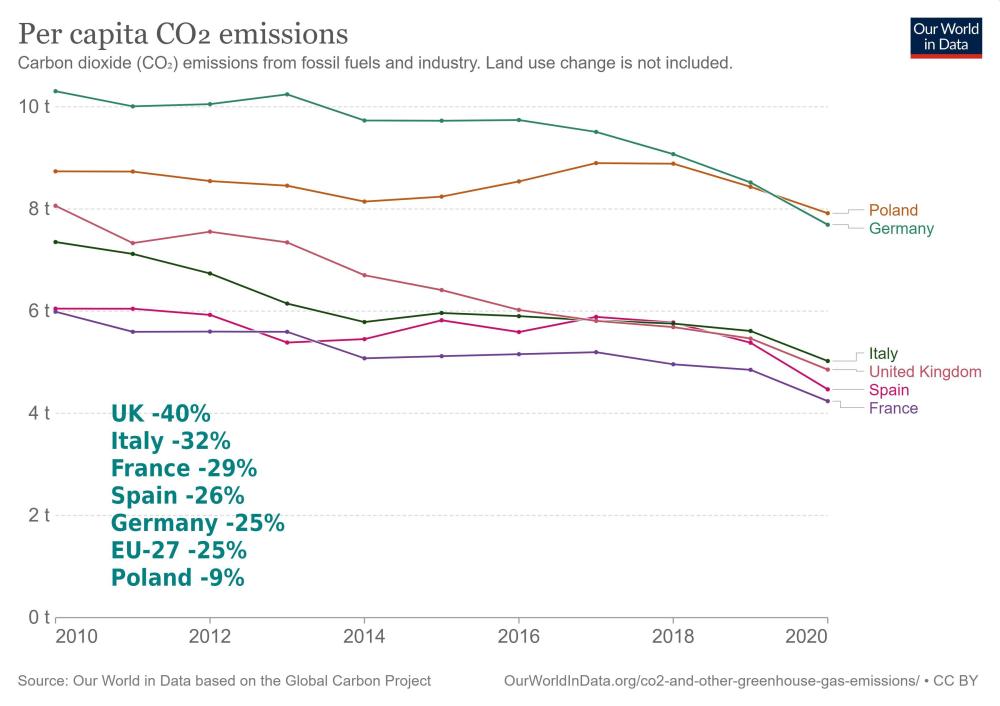
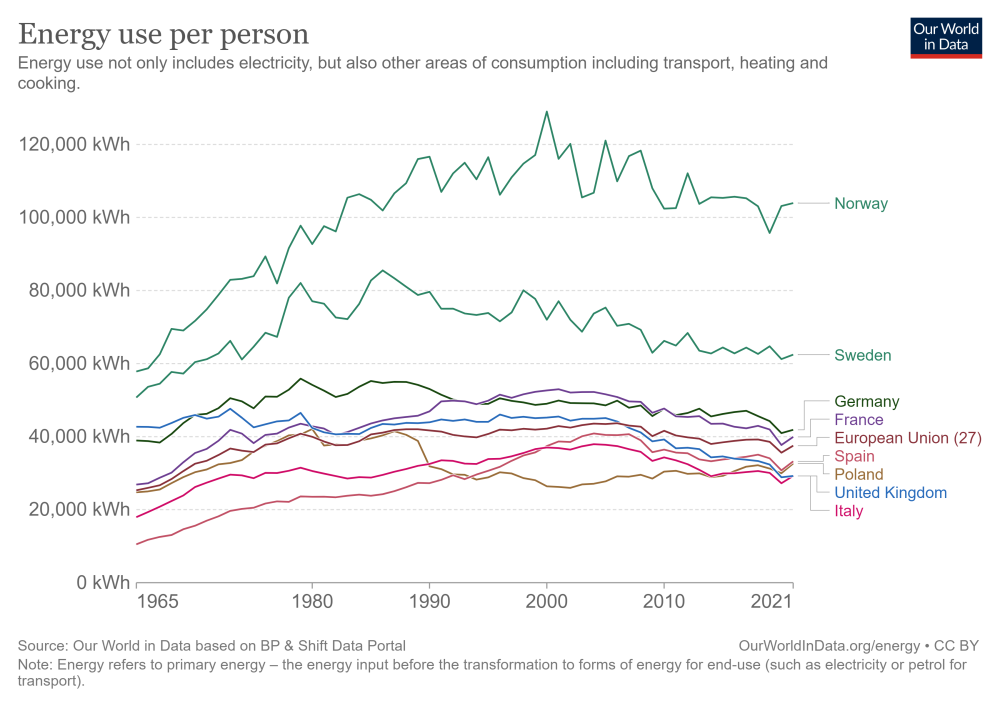
-
If you feel it is worth the expense, then it is worth it, though 2-3 feet apart staggered in rows 2ft apart would give you a better hedge. My preference with that is to put in a wire mesh fence on the boundary beyond the hedge (my parents did one with a single wide plank above on edge paving stones) which then gets buried in the hedge. F
-
It would not need PP since plants do not need PP, but I'm guessing that children growing up timescales mean it would perhaps not be 6ft high and solid in time. A low fence (to say 1m, and perhaps see through to help your young hedge) with a hedge or reasonable evergreens is a very attractive answer, though, if you can make it work. That's what my mum did when I was three.
-
TBH I'd say that is your front garden, not the back garden. And you are likely to need PP for the shed in front of the building line, unless perhaps you use one of those semi-sheds that is a storage locker 1-1.2m high. Unfortunately it is likely to be determined by the building line, not by calling an enclosed front garden a "back garden". Sorry 😒. If the shed has only just gone you may get away with whumping another one there immediately, and hope no one notices. Otherwise imo you will need PP. except perhaps for the new driveway if you make it permeable to water (which makes it Permitted Development). Or you just do it and see if anyone jumps on you, then go for a Retrospective PP. But then you have a risk of not getting it and having to take it all away again. Since you will be spending a few thousand, I'd say go for PP. It may be worth phoning up the Council and making an appointment to talk to a Planner at the front desk, where you may get some useful guidance as to the rules that will apply. Frame it as you being intimidated by the system, and take your before and after along. It looks like an attractive scheme for your kids, so I'd say give it a try. HTH. F
-
@SteamyTea said: Wasn't that already tried, and was a total failure. Who remembers The Green Bank. One quick, cheap and easy way would be to drop objections to onshore generation projects. Let wind, solar and hydro compete with bio-gas, coal, nuclear and gas. Husk off, I think you are confusing the Green Bank, which raised £10bn of private Green Infrastucture investment by the Govt committing £2.3bn - which was energy generation / reduction on a large scale, with the Green Deal, which was about using the reductions from your energy bill to pay off a loan to pay for the investment in your house. It was far too complicated. * I'd say the Green Bank was a success, but Theresa May's Govt sold it off (fools), and the Green Deal was a failure, because it was far too complicated. Both owe their results to over simplistic free market dogma. As a died-in-the-wool free marketeer, I think it's clear that in these schemes the Govt needed a bigger role. The value of applying a free market is that (a) It means that things can be addressed in order of increasing utility without Govt second guessing / corruption when the guides have been set and (b) It means that what subsidy is needed is used most efficiently. If you want an example of a free market based initiative look at how FIT subsidies were reduced to nothing to ensure maximum utility, whilst the Govt-micro control obsessed boneheads (**) of the Green Party continued to demand subsidies that were double or treble what was needed and rent-a-roof entrepreneurs would continue to make fortunes of hundreds of millions from such subsidy. F * KISS. Just set a high standard, with taxes slanted to encourage it to be met. ** I am not keen on the UK Green Party, who IMO are watermelons, because I think frameworks to facilitate bottom-up initiatives are more effective than 45,863 expensive commissars in Council Offices.