Marvin
-
Posts
2382 -
Joined
-
Last visited
-
Days Won
3
Everything posted by Marvin
-

Clean Heat Market Mechanism to incentivise heat pumps
Marvin replied to LnP's topic in Air Source Heat Pumps (ASHP)
Hi @MikeSharp01 This sounds like the future once manufacturers have ironed out all of the bugs, a bit like driverless cars. -
Clean Heat Market Mechanism to incentivise heat pumps
Marvin replied to LnP's topic in Air Source Heat Pumps (ASHP)
Hi @JohnMo We use weather compensation mode all the time on our ASHP, however we find we need radiators with thermostatic valves to cope with excess heat in particular rooms due to solar gain moving through the building with the sun, kitchen produced heat and rooms with TVs computers, lots of LED lights and people in. For us we would have serious problems without them. -
Australia bans "Engineered stone"
Marvin replied to Temp's topic in General Self Build & DIY Discussion
A clear article clarifying https://www.cancer.org.au/cancer-information/causes-and-prevention/workplace-cancer/silica-dust The dust there talking about is 100 times smaller than a grain of sand.... Roughly 1 in a thousand exposed are expected to suffer ill health as a result.... -
Hi @joe90 My guess is electrolysers
-
I think designs have changed over the years. I think someone thought "why don't we put the wind turbine under the sea..."
-
HI @SteamyTea and @saveasteading https://tethys.pnnl.gov/project-sites/meygen-tidal-energy-project Mygen: To date, the site has two of four turbines fully operational and generated its first 50 GWh of renewable power in February 2023. The project aims to have the additional turbines operating by 2027. Good luck asking for money...
-
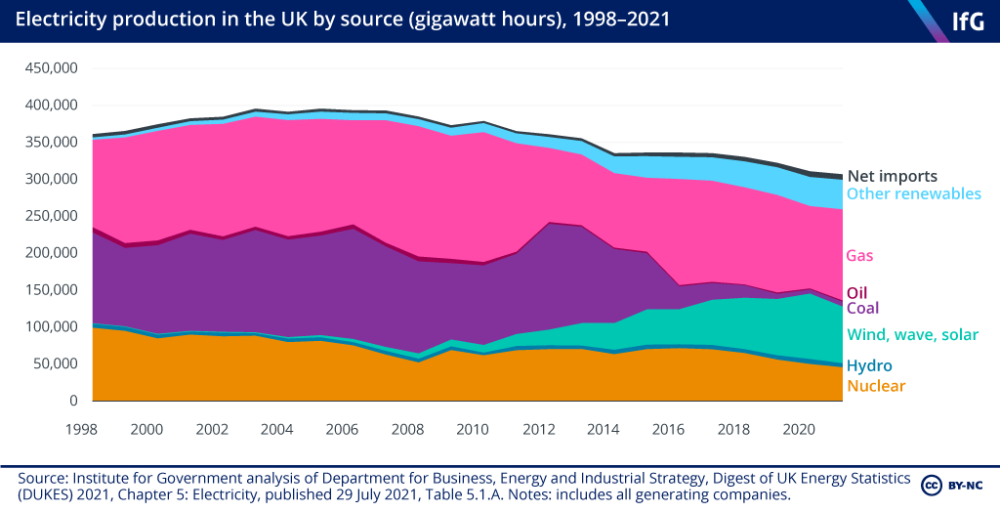
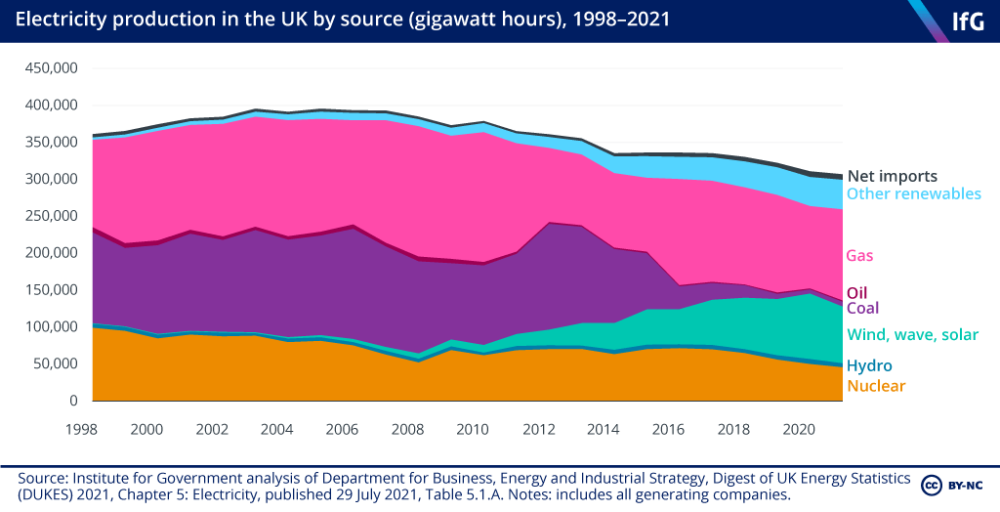
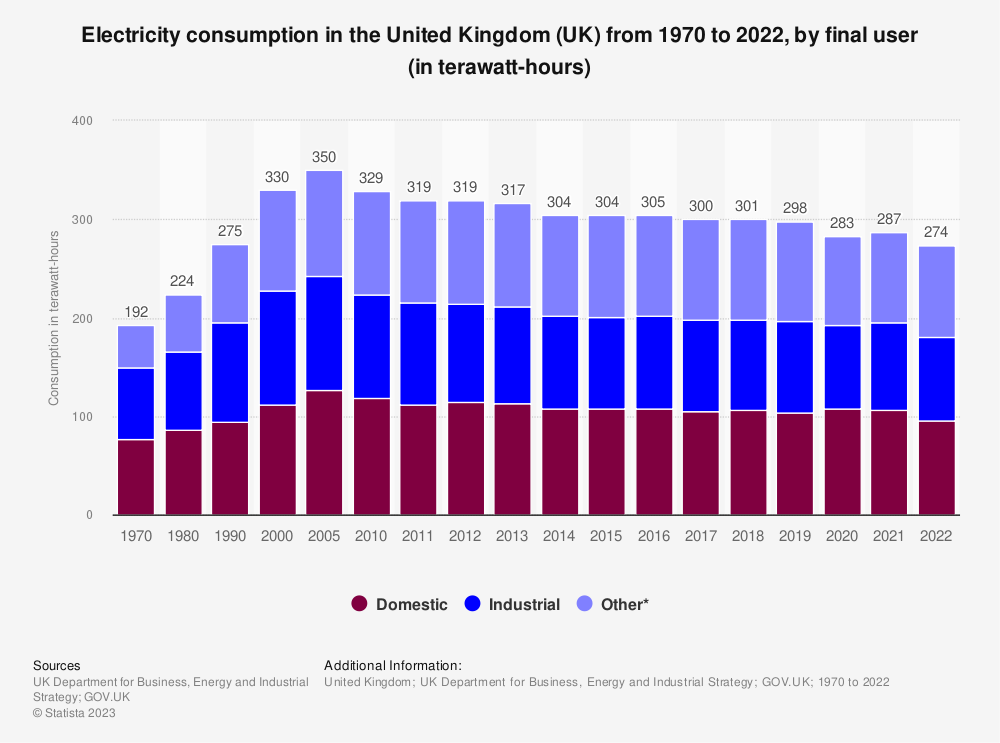
There seems to be something missing from this discussion. It's all about trying to iron out the peaks and troughs of energy production, all be it in a different way.... We have the same problem at our home, but on a much much smaller scale: Our PV energy production during the year is more than enough to meet our needs.... if only we could store it from the summer until the winter. If we were to go off grid we would need an energy production system that produced our needs over the winter which would be idle over half the year when considering the yearly cycle, and on a immediate basis, to some extent, all year. We could have a much smaller immediate energy production system during peak demand, if peak demand was supplemented because of stored energy. As I understand it, energy produced for the national grid uses systems that, whilst can produce electricity at the flick of a switch, require a long lead in time to be ready to flick the switch. When looking at this graph you can see that the higher fluctuating energy producers - wind wave and solar - are producing an increasing percentage of our energy demands. However they are less reliable in there ability to supply demand. (The one exception being wave which for some mad reason is not being utilised). This means the power has to come from other sources like gas or nuclear. Taking a simplistic view of the situation you could say that the gas and nuclear energy suppliers have to be able to cover the wind and solar supply demand at any moment. Everybody is trying to break the problem of energy demand and energy storage and this is just another spoke in the wheel. About 60% of UK household energy use is for space heating and about 35% of UK's electricity is domestic use.
-
I have found poor soldering of the cables to the panels before...
-
Welcome @builderbob89 Let the fun begin....
-
Looks like the can is 12 years old... date on side....06/07/2011
-
Hi @Mr BlobbyNo. Because I made a mistake and your right to point this out! There are several Ofgem discussions I read which discussed past, present, and future levies, but the main driver presently is the shared cost between the existing energy providers, due to the recently failed energy providers. All the money received by an electricity company goes in the same pot anyway and then dished out. From SO Energy: These industry costs include the increases in fixed network costs, this is the cost of maintaining cables and pipes that distribute energy, costs which have gone up nationwide due to changes in the labour market and inflation. An increase in policy costs applied by the government or Ofgem, such as green levies and the rise in the warm home discount rebate. Most significantly, the cost of moving everyone whose firm went bust to new suppliers as part of Ofgem's Supplier of Last Resort Process is added to everyone's bills via an increase to standing charges. https://blog.moneysavingexpert.com/2023/07/martin-lewis--why-are-energy-standing-charges-so-high--what-can-/ https://www.thisismoney.co.uk/money/bills/article-12562287/Why-standing-charges-going-energy-price-cap-falling.html
-
No. The Bypass is dependant on the resistance on the water caused by the length of the UFH zone pipes. However your well below the 0.47 Bar (4.7meter head pressure) that the pump is producing. Basically you want it to be set high enough that when all the zone valves are open no water passes through the Bypass valve but low enough that the pump doesn't try too hard to send the water through the Bypass valve when all zones are closed. I guess where you are is about right if you have only turned it a little. Where does the marker say you are at?
-
Never install a pebble shower floor - how do I fix this?
Marvin replied to AliG's topic in Wall Tiles & Tiling
Hmm.. Is the grout swimming pool suitable. What are the pebbles? Porcelain? natural stone? Are they porous? do they need sealing? Do you seal all internal angles with silicone? -
Officially a minimum of 3 meters. I use drain roads, cable access rods or a hose pipe to measure the length of the pipe underground. Which ever will go down the pipe depending upon the access angle /size.
-
What they want is their heads banging together....
-
Er... When the bypass valve is closed, the water from the pump goes more forcefully to all the zone valves. If any zone valves are open the water will flow through the zone. If they are all closed the pumping will cause the pressure to rise and the pumped water will go through the BYPASS valve as a way out (assuming its not tightened down too much) Some pumps show what pressure they run at, and that pressure has to be taken into consideration when setting the bypass. HOWEVER @JohnMo is right - wait and see what the result is.
-
Only in as much as it might need turning to 0.3 or further. ( change the valve a bit and wait a while to see the result, by turning the black top clockwise when viewed from above). If you still hear water passing then perhaps turn a little more, doing this when ALL zones are open.
-
No internal pipe insulation??
-
Bypass valve set to about 6 foot head. 30 foot *0.2 = 6foot or 2 meter head. When the pressure to go through the UFH reaches over the 0.2 bar the valve will open and the water will circulate through the bypass valve.
-
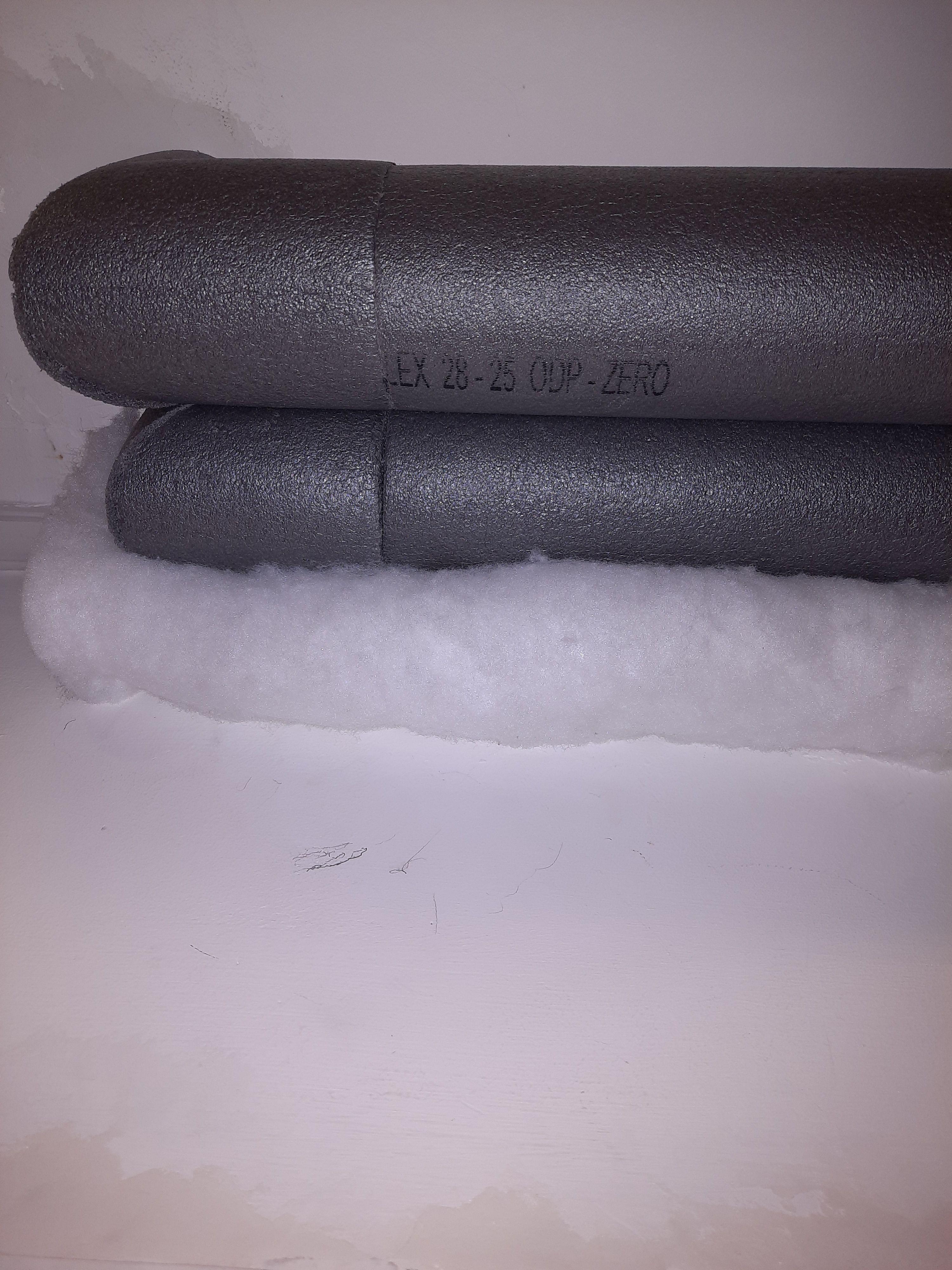
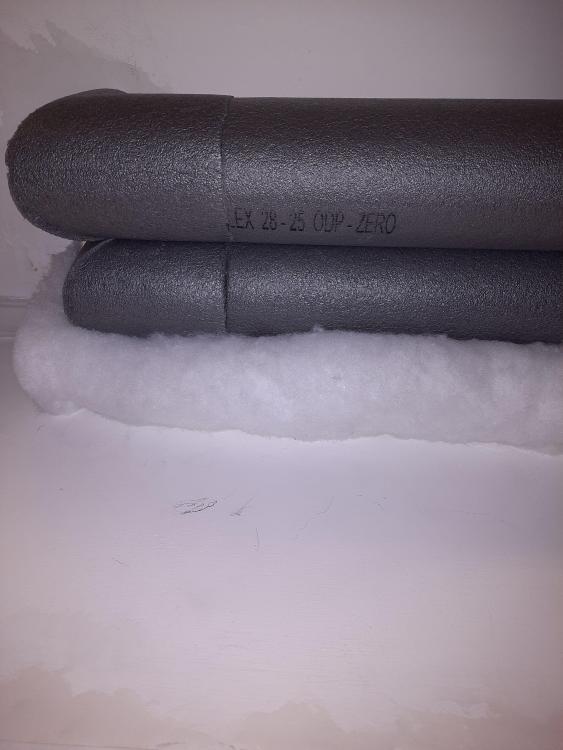
Inside 25mm walled Climaflex pipe insulation for 28mm pipes. View looking up to the ceiling: Outside the same wrapped in supersoft insulation and sealed with EDPM
-
Your figures suggest that more heat is lost from the water travelling from the ASHP to the manifolds (unless they blend the flow and return) than from the UFH and returning to the ASHP. I insulated our ASHP flow and return pipes, which are outside the building thermal envelope, to within an inch of their lives and I would recommend everyone do the same. I also insulated the same pipes heavily all the way to the tanks and would recommend do that as well.
-
Checking the latest offers I notice that the electric standing charge has almost doubled. This is apparently because a levy is now charged to pay extra money for commercial wind and PV farm produced electricity. This will put my bill up about £91.25 per year. Now the government is thinking of this: Households face paying extra on energy bills to cover customers' bad debts under plans by the industry regulator. (BBC report) Ofgem is proposing lifting the energy price cap by £16 between April next year and March 2025 so bill payers can contribute to the costs to electricity companies for the customers who can't pay their bill which has caused a debt of about £2.9bn. So Ofgem is considering, passing the cost of those not paying, from those not paying, to those paying. Causing more of those who are paying, to be not able to afford paying, causing some of them to ending up not paying. Therefore increasing the contribution needing to be paid by the people paying. Causing more of those who are paying, to be not able to afford paying, causing some of them to ending up not paying. Therefore increasing the contribution needing to be paid by the people paying, and on and on and on and on. WTF! It's like some absurd version of musical chairs. It's insanity!
-
Hi @ChrissyUK Unfortunately, a reasonable repair would cause the top service changes to be visible. If you have CCTV that recorded all the time since laid until marks/depression showed and you checked it all 24hours a day, 7 days a week, and no unusual vehicle (ignoring your cars) caused the depression, it would mean the ground below the tarmac has sunk and the tarmac with it. Answering these questions would help people to understand what has caused the problem. Where does the water running down the pictured down pipe go when it rains? Is there a drain connected to it? It looks to run towards the gully. Is the gully connected to a drain? When it rain heavily does the rain puddle over the gully? Was the top of the gully the same level as the kerb edges next to the gully when the work was finished and now? I would guess that the gully grate is now lower than it was. Have you got a photo of all the way across the gully when the work was first completed? My guess at the moment is that the ground around the gully fills with water, making the ground a soft spot. Marvin.
-
https://www.screwfix.com/p/radbar-radon-barrier-green-1200ga-15m-x-4m/5664p
-
Unless your @nod