
saveasteading
-
Posts
10107 -
Joined
-
Last visited
-
Days Won
82
Everything posted by saveasteading
-
If it helps anyone, here is the Woozle principle that can be applied to almost any Mechanical Physics. In this case it is a heat Woozle. (WZe?) Imagine a warmed up Woozle in your living room. To me they look like a yellow emoji figure with 2 arms and 2 legs. It is trying to escape out to the cold, wriggling through microscopic gaps in your wall. Thus any resistance works whether inside or outside or in-between. Area of less resistance ( whether universal or local) allow easier escape. There are other factors eg condensation but that is a slightly different analogy. 😳 I can't find one with limbs. Some day I will introduce the pulling and pushing ones that make beams work. It isn't my theory. My wife was taught about Woozles at Uni by a prof who could communicate, and she told me. Often used by me.
-

How do I remove buried chicken wire
saveasteading replied to AliG's topic in Landscaping, Decking & Patios
That sounds like the introduction. I trust the detailed study will be published on here. Flavours, pack sizes, and any trends through time. -
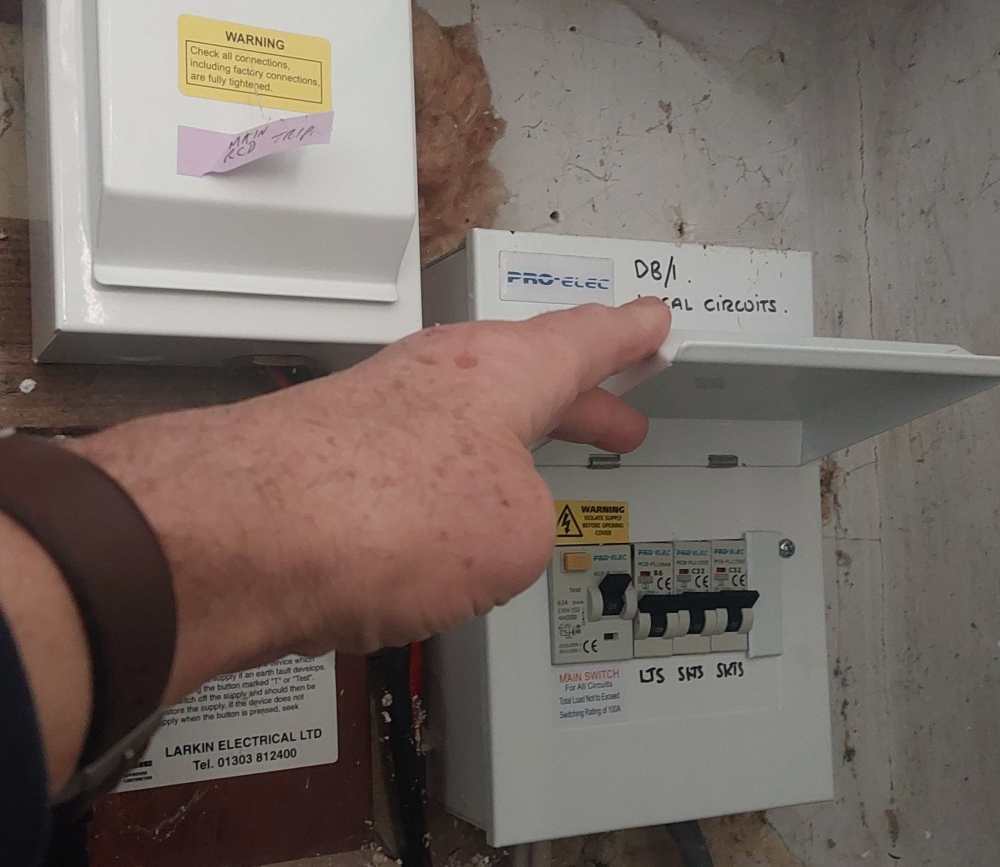
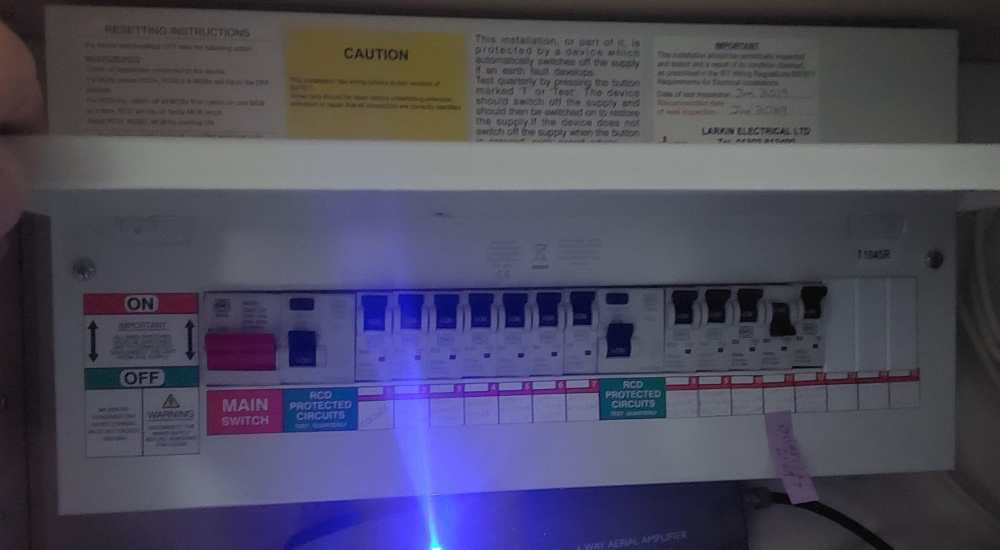
@SteamyTea wondering if you could continue your instructive, with reference to the photos. I don't understand why one pings rather than another, esp as the fault under discussion can trigger either. Switch in a room, up to the attic above where we would hope any damage is fairly obvious.
-
The membrane forms the water tight barrier ?
saveasteading replied to Post and beam's topic in Roofing, Tiling & Slating
And knowledgeable. I've met some very ignorant roofers who don't understand lapping and flashing. Absolutely not a clue, and if was as easy to do it right as wrong. They were roofers because they didn't mind heights and the money is good. (And ceey few clients check the work). All the above advice is good....it must not leak at this stage. Post a couple of pictures and you can honestly say you've had it looked at by experts and they have to sort it and spray test while you observe. -
Done that. It is a single light switch. I haven't ventured into the attic yet as there are children around for a few days.
-
Somebody will be more up to date than me. But it is going to be something like £500/m of perimeter and a huge amount of mess. Why does it need underpinning?
-
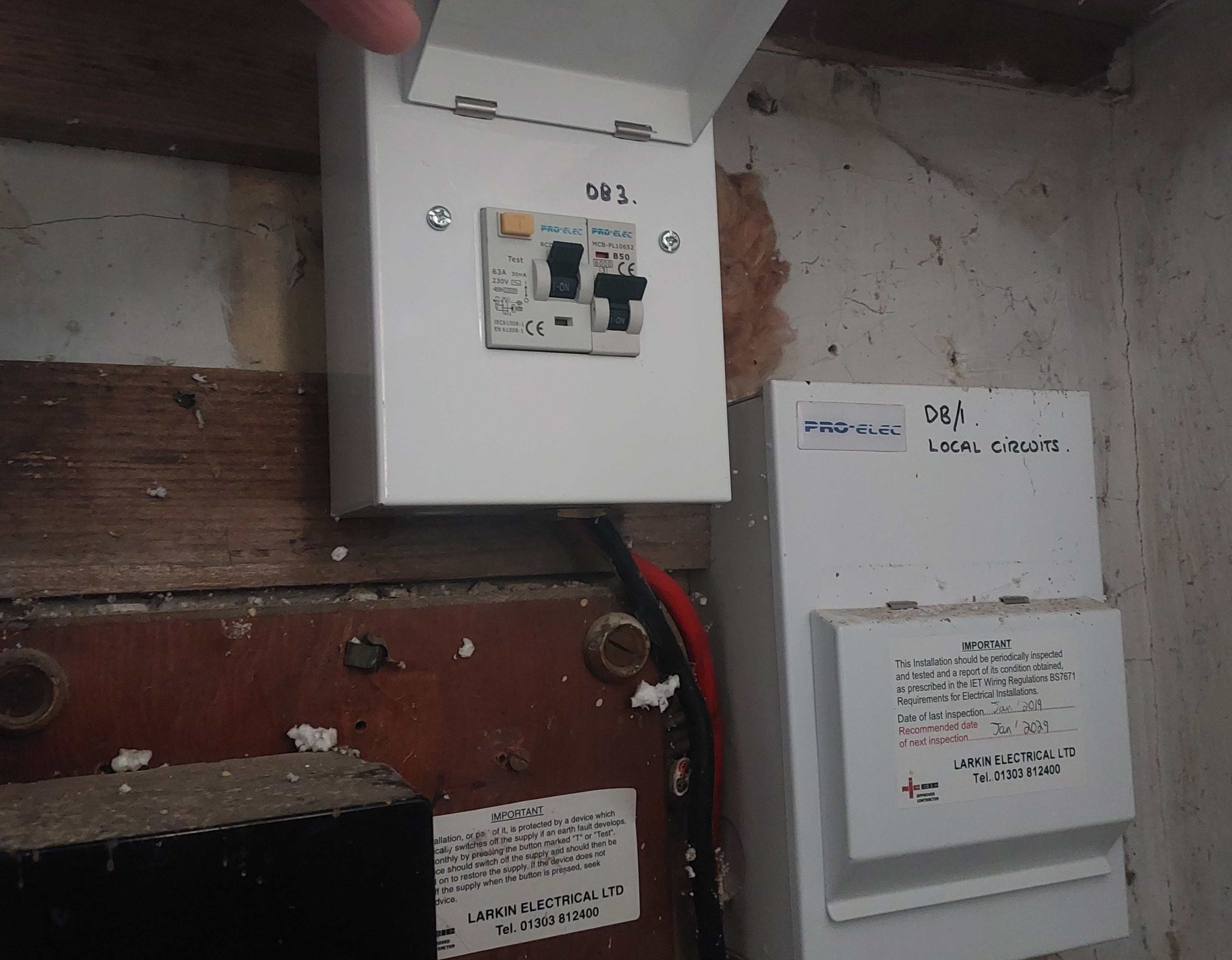
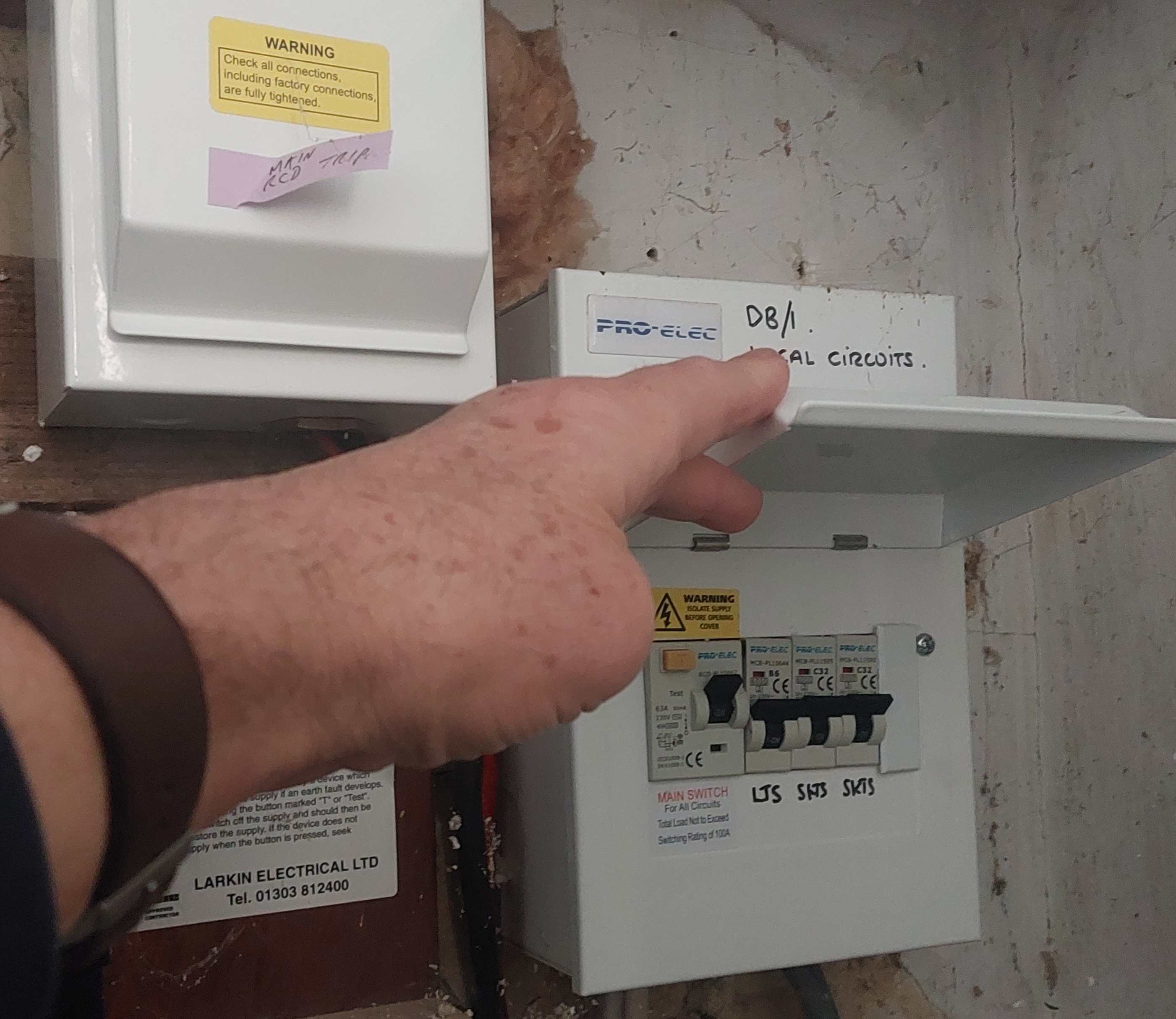
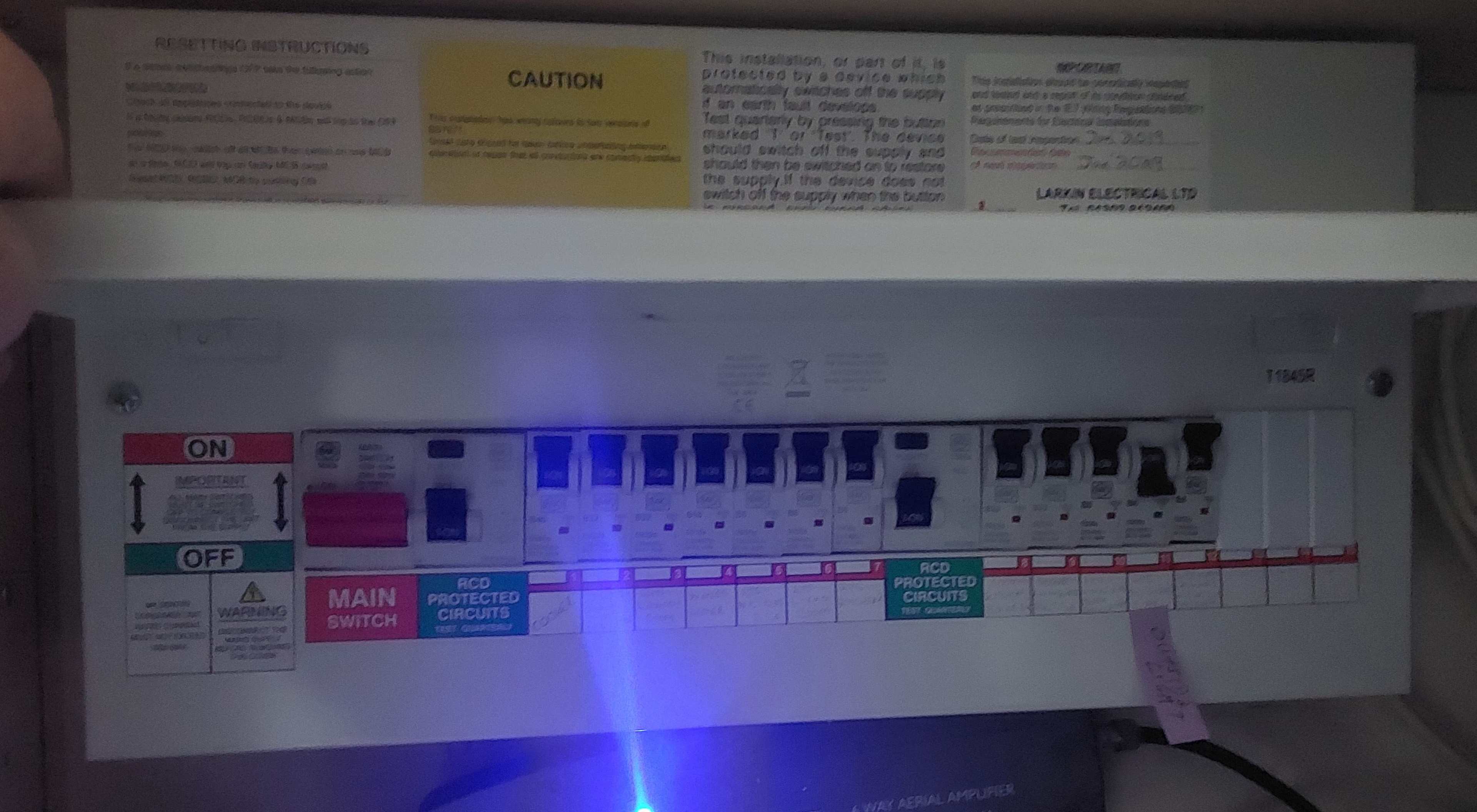
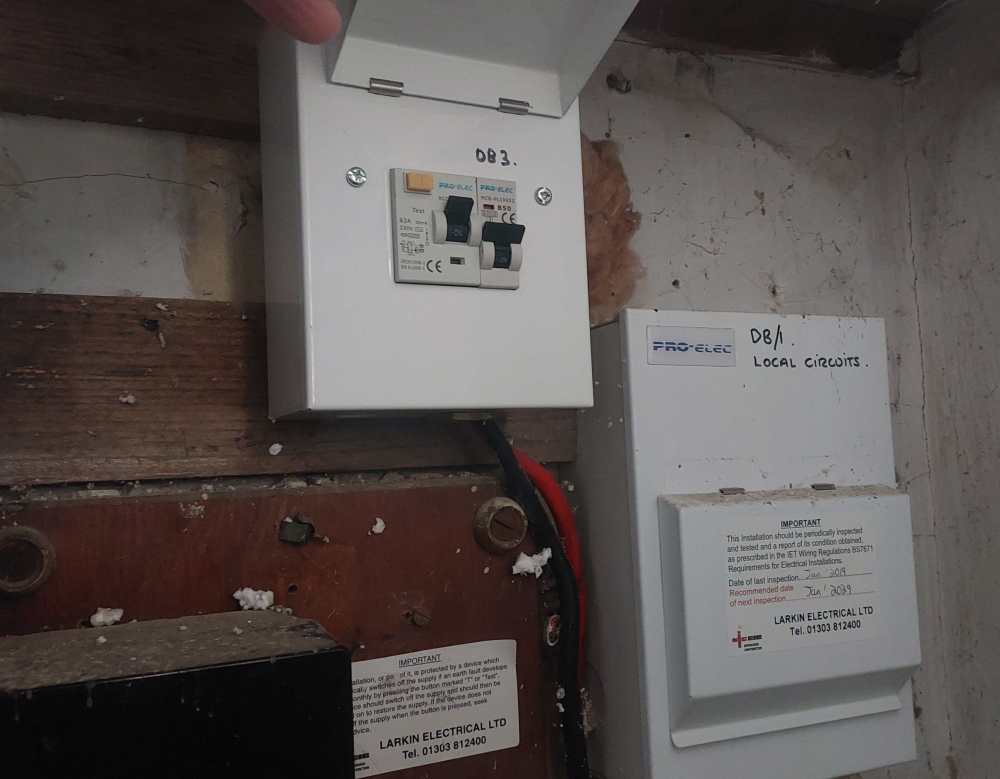
Attached photos of the apparatus. The old black box on the far left isn't an issue. Next along trips sometimes. The next along is a different subcircuit. Picture 2 is inside the second box for completeness..not relevant though. This power flies through the attic to the box in pic 3. It can ping on the orange switch to the left. At the adjacent black 'fuses' I found which circuit was the problem and then which switch, which is currently taped over and out of use....hence the fuse turned on again.
-
What a good summary. Save it for future discussions on the subject. In brief? A biggish business would demolish. A little builder might do a cheap tart up and pretend to live in it, a real diy can look after details and quality, and phase the work with lots of disruption. It is about cash flow.
-
Photos tomorrow.
-
No. It can spur off before it goes under the house. Take the chance to put stopcocks in all directions.
-
I don't understand fuses. This one can trip at one of 2 places. I might send photos tomorrow. Before we had these 'improved' boxes installed ( I can't work on your house until they are changed") we had the old wire ones and they seemed to battle through the minor issues.
-
If my logic is correct, the switch is simply a local circuit coming down from a rose ( or similar) above the light cable. If the switch is throwing a fuse, then the fault is in the cable over that short distance. Hopefully an exposed bit of it. Thus I'm thinking it must be an issue at the connection above the light or the cable from there to the switch. (why would this happen after 20 years? and I haven't been near it to trip on it.) Or a critter , again they don't seem to have been interested in the plentiful cabling over all these years. Maybe it would be simpler to disconnect at the light connection and see if the tripping stops. could circuit test from there too. I am always nervous with live cables so would rather only test an isolated circuit. I don't know if it's feasible to test within the switch box. It looks like an unpleasant crawl through the attic is beckoning.
-
Correct. The strength of a single skin is much less than half of the double skin. It would need temporary support during the work. THe support gets in the way. You would not live in the house while this was happening, and should move heavy furniture out. A new outer skin could be tied using brackets screwed to the inner wall: that is the least of your issues. It's not only structure though. Do not ignore the detailing at the foundation ( does the widened wall fit on it still?) Or at the roof. How does this new outer face line work with the current eave and gutter...you probably have to extend the roof at eaves and gable.? And at doors and windows? I wouldn't dream of doing this. Not with my house and my money anyway.
-
One light circuit is tripping the system. What to look for? I have narrowed down the area of the problem through gradually switching on more fuses. and then trying one light switch at a time. Tried taking the light bulb out on the grounds of wishful thinking. It is a single ceiling bulb, with a simple one-way switch. What should I do next? My hunch is that mice have gnawed a cable in the attic, because we can hear them up there. In a way that would be good news as it may be simple to resolve too. On the other hand, there are may reels worth of exposed cabling up there, and this hasn't happened before. Or is the pendulum cable connection the first thing to check? Do wall switches malfunction? .....or what else?
-
It is fragile if abused, otherwise will withstand normal conditions and the holes are tiny so nothing gets through. I think it is best cut with strong scissors that don't have to go back in the kitchen drawer. The cut edge had best be folded back under or it may fray.
-
It is guidance not a rule. Spread the drains all over and some relaxation should be OK.
-
Was that previously a railway bridge. What a lot of bolts...but I like it. Is it/ Does it need to be fire protected? It's almost heavy enough that it doesn't but not a lot of people know that.
-
That's the way. Before the houses were built, the land was rained upon and it went away, presumably. You can spread over the whole garden if you like, using French drains. The 5m rule is there for a reason, to prevent the house being undermined. Therefore it would be advisable to connect both houses into the new system and leave the old soakaway alone. In case the drains don't cope in extreme conditions, there ca be an overflow into a pond or a crated tank. This will hold the eater until it can get away. Do discuss it with the bco before starting. You might need to prove the efficacy and need some professional help on it, as the bco has to consider what happens to your and oth properties if it doesn't drain.
-
Good news. Standard `construction. Strip footings and beam & block, I would think.
-
Agreed IF it is big enough. A newsworthy downpour's worth plus. And not near a building I don't understand the question though. Are you building or have you sold the site? Who decided to build so close to the soakaway? Where is the new building rainwater to go? The bco will be involved at some stage. With more info we can help.
-
If you built a new soakaway the maximum distance from any other buildings, how far would that be?
-
Can a slab be too thick to have UFH pipes in it?
saveasteading replied to Thorfun's topic in Underfloor Heating
Wrong forum! We are all cynics and miserable. -
I've even shown utility companies mains services they didn't know were there. Not on any drawing. It's seldom a good deal to buy a house in order to build an extension, unless you are a builder. It's done to avoid moving usually, and the increase in value is usually less than the cost......and then there is the disruption and, in your case, the risk
-
My understanding is that the contract is reciprocal , but the reality is that the SE imports and never exports.
-
This means flooding from tivers etc. That doesn't look to be a problem Low to moderate says the same. How close troubles you?