


andy
-
Posts
187 -
Joined
-
Last visited
Everything posted by andy
-
Please don't use that netting @nod - IMO it needs banning from use ASAP. It's impossible to use in a manner that is not a hazard to wildlife (plus the plastic footprint of it).
-
Enthalpy exchanger and timber construction
andy replied to davidc's topic in Mechanical Ventilation with Heat Recovery (MVHR)
Hi I have a Zehnder ComfoAir Q350 ST on a timber frame with airtight layer on outside, foil backed plasterboard on external walls without the enthalpy exchanger (but you can retrofit that if you need to AFAIK) and my MVHR is as follows right now: Extract Air 22.6C/50% Exhaust Air 13.6C/90% Outdoor Air 11.0C/89% Supply Air 21.4C/51% https://www.zehnder.co.uk/products-and-systems/comfortable-indoor-ventilation/zehnder-enthalpy-exchanger Whilst I am not capturing this data yet to drag it into InfluxDB, it is pretty constant humidity, around 45-50% supply I think. -
More data, this was yesterday morning flow and return temps - alas I don't yet have external temp sensor but it was around zero first thing and icy (outside). I am wondering if a buffer tank might be a good call here but not a decision I will rush into. As you can see the time spent either defrosting or recovering is considerable: Compare that with the afternoon where ambient temperature is higher:
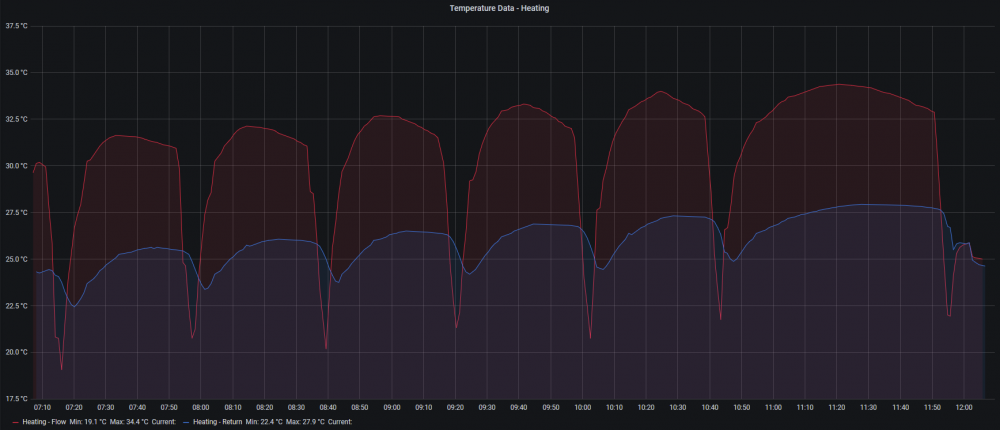
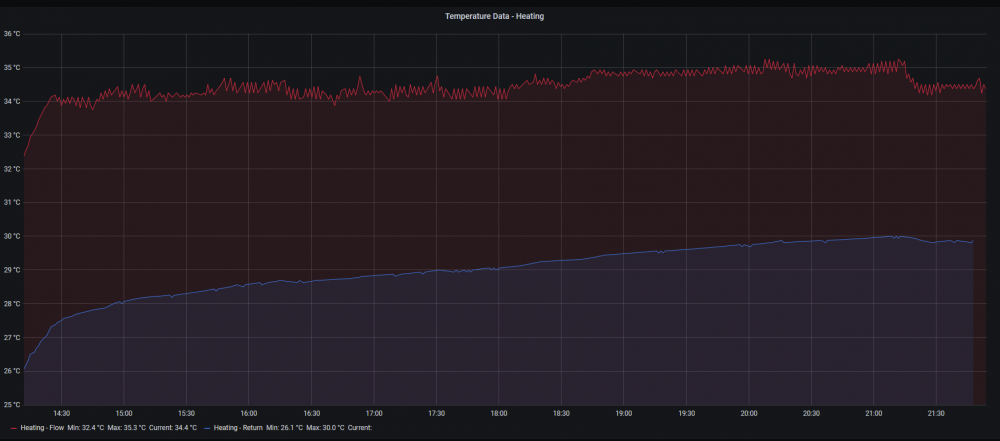
-
Glad to hear you weren't serious about it too
-
They won’t damage it and it is illegal to shoot any bird (except under certain general license conditions, etc) personally I find it depressing and reflects poorly on our species that the response is “kill everything”. We share this planet, remember...
-
Right - made time to get Garfana up on my Raspberry Pi. The flow 1-Wire sensors are in the loft, so we have data now ?:
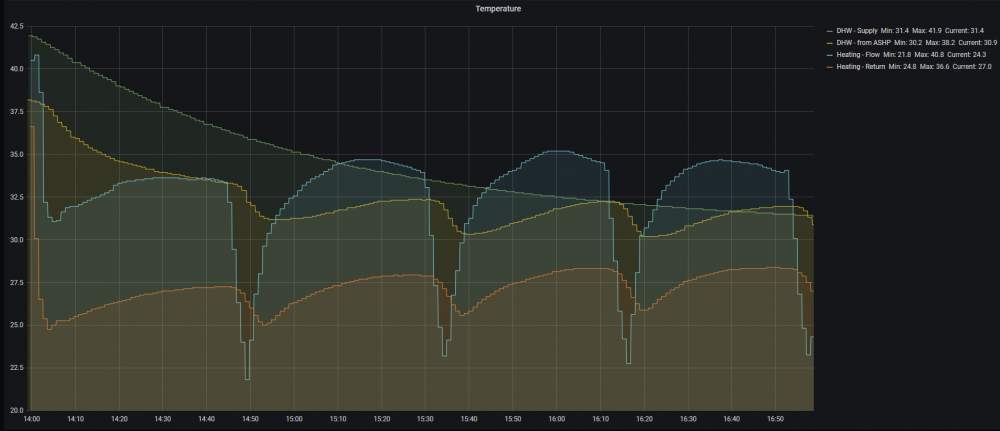
-
Bad Airtightness Test Result
andy replied to AliG's topic in Mechanical Ventilation with Heat Recovery (MVHR)
Illbruck FM330? -
Bad Airtightness Test Result
andy replied to AliG's topic in Mechanical Ventilation with Heat Recovery (MVHR)
What's done on my house to warmcell (airtight layer is outside) is 100mm hole saw through plasterboard (before plastering), then cut 200x50mm strips of 6mm or so plywood and push that through the hole so it overlaps. Then drywall screw that plywood so it spans the hole along with one or two screws to hold the original plasterboard disc in place, et voila! Scrim tape over when it comes to plastering. I did hundreds of them... -
I would (and have) run CAT6 (and CAT6a where I am running external PoE, not 6a everywhere) structured cabling back to 2 patch panels. I did consider fibre but decided just running some ducts was more sensible instead. One thing I underestimated considerably was service void requirements - if I was doing this again I would cater good size separate voids to run plumbing, electrics and network in along with spare ducting too. In my case it's compounded by my radial distribution for both all plumbing and electics so the amount of crap running about is crazy... Drop unused CAT6 into walls behind where you might need it in future (every corner?) and/or empty ducting will be sufficient I would think in addition what you'll actually have visible.
-
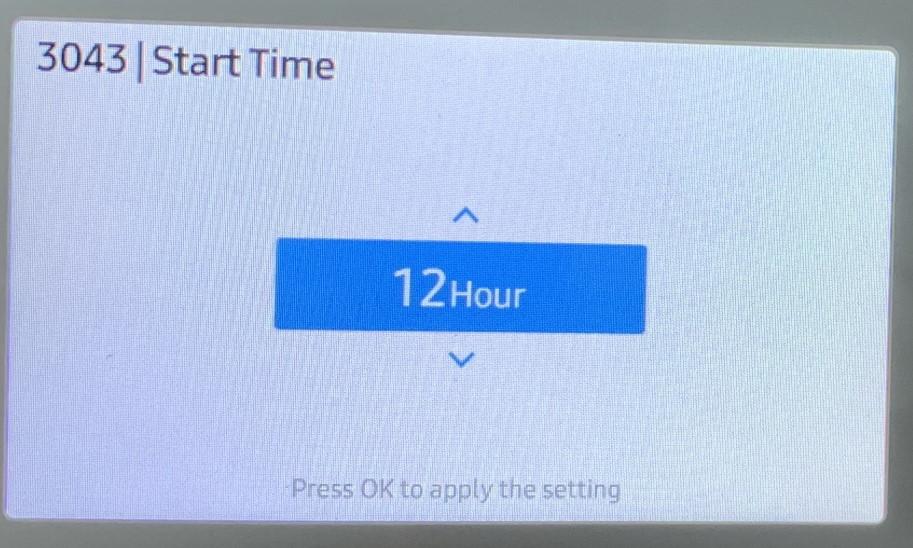
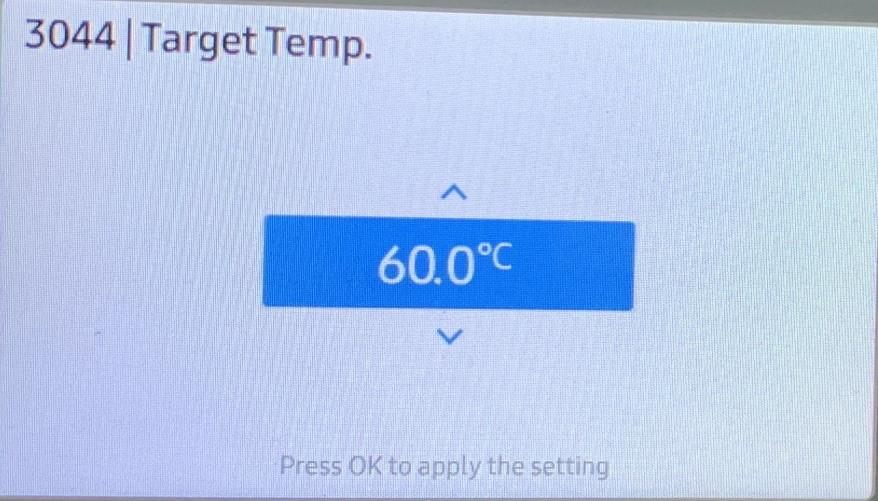
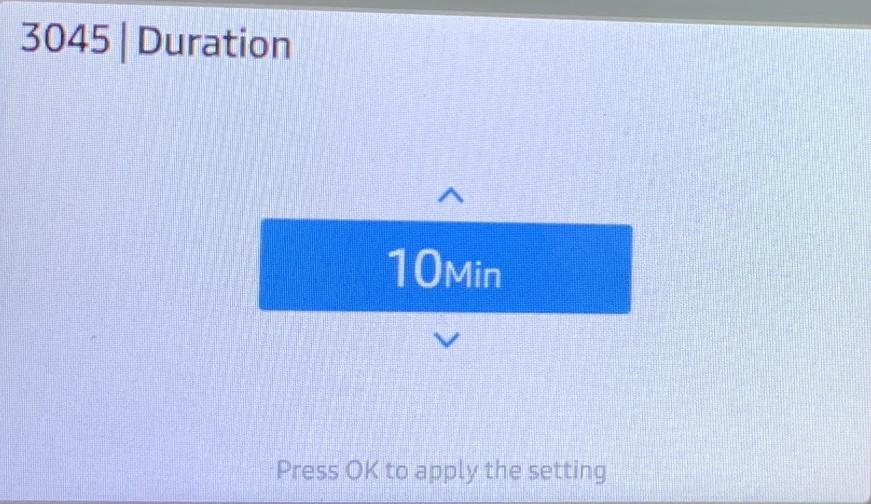
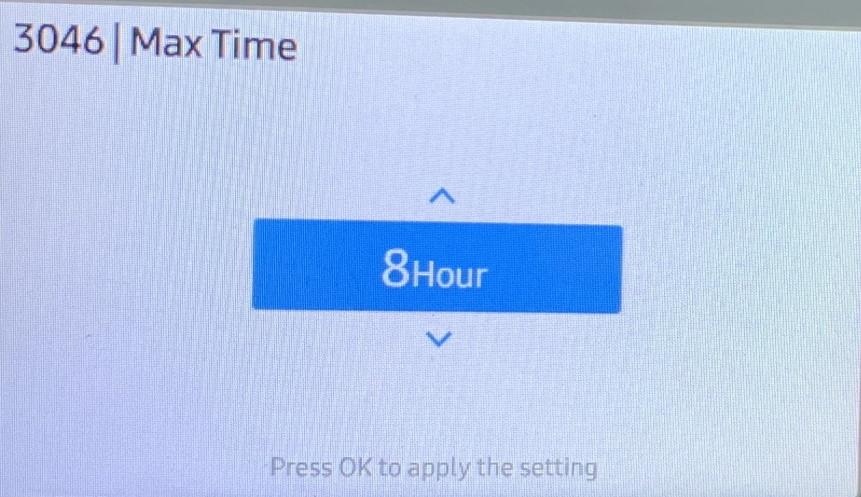
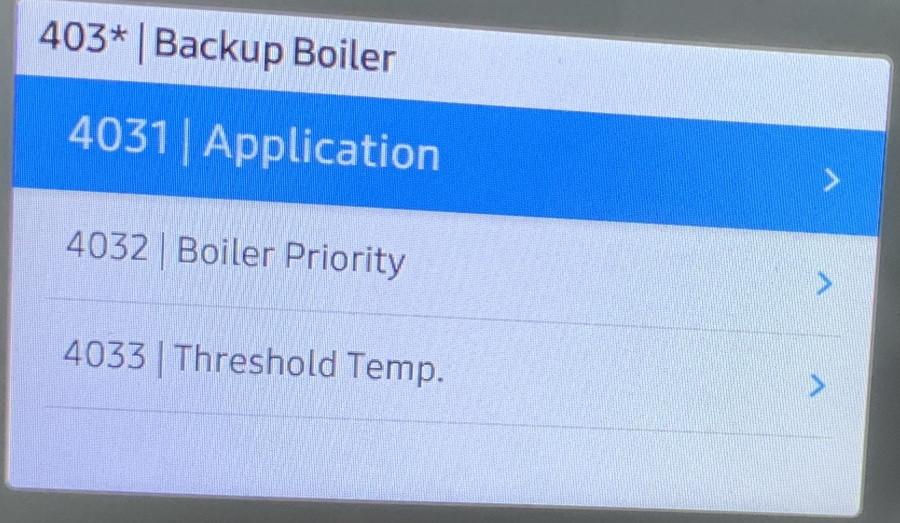
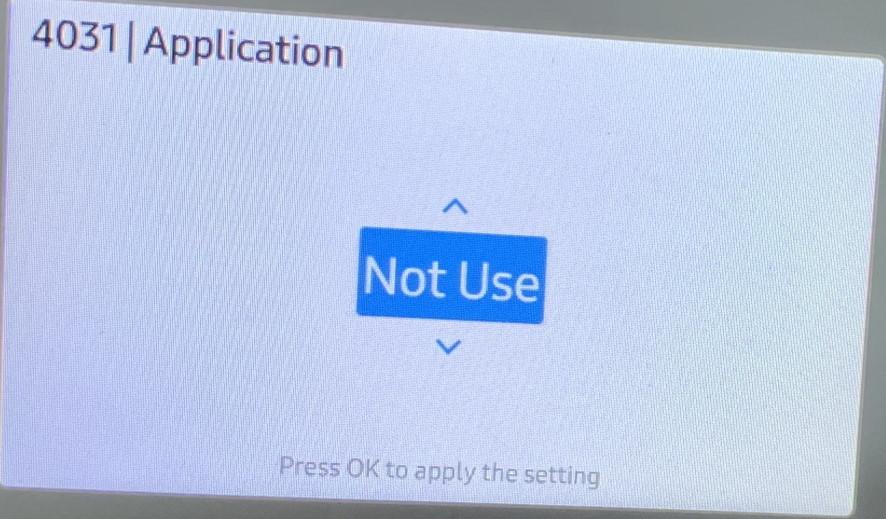
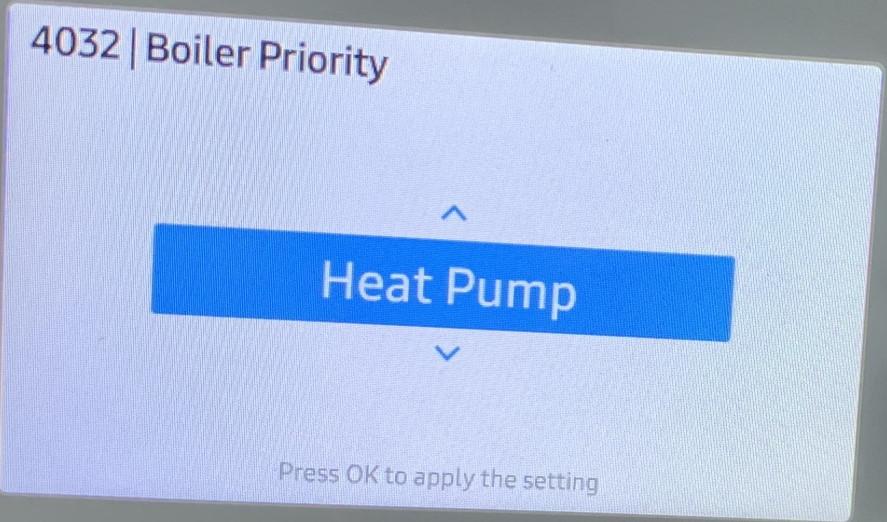
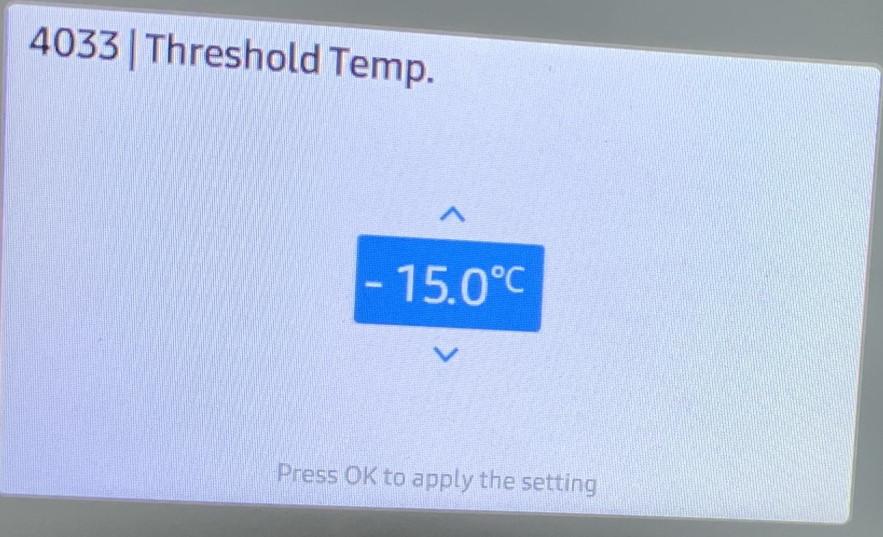
So, here you go - happy new year, here's my Samsung settings... sorry there are so many pics, did I mention I detest this controller?
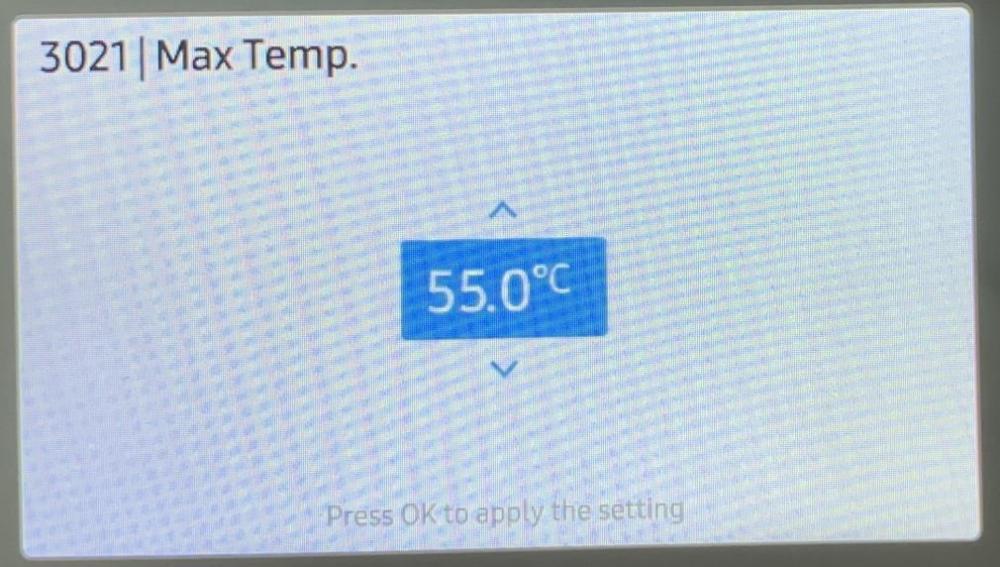
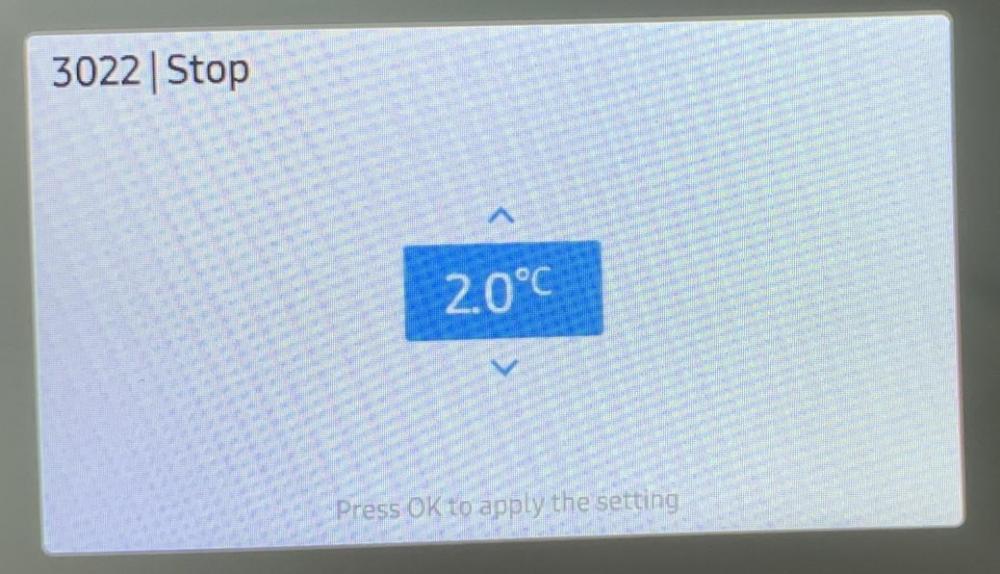
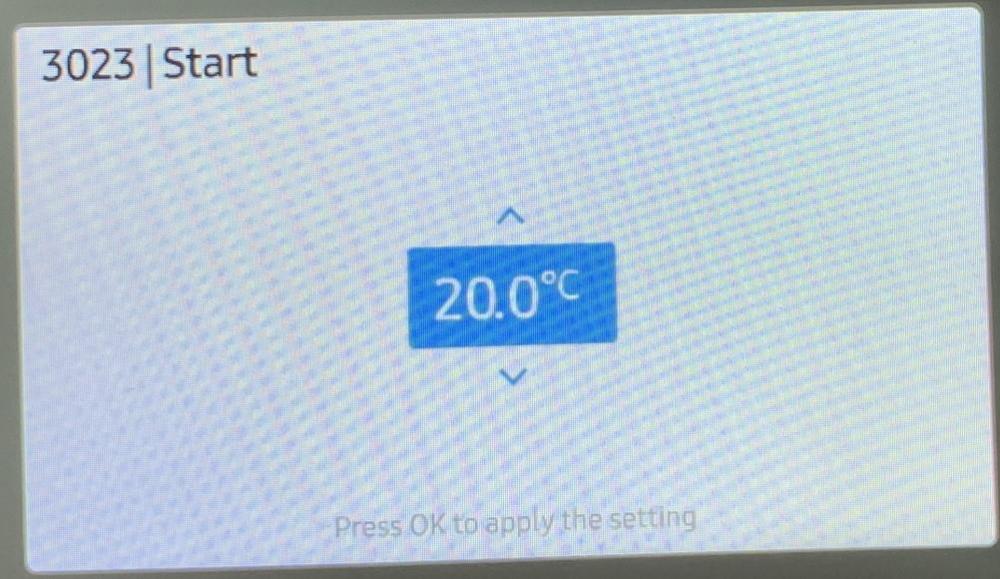
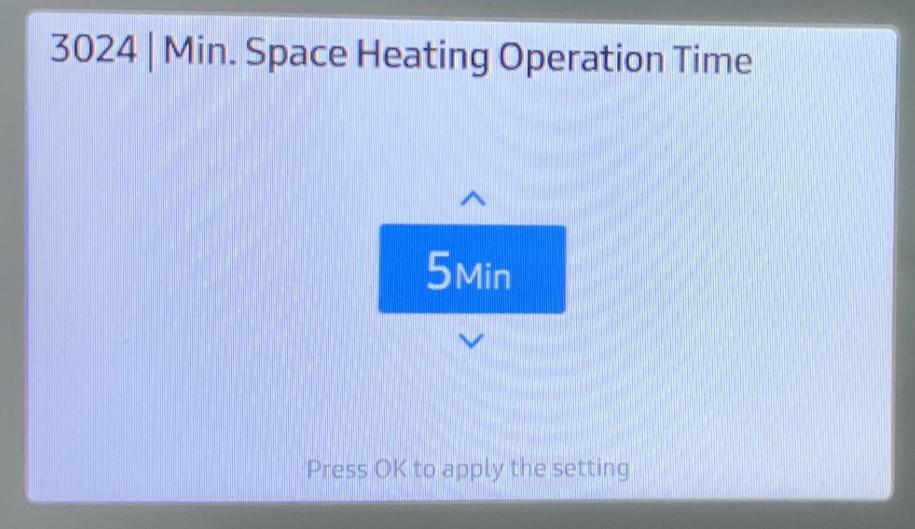
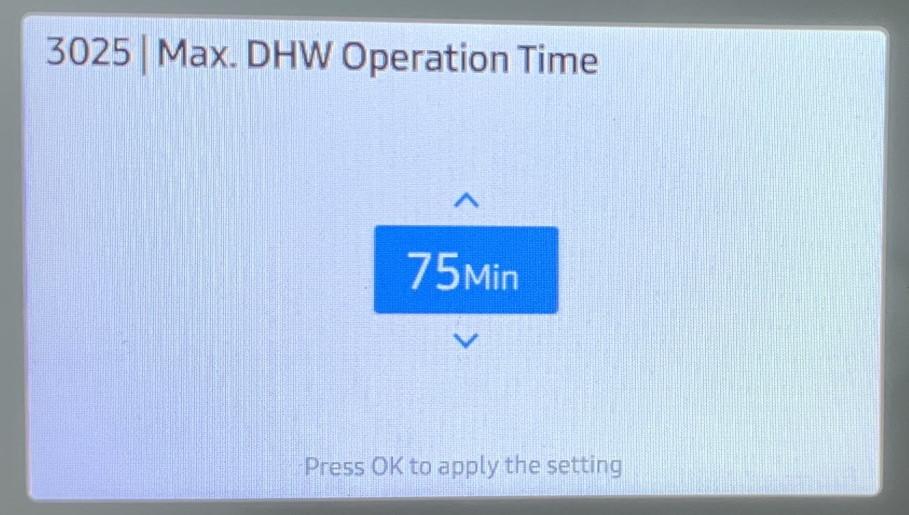
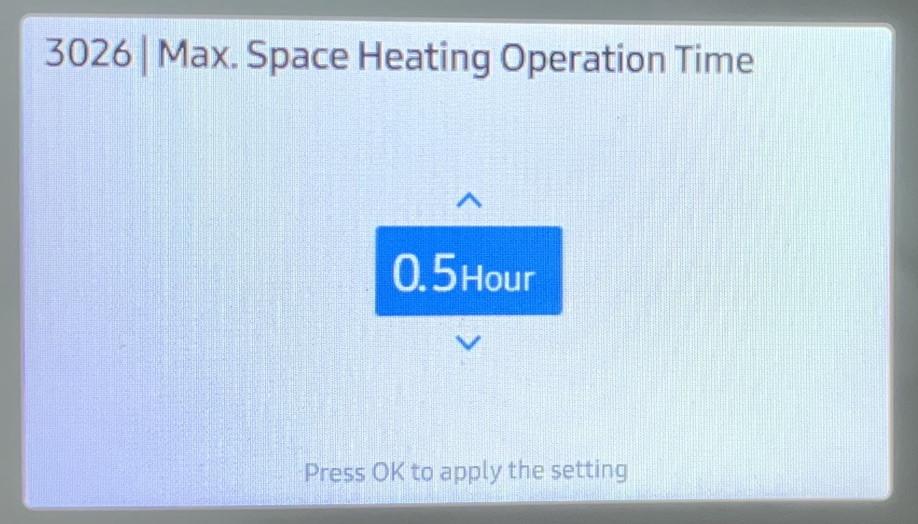
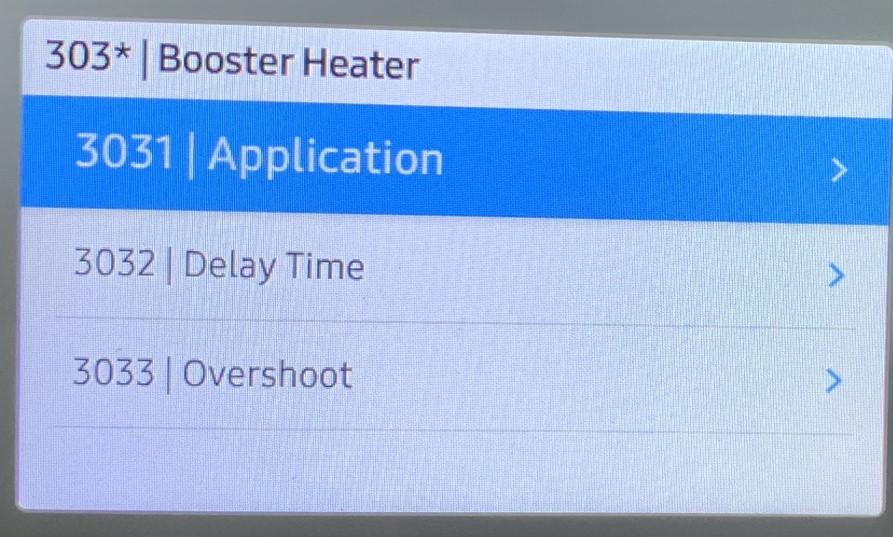
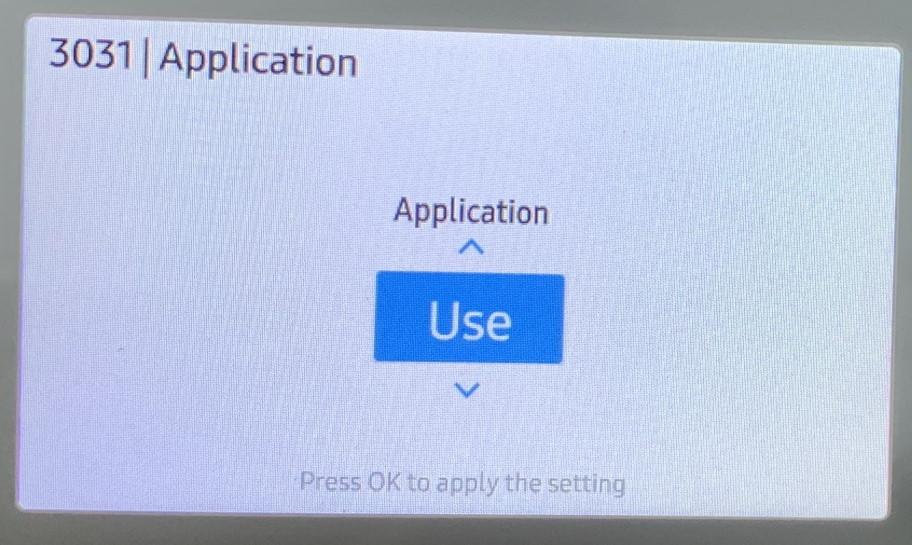
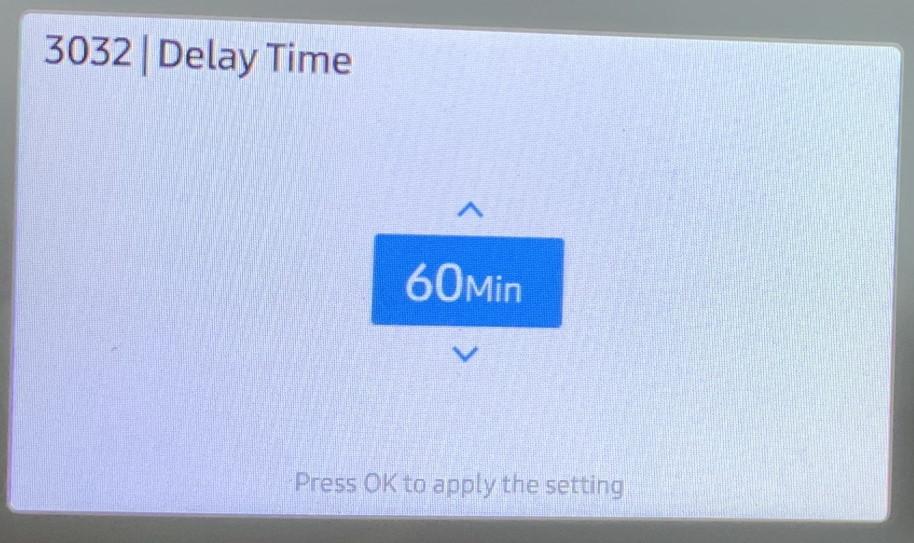
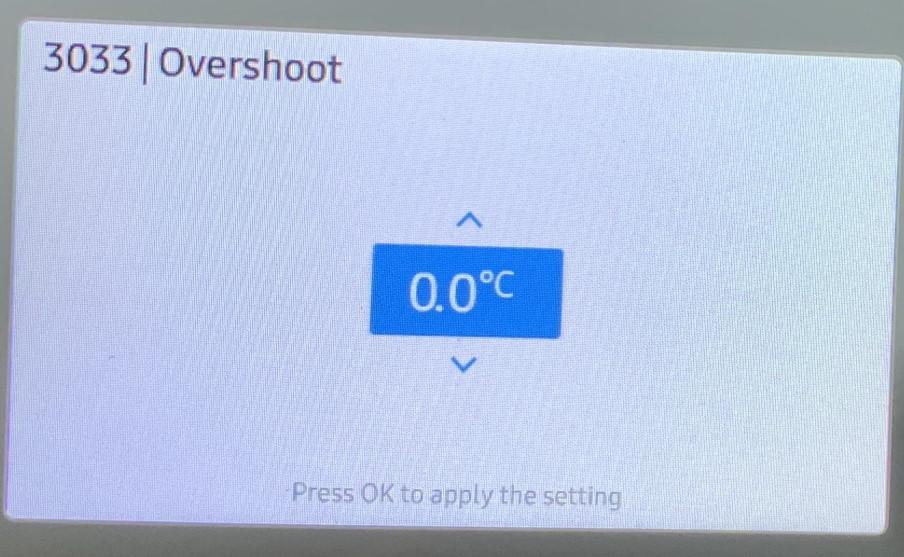
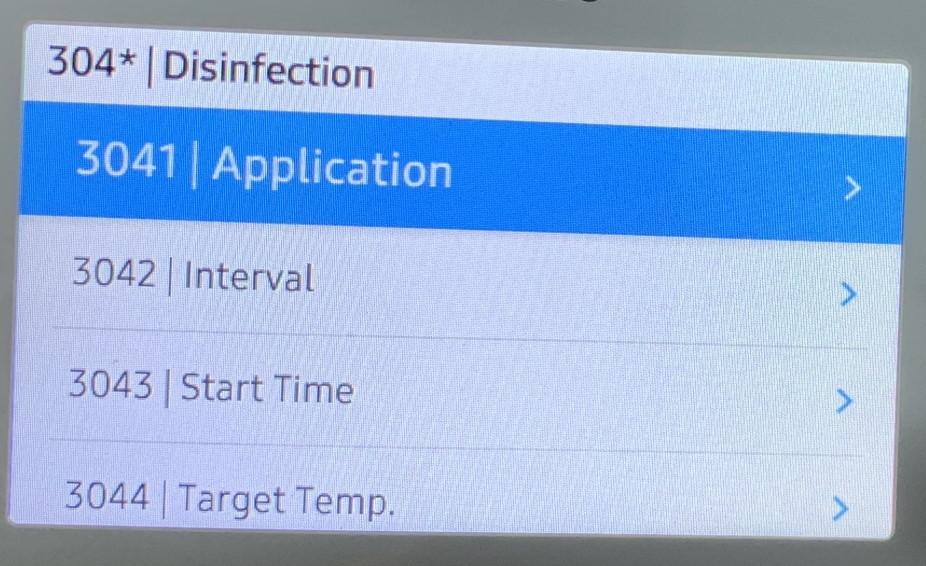
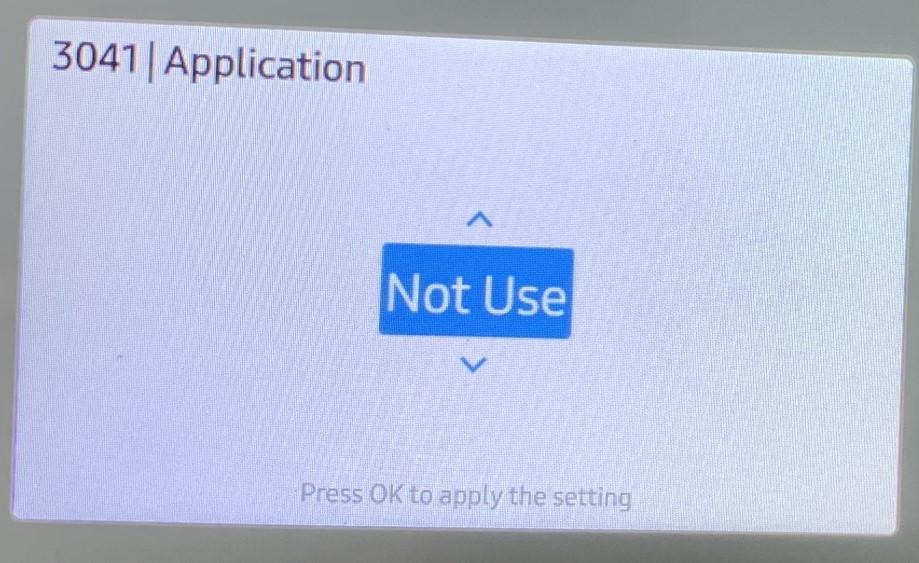
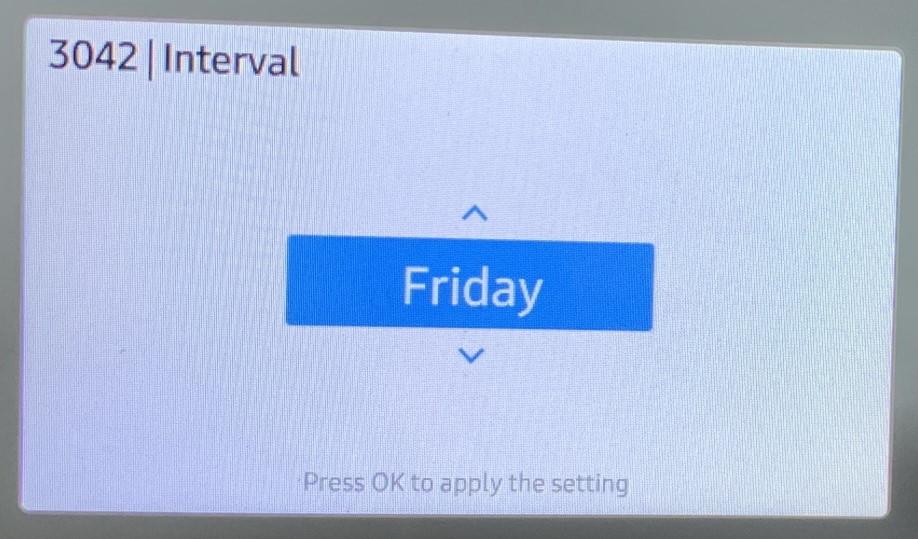
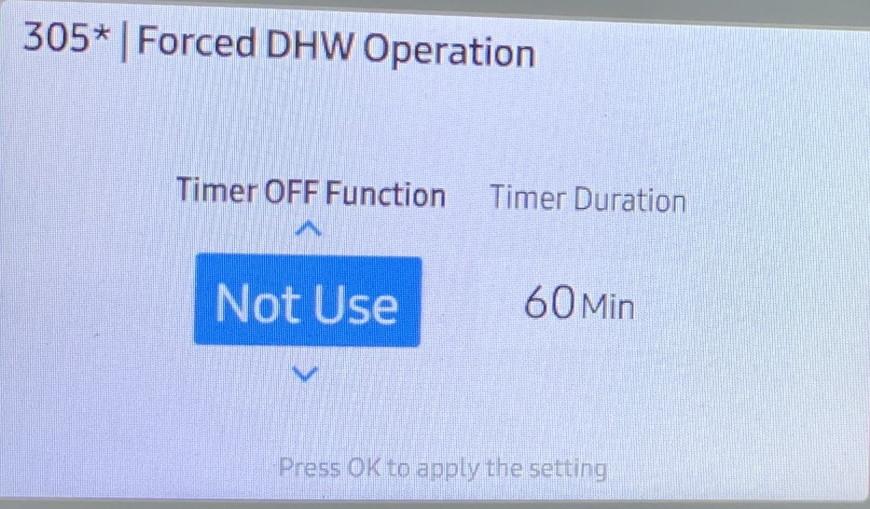
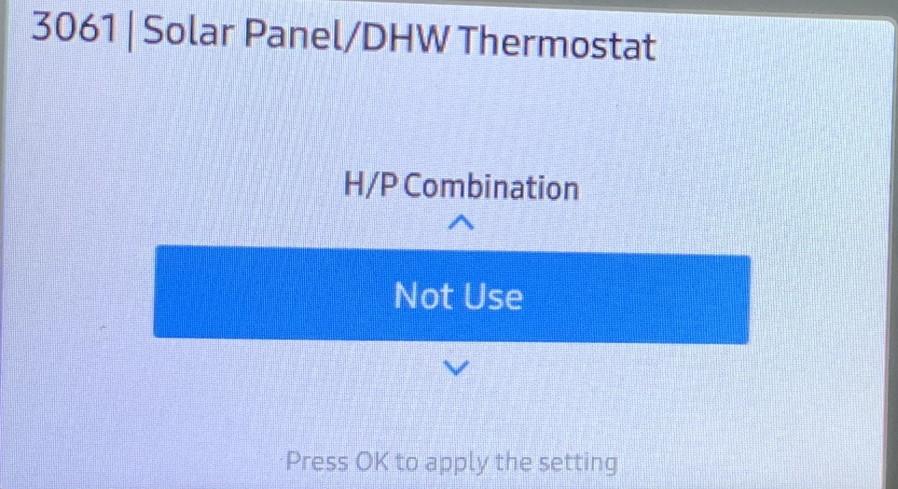
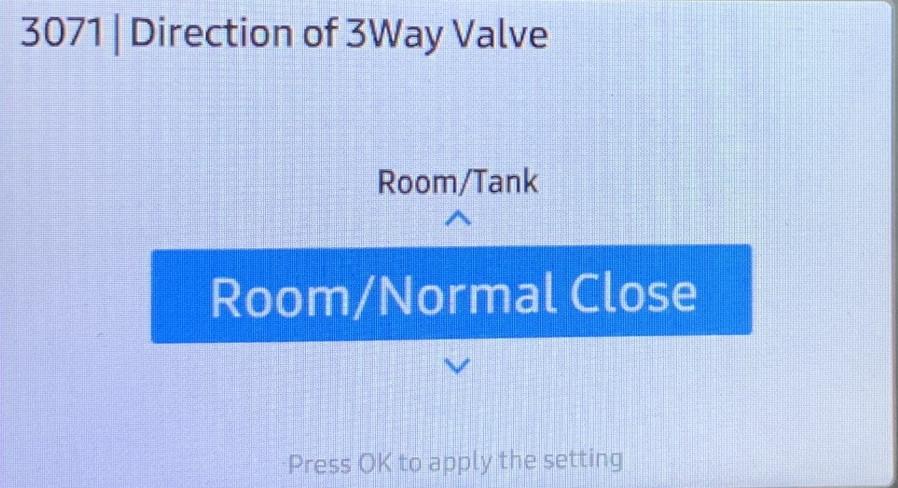
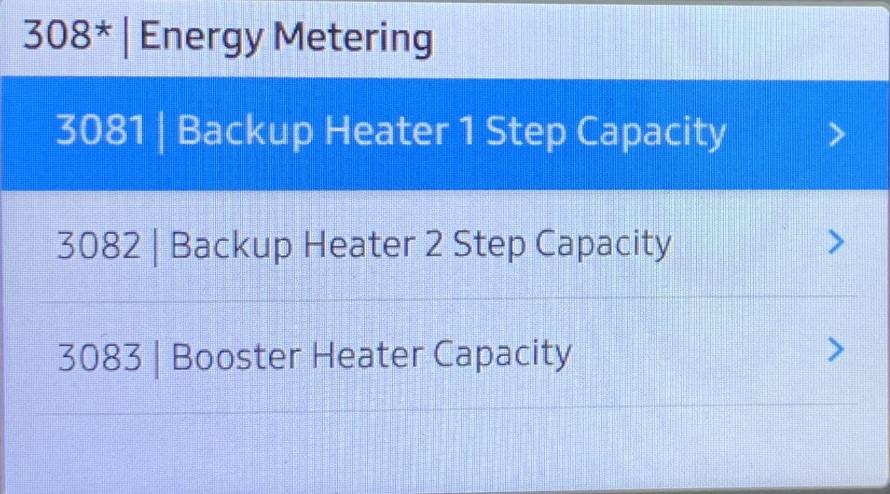
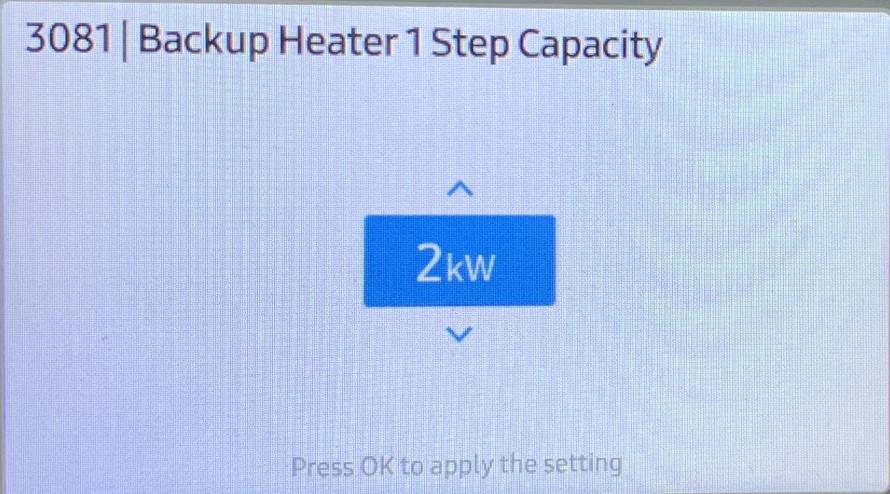
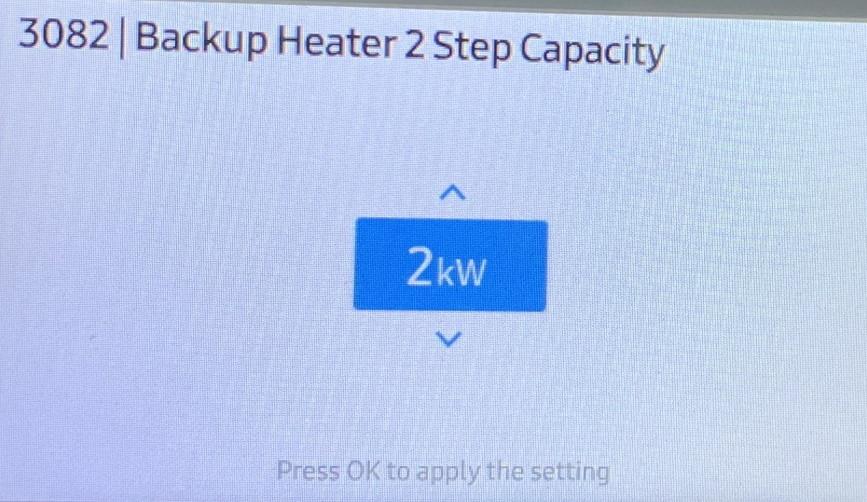
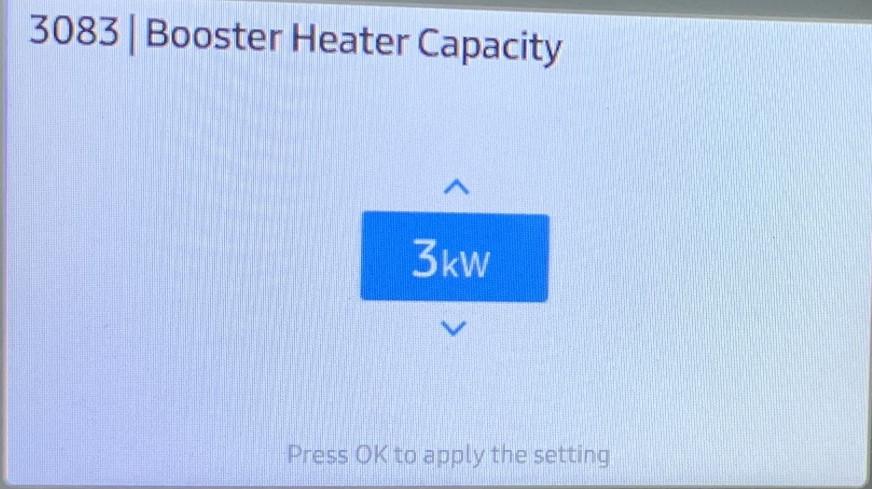
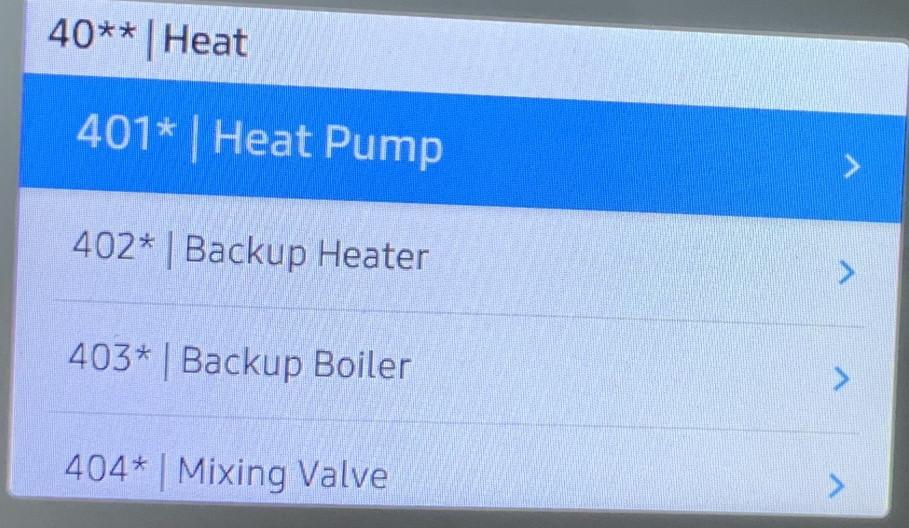
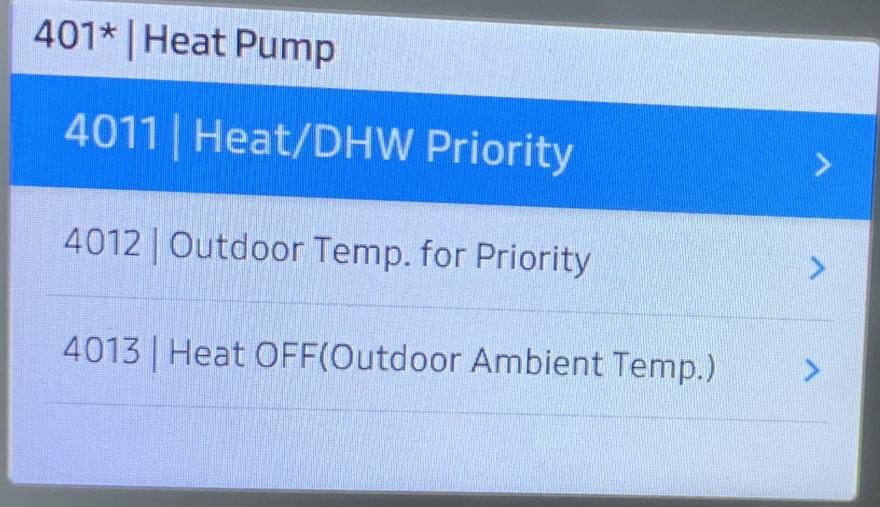
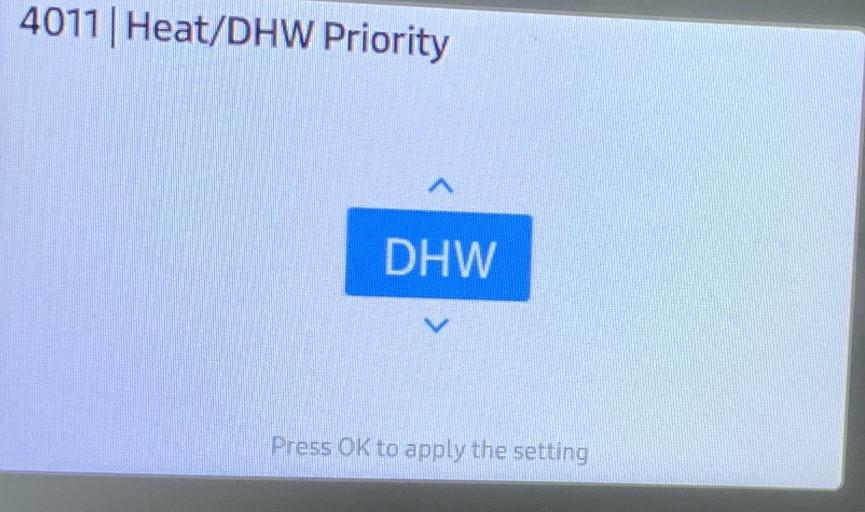
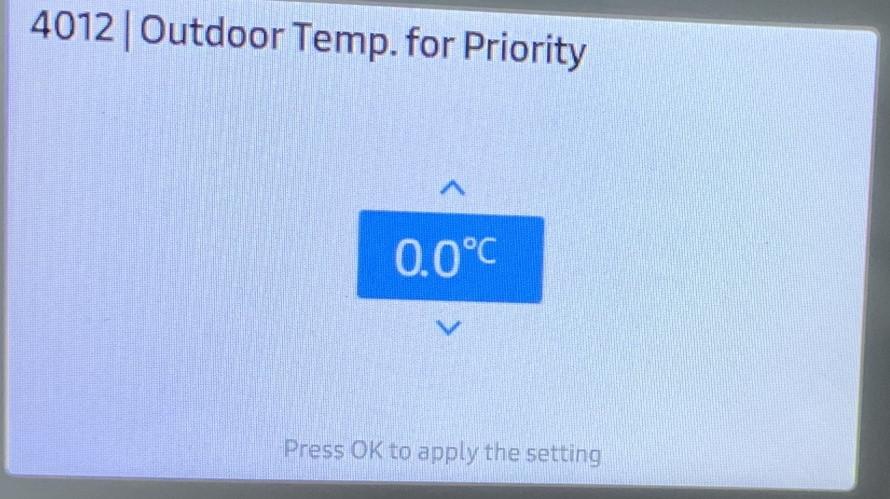
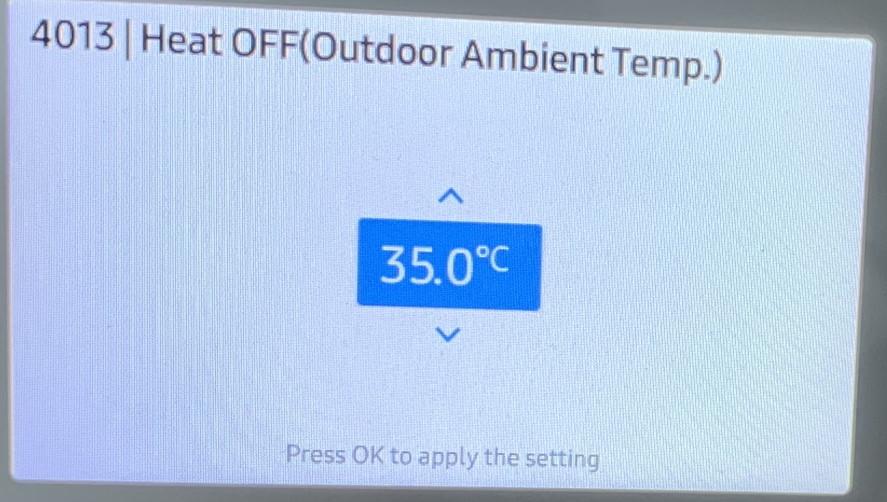
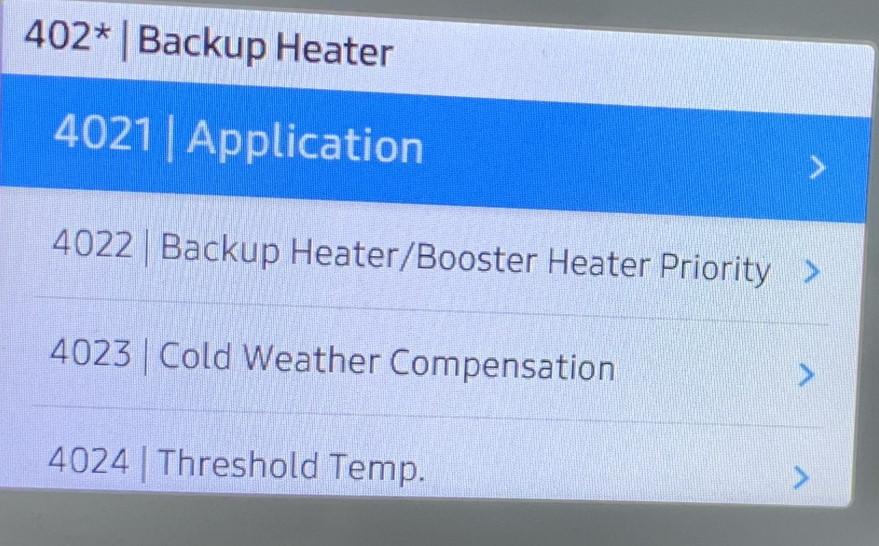
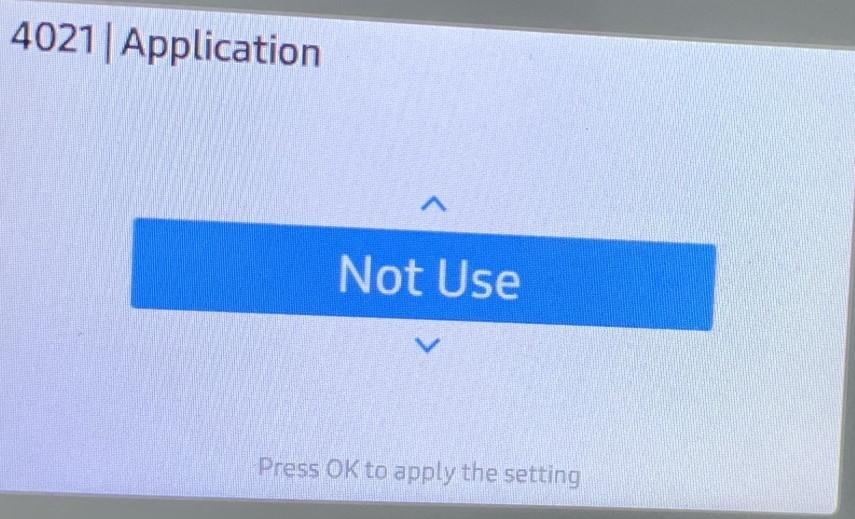
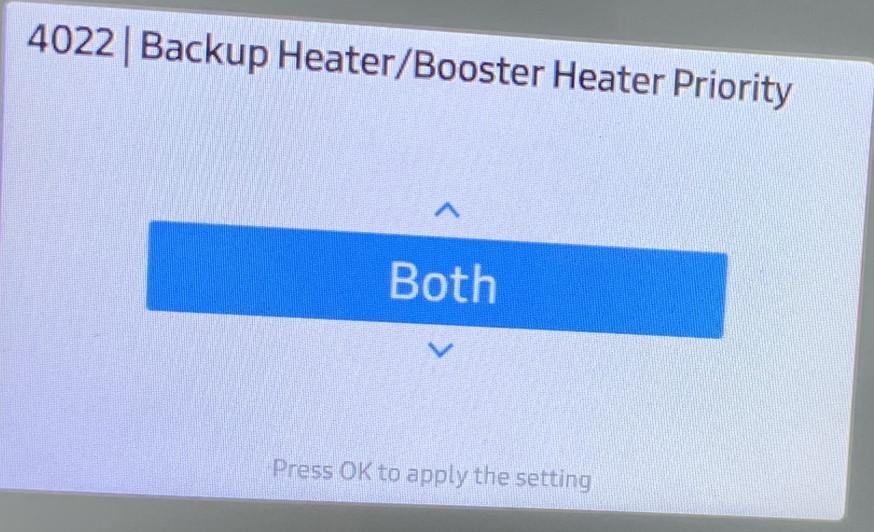
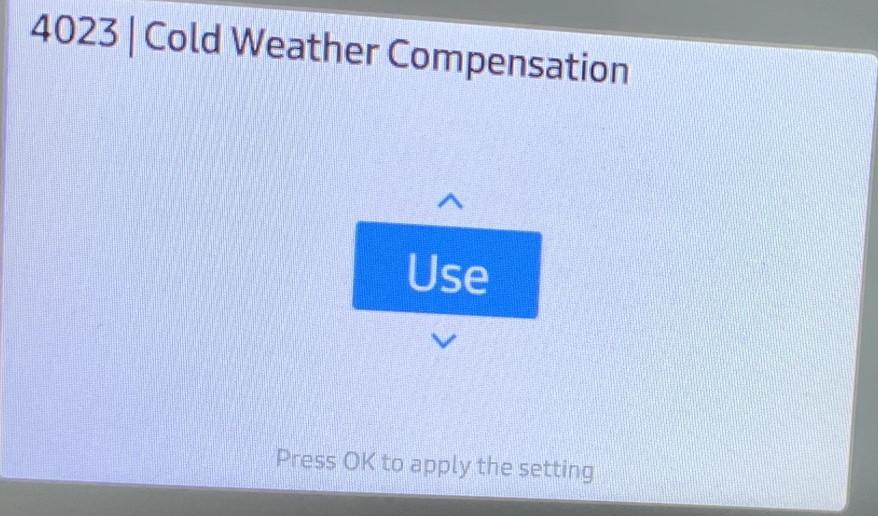
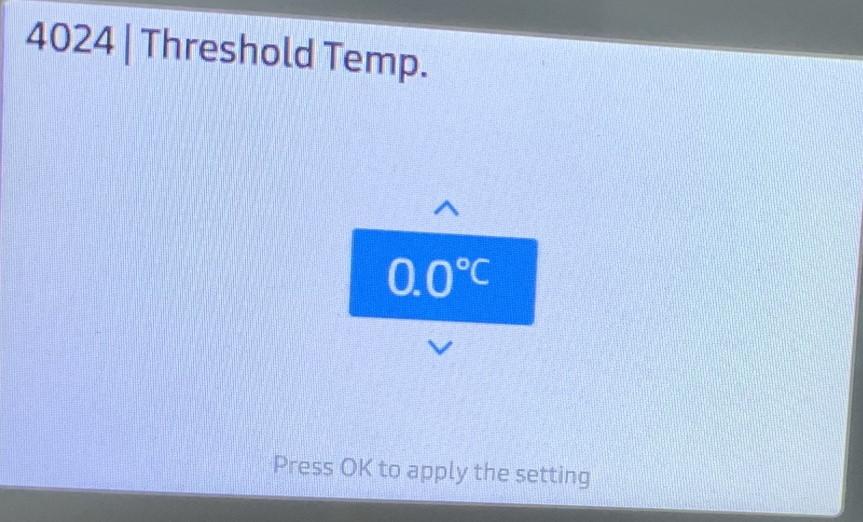
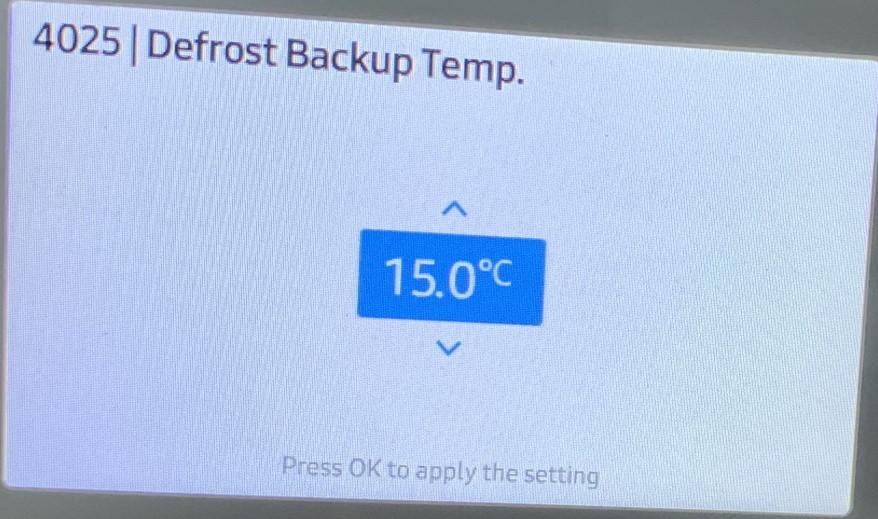
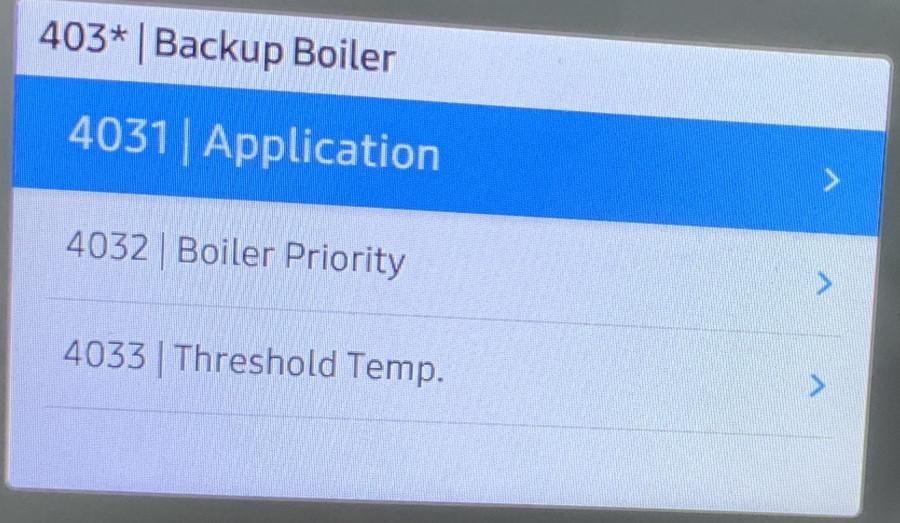
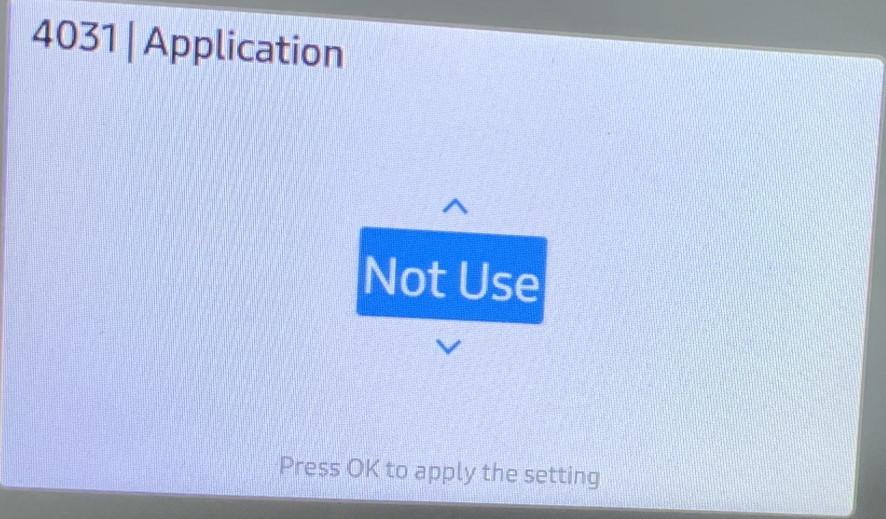
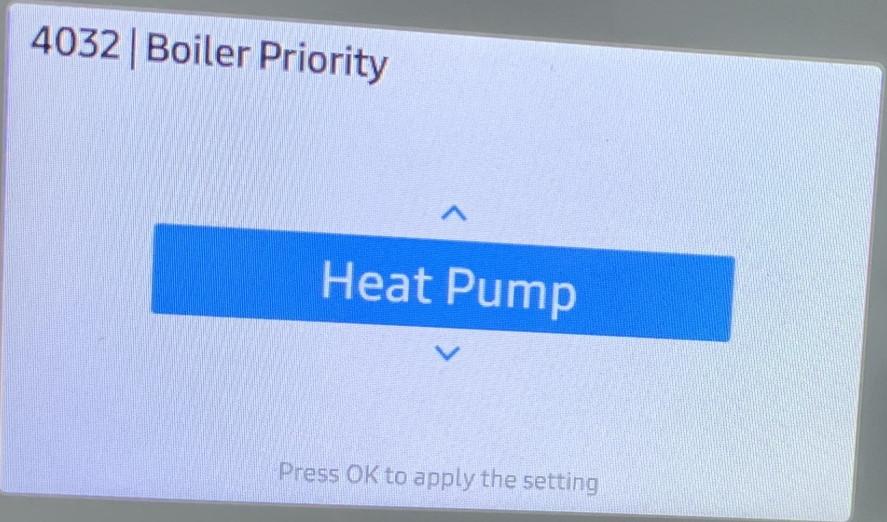
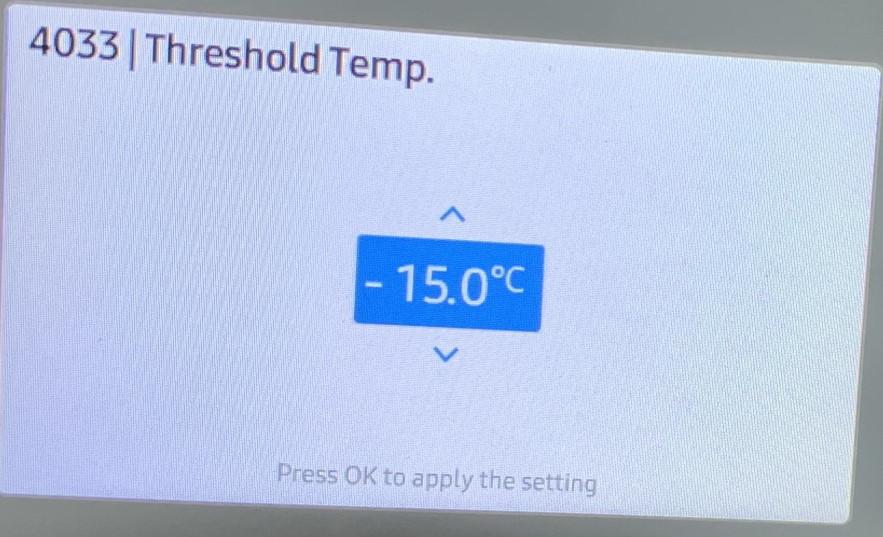
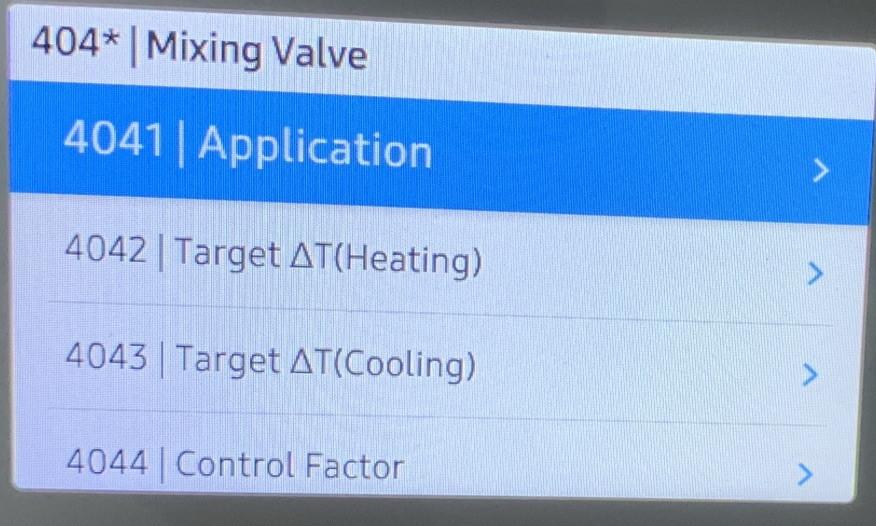
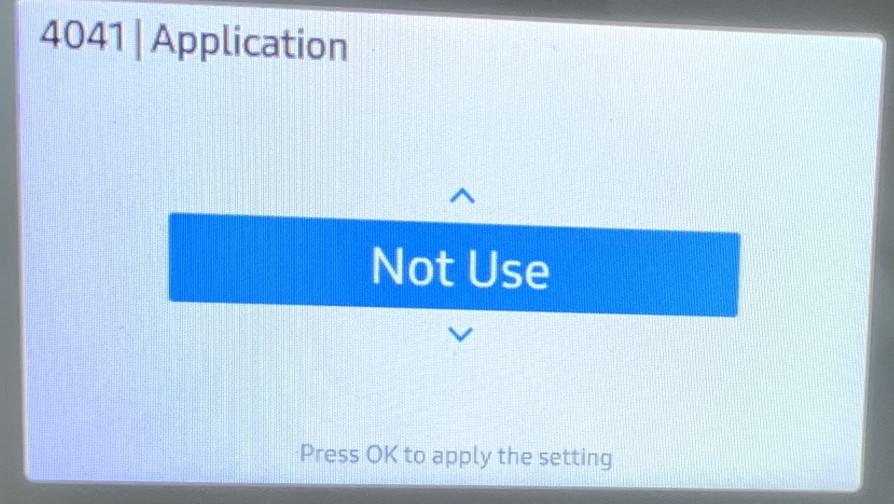
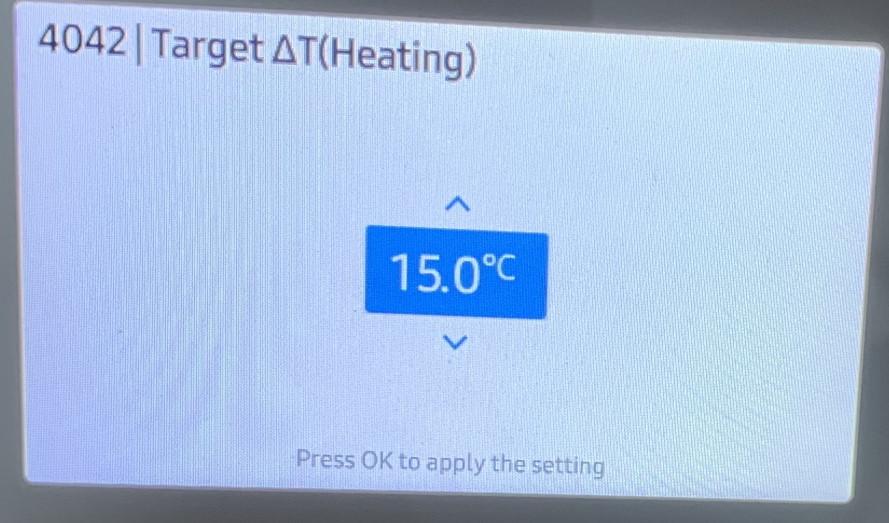
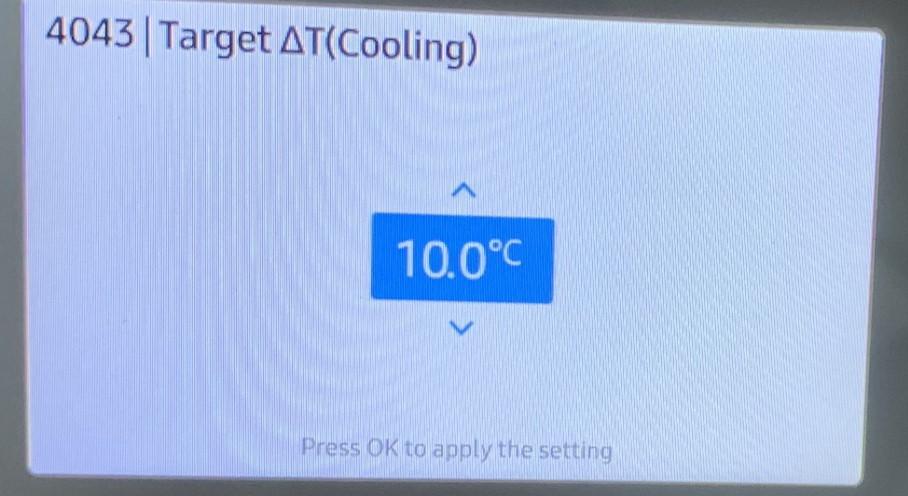
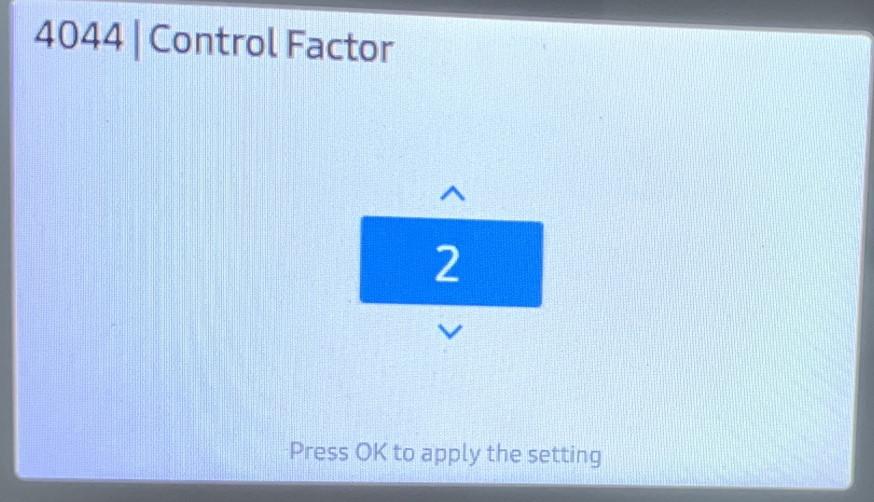
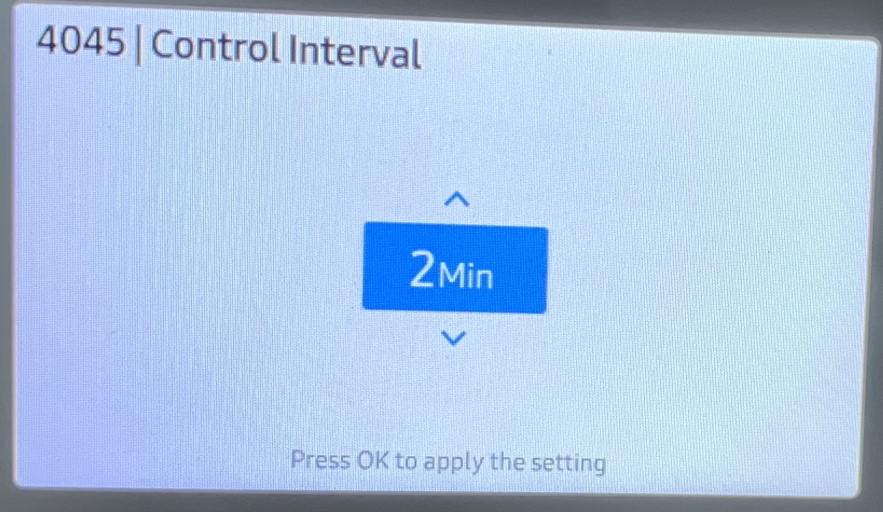
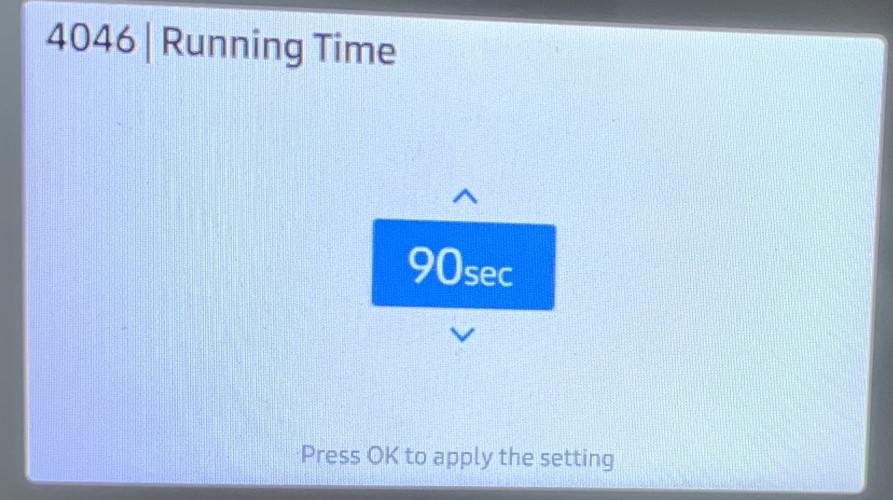
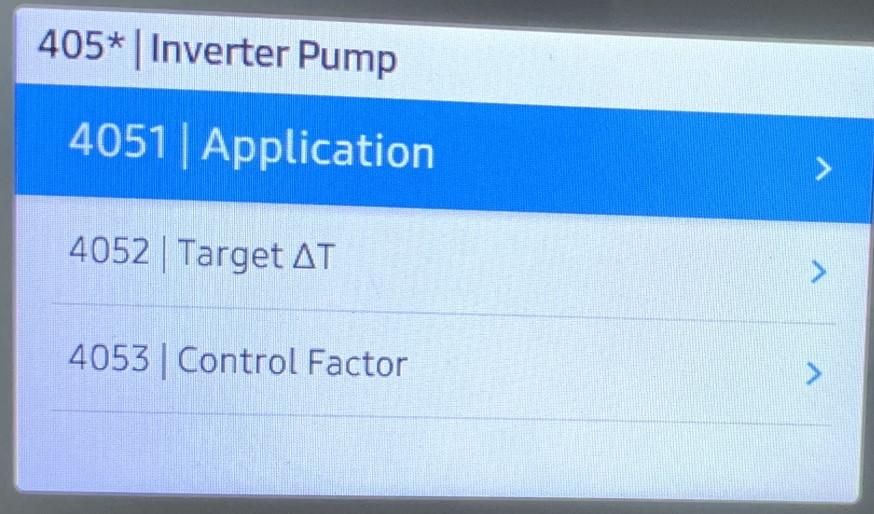
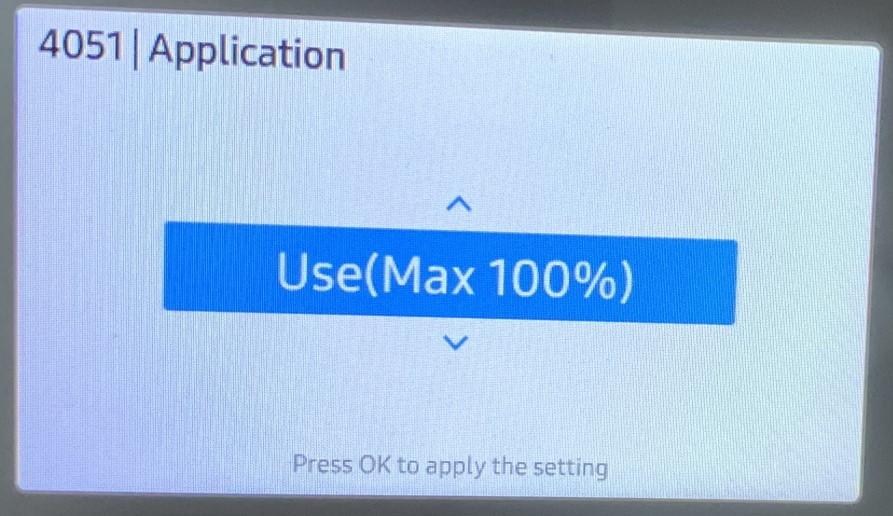
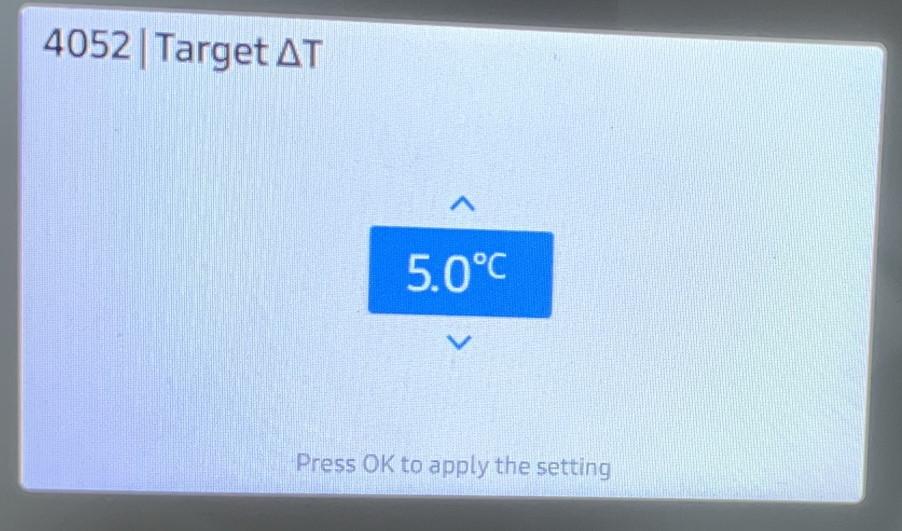
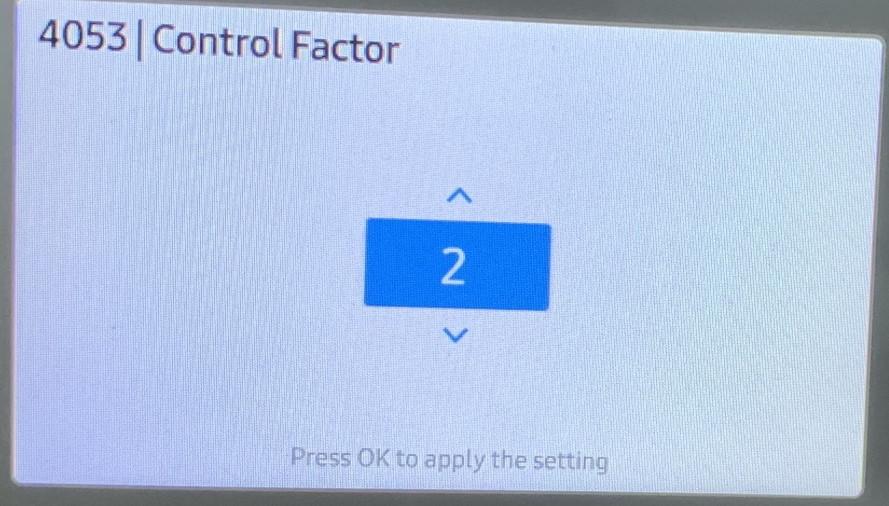
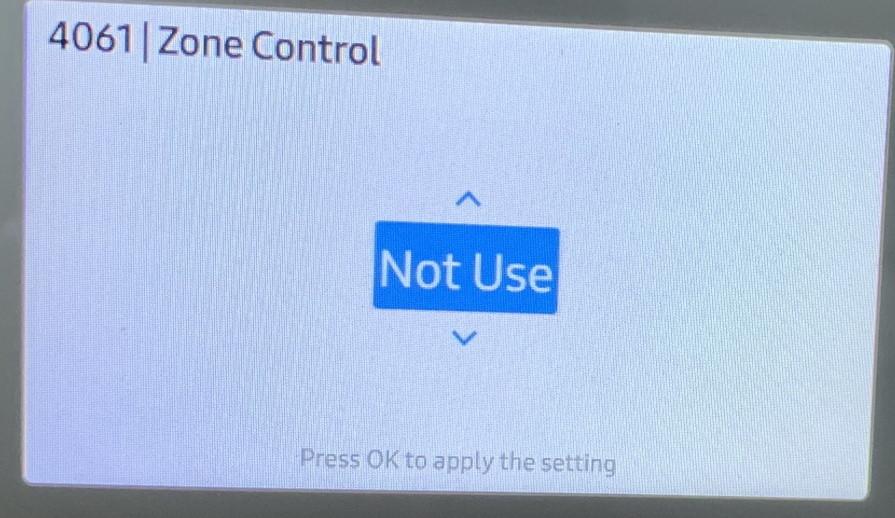
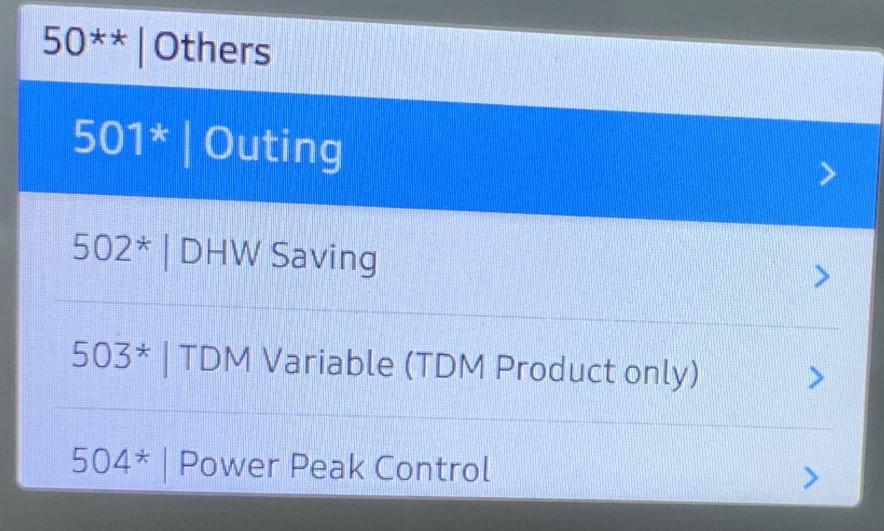
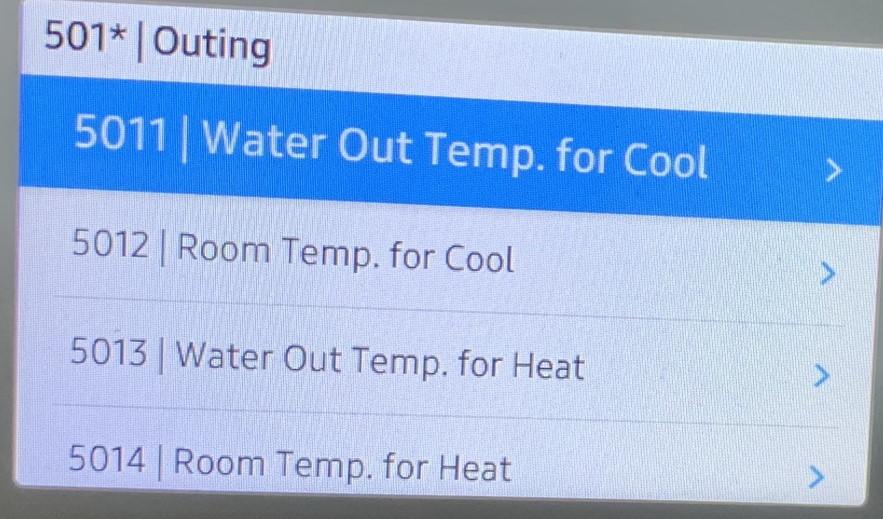
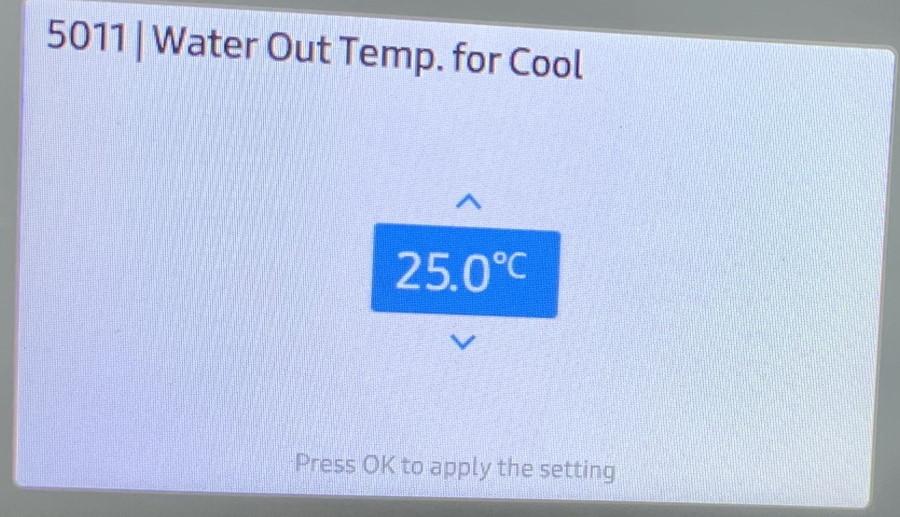
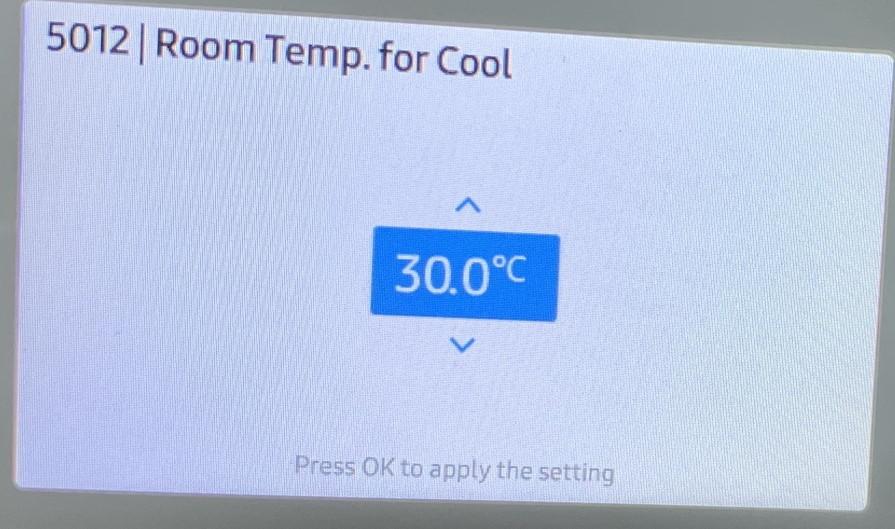
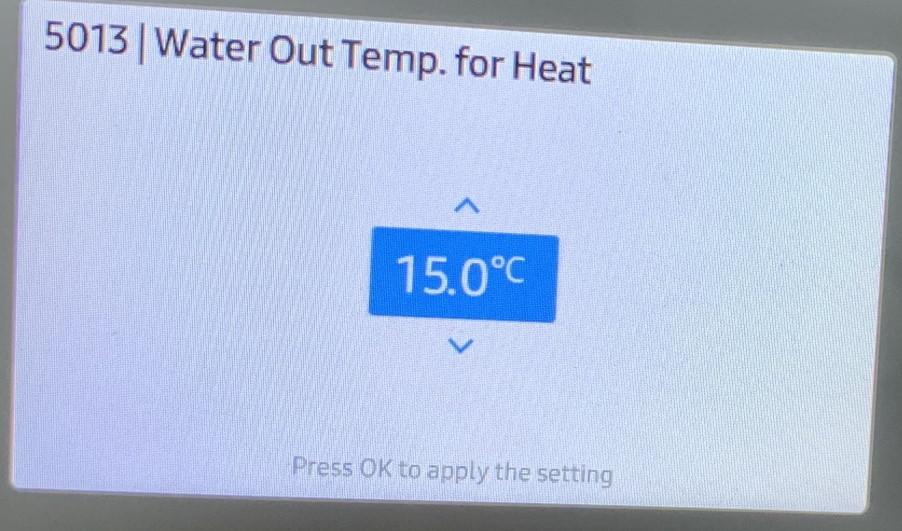
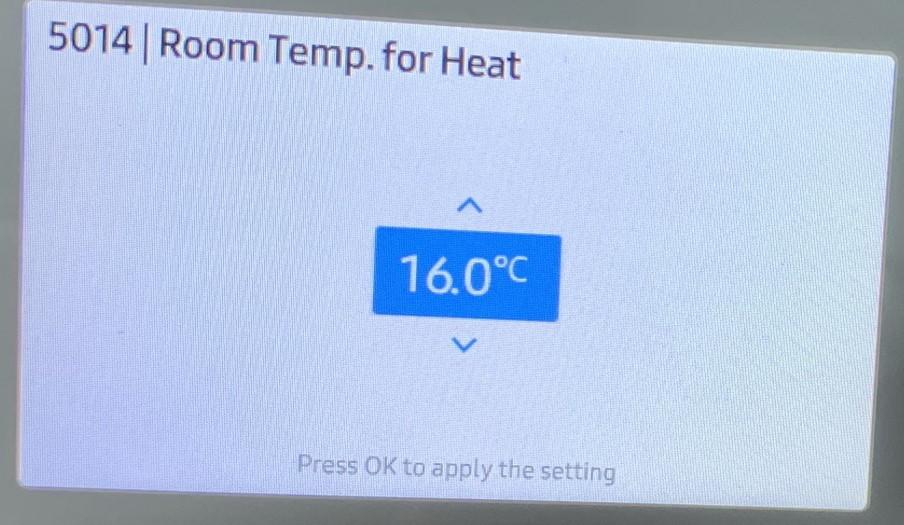
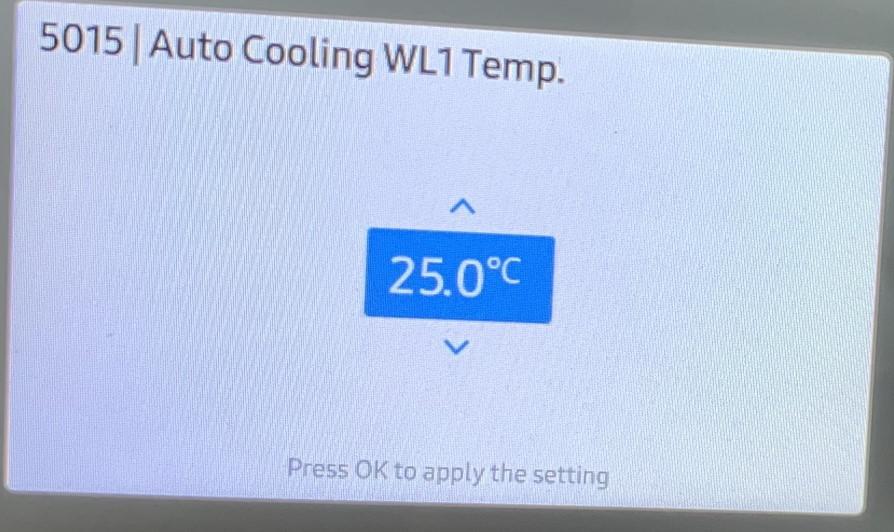
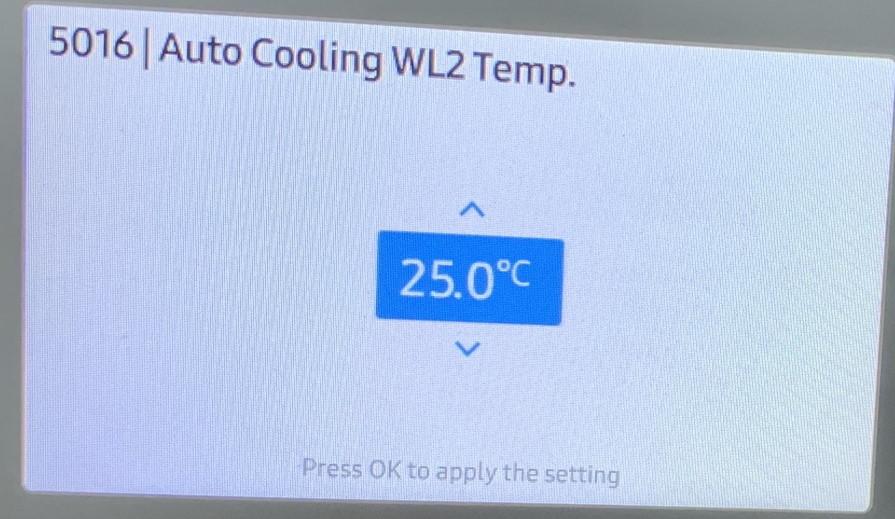
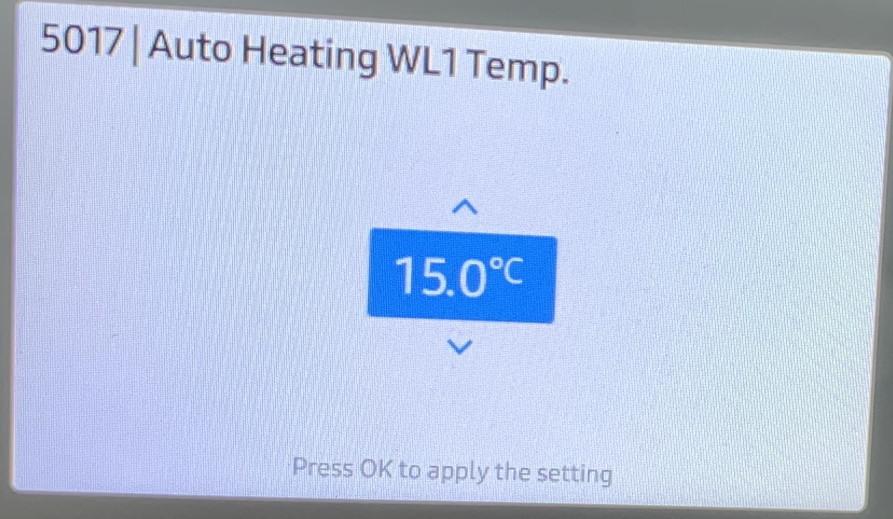
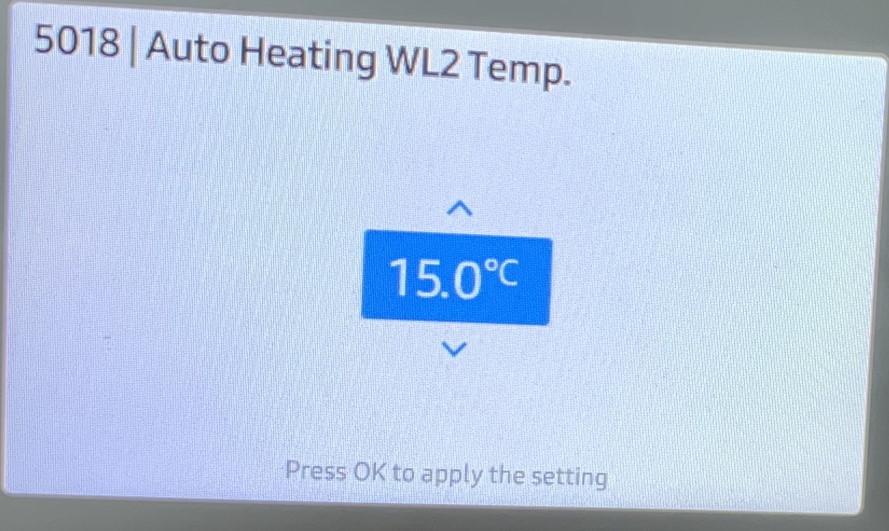
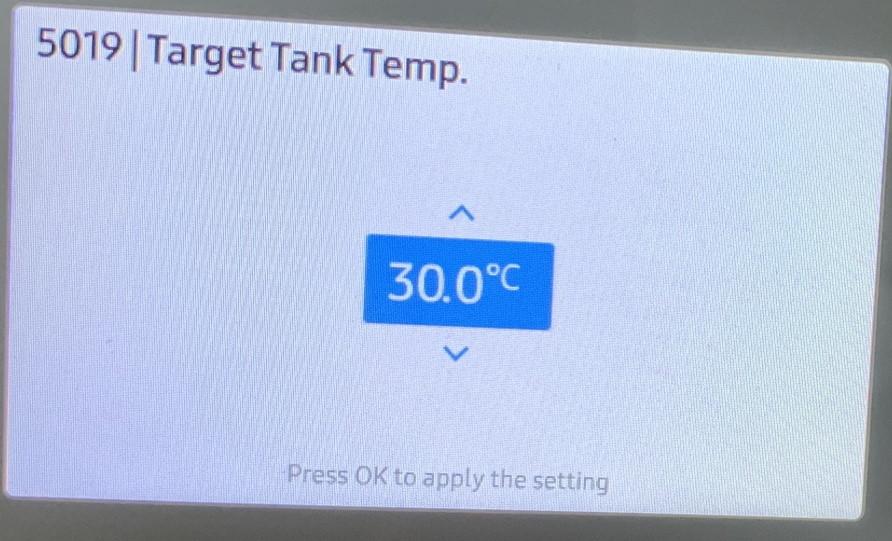
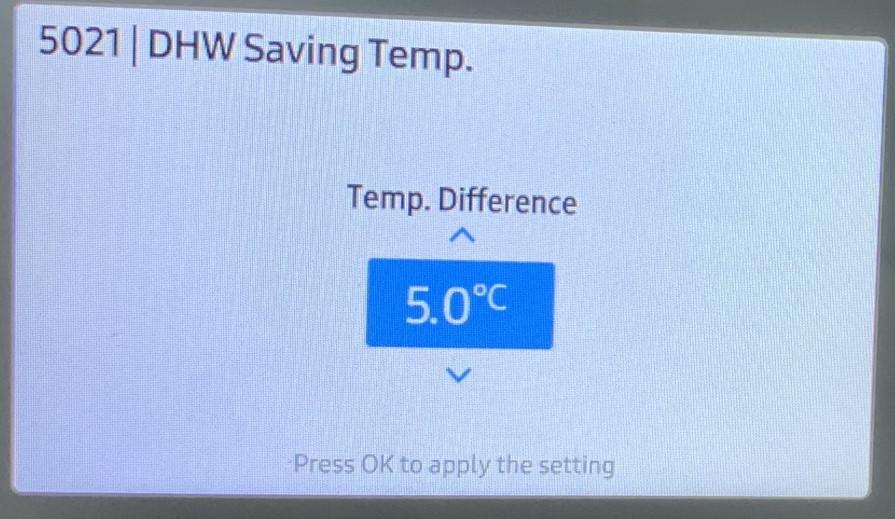
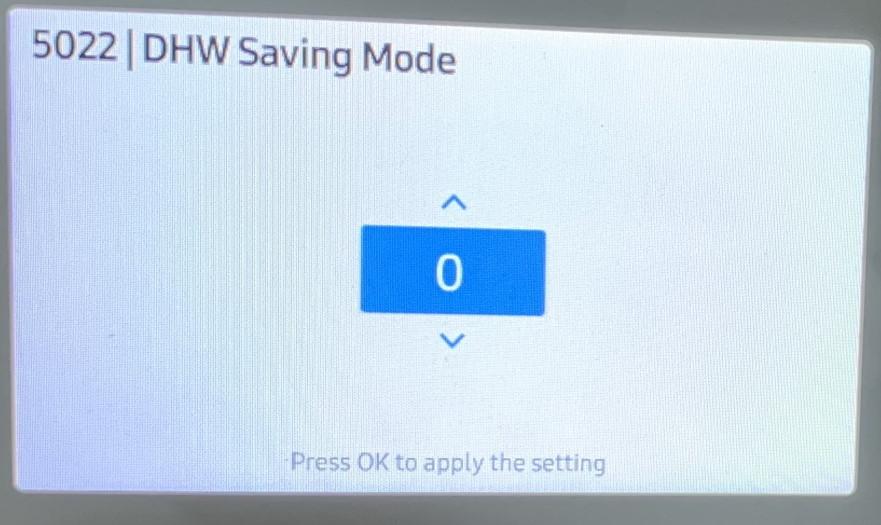
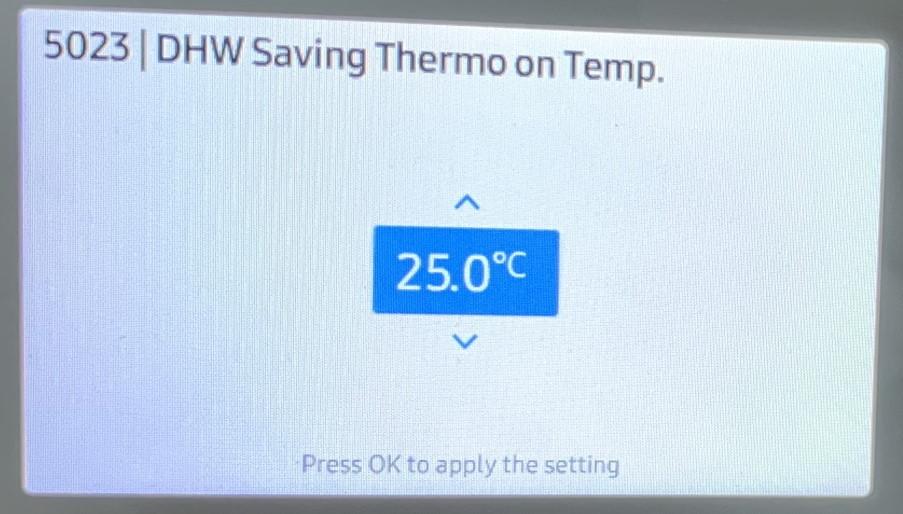
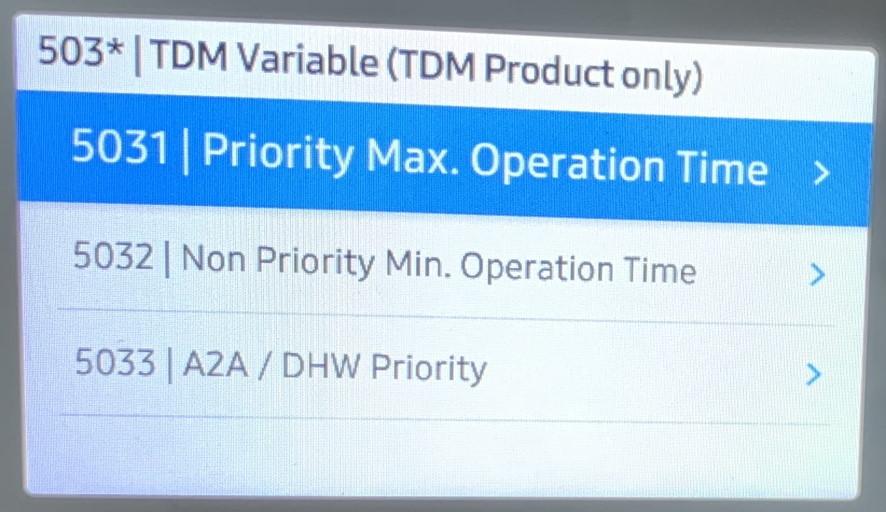
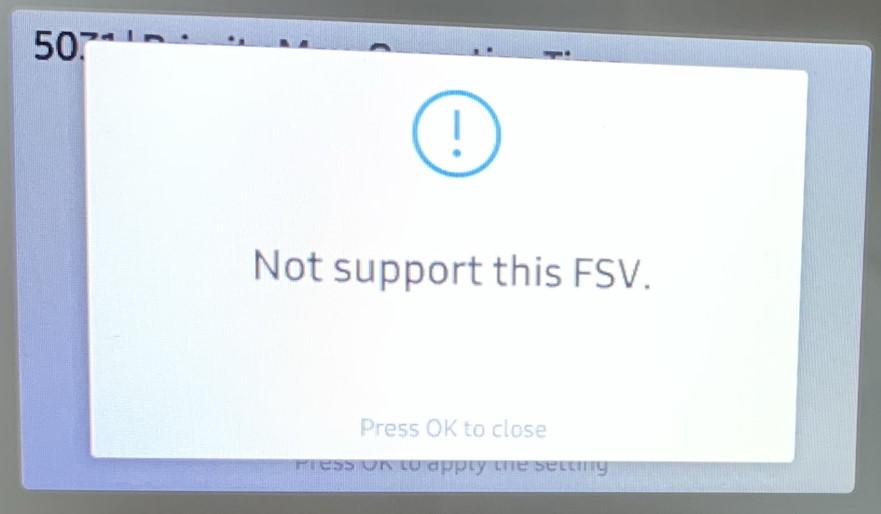
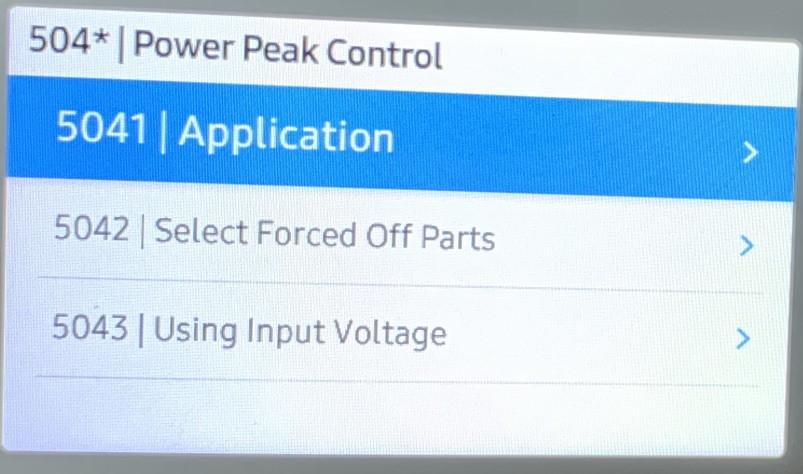
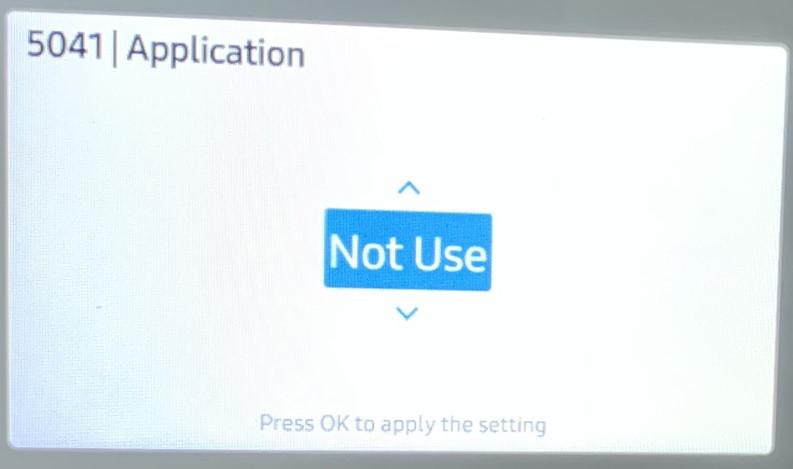
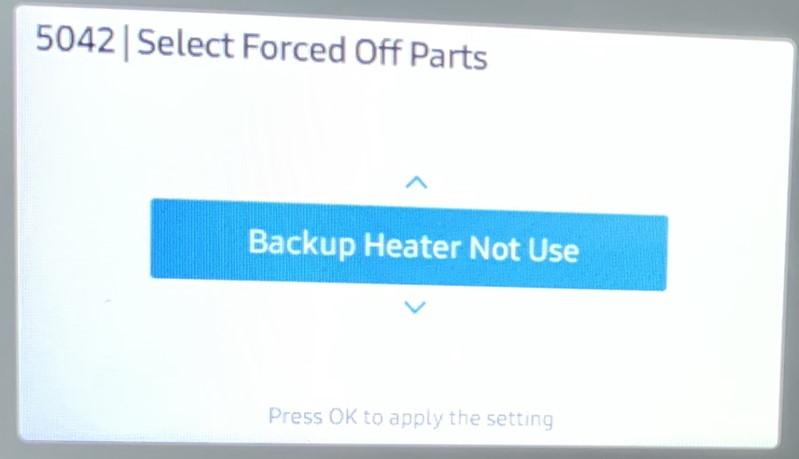
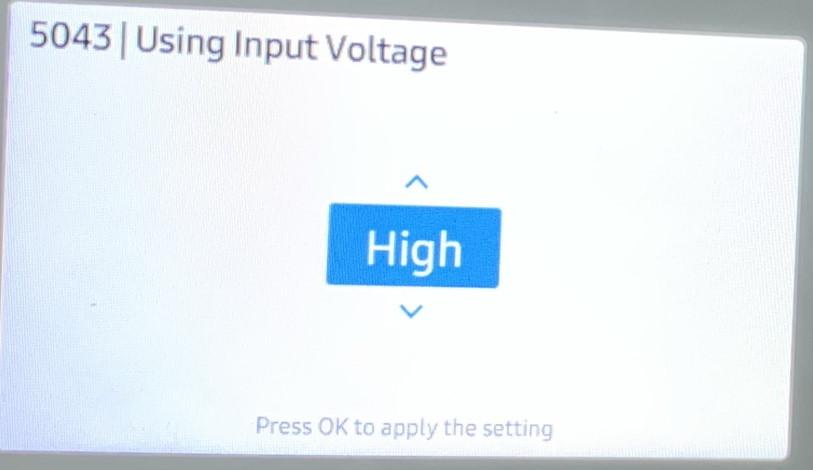
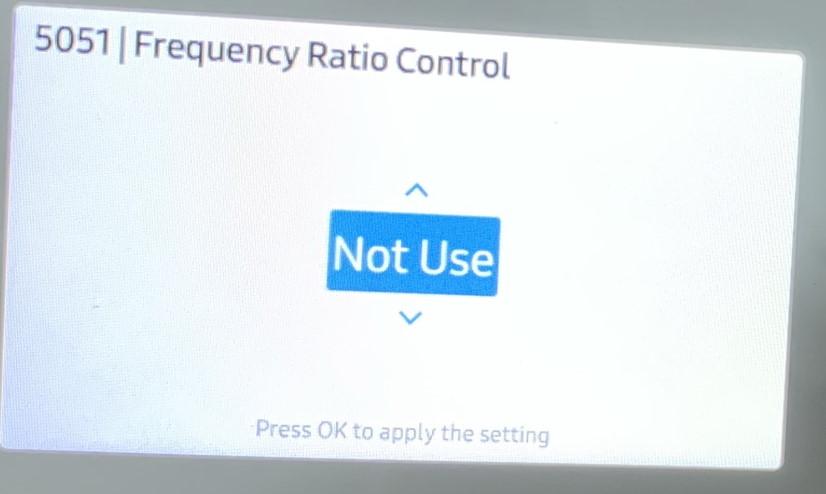
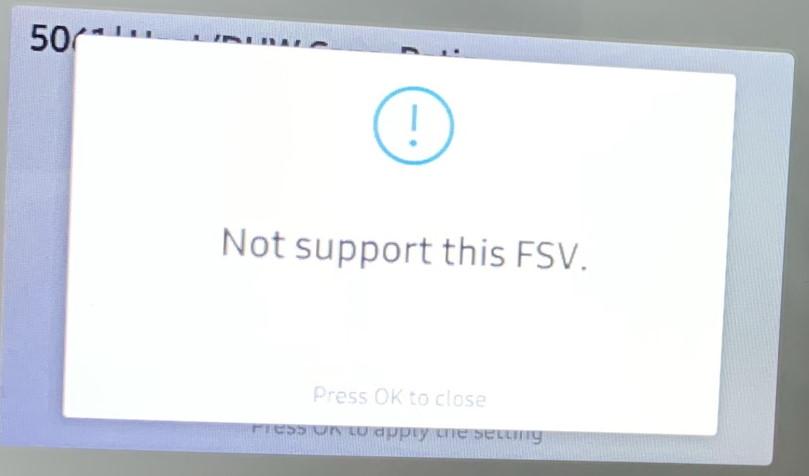
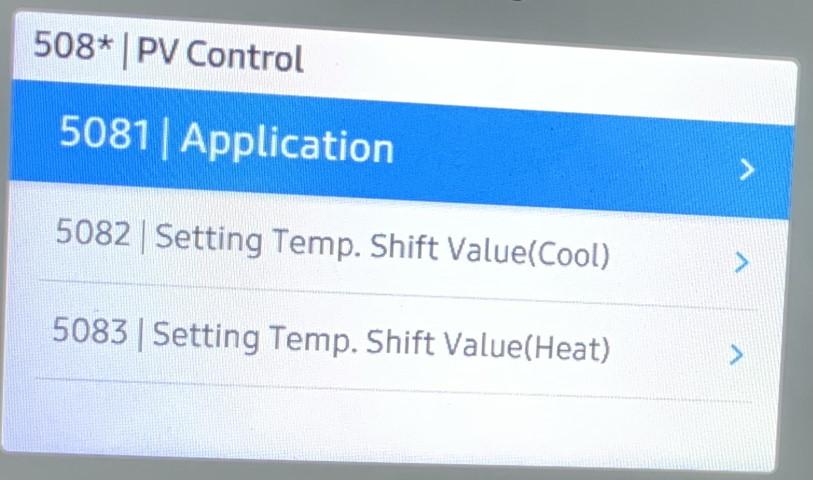
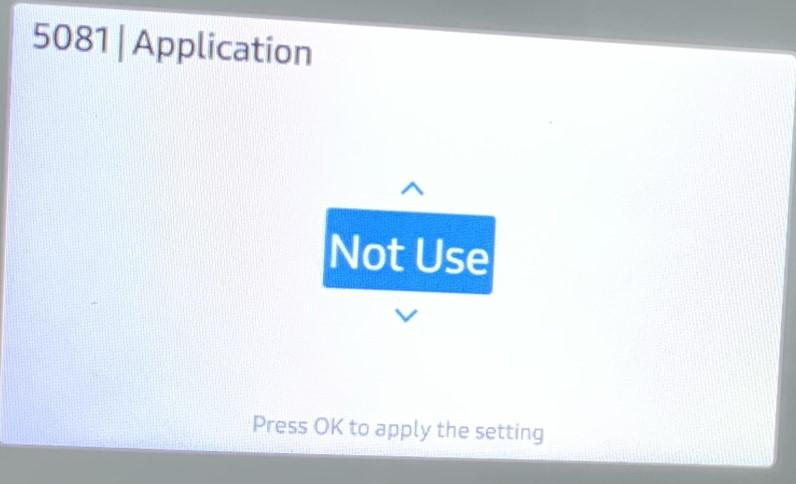
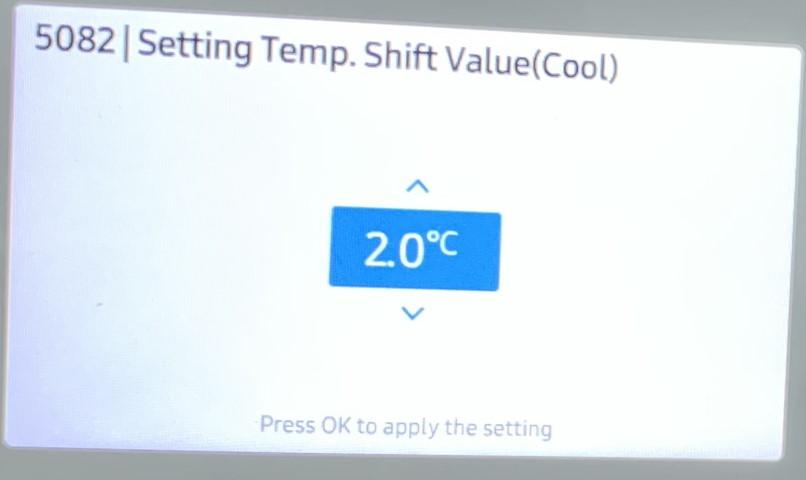
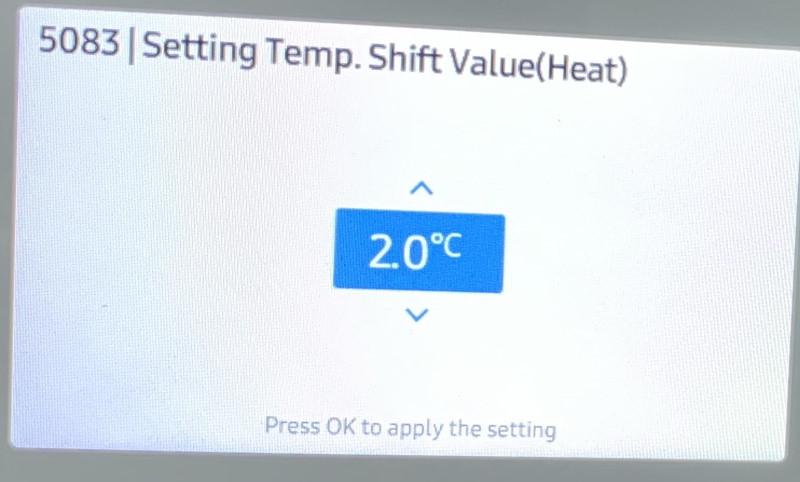
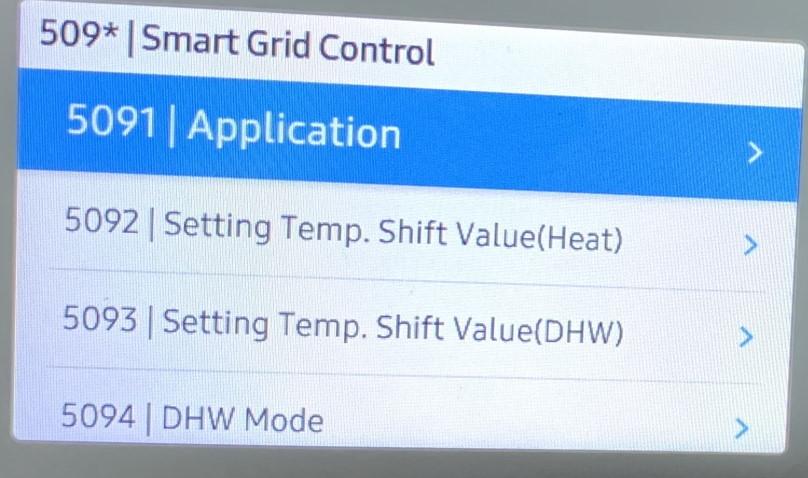
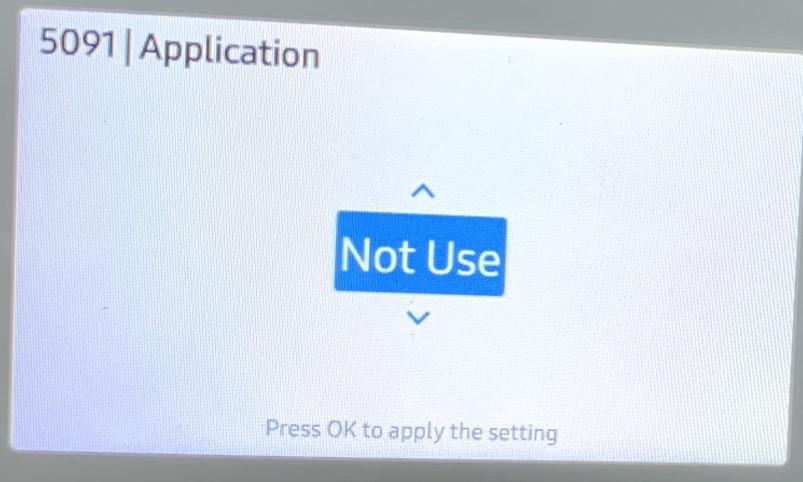
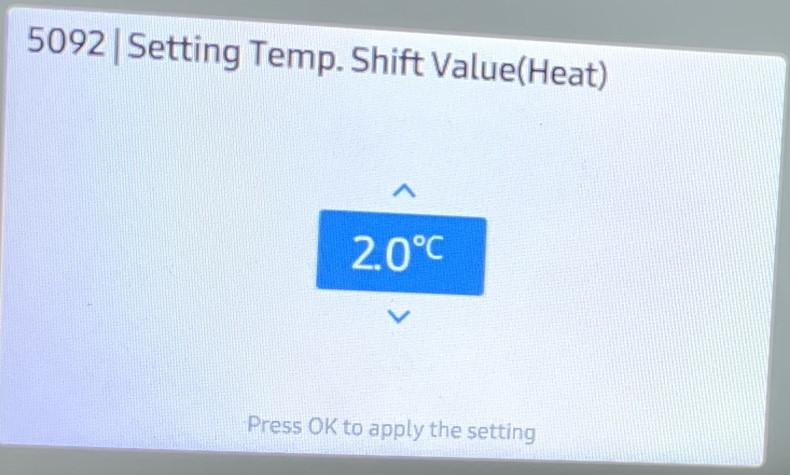
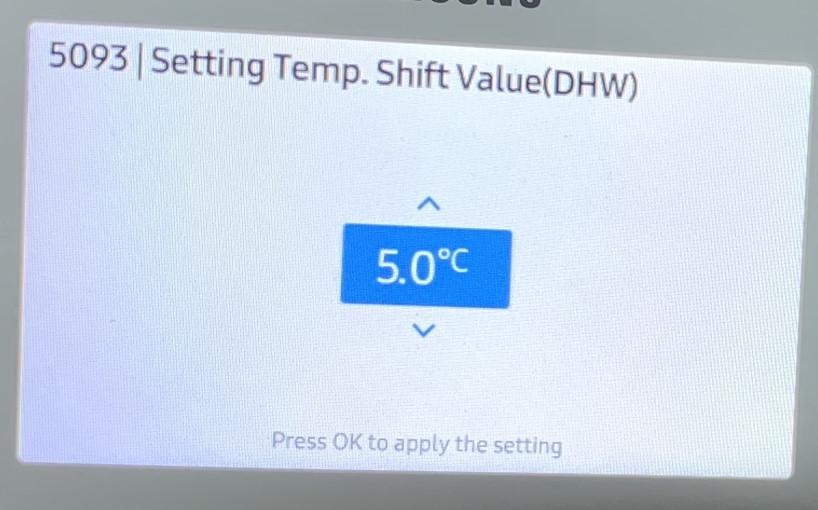
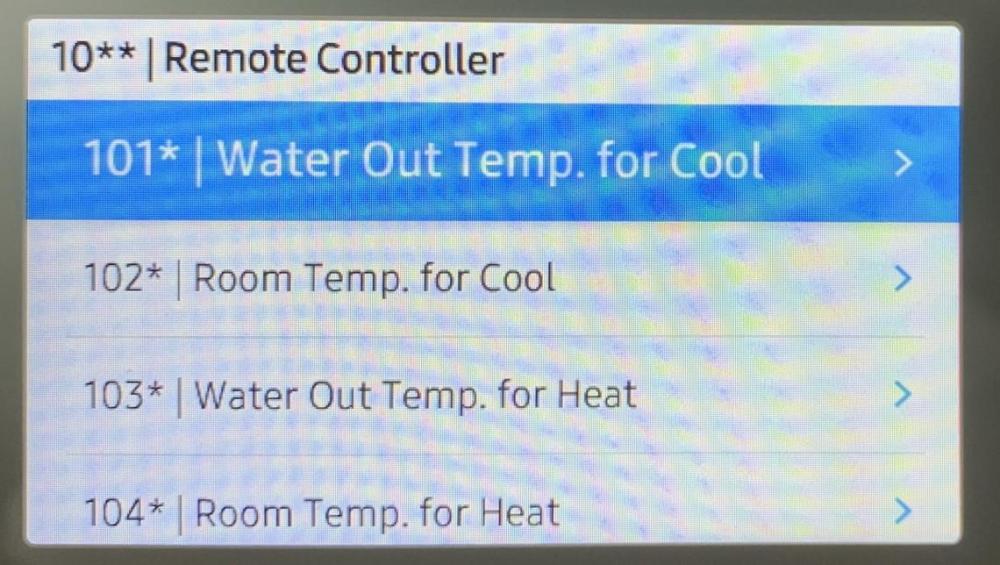
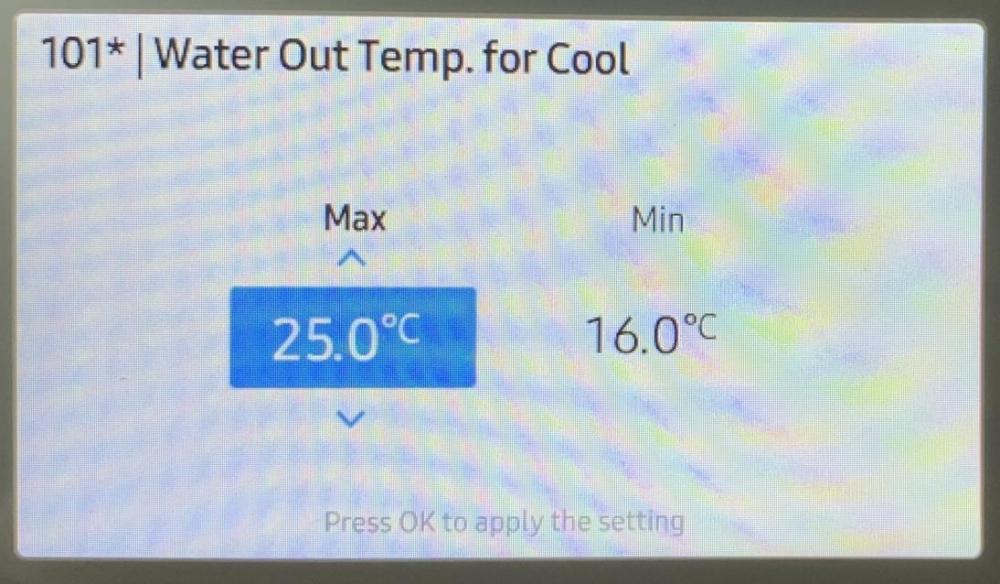
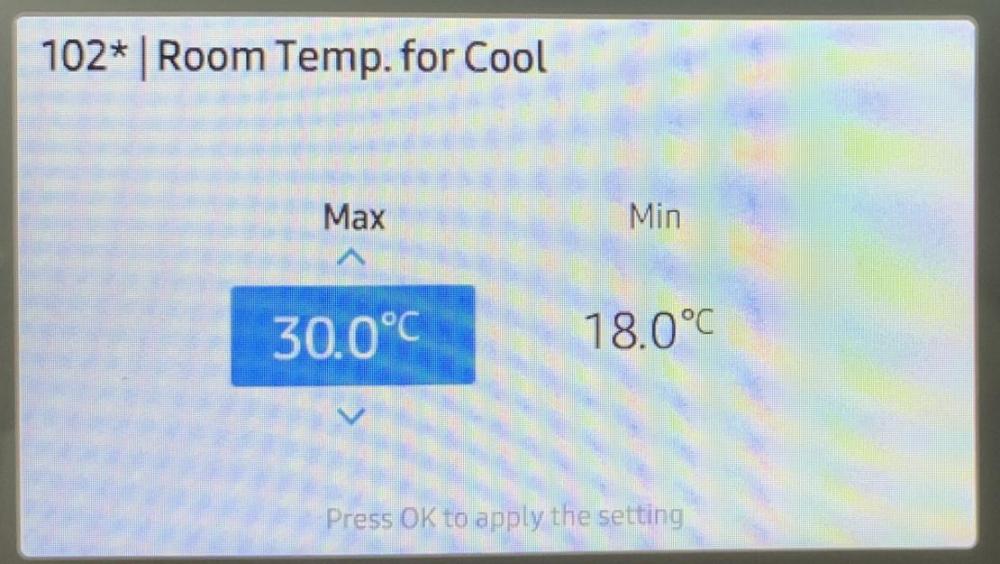
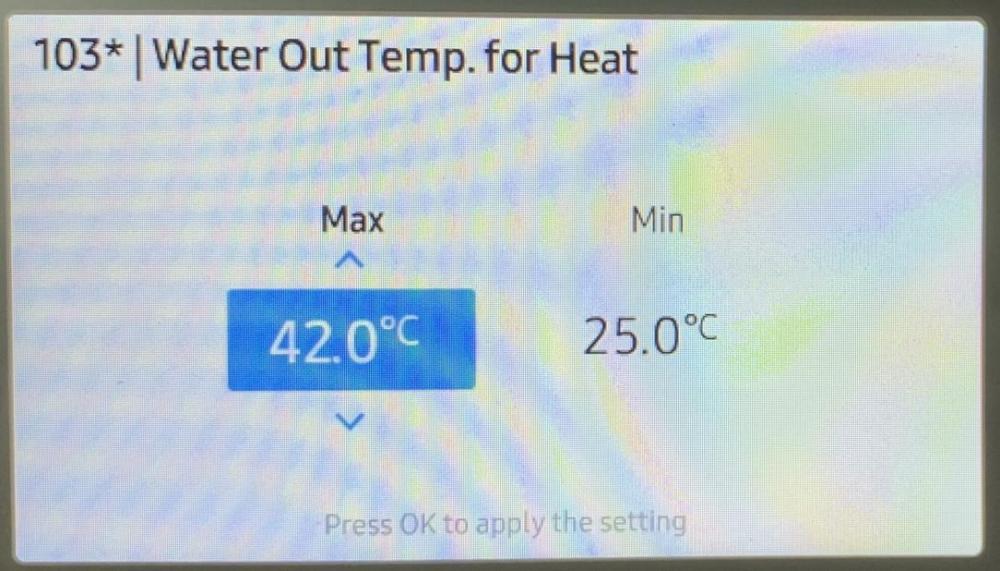
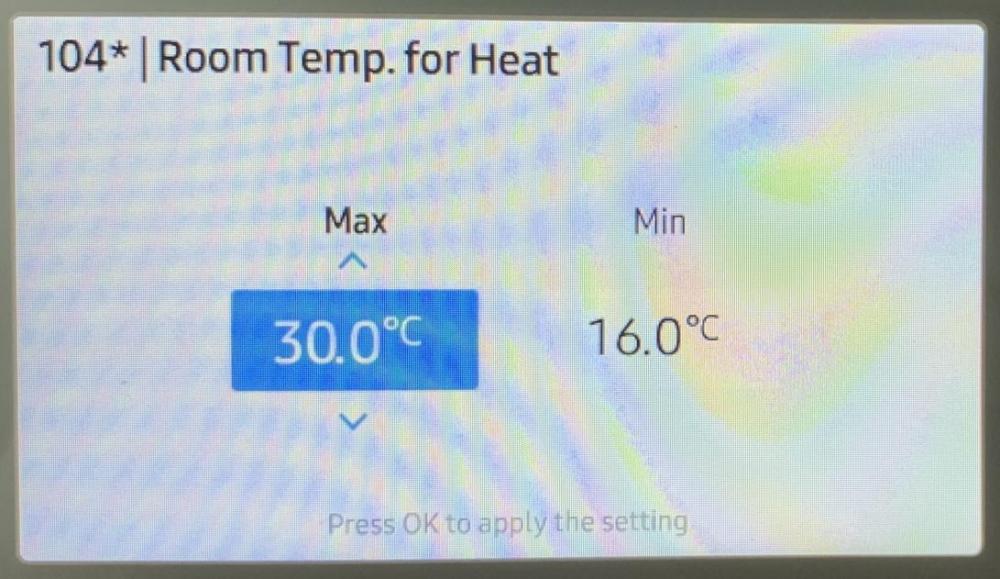
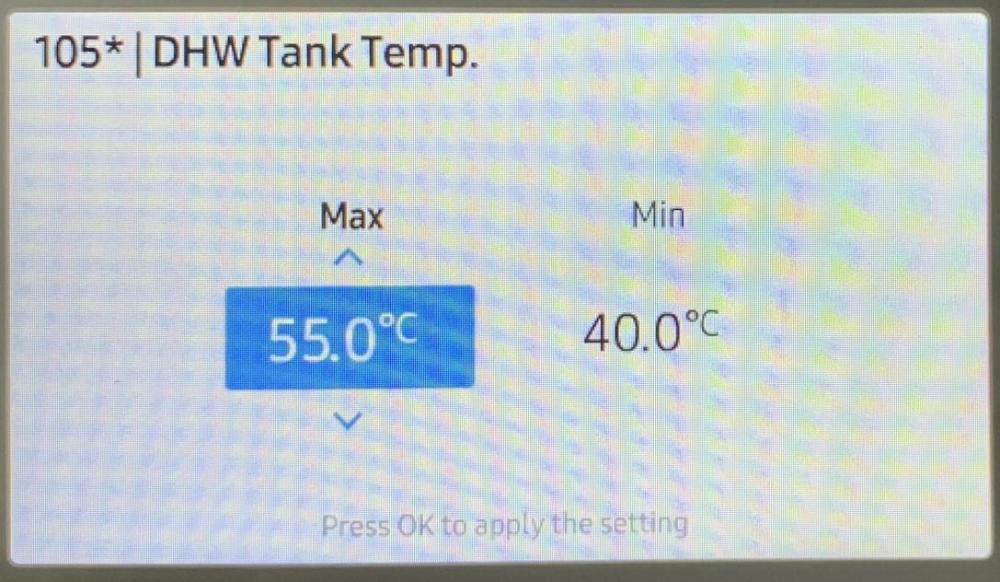
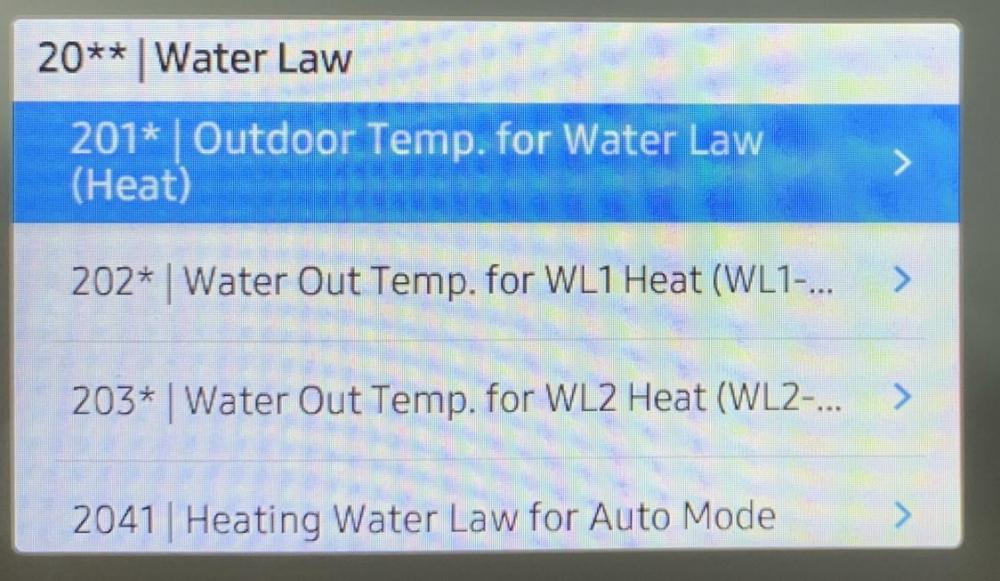
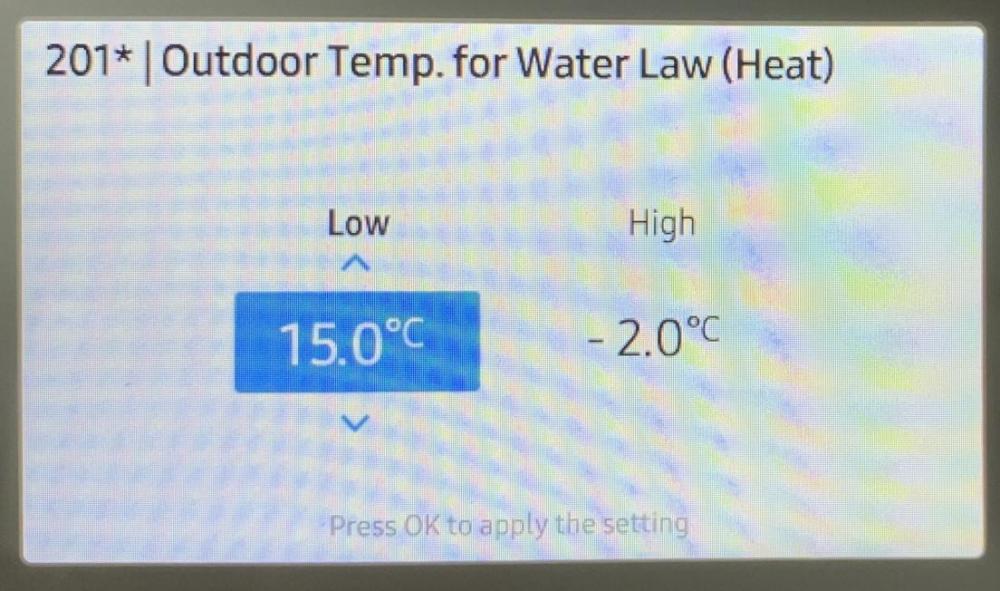
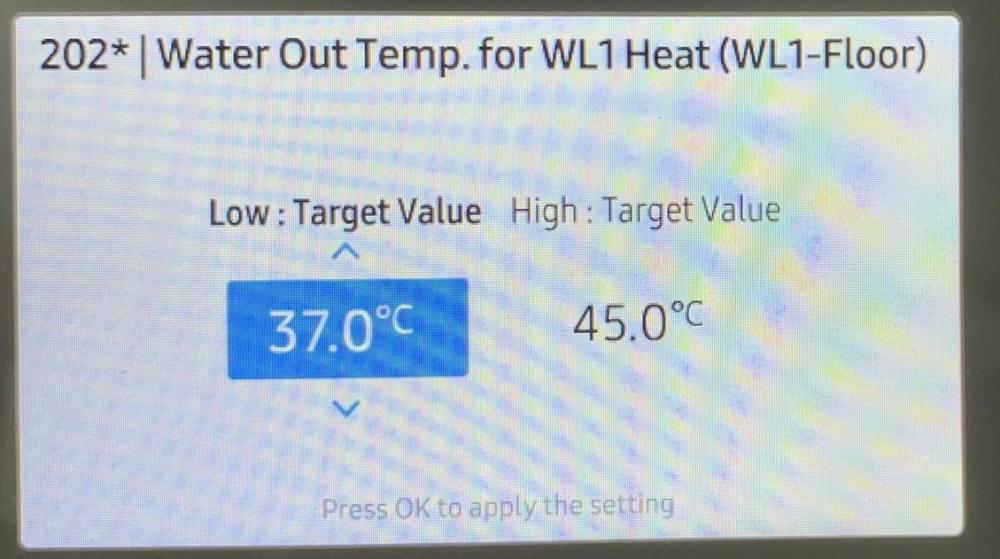
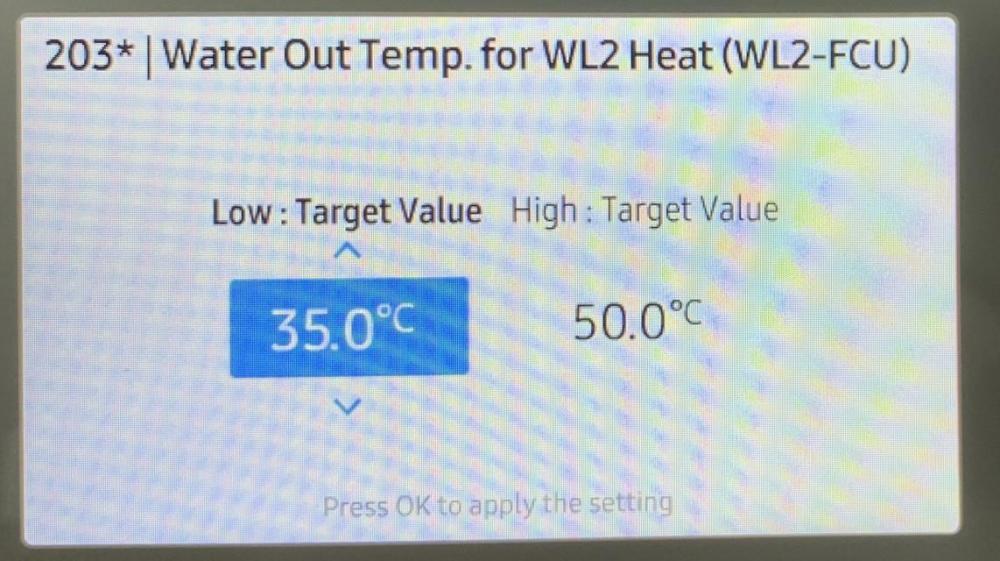
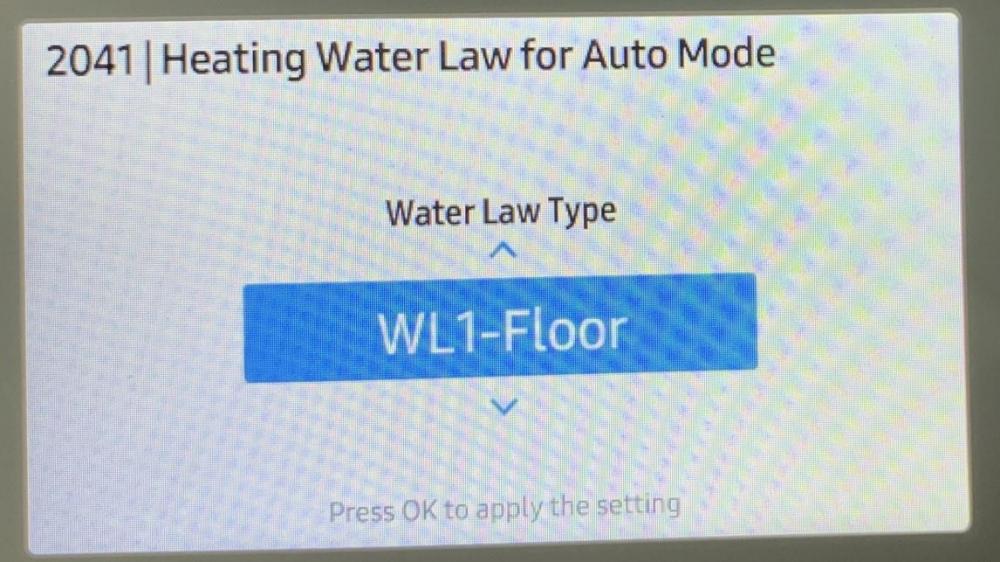
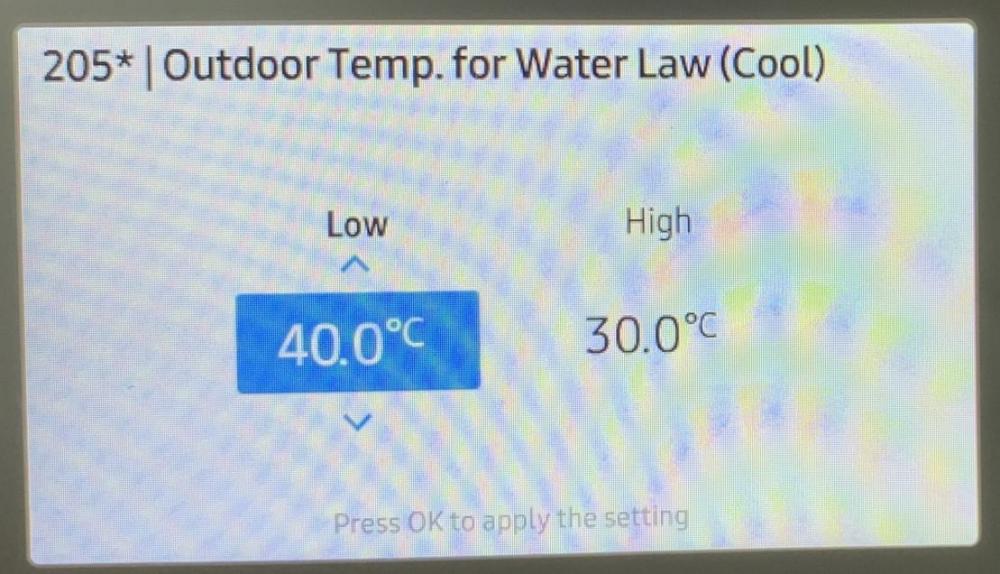
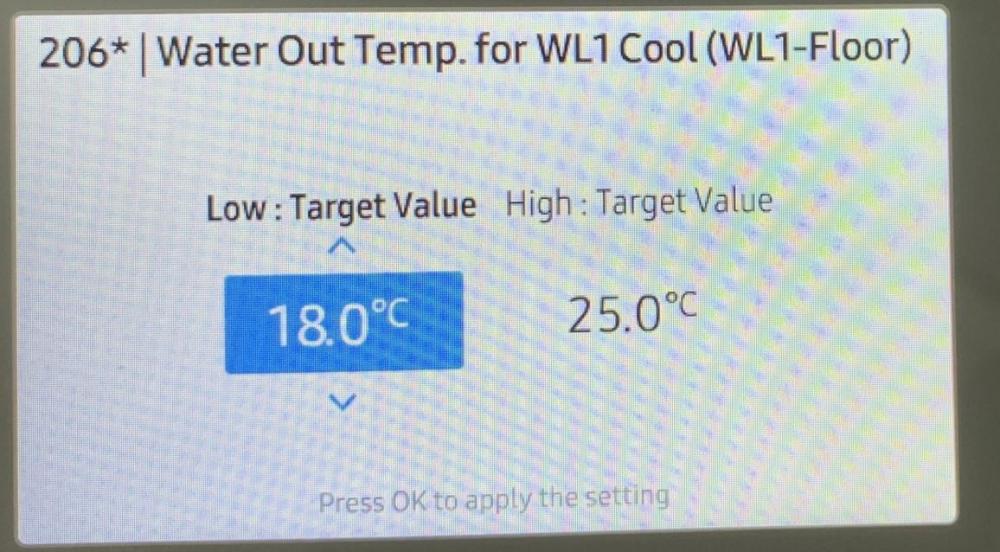
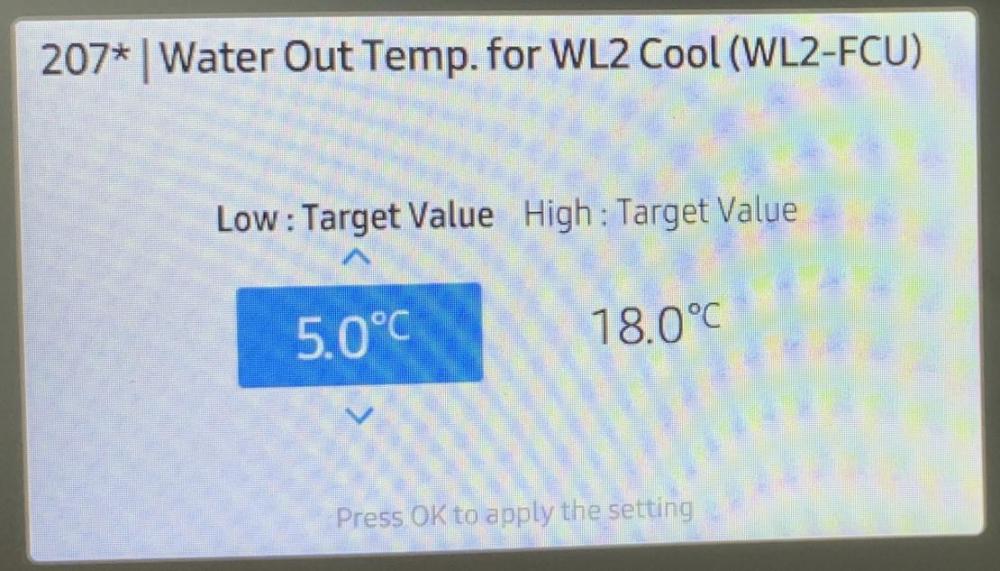
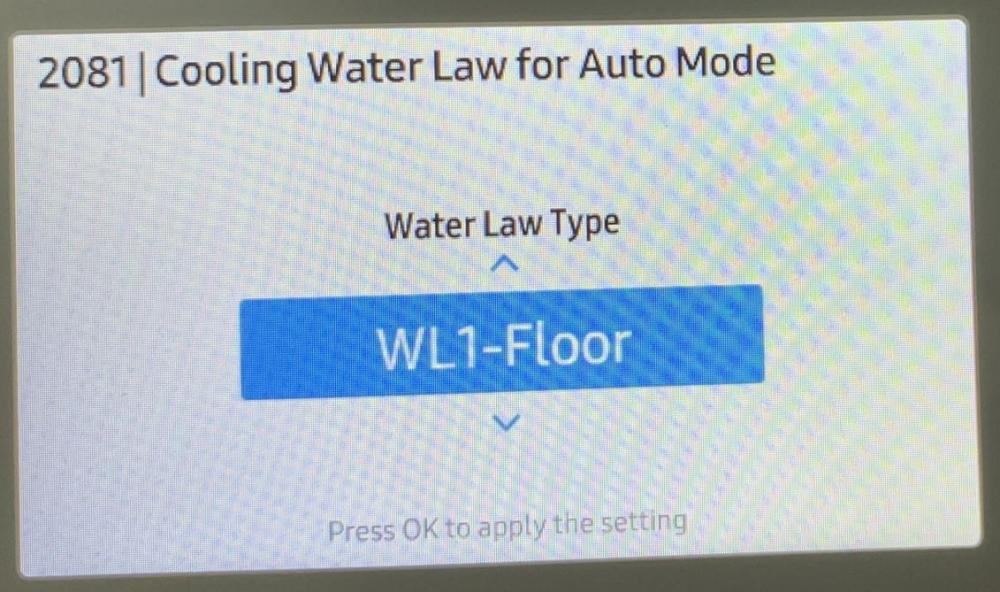
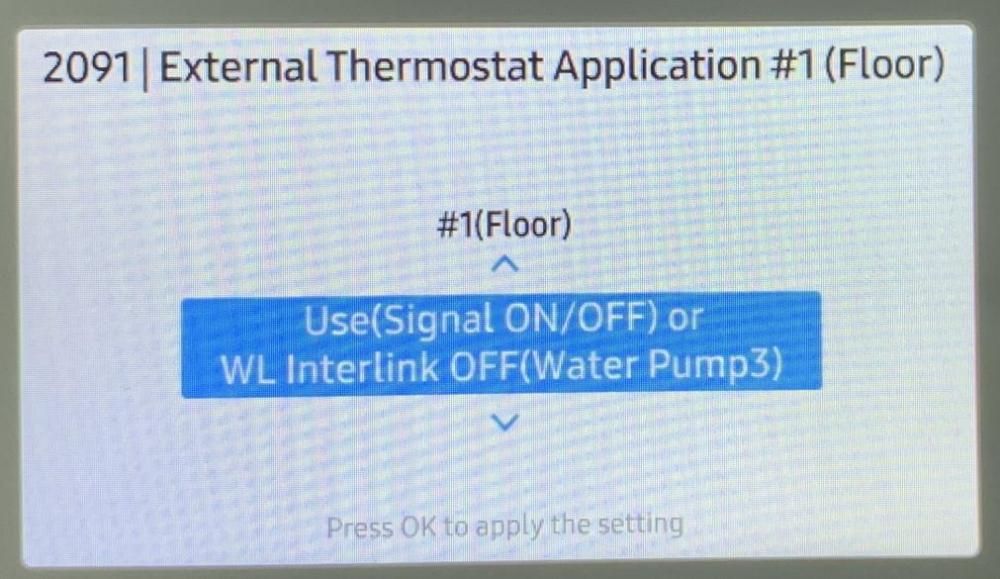
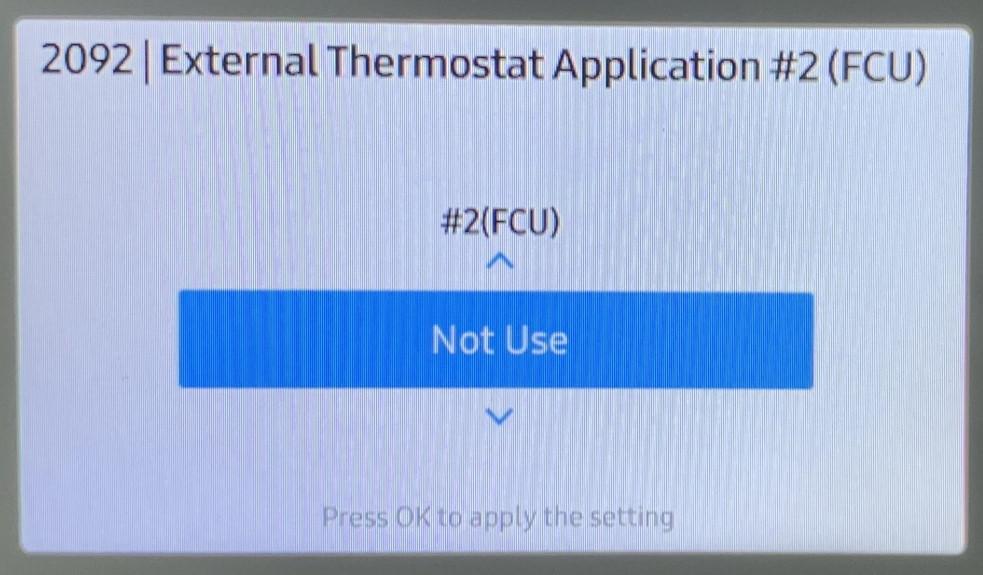
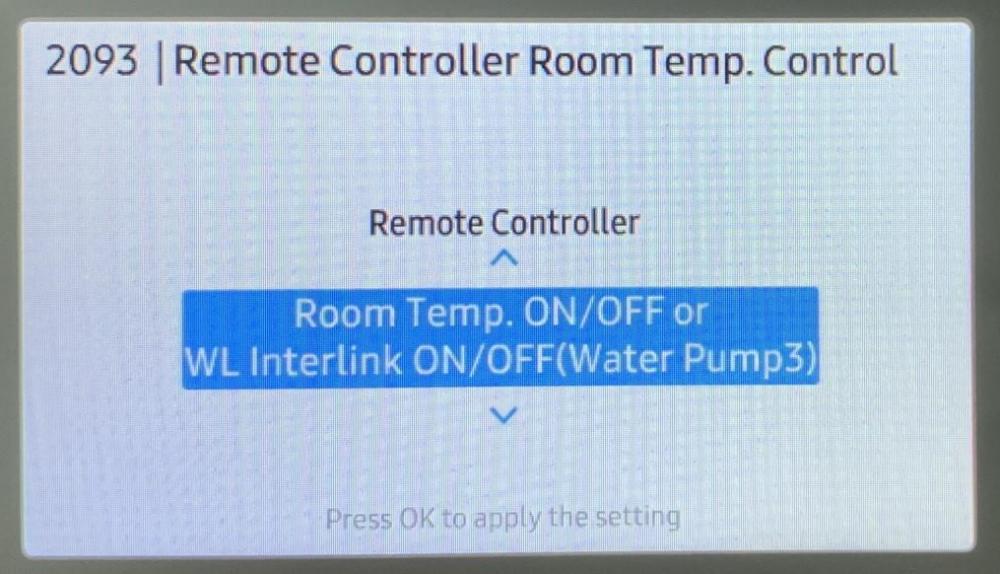
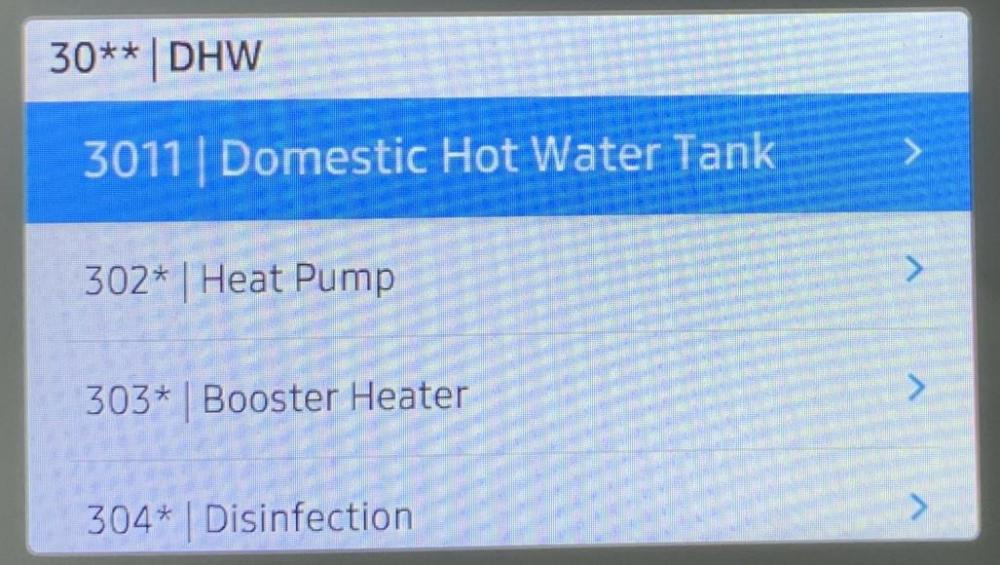
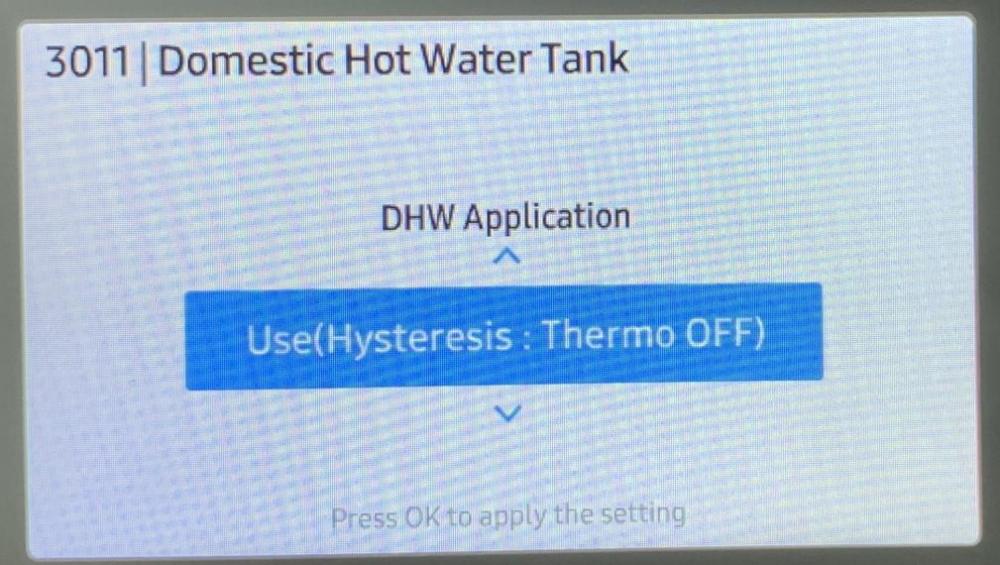
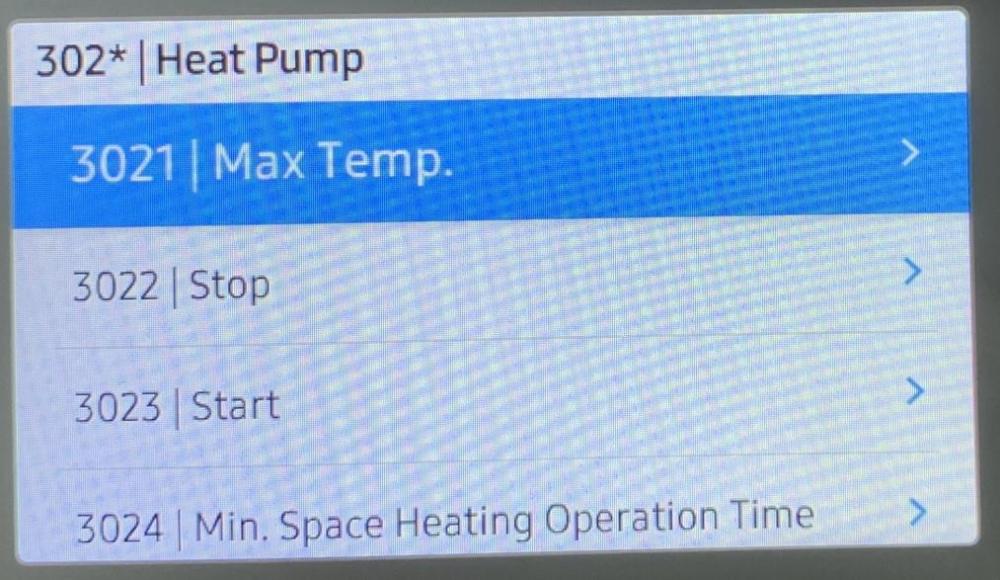
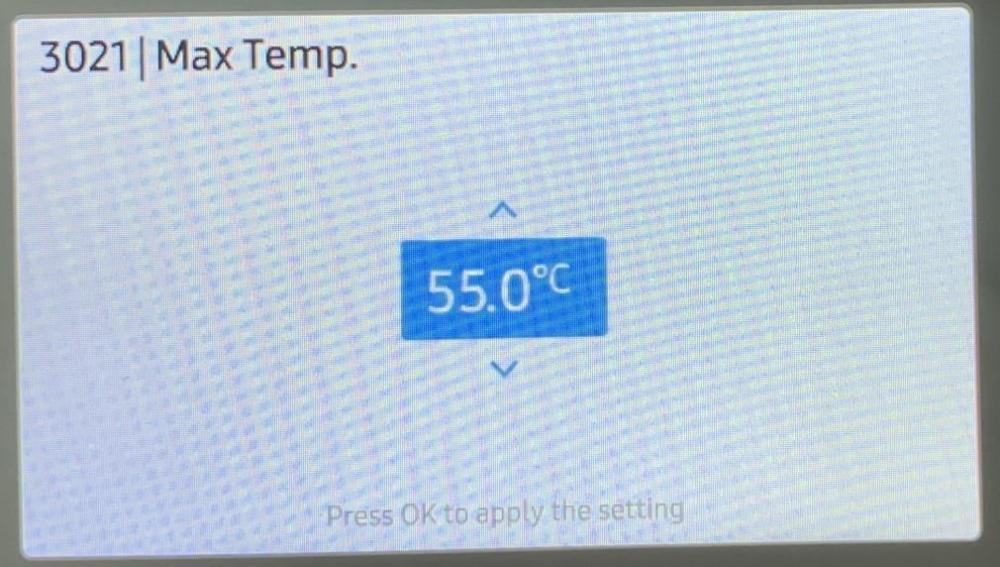
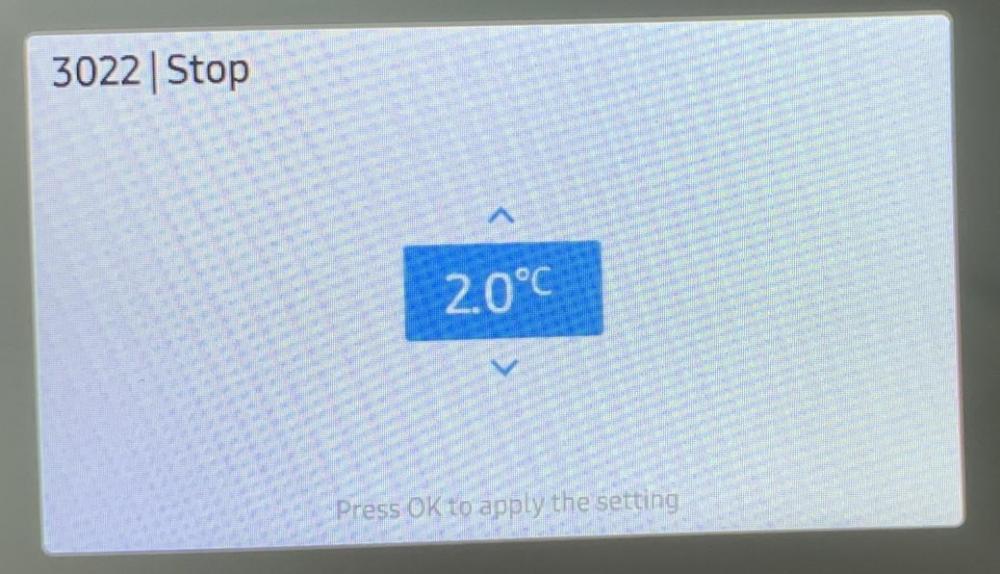
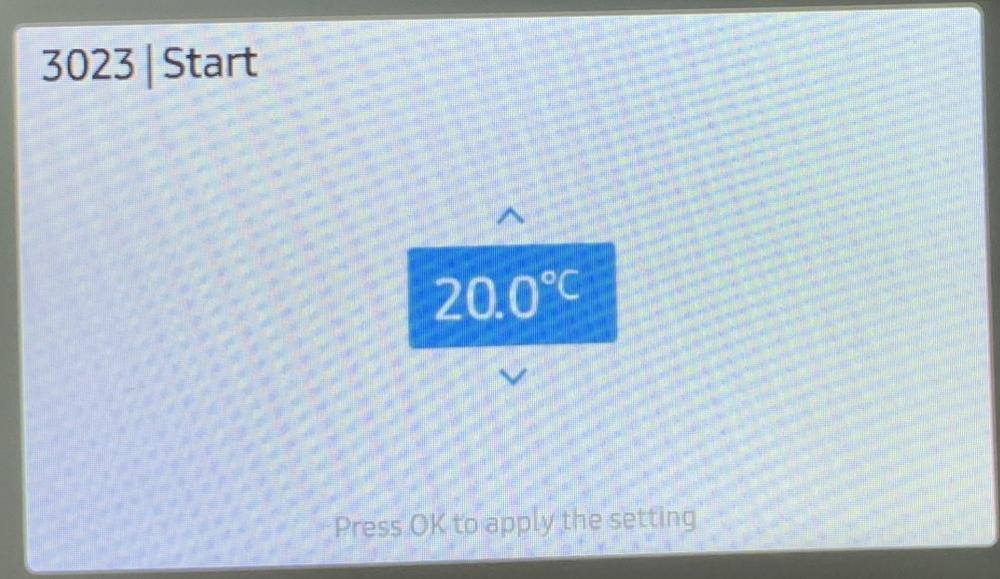
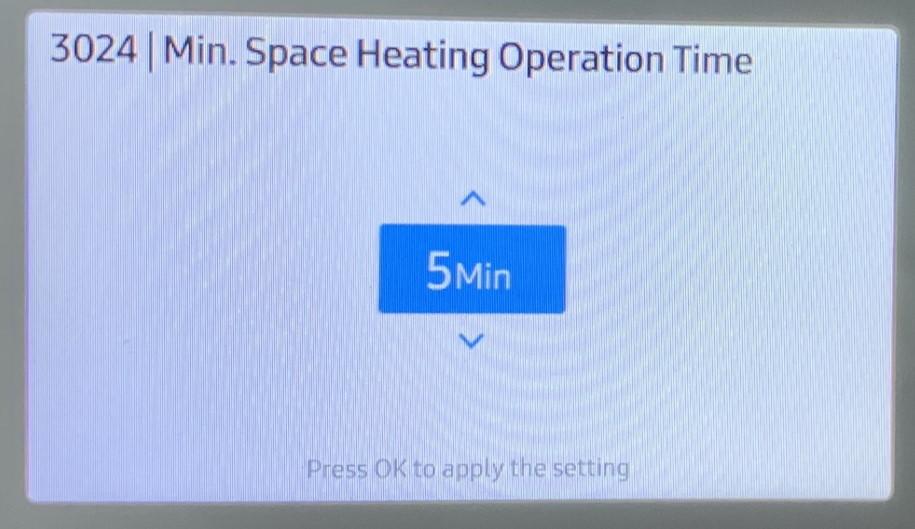
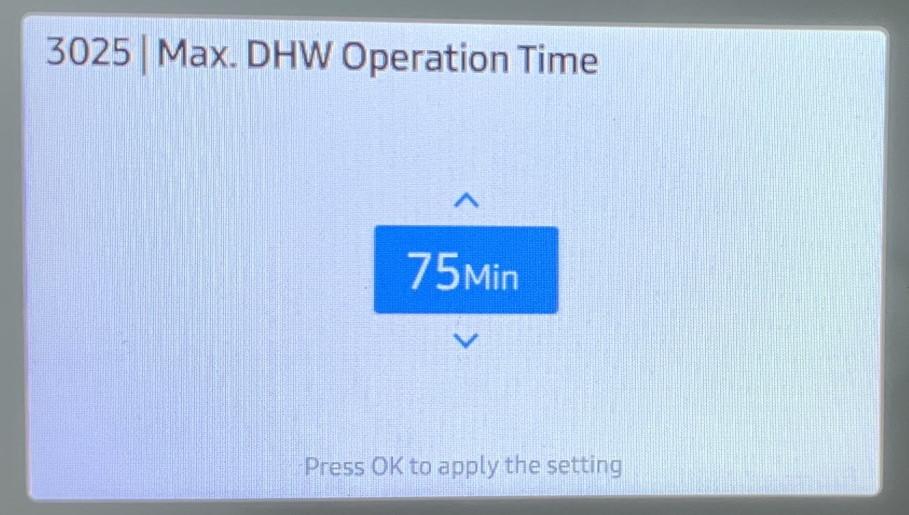
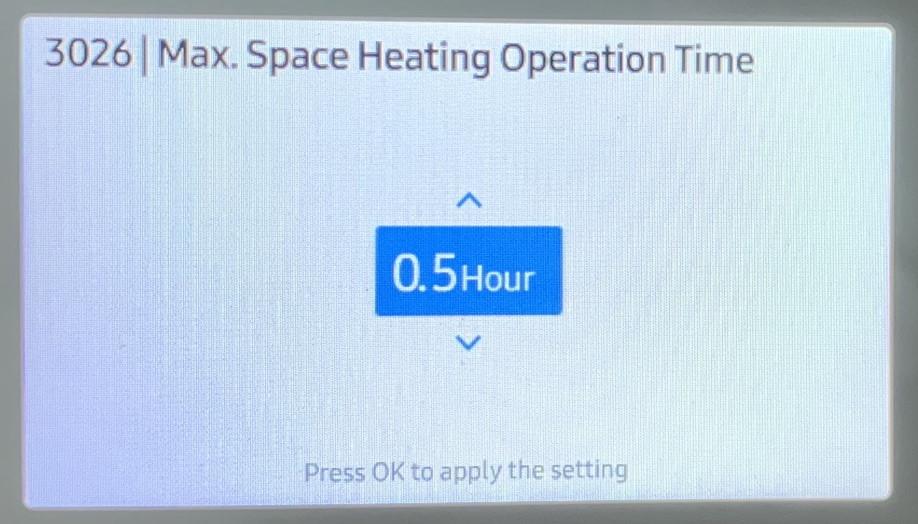
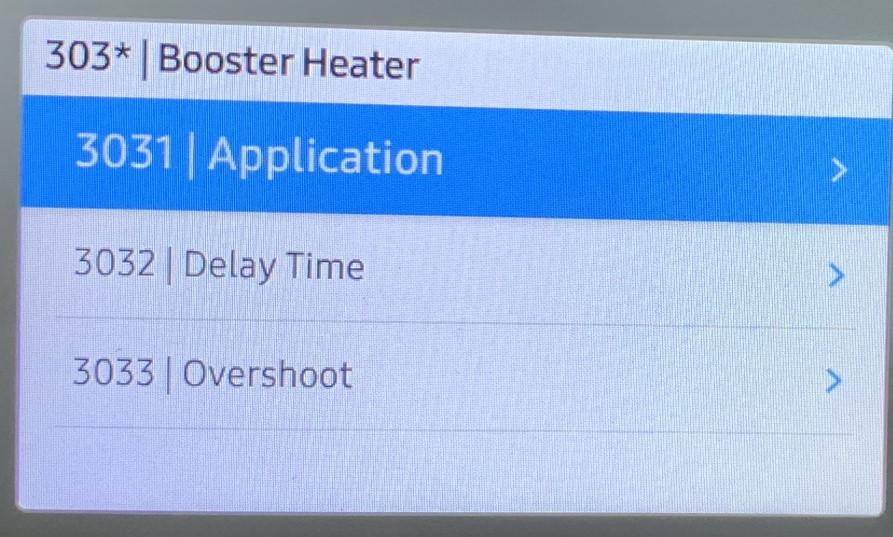
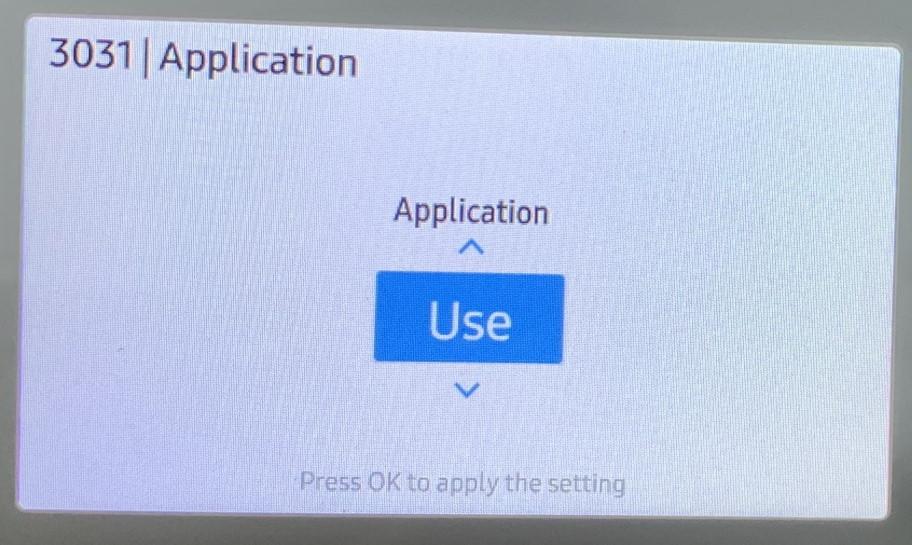
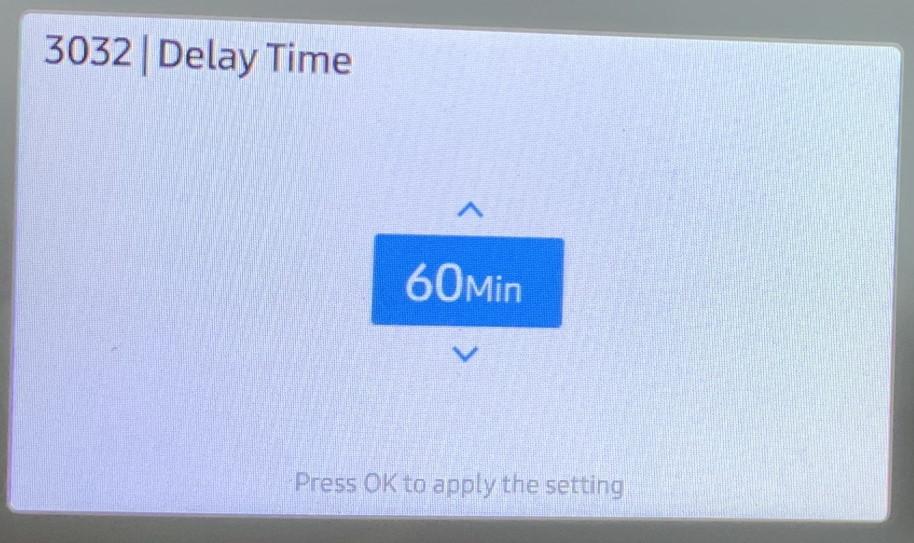
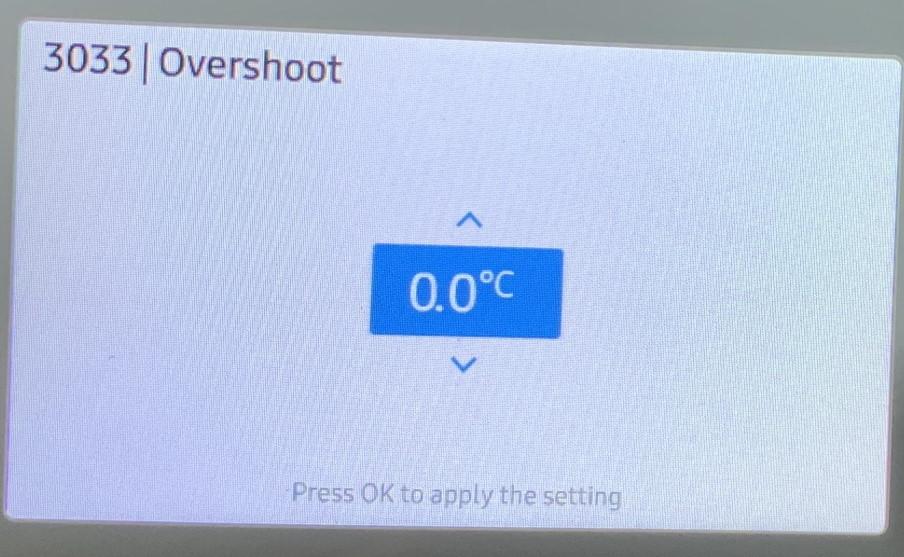
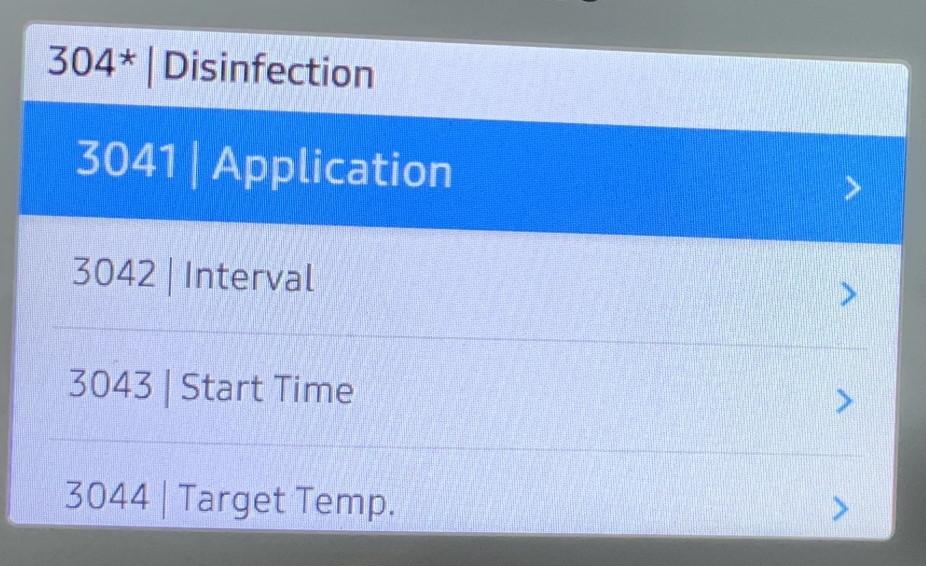
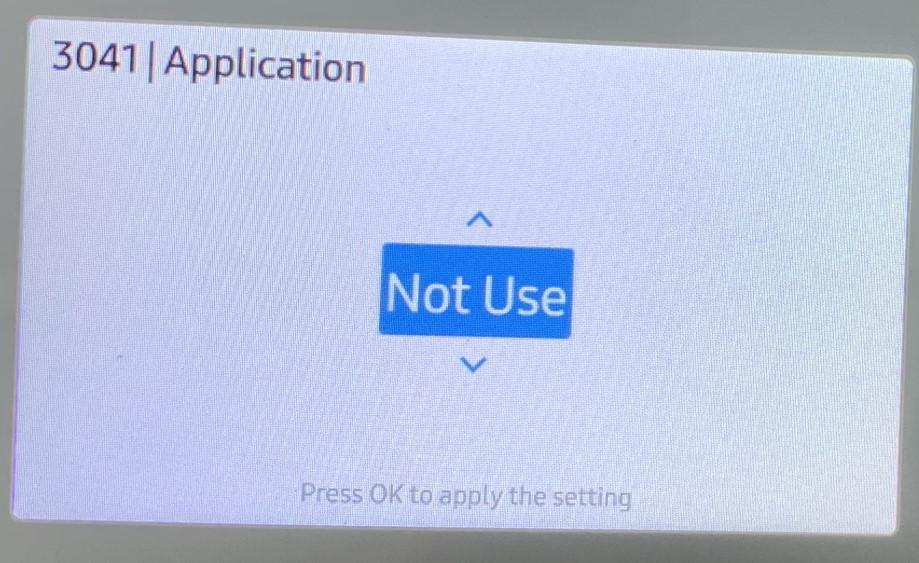
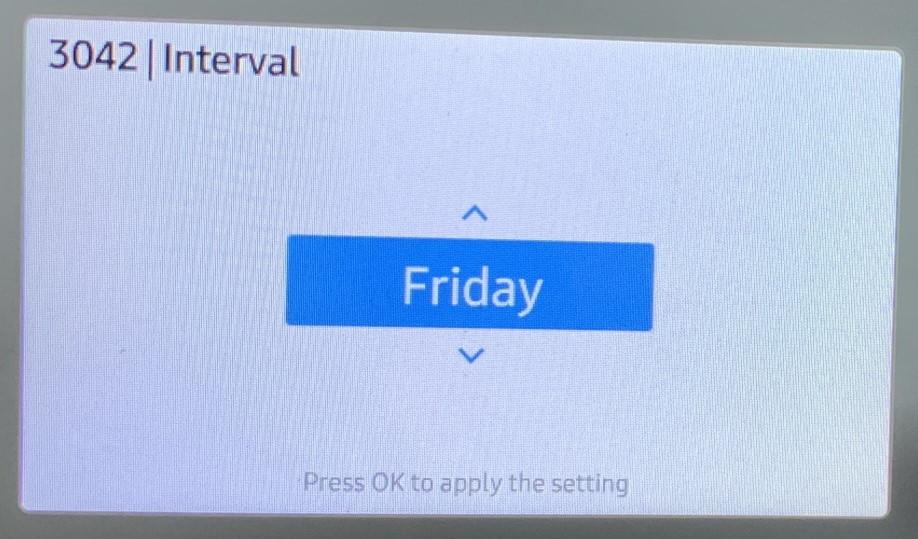
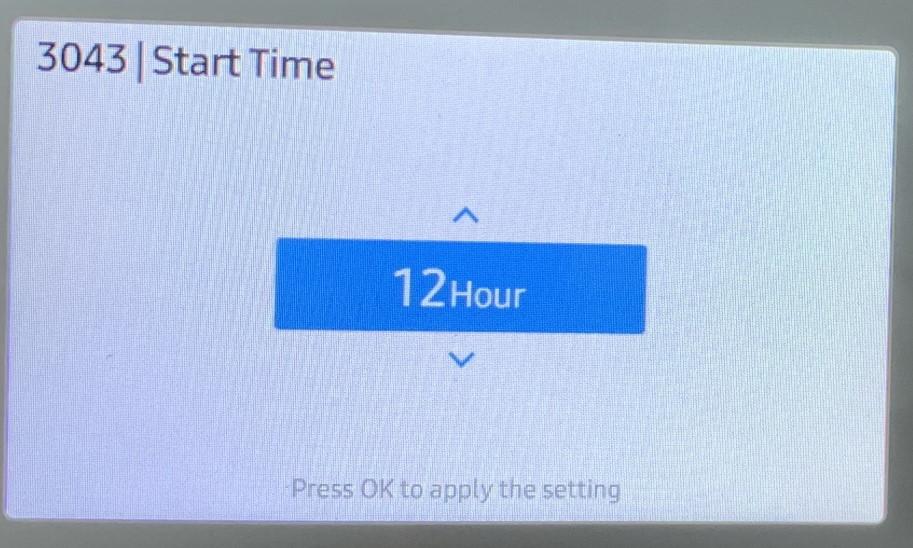
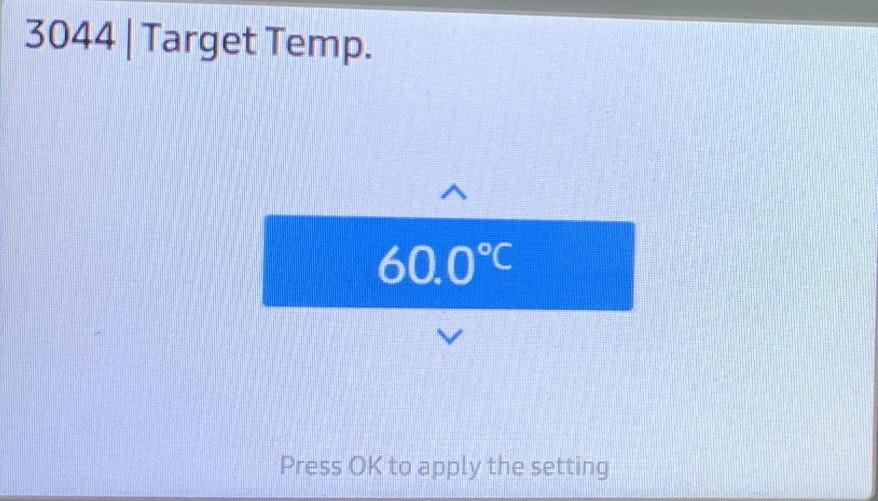
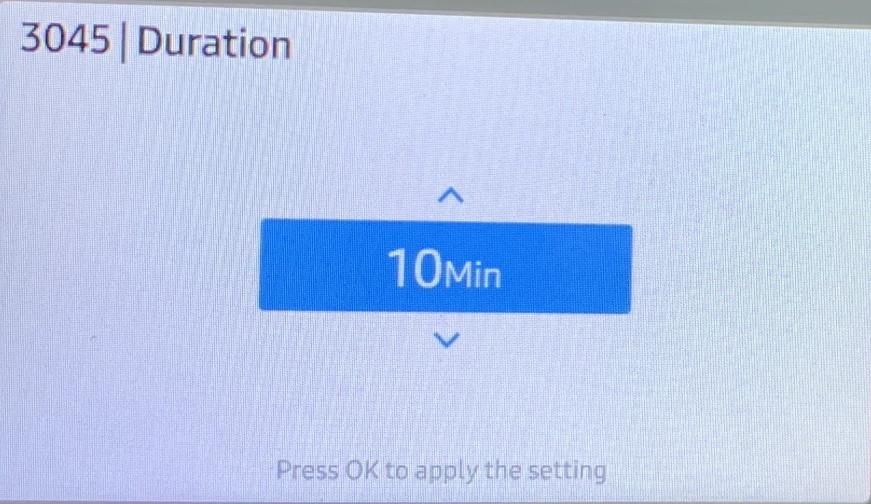
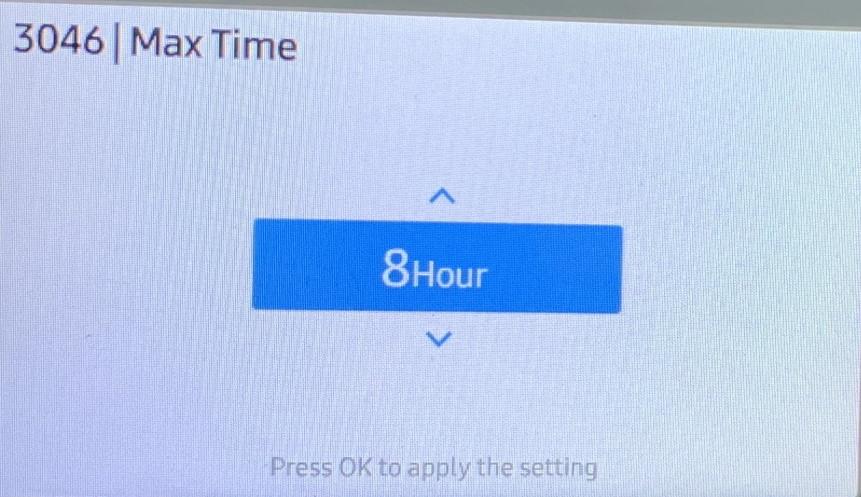
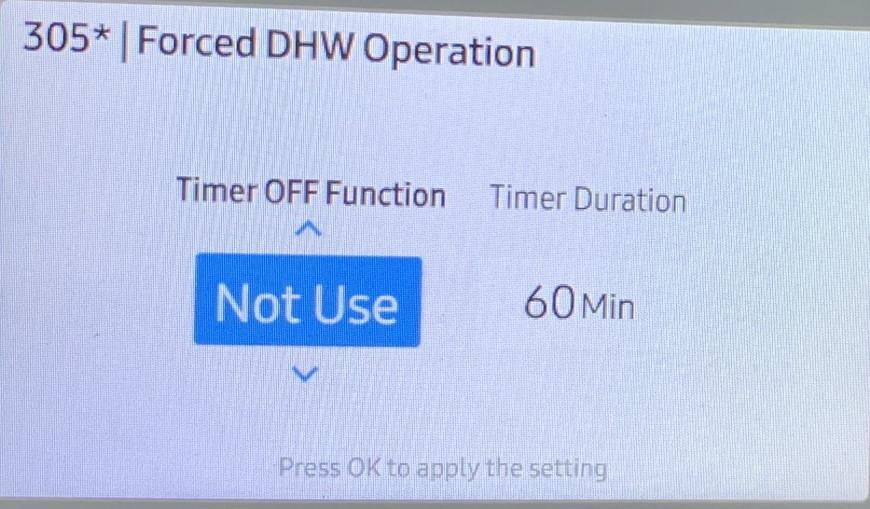
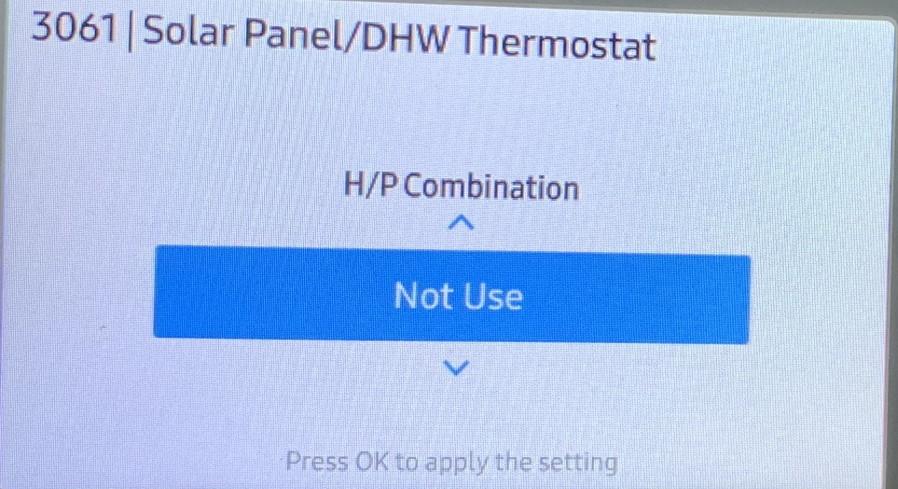
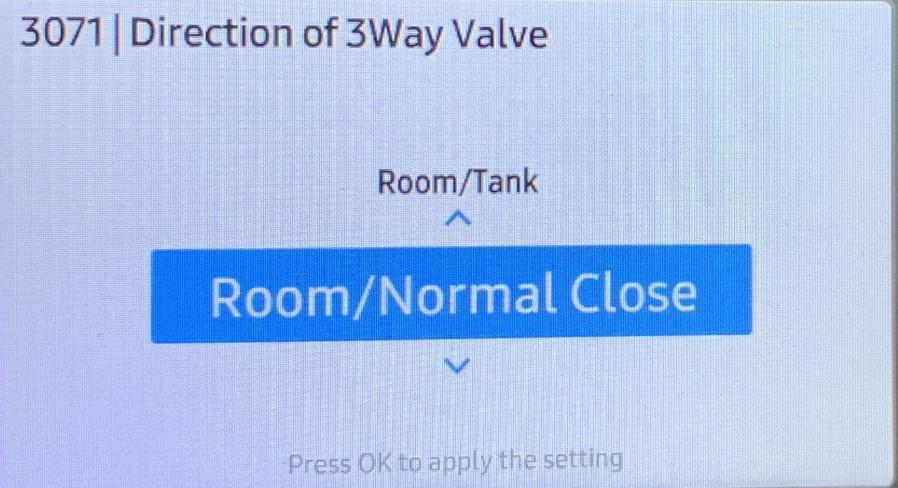
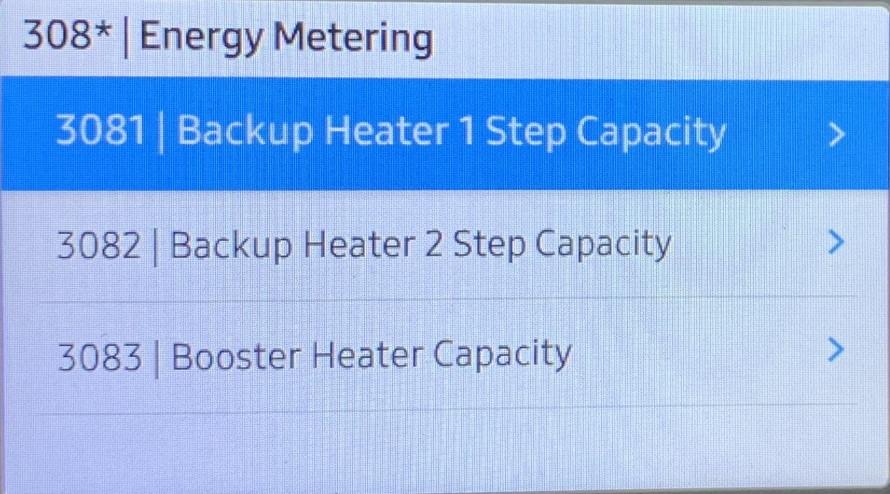
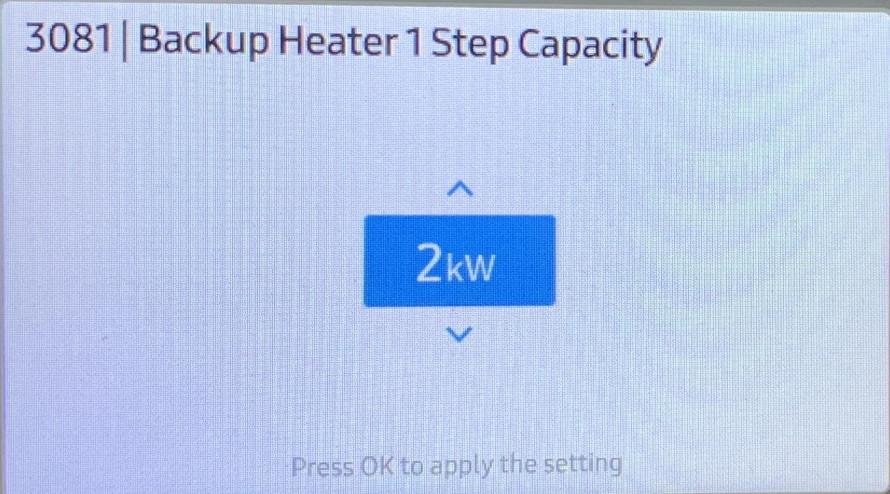
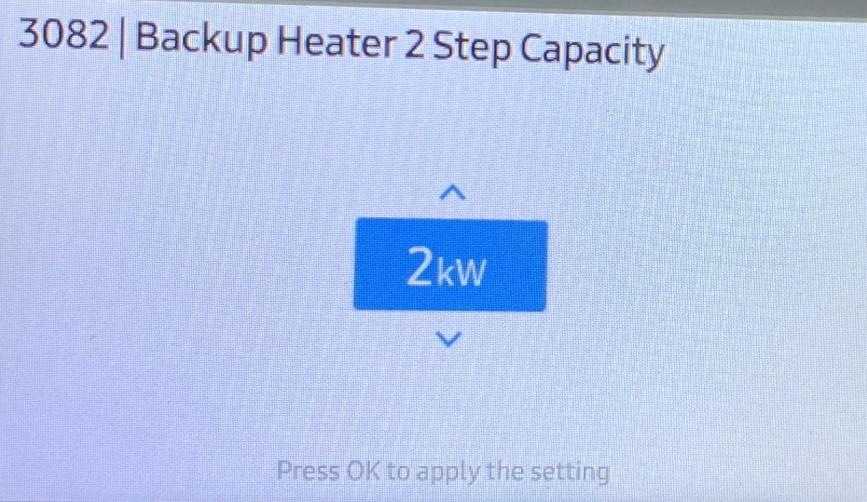
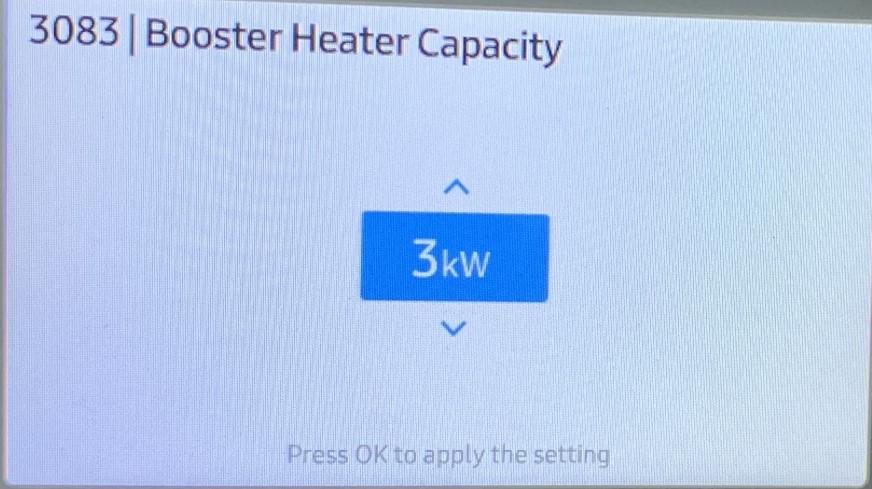
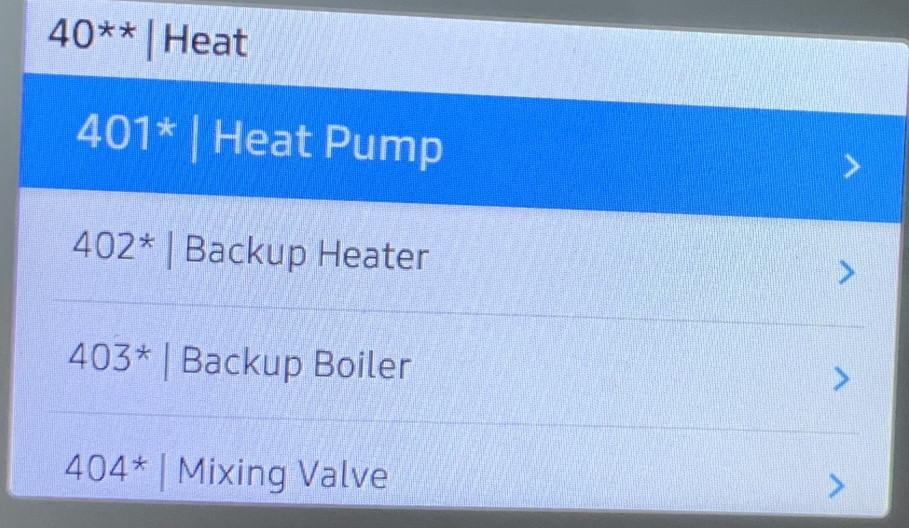
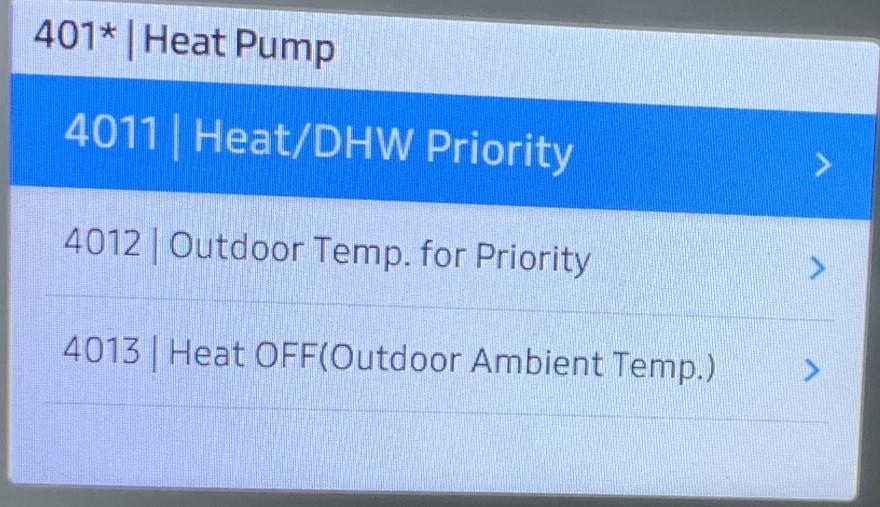
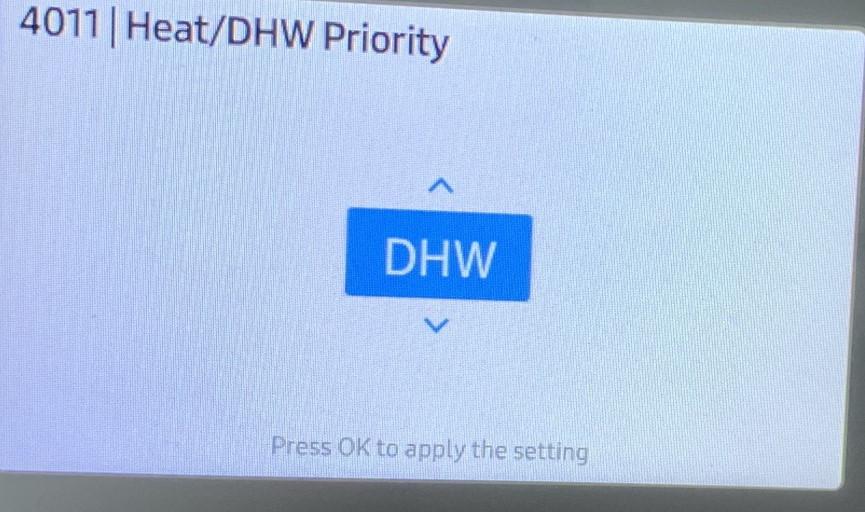
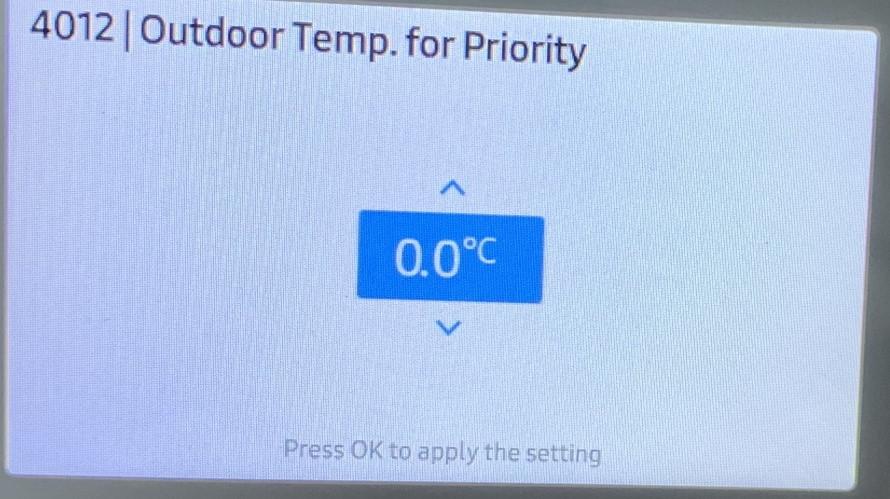
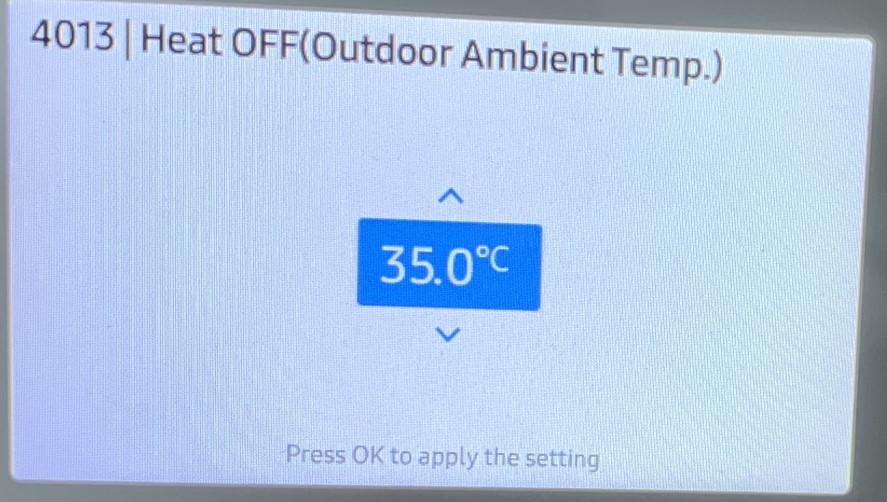
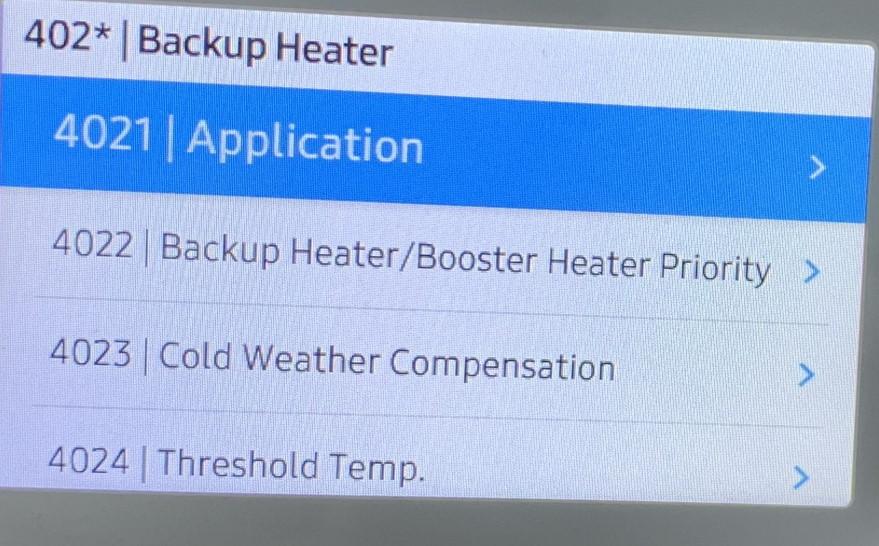
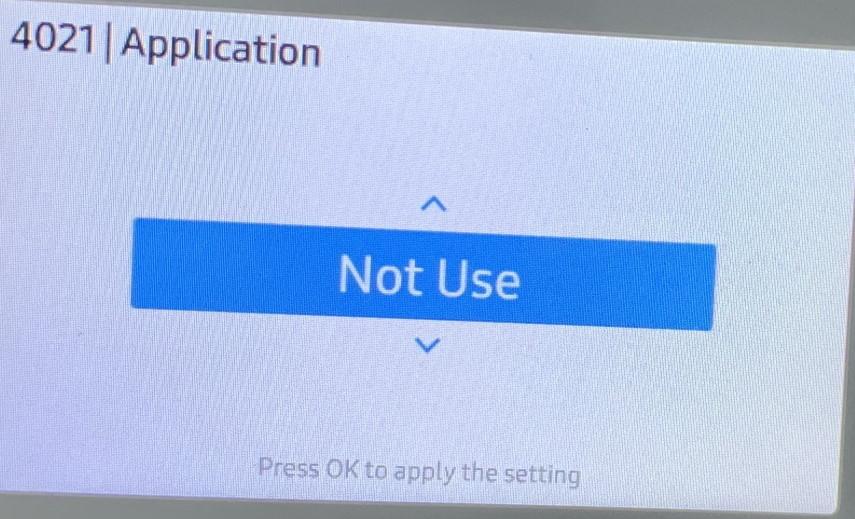
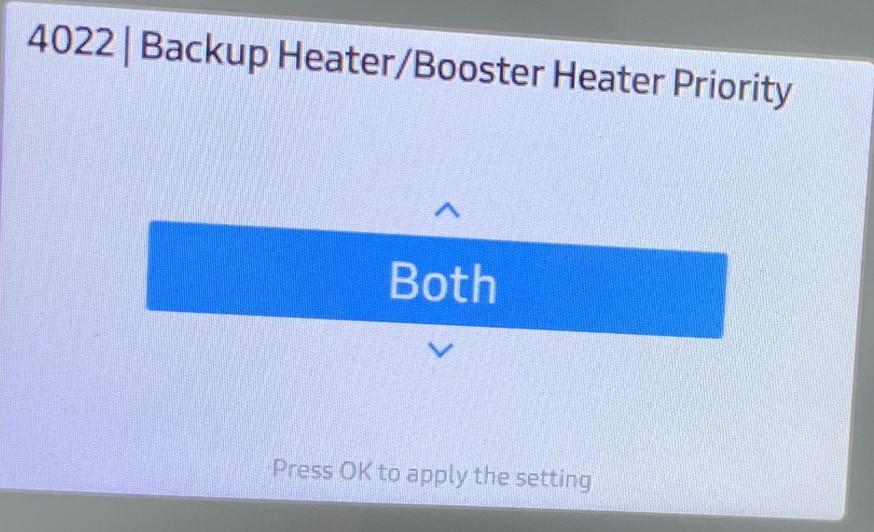
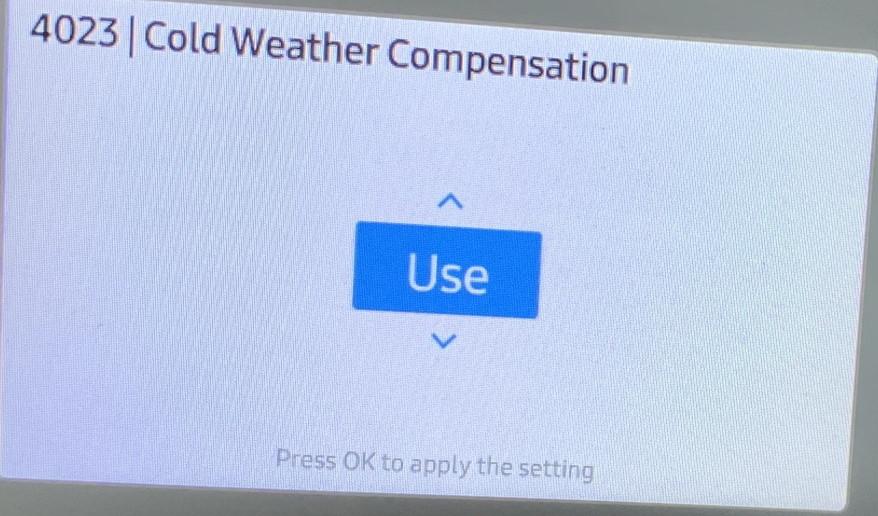
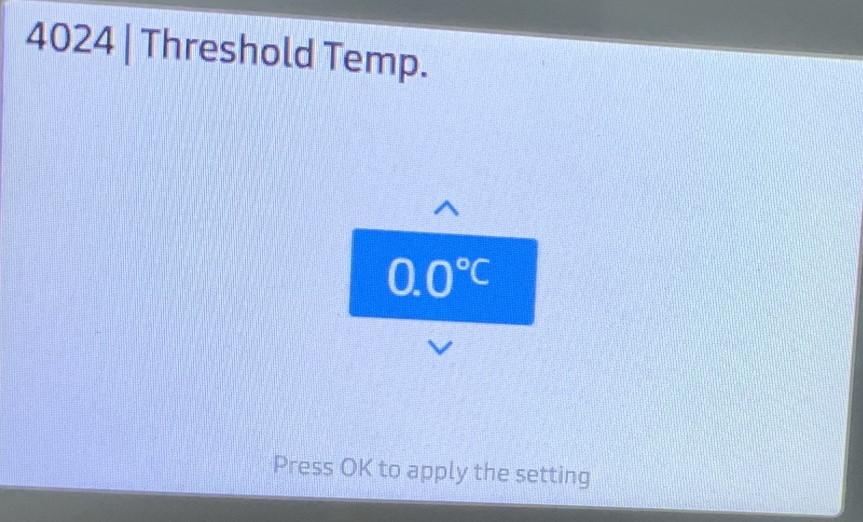
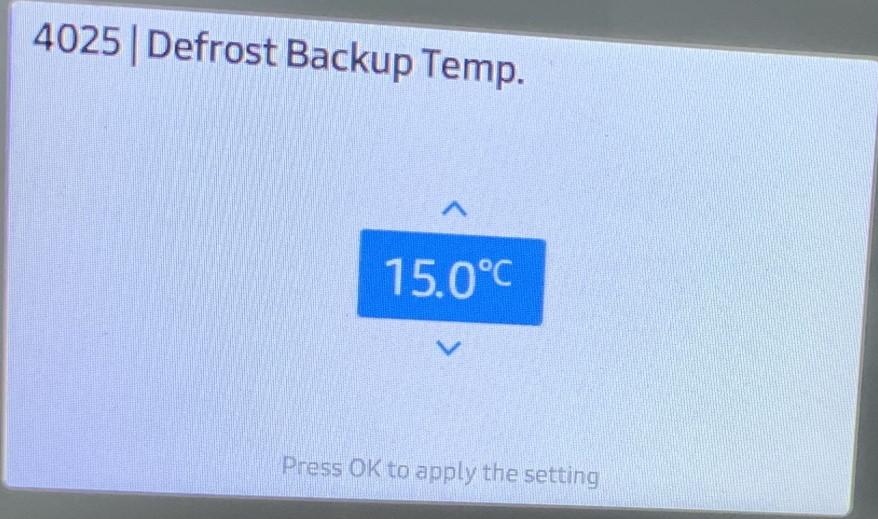
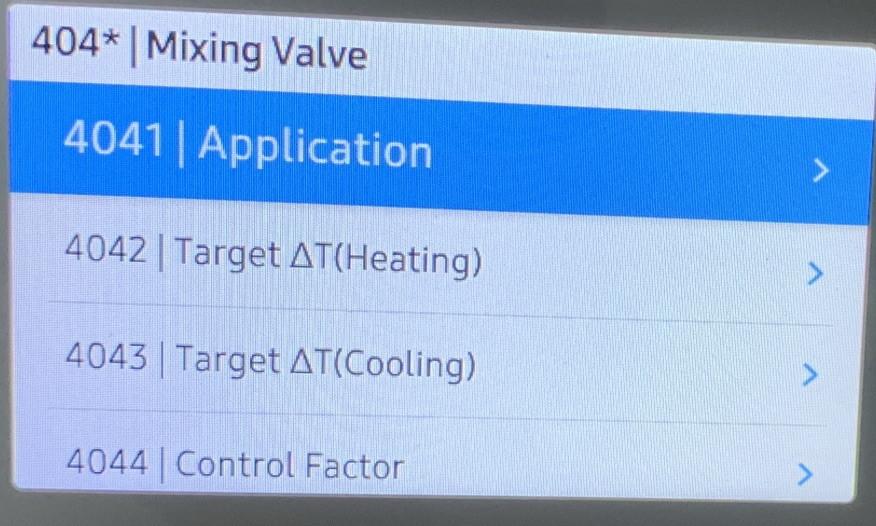
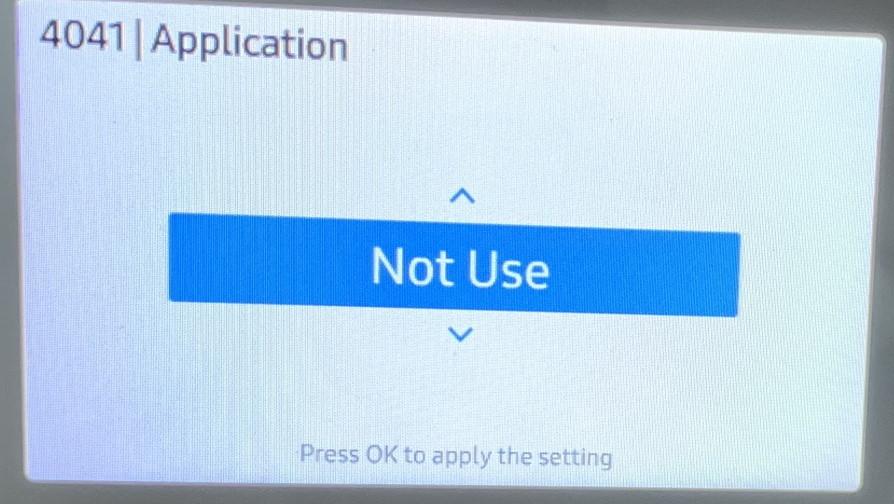
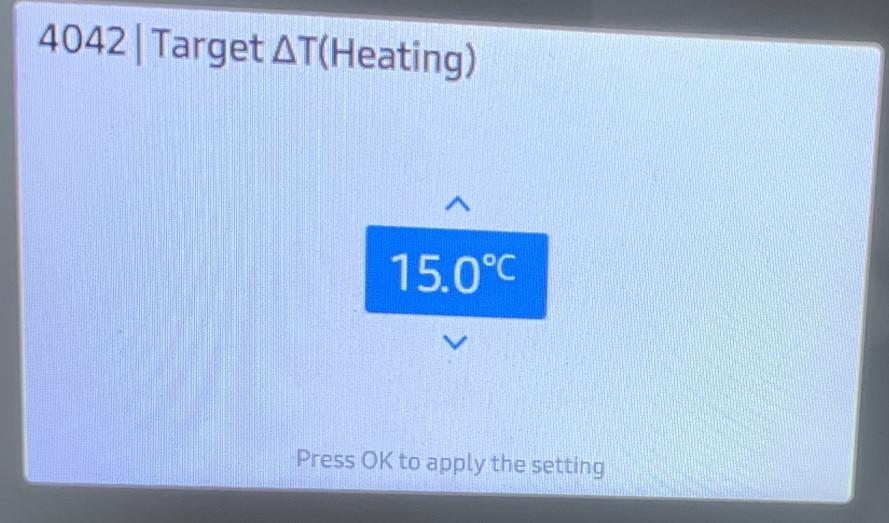
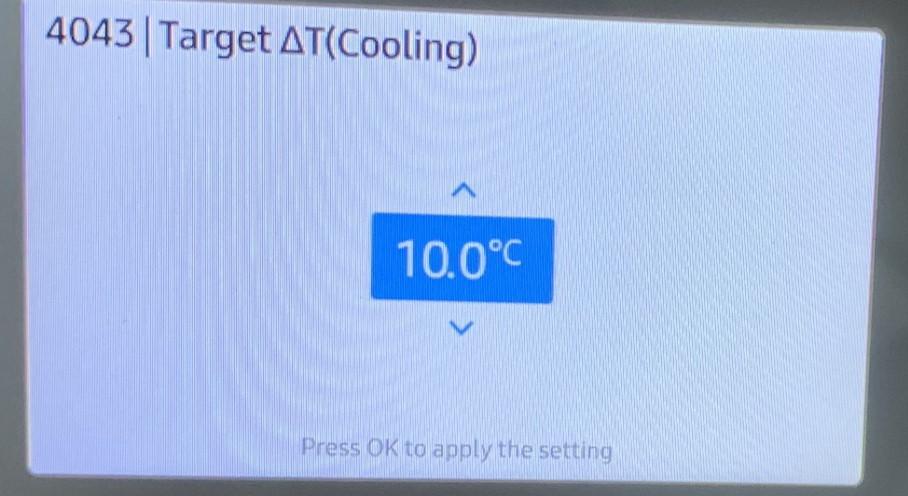
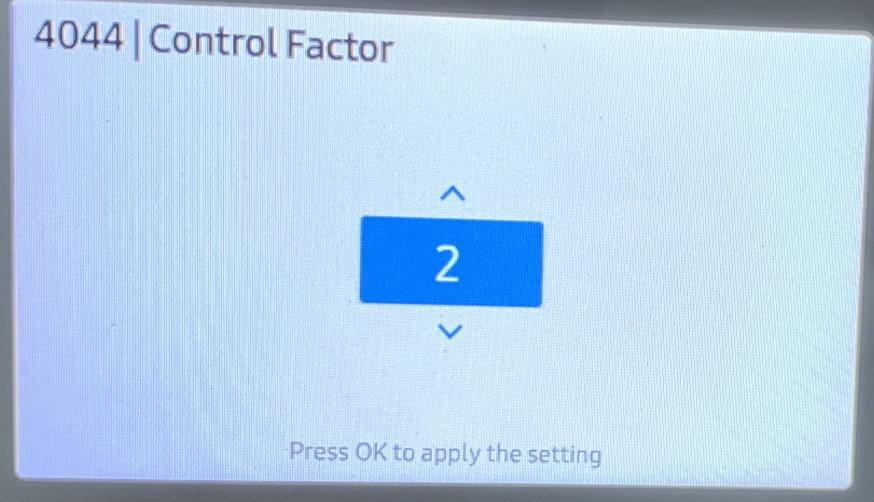
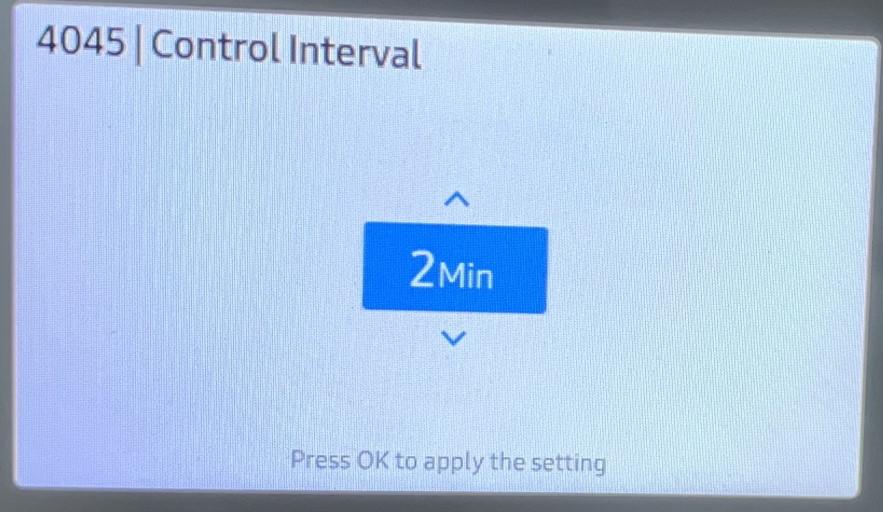
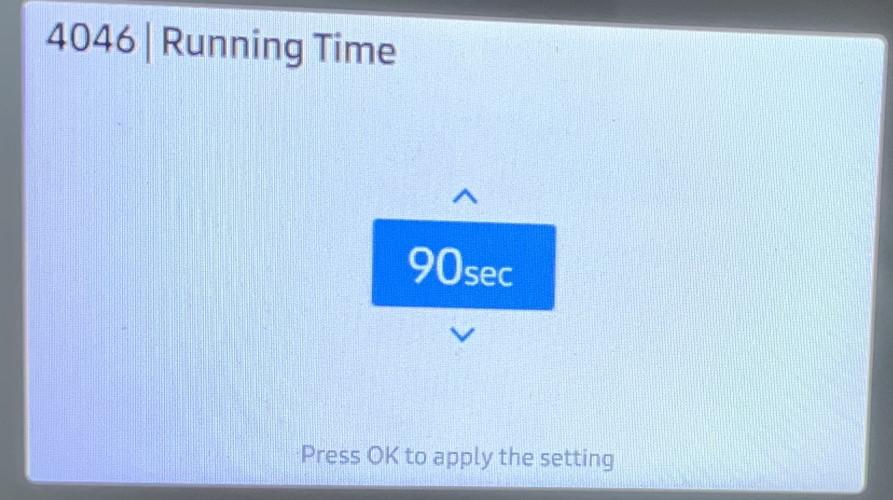
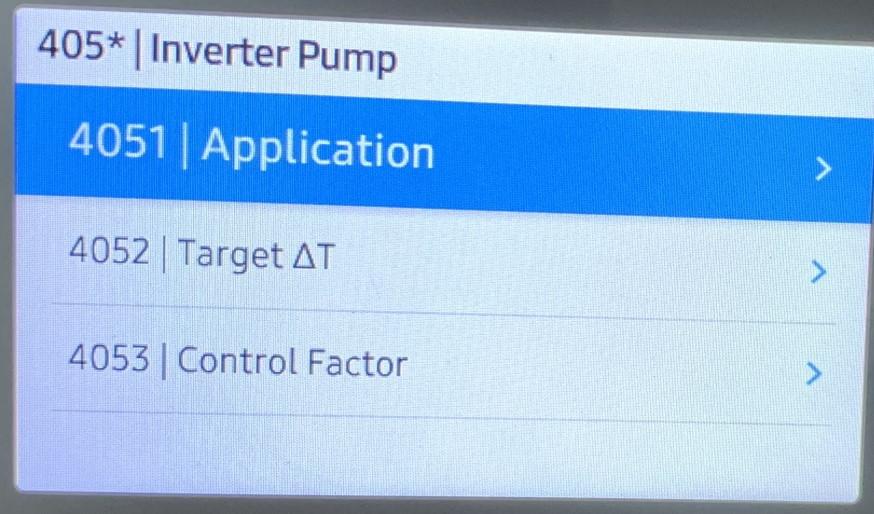
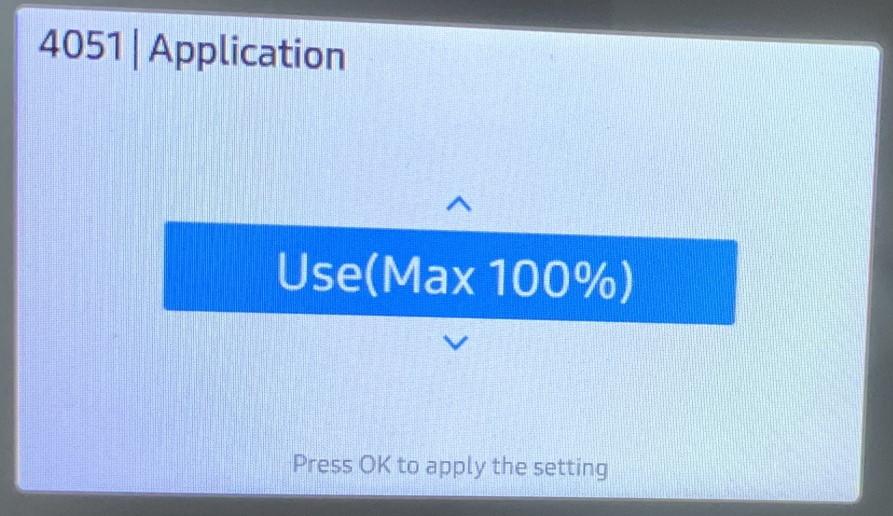
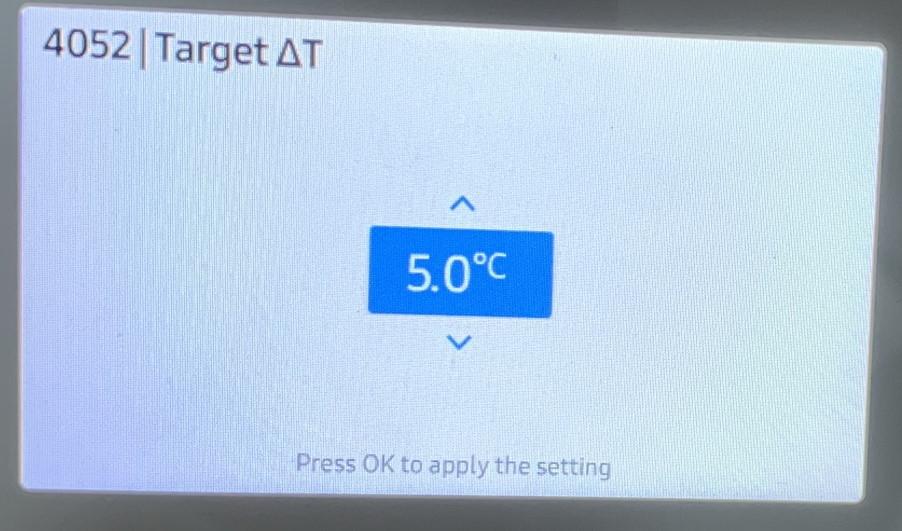
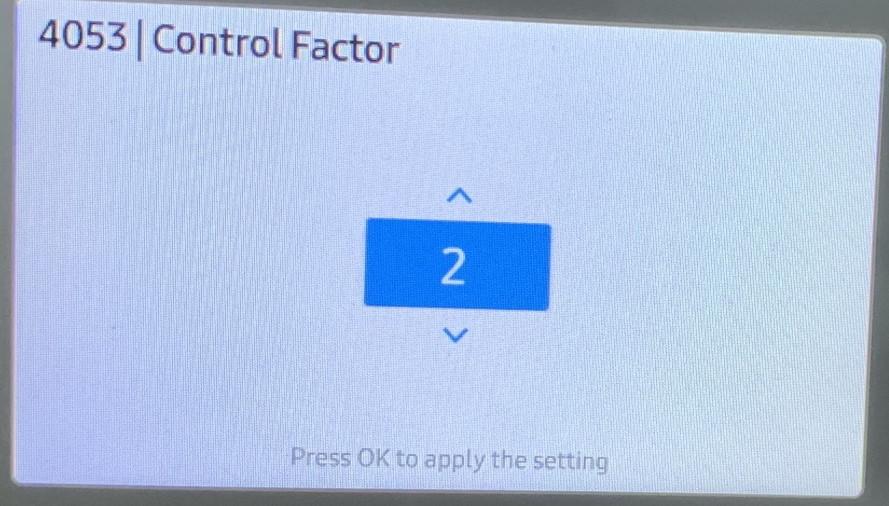
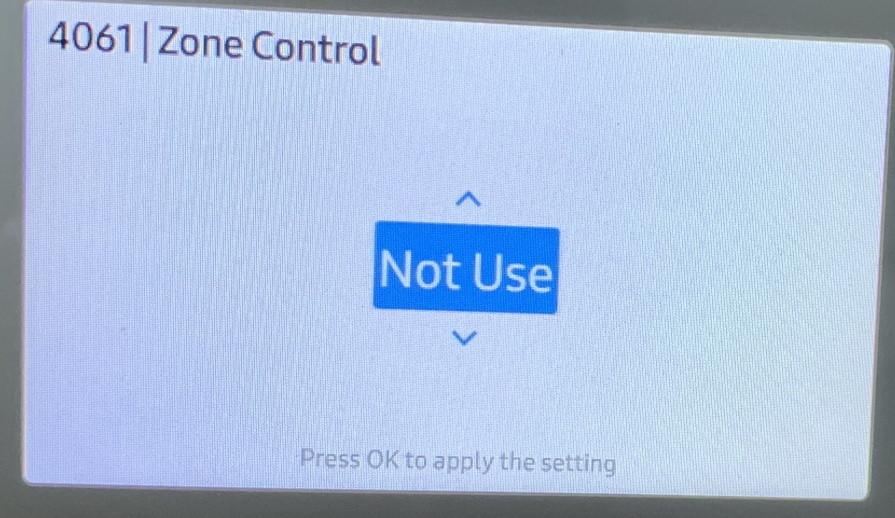
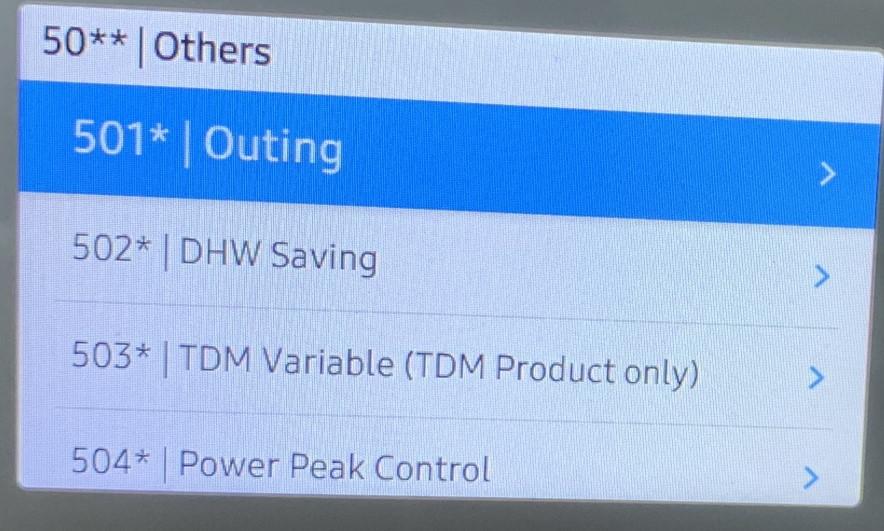
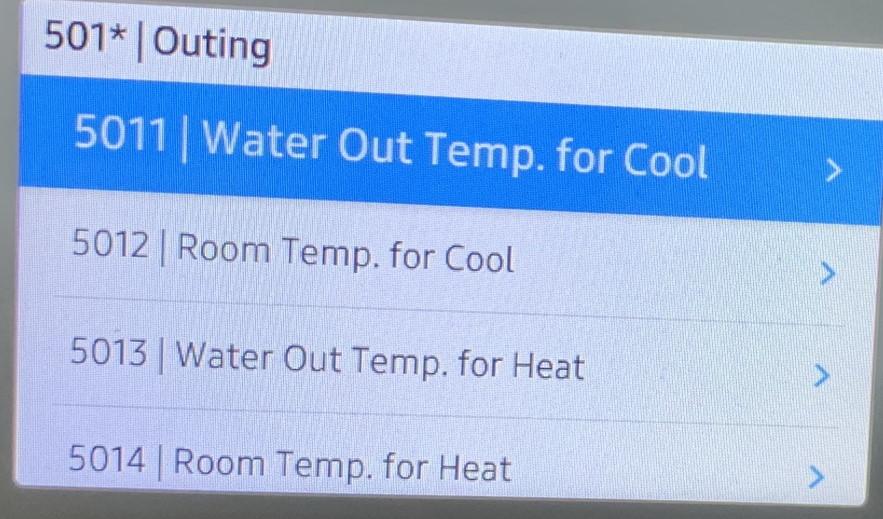
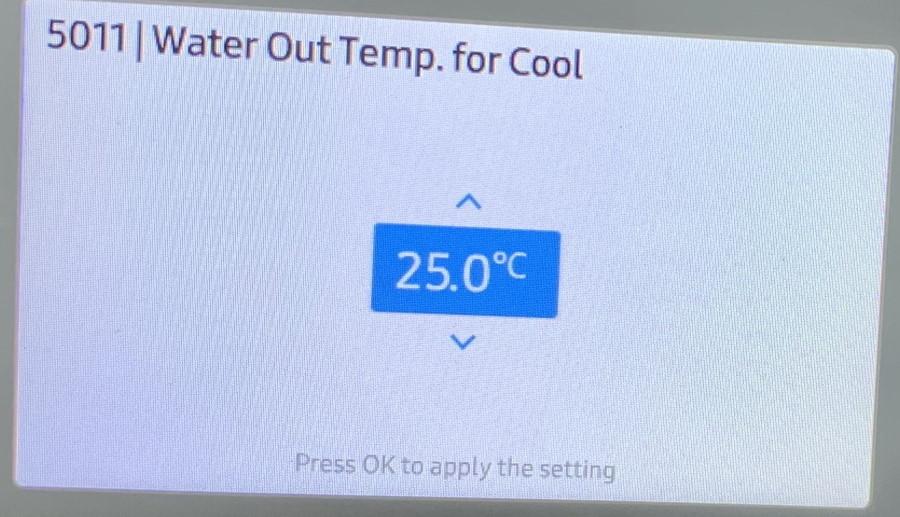
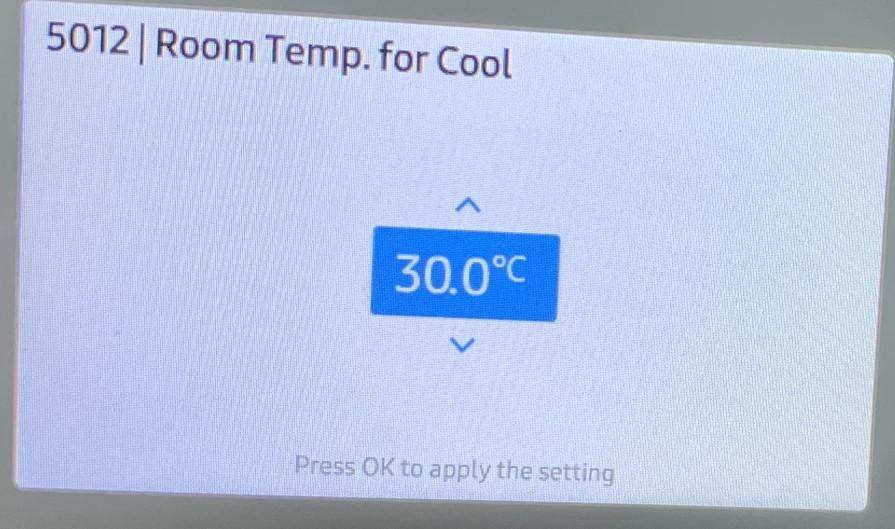
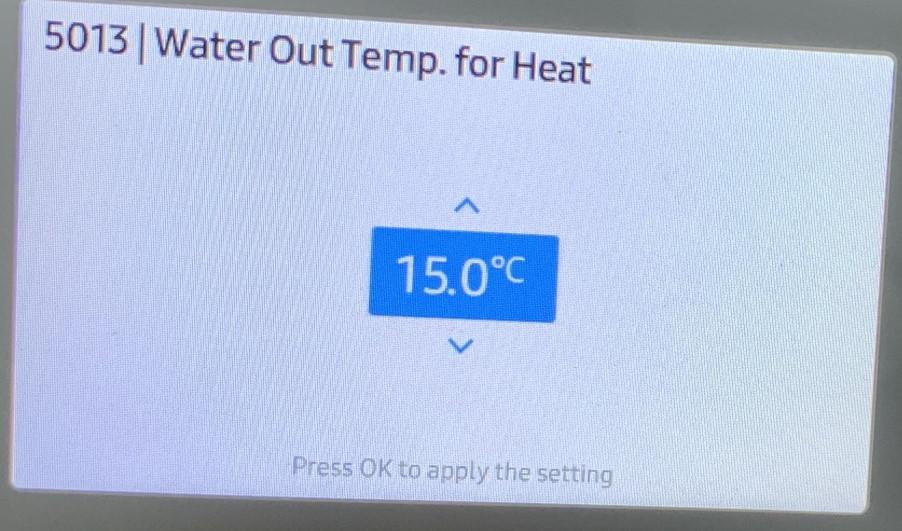
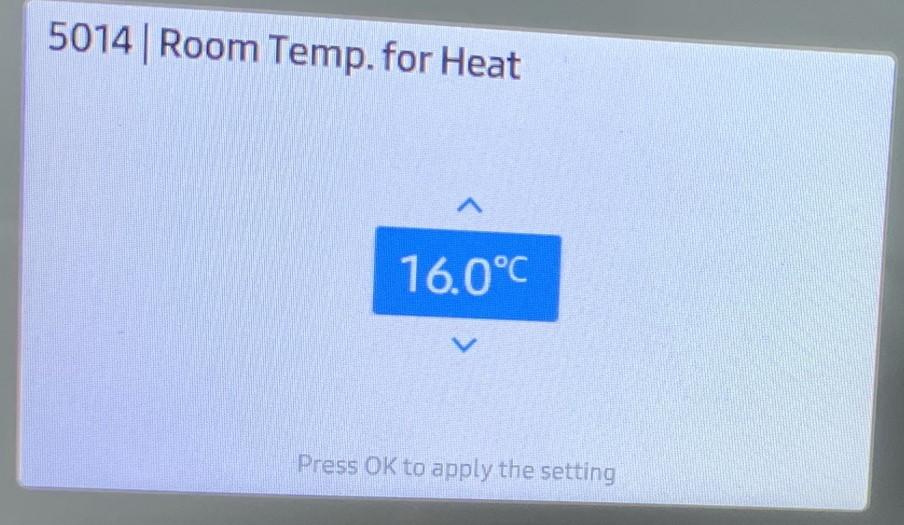
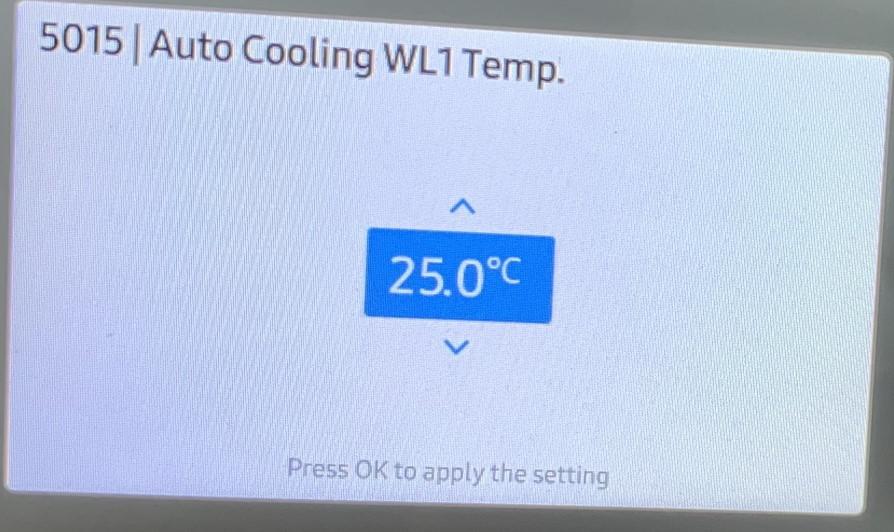
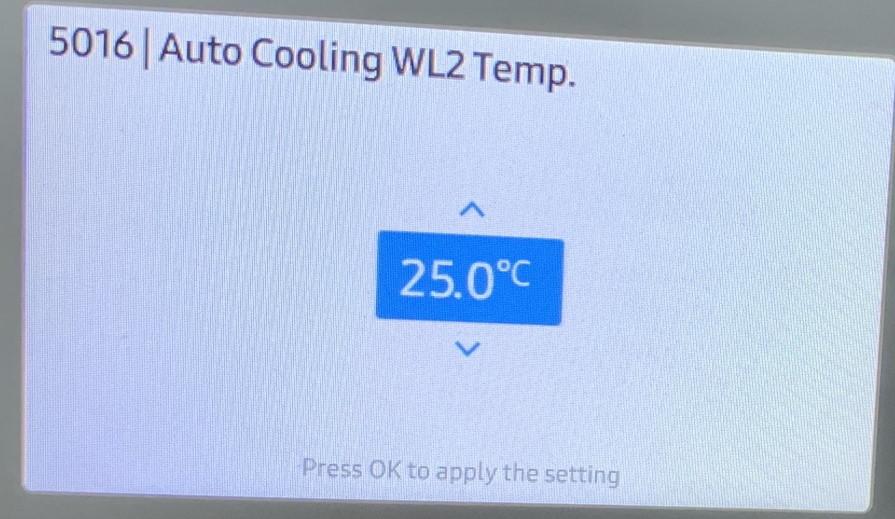
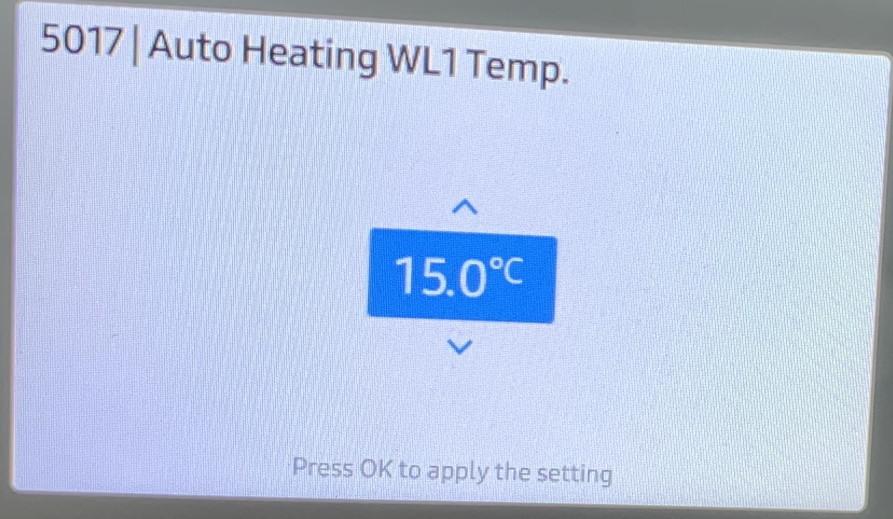
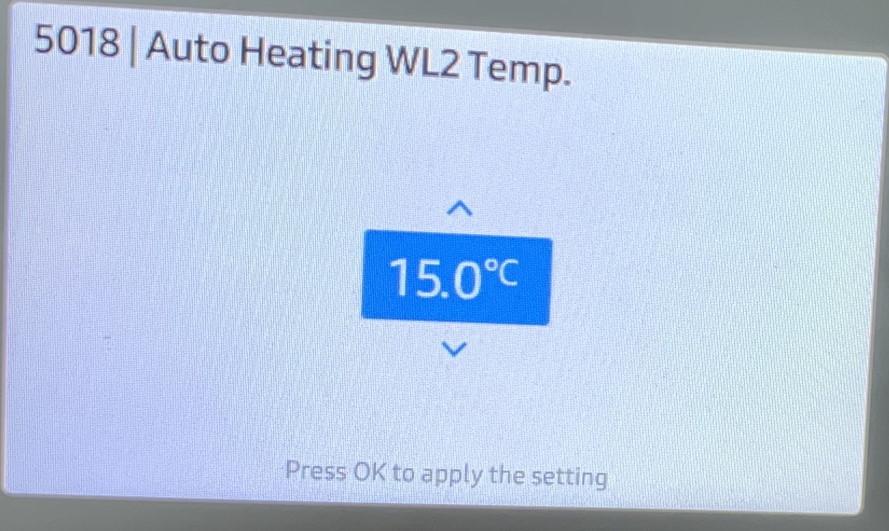
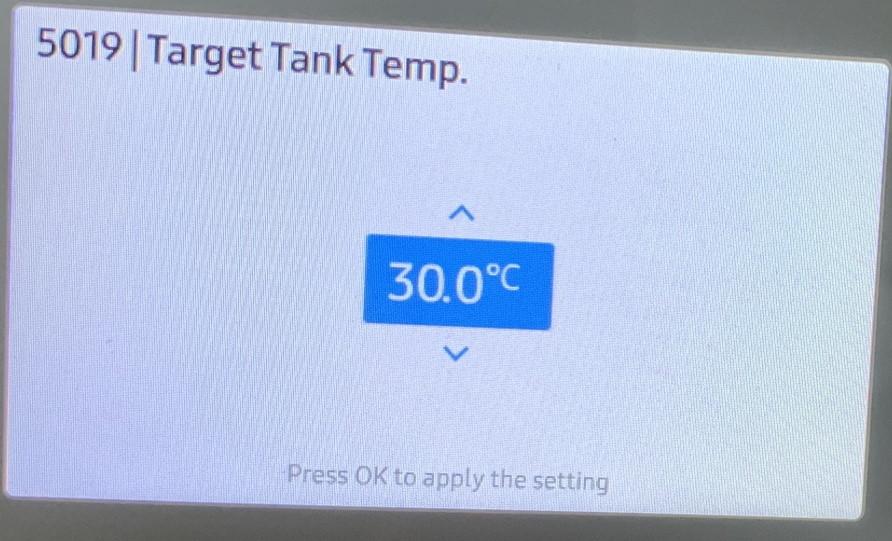
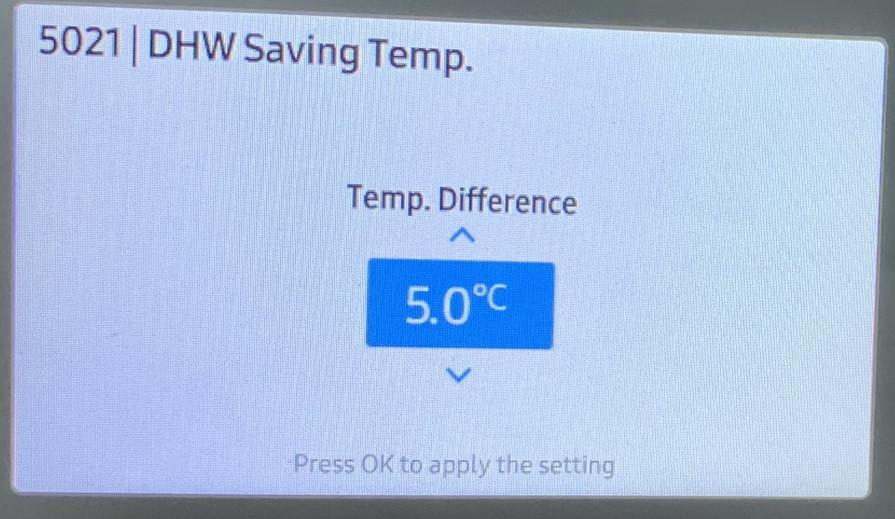
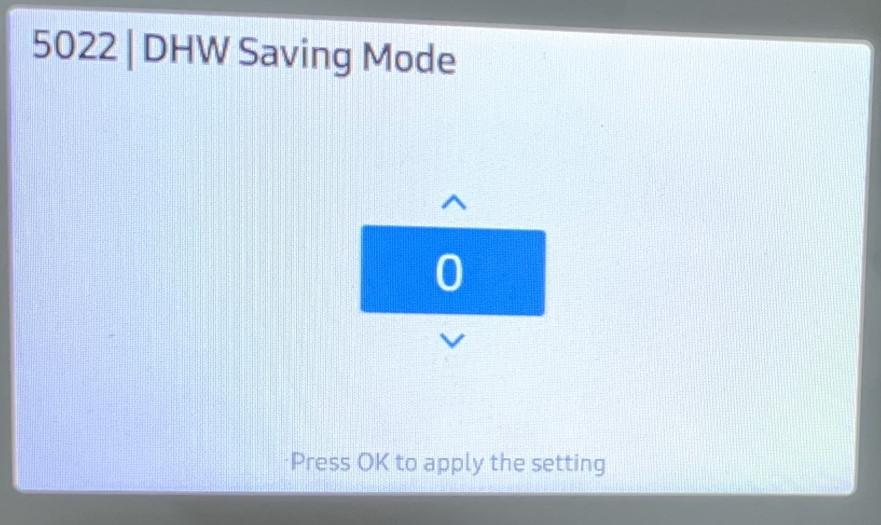
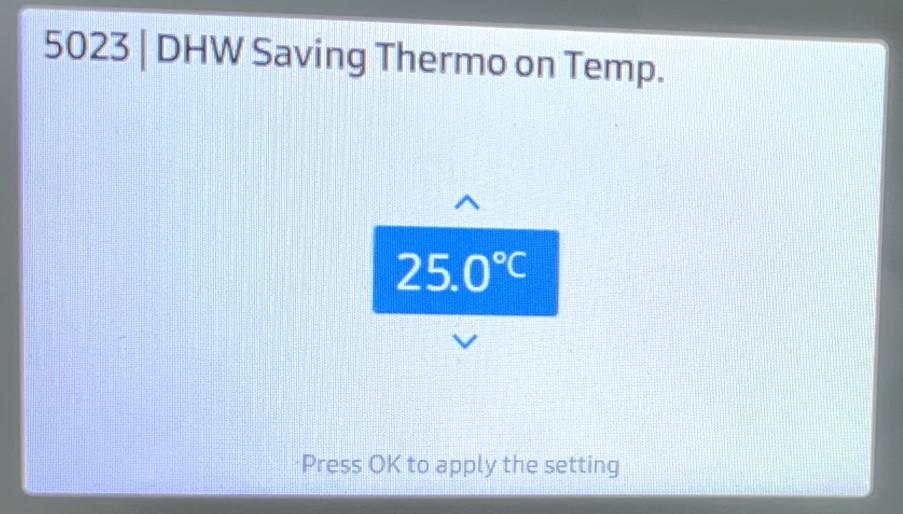
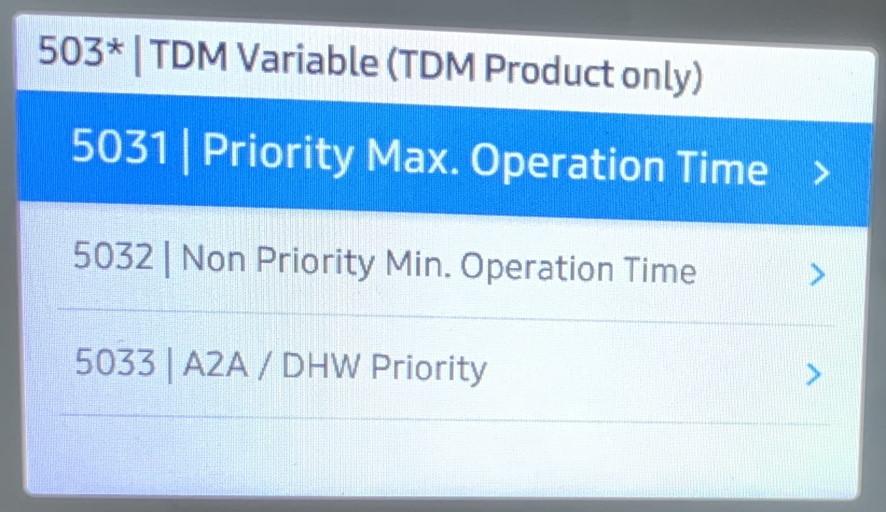
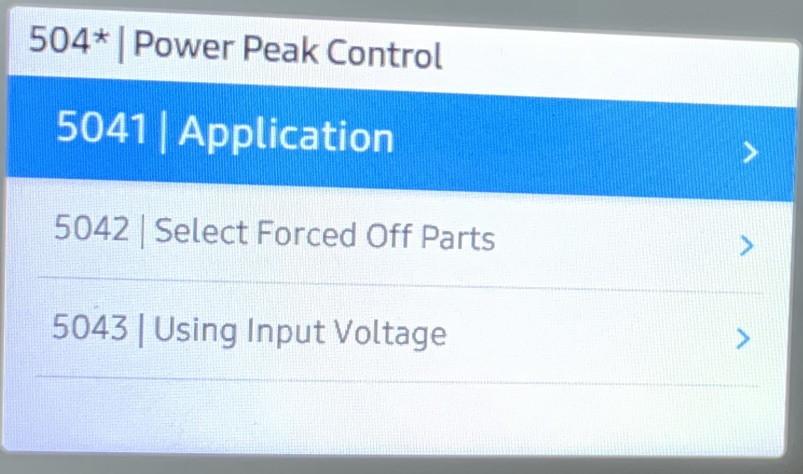
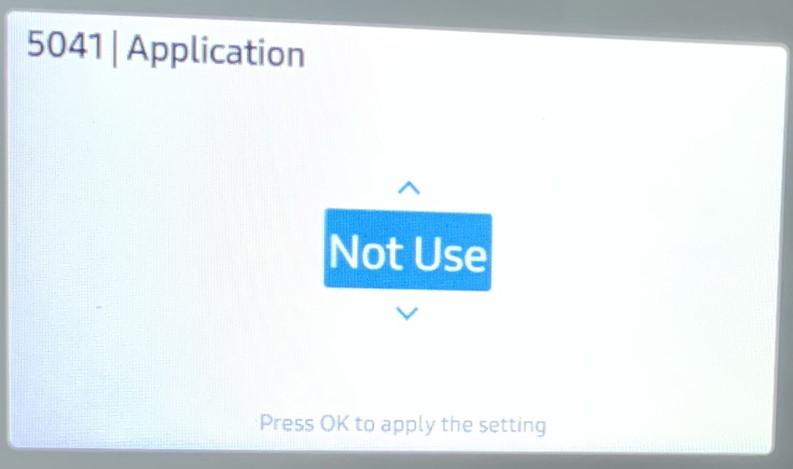
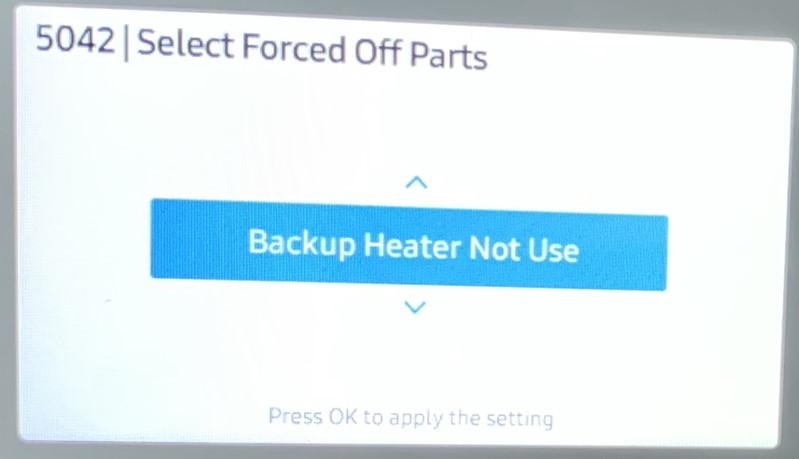
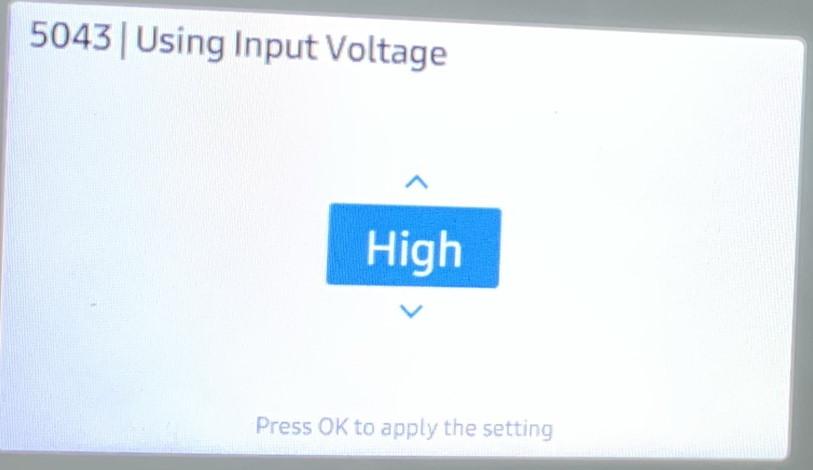
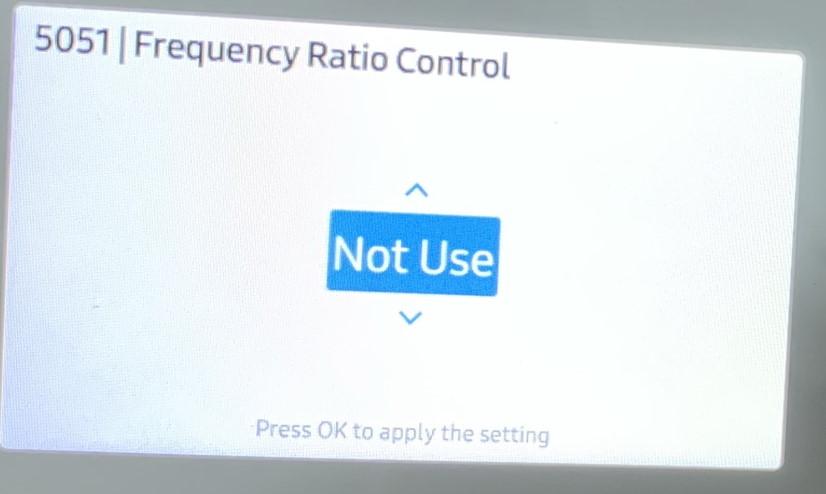
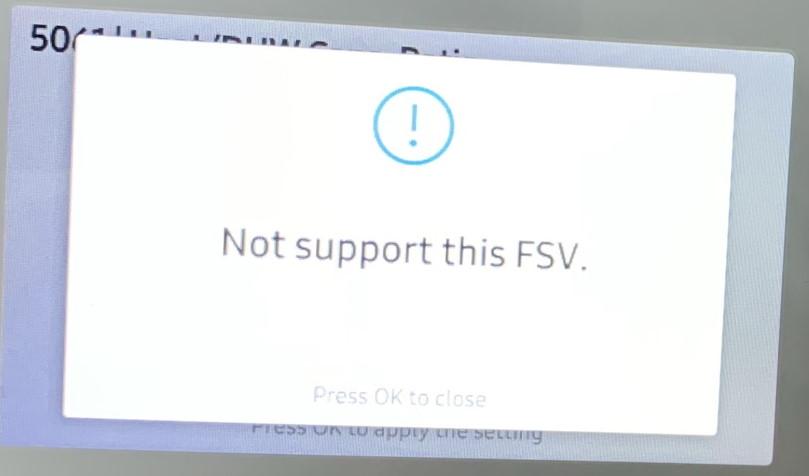
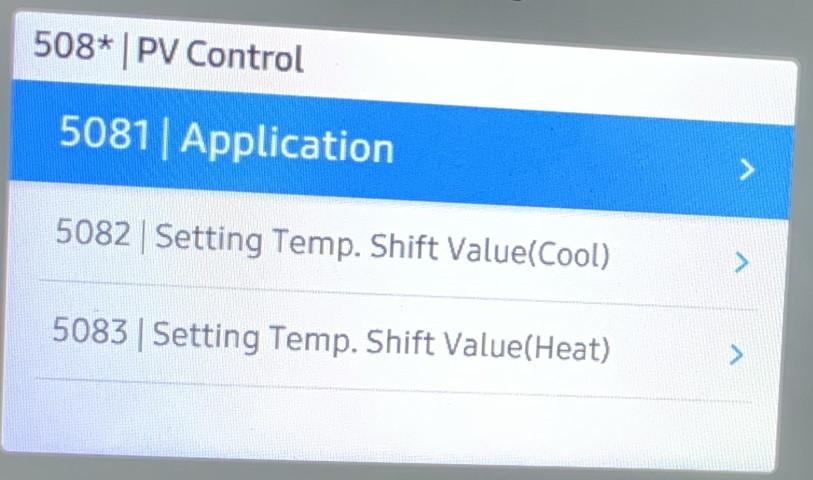
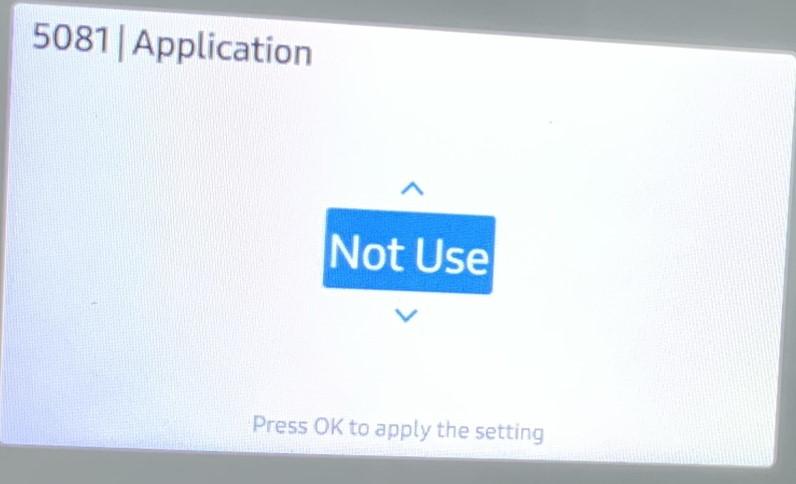
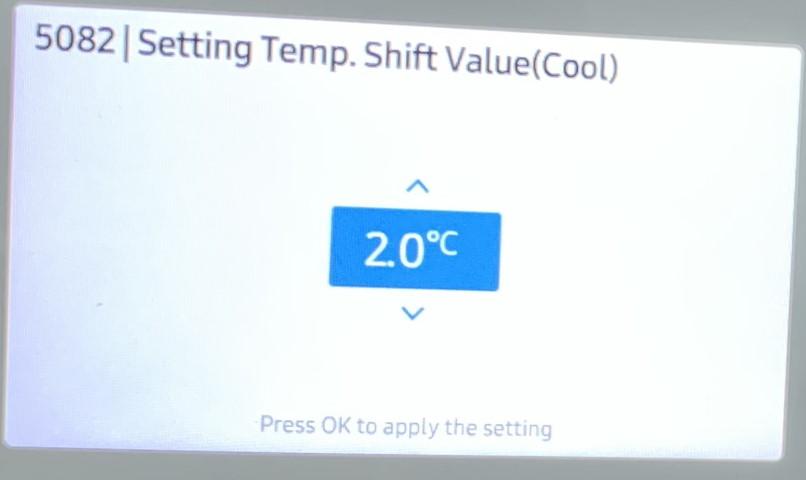
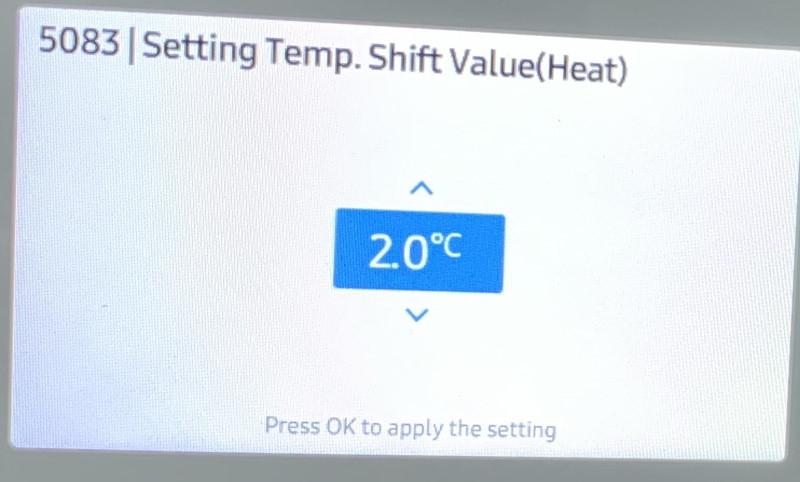
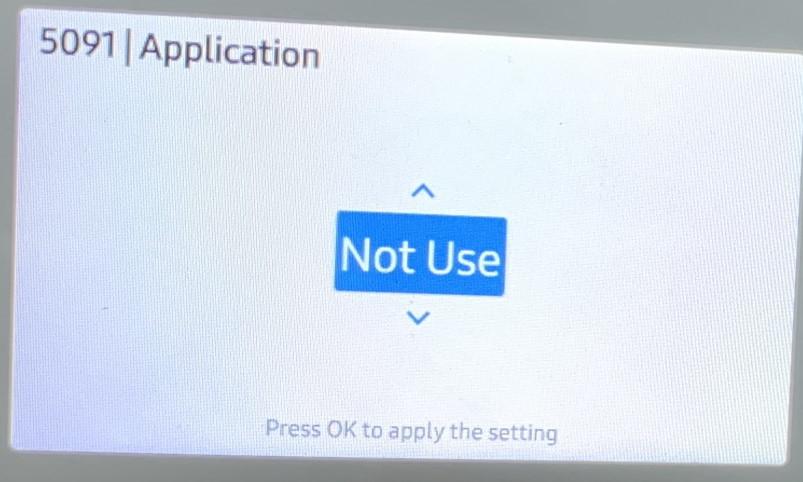
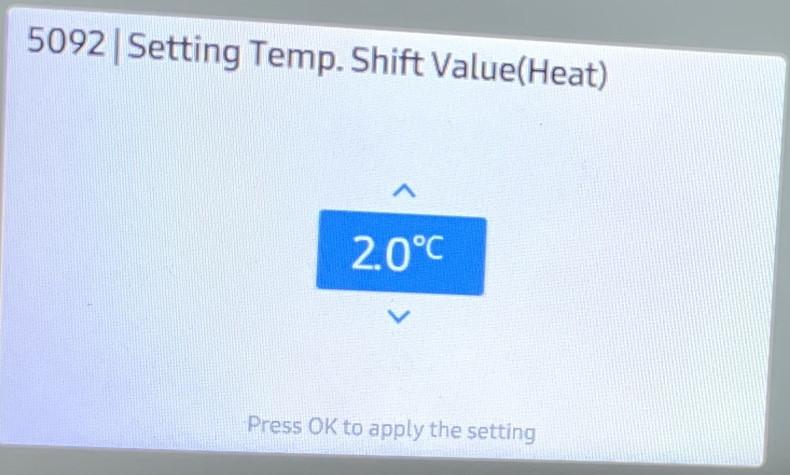
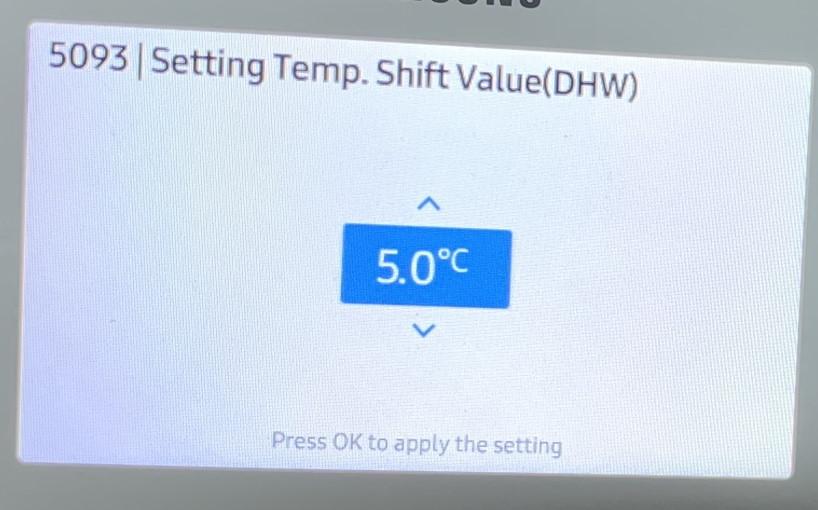
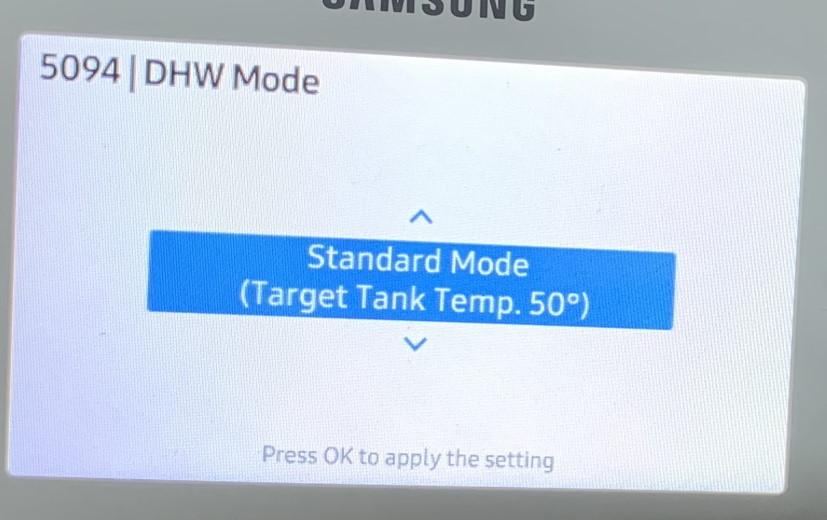
-
Wetroom shower tray formers and vertical outlet trap options
andy replied to cwr's topic in Bathrooms, Ensuites & Wetrooms
I am in a similar position, need two shower trays going which drain straight into soil pipe. I am intending to use these - or one of the Wedi trays and then push 30cm or so of waste pipe down verically through a McAlpine DC2: https://www.wedi.de/uk/products/building-systems/floor-level-showers/fundo-integro -
I will look at screen shotting my settings for reference tonight and will post but nothing radical. Heating and DHW are working though! When it's cold (zero or below) I was underestimating the amount of time required to run the heating to get sufficient temperature in the slab, once it is warm then it stays warm for ages though, so it's pre-empting of immenent cold weather that helps (will look to automate this with leveraging weather input into Loxone). Not sure what settings I can change to influence it's defrost frequency though, I need to start capturing the data but it is defrosting at least every hour which seems too often but as I say I don't see how I can influence that behaviour, could it be the fin desgin on the unit, for example? Beginning to regret Samsung as a choice now but hey ho, too late for all that
-
Bath has and showers have Crosswater TMV fitted.
-
I have been on a "journey" with my ASHP UFH which has just been turned on. Right now I am running mine at 42C from ASHP with a target 5C delta and a flow rate of about 22l/min to the loft on pump #1 (to low loss header). From there there's pump #2 to circulate towards the manifolds and a pump at each manifold too. I've got the pump #3 and #4 by each manifold to drive that local flow but I feel it's only just enough to get flow on the larger 10 port manifold with that local pump on highest constant pressure mode. I only have a limited amount of senosrs in place so far but I get circa 2.5C loss from ASHP to loft with it leaving ASHP about 40C (Samsung reading), gets to loft about 37C (1-Wire sensor) and gets to manifolds at (rubbish dial, 1-Wire soon!) about 32C. But my house shape's terrible from that perspecitve - strung-out bungalow... Crucial thing for me was to run the ASHP for longer than the completely unfounded preconceived ideas in my head said I needed to
-
No problem @Adam2 I was AWOL for a long time due to being utterly buired in the build (luckily not literally!). What I'd say worked nicely is the the continuous Hep2O runs to each appliance (apart from my en suite basin - I really couldn't be arsed to run another pipe just for the loo right next to it). The manifolds were made up in 22mm copper. As I mentioned, I didn't bother with the thermostatic mixing valves on the manifolder either, just not needed when you're talking about DHW only up to 50C anyway. I have used more Armourflex lagging then makes any financial sense too! UVC discharge dumps into Hotun high flow tunish which then uses PP to eventually dump into an internal stack - much better than any nasty pipes going outside. I took the outside taps off after the PRV, in hindsight maybe they should have gone before but hell I am not loosing sleep on that one I didn't bother with any raditor feeds - these are now going to be electric ones controlled by Loxone (as is the comfort electric UFH in the bathrooms). I also didn't bother with electronic thermal shutoffs. Also I should've allowed for really good sized service voids to run all this stuff more comfortably, it was tight in places and bloody hard work due to that. The biggest pain I had was trying to work with the layout the house has ended up being - I think my ASHP is about 15m from the loft as the goddam 28mm Hep2O wiggles... next house I have already got a list of things to do differently and I am so far from done on this one...!
-
Location of MVHR System (Zehnder Q350)
andy replied to revelation's topic in Mechanical Ventilation with Heat Recovery (MVHR)
Get Green Building Store (or I can recommend another too) to spec up a system for you that includes everything rather than guess. Fabric-first, money well spent IMHO. -
Black twinwall duct as big as you can, pull a nylon draw rope through and then when you want to pull the real armoured cable through use a cable sock - best thing I ever discovered, I pulled a bloody awful 5 core SWA pulled through without too much sweat.
-
Still a work in progress here but my list: Loxone for all lighting and heating/DHW control (would do alarm too if you wanted) Lots of Loxone RGBW spots Lots of Faradite motion sensors Has Siri integration now Can control pretty much everything if I want/ever get around to it...! Unifi for networking and CCTV - absolute no brainer. I have complete overkill - UDM-Pro, switches and cams - a full comms rack but that's just for my entertainment! All cameras are CAT6a cabled and PoE from switch, so no batteries and no 230v supplies needed for them. Zehnder Q350 MVHR with LAN Connect option - again a no brainer if you ask me, couple with a proper steel spiral ducting system with attenuators to stop any noise - professionally designed and working brilliantly Sonos for audio, it still is hard to beat - I did mull a number of options including Apple, Loxone or Raspberry Pi with amp pi hats but I already owned a load of Sonos gear and the Sonos ceiling speakers in the kitchen are really good - sub coming soon Wiring for future proof - just drop CAT6 in each room, in each corner if you want behind the plasterboard, you can run anything over that and just dig them out later if you need them. I ran a few but tbh was quite frugal on that front Blinds - I have the Velux Integra windows with the electric blackout blinds and the Velux Active hub which does scheduled open/close for blinds and also full Siri control. Cost-wise this was much less than anticipated and not much of a premium over standard Velux - each blind is circa £120 I think Nest smoke detectors don't compy with new build building regs AFAIK so I will be replacing my godawful building regs compliant ones with Nest later this year...
-
True, and 6kW of solar will mean I'll be using a lot less in summer - need to get my Eddi ordered though!
-
So it seems it does, it's just the terminology and menu layout leaves a little to be desired... anyway! What I have it set to now is max temp of 42C at -2C outside or lower and 37C at 15C outside, so it should work harder in colder as per your compensation curve. Right now for DHW and heating on a 180m2 single storey, stretched building with UFH pipes that are too deep I am using circe 25kWh/day - and that's having a bath 'cos shower is still on the things to do list House is nice and warm but power consumption higher than I had imagined but c'est la vie. As an aside, I've given up on the idea of Loxone actuators now though, going to go with Salus instead to balance flow temps, still TBC about what Loxone switches I will configure to trigger the heating to come on as I think I will just heat the whole house as an entity, seems to be working at present doing that approach with the binary controls I have in place!
-
I'll find a suitable tarrif at some point once I see what the consumption is like. Original plan was to have a Tesla Powerwall 2 to accompany the 6kW of PV but as we've ended up going 3 phase, SSEN are saying that I need to buy 3 (yes 3!) of them, one per phase... so that's on hold right now.
-
No slab is fully dry now and the MVHR is showing circa 50% humidity. To be honest, as long as I find a sweet spot for the heating to run at, I'm not bothered - yes, it would have been better to have the pipes 50mm higher up the slab but hey ho, that's just the way the build ended up - next time Next time I will definitely buy a larger, flat plot and do an insulated raft foundation... More importantly, utility wall hung loo all ready to slot on now and bathroom is getting ready to have a tray and be tanked - so steady progress on other matters.
-
Lowest flow rate I can set on the Samsung is 37, which is what it's now set to. My house is only ground floor (apart from unheated mezzanine) and an inefficient shape to boot, so I knew it would take more ASHP running than if I had built a cube. At present, just got the heating on a timer running 06:00-11:45 then 14:00-20:00 (with DHW being done in the gap) and the house is nice and warm. Electricity bills to be worried about later
-
Location of MVHR System (Zehnder Q350)
andy replied to revelation's topic in Mechanical Ventilation with Heat Recovery (MVHR)
Regarding the drying, it's the continual movement of air combined with UFH, so you get a nice flow of warmed air over the drying racks and if the humidity increases enough, it will increase the extract level to clear it. We've realised we don't need to use the tumble dryer anything like as often, which is great. My house is about 180sqm and we've mostly got 100mm ducting so as you say, we're likely to have quieter movement of air in general due to that. -
I think it ramps up to 40 max based on delta between flow and return? So until the return nears the desired flow temp, it will keep ramping slowly up I think? Loxone is just sending the run command to Samsung controller and that’s working out what needs to be done to control ASHP itself. DHW is left solely under Samsung control at present but I may change that to Loxone too later on with the run signal coming to Samsung from Loxone, with Loxone configured to avoid running heating during that window. It’s currently about 2C here and wet so it’s the worst possible conditions I guess! Slab is 300mm EPS and I am not sure what the Samsung lingo is for weather compensation, the manual is terrible... I don’t know what the impact is of max/min water out temps tbh but I assume they are the target operating ranges? I could turn it down to 25-35 and see what that does.




