
Pocster
-
Posts
14419 -
Joined
-
Last visited
-
Days Won
29
Everything posted by Pocster
-
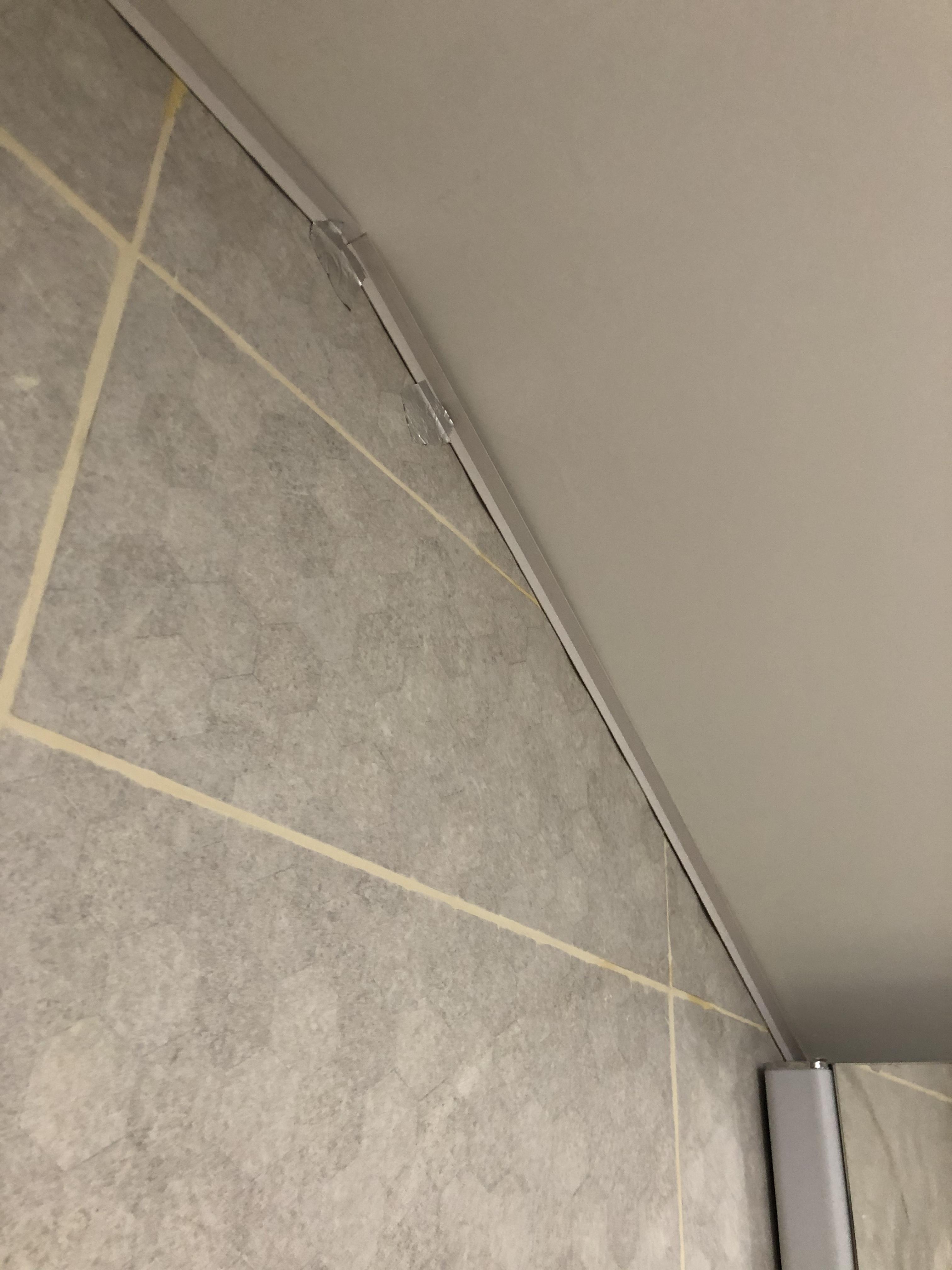
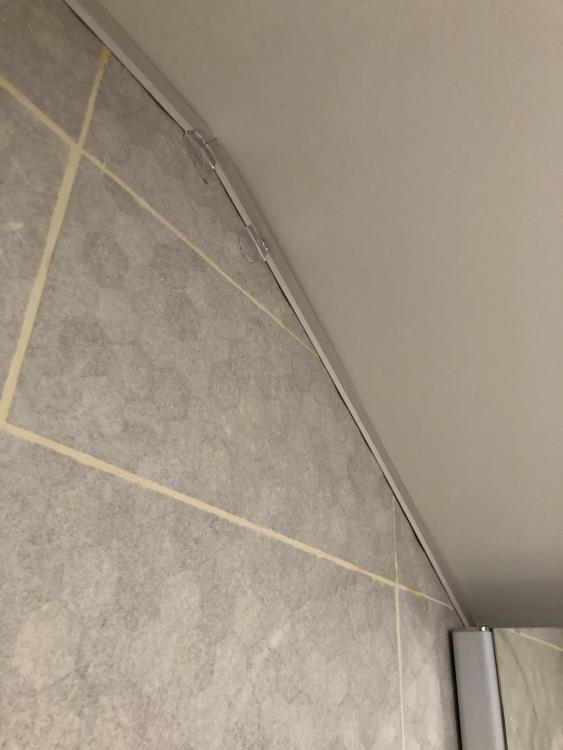
Trying to bead the ensuite wall to ceiling gap . Bloody tiles - because not flat ; a dog ! Tried this first bit stuck up with ct1 - foil tape just to hold it in place . If ok tomorrow will still need white Mastik under the upper edge against the wall
-
True . But if he wants to add more at a later date ...
-
Depends on resolution , bits per pixel . MPEG compression, FPS . It could all by fine but you only have so much Wi-Fi available . Also if some Wi-Fi is 5ghz range and some the older 2.4ghz they can run simultaneously with the correct router . Also if you / others are using Wi-Fi for browsing / streaming it all adds up . As @PeterW said you’ve got to get power to the camera anyway so make it poe -then Wi-Fi is ‘free’ for other uses . Need a router that supports poe of course - there are different poe standards aswell ?
-
WiFi bandwidth is limited . Not just by your cameras but everything Wi-Fi is sharing it . Common limit is 54mbps . Poe cable will be limited by isp throughput and the tariff you are on .
-
Go poe - much more reliable . Hikvision always seem good .
-
Troll
-
50p a Kw? Who said it would be THAT cheap!
-
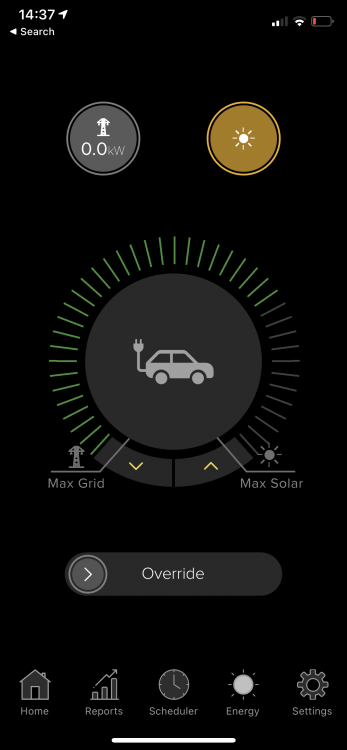
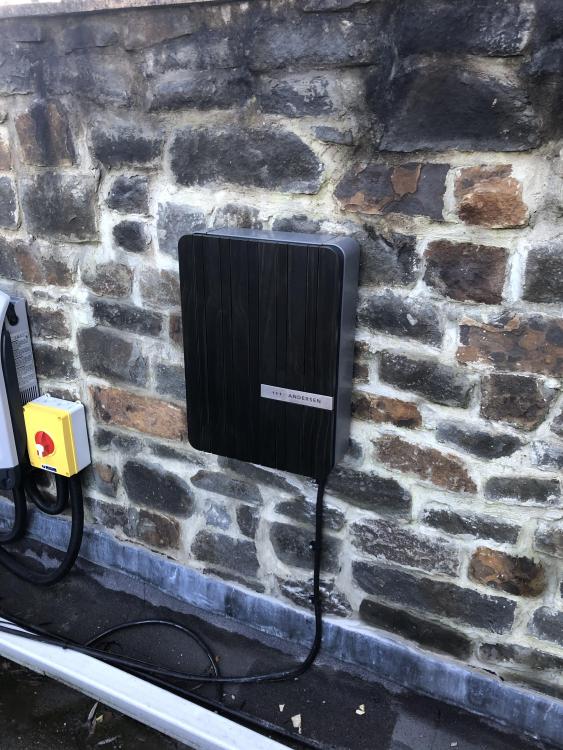
Anyone want to drop by with an EV so I can test it ?
-
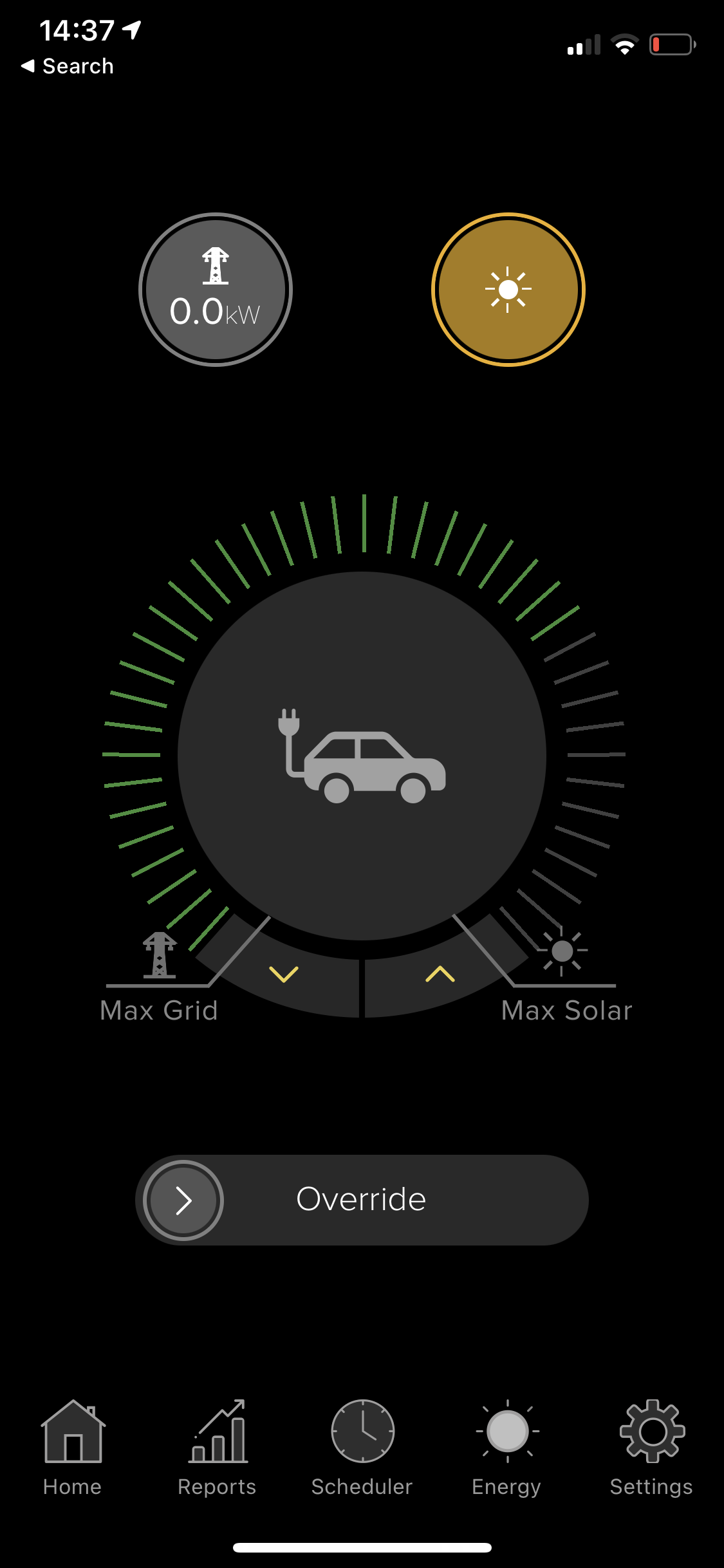
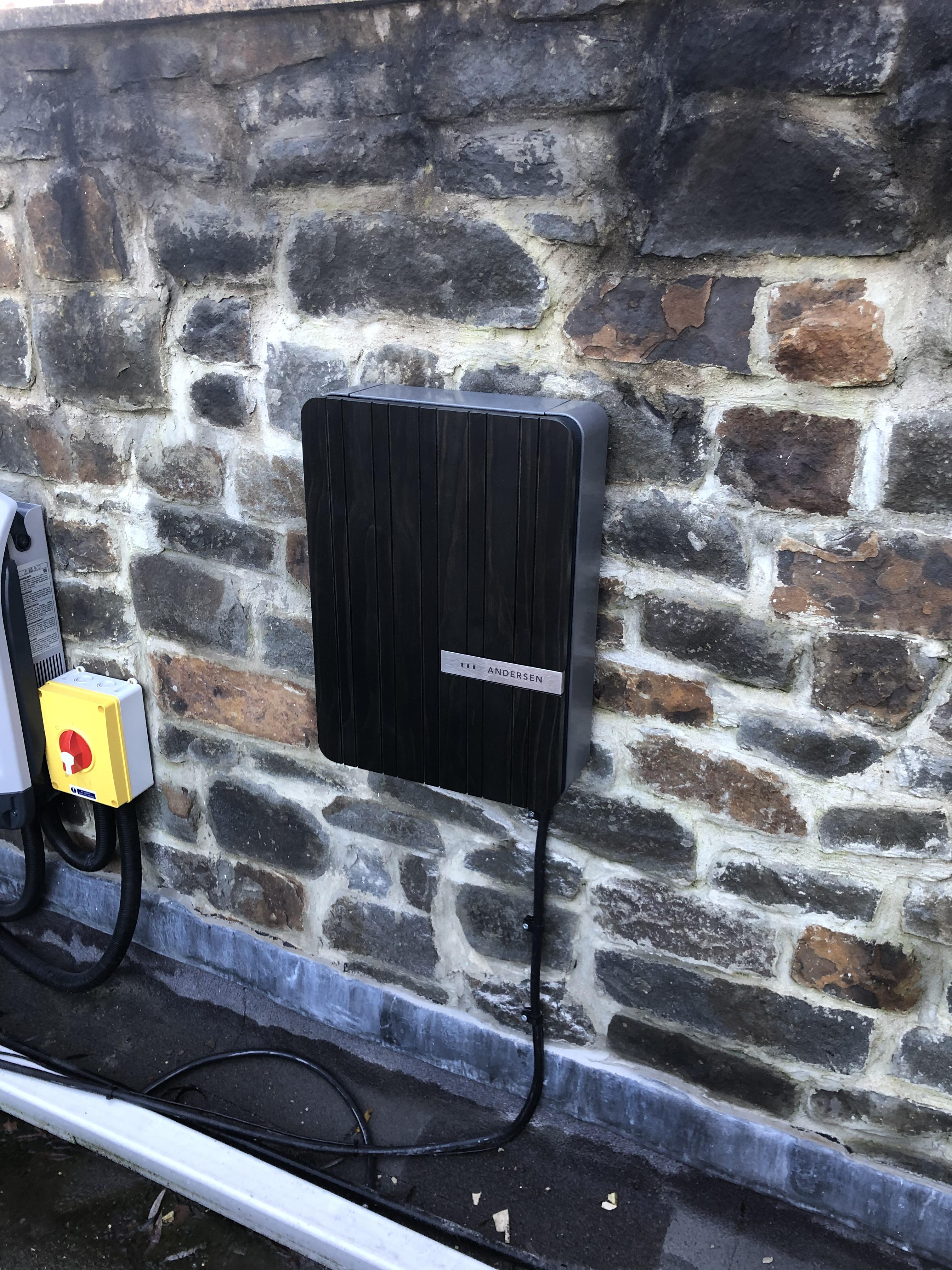
It’s in . Looks nice ! Just nothing to charge yet !! ?
-
@Onoff definitely due the gas check fee’s for all the years they passed it when they should not . Will more than make up the cost of installing a hatch . I’d write to them first . Once they BS you - I’d start a ccj . I like ccj’s and high court enforcement procedure . I imagine they will buckle long before that as they effectively have been passing a gas install they should not . As others have said land lord gas safety check ‘ professionals’ range from slack to pedantically anal . Threat of ccj ! Your tenants were at risk . You were worried sick . Potentially you ‘broke’ the law by renting an unsafe property - ummmmm ! The council are on your back aren’t they ? Didn’t you call them ? . Local paper are interested in your ‘Dodgy gas checker’ story etc. etc. Make them f eckibg pay ! ?
-
ASHP with ufh is ace ?
-
Oh - some stuff’s disappeared! Naughty @Onoff !
-
I ordered some of the crystal dehumidifier pots from eBay . Worth a shot . Gut instinct now tells me condensation. ?
-
No . But I have seen that before . Air gets ‘stuck’ almost in a corner . What’s the best eBay type dehumidifier / condensation absorber I can buy her ? ( I’m kind like that ) .
-
Just cavity wall . Never happened before . House has 1 Covid positive tenant - so I can only do a basic look tomorrow. Wondering ( as everyone is in their room ) if condensation from lack of airing the room .
-
Guttering issue ??
-
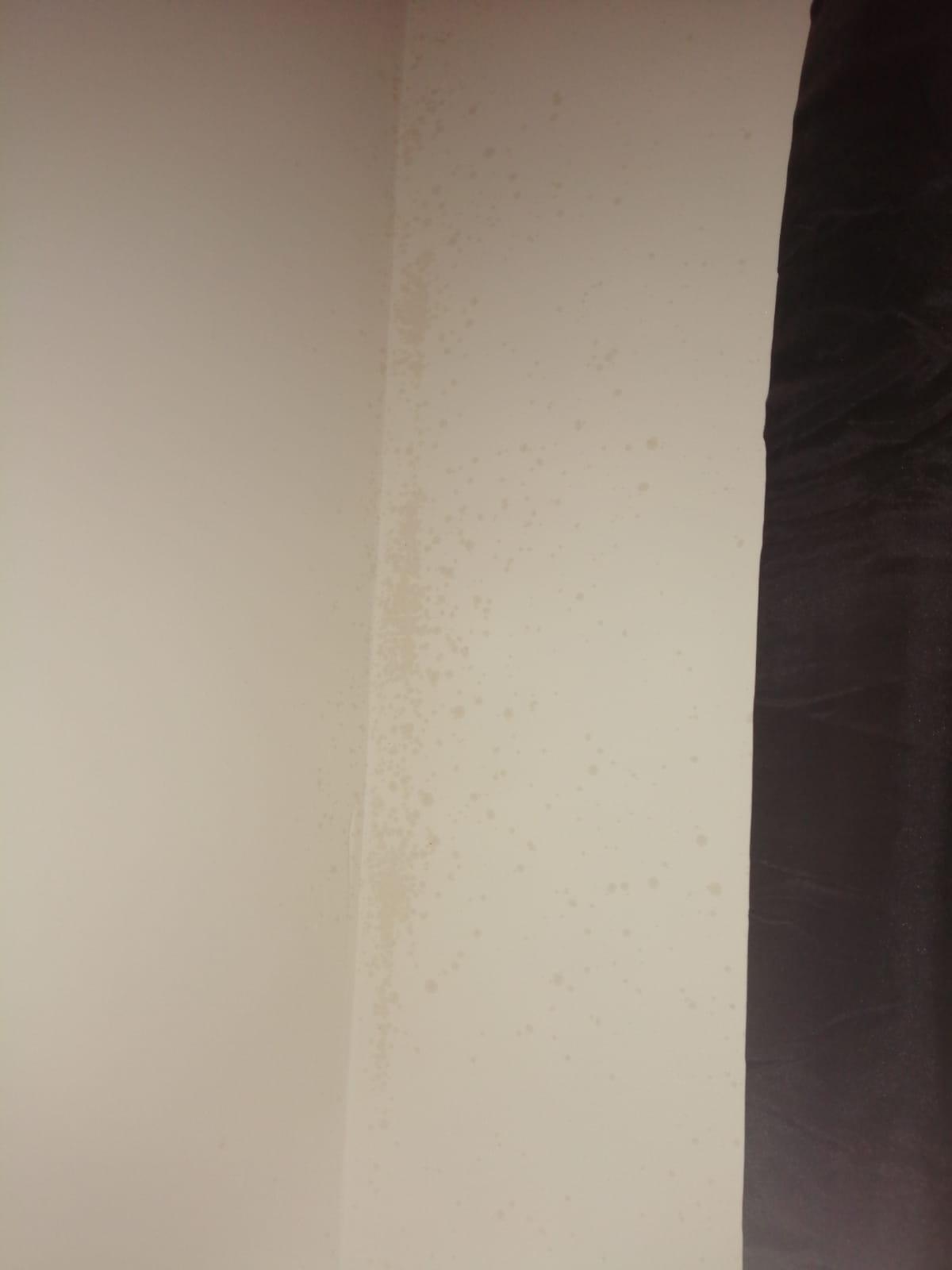
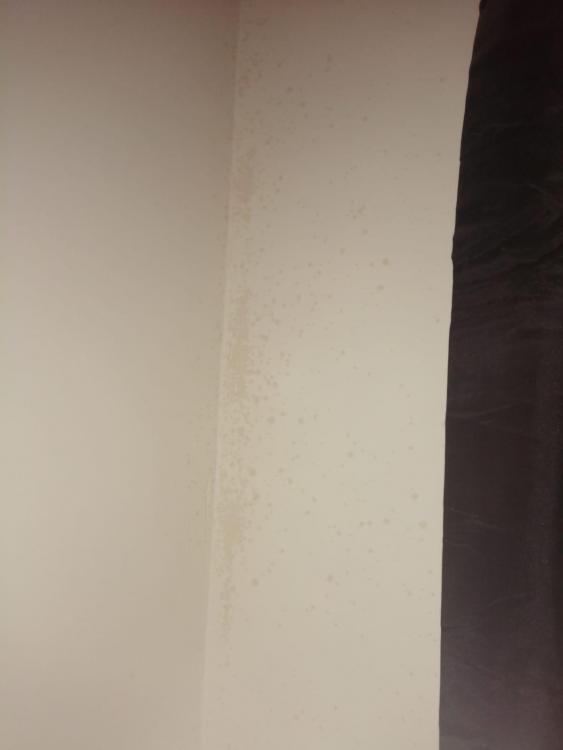
My tenant just sent me this photo . This wall is to the left of her window . There is a loft room above her with ensuite - so I would assume an issue there . But the specked pattern confuses me - doesn’t seem like a ‘normal ‘ leak ...
-

Is insulation *outside* studs considered unconventional?
Pocster replied to lineweight's topic in Timber Frame
Yes . Foiled backed stuff . All around the timber frame externally ( with either cladding or a thermolite wall beyond that ) . Then pir in the timber studs . Also in between ceiling joists .Then 50mm pir over all of that and foil taped all joints . You can only insulate once ...... -
Is insulation *outside* studs considered unconventional?
Pocster replied to lineweight's topic in Timber Frame
I’m no expert ( as others will confirm ) . I put insulation outside my timber frame and also between the internal timber frame . -
Going to lose then !! ??????
-
No wonder he wants to visit me - we can fight !
-
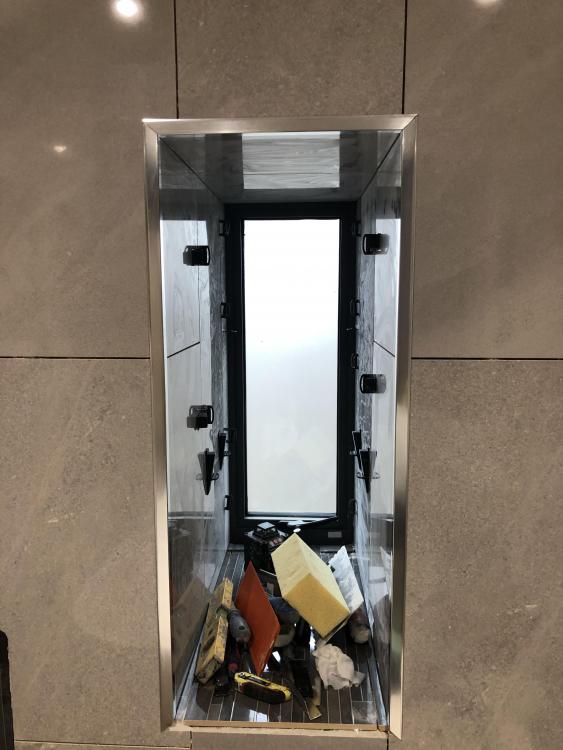
Decided to persevere with my home made beading - until I ran out of trim . Got the mitres as tight as I can .
-
Fibaro switch wiring lack of knowledge!
Pocster replied to Pocster's topic in Networks, AV, Security & Automation
Bought a small relay . Wired this up and it works properly I.e as I would expect it to work . The software though leaves a lot to be desired - but I can work round those issues . So now I have a video doorbell using no cloud , no subscription and good luck to anyone who wants to hack it ! -
You tried my friend - that counts for something