Russell griffiths
-
Posts
7971 -
Joined
-
Last visited
-
Days Won
65
Everything posted by Russell griffiths
-

Moving house after planning submission?
Russell griffiths replied to flanagaj's topic in Surveyors & Architects
Our knew planning policy inside out, they even had staff who were ex council planning officers. They knew the planning officer on first name terms, and every time he quoted something she shot him down with a counter argument. is it too late to withdraw your application and get better advice. -
Moving house after planning submission?
Russell griffiths replied to flanagaj's topic in Surveyors & Architects
Planning consultant architects draw pictures of things. -
Sup roof on masonry build
Russell griffiths replied to Lewis88's topic in Structural Insulated Panels (SIPs)
I looked into sips roof on an icf house and forgot about it because of the spans. sips cannot span very far on their own without intermediate structural timber. you either need large splines of timber between the sips which leads to cold bridging which then needs additional insulation, or you need to put additional purlins at mid span to stop the droop from eaves to ridge, these then project into the room space. I would build a cassette type roof on site using I joists and insulation then osb. -
You can use the wood fibre insulation, but you put your sarking boards over the top of it. look up the term warm roof. as long as the little parapet wall is high enough, or you might need to raise it a couple of hundred mm.
-
Labour's new planning strategy
Russell griffiths replied to Lincolnshire Ian's topic in Planning Permission
How about we don’t actually need more houses, we need less people. -
Help! big hole found under the conservatory foundation!
Russell griffiths replied to LLL's topic in Foundations
It’s good to see the drain isn’t broken, I think you need to do some more digging untill you find solid ground under there. can you tape your phone on a stick and put it right in there. how long have you lived there, that plastic pipe looks in very good condition, is it newish. -
Help! big hole found under the conservatory foundation!
Russell griffiths replied to LLL's topic in Foundations
Get more blocks up and do some digging, come back with what you find. It’s all a guess at the moment. -
Help! big hole found under the conservatory foundation!
Russell griffiths replied to LLL's topic in Foundations
Broken gulley below the rainwater pipe, or broken clay connection. fairly normal to see this. I’ve seen a kitchen extension drop 25mm due to a dripping pipe under a corner. you will need to take up a lot more paving and fix the broken pipe first. then back fill the hole paying great attention to compacting the fill material, or mass fill with concrete. fix the cause of the problem first. -
You don’t nail into the wood fibre insulation, you fix through it, so either your sarking boards or counter batten and batten get fixed through the insulation into the rafters, the wood fibre boards just get trapped in position.
-
Loft conversion - rotten timber?
Russell griffiths replied to Firsttimereno's topic in Lofts, Dormers & Loft Conversions
The timber should all be graded either c16 or c24 the grading takes place and the timber is marked up to state it’s grading. if this looks like damage that was caused as the tree grew then it was graded then it’s fine it passed, if it looks like damage caused by the guys on site after it was graded, then it’s fine would now be below grade and should be changed. that looks like a natural anomaly as the tree has grown so as long as it’s got it’s correct markings on it, it should be fine. -
I think that's what I said. see your learning. @saveasteading
-
Why not take the garage ceiling down and do it from below, you can then update the fireproofing between the garage and bedroom.
-
That’s better. carry on sir.
-
-
FFS NO, NO ,NO ,NO. I TOLD YOU WHAT TO USE, WHY DO YOU WANT TO USE SOME GASH DOWN PIPE.
-
Holes on plastered walls behind kitchen units
Russell griffiths replied to tokyotecubate's topic in Plastering & Rendering
TBH your lucky you even have plaster, I’ve seen some horrible things behind kitchen units. bare walls, half plastered, dead rats. once the kitchen is in surely you won’t see any of this, however I can see you point about creatures. talk to the electrician and get him to slide a short piece of flexible conduit over the wires, then use expanding foam to seal the hole up. -
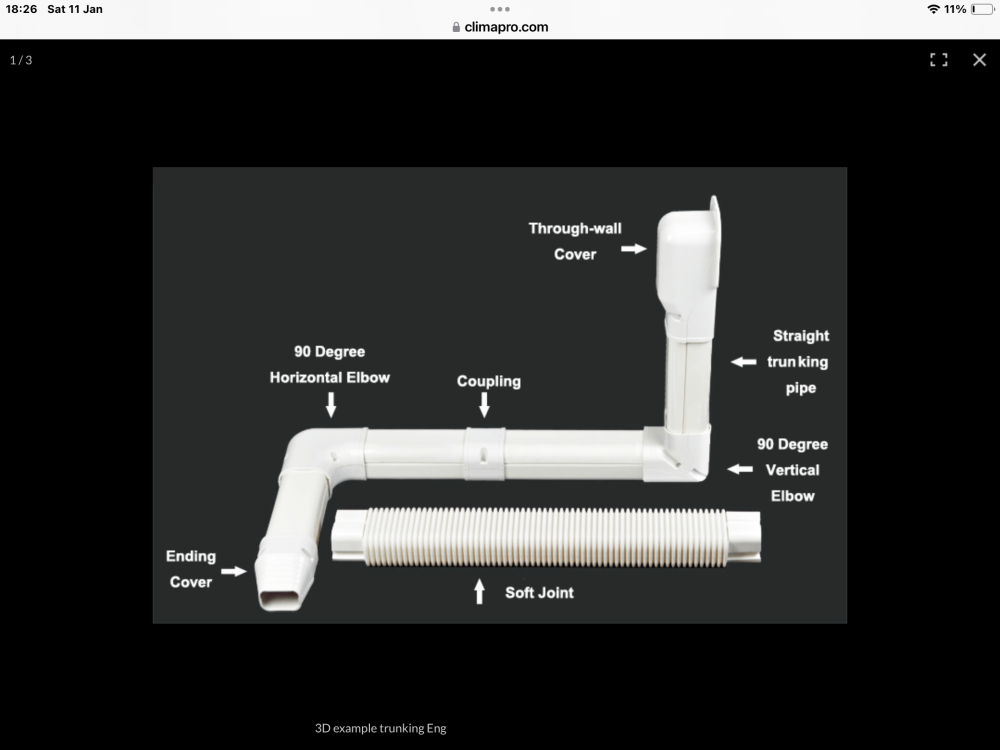
Get some white air conditioner outdoor trunking, it’s the stuf they use to put air on pipes inside, lag that shit pipe you installed and put it inside a nice neat white trunking, it comes with nice radius bends and all sorts of stuff. f##rk me got you out of trouble again 😘
-
Re plumb it and keep it all internally.
-
Needs a drawing and spec.
-
Boxing in external mini-split pipes
Russell griffiths replied to jpadie's topic in Other Heating Systems
Plus one to brazing. -
Aluminium clad timber, triple glazed. im in awe of our windows every morning when the condensation is on the outside and the inner frame and glass are actually warm to the touch.
-
Looking at your new drawings with the old approval on it, your argument looks fine to me.
-
I actually made two scale models, including all the new hedges and other planting. I don’t know if it made that much difference but I did it because a member on here had done it a year previously. I knocked down a 60m timber building and replaced it with 220m!! when you have this meeting could you ask for time to prepare two scale computer generated cgi’s, full colour with all the landscaping in them. From a slightly funny angle which is how my brain works. they keep mentioning this bloody hedge and the view from the road. what is to stop you cutting the bloody thing down, they will see the house then. Maybe keep that as a bit of ammunition
-
Have you thought about getting two scale models made up, or two computer generated images exactly to scale.
-
Of course you can make it but is it worth 2weeks of your time to save £200. You will still need to buy the materials. and do you mean birch ply not beech. this very simple set was about £400. I can’t imagine the time it would have taken to make them.