Nick Laslett
-
Posts
687 -
Joined
-
Last visited
-
Days Won
1
Everything posted by Nick Laslett
-
Yes a good Ambient Light Rejection Screen (ALR) will make a difference. But a lot depends on the angle of throw from your projector position. This is why a few manufacturers sell the UST projector with a screen.
-
In-Roof Systems - options and opinions
Nick Laslett replied to AppleDown's topic in Photovoltaics (PV)
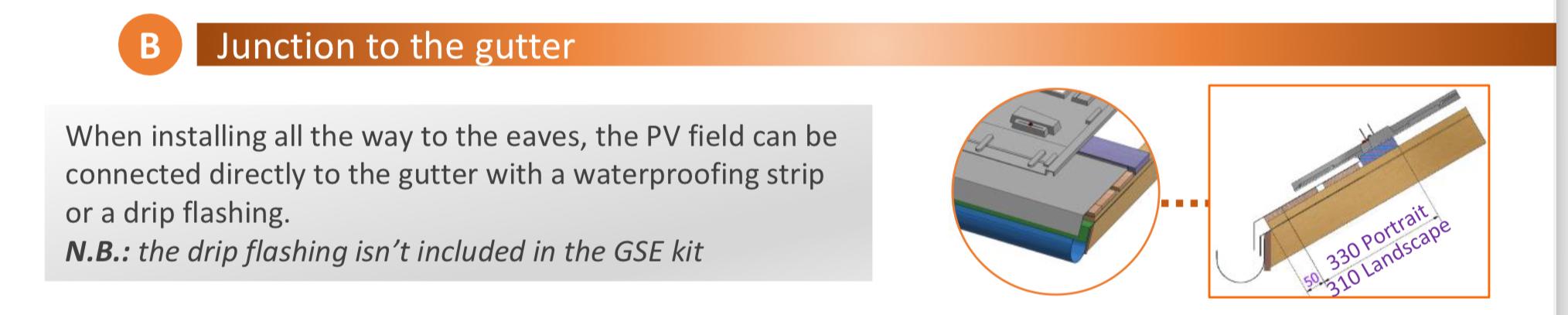
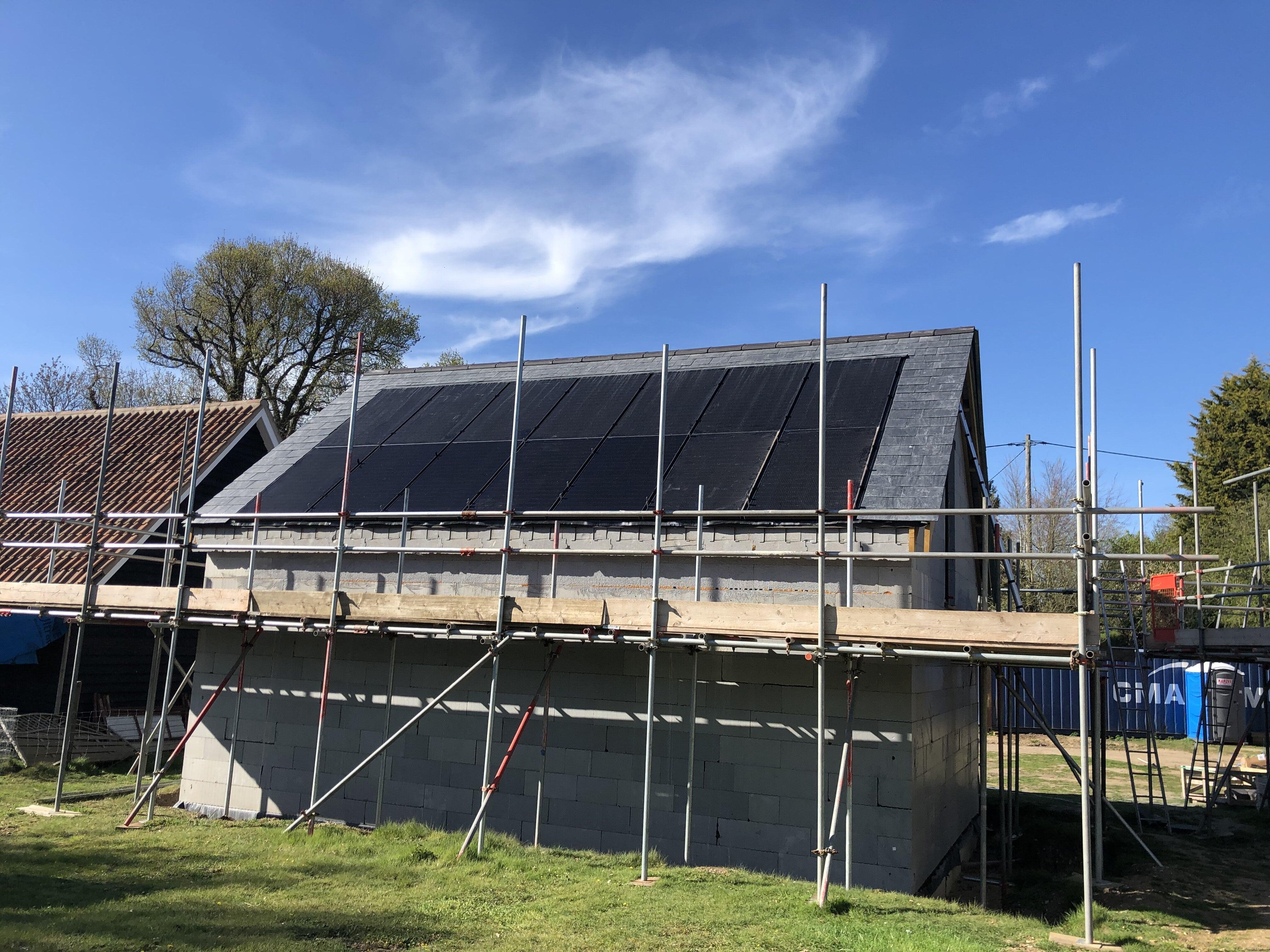
https://midsummerwholesale.co.uk/buy/roof-integrated-solar-pv/flexalu-330 I used the Midsummer solar panel web based design tool, which listed all the materials. https://easy-pv.co.uk I didn’t see any specific issues from my reading of the installation booklet.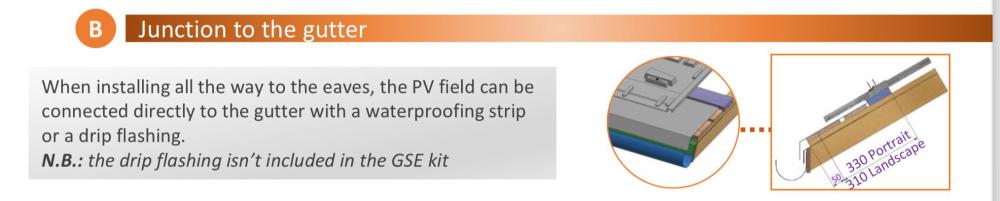
-
This is not something I am familiar with, but 26.5kW of cooling sounds like a lot. My physics is pretty sketchy, but I would have thought the temperature deltas for hot and cold would be quite similar. I only need a 5kW ASHP for my heat loss, but made a big assumption that going down from 28° to 22°, would require a lot less energy than going up from -2° to 22°. If the windows are creating that much solar gain, then it might be worth investing in the active glass like @NSS . Not sure if that is what you mean by Solar Glass? We have Suncool SN70/35 coated glass, which still lets in heat.
-
In-Roof Systems - options and opinions
Nick Laslett replied to AppleDown's topic in Photovoltaics (PV)
I used the GSE in roof system for my install, very simple. When I looked at the Viridian system, there were specific panels it was specced for. I had already bought 2 panels for the first phase of my build, so these panels wouldn’t work with Viridian system. It is surprising how many different sizes there are of solar panels.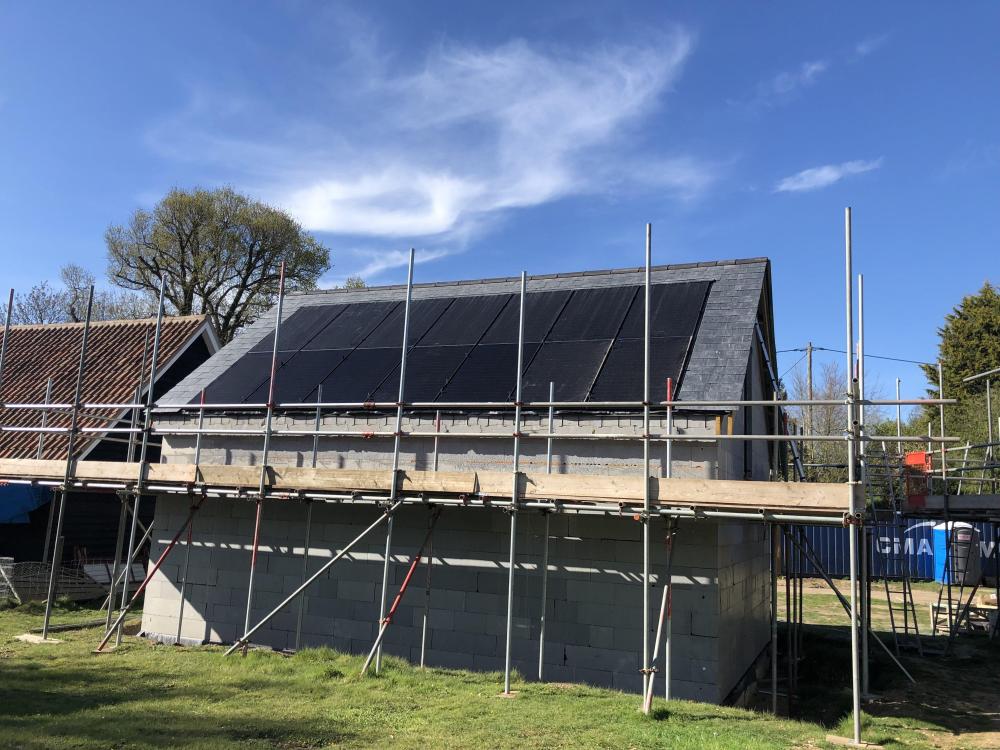
-
I read this report when I was researching ICF for my build. USA windows circa 2014 are very different to UK or European style casement windows. Back then they struggled to achieve water tightness, let alone air tightness. We don’t use this approach here. There are some older ICF systems that don’t deal with junctions very well.
-
This is exactly what I did, inspired by your posts on the topic and the many others here at Buildhub. ASHP isn’t much harder to plumb than a water softener. The challenge is the heat loss calcs and overall design of the system. I spent many hours here absorbing the experiences of others when it come to designing my system.
-
Filling the gap between soffit & outer skin brickwork
Nick Laslett replied to Mikey's topic in General Construction Issues
I, too have found lots of uses for the compriband tape left over from my window installs. I did all the gable ladders and then soffits and fascias myself. Used tape on some gaps, EBT on others. I have Thermohouse EPS roof boards, which do not facilitate the usual soffit and facia board fixing methods and require 450mm high boards to cover EPS. -
Some earlier discussion here. According to Wundatrade they recommend their Pert-Al-Pert for over floor systems. They recommended their PexB-Al-HDPE for screed. When I was researching this topic, I found very little to confirm a specific pipe for going into a concrete insulated slab foundation. https://www.wundatrade.co.uk/shop/home/water-underfloor-heating-solutions/joist-floor-heating-pipe/16mm-hdpe-al-pex-pipe/
-
Air tightness results are in…
Nick Laslett replied to Omnibuswoman's topic in Energy Efficient & Sustainable Design Concepts
Well done. Great result. You should be very proud. -
I am just fitting my Panasonic J series ASHP. I looked at the K & L series, Panasonic appears to be creating forced bundles of components. As a package this might be cheaper, simpler to fit and less hassle for the installer. It is difficult to tell whether this is a good thing or not. Other manufacturers have a similar bundled approaches. All my research was around a simple standalone monoblock. I think the prices of the J series have been reduced a little to fit in the K & L series. I could see no actual spec advantages.
-
Everybody loves a mystery. I hope @NSS is able to solve it without too much drama.
-
Issues bedding shower tray - advice needed
Nick Laslett replied to JamieG1985's topic in General Plumbing
Thank you for the feedback. It is a wedi style shower tray, to be fixed onto a power floated concrete floor. -
Mvhr plenum placement
Nick Laslett replied to Russell griffiths's topic in General Self Build & DIY Discussion
If it was so important, I would think that the advice about placement in shower rooms would be more visible in the literature. In all my reading around this topic I found very little about specific placement in regard to shower cubicles. For the extract plenum the recommendation seems to be to make them as high as possible. Although the shower is a significant source of heat and moisture. There are other areas in the bathroom that need moisture to be extracted too. I’ve seen some designs, where a branch system is the priority and this means that the placement is more restricted. Ben at House Planning Help podcast, had a professionally designed and installed system and the plenum for his bathroom is above the door on the wall. I will be placing my plenums near to the shower cubicle but not directly above. -
Issues bedding shower tray - advice needed
Nick Laslett replied to JamieG1985's topic in General Plumbing
I have loads of tubes of CT1/OB1, could I use that for fixing down my wet room shower tray instead of tile adhesive? @Nickfromwales I think I saw a plumberparts YouTube video where he used just CT1. I don’t have any tiling tools, or tile adhesive. But I do think using a tube product will be more expensive. -
Water ingress at back door - any theories?
Nick Laslett replied to Omnibuswoman's topic in Doors & Door Frames
We have 1 set of inward opening Alitherm Heritage french doors which leak like this when the rain is being blown by the wind in the right direction. The doors drainage system gets overwhelmed. I used a hose pipe to test my theory. It is on my todo list to sort out. Luckily the rain usually comes from a different direction. I am hoping I can beef up the seals with a larger gasket. I might also drill two more drain holes. -
We did the same. You need something independent of the main central heating system so that you can easily dry towels and add some heat to the bathrooms in the shoulder months.
-
Choosing a good quality vanity basin!
Nick Laslett replied to KitchenPotcher's topic in Bathrooms, Ensuites & Wetrooms
We used these guys, visit the showroom, they will accommodate modifications. https://harvey-george.com -
@Duncan62 All looks good. You might want to try the serpentine counterflow pattern in LoopCAD. This places a flow pipe next to return pipe and evens out temperature. As others have pointed out, less than 200mm centres are more difficult on mesh. Make sure they follow your LoopCAD drawings. I have good drone shots of my install but only recently discovered that they installed less loops than specified. Two rooms in particular. Also ignored the routing of four loops through adjacent room to reduce the amount of pipes in hallway. This was the day before the pour, so hard to catch at the time. All my fault as I didn’t supervise after the initial discussion and had a late panic about lowering the French door thresholds and had to get some timber quick.
-
There is nothing wrong with recirculating cooker hoods. But if you can easily have an airtight, automatic cooker hood venting outside, why wouldn’t you? For me this is similar to the issue of MVHRs sucking in bonfire smoke. Not an issue for many, but not something you want to suffer if you don’t have to. Part of the joy of self building is that you can indulge certain preferences that may not pass a normal cost benefit analysis. Nearly all the reading I did on MVHRs pointed to recirculating cooker hoods as the solution for cooking vapours. But there are some interesting dissenting voices. https://www.treehugger.com/passive-house-institutes-look-kitchen-fans-less-exhaustive-4857372 Here is the Passive House guide on kitchen ventilation. https://passiv.de/downloads/05_extractor_hoods_guideline.pdf
-
My build is taking me forever, so I have no actual facts or data to share. When I first came to BuildHub and started this journey, the challenge of cooling kept on coming up. Insulation and an airtight build mitigated the heating requirements, but due to solar gain, how did you tackle cooling. PPHP modelling, window shading these were the go to advice. Actual air conditioning if you could accommodate it. Then in amongst all this talk you discover an ASHP can be run in reverse and provide cooling. Back in 2019 there was some debate about if this wasn’t allowed by RHI or MCS, some ASHPs didn’t allow cooling or had the feature locked. For me this sounded like a good cooling solution. I was going to build an ICF house and have a poured concrete 90mm thick 1st floor. So I installed wet UFH in the first floor expressly for the cooling. The concrete floor was now not just an extravagant way to have a solid, non-creaky, sound proof floor. It was now my cooling block for the bedrooms. Unfortunately, I’m still building so have no idea if this approach will work. I also went with 70/30 tinted glass on the windows to help with the solar gain. And I’m putting the cooling module on my MVHR, which doesn’t seem very popular or value for money, or even effective! So @Nickfromwales one word advice might seem a bit cryptic, but to me it is classic Buildhub.
-
@markocosic, thank you for posting this. I have my ASHP on the wall and the pipe going down vertical 1m into the ground and coming up vertical into the house and through the insulated slab. When I looked at Intatec’s instructions for installing their anti-freeze valve, I could not see how it would work, as it wanted the valve to be at the lowest point in the circuit. I wasn’t going to bother with putting glycol in the system. I feel a lot better about my setup after reading your post. The average lowest temp according to Met Office where I live is -2°.
-
I bought my insulated pipes from these guys: https://ingoodnic.uk/25-25-90mm-2.html 32 + 32 /110mm Pre Insulated Heating Pipe I discussed it in this thread. Some more discussions about pipe options here:
-
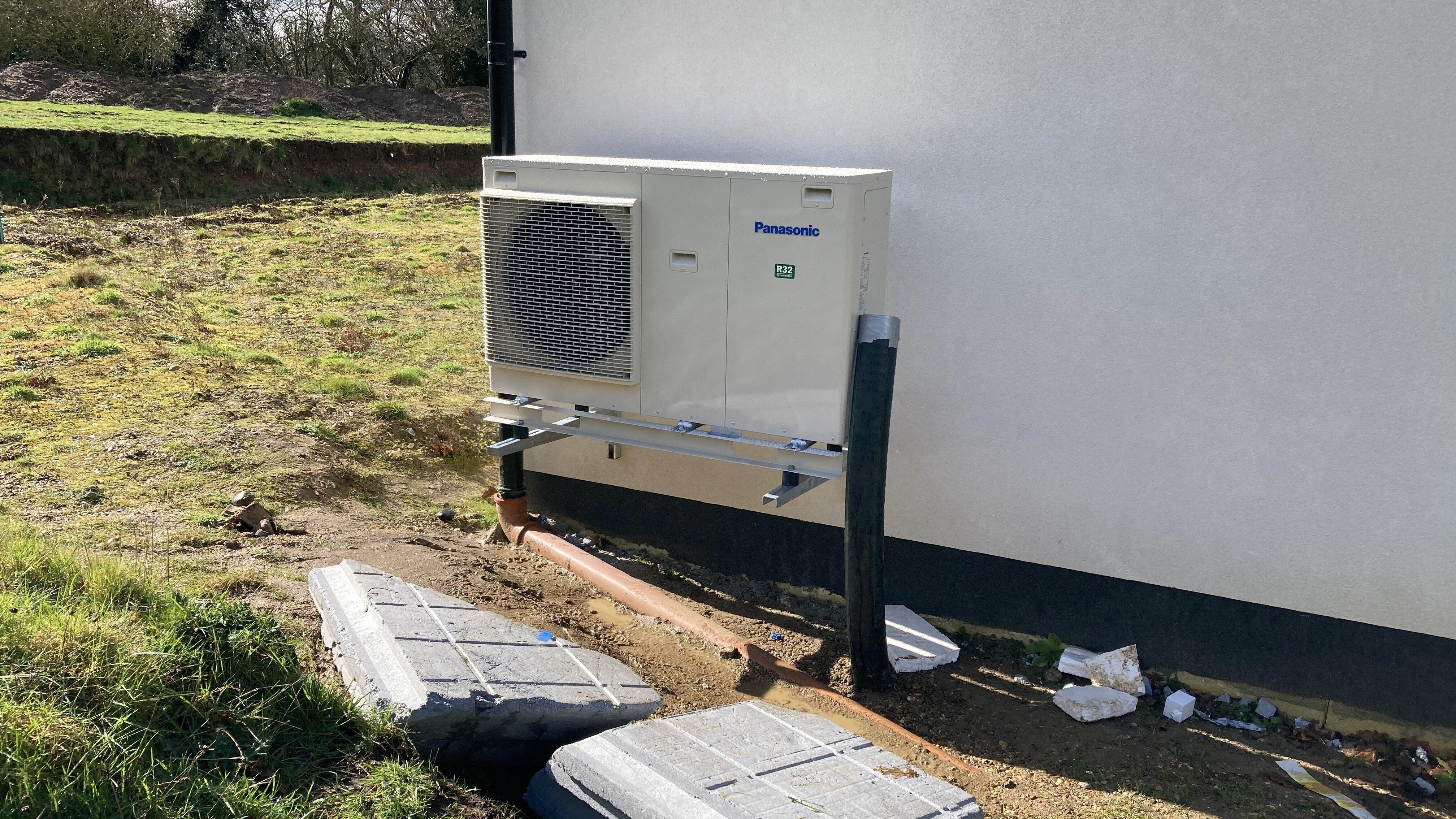
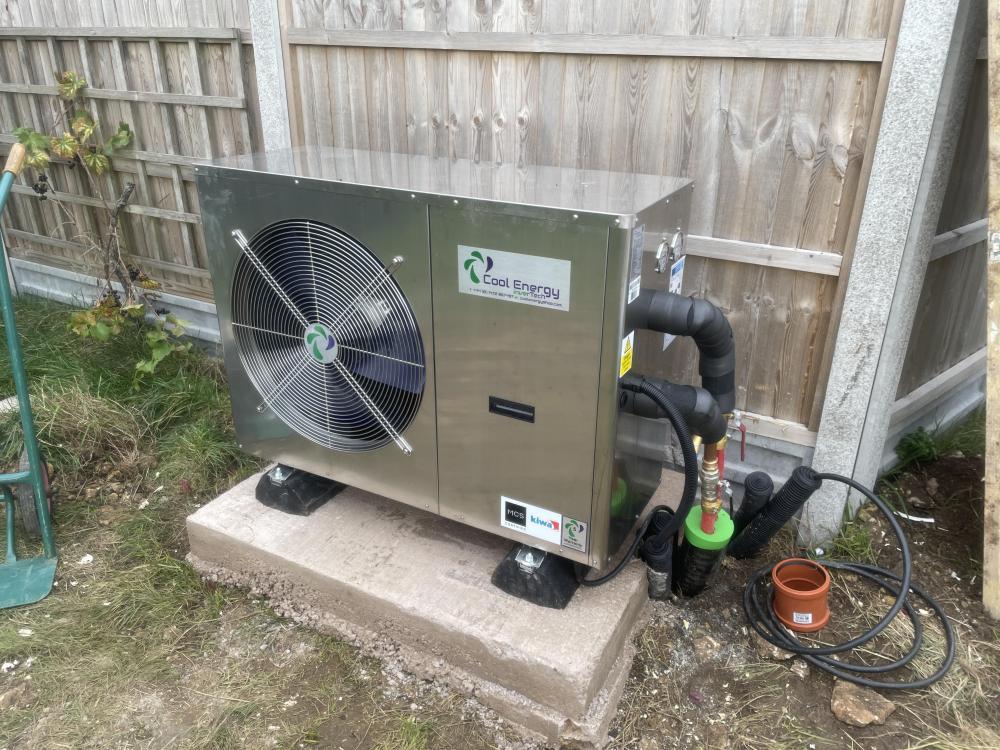
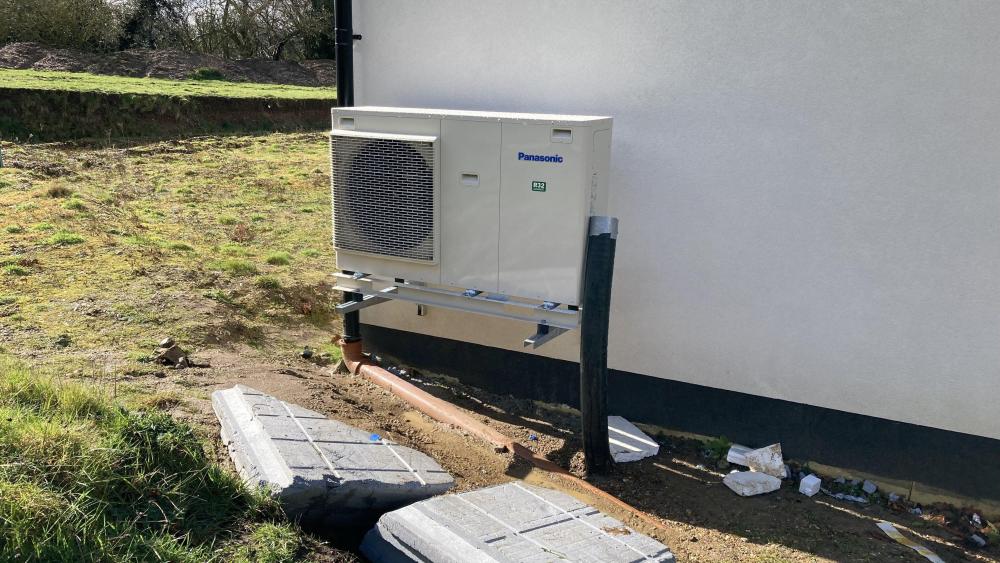
We talked about it a little in this thread. This is @HughF install. He has a good tip about using Solar piping UV resistant tape to finish off the install. But it is expensive. https://www.bes.co.uk/high-temperature-insulation-tape-x-15-m-20220/?refSrc=42745&nosto=productpage-nosto-1-c I’m just about to do this. The Primary Pro pre-made flexible pipes from Intatec are 750mm, but you can get longer ones from other suppliers. https://www.intatec.co.uk/product/heat-pump-hoses/ https://primary-pro.co.uk This thread from the Ovo forum has lots of interesting pictures and advice. https://forum.ovoenergy.com/my-smart-home-138/heat-pump-pipe-insulation-energy-efficiency-starts-with-the-pipes-9477 I’m going to use 28mm water softener flexible pipes with primary pro insulation. I need a 1” BSP connection at both ends. The water softener pipe spec limits it to 65° water temp. I will cut the underground insulated pipe and try to get the best finish I can. I will upload some pictures when I’m done. I’m currently waiting on BES to ship the insulation. Note: For any one interested, I choose to hang my ASHP from the wall because it was going to be a long time before any landscaping work would be done. I did not want The ASHP concrete plinth to dictate what we ended up doing in regards to levels and access. I got the idea from on of Urban Plumbers YouTube install videos. He was very positive about wall hanging ASHPs.
-
Thanks @JohnMo, I actually found your original thread about inlet control groups and balanced cold. Thanks @sharpener for the clarifications, where I was getting confused, is my cold manifold includes toilets, showers and basins. @PeterW covers this point where I was getting confused in this thread: As I have already plumbed and tested my cold manifold, I’m not going to break it all apart. But the design nuance I missed, is that not all cold feeds need to be balanced like to a toilet cistern or kitchen tap. So for the benefit of others attempting to follow the plumbing manifold approach popular on BuildHub, you need to consider if you need a non-balanced cold manifold that comes before the inlet control group, this could also be hardwater if appropriate. All mixer outlets should/must* be fed from the balanced cold outlet on the control group. (*There are exceptions to this rule) See Here:
-
Hello @SimonD, @JohnMo, what are your thoughts on the need for an inlet control group valve to balance the cold supply. https://www.unventedcomponentseurope.com/22mm-inlet-control-multibloc-valve-group-3-bar-6-bar.html/ In a lot of the threads about the manifold approach for distributing supply, there are lots of great pictures of the manifold, but not so much talk about inlet control group valve. Is this because it is a part of the UVC install? I currently have my hot and cold manifolds, but have not got to the UVC bit as I will need to bring someone in for this. In my rental the UVC does not have an inlet control group valve and none of the thermostatic valves appear to work correctly, it is either hot or cold, there is no gradual change in the temp as I have experienced in the past. Does the inlet control group valve have any downsides?