


K78
-
Posts
512 -
Joined
-
Last visited
-
Days Won
1
Everything posted by K78
-
I had a brief chat with a SE. He said there would be no issue at all. The structure would be stronger than a timber frame or cavity house. He raised cost as the main issue that concerned him as did every SE I mentioned using them for a retaining wall. If the blocks are sealed is there any difference between this a standard block construction as far as BC? The only difference is that the blocks are larger format.
-
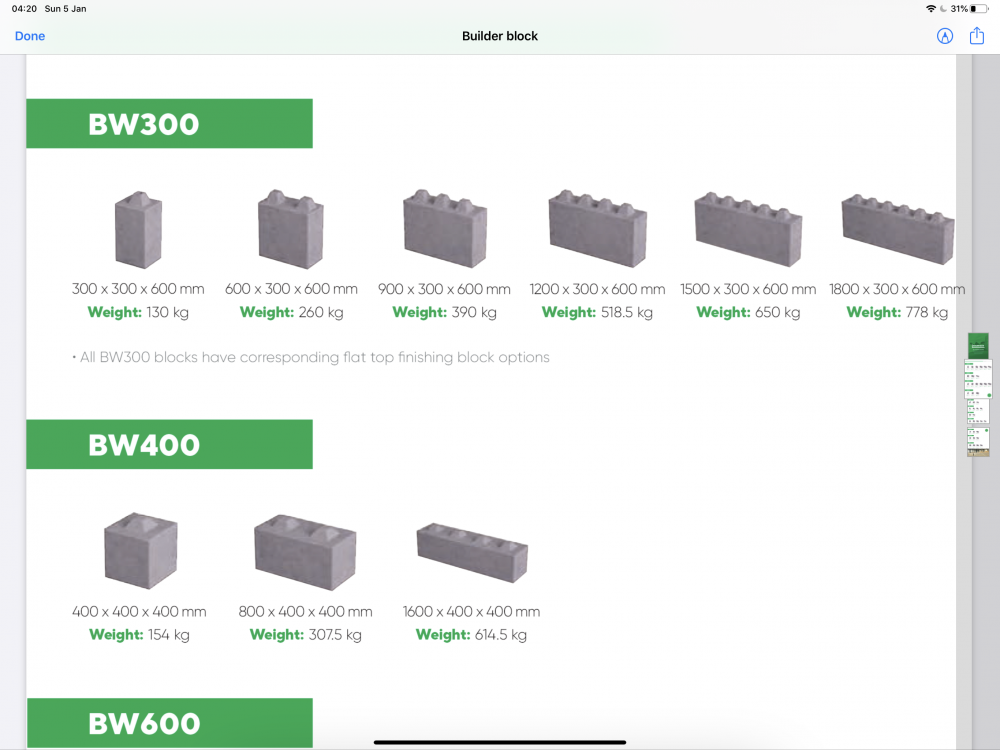
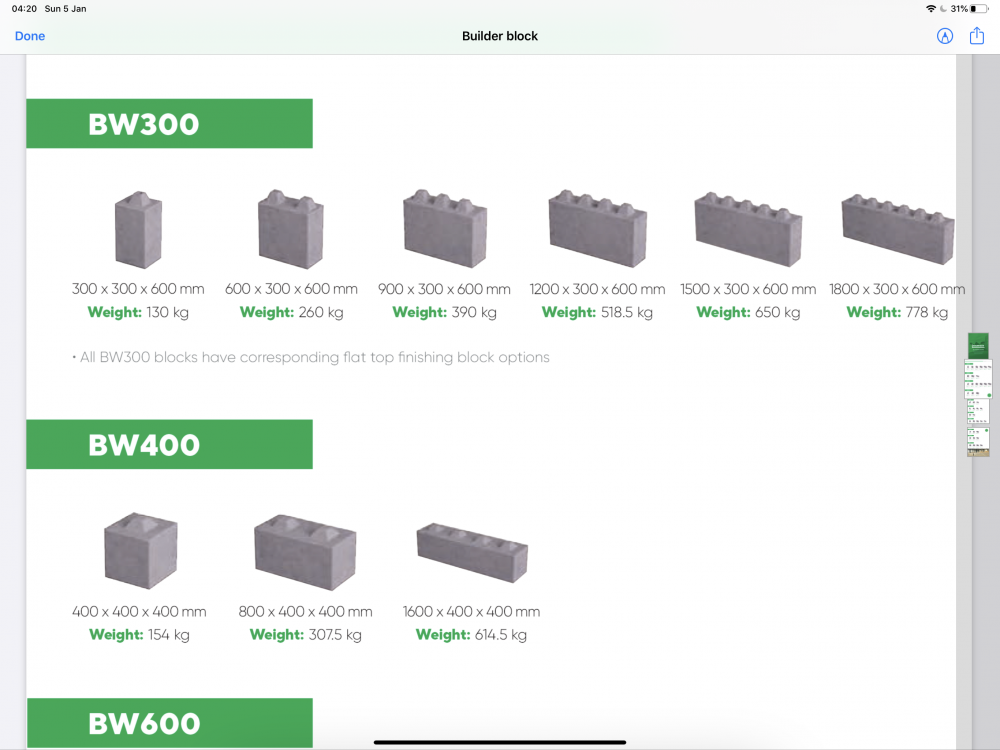
The foundation did concern me. But many solid walls are 225mm wide. Is 75mm such a big difference? My ground is really good and I would use strip foundations. The 1200 x 300 x 600 blocks weigh 518kg. Im guessing that 0.72m2 of 225mm solid block laid flat would weigh around a third less less? With the various sizes and shapes available in the 300mm wide size i am thinking doors and windows won’t be a issue? I know the owner of the company so I am going directly to him tomorrow. He will tell me one way or the other.
-
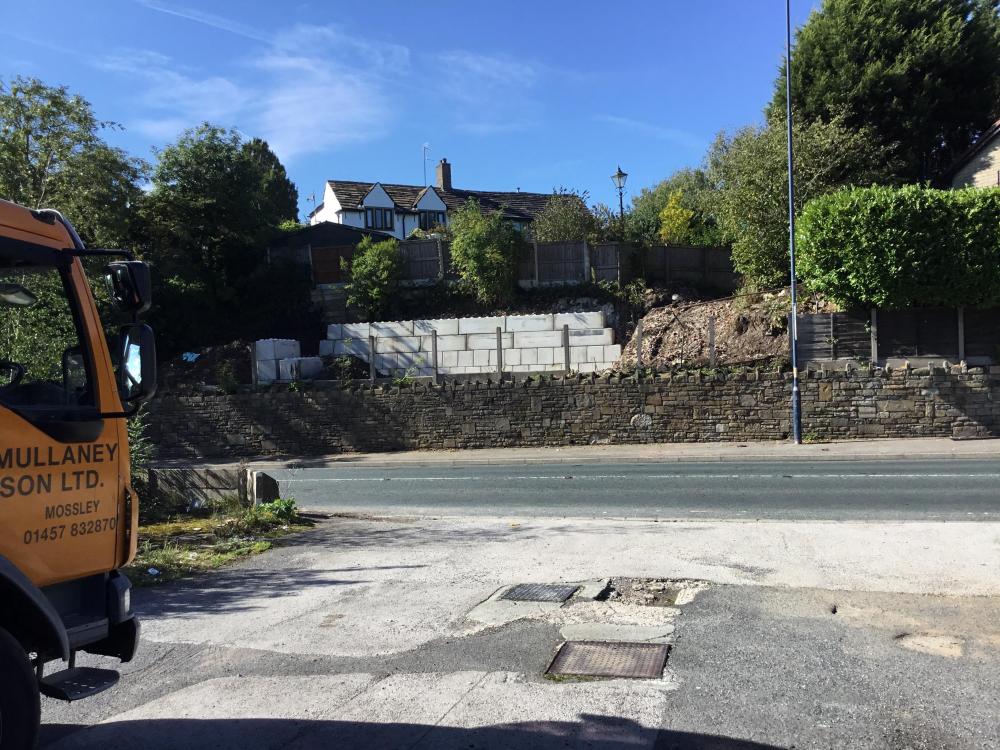
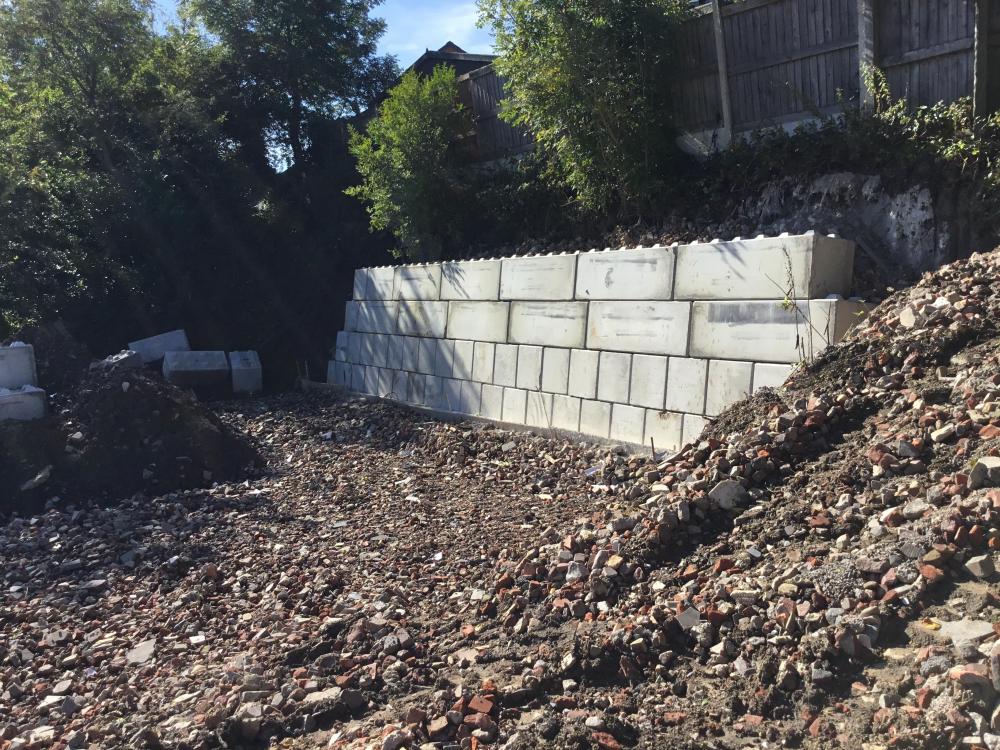
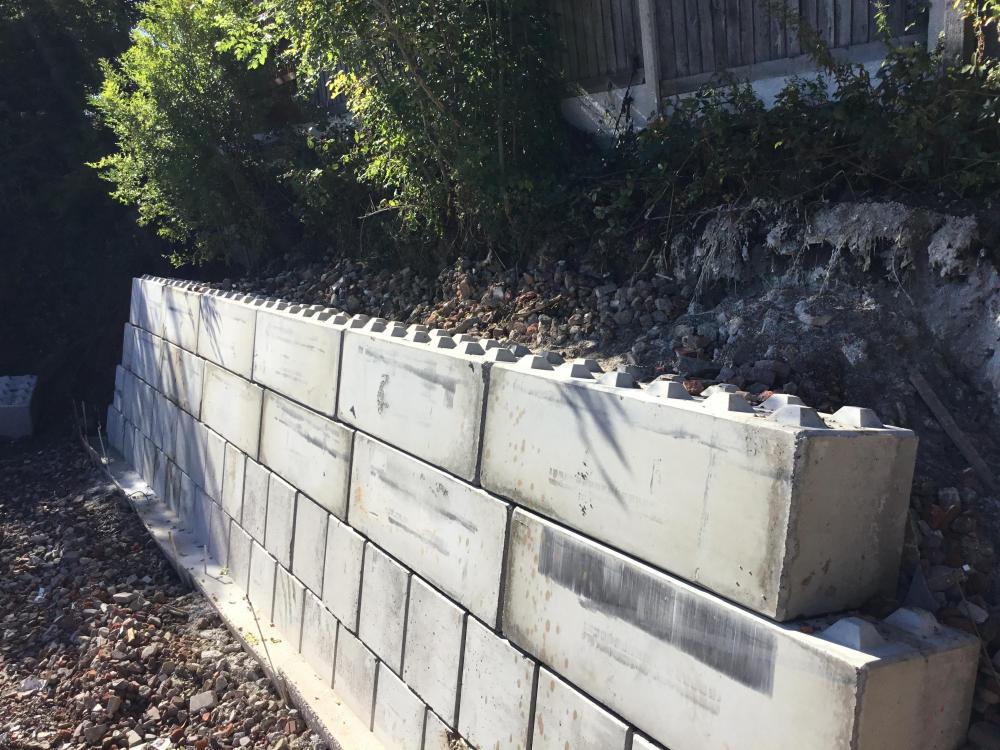
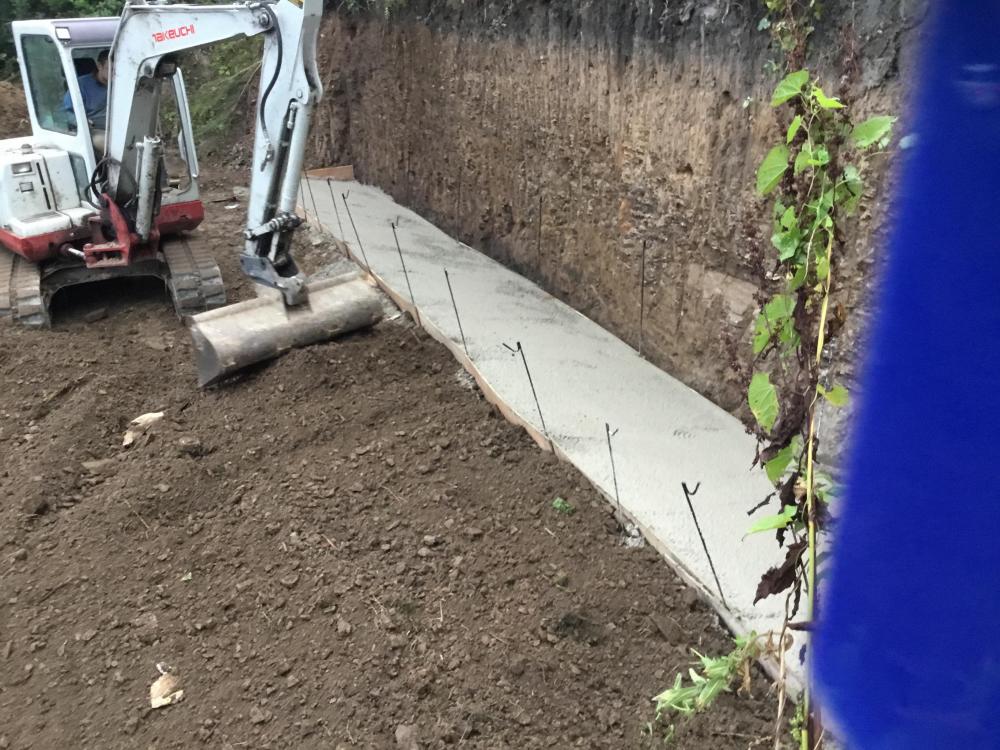
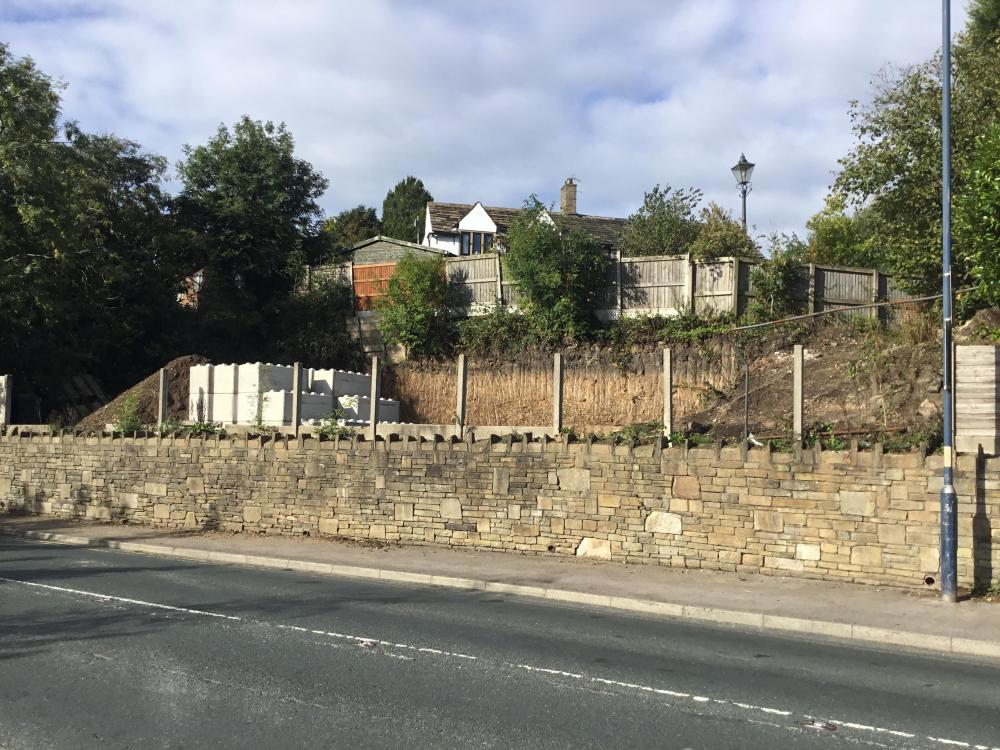
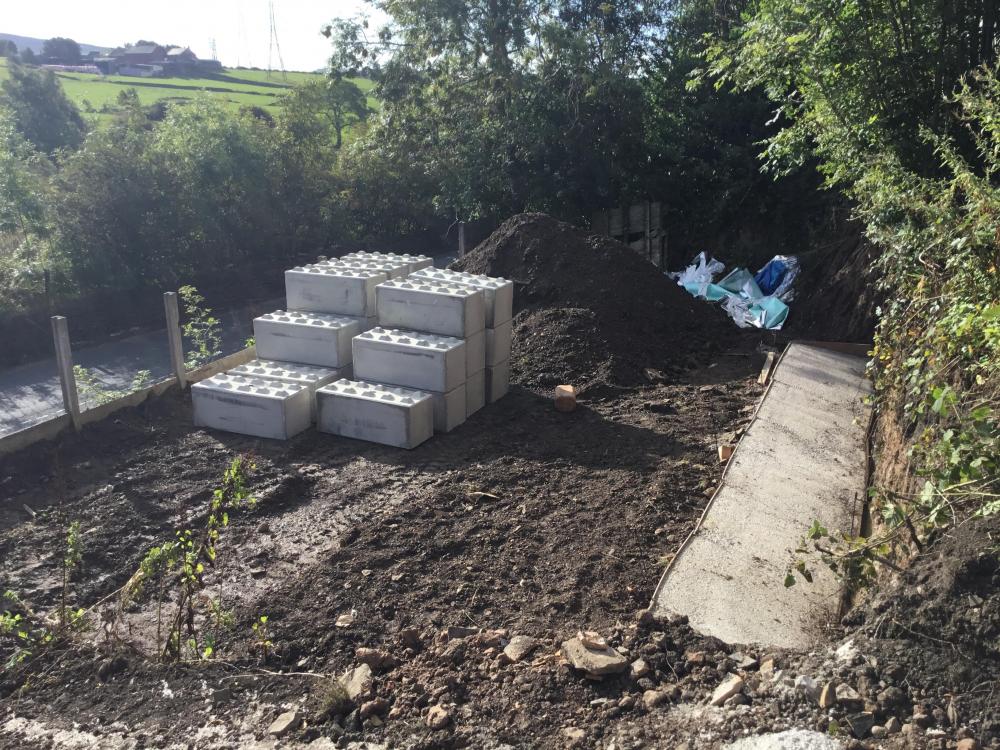
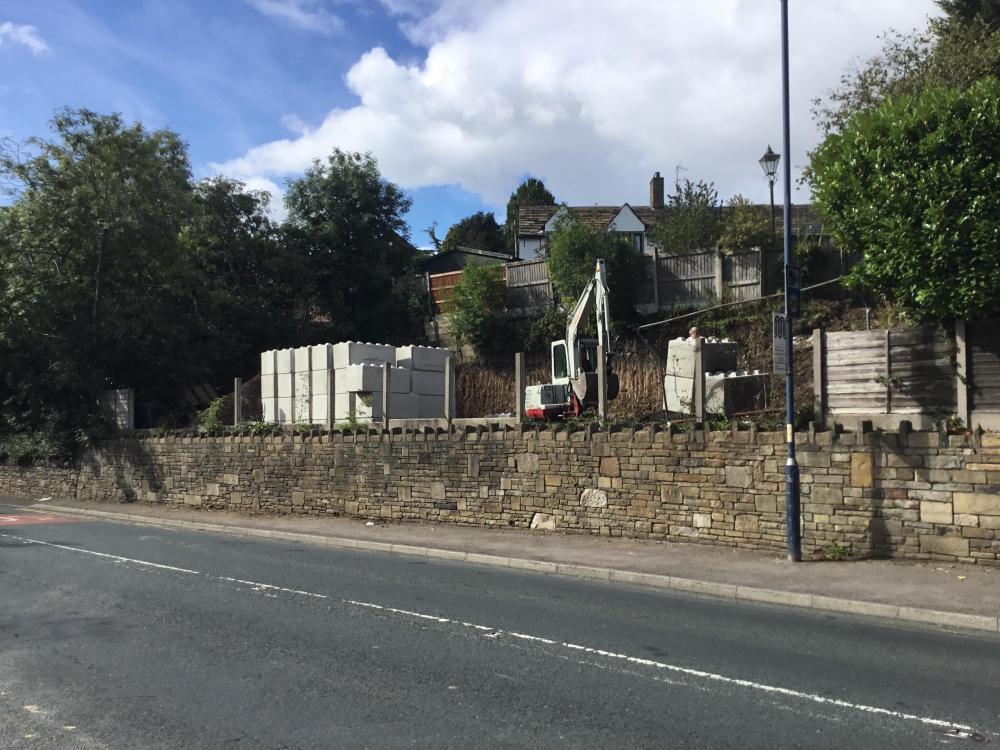
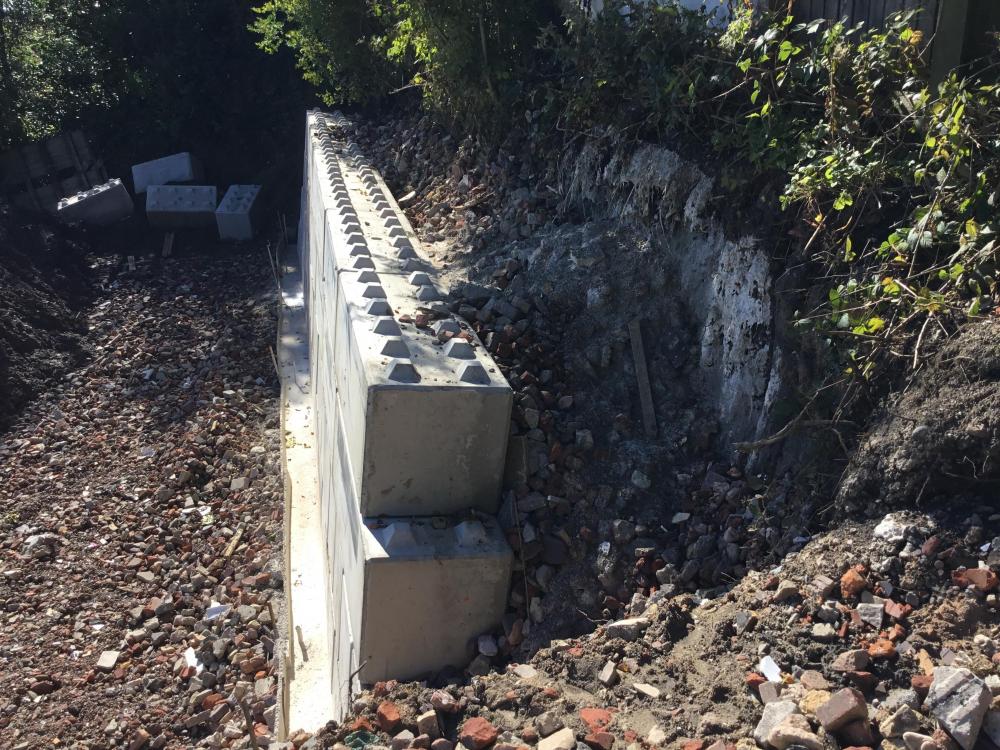
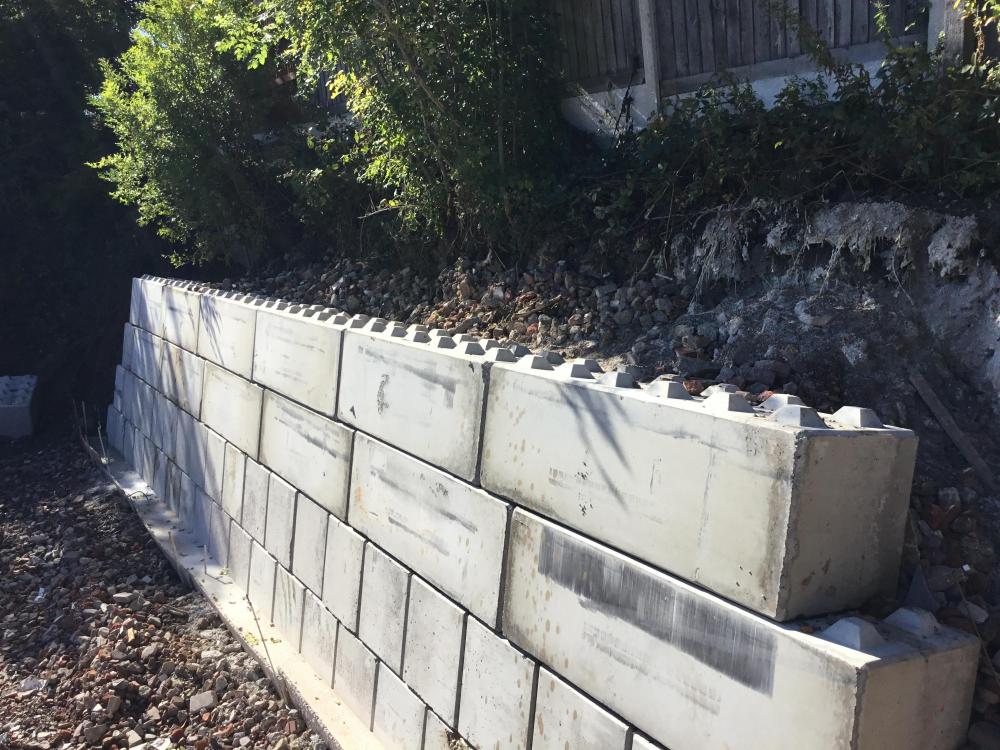
Cutting isn’t a issue thankfully. They do gable blocks as many industrial/agri buildings are built using them. when on a flat foundation they sit prefectly plumb. They slot together like Lego. My wall took a bit of extra work as the 3 bottom roes are 1.8m 1.5 tonne blocks laid length way to give depth to the base and the upper courses laid width ways and back filled with 20 tonnes of broken brick. All on a 10 degree incline foundation. Stacking a house with 300mm wide, 500 kg blocks would be easy by comparison. I was thinking of using the longer 1.8m blocks as lintel for smaller windows and doors, but my bigger windows will need a engineered solution I agree. I would think a waterroof barrier could be achieved using foam and quick set adhesive between the blocks, and pointing them externally and internally?
-
Thanks peter. That is the question I wanted a answer to. 80k labour to build a block house. I had quotes that high for my retaining wall. I built it for around £8-9k all in. The company who supplies the blocks are 5 mins away and I could have the walls stacked in 2/3 days.
-
I agree ICF blocks are the best option for unskilled self builders to diy in 99.9999% of situations. But bursts are not uncommon on diy icf builds. They are not a huge issue in most cases (quick patch up and clean up). As my site is elevated 2m above a footpath and road. It is not a safe option. A burst could injure someone or cause a road accident. ICF also has some addition costs that lego does not. ( multi concrete pump hire and full scaffolding). The saving is obviously in lack of skilled labour and I really like the isotex blocks. With Lego, the labour and machinery hire is obviously more expensive, but they are safe for my site and go up quick. Durisol (when in enquired over a year ago) officially said you can only go 3 blocks high so that is multiple pump hire too. Isotex imo is a superior block and is stacked up to 2.25m with minimal bracing between pours. I’d like to use it but my site just is not suitable for a DIY icf block build. Im not even sure they would take the job on themselves as contractors. insulation would be easily fixed to the concrete lego via mechanical fixings and brackets to hold the timber cladding over the insulation. I have good ground and would use strip foundations. It would be no where near as heavy as my retaining wall. i wouldn’t have to cut anything for the gables. They make blocks shaped for that purpose. These blocks have moved on. If I had a less potentially hazardous site. I would definitely use isotex.
-
Regardless of whether folks think other methods are better, and I do appreciate all viewpoint. Am I correct in assuming this would be classed as standard solid wall construction for BC and Mortgage?
-
icf is more expensive and doesn’t suit my site unfortunately. The added obvious bonus with icf Is the insulation is included I had a huge retaining wall built with lego blocks in days and it saved me at least £35k (£65 k if you compare to the highest quotes I got)
-
icf is too much of a risk for me due to my site location. I’ve been on the durisol and isotex courses. It could be hazardous and not worth the risk. Some icf are still awaiting bba approval. Surely concrete block is standard construction regardless of the size of them? Therefor should be easier to mortgage than non standard construction? Full scaffold, and multiple concrete pump hire would not be required with the larger blocks either ( they cost more than a telehandler) and the walls would be up in 2 days. @scottishjohn was talking about 1.5 tonne , 1.8m long 60 cm wide blocks. I used the for a wall. Not practical imo for a house. These are only 30cm wide. it isn’t really thinking outside the box. Some of oldest man made structures are made from huge blocks
-
I’m guessing that building control and mortgage companies would view 300mm wide Concrete Lego blocks with ewi as no different than standard concrete block solid wall construction with EWI? Am I missing something obvious? I know they are usually used for agricultural purposes or retaining walls. I never considered them for my house due to their 600mm width and 1.5 tonne weight, but the new 300mm versions really got my thinking. I know for most they would be expensive and impractical. But labour costs for block laying I’ve had have been astronomical. This would be much cheaper for me personally as I could diy the construction with a mate and have the shell up in 2/3 days. I liked ICF blocks for the diy/labour saving aspect but any burst or collapse would be directly on to a footpath and busy road. I can’t take that risk. Thanks
-
Surveyors can be a nightmare. They have you check everything to cover their ass even if they don’t see it. Every terrace house survey I’ve ever seen recommends checking damp and timber even if it has just had a full renovation. I sold a terrace in 2007 that I fixed up. The surveyor arrived, I knew him well (through work. I managed a local estate agency). He asked me if everything was ok, I said yes. He then said come a look at this Nappa leather in my TT. Didn’t check a thing. Survey was fine still but recommended checking damp and floor timbers. Dry rot is serious though. I once disappeared in a cloud of white dust as I fell through the hallway floor of a old house in Whaley range and ended up in the basement.
-
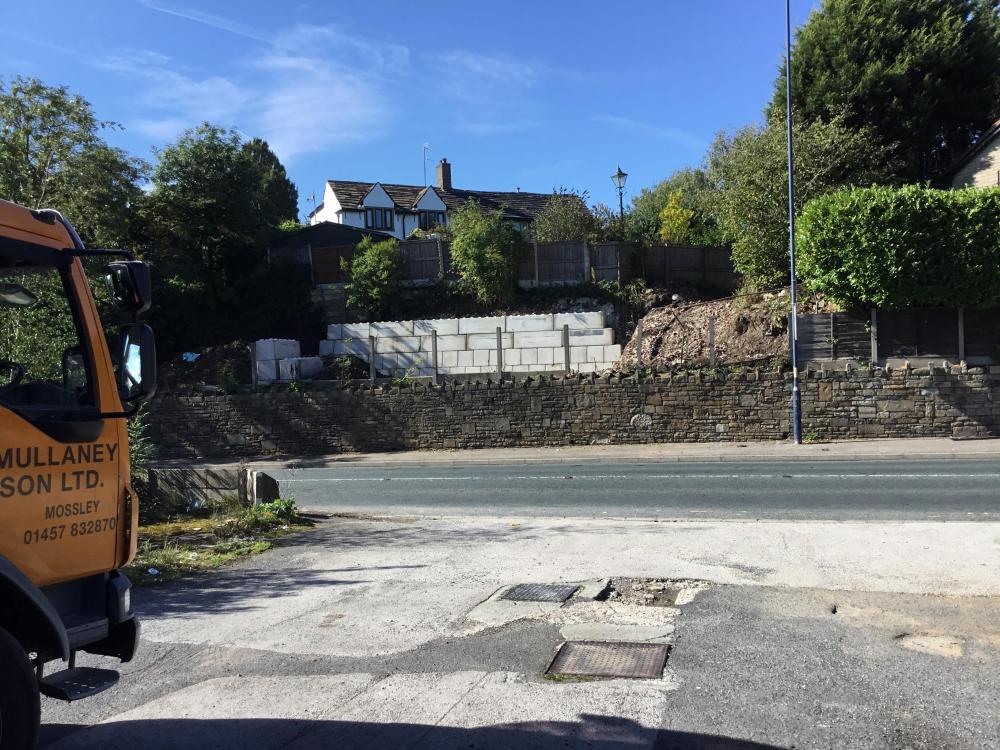
I would externally insulate with battens and cladding. Trying to get good quotes of builders has been a nightmare for me. I thought I finally found a good guy. His quote (for the house shell) came back at £80k (labour not materials). His Labour quote for internal joinery and roof structure (first floor and roof) was more expensive than quotes I had for a full timber frame house supplied and erected. For me the benefit would be cost and the fact that I know I can do it with assistance with my ground worker. Weather isn’t a issue either. Building the wall gave me a new found respect for farmers and their multi task abilities. The day that foundation was poured was torrential rain and it had to have a consistent 10 degree incline. I thought it was going to be a nightmare but they “tampered” it with lengths of timber and got it perfect. My joiner mate came up for a look and said he was amazed.

-
The weight of these things would squish and mortar out straight away, some sort of thin set adhesive would work better. The main benefit I see is lack of skilled labour and speed of erection. I’m honest enough to admit I could not have afforded to build my retaining wall with out these. Initially I did not look at them as I assumed they would be the most expensive option. I have pm’d the link. Didn’t want to break any forum rules.
-
One of the many good things about them is the free design service most companies offer. I came up with 4 designs I thought would work but there were various reasons they didn’t. If you send a email with your idea they will give you a yes or no answer. Not refer you to a expensive SE. Once they are stacked above a certain height they become unstable even with no side load. It really surprised me due to their size and weight. I think the main issue is that the manufacturing process isn’t very consistent so the blocks are not really uniform. Most of the time excess concrete from trucks is poured into basic moulds at the end of the day. When I ordered, the blocks they had in stock were half the price of any new order blocks. The owner of the company who supplied my blocks is a good guy. I got a great price and he visited halfway through the wall being built to check things, he was impressed. He said in most cases small imperfections on the first course lead to big gaps in the blocks towards the top of the wall. I am a huge fan of concrete Lego blocks. Best value building material there is imo. edit, Just seen there are now 300mm wide blocks that would be better suited to building a house imo. They have really got me thinking as I saved a fortune in labour on my wall and that is 1.8m wide at the base on a incline foundation. A house would be simple by comparison.
-
They get unstable above a certain height. Unless wide like the base of a Gabion wall. I had the same though watching them being dropped into place for a wall I had built. It would be so simple.
-
No I don’t agree. Nice idea, but woodland isn’t for living in.
-
Right of Way, Area of common parts
K78 replied to success1980's topic in Party Wall & Property Legal Issues
I know someone who lost there house when they tried to challenge right of way. Everyone advised him against it but the idiot insisted it was “his land”. -
I don’t think anyone would list their house as non standard construction if it was timber framed. Most buyers don’t care if there is a block skin, but many are put off by a all timber house. Silly, but that’s the way many brits are. Obsessed with bricks and mortar.
-
He seemed really confident but I was surprised. My mate knows a few scaffolders so Im hopeful I’ll get a good deal.
-
Many contractors add 20% to anything they supply.
-
I don’t pretend to understand this nearly as much as you. A concrete block house with EWI was always the example I thought of. Surely the concrete blocks retain heat better than a timberframe with EWI? The storage heater comparison always made sense to my simple mind.
-
I was planning to buy. But a builder (who quoted £3.50 per block), said I was looking at around £600 to hire. If that is the case I will be hiring.
-
Thermal mass is one of the things mentioned on this forum that is easy to understand without all the scientific explanations. It is basically how effective a material is at absorbing and retaining heat. I think most idiots would guess block is better than timber in this regard. Whether the name is technically correct or not, it makes perfect sense to me. Not worth heated debate imo.
-
I am planning to use block as I’m on a tight budget and prefer block for the reasons you listed. However I’m reluctantly looking back through basic timber frame quotes as I’ve been quoted between £2 ( local, dodgy builder) and £3.50 per block. At £3.50 a block I could have a basic timberframe supplied and erected for just £4K more (£19k) than labour cost of my walls.
-
Depends on your price point. Many buyers with a family insist on s en-suite. A small dressing room between the bedroom and en-suite would solve the issues you mention.
-
A conversation with a council tax inspector.
K78 replied to epsilonGreedy's topic in General Self Build & DIY Discussion
Don’t know if it still applies, but no toilet used to render a property not fit to live in, which makes it council tax exempt. First thing i used to do when I bought a house to renovate was remove the beat up bathroom. I used to buy investment properties in Salford and the council tax rates are horrendous.





