


scottishjohn
-
Posts
4393 -
Joined
-
Last visited
-
Days Won
23
Everything posted by scottishjohn
-
good ,maybe i can get a good deal when I get that far
-
my nortgage rate in the 80,s was 18%-- it was the big fall in rates that alowed house price to rocket punished those with savings , to the point where normal repayment mortages have dissappeared . and its almost impossible to fet one where you cab pay off lumps when you want. we need to head back to theses -but mortgage companies don,t want you to pay it off --just keep taking the interest on fixeddeals + then stuff you when it runs out even the few banks that used to do a conbined currebnt account=mortgage have gone -which gave you the option to heep paying off nits as you go banks want you in debt forever , which helped me to be able to buy my mega plot at a good price --cos I had real money
-
my architect wanted me to have vaulted cielings Iasked her if she was going to ocme round and clean and de spider web them never mind all that extra volume of air to heat and the 50% extra insulation it would need + arsholing around fitting between exposed beams etc not my bag
-
Hello from someone considering demolishing and rebuilding
scottishjohn replied to Norbert's topic in Introduce Yourself
If i could use a 4.5 ton inside my old house -then should not be a problem and if he is going to riase it up -- leave internal founds and lay another over it as load will all be taken on new founds around outside of house also means you can connect to all services in old found ,. if its built like most houses a big hammer to knock walls don to inside will soon sort it - and maybe get away with a 2 ton digger to load the dumper piccie of my clearing of inside and that had 3ft deep in old walls and plaster etc etc and we dug down to 300 below new floor level icould not use old drains as they were nearly non exsistant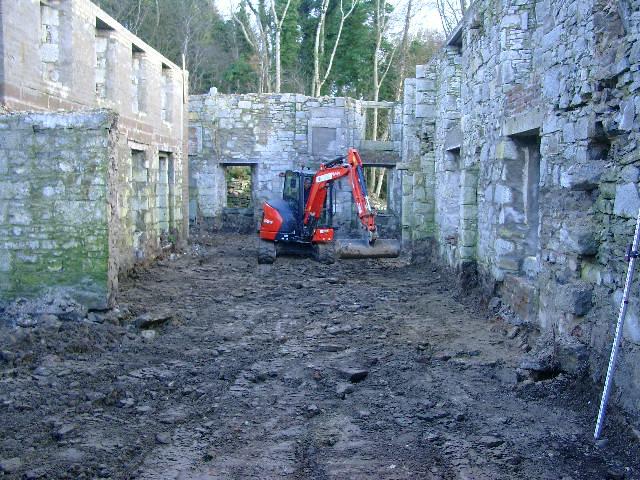
-
Hello from someone considering demolishing and rebuilding
scottishjohn replied to Norbert's topic in Introduce Yourself
which is why isuggested builng around your hous first if doing it yourself could save months of rental costs ue ONLY WHEN THAT IS DONE DEMOLISH OLD ONE INSIDE -
Hello from someone considering demolishing and rebuilding
scottishjohn replied to Norbert's topic in Introduce Yourself
where are you going to live while this is going on? that could be alot of money -with inevitable hold ups -that will happen have you thought about digging a new found around exsitiing house and do you ICFwalls while house is still livable -then demolish it inside --could save you lots in money and you can do it at your own pace then ? -
Adhesive for attaching stainless steel to concrete
scottishjohn replied to j_s's topic in General Self Build & DIY Discussion
providing you have an adhesion promoter -somethign to stickthe convdrete dust down concrete surface dust will be the problem ,so it must besealed --then any modern adhesive wil work you painting the gatrage floor? if so do not skrimp and use 2 pack system --you will never do it again and it wil seal floor very wel -
Insulhub Isotex Voluntary Liquidation
scottishjohn replied to Surfiejim's topic in Insulated Concrete Formwork (ICF)
not strictly true for some of them saab was bought out by general motors and rolls royce cars not aviation was also bought out -niether of those caused customer problems and neither did woolworths -- just the suppliers the banks are again not a good example of going broke as they were engineered by other banks whcih had shares in and was down to global derivative tradings -not normal banking we are talking about a simple straightforward company who make or supply goods and have ripped off the customers -
Insulhub Isotex Voluntary Liquidation
scottishjohn replied to Surfiejim's topic in Insulated Concrete Formwork (ICF)
anyone know the real reason these companies went belly -up was it the price of wood ? otherwise i cannot see why a long running company like durisol went down . isotex maybe -- not been in the market in UK that long so ongoing costs to chase sales could be the reason - taking too long to convert prospects into buyers or was the margin really that tight -
if needing a larger ASHP,due to size of house -- is there any savings in costs going for a 3phase unit over a single phase unit as iwill have 3 phase supply
-
especially if you have a panel saw --egwith the track bar
-
If paying contractors to fit insulation
scottishjohn replied to scottishjohn's topic in Heat Insulation
I talked with builder about that --but he says you would then need to use foam backed palster board to get the value not disputing your view on how good it would be --but it will be BC that make the judgment -
would it be cheaper to go for spray foam to the 140mm thickness required rather than them cutting sheets to infill studding last time I looked at this I was told that if doing insulation yourself --then cheaper to go pir boards -- but if allowing builder to do it --then the price would be similar or cheaper to go for spray in foam after first fix your comments please.
-
Insulhub Isotex Voluntary Liquidation
scottishjohn replied to Surfiejim's topic in Insulated Concrete Formwork (ICF)
I suppose it may be worth offering to pay credit card charges -which could be 2%-3% to get security of a repayment if they went down ? -
that only seems to apply to non residential properties that are eventually used for a house reading thec notice you attached
-
I suspect i,m only going to be able to claim anything above 5% back
-
and claim all the vat back at the end?
-
its where the self builder bit comes in I ceratinly have been doing it myself so far 0-but myage and old age problems preclude me from doing the whole job - -what percentage must be done by slef builder to class as such . first quote is going to be to get it water tight =except widows ,then maybe a second half to ginish it off ,with me doing bits in between to be able to claim the 5% back
-
it says on the planning consent it was last occupied in 1963=so proof of being unoccupied is no problem
-
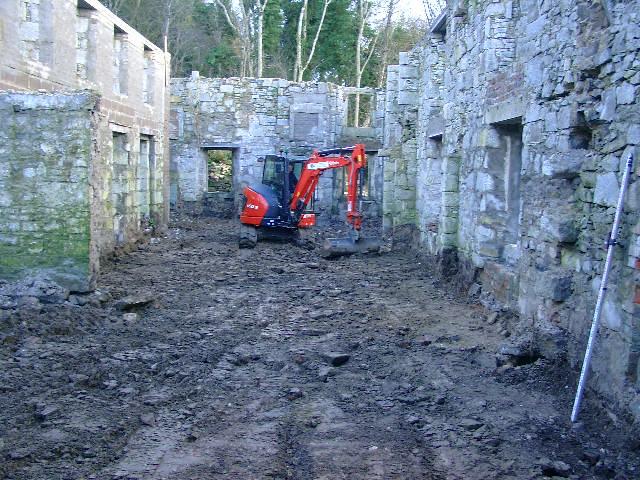
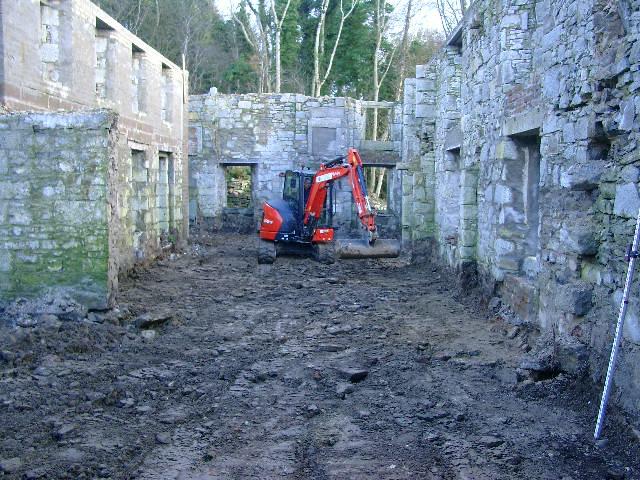
this where it gets sticky al I have is the outer walls -- nothing else and some of outer walls ahve gone as well I

-
when i last visited this subject in early 2020 -after I bought my plot i was told that if it had been empty for 10years --then it was a zero vate rebuild is this still the case finally getting close to getting started on the project all we have now is some of the outer facades -
-
Dry Ridge Question - opinions please
scottishjohn replied to w1zard's topic in Roofing, Tiling & Slating
why try to make concrete ridge tiles like a dry system the only reason for a dry system is to give ventilation to the roof space and I don,t see you achieving any great ventilation with what you have done I would cement them and get a much better fit and security from them moving over time if you want ventilation in the roof space fit some ventilator tiles looks crap to me but just my opinion -
Strip footings or insulated raft?
scottishjohn replied to Selfbuildnewbie's topic in Insulated Concrete Formwork (ICF)
it was 20+ years ago my BL was involved and it failed for funding-no other reason-- -
anyone got a simple calcultor for working out a retaining wall
-
Strip footings or insulated raft?
scottishjohn replied to Selfbuildnewbie's topic in Insulated Concrete Formwork (ICF)
netherlands is very low and most reclaimed land --so lots of wet ground at not to deep a depth and use brine loops for the bore holes
