Spinny
-
Posts
923 -
Joined
-
Last visited
-
Days Won
1
Everything posted by Spinny
-
The pressure reducing valve was stripped down only about 4 months ago because of concern about whether it was restricting water flow. There was nothing significant found on the strainer and the little that was there washed off before replaceing it. I did notice that after the plumber that did this had finished, the static water pressure at the tap and our shower flow problem were improved. I took this to mean he had tightened/set it less than before so it was acting as more of a 3.2bar PRV than the 2.8bar we seemed to be getting before. As this was giving us noticeably better flow and didn't seem too far from 3bar I have left it alone since then (rightly or wrongly).
-
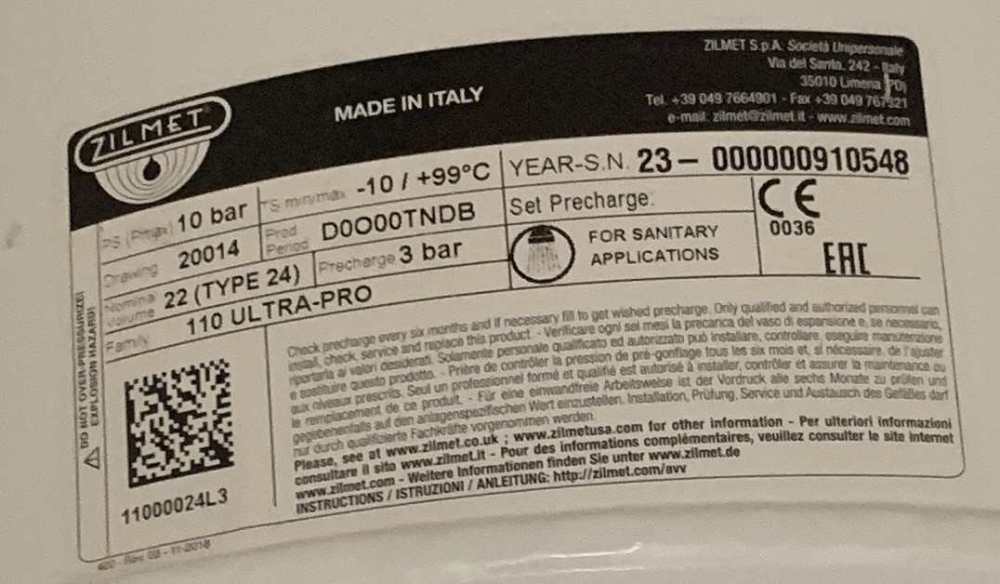
Thanks Simon, yes I see now the top cap unscrews to reveal the valve. What is the best guage to use/buy to take the pressure ? (My current guage only has a tap type screw fitting) Perhaps better to buy one with a pump as well ? So for the 6bar pressure relief valve to open the pressure in the cylinder and in the expansion vessel is likely reaching 6 bar. The expansion vessel should be absorbing the expansion and limiting the cylinder pressure to 3bar or so. Would seem to imply either: (a) The expansion vessel diaphragm has failed and so the vessel has filled with water (b) The air pressure outside the diaphragm is too low, perhaps from a leaking valve or vessel The vessel has a 5 year guarantee, so would seem odd for it to fail in either of these ways in just 2/3 years ? From the manual... ''Some pressure loss is to be expected and should be rectified to within a reasonable accuracy but a significant drop in air pressure may signify that the vessel membrane is nearing the end of it’s life span and may require replacement.'' The manual also states the max operating temperature for the butyl membrane is 70C, so presumably if it has become over heated at some point this may have caused early failure. (Doesn't seem much margin for error when the cylinder is set at 60C). Not sure what the impact of no water softener may be over 2 years.
-
Found the install manual for the expansion vessel - attached. According to the drawings at the back of this document, the smaller Zilmet expansion vessels like mine do not appear to have a 1/2inch BSP male connection at the top to enable the actual charge pressure to be measured/adjusted ?? Ultrapro-IOM-V5.pdf
-
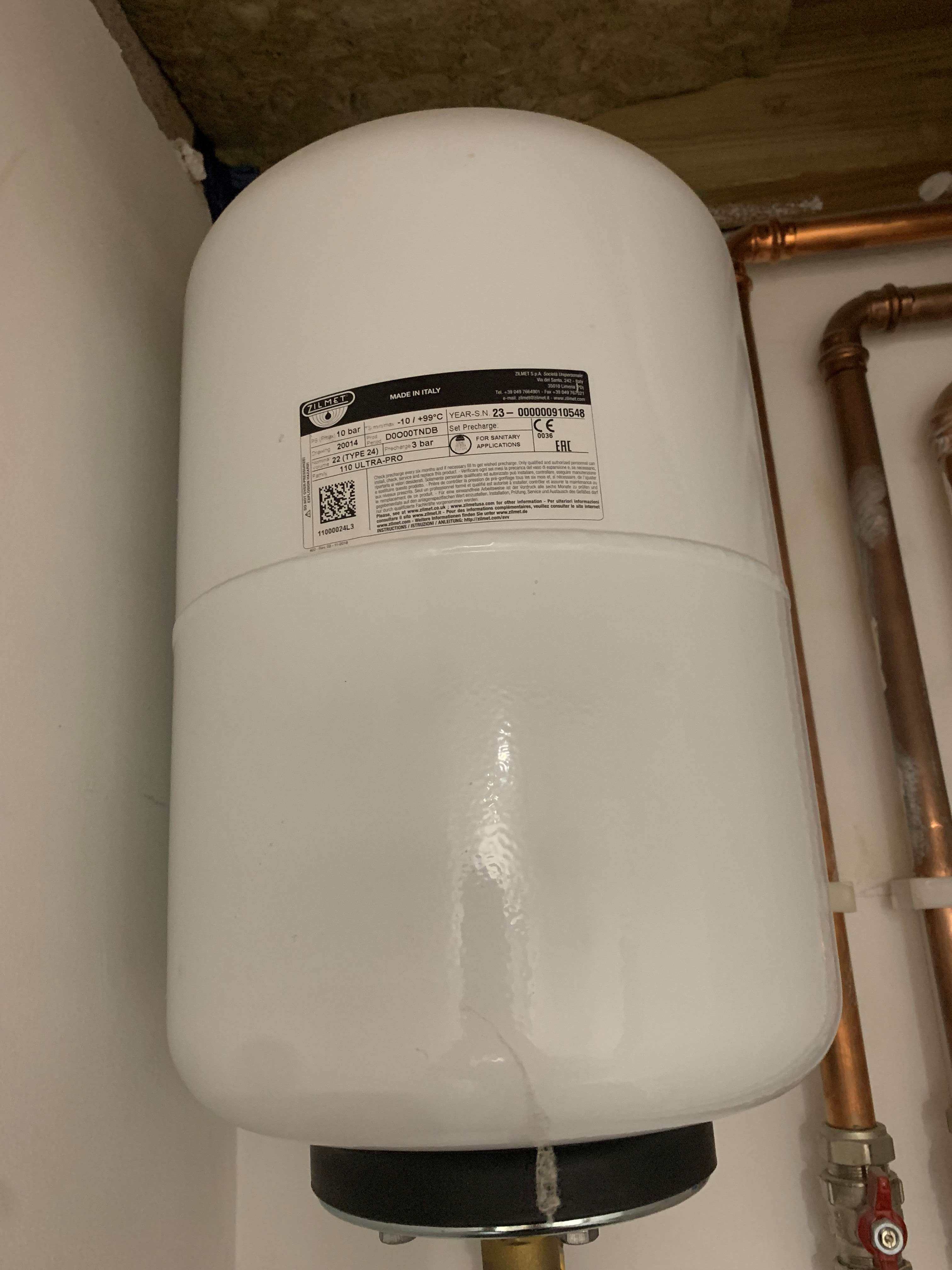
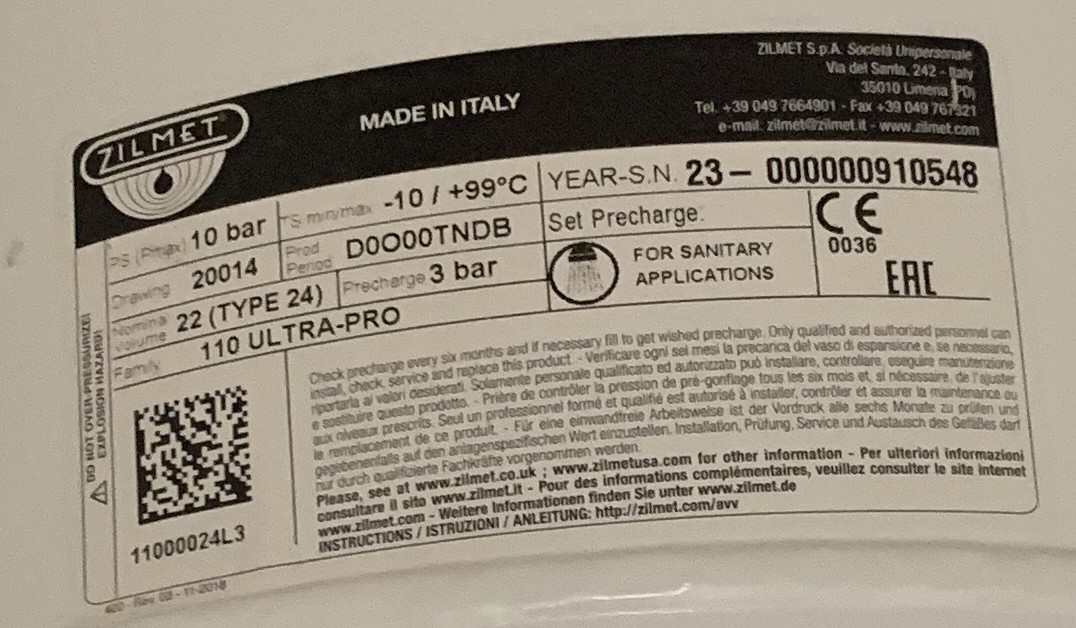
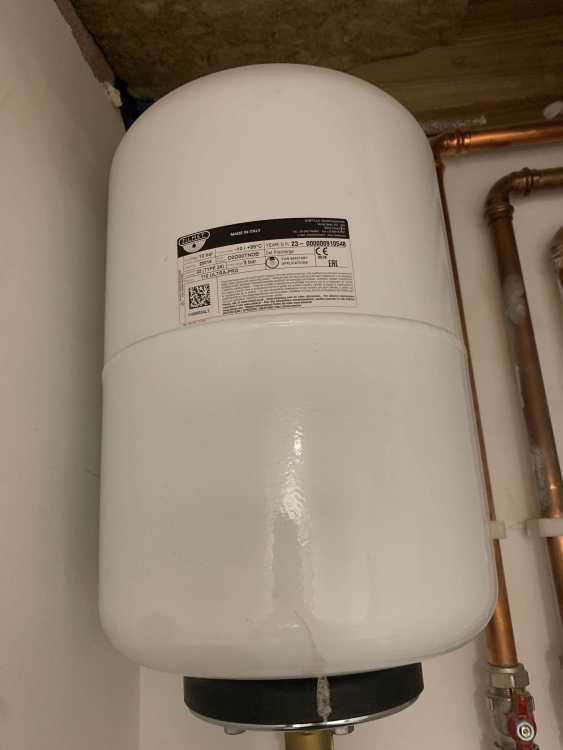
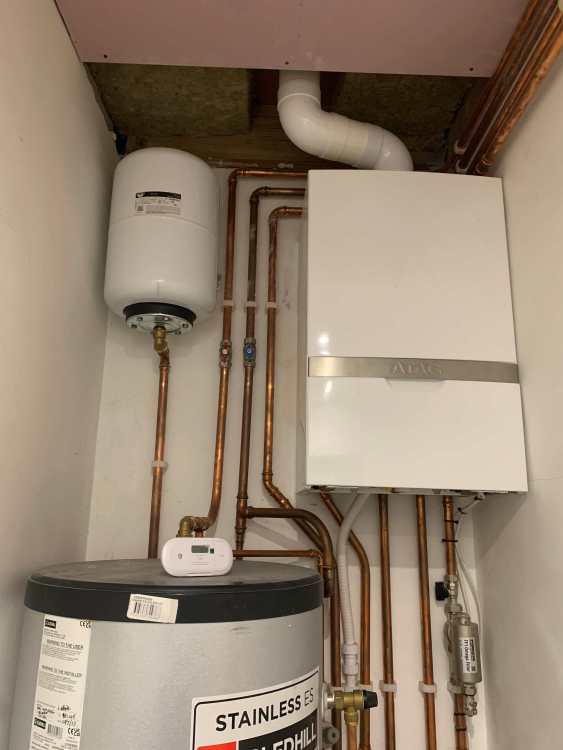
Thanks @Nickfromwales I attach a couple more pics showing the expansion vessel setup. There is a 22mm pipe run from the Caleffi combination valve up to the vessel. I don't see an isolation valve on this as such, unless there is a way to isolate it at the combination valve. The system has been running for 2-2.5 years now, installed by our original builders plumber, who never finished installing the water softener which still sits in our lounge. I had to point out to this plumber that he had not installed any tundish. His response was to claim that - you will never get any discharges from these valves ! No tundish is of course against regs and manufacturer installation guide so insisted he fitted it. From the label the expansion vessel states it originally had a 3 bar precharge, and seems to be a 22L nominal capacity - is this sufficient in size ? (I see 4%-9% water expansion mentioned via google and the cylinder is 248L, so seems to be at 9% ish, and not sure whether that capacity is reduced by the air that should be in there)
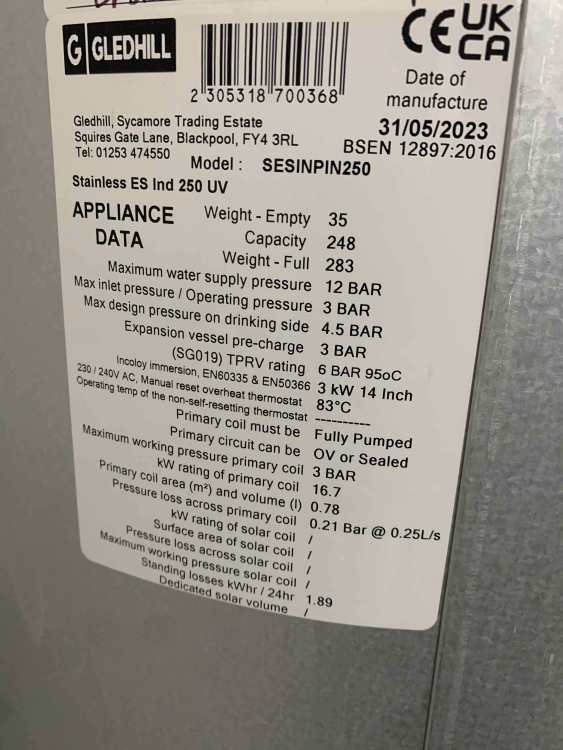
-
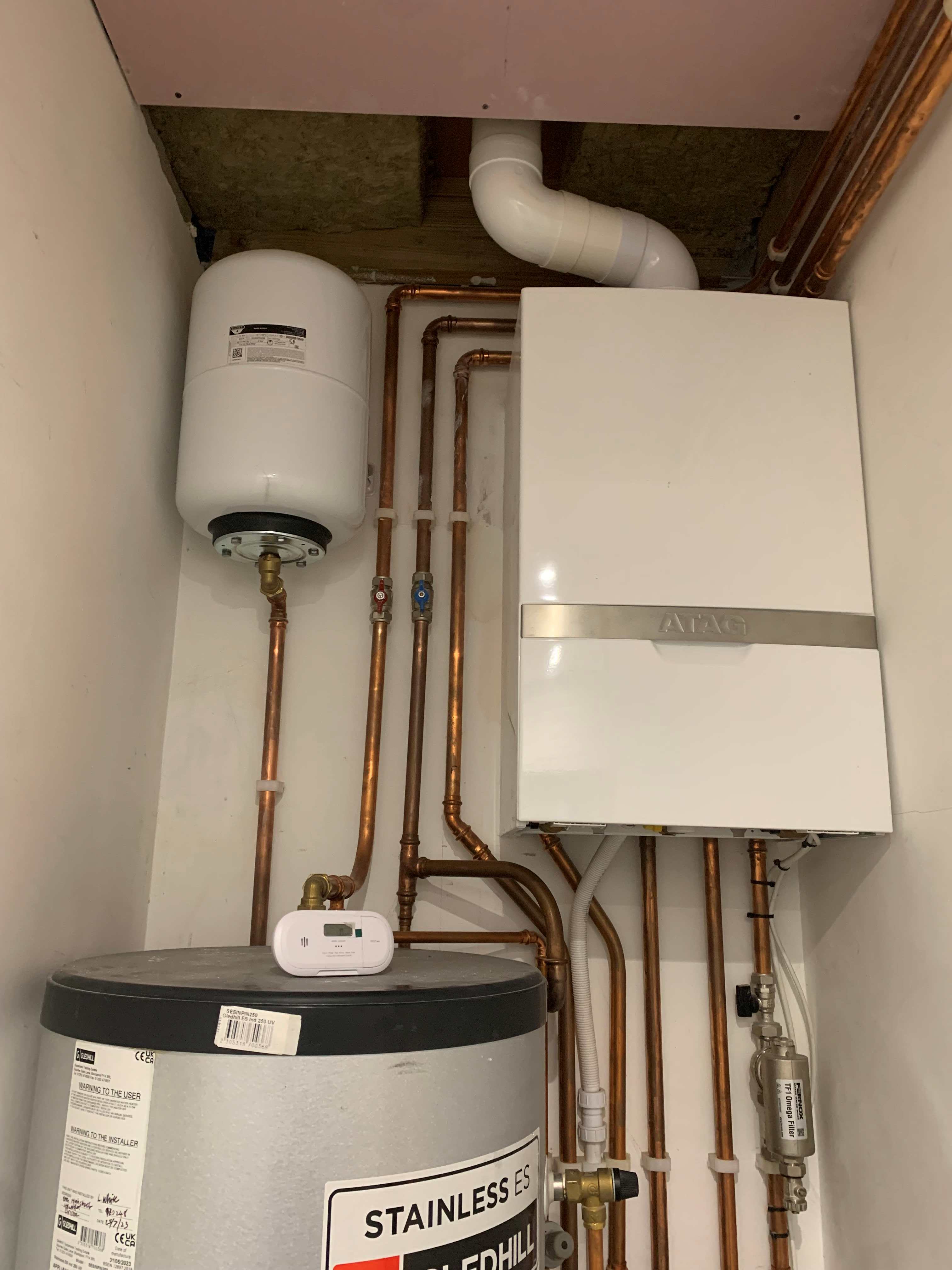
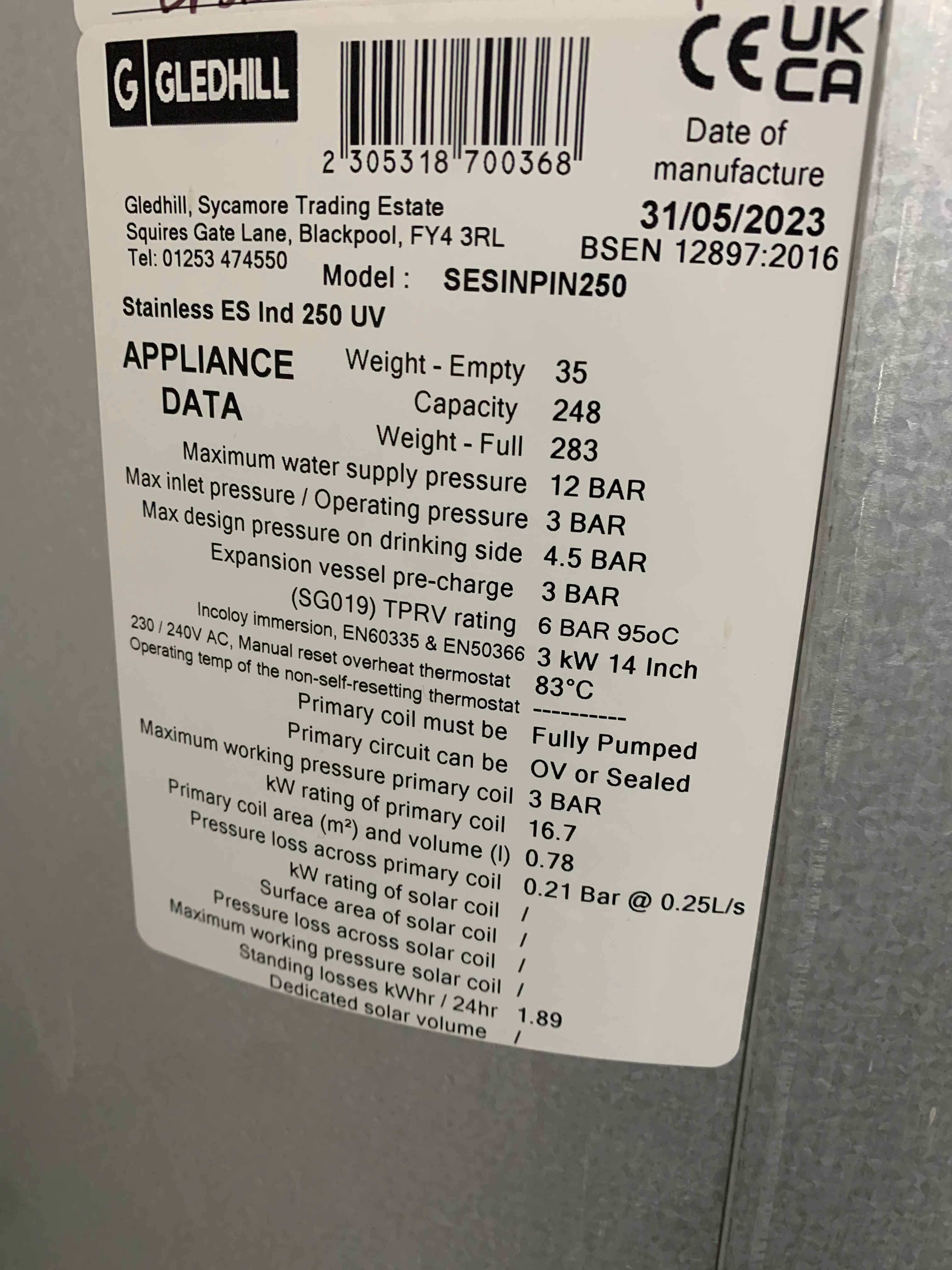
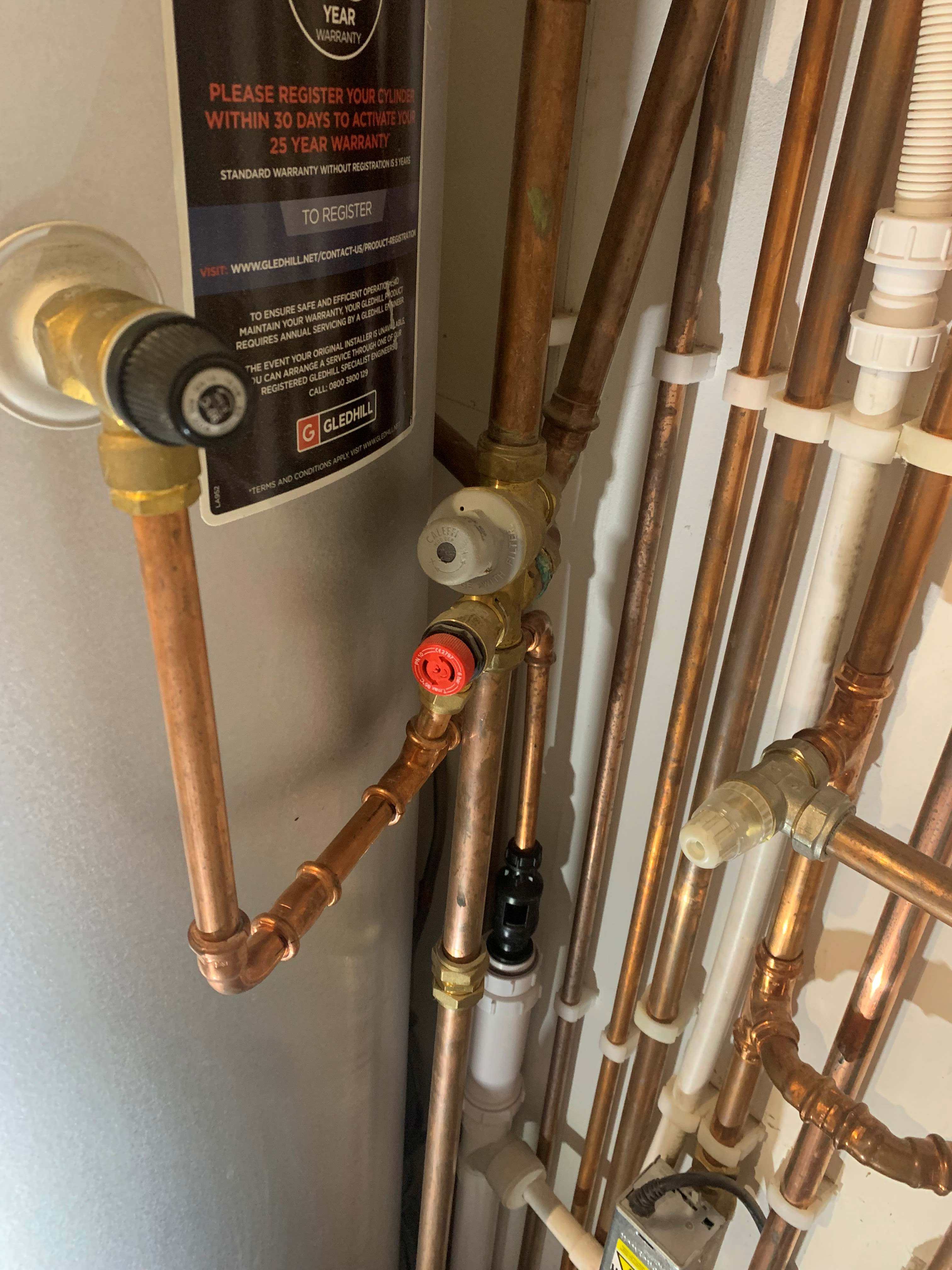
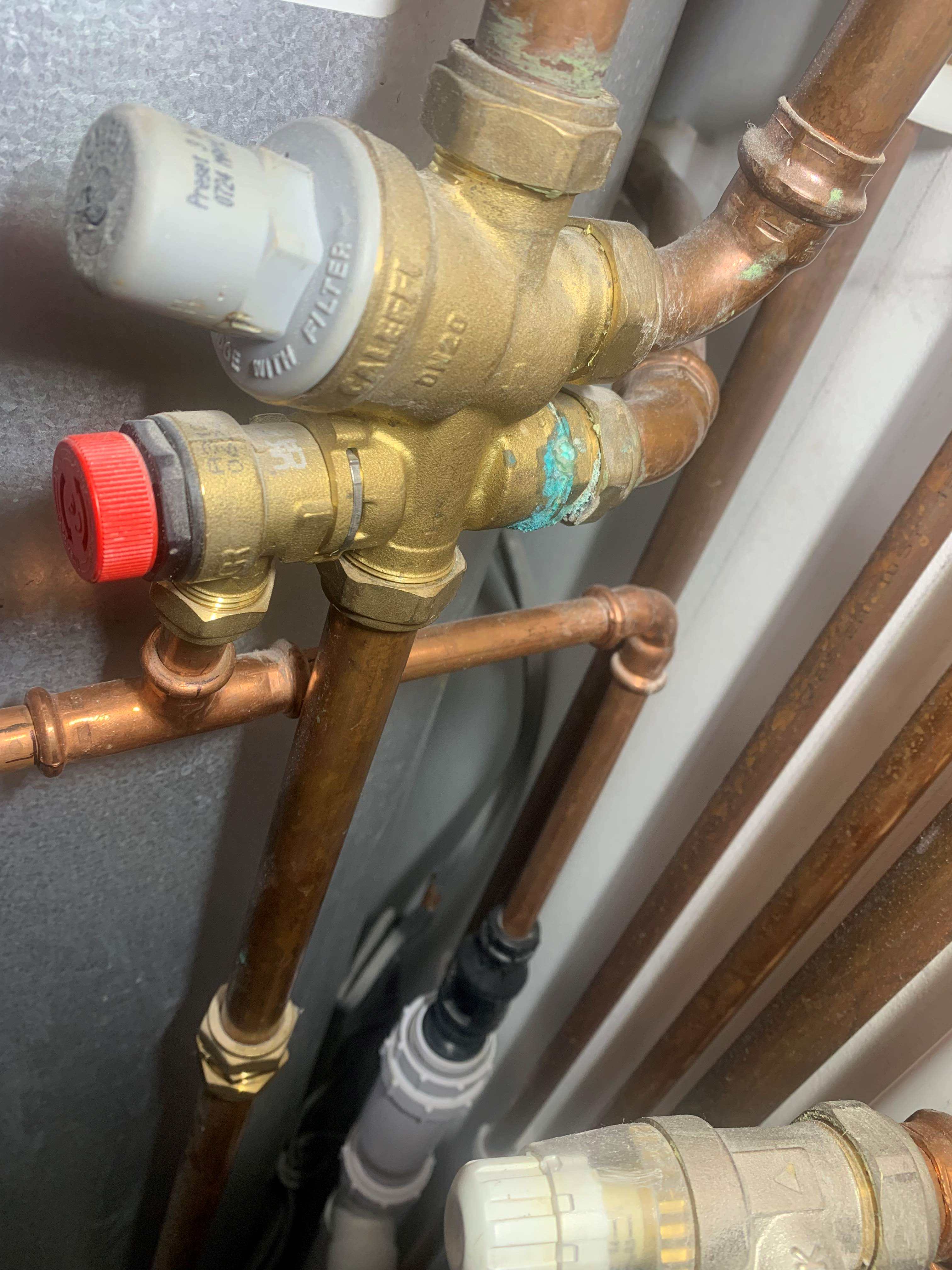
I am getting occasional water discharge through the tundish on my mains pressure unvented cylinder with gas boiler. (Not 100 percent certain, but this appears to occur when the hot water is on and has been on for a while.) The mains pressure is about 3.5bar. There is a Caleffi combination Pressure Reducing Valve fitted and it reduces the pressure to slightly below mains. There is also a temperature/pressure relief valve on the Gledhill cylinder. (See photos). +Both are connected to the same discharge pipe and single shared tundish. - the water discharge is not hot - I have stuck my finger in it. - I have temporary outside style hot and cold taps piped from the system just 2-3m away from the system. When the tundish runs, the water pressure at the cold tap is about 3.5bar/50PSI. The water pressure at the hot tap is very high at about 6.2bar/90PSI. - When I open the hot tap the hot water blasts out and I leave it to run for a few minutes to release this pressure. Reconnecting the pressure guage after doing this shows the pressure at the hot tap has then fallen to about 3.5bar/50PSI and the tundish stops running. - If I open the cold tap it momentarily blasts out - just for a second or so - then runs normally. In the 2nd Photo the pipe connections are: - 22mm pipe into the top is the mains water supply - 22mm pipe out on the right with right angle bend upwards is I believe the balanced cold water supply - 22mm pipe out on the right below the balanced cold runs to an expansion tank mounted on the wall (Note green stain on this pipe - joint weep ?) - 22mm pipe out at the bottom provides the cold water feed to the base of the unvented cylinder The grey plastic is the mains feed pressure reducing valve. The red plastic is a 6 bar pressure relief valve outputting to the tundish (So I presume this is what is opening under excess pressure conditions) Presumably the red valve is opening as a result of back pressure from the cylinder ?? So what is causing this ? Why is the cylinder pressure rising so high, and does this indicate some problem with the expansion vessel, which is presumably there to provide hot water expansion capacity and avoid over pressure ? PS Having a 6 bar and 60deg C 250L hot water bomb in the house would seem like cause for concern ? Help, explanation, answers, how to get it fixed etc greatly appreciated... (PPS Currently have the Hot Water timer on for 2 hrs in the morning and 2 hrs in the evening - temperature of the hot water from hot tap appears to be 60C as expected. But the over pressure seems like it may perhaps be linked to having the hot water timer on. - though it doesn't occur every time - have only noticed the tundish running maybe once every few weeks.)
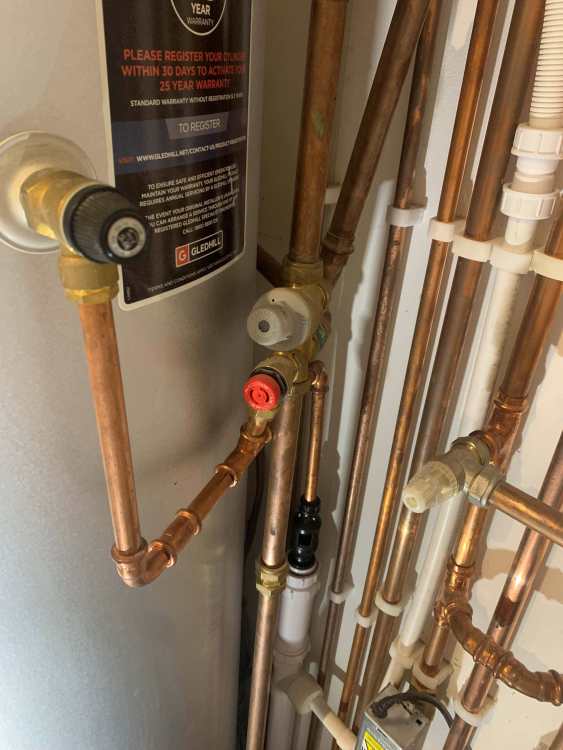
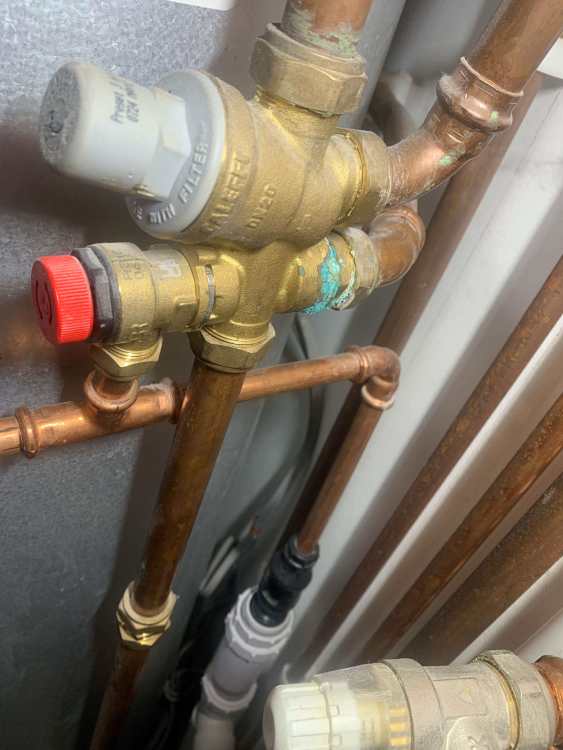
-
So how can I effectively find and successfully engage a good plumber ? I must have had contact with over 12 plumbers, and every case has been problematic. Builder's plumber could run neat pipe (mostly) but was a speedy gonzales that wouldn't turn up for weeks or months and left me with some issues, then resorted to gross dishonesty. Other plumbers I contact, they agree to come and look/discuss, then agree to provide a quote but you never get the quote. You gently and politely chase the quote but rarely makes any difference. I have had 4ish plumbers that said they would quote, then just blocked my number rather than type a text message saying they don't want the job. Then you call from another number, and it's, oh sorry I have just got back from holiday yesterday, been sick, yada yada obvious bullshit. I have had plumbers that ask for a list of works (why would they ask for this if they are not interested) so you send it, no response, gently chase, then get 'I am too busy for 4/5 months' - one chap did that twice over. Well if they were too busy why did they waste my time asking for a list of works. I have used plumbing services companies a few times for minor things (the type that serve landlords etc). While you get an appointment in a week or so, someone different turns up each time, generally young and recently qualified and it shows. Another plumber charged a fortune for a poor days work. One turned up, said are you technical because you seem to know what you want - then disappeared saying I'll let you know if I decide I am interested. Another one quoted, I accepted the quote, they came once and did the first 2 hrs work, then disappeared and turned out they were unavailable for many months having taken a big commercial contract (and abandoned their committed customers like me without even bothering to tell them). Asked 5 different plumbers how to resolve a problem - got 5 different answers. At this rate it would be easier to train myself as a plumber than find a good honest personable and reliable plumber. I know they are out there - how the hell are you supposed to (a) find them and then (b) actually get them to engage on your job ? {Someone must be doing everyone else's kitchens and bathrooms.)
-
That is what I always think about sleepers too. I know they can be quick and economical and initially look good - but who really wants to have to do the same job again years down the line. That said I have fencing that has been in place over 20 years, never retreated, and still looks OK.
-
These may be of interest... https://www.tlc-direct.co.uk/Products/FXTWB24.html And https://www.tlc-direct.co.uk/Products/FXBS.html And https://www.cmsdanskin.co.uk/refurbishment-noisy-neighbours/noise-reduction-for-building-elements/karma-putty-pads/ And https://www.youtube.com/watch?v=GWoK3iBatCc https://youtu.be/VltFR-kXtcw?si=zuMMtrpVDckEyvoK
-
Assuming you are paying Howden's to design and fit the kitchen I personally would not accept their statement. If they insist on it then go elsewhere. Our kitchen supplier has been perfectly happy to divi up the sourcing of appliances where they cannot achieve the same pricing, or have no supply arrangements. And it is part of the design and install planning to make whatever appliances the customer is having fit properly - all the manufacturers produce comprehensive installation and dimensioning documents. But price and service are no doubt linked. (PS When looking at install details it is well worth seeing the actual physical appliance with a tape measure and phone camera. Sometimes manufacturers are quite cautious and can over egg one or two required dimensions and clearances.)
-
Just wondering what is the best mounting board to use for 24V transformer(s), controllers, connectors and wiring to power LED strip lights. I could use some 12 or 18mm ply, or some OSB, or get something else. I am conscious transformers can get hot and gizmos and control boards sometimes fail, so do I need to use something fire resistant or paint on something fire resistant ?
-
Asking builder for steelwork invoice?
Spinny replied to NCXo82ike's topic in General Self Build & DIY Discussion
Other options could be... 1. Simply ask for a breakdown of the steel cost - this should be perfectly possible as the builder/specifier will have had to create an itemised list in order to price and order it. 2. Make a list of the steelwork length by length, then compare with steel prices freely available on the internet. You can easily find prices for say steel box sections of certain dimensions and steel thickness, or standard RSJ sizes etc. That way you can estimate roughly what the steel might cost if bought direct, then compare with what you are paying. If there is a big difference ask why. 3. Pay a QS to come on site and do option 2 for you. Can be done silently out-of-hours, or introduced as someone you are using to give you some advice on the work. In my single experience a builder can generally stick closely to the itemised contract quote, but when it comes to additions, changes, estimates only - they can still play games to enhance profit. Once they have knocked seven bells out of your property they have you by the short and curlies and some know it. I think it is ALWAYS a mistake not to institute very tight control from the start. Like many we started with trust, paid invoices in full promptly, paid for extras where they occurred. Happily paid the 100% of every line item the builder always invoiced for etc. Over time the number and value of all deviations from the contract can grow like topsy. And if things go wrong as they did for us when the builder abandoned site it becomes a problem. If something isn't complete - don't pay for it. Making openings and making good paid in full ? Mistake - it hasn't been made good yet, so don't pay for that part. Having a heating system fitted - don't pay for it until it is actually working - you are not buying a boiler screwed to the wall - you are buying a working system etc. Builders know the game. There is never anything wrong with politely reminding them they are being held to fair account. A third party can be invaluable - some builders will ignore the customer on the basis they by definition 'know nothing' and 'have no building credentials' so their comments are worthless. As soon as a qualified structural engineer, QS, or PM appears the 'attitude' can suddenly change. Not trying to say all builders are dodgy or bad, must be lots of excellent ones, but it is important to have a balanced relationship - £38k+VAT is a lot of anyone's money. -
Any love for CCT (i.e. changeable white) LED strips?
Spinny replied to Alan Ambrose's topic in Lighting
I agree CCT bulbs with remote control are the real problem. Many manufacturers make CCT switcheable downlights which can be manually switched at the ceiling fitting. The continuing lack of zigbee etc smart lights is testament to the backward nature of the industry. Many smart bulbs e.g. GU10 are dim giving only 350-400lm and IMO anything less than 600lm+ is not really bright enough - at least with higher ceilings and when you want bright task lighting. i am planning to put 2 LED strips into some of my profiles - 1 cob addressable RGB to use for colour chasing etc - and another cob CCT alongside for good tunable whites. I have tested out, but not yet installed so cannot comment on level of use. In general the white colour matching issue is a PITA, and bright dimmable remotely controllable CCT lights with highish CRI's are the required answer, but with seemingly no-one actually making them in bulb or integrated downlight form. -
I mentioned an issue I have with my downstairs rads to a plumber doing another job in the summer. Despite me saying the system has been rebalanced 3 times he went around yet again adjusting some valves upstairs - so I suspect he has fiddled with the valve. I have already tried turning all the upstairs rads down/off using the thermostatic valves except for the towel rad, and still the towel rail does not get hot. So it would appear to be a lack of flow through the towel rail. Possibly a stuck valve or one the plumber closed down - hence my desire to understand how I can adjust these valves
-
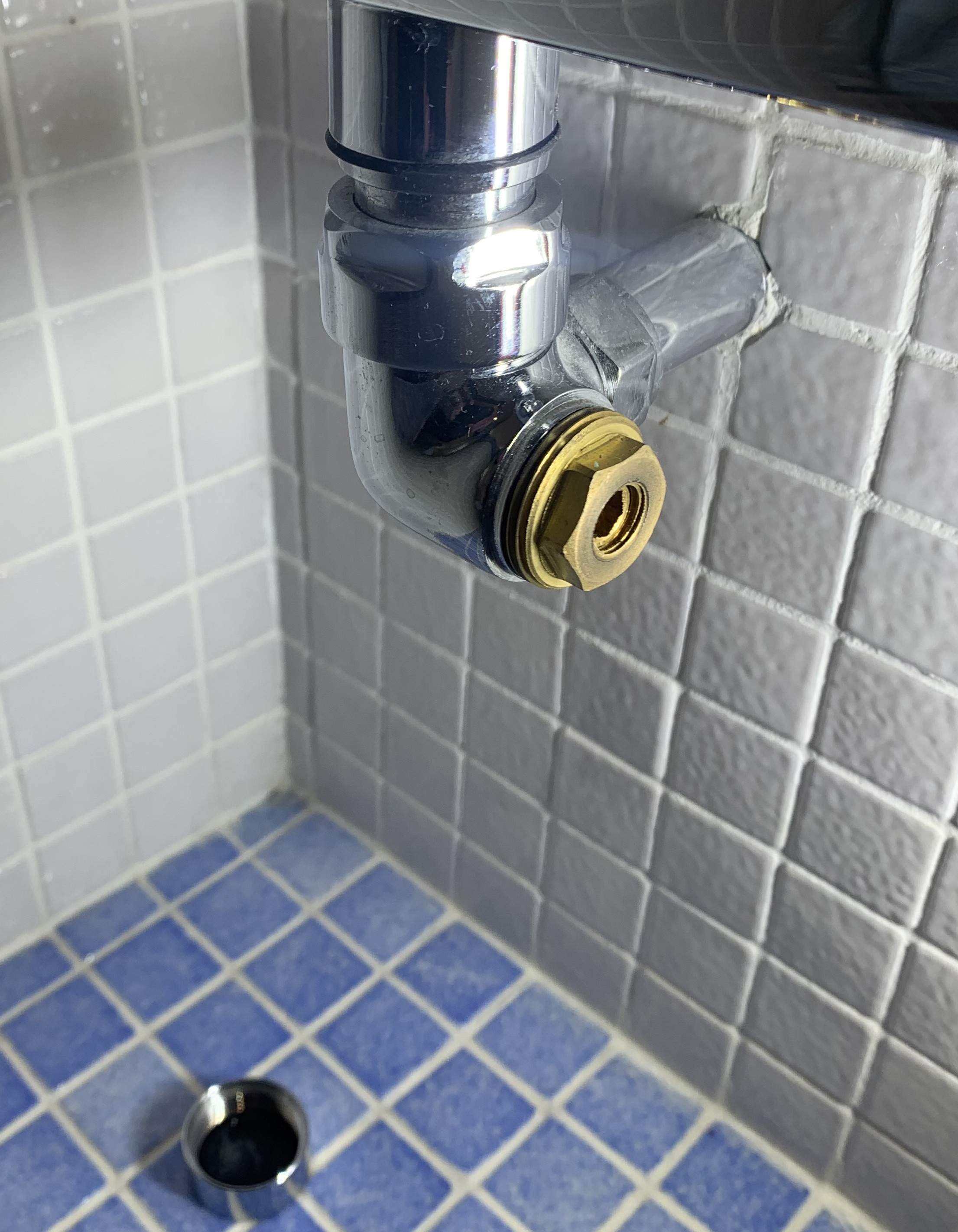
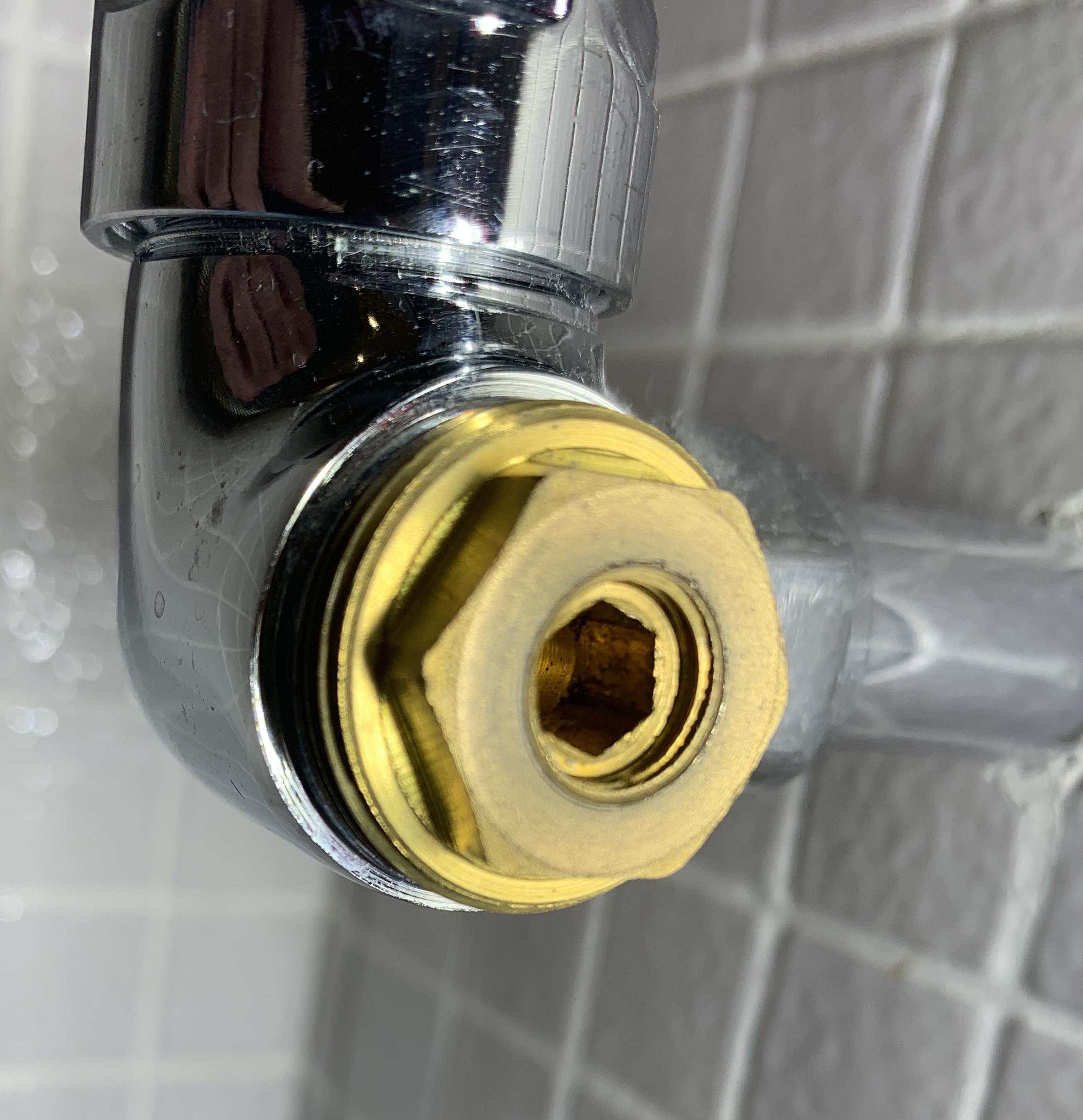
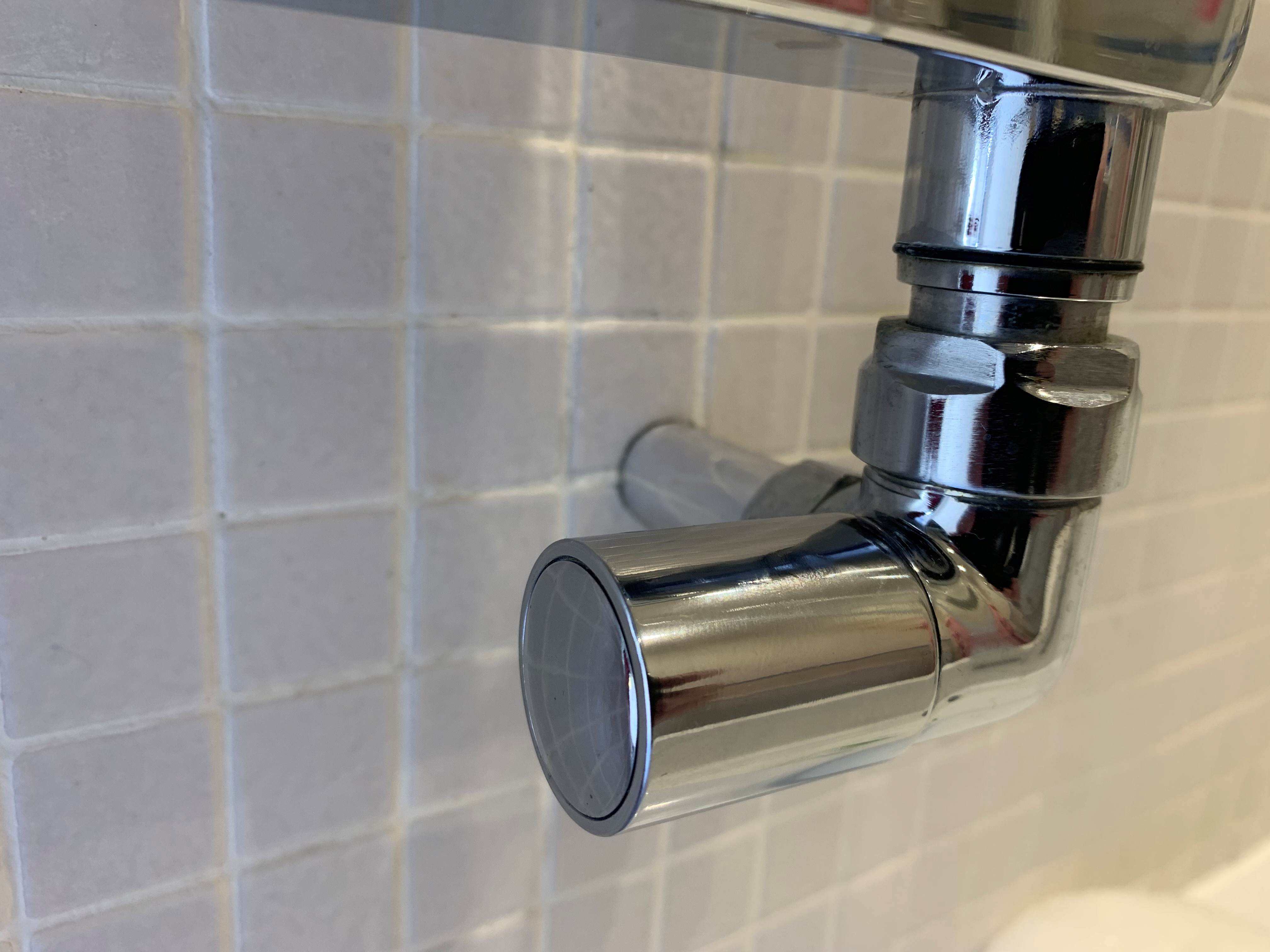
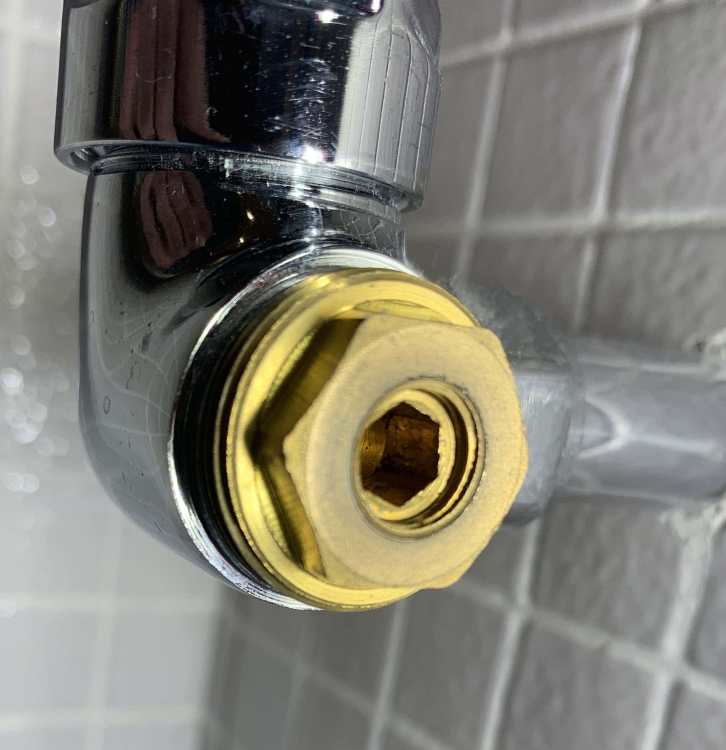
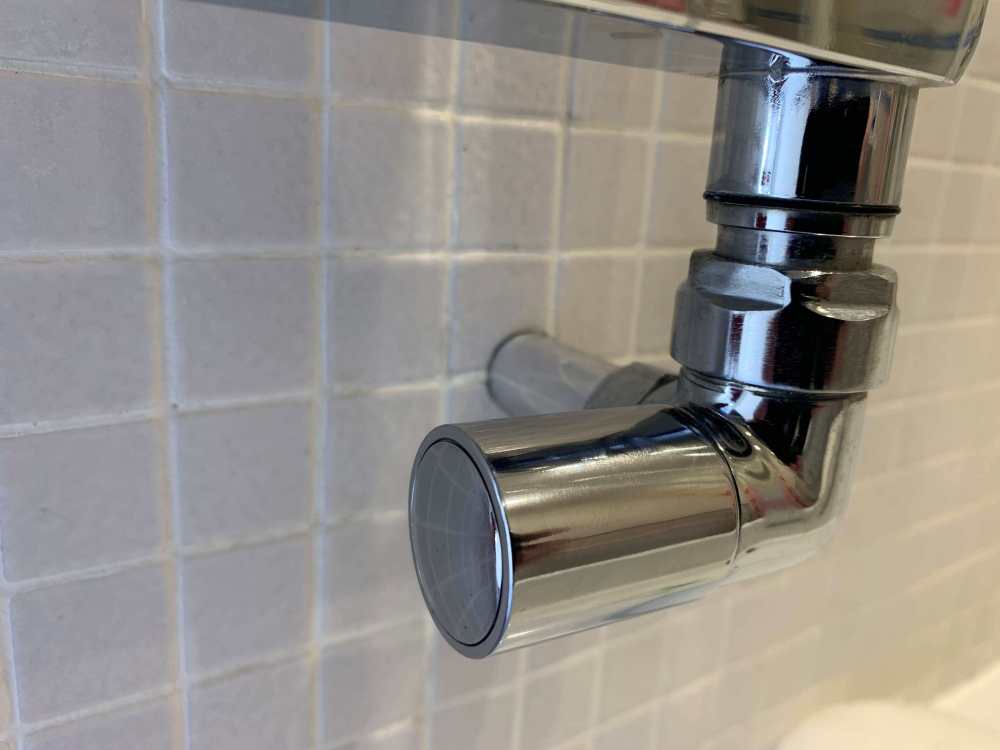
Towel Rad in the bathroom has not been getting hot or even warm since we started using the heating again. Have opened the bleed point and no air, so it isn't full of air. There are two shut off valves in the cupboard underneath but both are turned on. The rad has a 90Deg hand adjustable chrome twist valve on one end which I have opened fully. (see pic). I cannot see how to further access the internals of this valve e.g. to check for a stuck pin. There is no grub screw, and no ovious way to remove the twist cap ? The rad has a 90Deg fixed valve on the other end with a screw off cap, but after removing the cap it doesn't have a lockshoeld type piece to turn, so how do I open it please ? See Photos, and mucho thanks for any help.
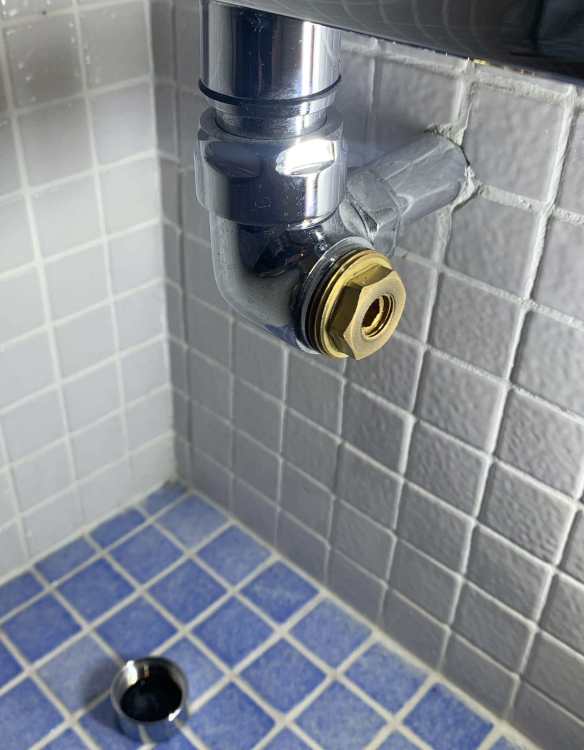
-
Some random thoughts... Where will the TV go ? Where will kitchen and utility extractors go ? Outside tap and powerpoint ? Consider creating a lighting plan now so you can avoid lights clashing with ceiling joists or steel etc Consider the potential for rain noise from the flat roof - was an unexpected issue for us using single ply PVC membrane - perhaps EPDM is better for noise - acoustic insulation ? Pity about the beam. That new larch looks nice but will presumably actually be grey within a year or two ? Don't fancy a rooflight then ? Shame to have steps down onto the patio area - consider raising decking/patio ? Does the big window have a view and would you want some seating that looks through it ? Seating seems to focus towards the utility door ? Outside door to the utility ?
-
Do I need an Architect for an Garage/Pool Outbuilding?
Spinny replied to phykell's topic in Surveyors & Architects
Bigger than my house. Perhaps you kick a ball for a living.😁 Make sure you overlay the lighting plan onto the ceiling structural plan to avoid clashes. -
We have an eclisse door - architrave less. Yes required another carpenter after the builder's carpenters attempt to get it lined up properly - in all 3 dimensions. Ours supposed to be 125mm but is actually 128mm when built - eclisse technical unable to explain this. Supposed to be a 75mm pocket double boarded with 12.5mm plasterboard on both sides - but that didn't work with the plasterer. So it has ended up with 9.5mm board plus 12.5mm habito board, plus skim coat. Seems to be a pig to find doors with sufficient timber at the top and bottom to rout out for the fittings. The brush seals supplied do not seal against the door but leave a gap - if anyone knows where I could source longer replacement brush seal strips I would be grateful. May post some pics later. Soft close/anti-slam is nice, but you can't have both that and touch latch out of the pocket - so we have a finger pull in the end to pull out. As we changed the plasterboard thickness I sourced shorter plasterboard screws on amazon to avoid screws fouling the door. Frame is supposed to be mounted at FFL but we will be cuting the bottom of the door down once the flooring is fitted. Who wants an 8mm gap under the door - not I.
-
Loxone light switches (retrotouch)
Spinny replied to SBMS's topic in Networks, AV, Security & Automation
Some of the switches say this under details ... ''UV Stimulated Glow In The Dark PIP'' So may be they don't light up, just give a flourescent glow in the dark look ? I am looking for some nice retractive switches myself - so if you have any other suggestions to look at will be much appreciated. (PS If using for 24V LED strip, is it better to have the switch in front of the transformer, or use a smart/virtual switch) -
Do I need an Architect for an Garage/Pool Outbuilding?
Spinny replied to phykell's topic in Surveyors & Architects
OP appears to be in Liverpool. Barbed wire required on residential streets. And the ferrari inside perhaps. -
Do I need an Architect for an Garage/Pool Outbuilding?
Spinny replied to phykell's topic in Surveyors & Architects
You don't mention the size, but is sounds substantial. Having watched my plank like neighbours building without construction drawings, I can only say you need a proper architect/designer/structural specifier. I don't say builders can never design, but well builders can almost never design. A camel is a horse designed by a builder etc. There is always far more to achieving a good building than might meet the eye. Having a rough idea or a planning drawing is not going to cut it. Aesthetics are important to achieve something that doesn't look like a wart on the landscape. There are many technical aspects from opening sizes, positions etc to provide good light, to insulation, to ventilation, to acoustics, to services like power, lighting, heating, drainage, water supply. Structural engineering. Also layout and ergonomics. And many choices to make. The end result comes from the planning and thought put into it. Thinking it out now means lines on paper and is easily changed, building without construction plans will see you missing things and blundering around, knocking things down again, or producing the most hideous object. In building, if it is worth doing - it is worth doing well. The building will last for decades or centuries. In a few years time you will wish you had spent the money getting it right when prices were low. -
What clips do people use for mounting 15mm copper pipe etc flush to the wall ?
-
How much timber cladding is too much timber cladding?
Spinny replied to JCL's topic in New House & Self Build Design
Any timber cladding within 1m of the boundary is too much. -
Regarding the extension. I very strongly recommend you talk to your neighbour about this at the earliest stage. It is already obvious to anyone with half a brain that digging such holes is a prelude to a building project. When you have some plans give your neighbour a copy and ask them about any concerns they may have. If they have concerns talk to your architect and see how they might be alleviated. It isn't always possible, but even the smallest modification to your plans will demonstrate that you are not selfish gits, but empathic members of the human race capable of trying to see things from the point of view of others and taking their concerns into account. Trust me, get off on the wrong foot - as our neighbours deliberately chose to do by sneakily submitting secret plans for approval the day before Xmas - and there is no way back.
-
I am not sure the comments above are clear enough. Yes you do not need to use Party Wall Surveyors to establish a Party Wall Agreement or Award. However to make sure you have some agreement that stands up to any scrutiny in the event of an incident, problem, or dispute arising, then I believe you should carefully follow the advice and guidance on complying with the Party Wall Act which is published on line. This includes various template documents to use for writing to your neighbour and gaining their agreement etc etc. Just pinging an email and getting an email 'ok' is unlikely to be good enough. You have to bear in mind the worst case - say you dig a hole and the neighbour experiences some structural damage ? Now he wants you to pay and you end up in dispute. An informal randomly worded email exchange will be worth naff all in court. When having to deal with my nasty neighbour and his PW Surveyor - the paperwork explicitly required people to give written signed consent to the use of email for example. Email can be a questionable tool which can and does get misused. Some people will email stuff at 6pm on a friday after you have just left for a 2 week holiday, then claim you didn't object, so they knocked down your boundary wall while you were away. Some people, like me. don't read emails every day or at weekends - because - because I am supposed to be retired and I have done my decades of slavery to email nonsense. For something to stand up in court I believe it should be sent registered post and signatures witnessed for example.
-
Don't know. They may also be interested in your plans to build a 2 storey extension.