.jpg.c21f3ac78c9b7efd90cbdcb312744dc5.jpg)
jack
-
Posts
7352 -
Joined
-
Last visited
-
Days Won
38
Everything posted by jack
-
Short of a chemistry or physics degree with a relevant specialisation, I can't see that you're really in a position to meaningfully argue the science behind this product. Do you have one of those? If not, what sort of "background" are we talking that means we should rely on what you're saying?
-
The phrase "patented" when used by a UK-based company does not mean "there were patents, but they were in other countries, were in the names of another entity, and lapsed over 10 years ago". Patents are by definition public documents, and anyone saying they have a patent while refusing to give details is either lying or woefully ignorant about what having a patent actually means.
- 199 replies
-
- 5
-

-

-
- hard water
- water softener
- (and 1 more)
-
You've mentioned a patent - could you supply details please?
-
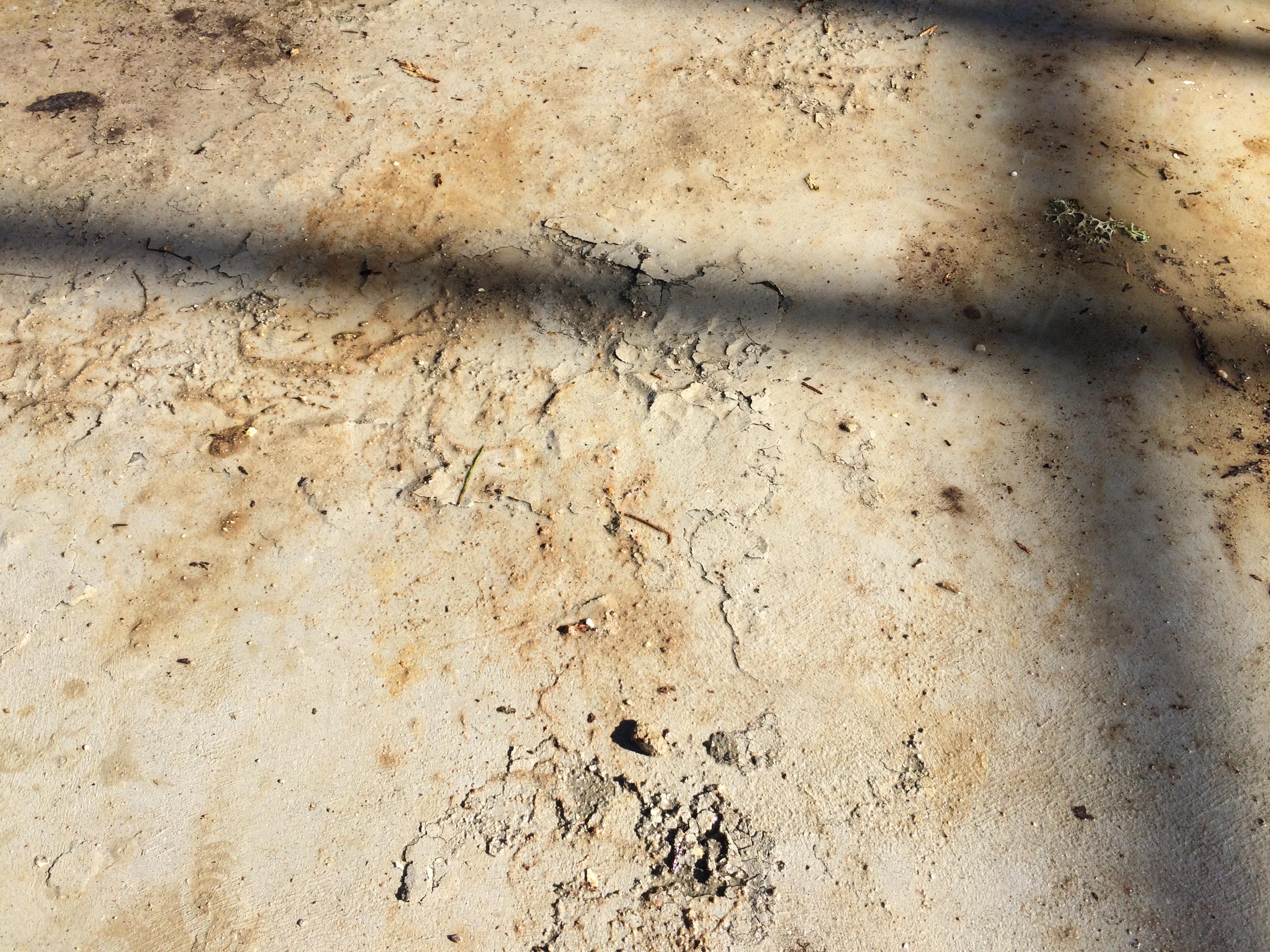
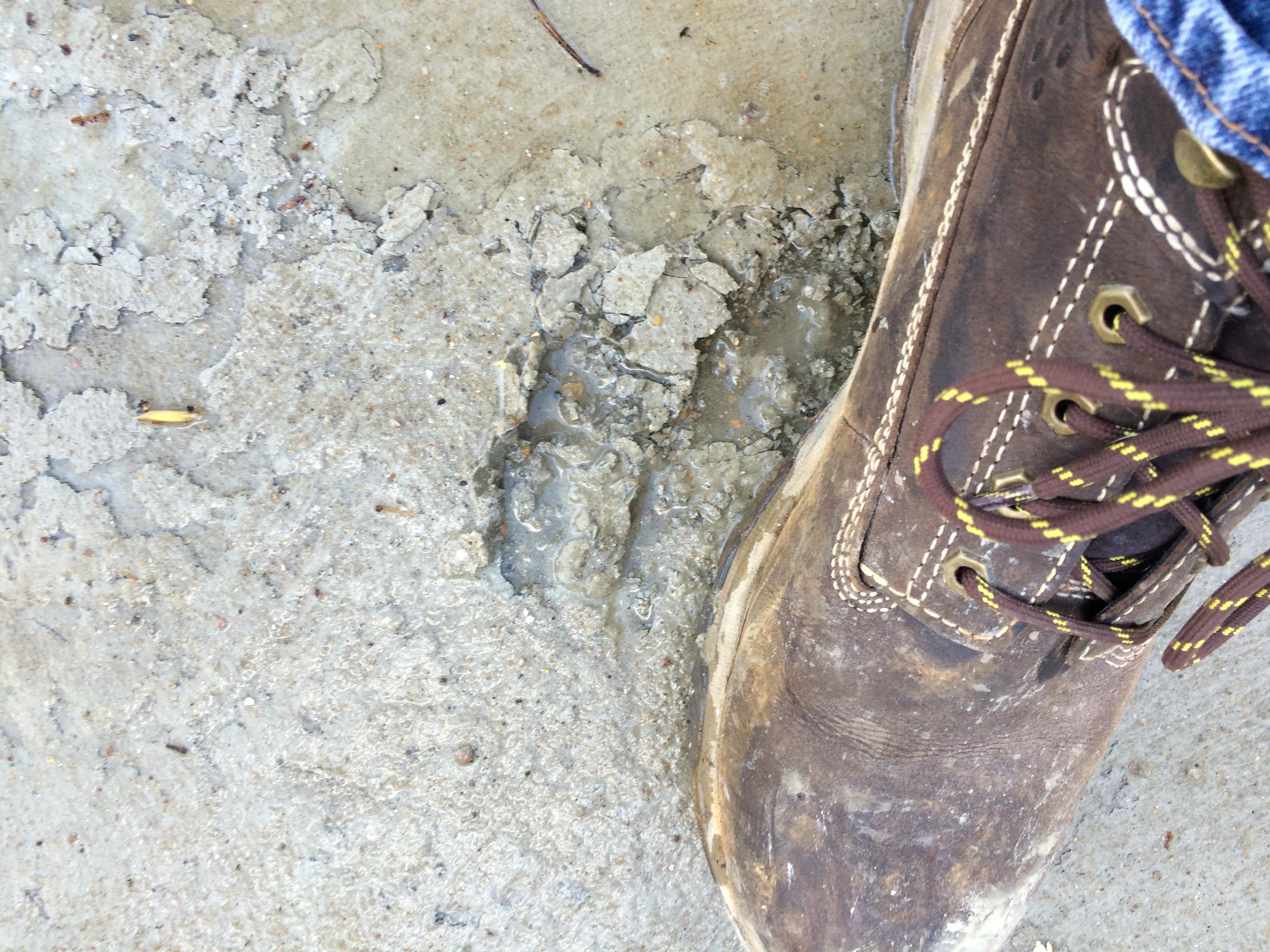
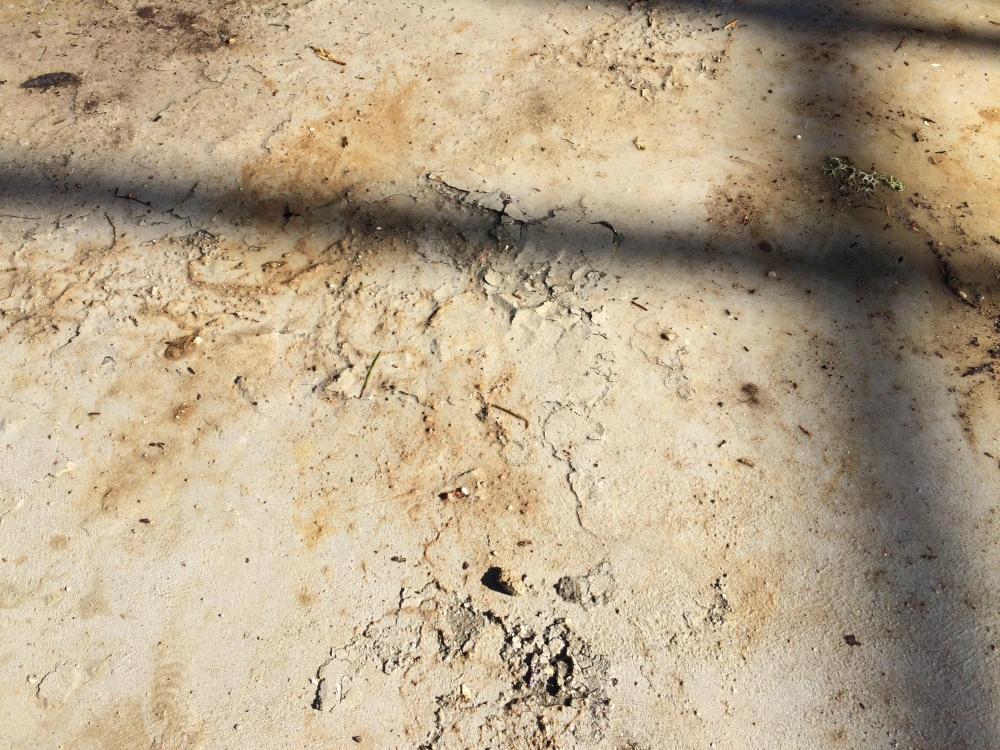
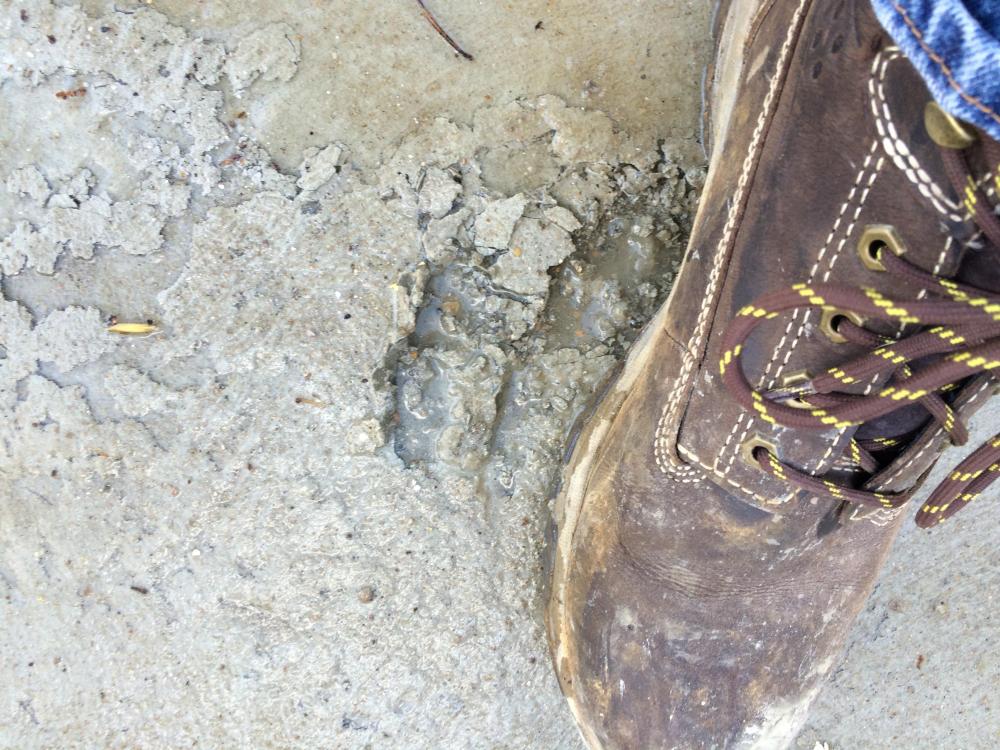
Our concrete arrived on time - literally started at 8 in the morning from memory, but the concrete just didn't want to go off. I have a theory that the concrete in some sections of the slab contained far too much water (the concrete was mixed onsite by a truck then pumped via a boom). There were repeated calls from the MBC guys to the guy on the concrete truck reduce the amount of water being mixed in, especially earlier in the pour, but it kept creeping up. The worst areas seemed to be the earlier parts of the pour where this was happening, but that's completely unscientific speculation on my part. Despite all the efforts, our slab was a mess in the end. This was the worst bit, a week or two after the pour, I think: You can see that the fat has just disintegrated from the top (possibly not helped by frosty nights in the days following the pour). To his credit, Joe (MBC's owner) dropped by when I raised the issue and immediately offered to raise the frame by a small amount and pay for a liquid screed. In the end we decided to go with a concrete floor instead, so offered to hold back some of our final payment to make up the difference, which Joe was happy to do.
-
I delivered a curry to Brendan at about 10:30 on the night ours was done. He was just sitting there in the cold waiting for the concrete to go off so he could power float it. Unfortunately, it was the next morning until that was possible, and we didn't get a decent power float because of it. Cold weather and unexpected rain didn't help.
-
It may be more than just the grinder choice. The surface was power-floated to within an inch of its life before a grinder touched it. It was actually pretty shiny even at this point! They then came back with the grinders a few days later, before full hardening. I vaguely recall them saying they used a very specific mix to make sure it polished well. Overall, I suspect a good result involves a lot of parameters. Perhaps the key is to learn to love the transitions and find a way of living with them. We have three or four spots where it's clear the power float was stopped, leaving four dark lines. There are also some very ropey areas along some edges and corners where the hand polishing with a small grinder really didn't work. We've just accepted that concrete is a variable product and learned to love the rough bits.
-
There was the guy selling the kettle, too.
-
We specced ours like that, and our plumber was used to doing it this way. I can't imagine why you'd do it any other way if you have the room to get the controls away from the spray.
-
.jpg.c21f3ac78c9b7efd90cbdcb312744dc5.thumb.jpg.7adcad4c0e384f5ecd7d56b0618df6e5.jpg) This is from the Wikipedia article on dewpoint - might be of assistance in figuring out what surface and air temperature combos would need to be involved to be causing condensation at your measured humidity levels. Given the condition of the plasterboard, I'd consider taking a couple of sections out so you can get in and have a good look. Having that amount of water sitting around can't be good.
This is from the Wikipedia article on dewpoint - might be of assistance in figuring out what surface and air temperature combos would need to be involved to be causing condensation at your measured humidity levels. Given the condition of the plasterboard, I'd consider taking a couple of sections out so you can get in and have a good look. Having that amount of water sitting around can't be good.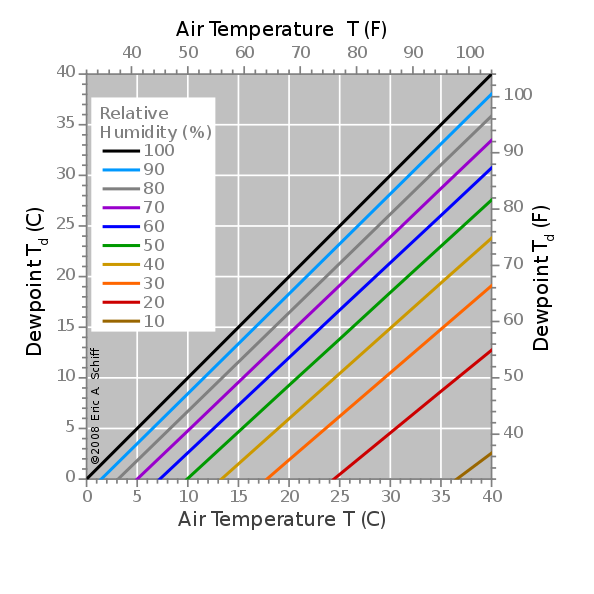
-
Okay, thanks. I think we'd ideally separate out the MVHR issue from the condensation issue, if we're convinced they're not related.
-
Fair enough, and a good idea when you have general moisture problems that you want to help dry out. However, if condensation was caused by the MVHR as you originally thought might be the case, then running it faster would potentially make it worse. Do you have any idea where the MVHR ducts run in the ceiling? You have damage on both long sides of the rooflight, but it seems very unlikely that there are MVHR ducts on both those sides. Can't rule it out, but some other form of leak or condensation seems likely. You mention it dripping out today. Even if it's a form of condensation, I can't see how you could have so much of it at current temps and humidity in Manchester (20 deg C and 37% humidity right now, accordingly to Google). Phone up through a downlight hole seems a good way forward. Try and see if you can take a video with the phone's light on.
-
My first question is why you're running it at this rate. My house is 289m2, with high ceiling downstairs (so a lot of volume), populated by two adults, two kids and a dog and we run ours at 100m3/h. In fact, for the first year I ran it at 50m3/h and that was fine too. As for the water, are you certain it isn't a leak around the skylight? That seems a much more likely scenario to me.
-
Interesting. One of our showers has always drained slowly - wonder if it's something to do with this.
-
Can you please explain this a bit more Nick? You say to go 50mm (which I think is smaller than what's in the first picture), but then say to "oversize" to get an air break. Also, is "stohon" Welsh for something? Doesn't look like it:
-
The problem with all of this is that these are complex systems. It may be that there's some sort of dynamic restriction somewhere further down the pipework that's actually getting the benefit of the air when it's allowed in. One problem is that any such restriction is far from where the air is being admitted, and there's a lot of air volume to reduce in pressure to get the durgo to open. You also have a relatively low water flow (compared to something like a draining sink or bath) relative to the size of the waste pipe, so it likely won't cause much pressure reduction due to air entrainment (moving water drags some air along with it = reduced pressure upstream due to removed air). I initially thought that putting a trap below the durgo would mean that the volume on the pipe side of the durgo is much reduced. That assists one side of the equation. The main impact would be to decouple the waste above from the part below the durgo, with a corresponding reduction in air volume, but as I think harder, I wonder whether the impact of slowing the water at this point due to the trap might make this somewhat self-defeating . As @CC45 mentioned, it might also be worth dropping vertically from below the durgo then back across to the existing waste lower down. That will give you more water velocity nearer the durgo, and hence greater pressure reduction to help the durgo open. As above though, these are complex systems. Given the fact that I'm just thinking out loud, it's probably best to ignore everything I'm saying and listen to those who have a better idea of these things in practice!
-
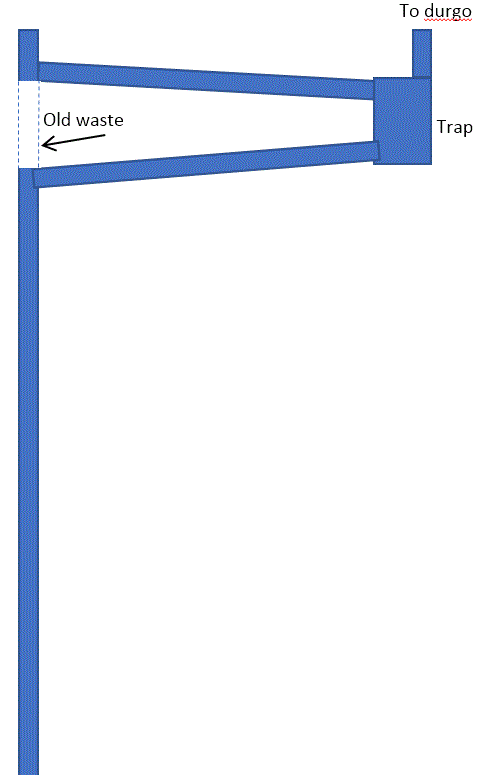
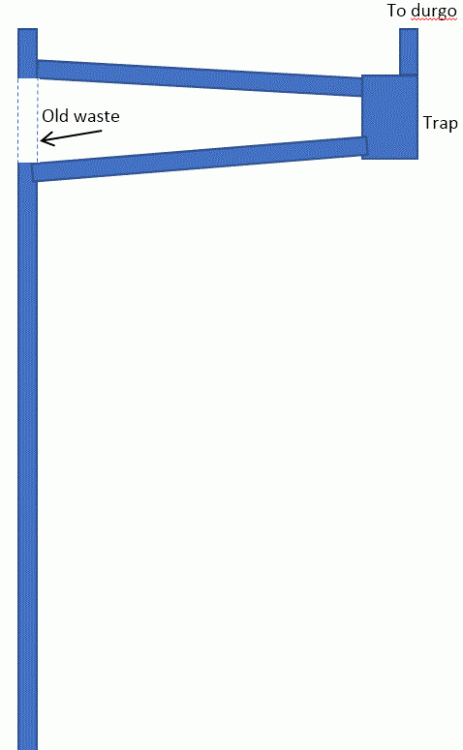
Not quite - I was suggesting putting another trap at that location and leaving the shower as it is. Picture's worth a thousand words and all that:
-
Air admittance vales are at their best when you have a large slug of water draining all at once - think toilets, sinks (if draining from full) and baths. In your case, you're draining something that will generate a steady but relatively small flow of water. It therefore won't build up a slug of water in the vertical pipe to which your durgo attaches. In that case, the only source of the vacuum is whatever happens below the vertical run shown in your pic. Because that's so far away from the durgo, the large volume of air in the circuit (all legs) between the durgo and the bottom of the pipe may be preventing an effective vacuum from forming. Whatever low vacuum is building may be enough to slow drainage but not enough to allow the durgo to open properly. The vacuum may also be intermittent if whatever's causing it down below isn't continuous (eg, if it periodically allows air to burp up from further down the pipework), which will again prevent the durgo from operating correctly. If any or all of this is true, putting a trap directly below the "T" to the durgo might help, and isn't too expensive or disruptive an option to test. Optionally, you might put an elbow on the left hand pipework to take it over to underneath the durgo pipework, then put a trap below with vertical up to the durgo, and then another elbow back to the existing vertical pipe (or maybe vertically down to wall, then across to the left lower down, if that isn't in the way). That would drastically reduce the volume of air in the circuit within which the durgo is operating. Please note that all of this might well be nonsense, as it's just based on me thinking about how all this might work, rather than having any real knowledge of how it does work!
-
New directory from Passivehouse Plus magazine
jack replied to Square Feet's topic in Environmental Products
From memory, I actually spoke to them (or one of their members) at ecobuild after I joined, and got the distinct impression that they were only interested in commercial members and business to business discussions/transactions. -
New directory from Passivehouse Plus magazine
jack replied to Square Feet's topic in Environmental Products
Ah yes, now it's coming back to me. I joined the AECB and received the magazine that way. I naively thought that they'd be interested in having aboard people like me who were interested in passivhaus and low energy buildings, and who were about to build one. Bear in mind this was 5 years ago, when the profile of low energy buildings was much lower. It turned out they couldn't have been less interested. The forums were very quiet even then (I think I joined to access the members only parts of the forum, but they weren't much better than the public section). On the whole I found the whole thing cliquey and insular, so didn't bother renewing the next year. -
New directory from Passivehouse Plus magazine
jack replied to Square Feet's topic in Environmental Products
This seems to have been their model for a while. I first subscribed for a year about 5 years ago and continued receiving it for over two years. It just stopped at some point. -
Vertical battens, which fix through the outer board (of the outer stud) and into the outer stud.
-
The equivalent of the brick/ block "cavity" is actually the ventilated space between the outer stud and the cladding or render board.
-
It can if you run it too cold, yes. I only run 15 deg C water through the circuits, and the floor temp doesn't drop below about (I'm estimating) 18-20 deg C, so no risk of condensation. There isn't even a haze of condensation on the metal UFH manifold, so I think the floor is safe.
-
Ceiling height for open-plan room
jack replied to Dreadnaught's topic in New House & Self Build Design
Fair enough, although to some extent they should expect a change in circumstances when they sell someone a piece of their land!!! -
My underfloor cooling is working a charm - maybe that's why I'm so unusually relaxed!