Iceverge
-
Posts
4485 -
Joined
-
Last visited
-
Days Won
32
Everything posted by Iceverge
-

Best fibreglass insulation for under floorboards?
Iceverge replied to Logan's topic in Heat Insulation
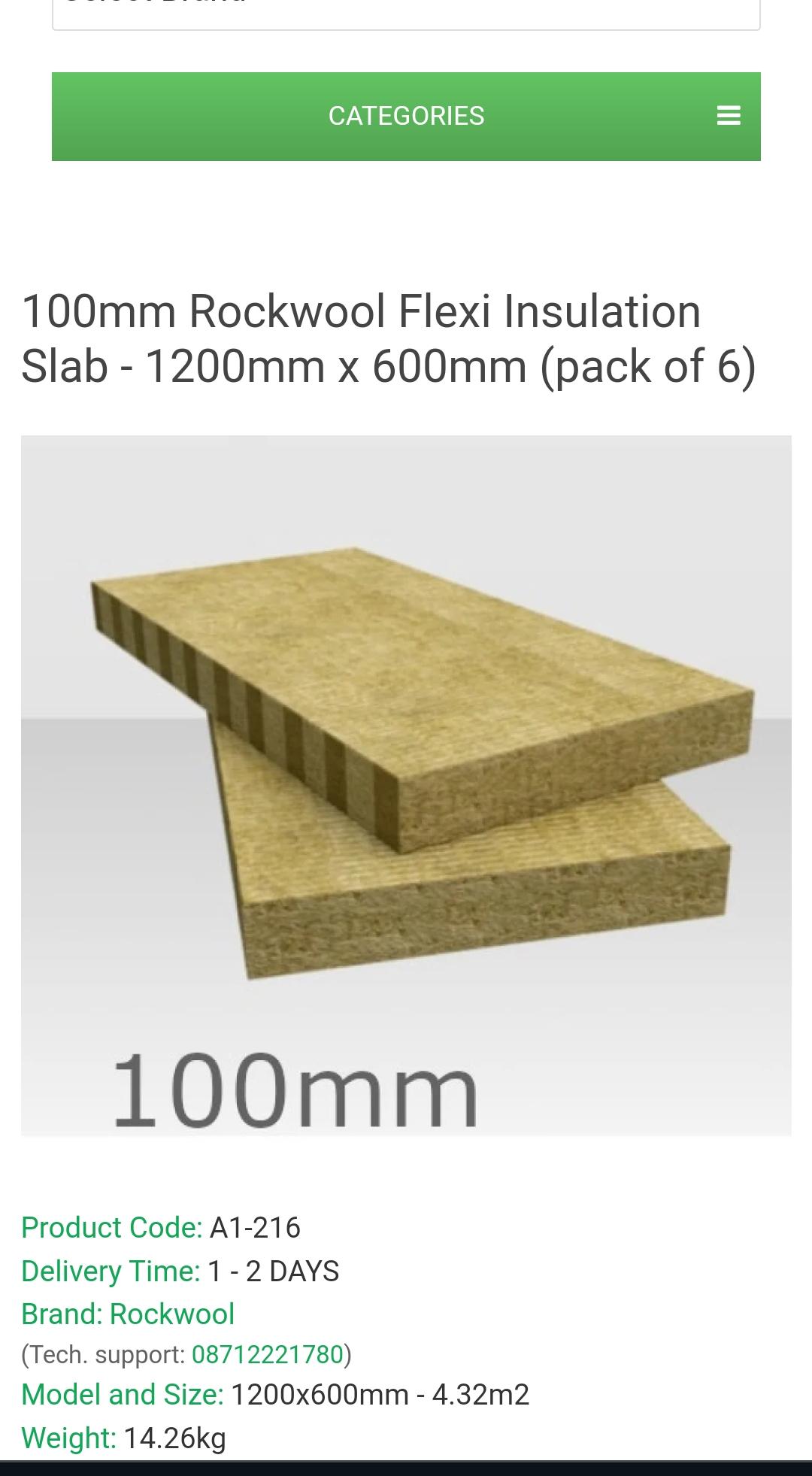
That what I ment by slabs. That's Rockwool but you can get glasswool (fiberglass) slabs too. How do you plan on insulating below the floor? Will you lift the floorboards?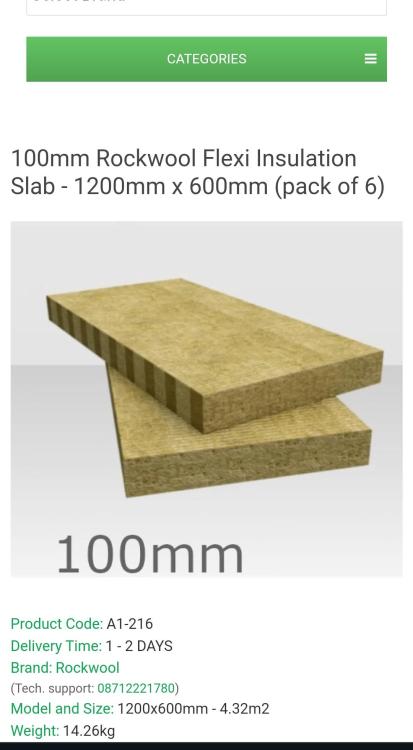
-
Nice sensible plans. Glad to see it, everyone should do 2 sets of planning permission. It really knocks the nonsense out of the the design. We did 3!! Hard to count on this. Its often in Spring and winter our south facing rooms get hottest with the low sun angle. I would put the UVC as near to the kitchen tap as possible. Ensure the MVHR is easily accessible for servicing filters and vibrationally isolated from the first floor ceiling. Great idea, just make sure the downstairs W/C+ shower is accessible and It'll be ok. Or else move the sitting room upstairs and an ensuite bedroom downstairs. TBH with the form factor you're pretty close. I would bump the walls to 450mm rather than 350mm. It'll allow a 250mm wide cavity or a Twin wall timber frame and block skin. I have a couple of ideas with the plan. Flip the southern rooms East West. This would allow morning sunlight into the kitchen for breakfast and the master ensuite for showering. For the ground floor dining area make proper walls at the corners. It'll save a lot of thermal bridging at the corners and avoid the cost of steels. No need for a second upstairs ensuite. That would make a total of 4 bathrooms. They're expensive rooms. 3 is fine for a 4 bed house IMO. These changes would group all the wetrooms in the North east of the house making plumbing simple and cheaper with fast hot water deliver times. Get rid of the Velux's in the bedroom. Too much of a faff with blinds etc. Consider French doors rather than sliders. Much cheaper and better air sealed. Over all though it's a very nice house. Do you have any proposed elevations?
-
In what way? Drafts, condensation mold?
-
How to certify unvented cylinder if plumber lacks G3 ?
Iceverge replied to Spinny's topic in Boilers & Hot Water Tanks
You could put in a thermal store and avoid the whole thing. -
Ah I didn't realise you were underway. The plan looks fine in that case. I was thinking you were still at the design stage.
-
Would you care to add some plans too please?
-
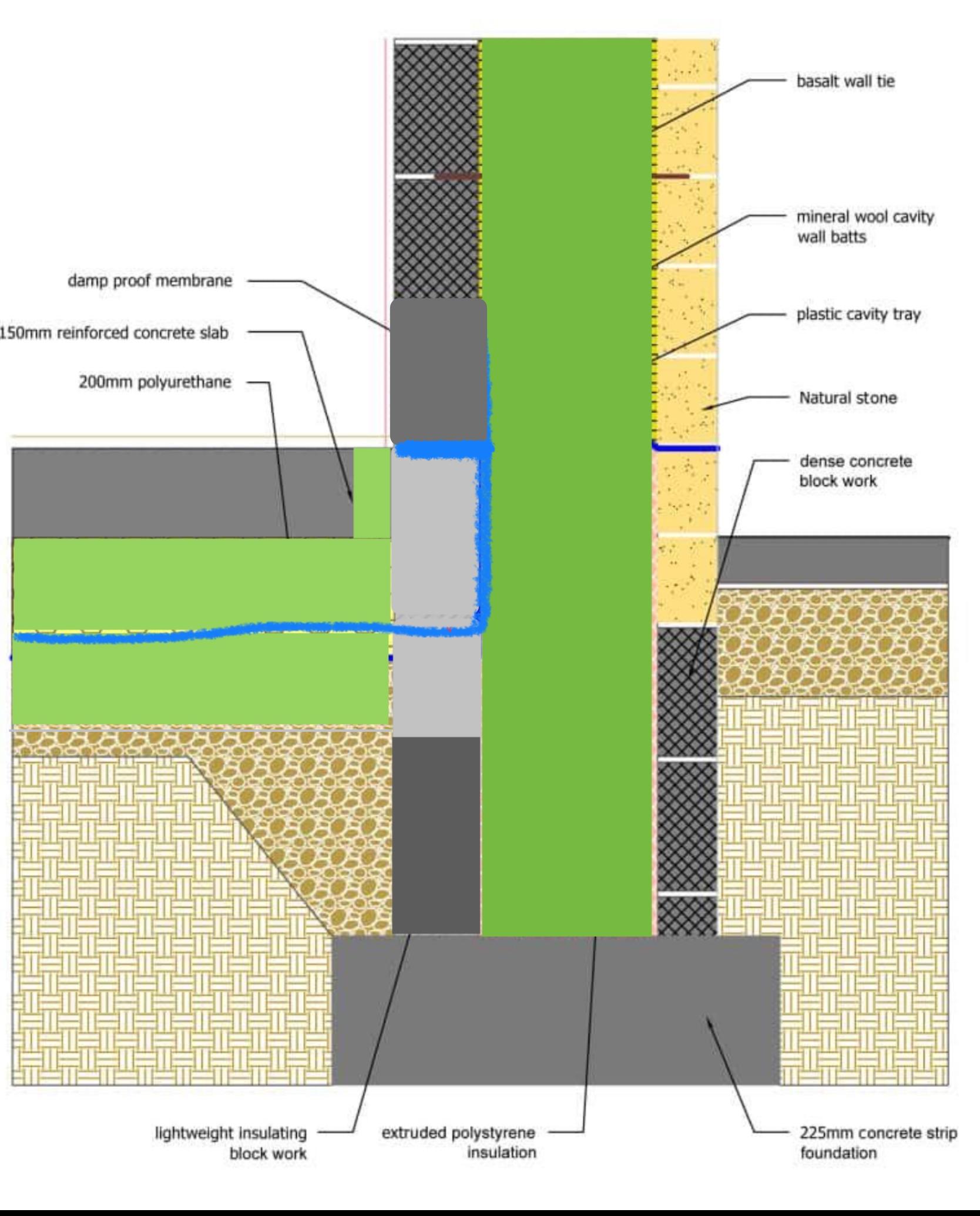
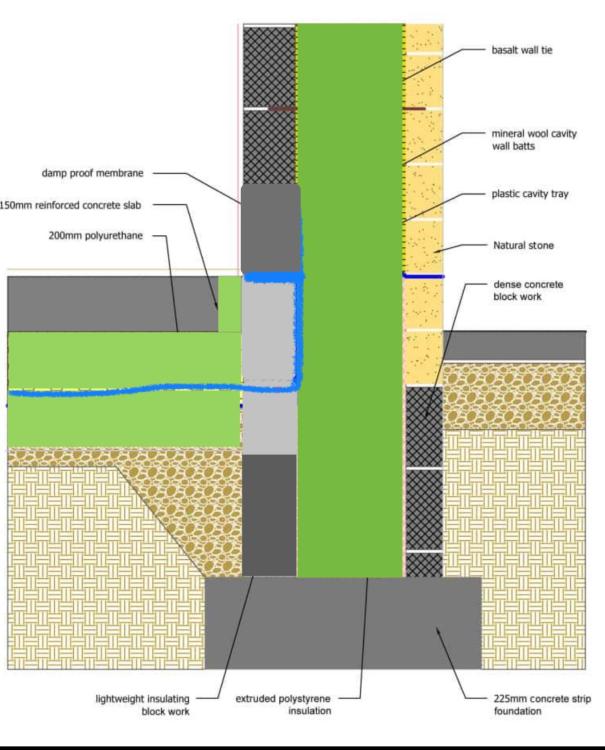
I calculated this. From memory all you need to do is widen the cavity by about 5mm to make up the difference. SS every time. Here's my alternate version of the above detail. 1. Full fill of EPS beads, right to the foundation. Allowance for mortar droppings so they won't build up to DPM level. 2. Less thermal blocks, they don't really make a difference to the heat loss below the insulation in the floor. 3. 2 x Layers of EPS 150mm insulation with the DPM in between for protection. 4. Separate DPC on outer leaf. 5. 50mm insulation at perimeter really helps the heat loss. 6. Much easier to level this concrete floor than the other design. 7. Allows for the use of cavity ties below the DPC increasing stability. 8. Simpler threshold detail for DPM.
-
If counter-battening would make the floor too high I have another suggestion. Buy some 3.6mm plywood and rip it into say 300x50mm sections. Use a laser level or string line and tack or staple the ply in place to get it close enough to level. When the floor is finished use some self levelling compound to take any last imperfections out if needed.
-
Best fibreglass insulation for under floorboards?
Iceverge replied to Logan's topic in Heat Insulation
Have a look at the kg/m3 figures. The denser the better IMO. Also I prefer slabs to rolls in general. What joist spacing do you have? -
Manifold system versus hot return system
Iceverge replied to Russell griffiths's topic in General Plumbing
It really helps. A tip from our Welch wizard. @Nickfromwales -
A great stage to start this thinking rather that 6 months down the line. Keep an eye on this. Shrink the house to fit your budget with sone contingency. There will come a day when you need to throw money at it to overcome some obstacle. Passivhaus is designed to be an economic corner where the added efficiency gets rid of the need for a conventional central heating system. If it's costing £50k for £500 then you've done it wrong. Use the spreadsheets here to get a feeling for the balance of heating needs. Forget GSHP and battery's. Too dear Vs the benefit. Don't bother with the PIR internally. Just widen the cavity. Stainless steel ties are cheap enough. Use separate lintels for both leafs. 200mm cavities are the norm where I live. North facing glass is bad for energy efficiency. Careful with this. Airtighness is the lowest hanging fruit. It's a very big house, sub 1ACH should be very achievable.
-
Practical experience of ceiling acoustic performance sought
Iceverge replied to dnb's topic in Plastering & Rendering
That's a shame. I was interested to see how much of a difference they would make to the sound. -
You must have very good windows. What profile did you use?
-
Can you not just tape the sips to each other internally for airtighess? What are you planning for your final rain screen? A block external leaf or cladding hung from the SIPs?
-
Or use EPS beads.
-
Practical experience of ceiling acoustic performance sought
Iceverge replied to dnb's topic in Plastering & Rendering
Have you this fitted yet? If you were to put it exposed on the ground floor ceiling it would really help quieten the echo in those rooms. The way I think about airborne noise is to compare it to water sprayed from a hose. Obviously if you were to get lots of splashback like you would from plain plasterboard then the same will happen with noise. Spray a hose onto wood wool and it'll kinda fizzle out. For sound it'll make the room much less "echo"y. The water hose though idea works for air gaps and reverberation too. -
ASHP with underfloor heating project question
Iceverge replied to Trojan's topic in Air Source Heat Pumps (ASHP)
I really think UFH isn't the optimum solution here. 1. Too much heat loss downwards. 2. Too high a heat loss property requires quick warm up times. This means high flow temps means bad COP or poor boiler efficiency. 3. Disruptive to install. -
Practical experience of ceiling acoustic performance sought
Iceverge replied to dnb's topic in Plastering & Rendering
You need to deal with 1. Airpaths - lots of acoustic mastic at any joints and at the walls. Seal all gaps. 2. Reverberation - A layer of fluffy stuff just to stop the drum effect.Thats why 175mm won't make much difference Vs 100mm here. 3. Impact noises - decouple the surfaces. You've done this with the resilient bars and to some extent the cork. 4. Add Mass. Plasterboard, standard or soundbloc or OSB is the cheapest way, more the merrier. (Insulation is a dear way to add mass)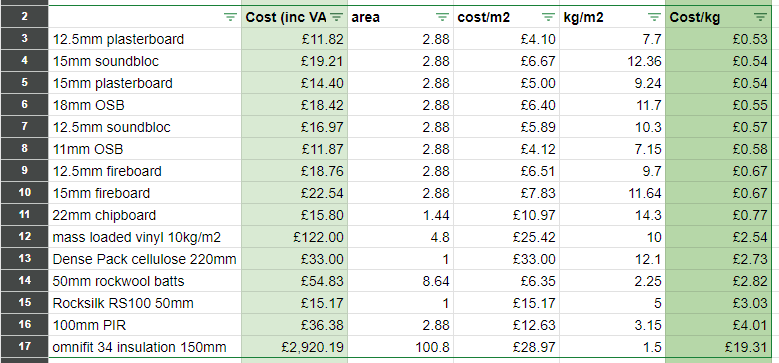
-
€514/M2 plus vat in 2019 for a 2 story completely rectangular house without no big windows and a hipped roof. This was the twin wall frame and raft. Probably completely meaningless 5 years later however.
-
ASHP with underfloor heating project question
Iceverge replied to Trojan's topic in Air Source Heat Pumps (ASHP)
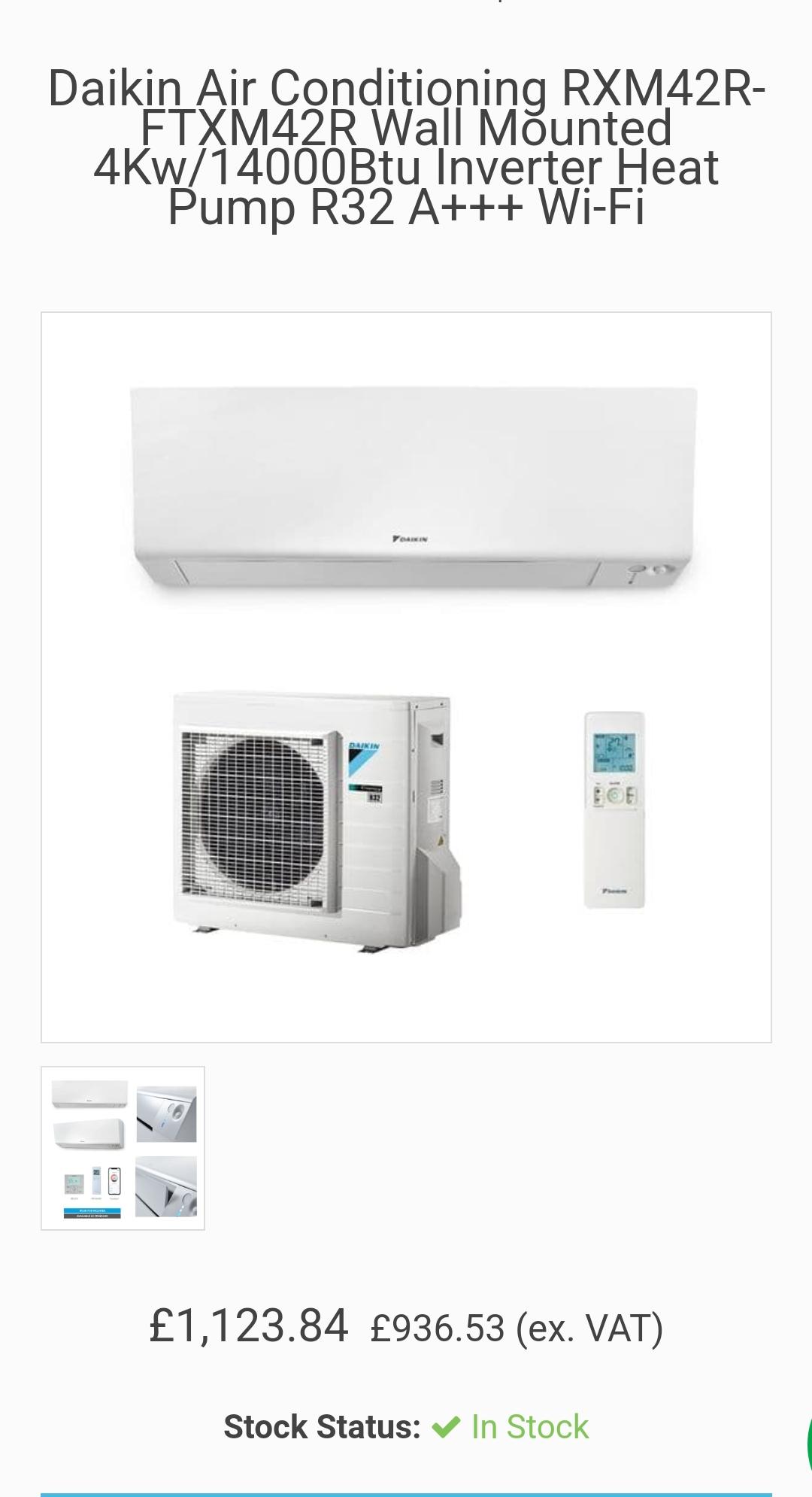
I'd be tempted to keep the gas boiler and install a few slimline vertical rads. Or if you really want an ASHP just get a good A2A unit like this.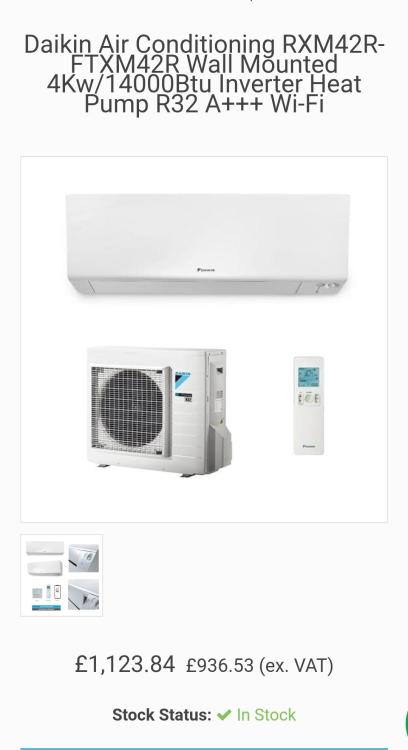
-
The MBC package is the most complete one I know of. It's really well though out. The only bits I'm a little iffy about is the sparse window and threshold details.
-
Which heating and hot water solution(s) in 2024?
Iceverge replied to Jane W's topic in Other Heating Systems
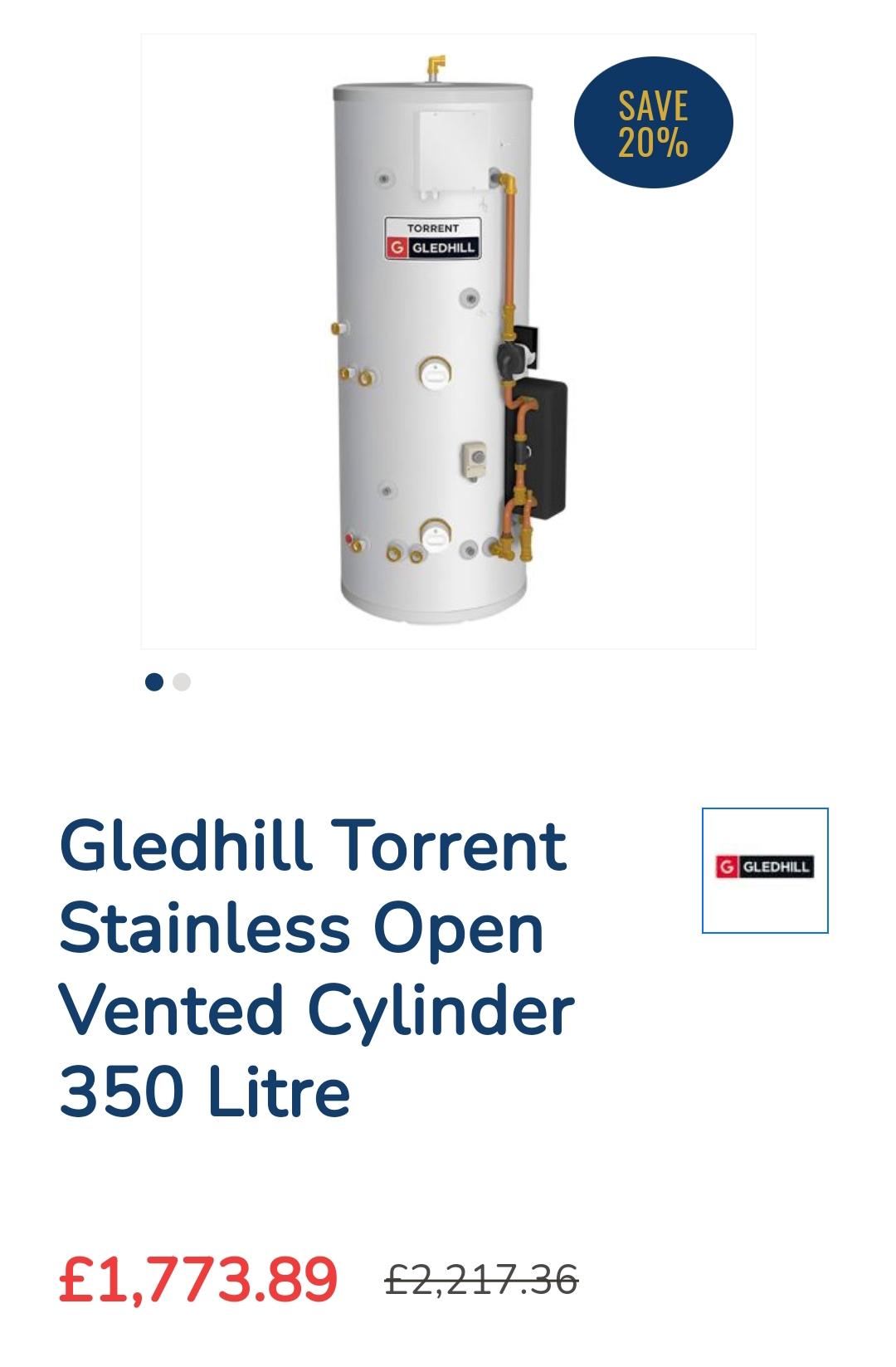
The Harlequin I liked because it was square, plastic (no corrosion) and had all the connections on top. However 210l was far too small in my opinion without a gas or oil boiler on call. Also it couldn't be plumbed to a solid fuel loop. I can see the attraction of a PHE type too. What about one of the Gledhill Torrent Heat banks and an ASHP. It might work as an off the shelf solution. Of course the obvious answer of course is an UVC but the G3 servicing can add up over time.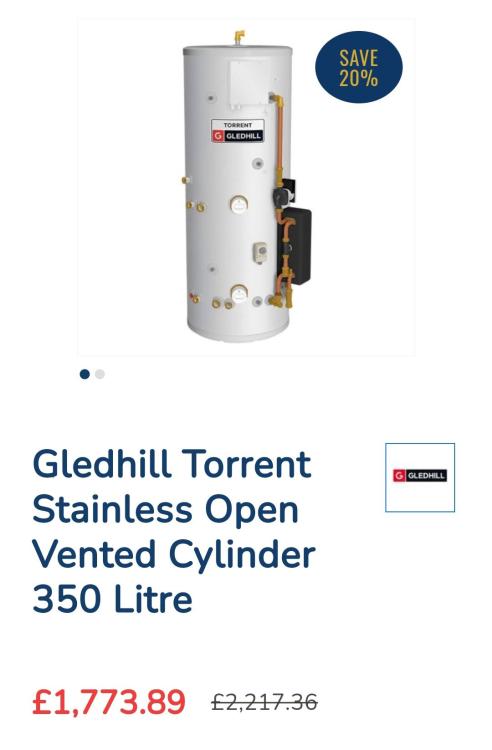
-
Which heating and hot water solution(s) in 2024?
Iceverge replied to Jane W's topic in Other Heating Systems
Nice, what size did you go for? What would you estimate the temperature of the TS when it can no longer provide DHW ? -
Which heating and hot water solution(s) in 2024?
Iceverge replied to Jane W's topic in Other Heating Systems
@dpmiller Did you install the Harlequin Heatstream in the end? I really liked the idea but thought the storage volume too small. If they could make an really big one it would be ideal for an ASHP. -
Mixing wood fibre sarking with PIR in pitched warm roof
Iceverge replied to DonnaP123's topic in Roofing, Tiling & Slating
It can be done safely IF you are fastidious with airtighness. Almost nobody is, hence the fear of hybrid roofs. You only get issues when you have more moisture getting in Vs getting out. Airpaths through the structure are the real risk when drafts carry moist internal air into the structure to below the dew point and it condenses. I have never ever heard of a structure failing purely through diffusion (vapour passage through materials) so it doesn't matter where the airtighness layer goes IF it is comprehensive.