Iceverge
-
Posts
4387 -
Joined
-
Last visited
-
Days Won
31
Everything posted by Iceverge
-

Suspended timber floor with shallow joists: an indecent proposal
Iceverge replied to tenovus's topic in Heat Insulation
Where does EPS sit in this equation? -
Suspended timber floor with shallow joists: an indecent proposal
Iceverge replied to tenovus's topic in Heat Insulation
Airtighess is the key. Not vapour diffusion. Hundreds and hundreds of times more moisture is carried by air leaks than by diffusion. You have to have a complete airtight layer. The chipboard floor will be fine but ensure you seal every joint and seal it to the walls too. -
Suspended timber floor with shallow joists: an indecent proposal
Iceverge replied to tenovus's topic in Heat Insulation
I think all foams shrink calling @SteamyTea? PIR is never a good choice between timbers in my opinion. The headline lamda value sucks people in and theres little regard given to the performance and overall cost of the system. -
Suspended timber floor with shallow joists: an indecent proposal
Iceverge replied to tenovus's topic in Heat Insulation
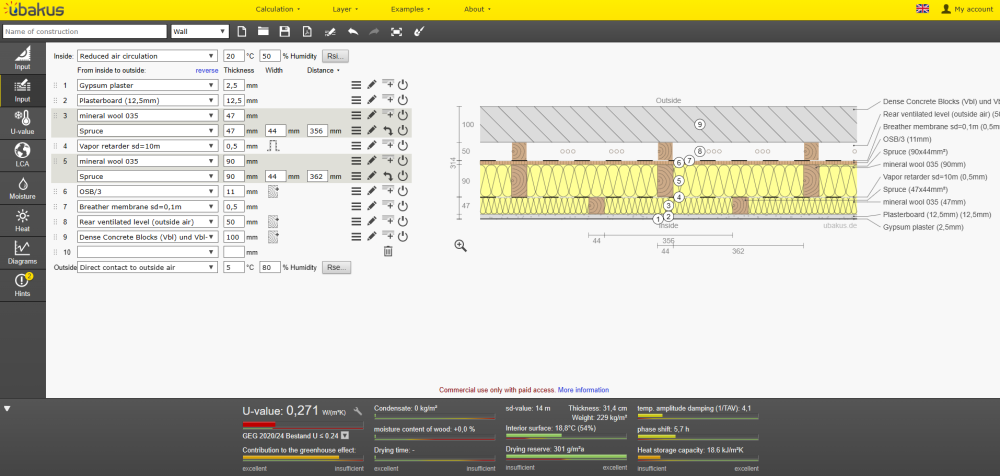
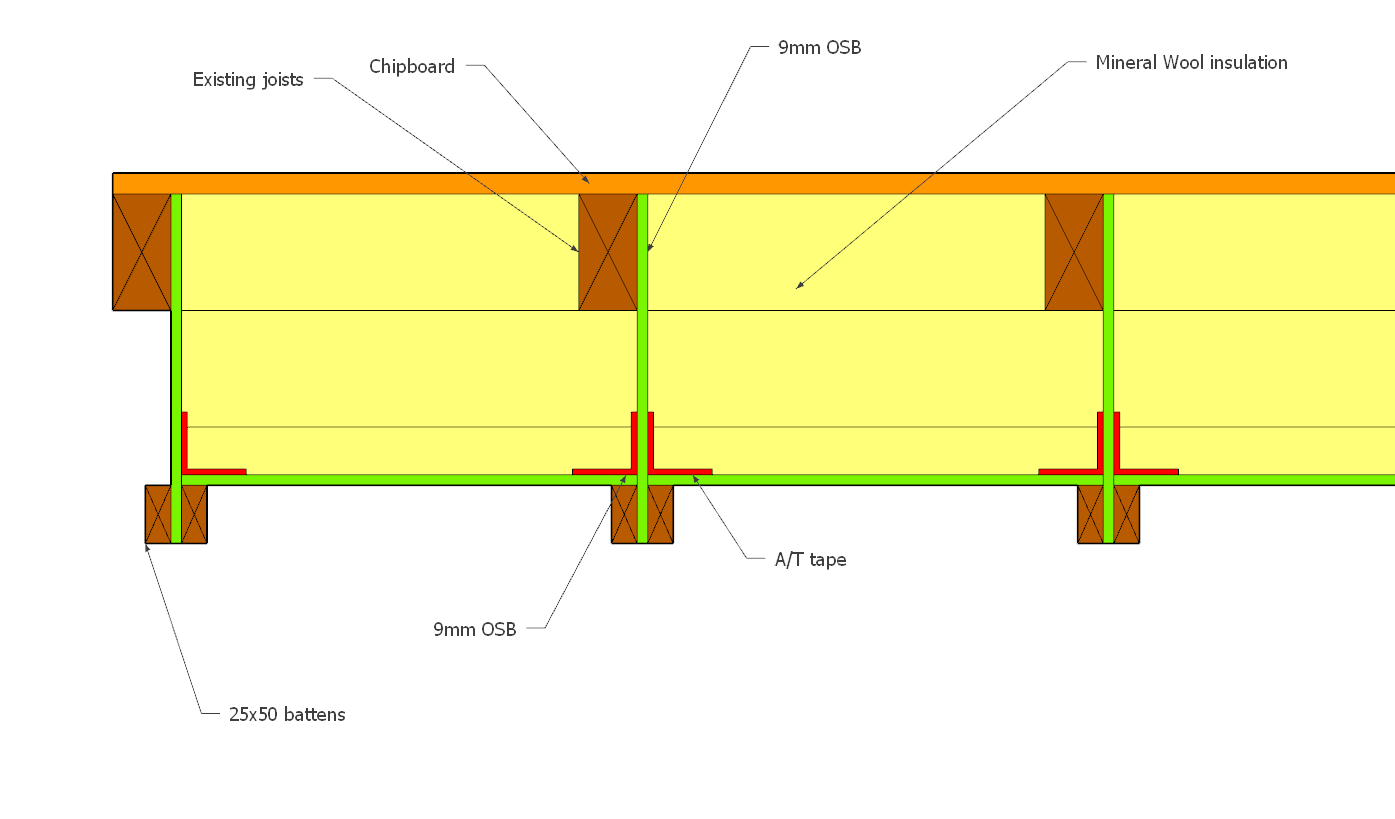
My suggestion. U Value about 0.16. Rip some 9mm OSB, nail 2 x battens to either side of the bottom to create a flange. Nail it to the sides of the existing joists. Drop in a bottom piece of OSB to create a box. A/T tape the corners to make it completely wind proof. This is very important the performance as your insulation will get wind washed if it is not sealed. Drop in the mineral wool/woodfiber insulation. Lay the Chipboard on top and fastidiously foam glue all the joints. This will be your internal airtight layer. This proposed arrangement can all be done without the bother of getting into the crawl space at all. If you add some glue to the OSB and the battens you would effectively be creating an I beam which would massively strengthen the floor too. I never like PIR between joists. Too many reports of it shrinking and coming loose over time.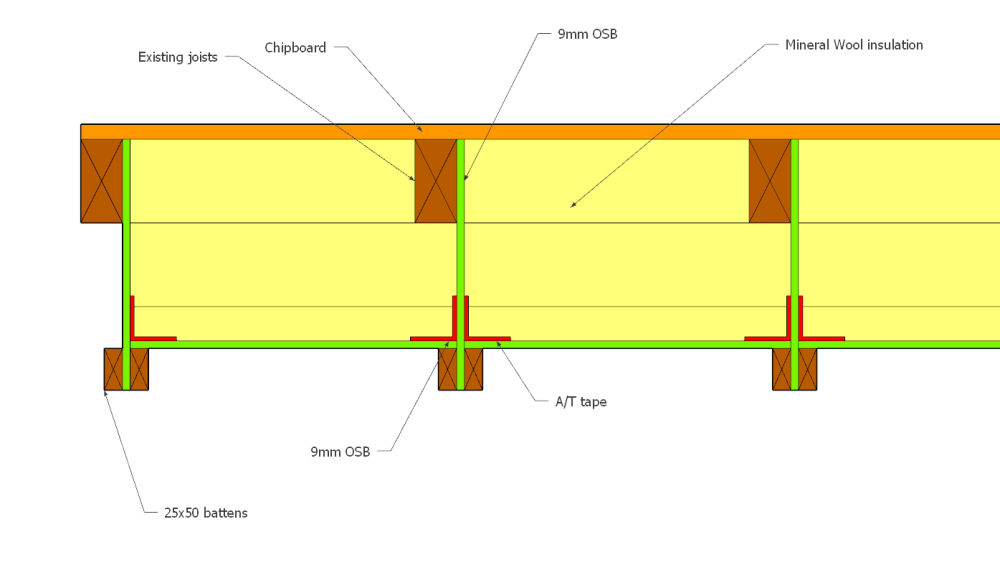
-
40 Insulation companies banned in UK
Iceverge replied to Marvin's topic in General Construction Issues
Unless you design out this bit with a little bit of physics at the design stage. Our single A2A is purring in the hallway and the house is nice and warm. -
Cellulose-filled, cold, flat roof. Design & specification challenges help
Iceverge replied to Dunc's topic in Flat Roofs
This will be totally fine if built correctly. As usual everyone is tied up in knots as they don't understand the actual issue. Most flat roofs fail because moist internal air condenses on a cold surface of the underside of the OSB. The normal method is to get rid of the "cold" part by shifting all the insulation above the OSB. Personally I'm not a fan of the usual, OSB, Vapour membrane, PIR, OSB EDPM sandwich. I think we'll see more failures as time goes on. The top layer of the OSB is sandwiched, in the cold, between two layers of impermeable materials. It's a recipe for rot. There is no secondary barrier to rain water, as soon as you get a tiny hole in the EDPM, then water will get into your roof. A primary covering and secondary covering like a normal tiled roof or what you're suggesting is much more robust. There is another approach here, stop the moist air getting anywhere near the OSB deck in the first place. Airtighess is the secret here. Proper robust 100% sealed AIRTIGHTNESS. No designer ever specs it because they A. don't understand it. B if they do, they don't trust it to be done well on site. (Fairly justified in my view) If you make the internal layer perfectly sealed and you'll have zero issues. Espically with 400mm of dense pack cellulose. Add some mushroom vents on the flat roof if you want. -
Welcome to the forum. I would suggest wet plaster. Or failing that a parge coat and a battened service cavity. (You can put more wool insulation in here too) Dot and dab isn't a good idea for airtightness. The airtightness game is won or lost by the time you get to taping and jointing/skimming as the plasterboard will have so many top and bottom edges and holes it'll make no difference what you do. How much of a residual cavity have you left beside the PIR? I wouldn't be a great fan. I have 2 neighbours who filled the residual cavity with closed cell foam to some success.
-
Charles Austen ET100 air blower failed again........
Iceverge replied to ProDave's topic in Waste & Sewerage
I must admit I just turned ours off.... -
On the pipes in 100mm of concrete. This will be obviously slower to heat up or cool down than a thinner screed. Not an issue if you run your house at a constant temp 24/7 but it will require some extra heating if you have a very high heat loss building and only intermittently heat the house. If this is the case I would just use extra large rads.
-
I assume you mean something like a light grade of polythene between the UFH pipes and the PIR rather than another DPM? Alternatively you could forgo this and just tape the joints in the boards. All it's doing is stopping the juice from the concrete going between the boards and floating them. Otherwise it looks fine to me. With insulation more is always better. It might be as cheap to get 200mm of Seconds&Co PIR as 150mm of new stuff. Beware you will need to do more digging however.
-
3g everywhere is best but if you have to choose to make compromises then proper wind and air sealing is massively more important than U values. This obviously eliminates any kind of sliding brush seals. Look for triple rubber seals that work by being compressed between the frame and sash. Pay attention to the rubber welding in the corner of the seals as this is an area often skipped. Use a separate concrete precast lintel on each leaf of the cavity and save some money over the worse performing catnic ones.
-
Plan drawer, architecture technician
Iceverge replied to Tennentslager's topic in House Extensions & Conservatories
I'm afraid I'm absolutely useless to you. I hold zero construction qualifications and live across the Irish sea! Good look to you in your search. -
Has anyone used cork flooring recently?
-
Could you suck it out and replace with beads?
-
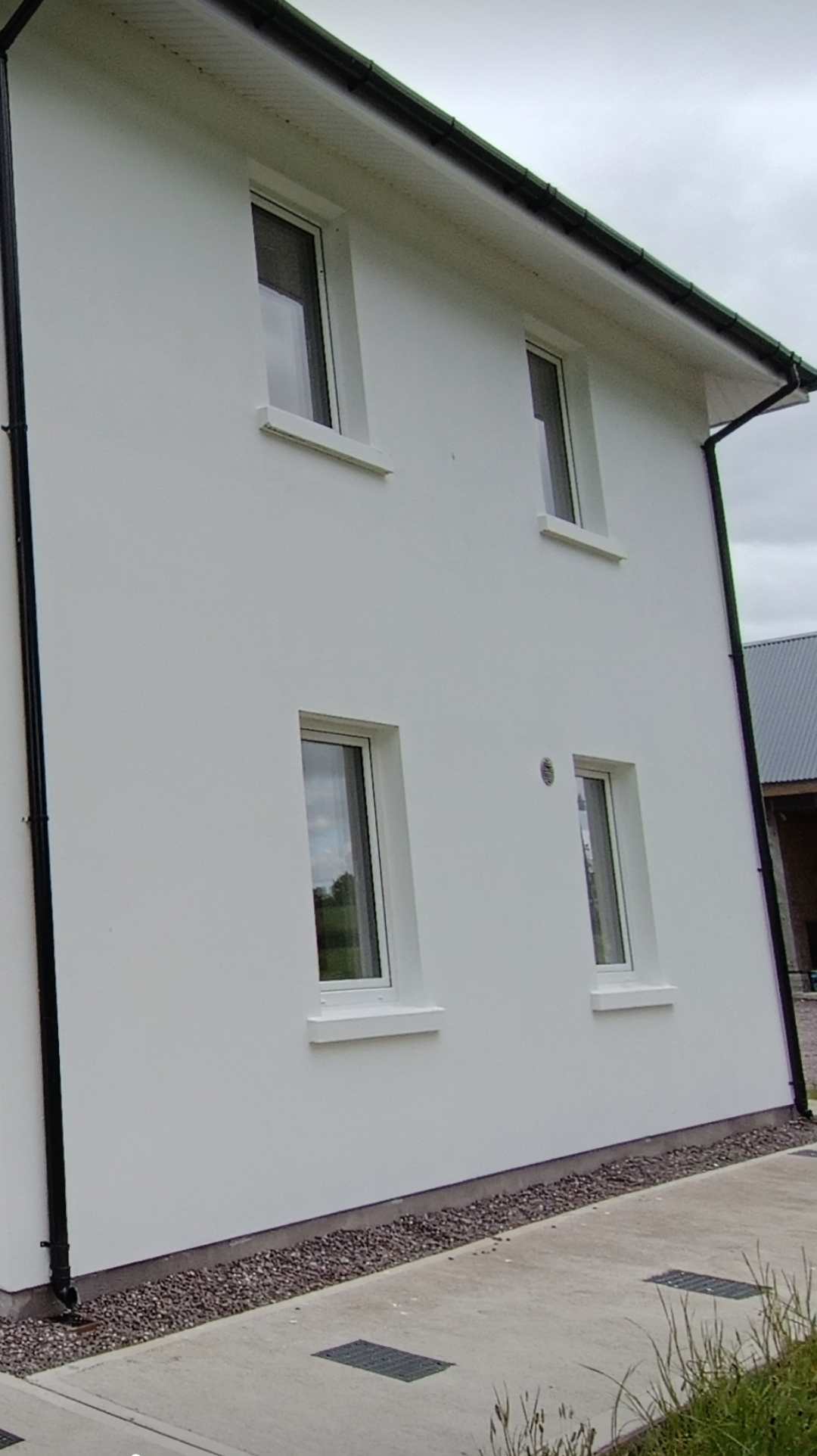
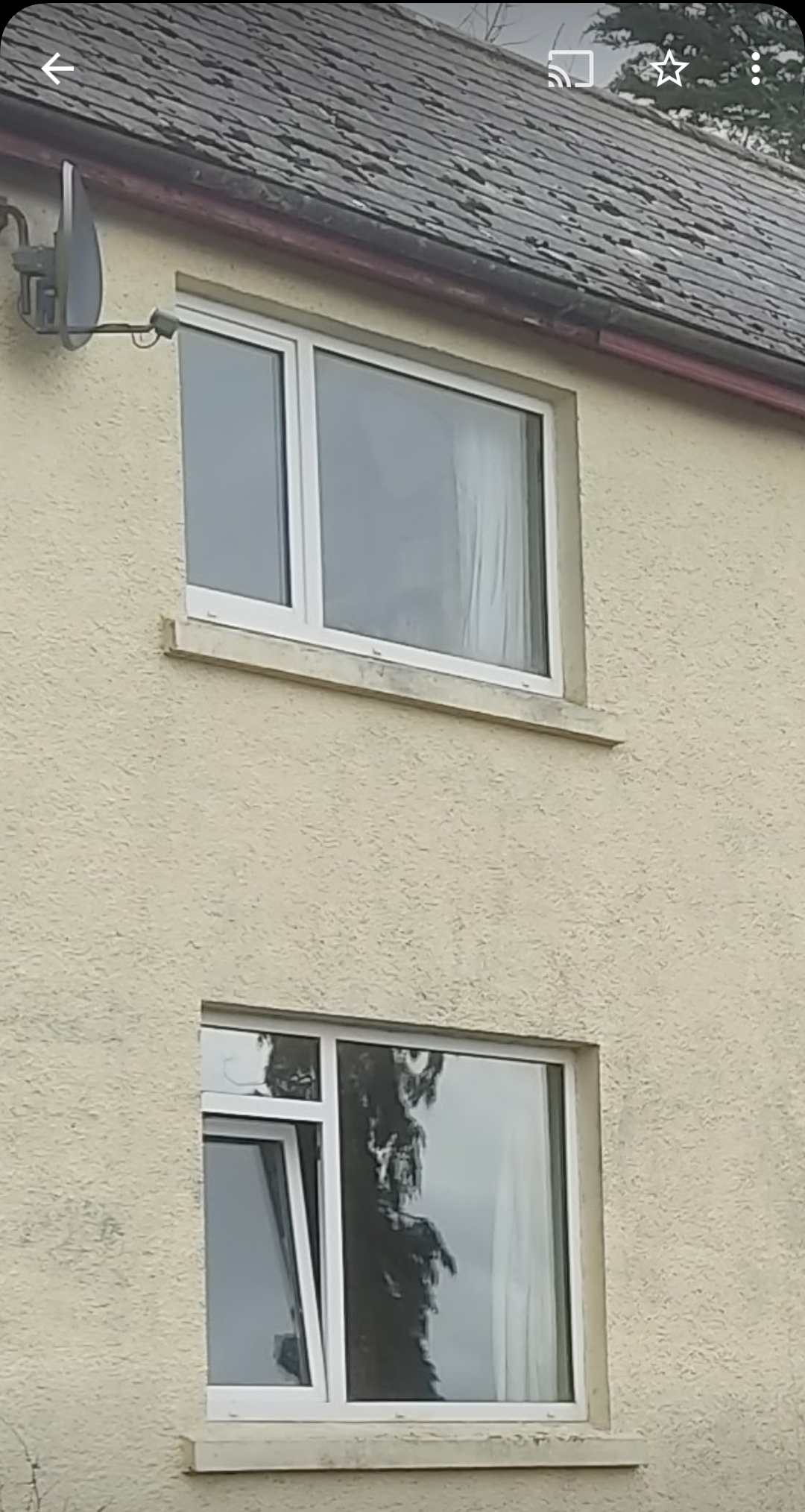
Valid concerns. Veka who made our profiles are about 60% recycled materials apparently and will take them at the end of life. We have Winkhaus hardware which is common to many types of windows, not just uPVC. Hopefully it remains available. Agreed they can be quite ugly. Espically with outward openers, or lots of transoms and mullions. I don't really notice our T&T ones though. It is dependant on the profile you spec too. Here's a shot of the ones installed in 1984/5 in my parents house. They're still sound and haven't discoloured or cracked and don't leave in any drafts. I'm not sure of the brand. I think it was German. When it comes to U values there's plenty of passivhaus spec ones to pick from. They require virtually zero maintenance as a bonus. Talking about quality uPVC manafacturers, who do high quality products is incomparable to the cheap stuff we all hate.
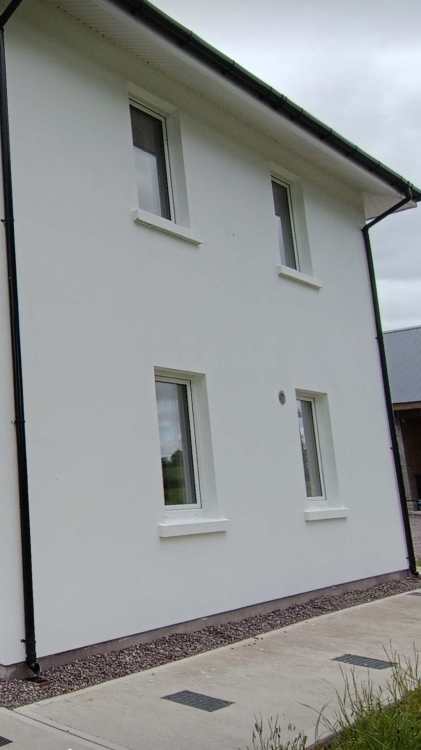
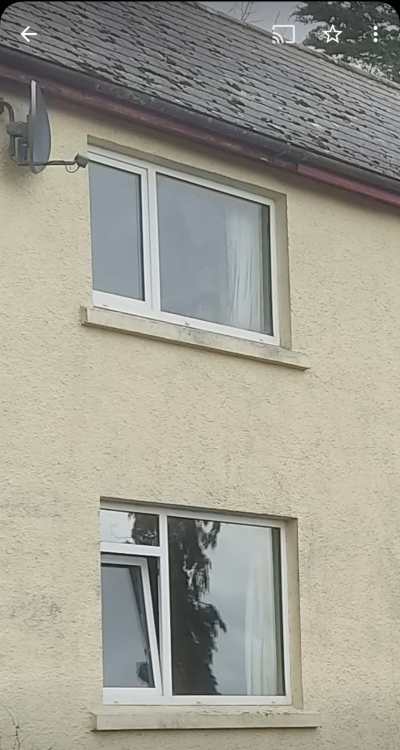
-
Good PVC every time. The need to have the right hardware and manufactured properly. My parents uPVC 2g is there since 1984 with zero maintenance and apart from a broken hinge and one failed glazing unit it's still perfect. Bad PVC, much like anything else done incorrectly, is tat.
-
I was worried about this. I made OSB window boxes for the windows and drilled the heads and underneath the sills for the installers to blow beads into all the crevices. We closed the top of the cavity with a piece of 500mm DPC under a wall plate on both leafs I checked later for full fill by drilling a few holes in the window reveals etc and going into the attic and inspecting the top of the cavity. I was pleasantly surprised the DPC was bulging up everywhere with the beads. Similarly a full fill around all window boxes. However lots did fall out when I subsequently drilled holes for a ventilation extractor. They are deffo full fill, but the bonding bit can be hit and miss. Gut feeling tells me a K value of 0.033 as claimed is a bit optimistic. Maybe 0.037-0.04 is more realistic.
-
Congratulations and welcome. Plenty of help on here. Good luck with the project. Plans (without names etc) are always appreciated.
-
Insulation foil between timber sub-floor and plywood sheets?
Iceverge replied to _Alex_'s topic in Wood & Laminate Flooring
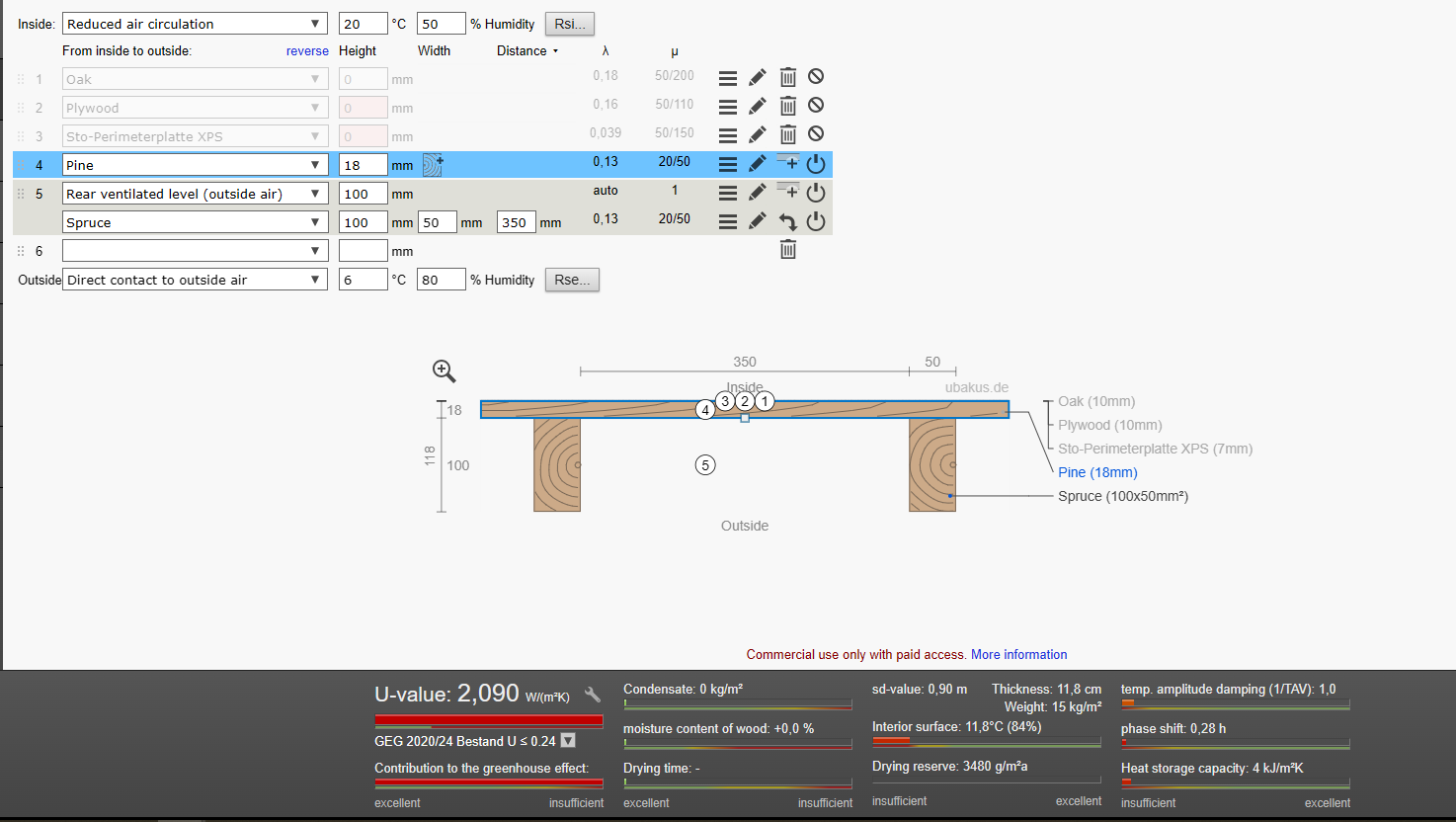
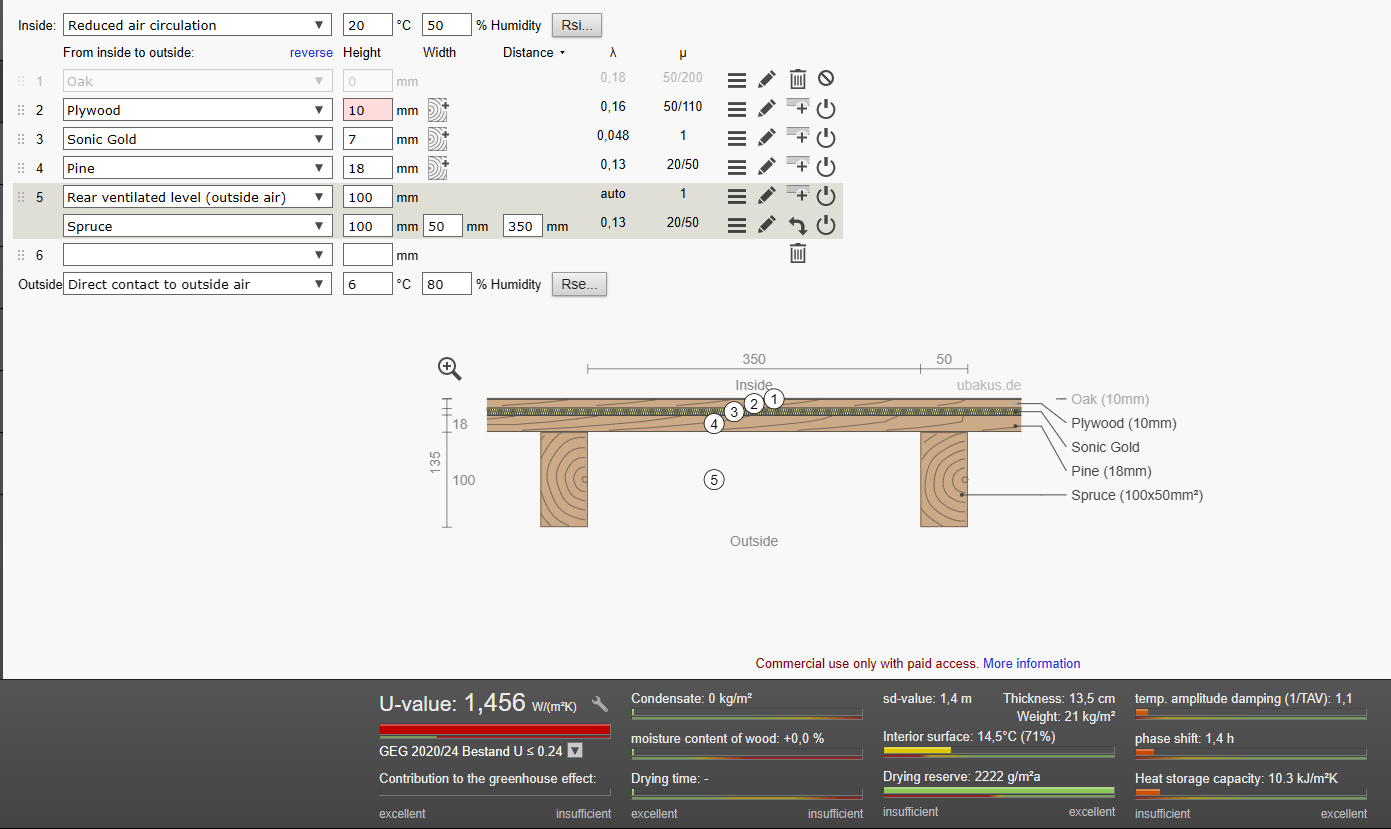
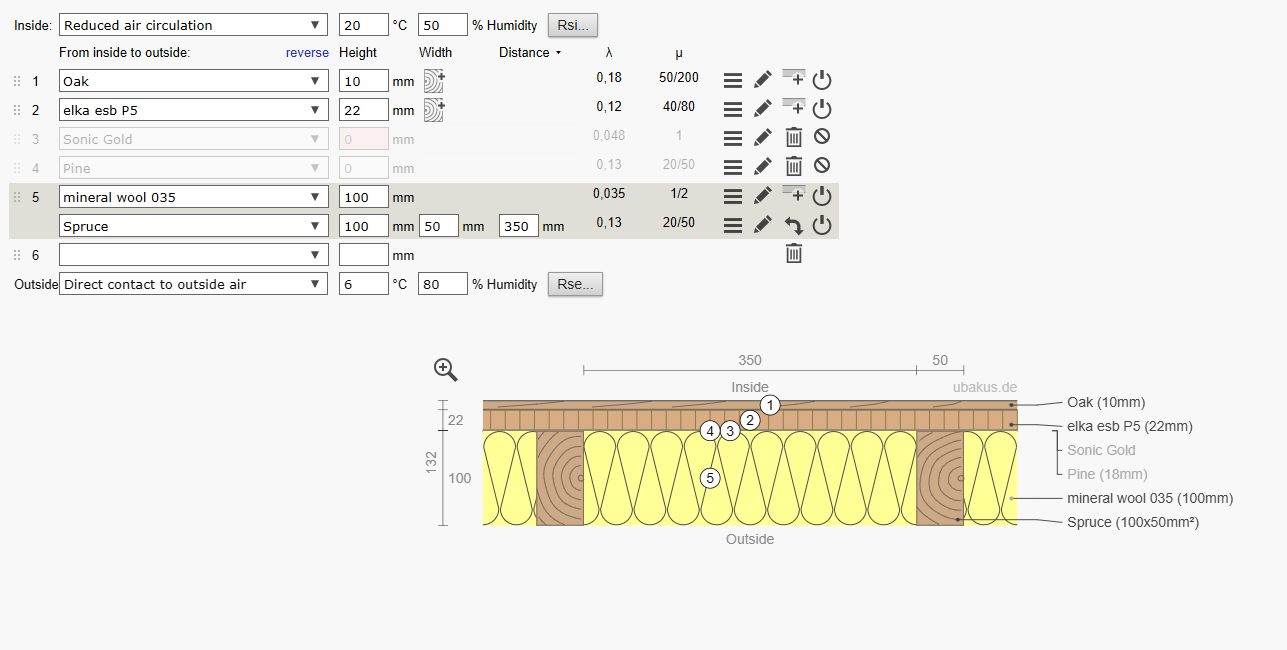
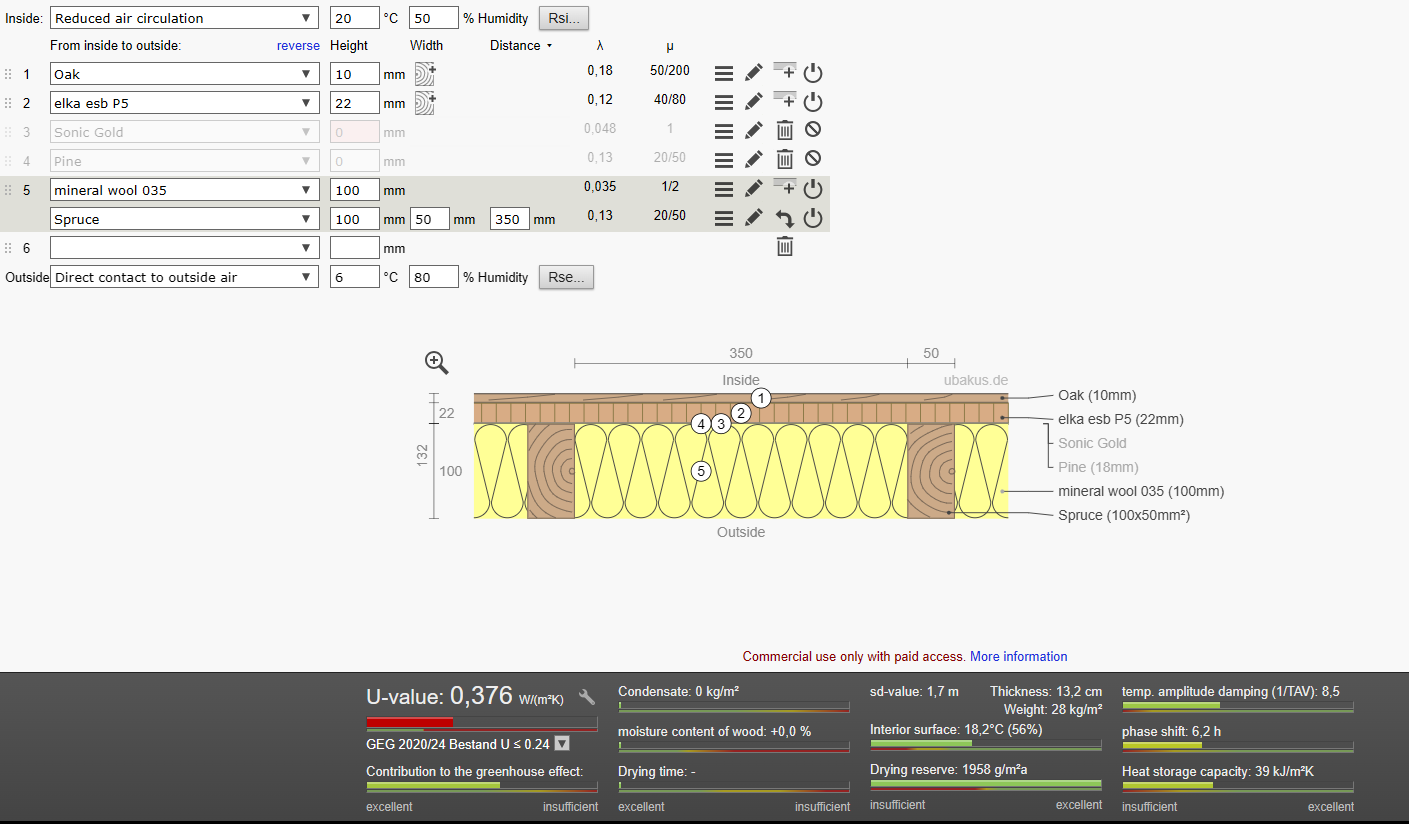
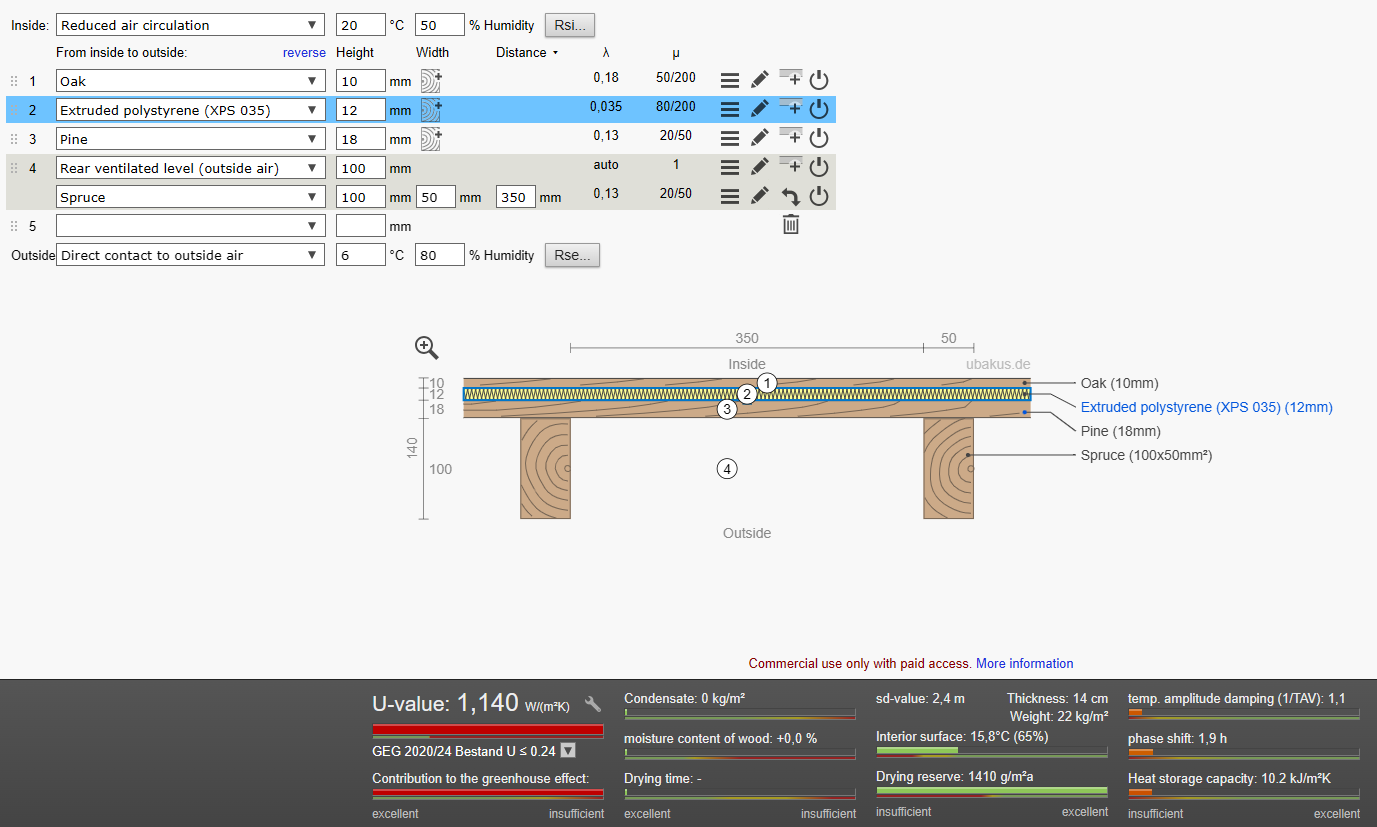
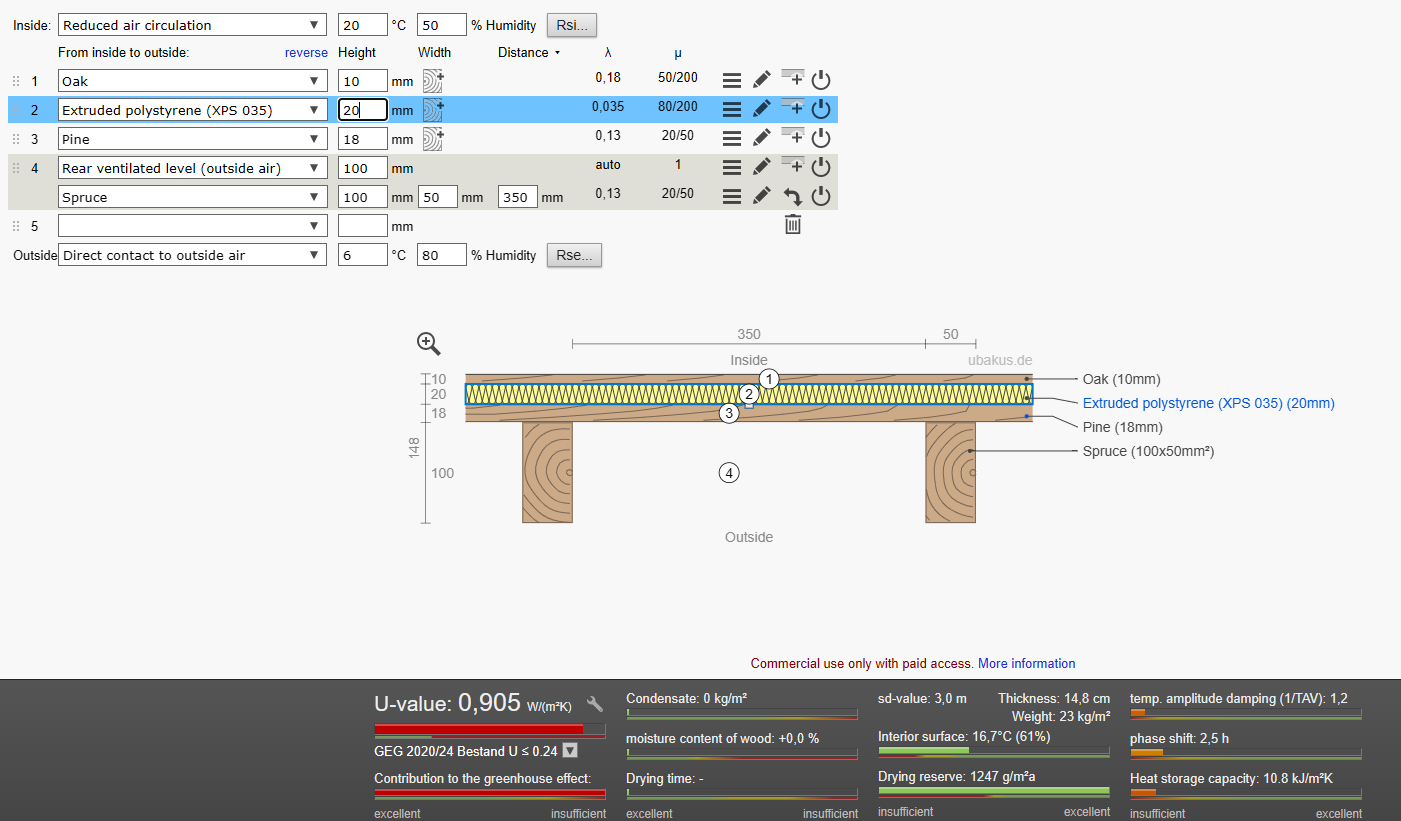
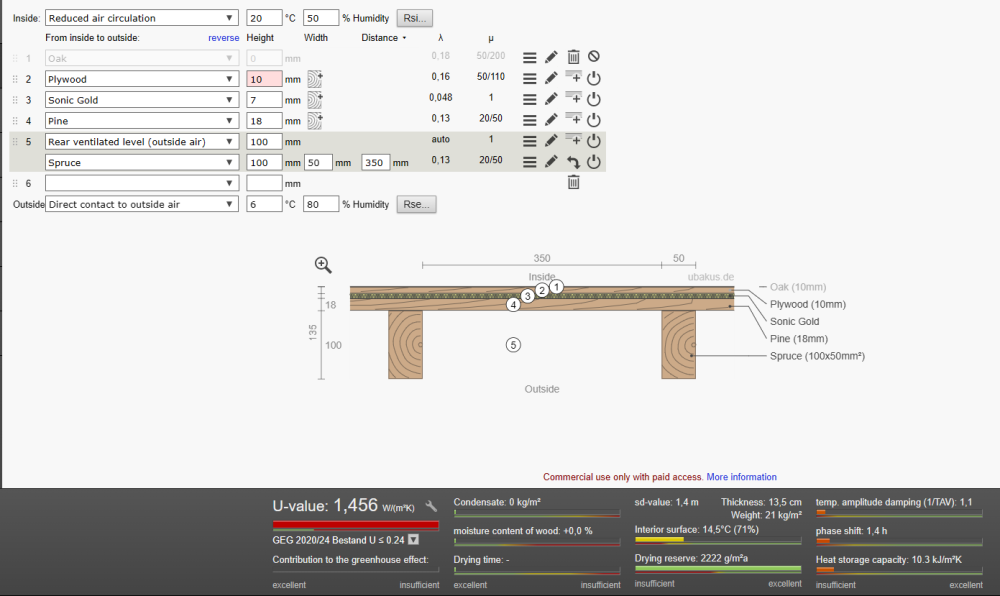
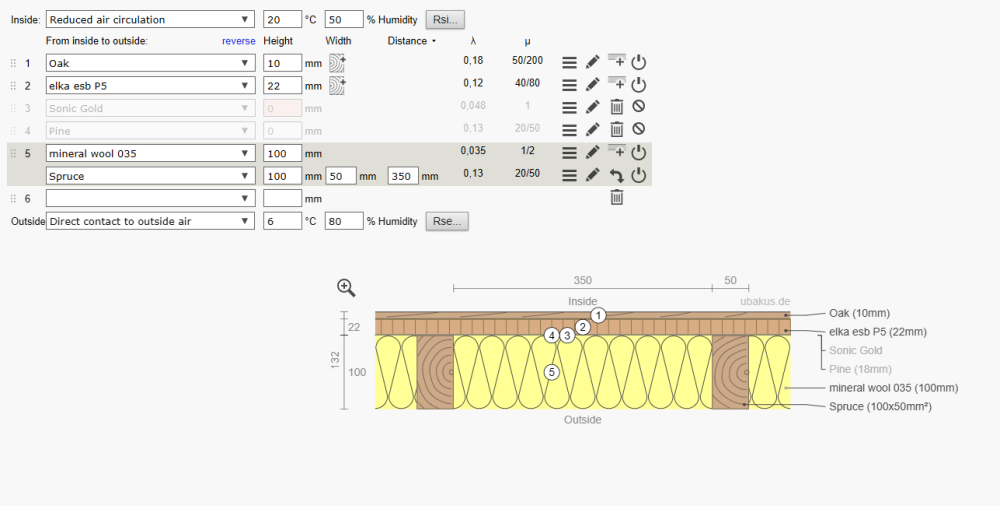
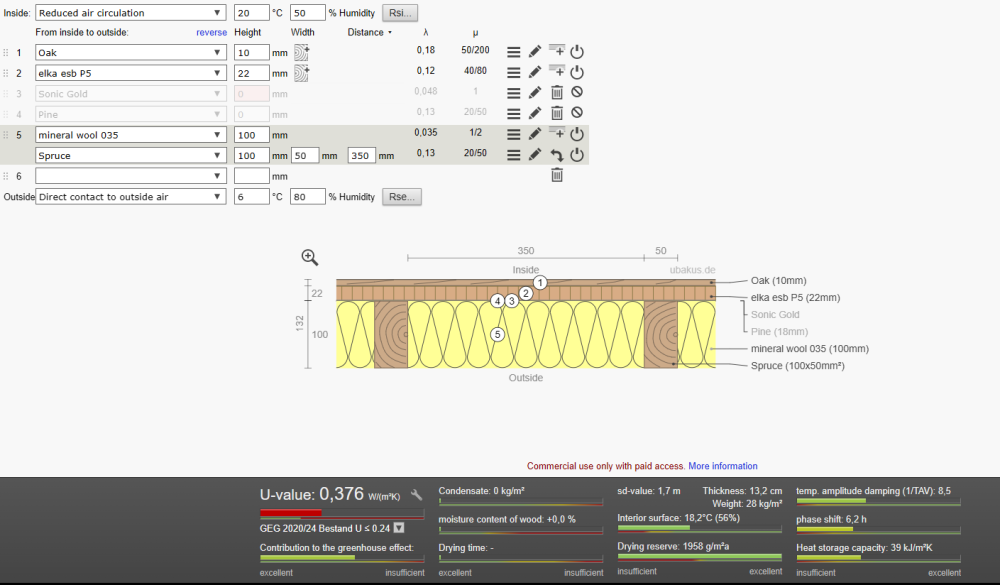
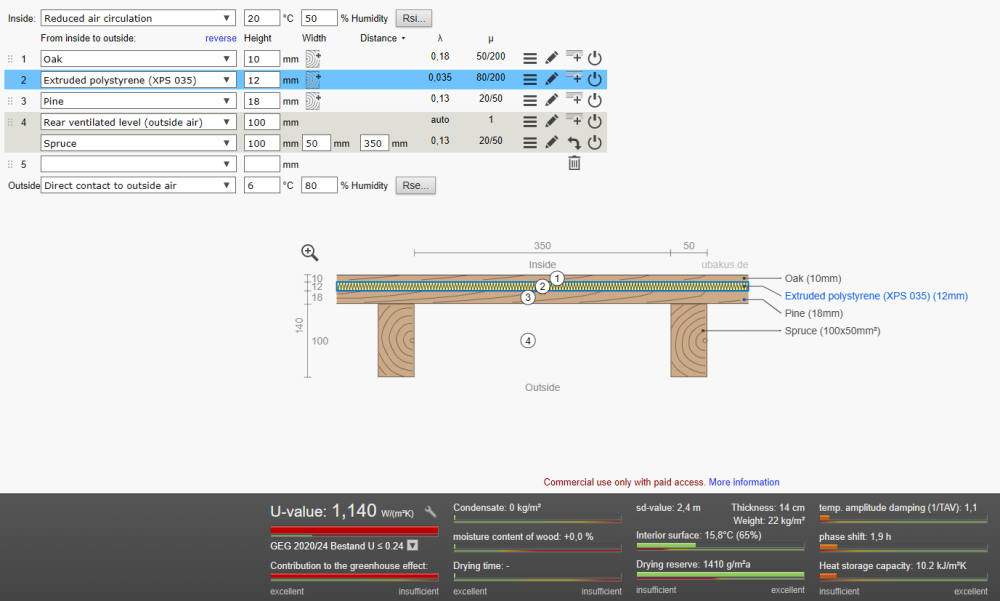
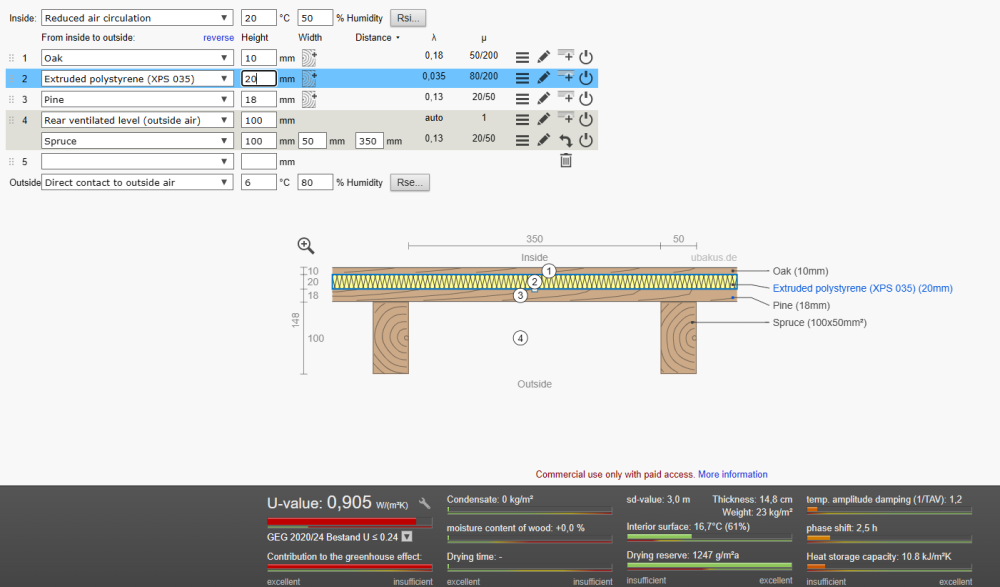
Thermally you're not going to achieve much here in terms of reducing conductive heat losses. The build up is just too thin. This is what you have currently. This is what you are proposing. Sonic gold isn't magic. It'll perform much the same as any thin layer of insulation but it's K value isn't great at 0.048W/m2k. Ideally you would lift the existing floorboards and insulate between the joists, lay something like Egger p5 chip board on top and then your floor. However if you've ruled this out then I would really concentrate on air sealing all the drafts from the floor. This really is the biggest win thermally and in terms of comfort. I wouldn't bother with the Sonic gold. Its mostly marketing guff. Like mentioned above you could glue the wood floor directly to a tile backing board like Jackoboard which has a K value of 0.034 W/m2K. Lay the boards and seal all joints fastidiously with sealant or tape. Seal them to all perimeter walls similarly to completely eliminate all drafts. This will be your biggest win. The elimination for the need for a layer of ply or OSB will buy you some more insulation depth too. Here's 12mm. And here's 20mm if you can fit it. Both are better than the sonic gold in terms of heat loss but like I said before. The really really big gain is to be had in airtightness and the elimination of drafts.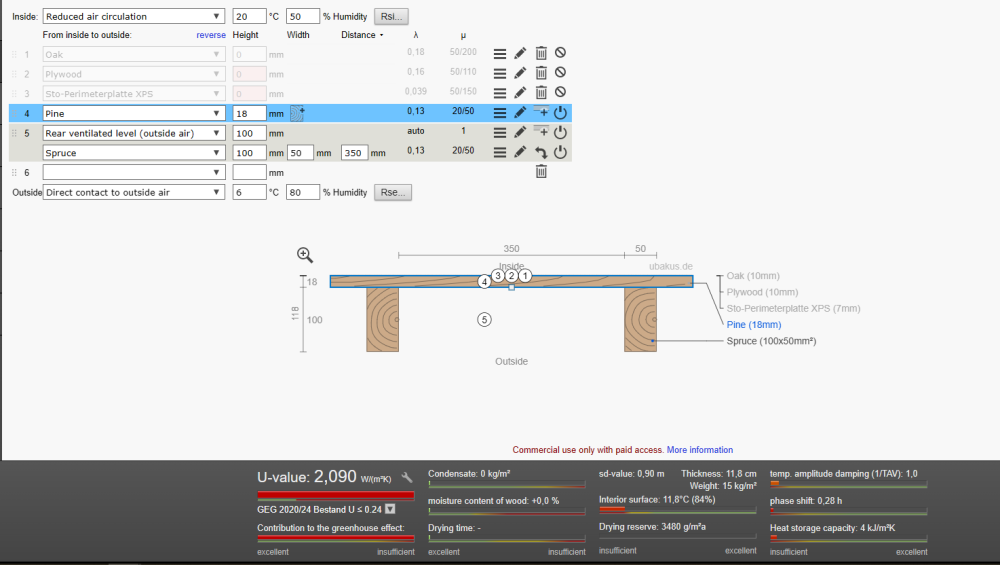
-
Where should I put a vapour membrane on IWI
Iceverge replied to thetdog666's topic in Heat Insulation
Any internal insulation won't be doing much then. If you're ready that caught for space is it worth doing the insulation job at all? -
Where should I put a vapour membrane on IWI
Iceverge replied to thetdog666's topic in Heat Insulation
That leaves a 10mm gap. Gaps are bad. Air will move in there. Moving air = thermal looping. AKA, convective cooling inside your wall I would tape the face of the PIR in this scenario as your airtighess layer. Like I said earlier vapour isn't a real issue. It's airtighess you need to worry about. Why in would you opt for 20mm PIR and not 25mm?. It's harder to source and dearer to boot. -
Where should I put a vapour membrane on IWI
Iceverge replied to thetdog666's topic in Heat Insulation
Get out the calculator and do some sums is my advice. -
Where should I put a vapour membrane on IWI
Iceverge replied to thetdog666's topic in Heat Insulation
Do some maths on it. Gut feeling on these things is almost useless as it's been swayed by years of advertising. This method is good for suspended floors. Otherwise dig them out and use 2-300mm of rigid insulation.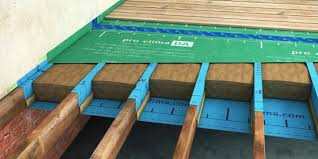
-
Where should I put a vapour membrane on IWI
Iceverge replied to thetdog666's topic in Heat Insulation
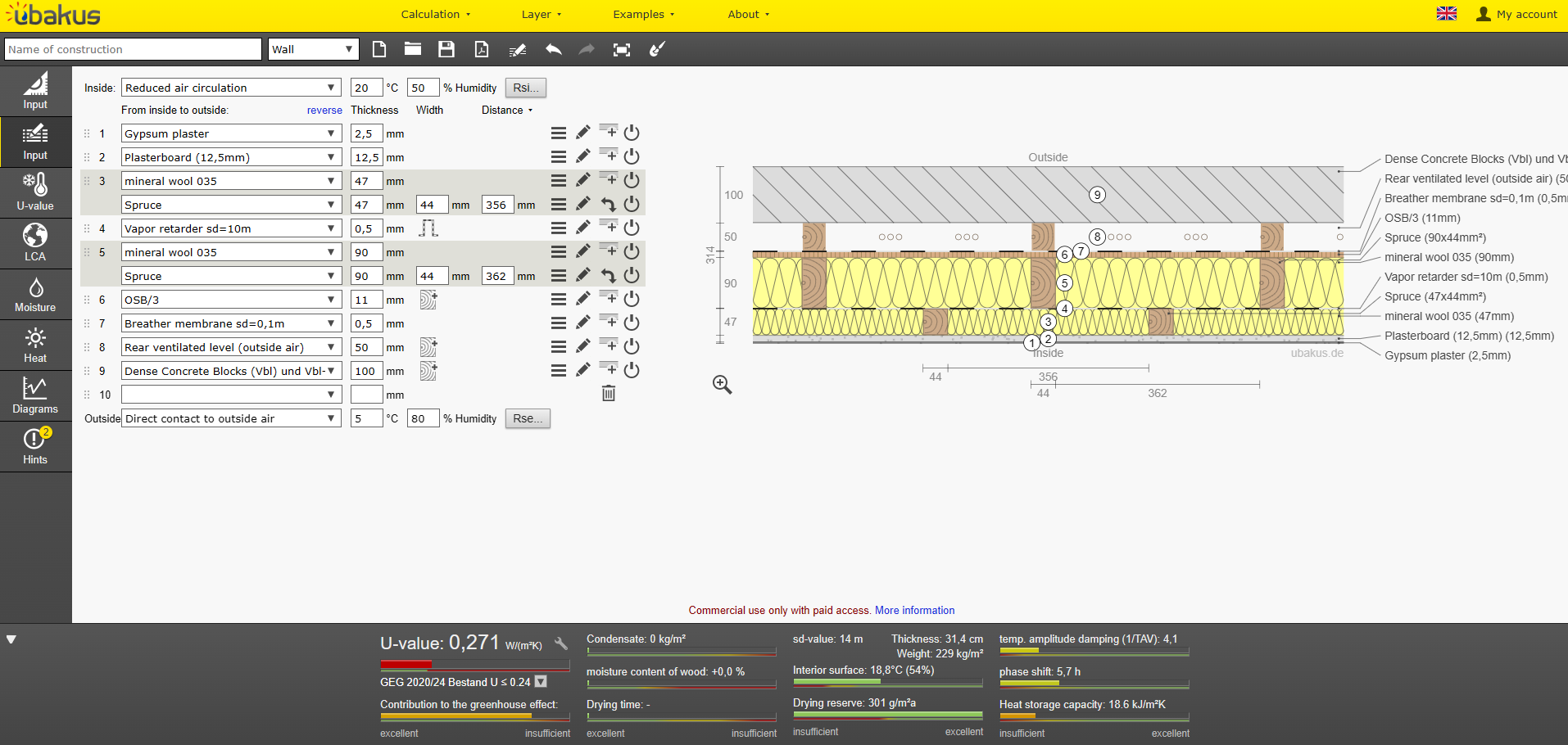
Here's the above with the mineral wool and a 25mm layer of PIR and 20mm of a service cavity. U value is much the same as the full fill mineral wool service cavity. Here's what you are proposing with the PIR in between the studs. A theoretical improvement of 0.043W/m2K. Say you have 100m2 of external wall area, that makes a difference of about 86W to your maximum heating load. A rough guestimate would equate that to about 120kWh of energy annually assuming the house was permanently heated to 21deg. Assuming energy costs of 12p/kWh then you'd save £15 per year. Allowing for waste 100mm PIR is about £15/m2. At 100m2 it would take 100 years to payback, excluding the cost of your labour. Thats before you look at the real life situation with shrinkage and subsequent thermal bypass of the PIR in a timber frame. You'd be better off setting fire to £20 notes than replacing the mineral wool in the wall with PIR.

-
Where should I put a vapour membrane on IWI
Iceverge replied to thetdog666's topic in Heat Insulation
Cross post I see the 90mm frame now and assume the centres are 400mm.