Iceverge
-
Posts
4485 -
Joined
-
Last visited
-
Days Won
32
Everything posted by Iceverge
-
 Excellent. Step 1: Accidentally burn it to the ground.
-
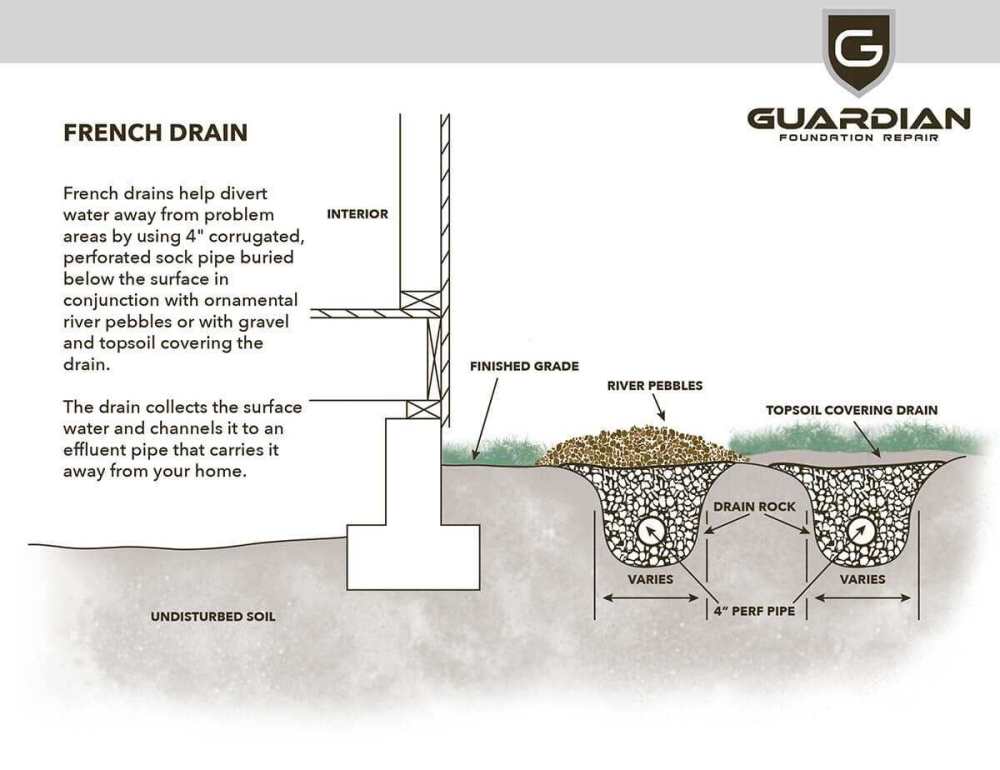
Use some geotextile fabrics to wrap the stone in too to prevent them all silting up.
-
Bathroom Layout - Too Narrow?
Iceverge replied to richo106's topic in Bathrooms, Ensuites & Wetrooms
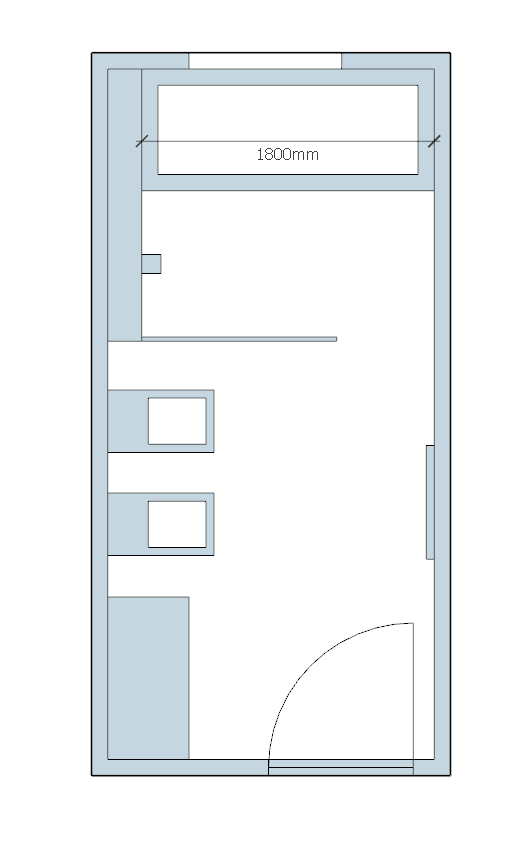
A quick run of sketchup copying the above idea. Stud out the end to make a bath fit tightly, Have a wetroom shower adjacent. Bidet + Bog Vanity. I'd put a few cabinets above the toilet/bidet for storage. I would probably opt for a sliding shower door as my children are feral and maybe a 1700mm double ended bath as I'm tight with using too much water. As for shampoo storage, I reckon a hook in the ceiling for a basket to carry shampoo etc is the best way to avoid scum in niches etc. I'd prefer to keep the toilet away from the door for the sensibilities ( and tender ear drums) of other house occupants.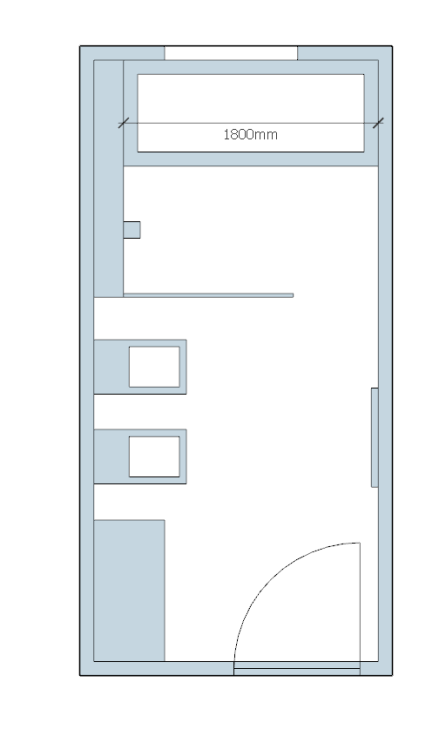
-
Should probably ban anyone who exhales CO2 as well, or buys or uses any petroleum products, or any renewable energies too for that matter. Or anyone who deliberately avoids using oil based products, or people who refuse to breath as they're hardly independent.
-
Best way to attach wooden sill to timber frame house build
Iceverge replied to skeg0's topic in General Joinery
Thats timber for you. It does that. A good joiner will be able to plane it or somehow otherwise magically straighten it for you. -
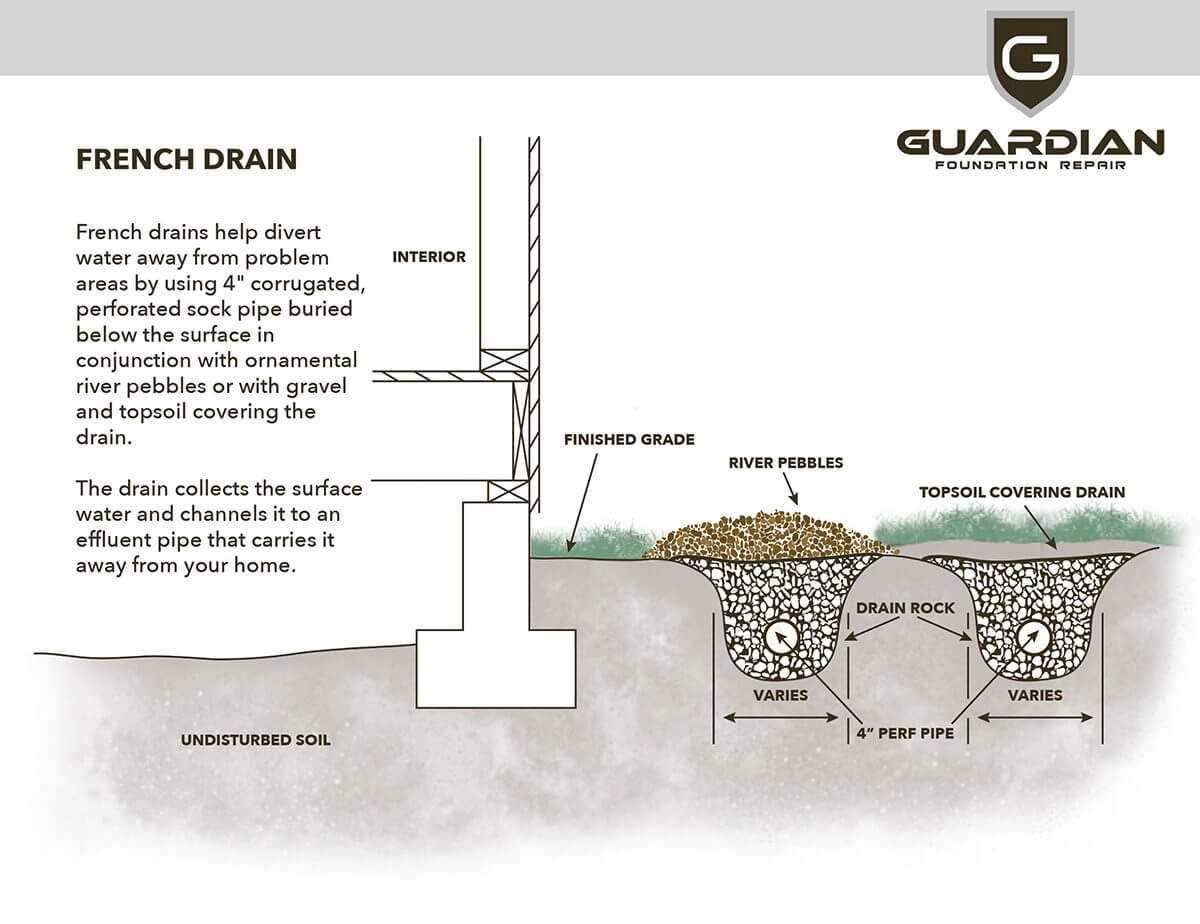
Agreed. Get a consaw and neatly cut a track along the perimeter of the house, and lay a gravel bed say 200mm wide around the house. If you could I would make a full french drain. If you still notice you are getting water wicking up the bricks from splashing then I would consider applying some silicone brick cream to the bottom few rows. In any case I wouldn't worry about the inside of the house getting damp as you have a cavity wall.
-
Best way to attach wooden sill to timber frame house build
Iceverge replied to skeg0's topic in General Joinery
Let the timber sills inside the house for 3-4 days to acclimate to the house first. Then glue or pin nail the sills in place. -
MVHR ? Who needs it? I don't.
Iceverge replied to ToughButterCup's topic in Mechanical Ventilation with Heat Recovery (MVHR)
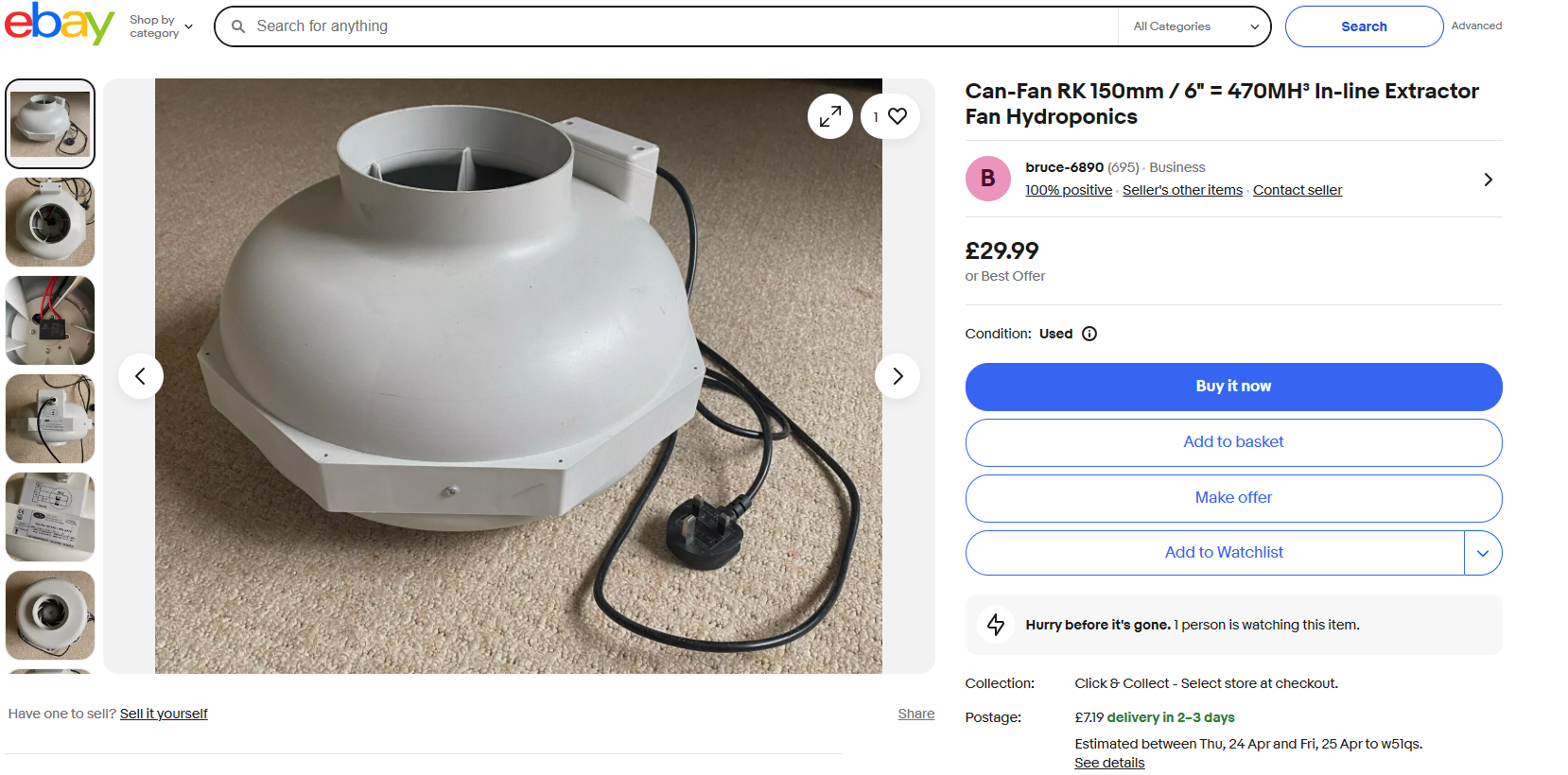
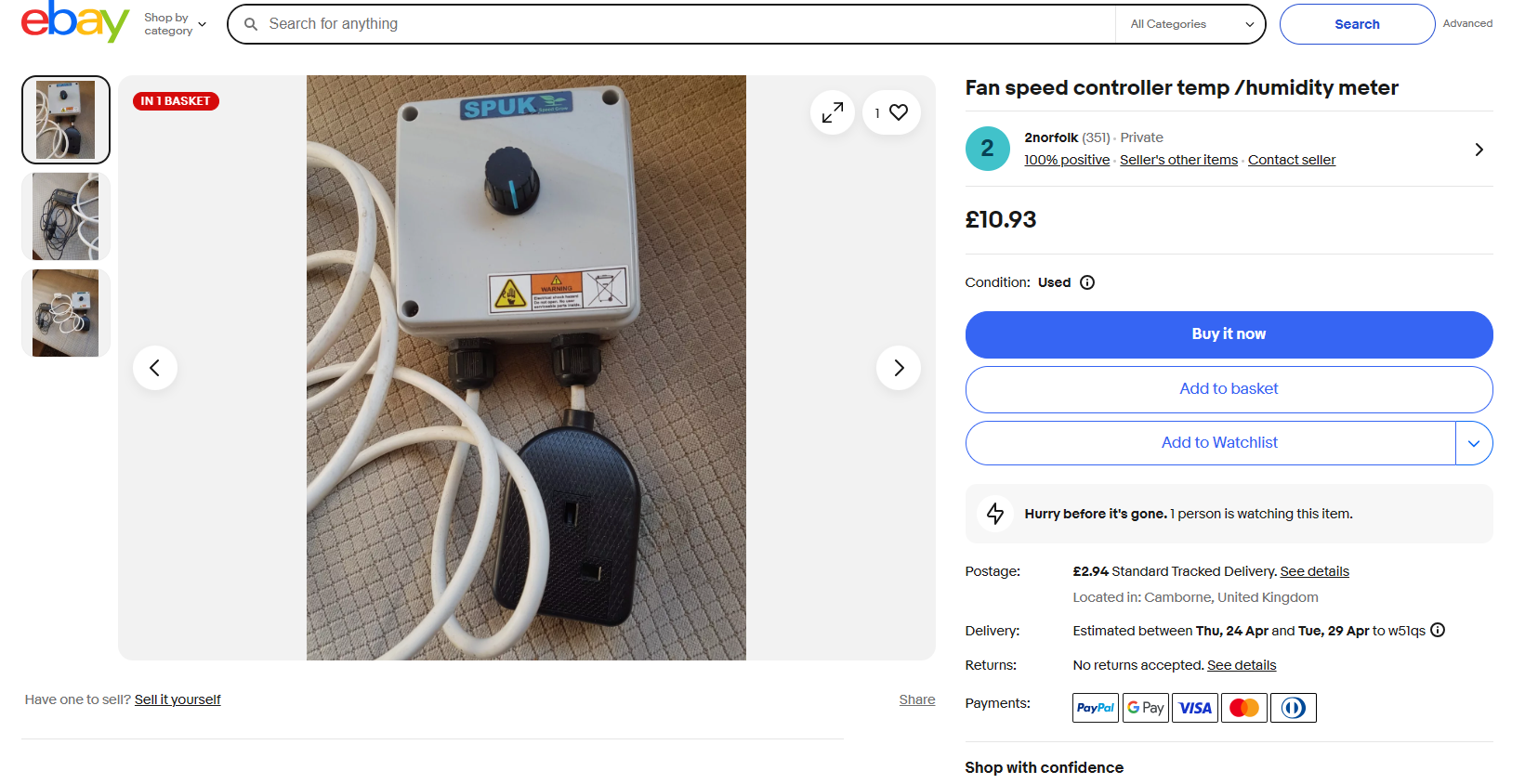
Just what I was going to say. No need to make it expensive. Just rig this up to your wet rooms. All those stoners growing weed in their lofts had to come in for something useful in the end.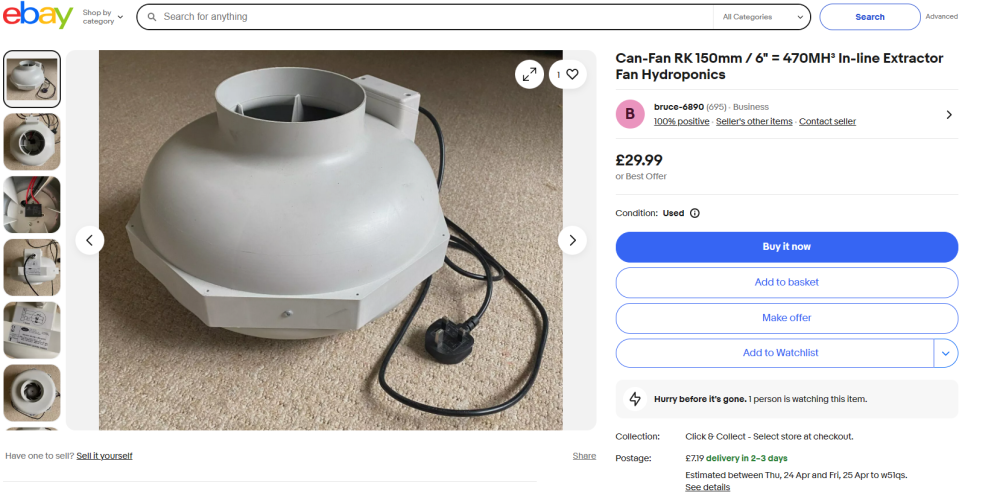

-
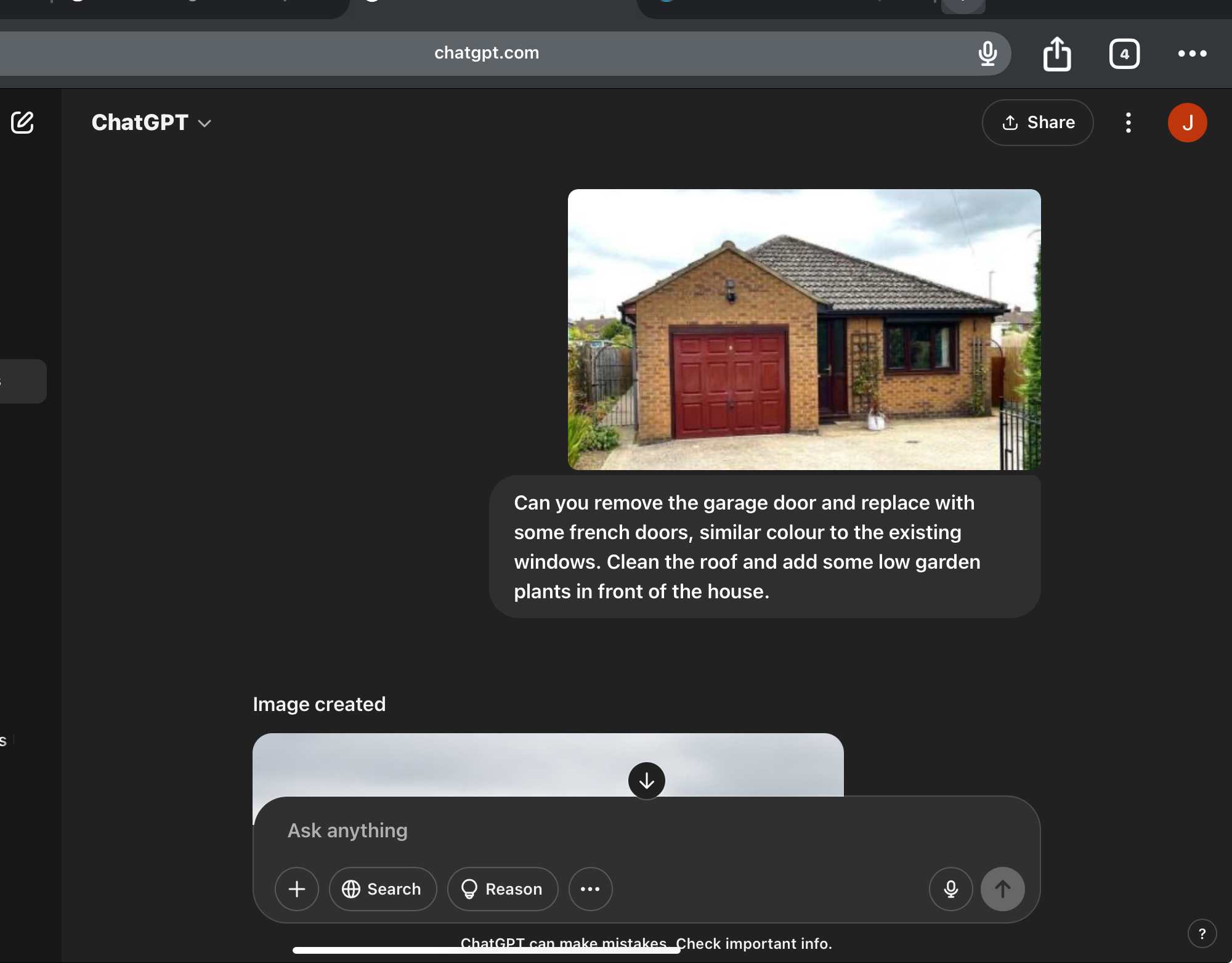
How would you update the front of this bungalow?
Iceverge replied to LDNRennovation's topic in New House & Self Build Design

-
How would you update the front of this bungalow?
Iceverge replied to LDNRennovation's topic in New House & Self Build Design
By the way. That’s exactly how I did that………. Be afraid……BE VERY AFRAID!!!!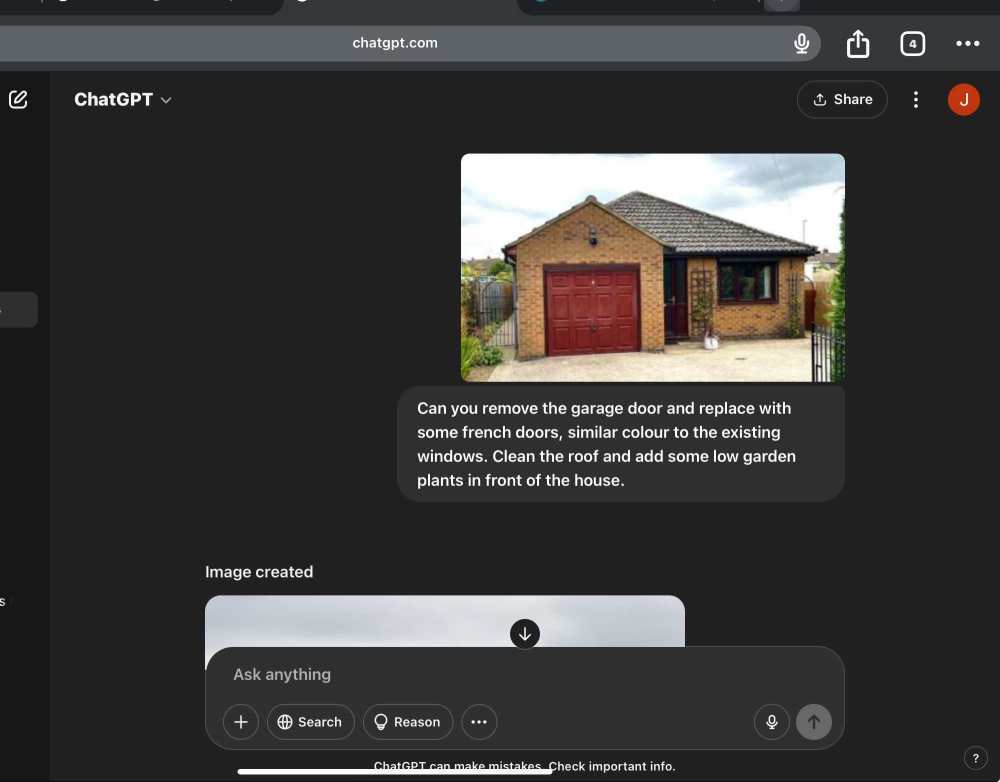
-
How would you update the front of this bungalow?
Iceverge replied to LDNRennovation's topic in New House & Self Build Design
How about that…….
-
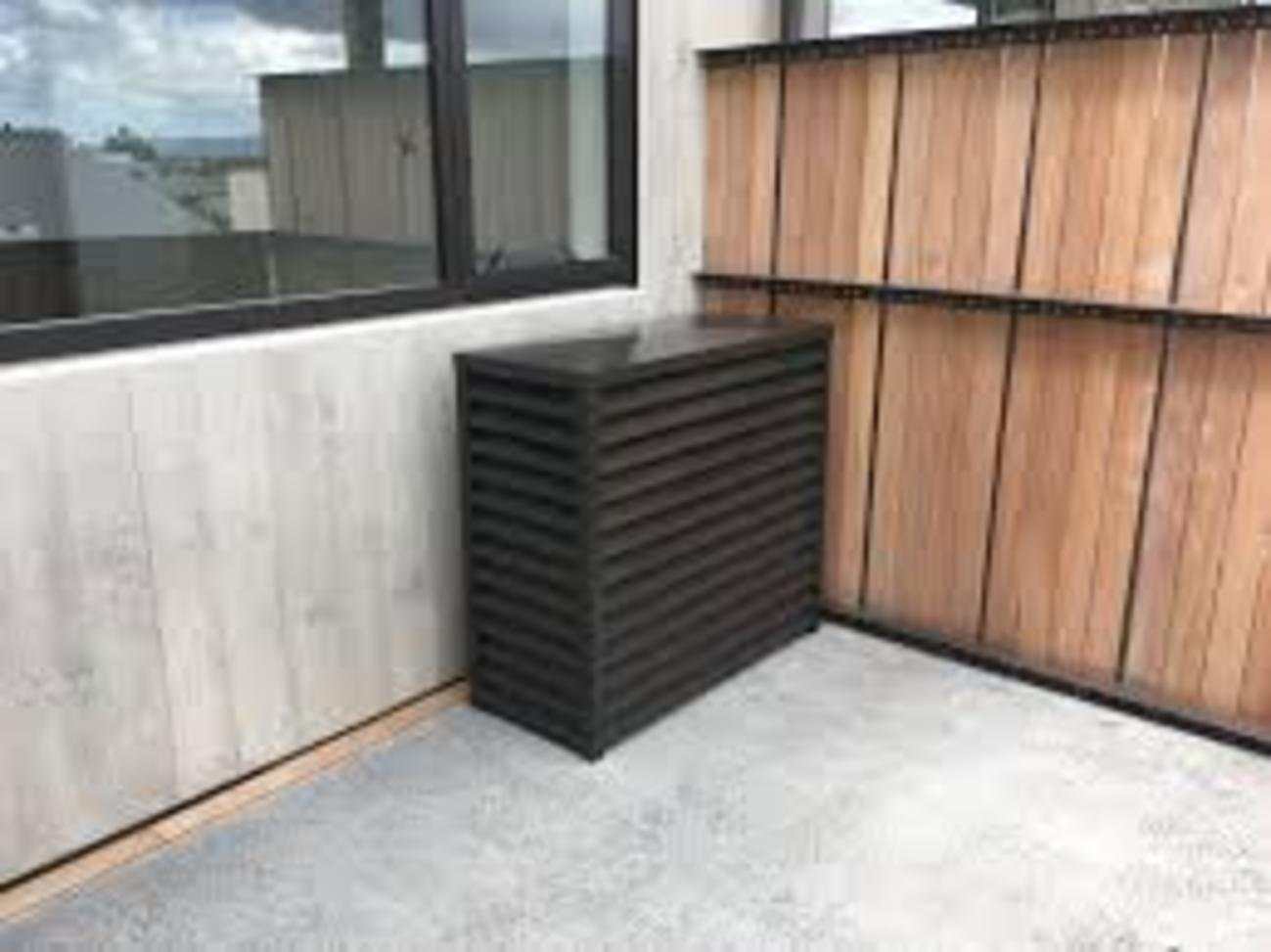
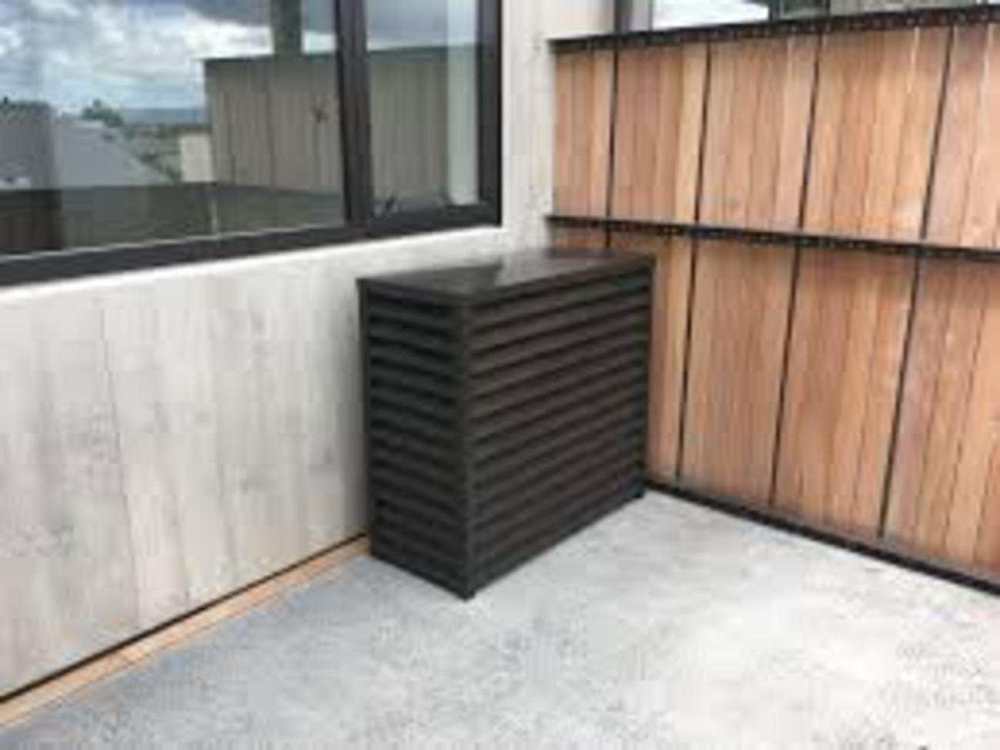
I doubt anyone would even notice it if you put one of these fancy covers over the top. Mounted high on a wall? One bill, no gas standing charge, no prospect of gas leaks, solar driven cooling. No need for a gas registered plumber to tinker if you need to. There's lots to like. Principles are good I suppose but be careful of dieing on any particular hill. As someone who pours a chunk of concrete regularly, flies often, has lots of kids, farms beef and occasionally looses patience with stuff and sets it on fire in the yard, I'm all for principles. Principles prevent environmentally savvy types drowning me in my own juices for the good of the planet.
-
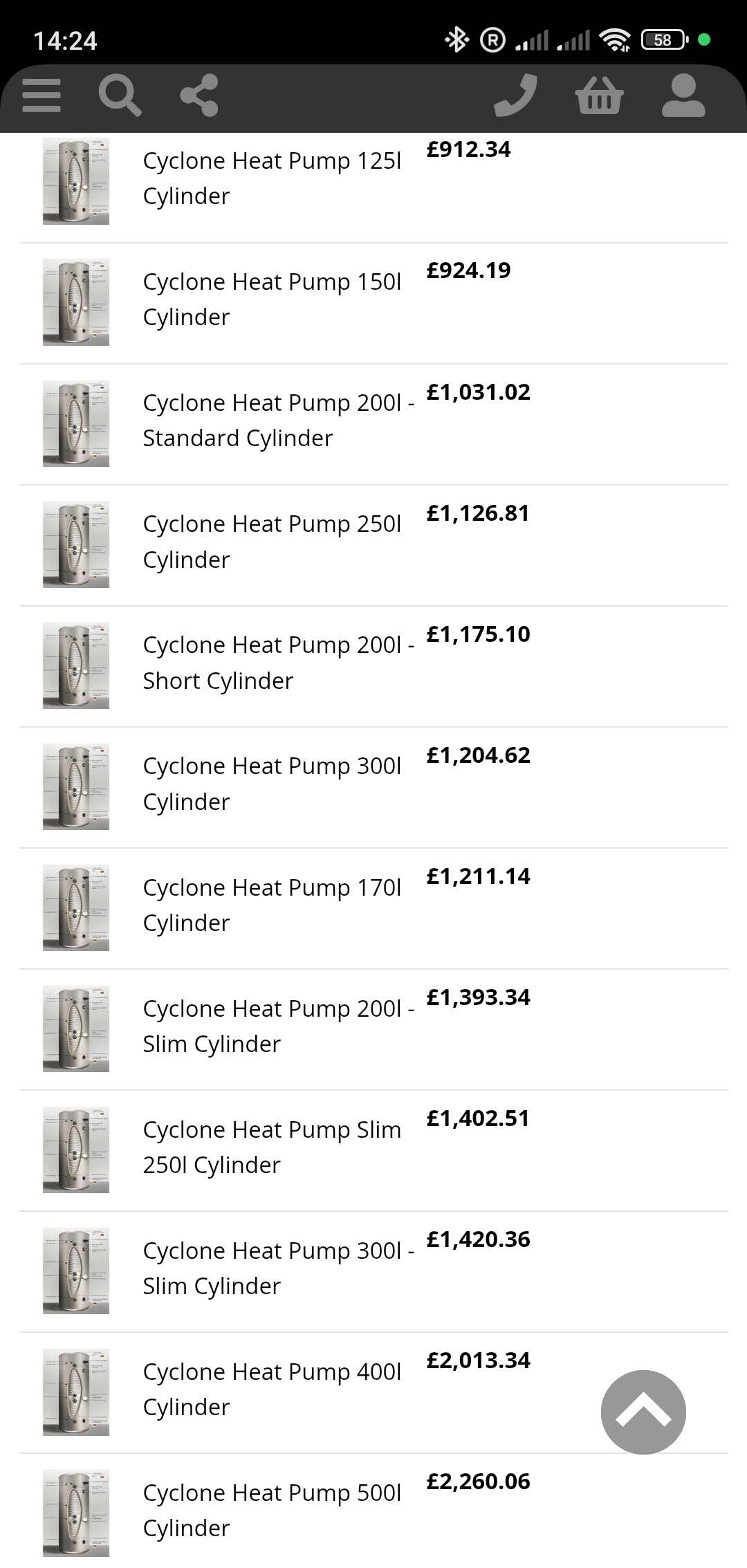
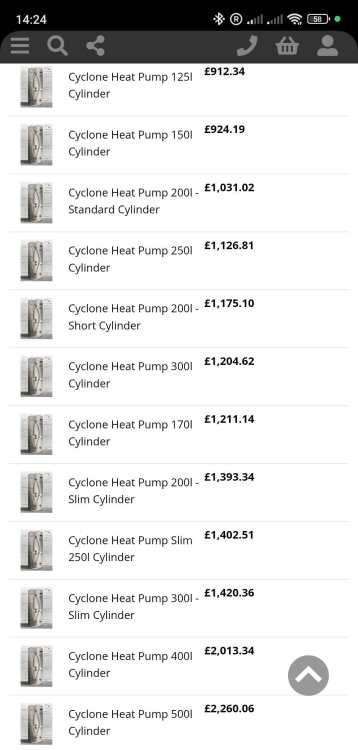
I'm not a fan of putting an ASHP so far away from the house. It's UFH for your garden even with the insulated pipes. Can you not put it closer to the house. They really are not that noisy. If you can get a 300l cylinder in place I would do that. They're only fractionally dearer than a 250l and offer about the best bang for your buck. Remember the larger the DHW cylinder the cooler you can run it, less electricity, less noise from the ASHP.
-
Bathroom Layout - Too Narrow?
Iceverge replied to richo106's topic in Bathrooms, Ensuites & Wetrooms
645 is fine. I would consider putting the shower head on the long wall rather than the short one. It would feel much more comfy to use with the extra elbow room. -
Could something be made from insulated metal cladding? I've seen examples of composters as elevated drums on an axle so they can be rotated frequently for agitation.
-
MVHR ? Who needs it? I don't.
Iceverge replied to ToughButterCup's topic in Mechanical Ventilation with Heat Recovery (MVHR)
I had no interest in MVHR initially. It was only when I sat to do some sums on the energy lost through ventilation that I was convinced. -
Best way to handle roof wall plate over a wall offset?
Iceverge replied to Digmixfill's topic in General Construction Issues
I would consider splitting the wall plate into say a 100x50 and a 75 x 50. You could put the 100x50 directly onto he wall following the bricks and making it level. Then put the 75*50 on top of it. You'd have 25mm wiggle room to ensure the whole lot was square. You could lap joints easily too for more strength. -
It's polyethylene foam I think alright. https://www.macropackaging.co.uk/product/closed-cell-polyethylene-foam-polylam-plank-sheets-1200mm-x-2000mm-x-50mm/
-
Best way to handle roof wall plate over a wall offset?
Iceverge replied to Digmixfill's topic in General Construction Issues
Centre each wall plate on the walls. Sit your ceiling joists on these. Sit a second plate on top of the ceiling joists. You can make it dead square to take any irregularity out of the roof. It also makes a very good junction thermally as you won't have to pinch the insulation at the wall roof junction. This is a variation. You don't need the band joist and you will need to strap the top plate or the rafters to the wall. If you are tight for ridge height you can move the top plate further left to drop the rafters.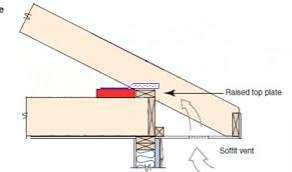
-
Internal wall connection to ICF
Iceverge replied to metalgear2k2's topic in Insulated Concrete Formwork (ICF)
What was the benefits of standing the studs off the walls? Services? -
Definitely this option. Out of principle if nothing else.
-
You can but there's a charge for it. A tariff if you will.
-
Using an existing ASHP hot water supply to heat a pool
Iceverge replied to peekay's topic in Air Source Heat Pumps (ASHP)
Depending on how much work you want you could always just dump say half the water every day and refill with hot cylinder water to hear it up again. Simple enough calculation to be done depending on how much you are paying for water Vs how much you are paying for electricity. Perhaps not the best use of water but that's your call to make. -
Using an existing ASHP hot water supply to heat a pool
Iceverge replied to peekay's topic in Air Source Heat Pumps (ASHP)
Can you temporarily tee off a loop from the central heating and run a coil through the pool water? If you have solar PV you could chuck a cheap resistance water heater into it and just use it instead of exporting. Cost of running will be impossible to calculate without knowing your exact setup and pool. If it's an inflatable pool then you will have a pretty low heat loss so long as you insulated the floor and get a good lid. If you can get your hands on some bubble wrap it would possibly be a practical way to wrap a non insulated pool and you could cut a floating lid from the same. -
Have thermal stores had their day?
Iceverge replied to Workerbee's topic in Boilers & Hot Water Tanks
Not necessarily, high temperatures are fine for Immersions. It's heat pumps that suffer. The catch with immersion heating is it's often best done in a small time window for the best tariff so you need lots of capacity. If you have lots of space or a fossil fuel boiler and/or a solid fuel boiler I think they are a good solution. With heat on demand like with an oil or gas boiler they act almost like a capacitor in a circuit to smooth the cycling of the boiler. Storing much energy is not feasible when you look at the physics if it. A 300l thermal store at 70deg will give you about 7kWh of usable DHW, or it might run UFH for under an hour in a well insulated modern 200m2 house. For the situation in my parents house they can still have pressurised DHW in the event of a power cut as the solid fuel Rayburn feeds the store on a gravity circuit and a small Genny does the water pump. As alluded to above a TS will have far more copper pipes hanging off it Vs an UVC, especially a direct UVC and these loose a significant amount of the energy, even when lagged when compared to the tank itself. Not an issue in a old farmhouse but may ( and has ) led to overheating of smaller or well insulated houses. TLDR, TS good for old houses on solid fuel or Gas/Oil with space for a large tank. TS bad for small/well insulated houses on an immersion or HP. G3 is simple to DIY, don't let it affect your decision.