Iceverge
-
Posts
4485 -
Joined
-
Last visited
-
Days Won
32
Everything posted by Iceverge
-
Oh, another option that dawned on me earlier would be to have deeper beam like an RSJ or Glulam as an intermediate support protruding to make a bump of the ceiling of the room below. Not ideal but it may allow for enough strength to complete a tricky job.
-
Oh by the way I'm most certainly not a Structural engineer so please only use my thoughts as suggestions! If I was going to build this in post apocalyptic world where all structural engineers had been vaporised ( sorry Gus ) and was to resort to my "jump on it and guess if it's strong enough" method I think I'd be tempted to run some vertical supports all the way down to the footings to avoid too much extra weight on the existing walls. I don't know if this is an easy option with the design of the rooms downstairs?
-
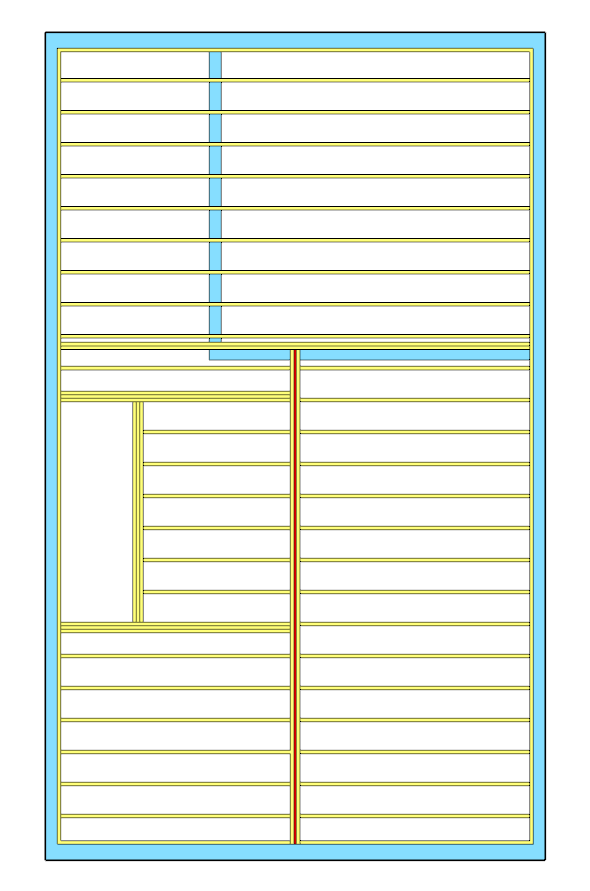
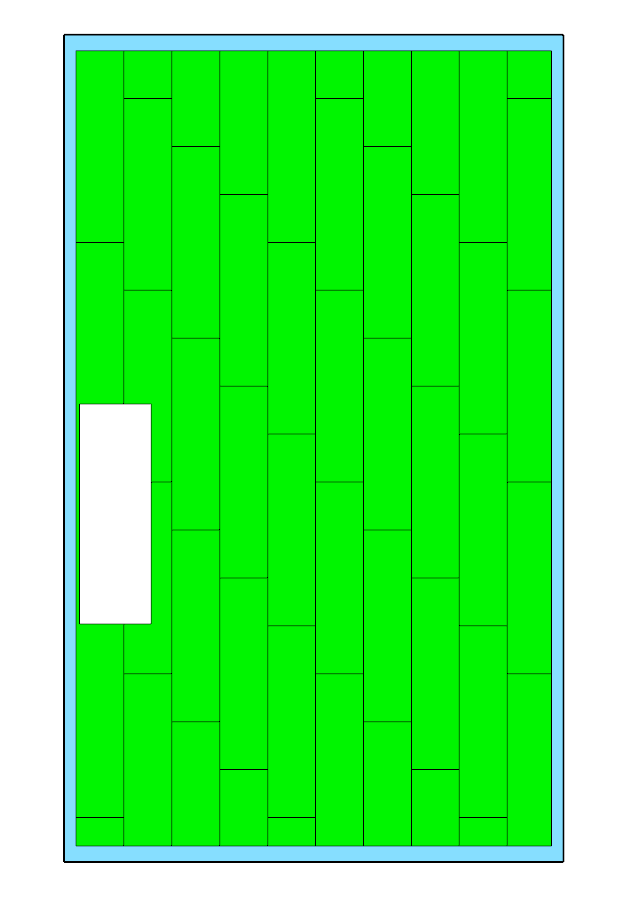
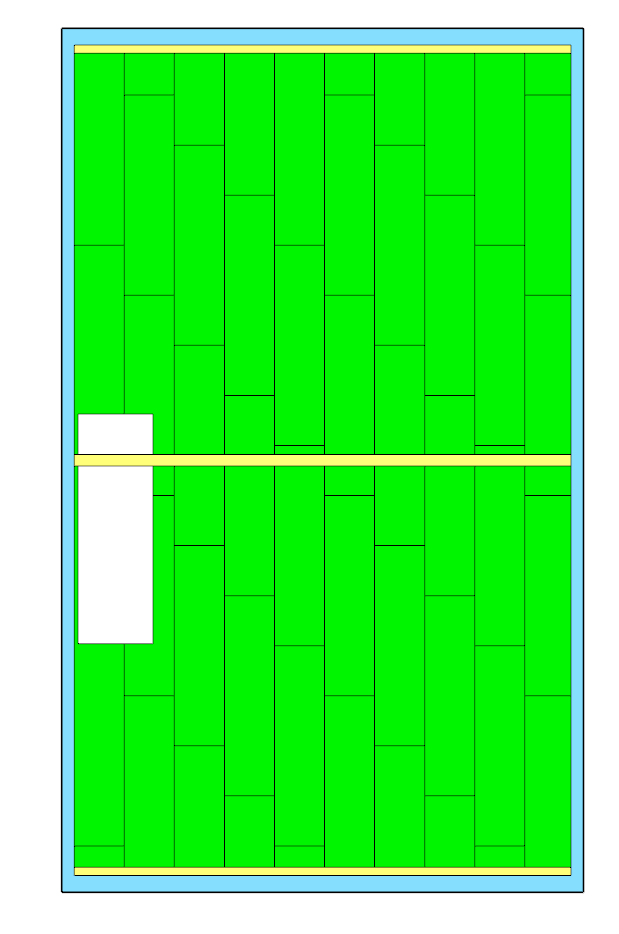
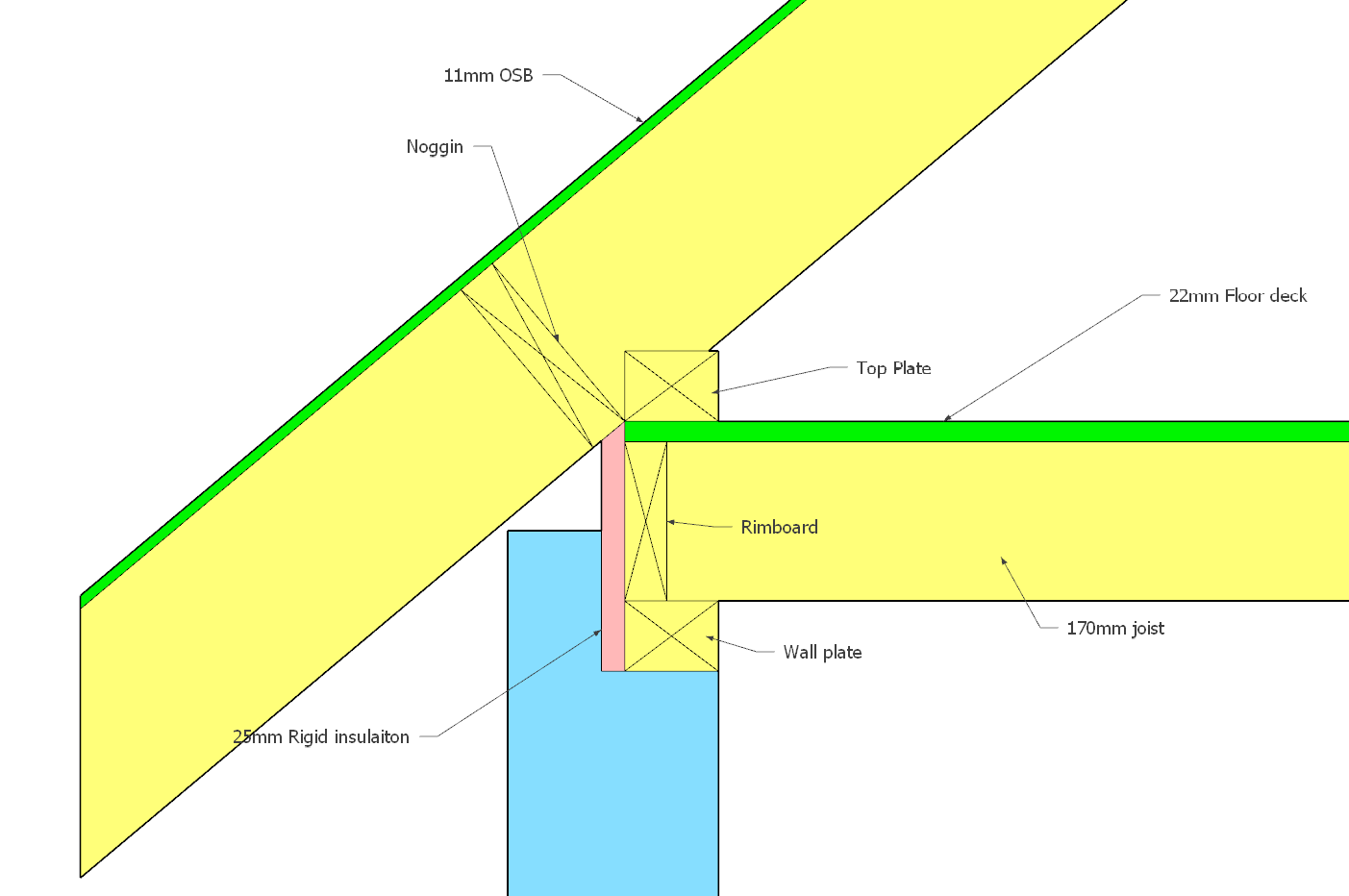
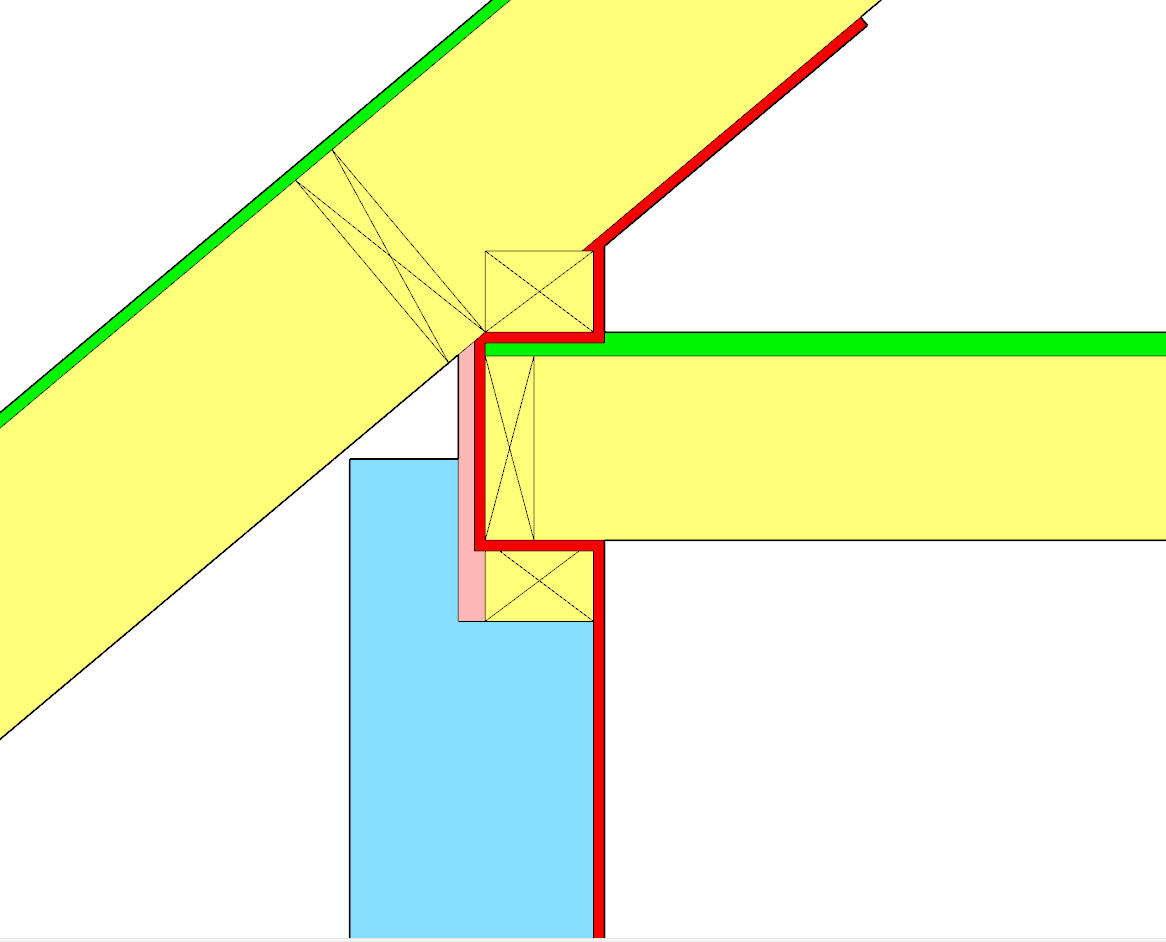
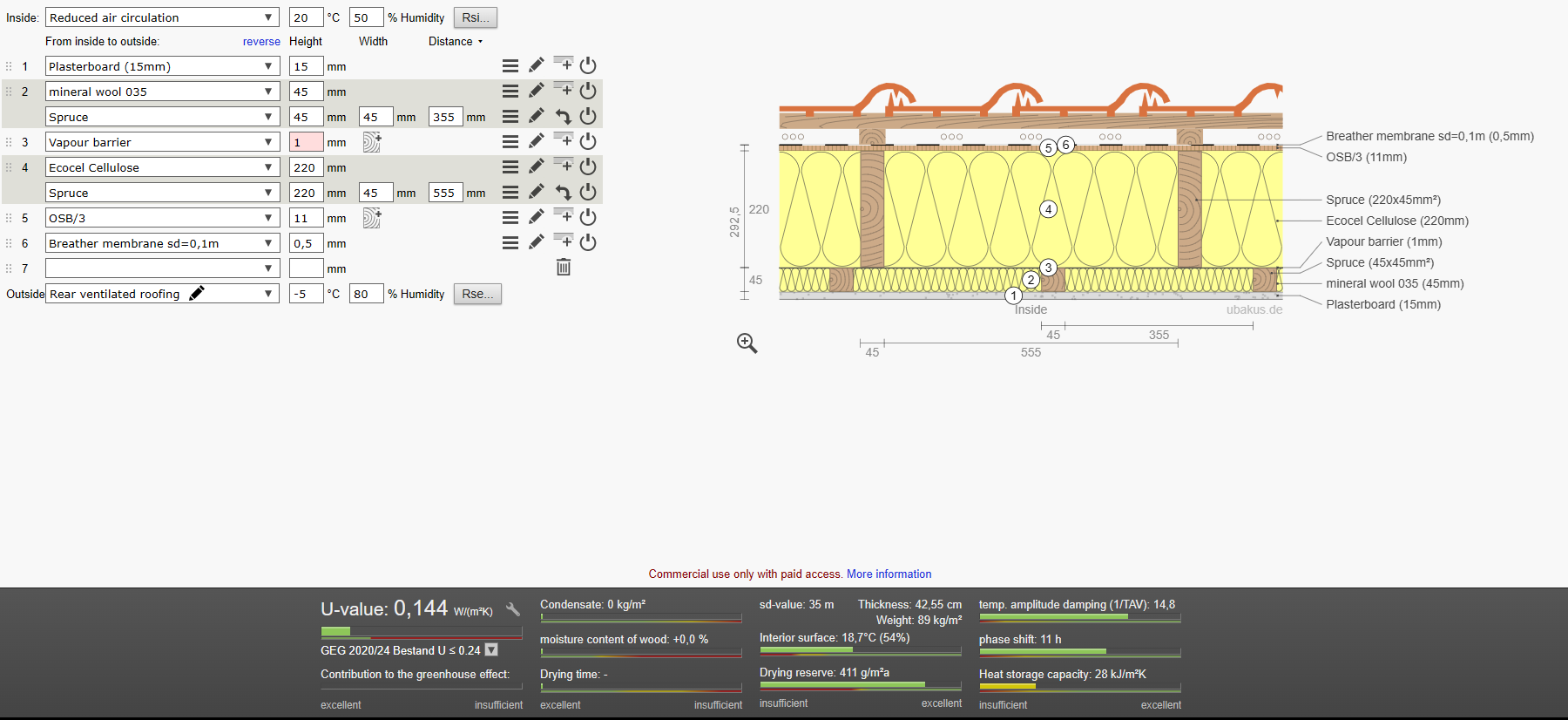
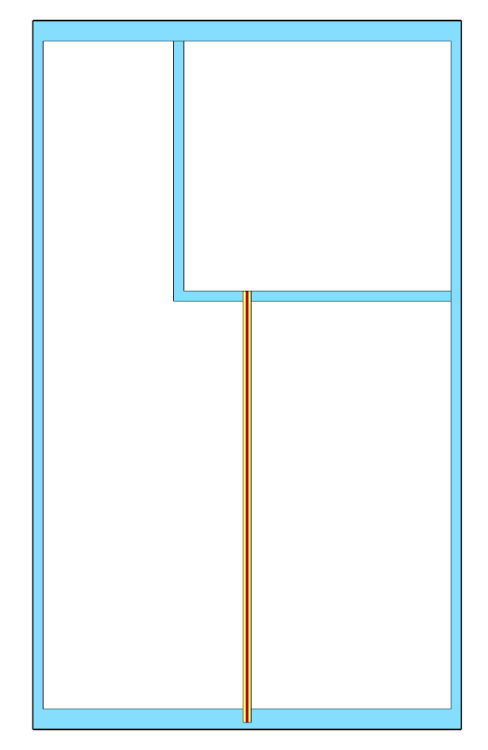
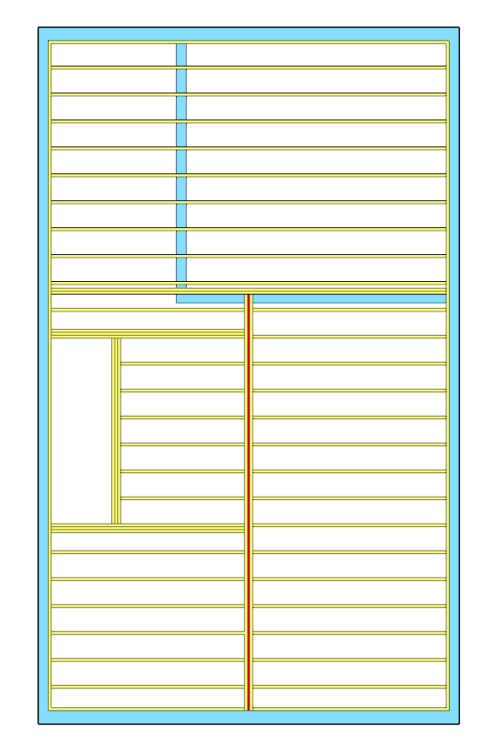
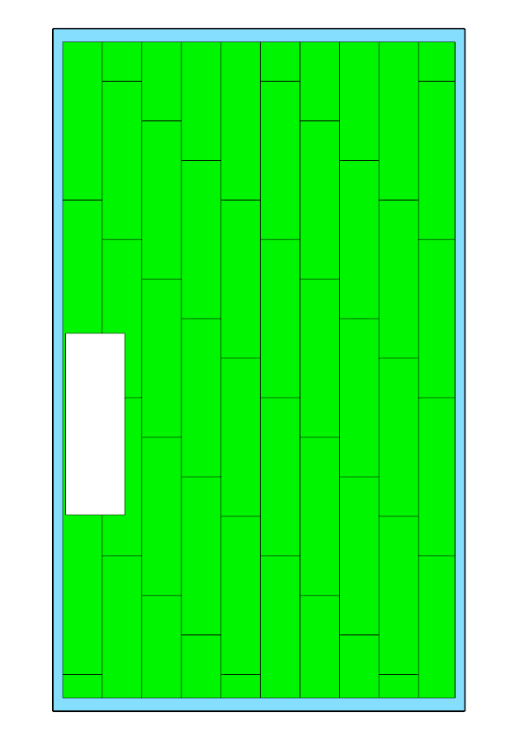
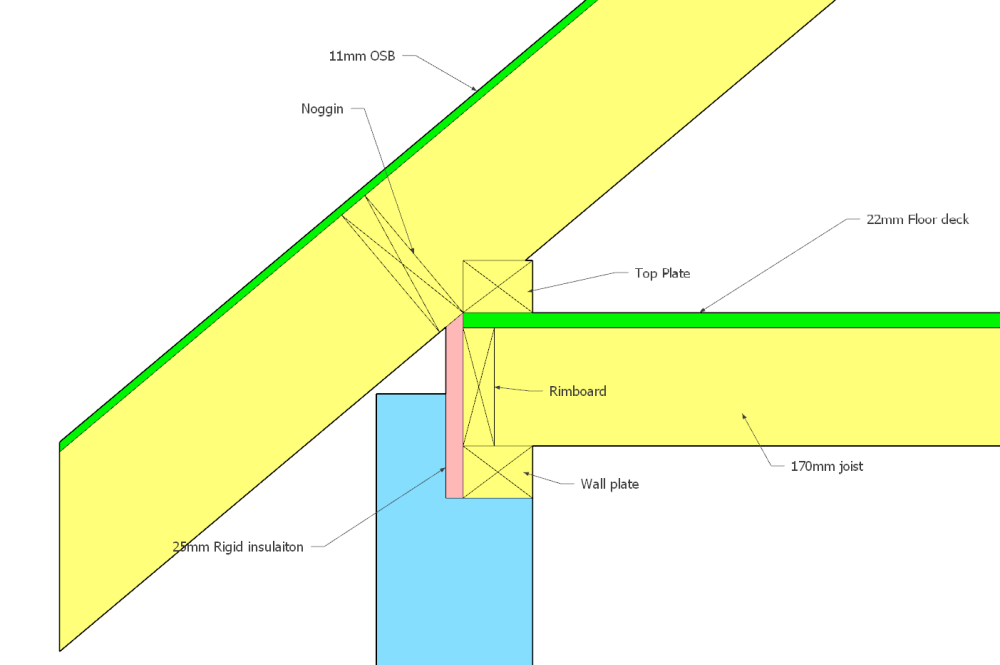
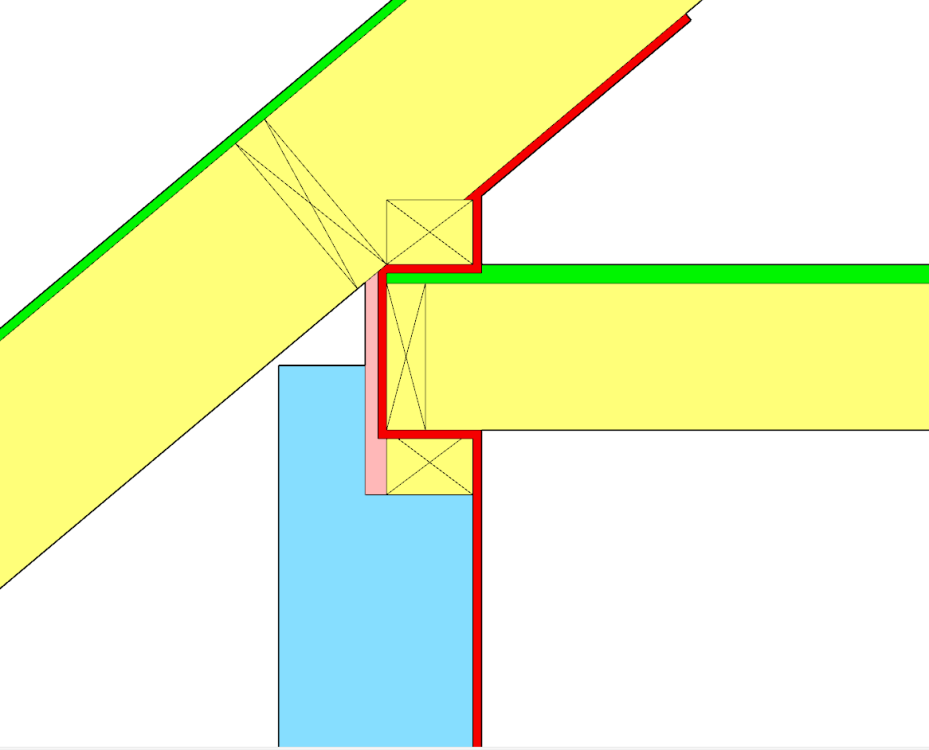
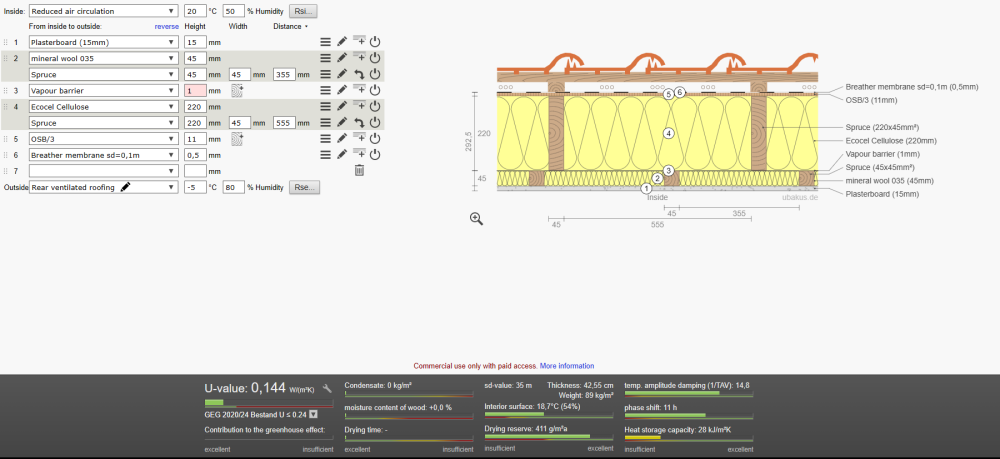
Ok here's a proposal. Install a Filch beam of 180x30 steel and 45x170mm timbers midway on the short wall, I assume the intermediate wall is strong enough to hold it. Bolt 45mmx170mm ledgers to the perimeter walls and use joist hangers to hold them. Add an airtight membrane behind them and you'll have a continuous airtight barrier from the existing first floor Floor with 22mm Caberdeck or similar Add wall plates on top of the caberdeck and a 120 x240mm ridge beam. This will allow you to drop 220mm cut timber joists conventionally on as a roof. That's my detail for the eaves And here's how I'd run a membrane to ensure excellent airtightness. This is the roof buildup i'd use. Floor thickness ~200mm. Roof U Value = compliant No crane needed. Excellent air tightness, noise protection, fire performance, heat protection. rodent protection. All off the shelf materials apart from filch beam.

-

Are some snots and caps a problem on the inside of a new brick wall?
Iceverge replied to Bounce's topic in Brick & Block
As with everything the devil is in the detail. Using closed cell foam to encase timber is the most common cause of decay etc. Unfortunately with the exception of the 'hub the entire industry is full of morons who can't see nuance or indeed understand any science. They both had BBA certs in the past, i don't know if they've expired or just were withdrawn for another reason. In a masonry wall it's quite safe, especially alongside PIR as it'll only be bonded to one face of blockwork avoiding any shrinkage cracking that you get with full fill foam in wide cavities. -
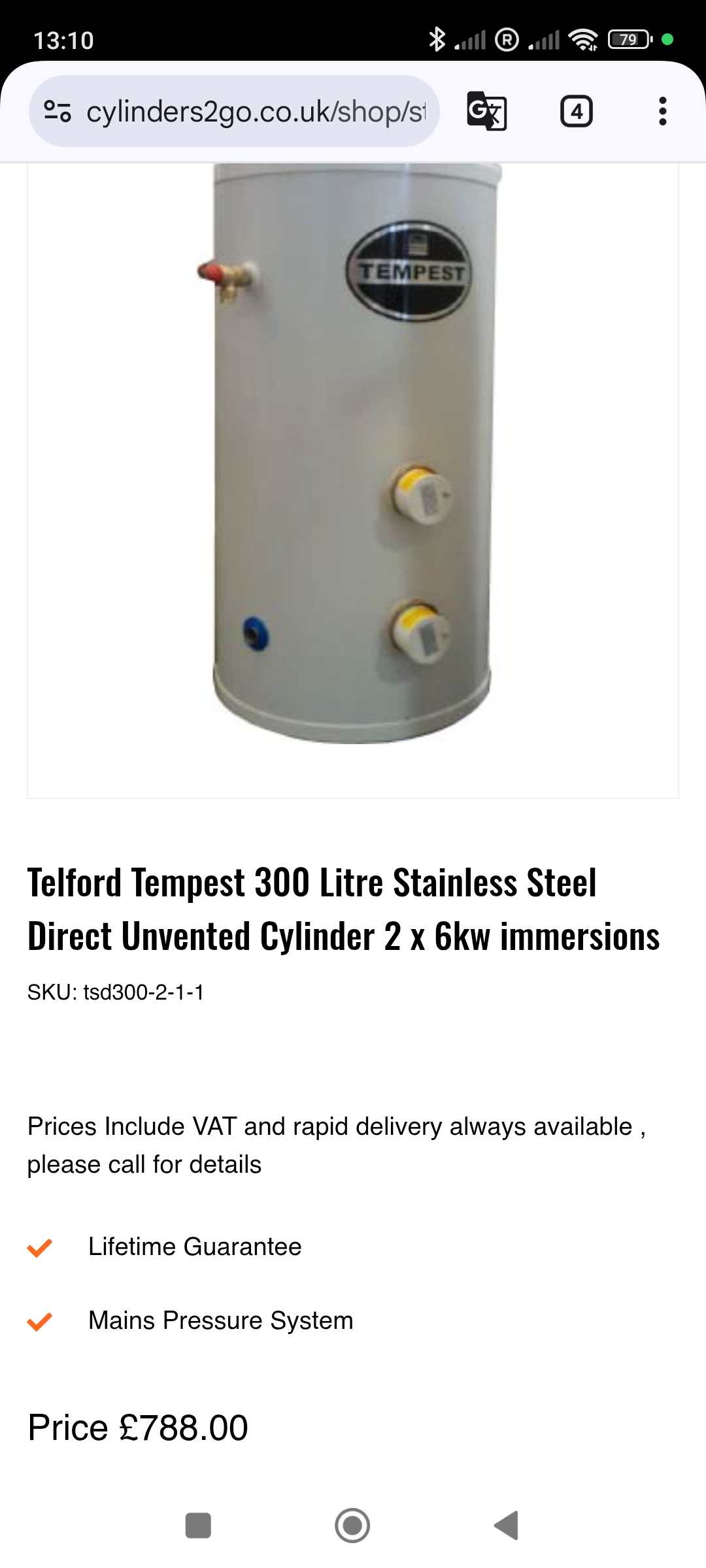
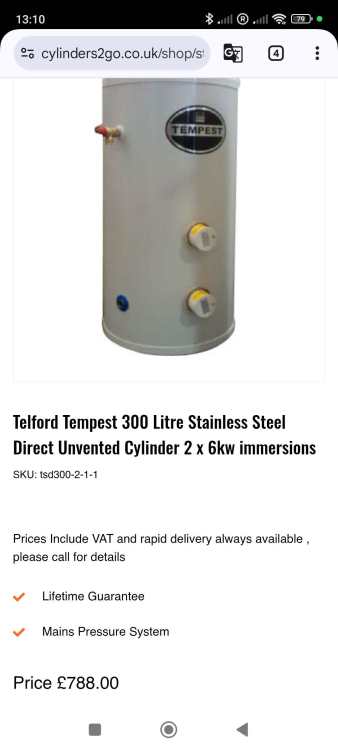
The only benefit I can see from an ESHP really is in a building that demands a lot of cooling over a year. Otherwise robbing you're Peter to pay Paul like mentioned above, unless your heating is "free" firewood and you're into that kind of thing. I think I did calculations on it at some stage and from memory I seem to remember the ESHP was better off just getting and returning it's air from outside rather than extracting from the house during the heating season. @lynne I would install an A2A unit in a centre area and a direct 300l cylinder on a TOU tariff and some fan heaters in the bathrooms. You have a small building and I suspect the lifetime costs will be smaller than anything else. This is pretty much what we have in our 185m² passive house. £2000 up front for the bits today. Running costs for 5 people is about €200 space heating and €400 for DHW.


-
Osb will be fine as an airtight layer so long as you don't get rubbish stuff. Vapour barriers are only for drawings in my view . Airtighess is what really stops the moisture migrating into the wall.
-
It'll work ok if you're very careful. It doesn't do much for protecting from noise, airtighess and fire and you'll have waste PIR that won't fit in anywhere. Robin Clevetts levels of workmanship are excellent, however he's sponcered by them and the process is still very very slow. Don't undervalue your time on a self build. The there's the cost. ..... Oh my lord the cost....... 100mm gapotape is £2/m. For 600mm cc 200mm deep rafters the actual best case scenario with zero waste is about £17/M2. With funny angles and ends to trim etc you'll be still short at £20/m² on gapotape alone.
-
RIGID INSULATION BOARDS ARE NOT SUITABLE BETWEEN TIMBERS OR IN CAVITY WALLS!!!!!!!! I must have said this maybe a bizzallion times !!! Hard to fight a billion pound industry, even if they do lie and burn people to death in their sleep.
-
Ok..... Here's my proposal. 1. Install a timber ledger beam bolted to the existing walls at the entire perimeter of the build to take the joists on hangers. Pozi/I beams for the long spans, c24 for the short spans to save cash. 2. Behind this ledger include a membrane. ( Something tough like protect VP400 ) Fold it over the top of the ledger at the gables. 3. Drop a 75*100 wall plate on top of these ledgers sandwiching the membrane. 4. Build a gluelam beam into the gables as a ridge beam. 5. Use 220x44 mm c24 cut rafters at 600cc to frame the roof. Sitting on the lower wall plate and joist hangers from the ridge. To be insulated with blown cellulose. 6. Apply airtight membrane below all joists and seal to walls and membrane sandwiched at eaves. 7. Counter batten with 45*45mm timbers to give an insulated service cavity. Plasterboard below. 8. Above the rafters use 11mm OSB racking. Breather membrane, battens up the rafters line, tile battens, tiles. U value about 0.14. Excellent performance in airtightness, thermal bridging, noise and fire and overheating. Mostly off the shelf materials. ( Cellulose and pozi joists being the exceptions) No crane needed. All "nailgunable" timber sizes. Stick framed is adaptable to old wonky building. Will do a sketch later.
-
Looking at the top sketch you made I'm assuming that the house is mid terrace with the ridge running centrally along the short axis? Any sectional views or sketches would be appreciated. I'm also guessing that a crane isnt on site or easily available so perhaps trusses would be harder to get into position ( unless a delivery mounted truck crane is available? )
-
Sucks through teeth......... Shakes head........... There are better ways to skin this particular cat. PIR between timber is only a good idea if you're selling the stuff.
-
Is this an attic or a first floor? As you'll have intermediate bracing and triangulation with an attic the span tables will be different. Also is the space above the floor going to be inside the conditioned envelope? If Yes than a cut roof or an airtightness layer above the roof trusses is much easier to detail.
-
Do you have more details for your house please to send check your energy usage? Specifically: 1. Ventilation strategy 2. Airtightness target 3. Window type 4. Wall insulation and area 5. Roof insulation and area 6. Floor insulation and area.
-
Considering PIV
Iceverge replied to MortarThePoint's topic in Mechanical Ventilation with Heat Recovery (MVHR)
Good choice. I have one on my office and I'm pleased with it. Please report back with your experiences. -
Considering PIV
Iceverge replied to MortarThePoint's topic in Mechanical Ventilation with Heat Recovery (MVHR)
Good grief the price of it! These things used to be 1/3rd of the price. It's just a fan in a box that runs continuously pushing air through the house. You can get fans that suck air out too. None of it is rocket science. You just need some mechanical ventilation that runs continuously at a low rate. It has to be quiet too or people will turn it off. These are excellent, almost silent and a straight swap for a bathroom extractor.
-
Just type "air" into the search box and it'll pop up. Ubakus is a great tool. In fact it's been my favourite computer game for about 5 years, (Sad I know 😢). However caution is advised with the stationary air and moisture accumulation calcs of the software. It makes a static computation and assumes perfect workmanship. The real world is massively more complex, dynamic and messy and anything short of a supercomputer would fail to produce useful results. In the case of "Stationary Air" anything more than ~16mm(......ish, from memory) will be enough to create convection currents in the air ruining the benefit of a stationary gas as an insulant. This is why old double glazing ,without the exotic gases we use now, had this narrow gap and instead of say 25mm or 40mm. Likewise you'll need to make a hermetically sealed box for the air not to move to make it truly stationary. This isn't practical in a wall buildup despite what many manufactures claim.
-
Are some snots and caps a problem on the inside of a new brick wall?
Iceverge replied to Bounce's topic in Brick & Block
Spot on. Right here's my proposal. Pull out the boards, done carefully they can be reused elsewhere. Like I've said a billion times they can't be done properly in the wall. You may need to dismantle some of the wall but probably not all of it. Build your walls as an empty cavity. Ensure the cavity is kept clean and bricks correctly pointed. Best way to do this is slide in a 100mm board at a few opening's to catch the snots. With a squirty hose give the ties a quick rinse at the end of every day. At the end of the build pull out the 100mm cavity boards. Use EPS blown beads to fill later on. Your theoretical U value will drop from about 0.22 to 0.33 but as you won't get any thermal looping ( wind blowing around the board) your real world performance will be better. You can reuse the wall boards in the floor so no extra cost. In fact you'll save money on the construction as EPS beads are quite economic. (About €120/m³ plus Vat in Ireland) -
Are some snots and caps a problem on the inside of a new brick wall?
Iceverge replied to Bounce's topic in Brick & Block
Alternatively you may be able to remove the existing boards without taking the walls completely down and use EPS bonded beads injected into the wall instead. I know the builders did a sloppy job but you have some responsibility for QCing the situation too. In this light the overall cheapest and most workable solution is in your interest as much as the builders. Any wider pics of the built wall will help us all determine how most satisfactorily to proceed. Like I say, please post any further pics of the plans, most specifically the sectional drawings to help us help you for the rest of the project . -
Are some snots and caps a problem on the inside of a new brick wall?
Iceverge replied to Bounce's topic in Brick & Block
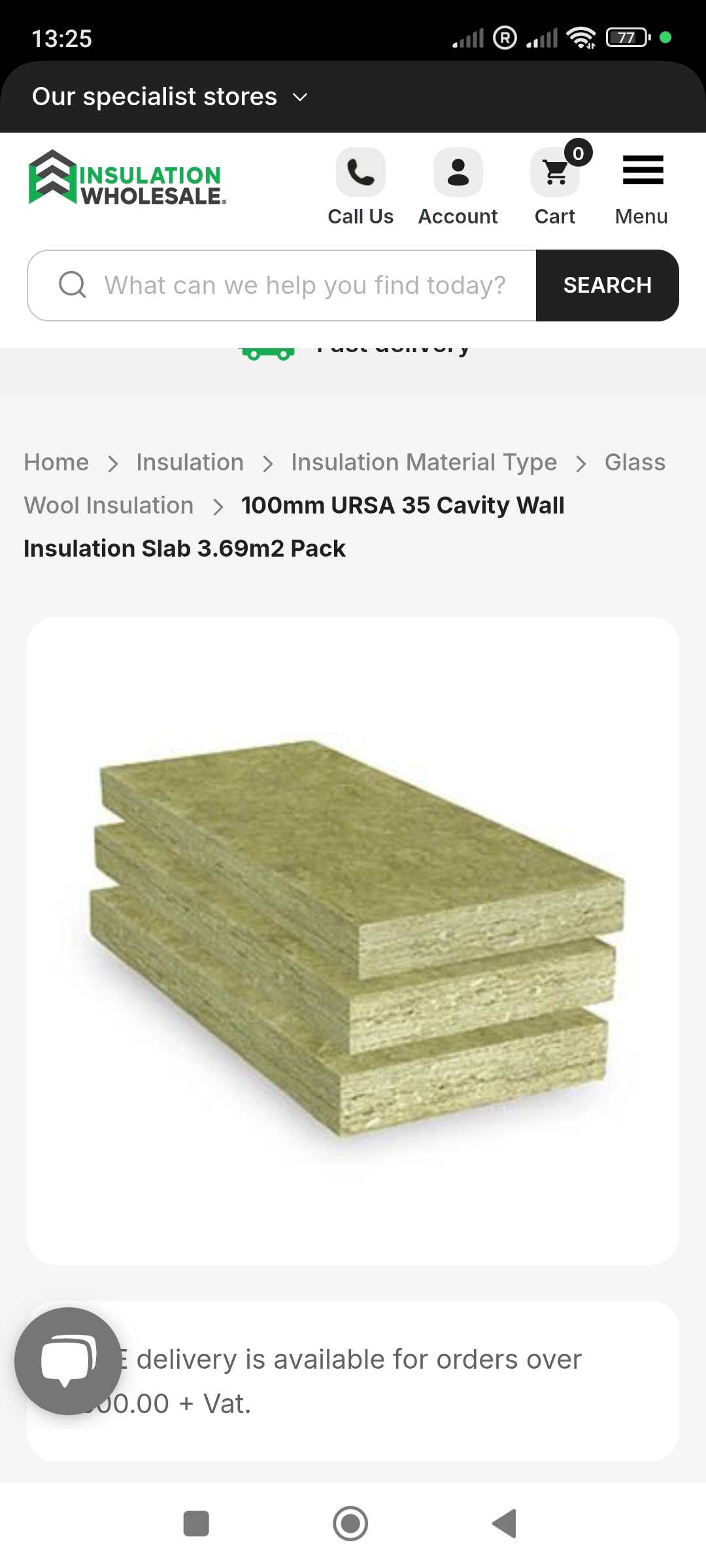
No is my firm answer. It's real life here I'm afraid and Like I say, I've never seen it done correctly before. I think you'll repeat the mistake but just slightly less bad as the rigid board system in the wall is fundamentally flawed. Get yourself down to a BM's and buy some 100mm wool cavity batts. You can get to a K value of 0.032 W/mK but you're gaining very little over the ones at 0.035 or 0.036 for the extra spend. Something like this would be fine.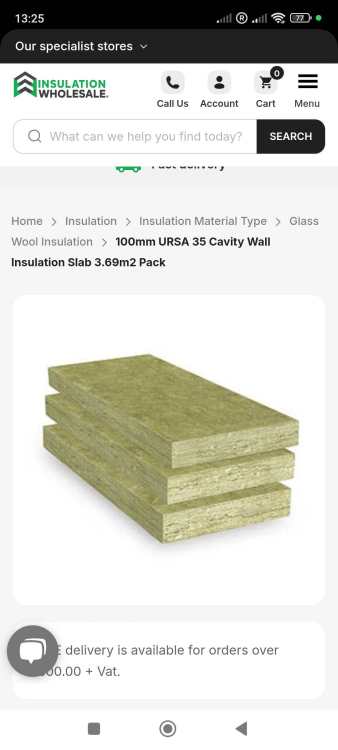
-
Yes, for future projects! I hope to be still hammering nails into timber until the day that I get the call summoning me through the pearly gates. "Clear off", I'll tell 'em.... "I don't want your paradise, I'm having too much fun here".
-
Are some snots and caps a problem on the inside of a new brick wall?
Iceverge replied to Bounce's topic in Brick & Block
Neglecting to nominate a third party to oversee quality control is a very common error we make as self builders. Assuming building control will do it is also a mistake. They only ensure the building isn't obviously dangerous and otherwise " close enough" to the regs. You can pay a project manager or architect or engineer to oversee but it's expensive so most folk just leave the builder to get on with it. The results are variable unfortunately. In this case, you as the client are unexpected having to step into the role. It's not pleasant but most of us have been there and made the same errors so are willing to help. Please post more wide angle photos of how far the work has progressed so far and we will try to suggest the best remedial action so you can get a good result. Please post sectional drawings etc too with your name removal so we can try identify some potholes further down the track. -
Are some snots and caps a problem on the inside of a new brick wall?
Iceverge replied to Bounce's topic in Brick & Block
The trouble is that unless the boards in the cavity are sealed to the inner leaf and sealed to eachother you'll get wind blowing behind them and they may as well be sitting out in the garden at that rate. The same wind will blow through the blocks, ( Blocks are like rice Krispies cakes, very porus). This wind will make it's way out sockets, around skirting and your extension will be very cold. Again your extra insulation is doing little unless you prevent the wind from blowing through it. Either start from scratch or use a closed cell foam like Walltite or Technitherm to completely fill the residual cavity . You could pull out the boards that are there and use EPS beads instead. Your U value will be about 0.3 but still perform vastly better than the existing situation. -
Cellulose is dearer than Rockwool but that includes fitting. About €150/m3 plus VAT near me. Not sure of UK prices. There's a notable difference between the cheap mineral wool "loft roll" and higher density batts like Rockwool so ensure you're comparing like for like. Cellulose has the advantage that it really helps the airtighess too when it's properly installed..
-
I'd have thought the opposite, certainly financially. No massive deposit to be paid up front with stick build and you could avoid a crane too if you were able to lift a few timbers
-
Kingspan will direct you towards their own products and have a habit of playing fast and loose with some of the specs. Tragically this has included some of the fire tests too. Ubakus is free when you make an account and you can choose genetic materials. https://www.ubakus.de/en/r-value-calculator//? What are your aims for the wall. What kind of U value do you need? Are you stuck for internal space. Pics/sketches would help.