Iceverge
-
Posts
4485 -
Joined
-
Last visited
-
Days Won
32
Everything posted by Iceverge
-

How to mount an external door when using an insulated slab?
Iceverge replied to zzPaulzz's topic in Timber Frame
Difference application but I bought some covered GRP grating for the thresholds of our house from eBay. Simply bridged the wide cavity block wall with it and sat the doors on top. The EPS blown beads filled the holes from underneath and thermally it was quite satisfactory. In computational reasoning at least. Stuff like this.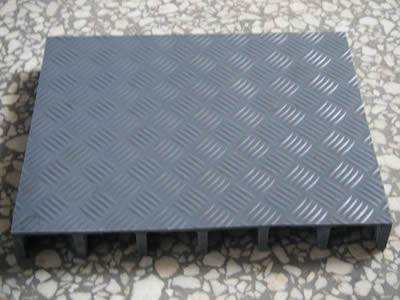
- 11 replies
-
- 2
-

-
- foundation
- passivhaus
- (and 1 more)
-
How to mount an external door when using an insulated slab?
Iceverge replied to zzPaulzz's topic in Timber Frame
Cut out some of the XPS to allow the door frame to be partially supported by the concrete- 11 replies
-
- 1
-
-
- foundation
- passivhaus
- (and 1 more)
-
Have thermal stores had their day?
Iceverge replied to Workerbee's topic in Boilers & Hot Water Tanks
I've done both. UVC and TS. From trial and error real life living the UVC will deliver useable 40deg water until the average temperature of the tank is about 30 deg. The TS is all out of ideas once the average tank temp is 50deg. Assuming you can store water at 70deg on an immersion then an UVC will give you double the hot water of a TS. If you have a heat pump you will have to run it very hot for a TS which will destroy your COP unless you have a really giant tank. That said I really like the TS. It does a nice job of combining heating, oil boiler and solid fuel cooker and pressurised DHW. It could take an immersion and solar too if needed. Both are pointless for space heating though unless you can hold 2-3m³ of hot water. For your situation a direct UVC on a TOU tariff would be the cheapest long term. Have you thought about A2A HP for space heating. Ours is proving economical. I do my own servicing, (no G3 in Ireland). Takes 15 mins a year. Check the safety valves, clean the filter and top up the accumulator. It is dummy level if you have any mechanical competence at all. -
For plaster boarding I used to scribble the dimensions of the offcut in big numbers on it and stand it against the wall beside the pallet of fresh boards. Same with timbers. It was remarkable how often an offcut was almost perfect for an infill.
-
Nope, different beasts. A membrane is normally 1.5m wide, just a sheet of fancy reinforced plastic. A tape is only 50-200mm depending on application and has adhesive included. Along with your understated humility and bashfulness it's your best hidden quality.
-
Just reason back on Nicks suggestion. It's a good one. I just used a dilute solution of the airtight paint (soudal) as a primer. Going in with a neat first coat resulted in it not sticking very well unless everything was clean room decontaminationed.
-
Don't get too hung up on certified. Long term flexibility and dimensional stability is what you're after. Look for a product that doesn't shrink or harden over time.
-
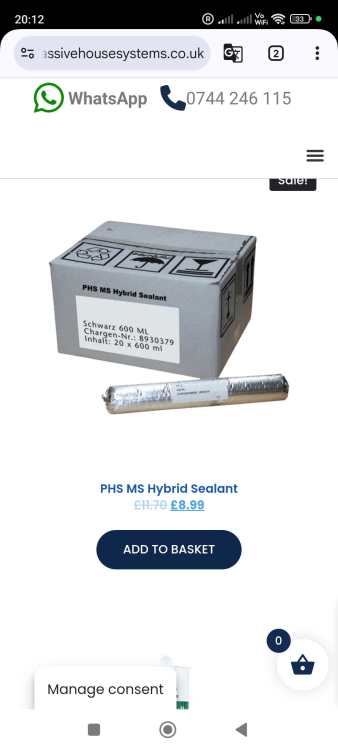
That wide fit masonry tape is bungabunga party expensive. Cut a strip of normal airtight membrane, apply a bead of airtight sealant onto the ply floor and staple the membrane down over the top making sure the bead is continuous. Apply a thick bead to the wall then and press the membrane in place. A sausage tube will go a long way for £9.
-
Attic hatches should be limited in size to prevent anyone less agile and slim than a circus trapeze artist from entering. Amazingly Christmas decorations survive pretty well in a cupboard. Who would have thought it. If a single box kept out of the loft tips your house over the edge from austere bliss to hoarders bordello then you really have been living in the absolute limit. I would put the UVC into the utility room. Thermally vastly superior and central to all your taps. The only one that really matters by the way is the kitchen tap. Consider 10mm Hep to this if you can live with about 6l/min of hot water. You'll be rewarded by super speedy water delivery. Displacing something else out to the garage would be preferable in my view. Is there somehow preventing you having your ASHP right outside the utility? Absolutely minimising runs of piping outside the unheated envelope. Alternatively if there space you could put your UVC under the stairs.
-
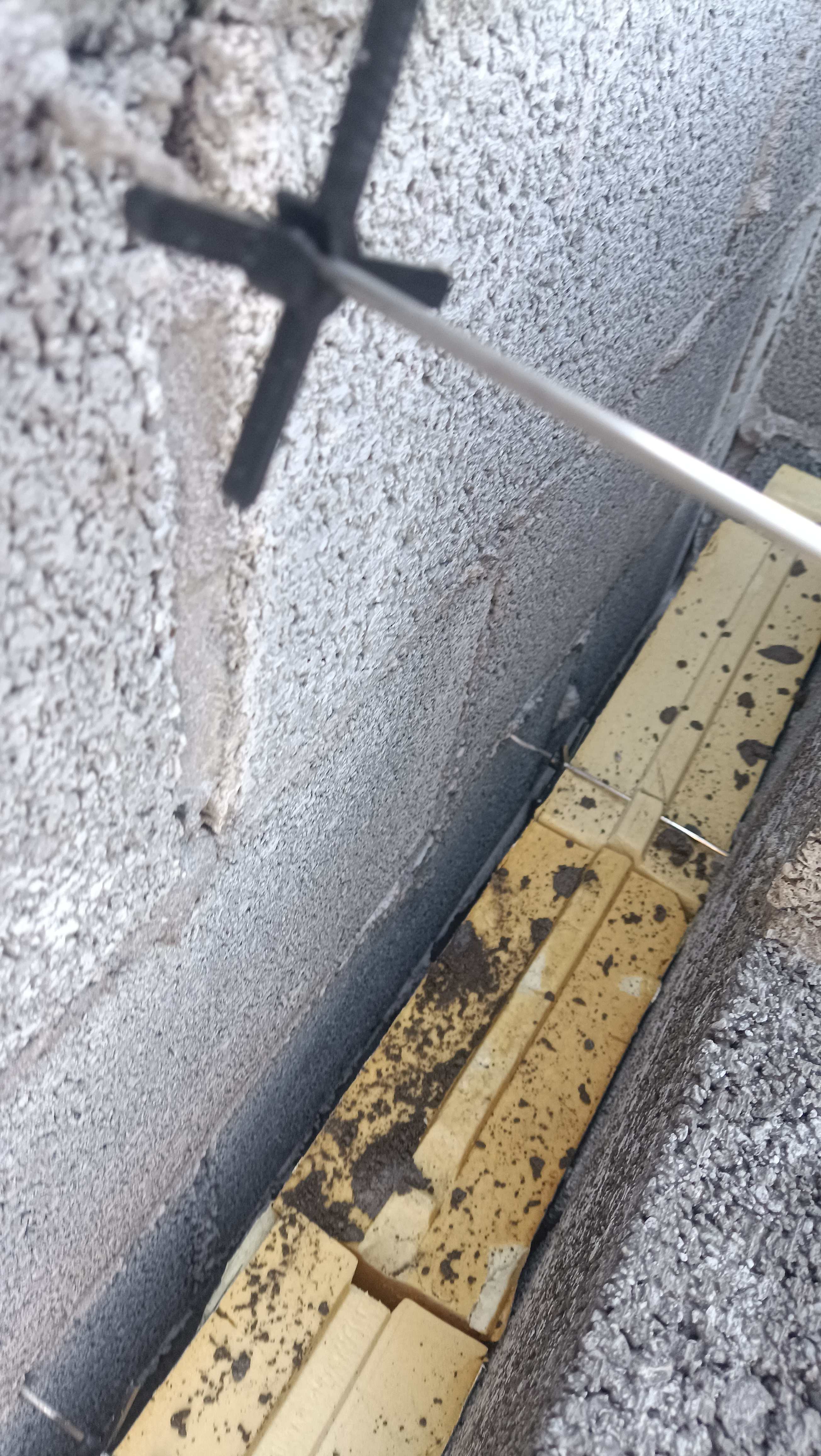
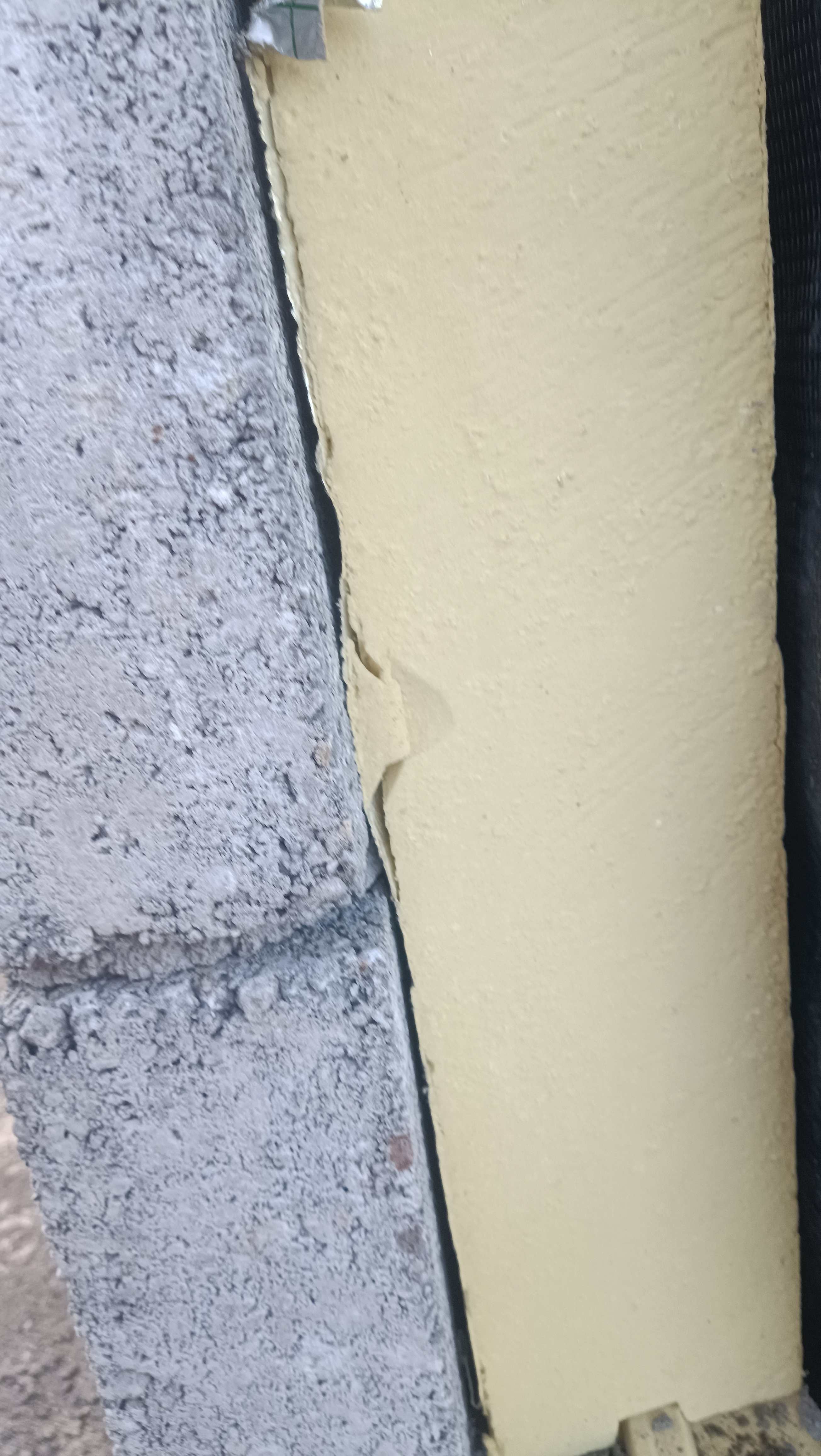
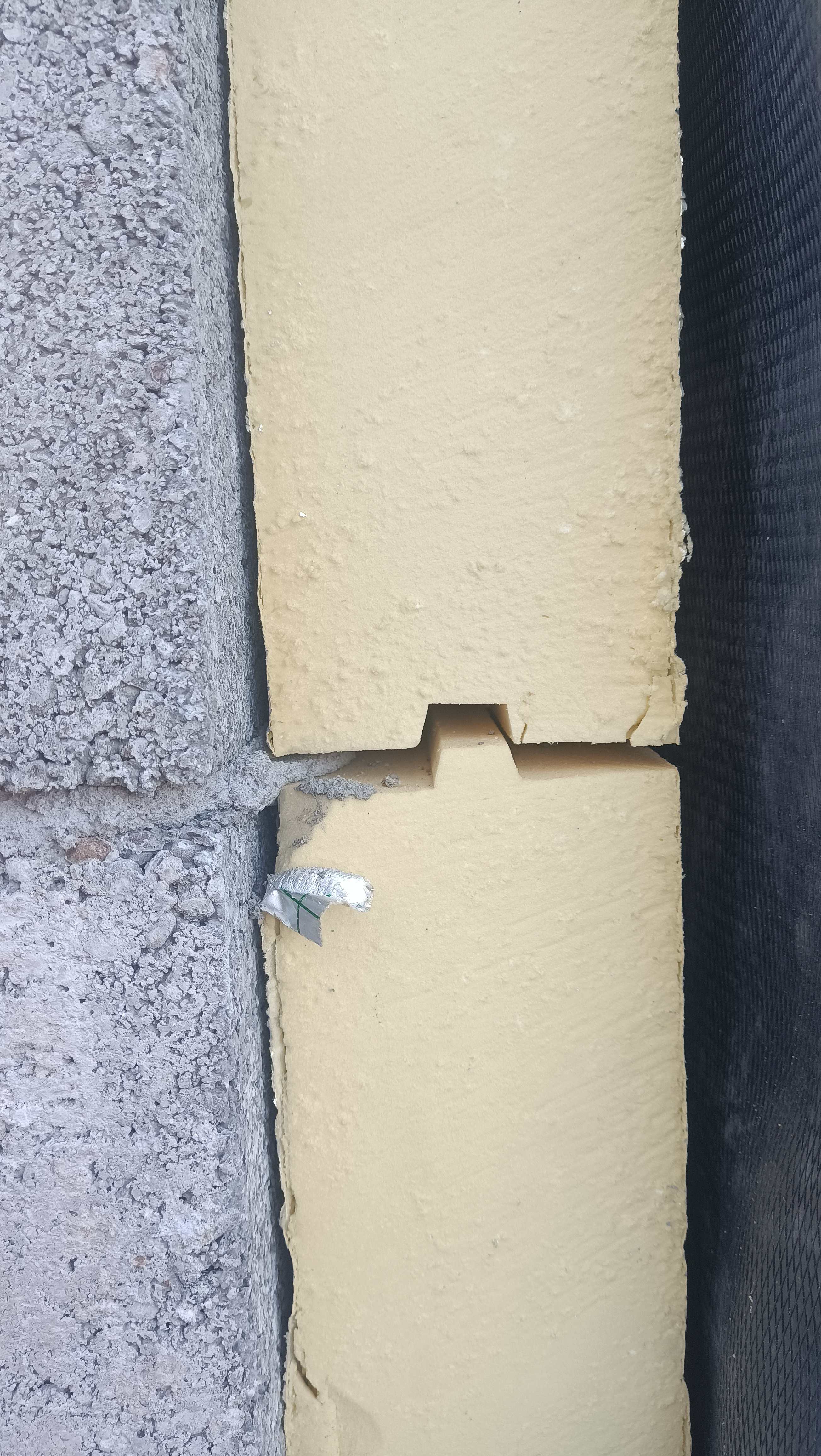
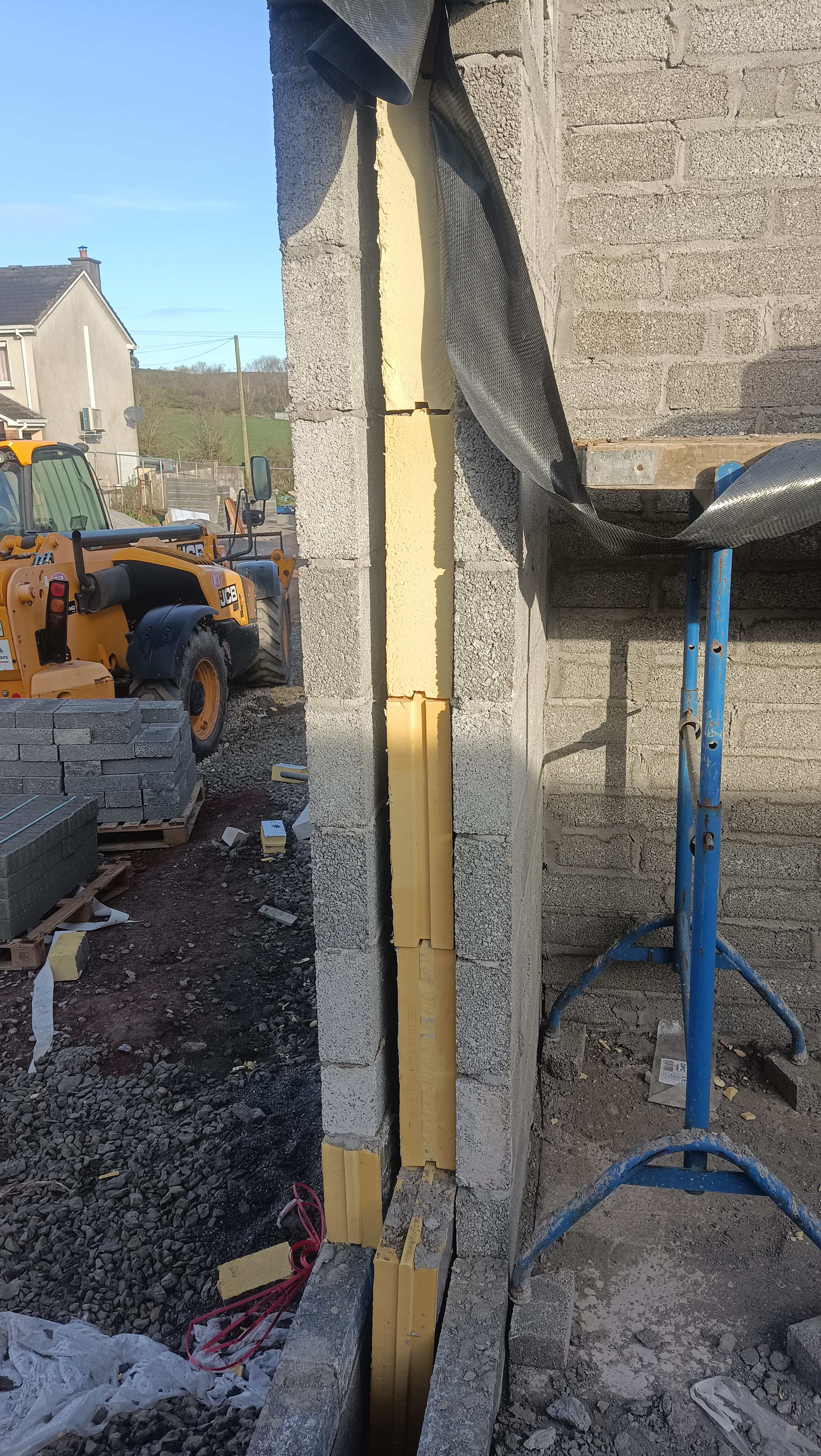
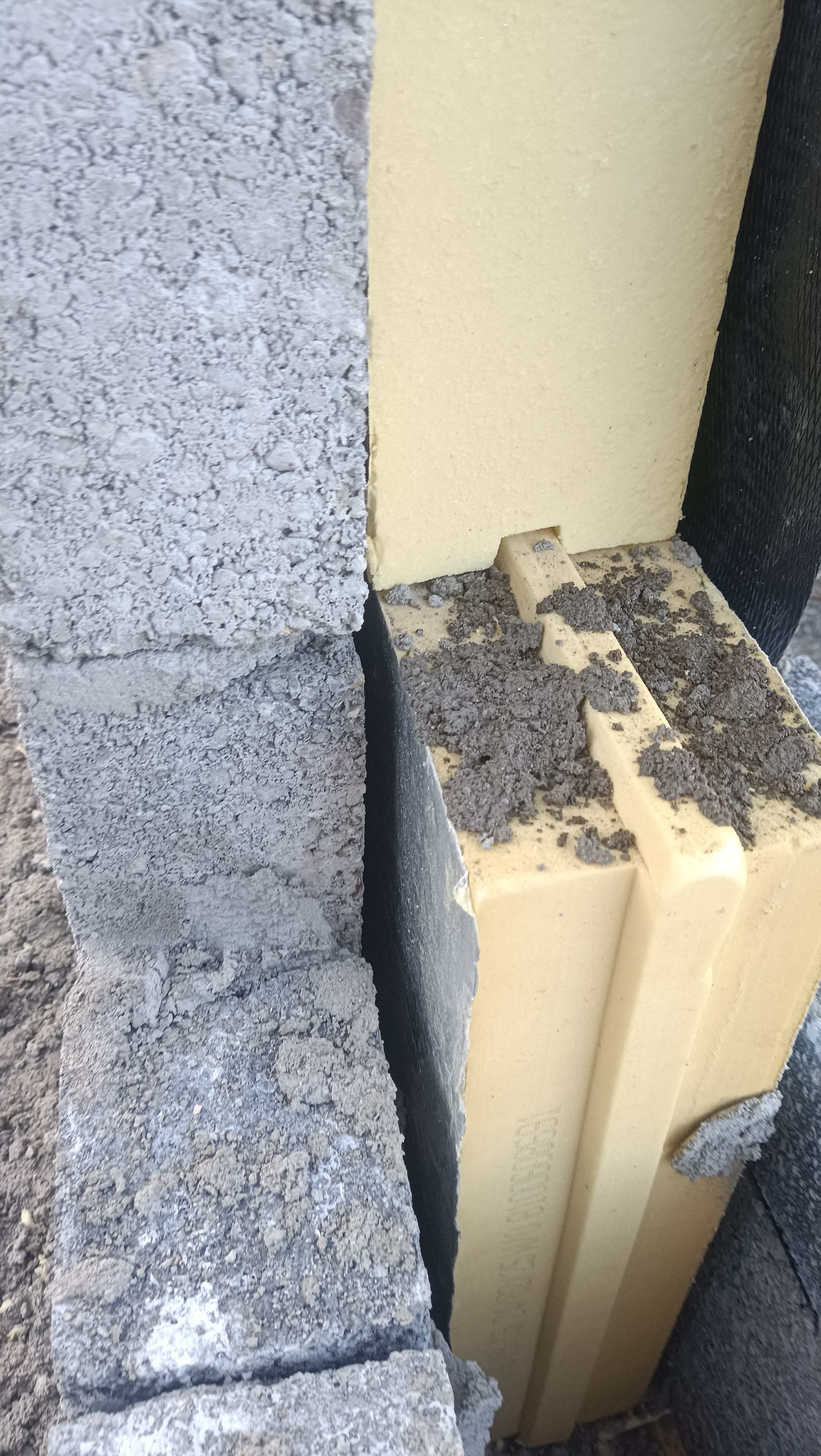
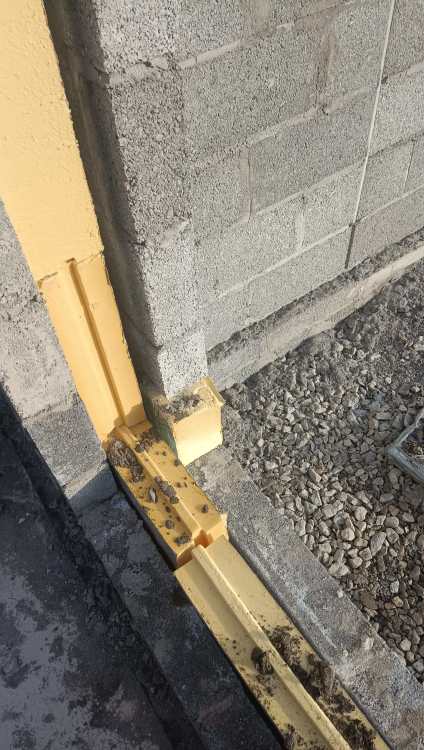
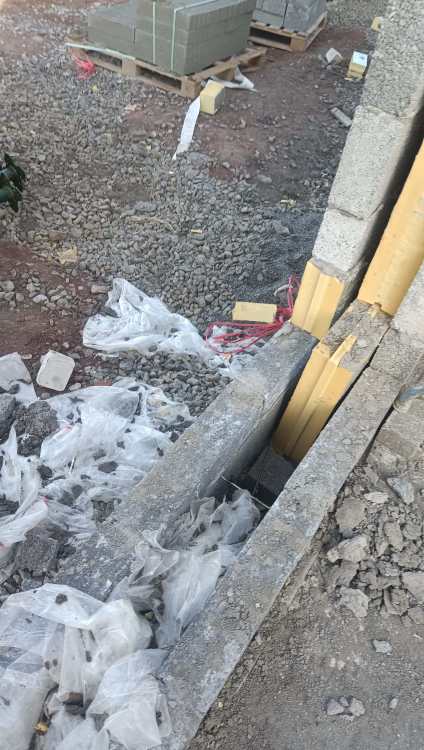
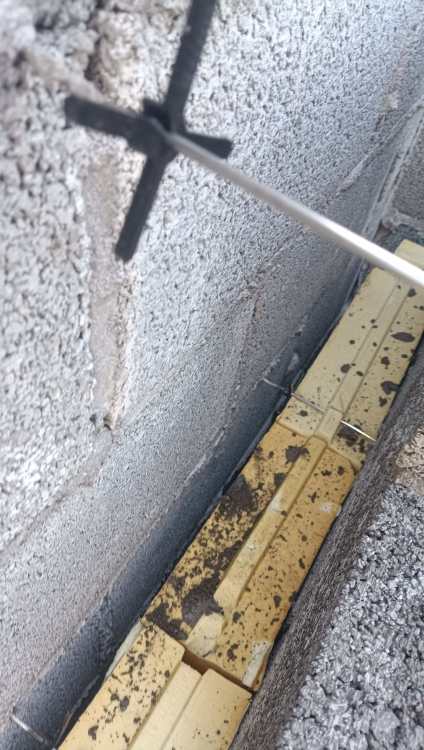
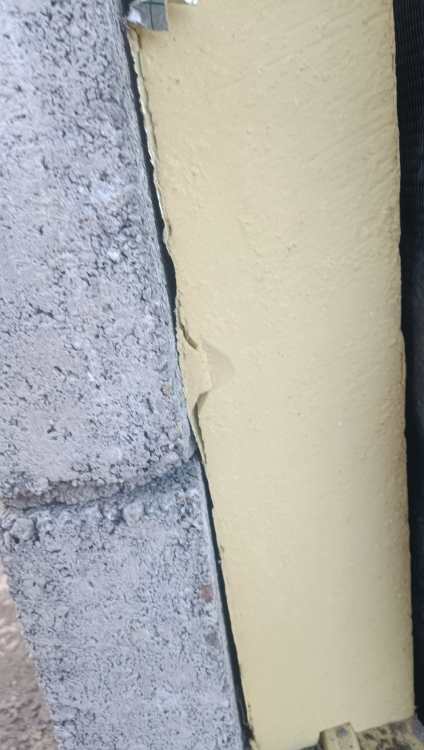
Rigid PIR boards in cavity Walls. DON'T DO IT.
Iceverge replied to Iceverge's topic in Heat Insulation
At a guess I think this if for an external precast threshold. I'll keep an eye when I'm passing. It's a shame the boards are used. It's a generally well done site otherwise. -
Rigid PIR boards in cavity Walls. DON'T DO IT.
Iceverge replied to Iceverge's topic in Heat Insulation
-
Rigid PIR boards in cavity Walls. DON'T DO IT.
Iceverge replied to Iceverge's topic in Heat Insulation
-
Rigid PIR boards in cavity Walls. DON'T DO IT.
Iceverge replied to Iceverge's topic in Heat Insulation
-
Rigid PIR boards in cavity Walls. DON'T DO IT.
Iceverge replied to Iceverge's topic in Heat Insulation
-
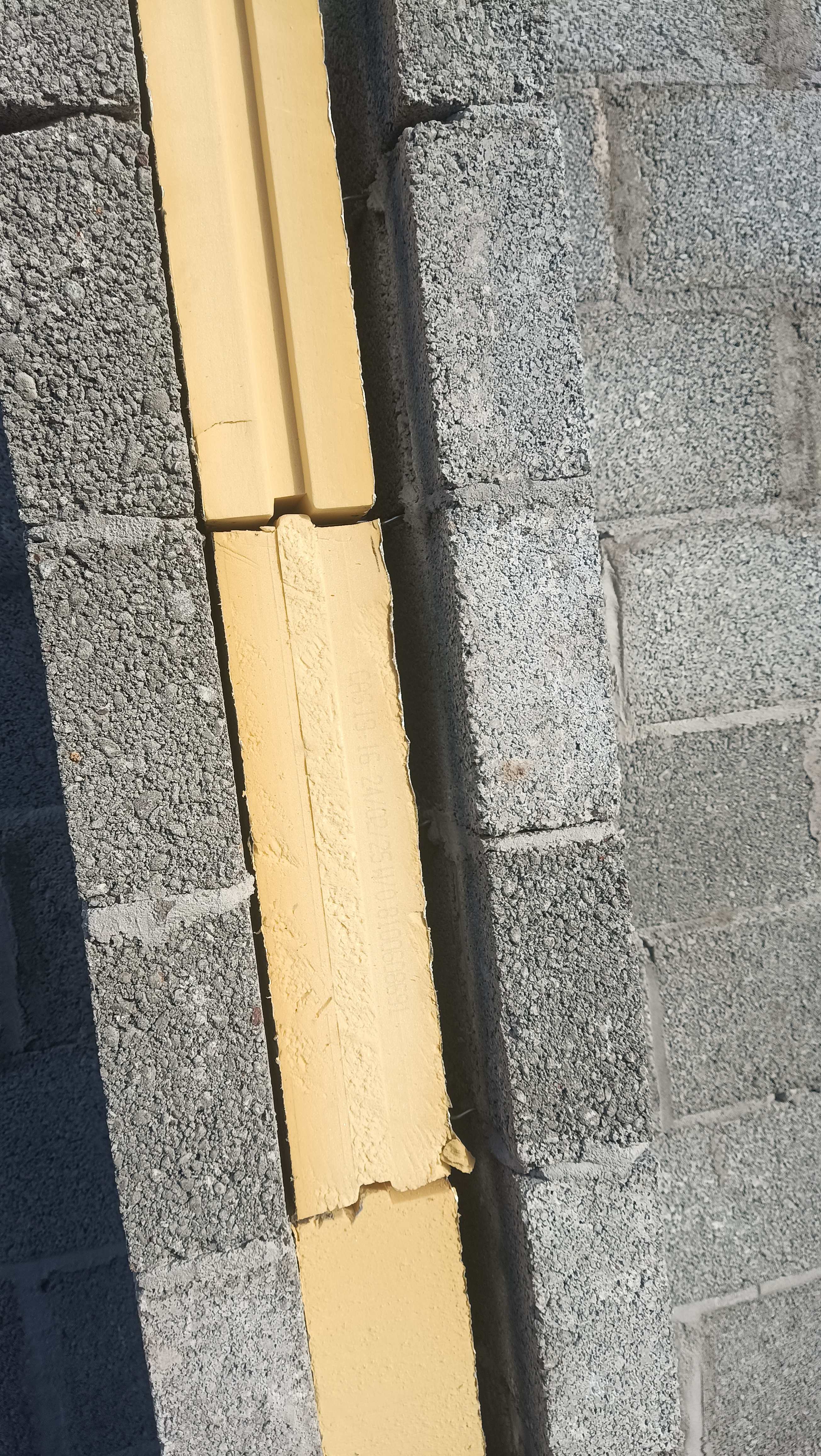
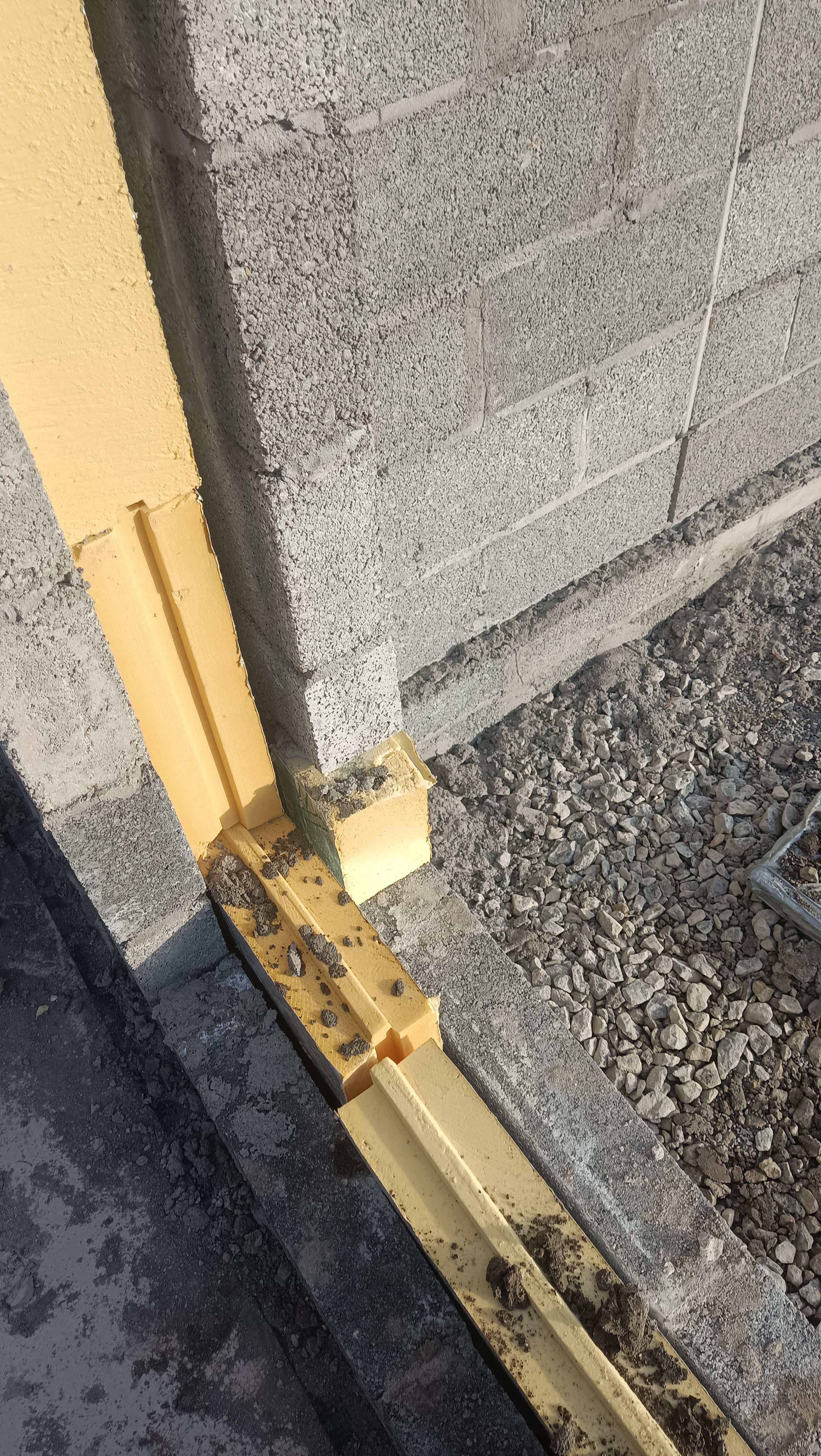
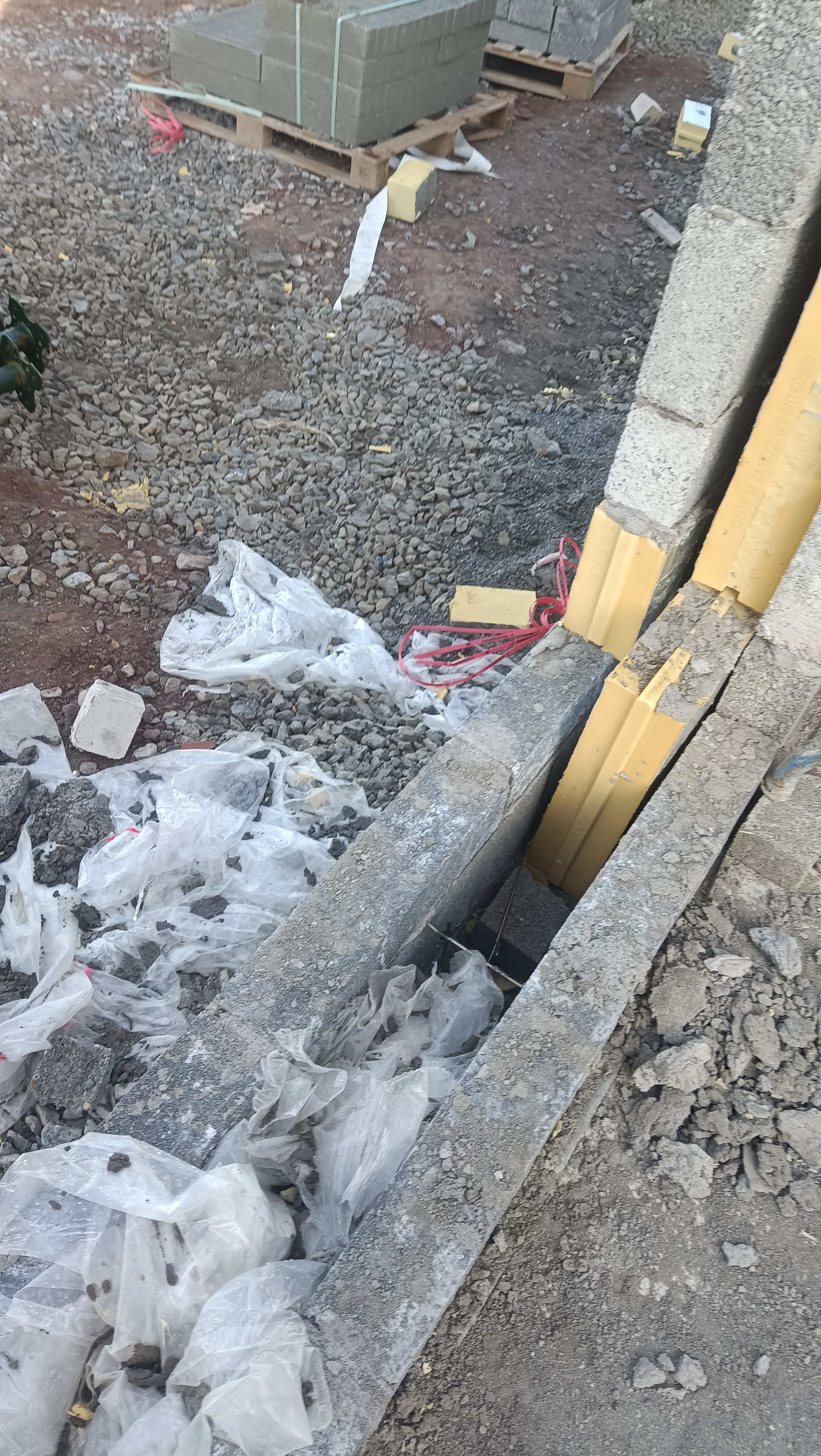
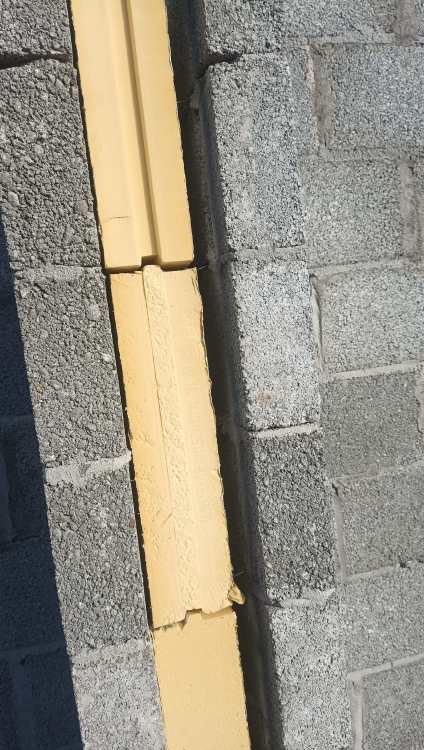
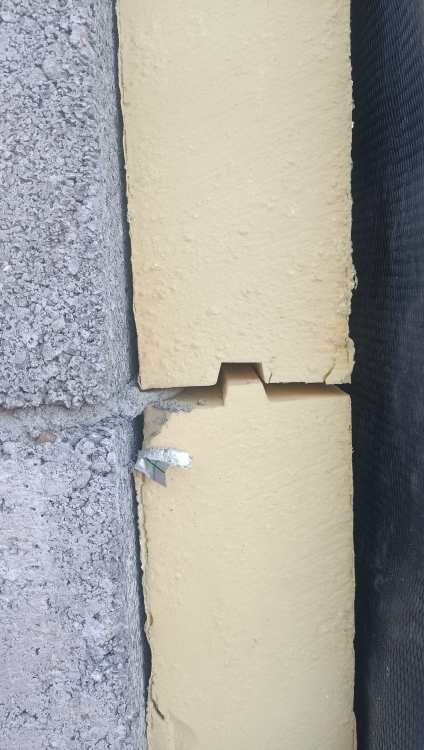
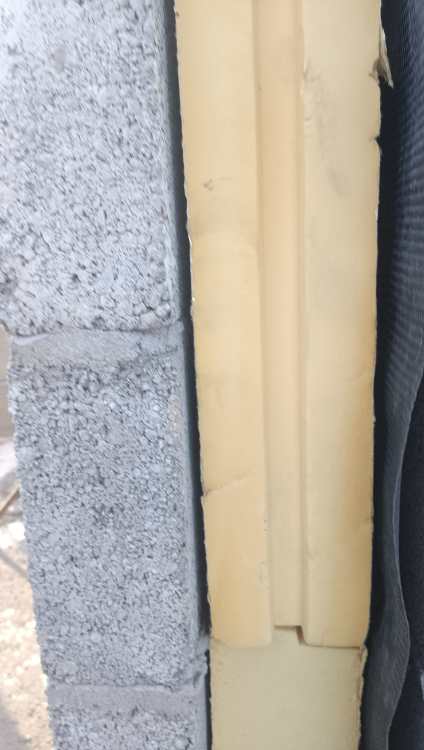
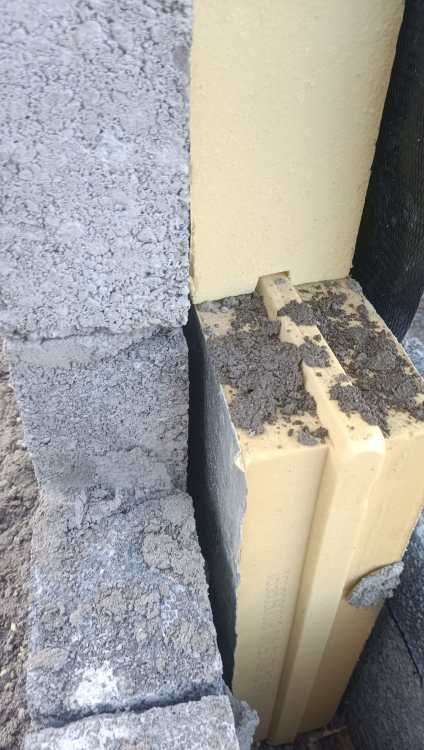
I had a look at a new site recently. Good job was done on the blockwork I thought. The PIR Was installed in the usual fashion, far far from the worst I've seen mind you. Gaps between boards, wall ties not fitting correctly, mortar droppings on the boards etc. I maintain it cannot be accomplished to a satisfactory standard in real life and shouldn't be attempted. Bonded EPS beads or mineral wool batts are far superior.

-
Premixed concrete I assume is much the same as a 3:2:1 general mix which I make up for £85/m3 or 2400kg. Bagged premix concrete is about £6/40kg at best or over 4 times dearer. I bought my ballast in a truckload though so that may not be convenient for everyone.
-
I mix a fair chunk of concrete here in a 300l tractor mixer. The mixing and filing time are the main limitations on output. It was less than half the price of that and I can do about 1m³ per HR if I'm mixing only. The this is a nice machine if you can use it as demonstrated and continually feed and pour directly into your forms. However if you want a particularly lean or strong mix I think you're stuck with what comes out of the bags. Once you need to stick a wheel barrow under the spout I think all the advantages disappear.
-
Or build it on a floating circular raft in a circular pond. You could motor it to face the sun like a flower. PHPP would love that.
-
No reason why it wouldn't work. Does it limit you to pre bagged concrete though?
-
Foundations, sewers, and inspection chambers
Iceverge replied to PeterTheCarpenter's topic in Waste & Sewerage
Unusual spec this. I'd prefer Type 1 Insulation DPM Insulation Pipes staples to insulation 100mm concrete powerfloated.- 1 reply
-
- 1
-

-
An honourable notion. I didn't even want an attic hatch. Certainly no boarding up there. Anything that ends up in the loft belongs in a skip. I would like a house suspended on weight cells that would shut off the WiFi and TV if a critical balance was exceeded. Curbing than the desire to pack every corner full with ballast. Don't mention the walls. Just touch them gently on the shoulder, glance quickly in the direction of their house before staring forlornly into their eyes and say: "I pray for you, everyday, I pray for you"
-
MVHR ? Who needs it? I don't.
Iceverge replied to ToughButterCup's topic in Mechanical Ventilation with Heat Recovery (MVHR)
Come to Ireland where people love to turn off the bathroom extractor, dry a week's washing in the living room and bolt every orifice of the envelope closed. A smoky oil boiler is fired intermittently, never long enough to warm the house but just enough to take the relative humidity below 100% momentarily to allow the air to absorb even more damp that instantly gets redeposited behind the curtains. The mould on the plaster gets so thick you can't tell where the carpet ends and the wall begins. As condensation waterfalls down the windows, the witless inhabitants phlegm cough and complain about the rain making it's way through the walls again. Give me "Luften" any day ....... -
Foams are amazing. Perhaps too hi-tech for houses in my purist opinion. However they have their applications where dumber materials won't cut the mustard.
-
Okey dokey.... Got a chance to read back through the thread. QUESTIONS! 1. What U value do you NEED? 2. What U value do you WANT? 3. Can you source blown cellulose? 4. Can you provide a cross section and plan of the attic. In an ideal world I would opt for completely pumped/blown insulation every time. Our precious humanity is to short to be wasted on chopping and breathing in insulation. Failing this complete boards of rigid insulation outside the timbers are my preference over inside. I wouldn't build another roof without a layer of rigid sheathing. Sarking boards, OSB, or woodfiber. An unsupported breather membrane is too vulnerable to rodent, bird and wind damage. We didn't sheath our roof and it's something I'd change. Airtighess is precisely one billion times more important than U value. This only works if it's planned from day Zero and easy to execute. I don't like exotica for building houses. Preferably everything should come from the local BMs. That said you may have I-joists avail locally? Anyone who mentions the word "breathable" almost certainly doesn't know what they're talking about and definitely doesn't understand it's role Vs airtightness & windtightness.
-
Closed cell foam, poured or injected into the wall outside the PIR, it should in theory expand, shove the PIR into place and make a pretty good job of airtighting the wall too. Seems to be a wonder solution to PIR board in the wall improperly fitted