
Nickfromwales
-
Posts
31390 -
Joined
-
Last visited
-
Days Won
346
Everything posted by Nickfromwales
-
You don’t need 32kW imho, but I would do W plan if you have an UVC.
-
1/17th mod rate means that the boiler will very likely never short cycle. Having a LLH pretty much ticks every box so I agree with your plumber. He sounds a good guy. ?
-
A failed immersion in an Uniq was ( still is ? ) a ‘return to base’ repair which requires complete de-plumbing and extraction. To facilitate that repair requires the purchaser to palletise, and make available the spent unit for collection. Then reverse the process when it is eventually returned. To replace those immersions requires evacuation of the PCM and heat exchanger to get to the base of the cell. To do that, the PCM cell needs to be broken apart where it was once welded together prior to filling with PCM, evacuating the PCM and removal of the heat exchangers / thermistor string etc. A very involved process which is a non 3rd party option at ‘home’. The SAPV’s are serviceable at least, as I’ve done many repairs on them to date. Charming! ? If you post a pic of your unit with the lid off I can use my own way back machine to advise you on the job. Iirc I set up a couple of flexible hoses to flush all the crap out of the pipework and heat exchangers but a memory refresh would help if you can facilitate the above?
-

After 7 years ; moving in ….
Nickfromwales replied to Pocster's topic in General Self Build & DIY Discussion
NO!! The nation needs closure on that journey, and you're the only one who can run across the finish line with that baton in hand. -
Why didn't SA recommend you a service / repair agent?
-
In a Uniq the immersion has been made captive, so if that goes you’re completely Donald Ducked.
-
This is a Sunamp PV not an Uniq being discussed. The charge circuit fir the SAPV is a wet heating loop with that little immersion heater in-line. The pump speed was made variable to get the high temp flow up to a point it effectively melted the PCM, but fast enough to not allow it to kettle. The Y strainer which gathered crud in a pot the size of a thimble, and the combination of flow rates / temps / hard water issues saw these “terminally ill” from the get-go sadly, so the softer your water the longer it gets to live. I don’t know of anyone who had routinely serviced this Y strainer, to free it up from crud, but the ones I went out to after they’d failed were blocked solid and had cooked the immersion. Most were replaced FOC with an Uniq at that point.
-
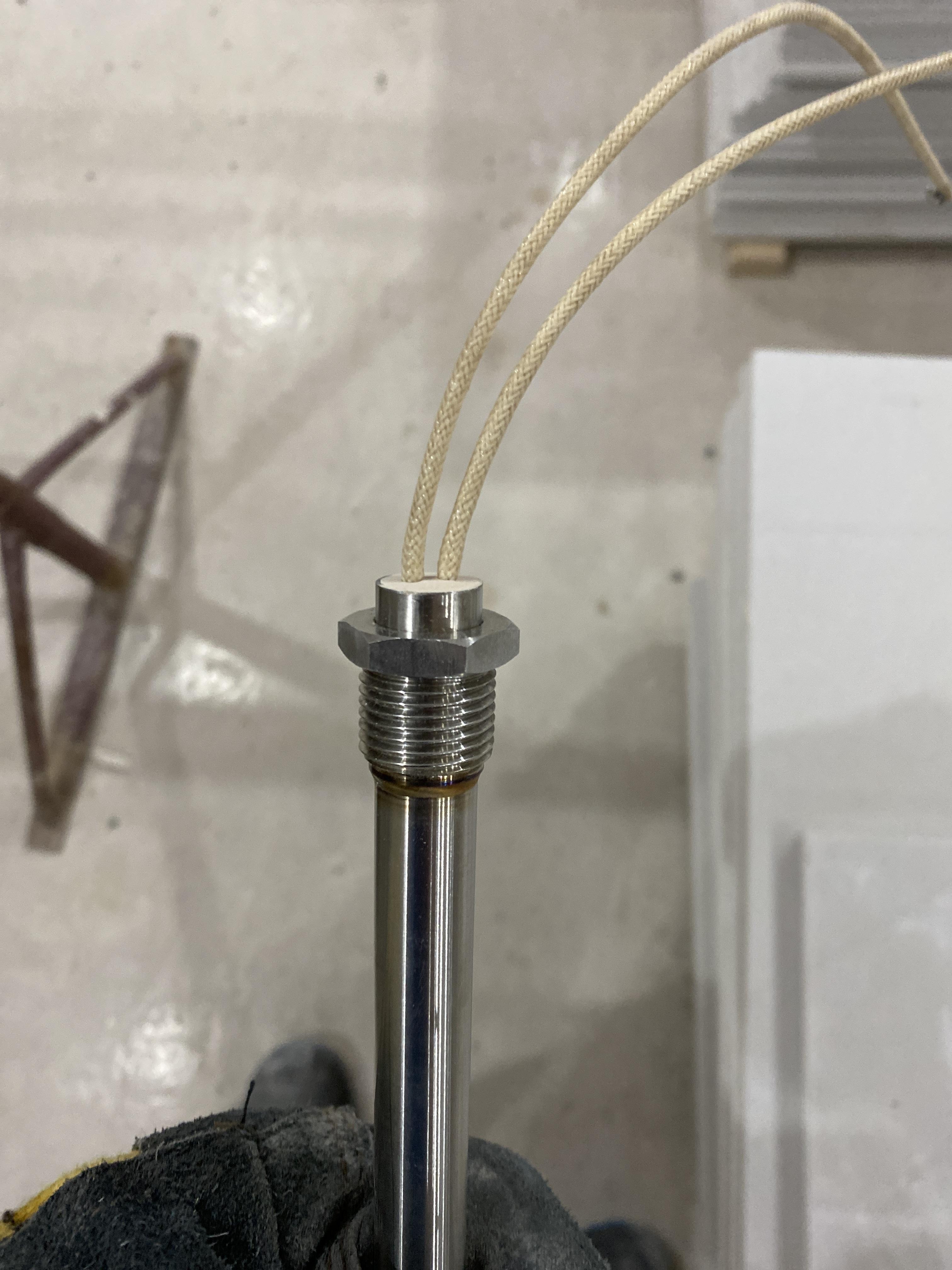
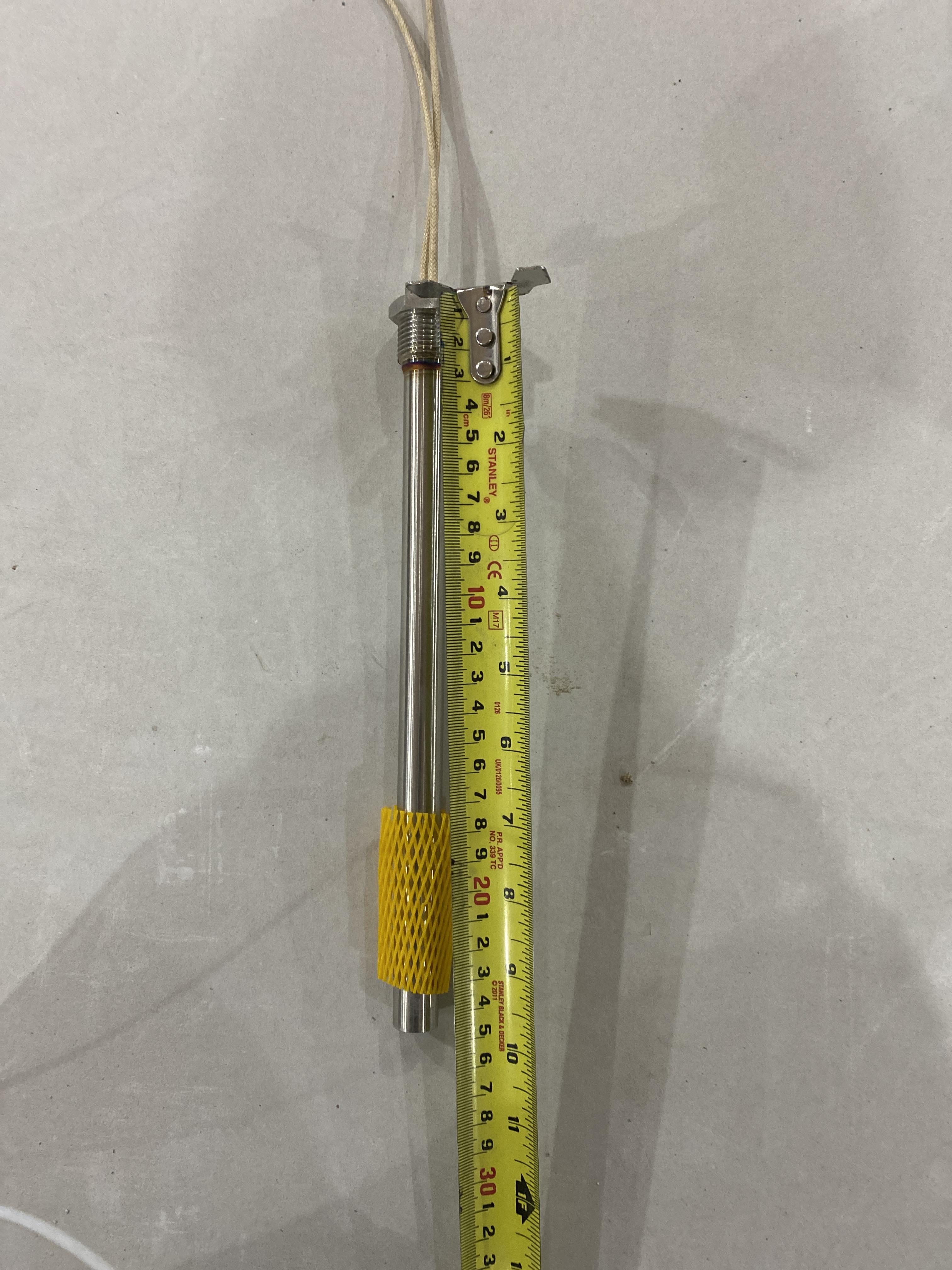
I’ll measure up later, as I’ve just put it back away in the depths of the van aka Aladdins cave. ? Ill try it into an 1/2” BSP fitting tomorrow as iirc that’s what it was screwed into.
-
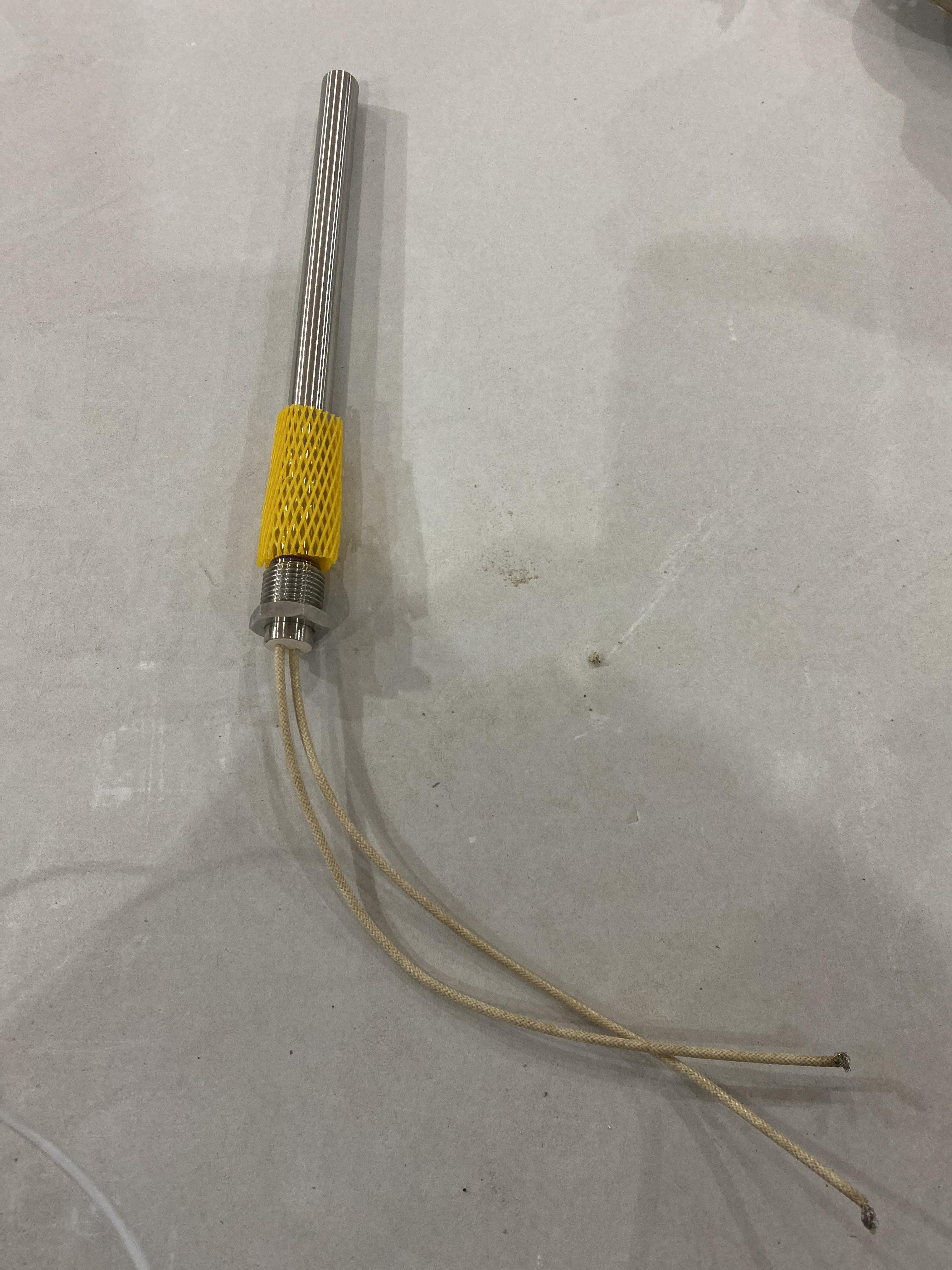
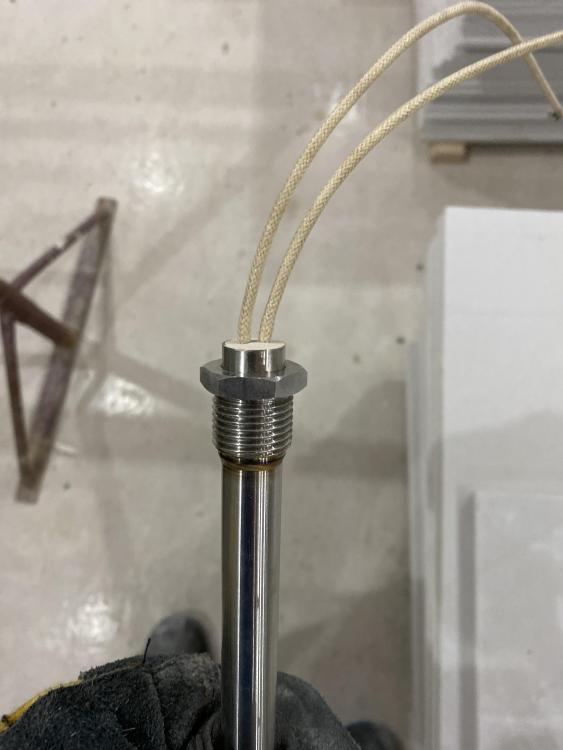
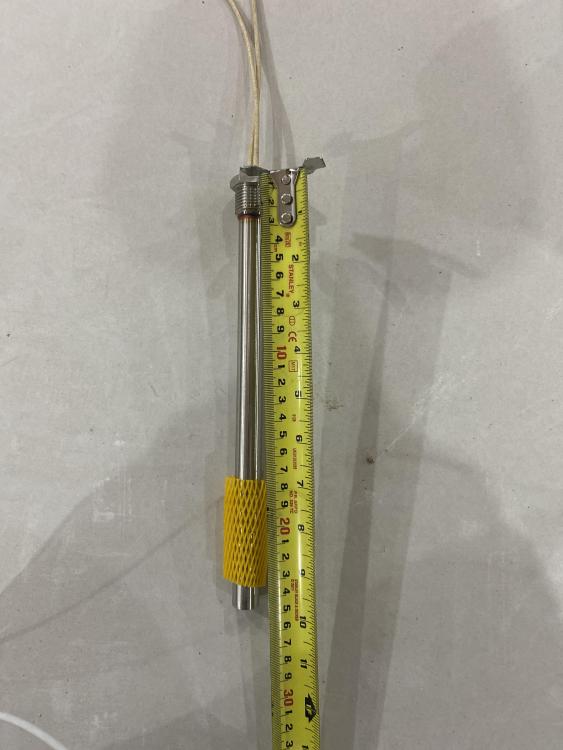
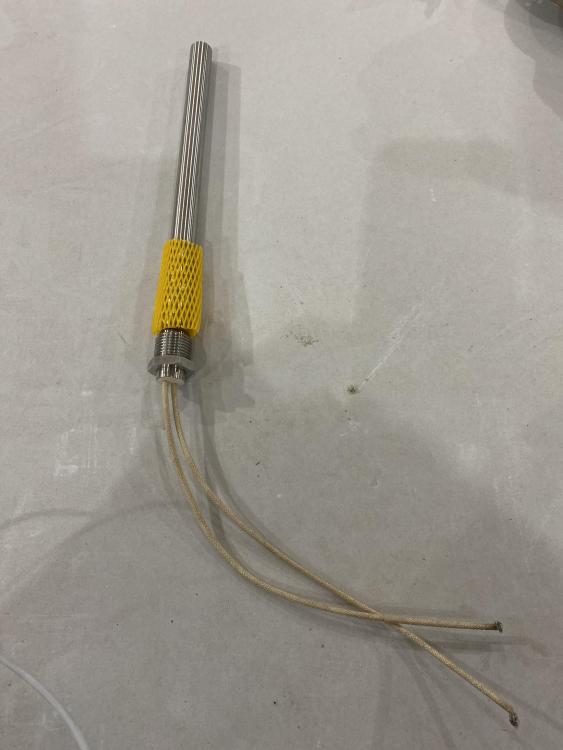
Phone was not letting me put all pics in one post. That’s a replacement one BNIB, that I had off Sunamp when I was replacing these in failed units. Just checked in packaging and on element itself but no markings / reference sorry. That’s what it looks like FYI. Hope that helps. Yellow sleeve just protects the threads in transit.
-
-
-
"re-pressurise"
-
Given that they ( typically ) would be anyway, via the undercuts at the foot of each door, the question would be about the merits of making that happen higher up the wall. I cannot see any merit IMO, due to the low flow rates vs the reasonable concentration of 'rising heat' at that location. Trade-off would be sound / noise / cross-talk from the rooms may be worse with the wall vents, and I personally would not want to spoil the look of the walls with the grilles. One member here ( IIRC ) created throughput for airflow at the heads of the doors by making a gap that was hidden by the header of the architrave. That seemed a better option, in general, vs the 10mm exaggerated gap at the foot of each door, but again I'd fear sound bouncing off the ceiling being taken in more by the higher level openings.
-
Even in safety zones, I would use additional cation as to where these ( SWA ) cables are run eg to avoid any likelihood of someone hanging up a signed picture of Tony Blair for darts night.
-
pmsl. ….nearly choked on my Worthers original. It may only open the gate part way for you….?
-
ASHP/MVHR hack sanity check
Nickfromwales replied to Simon R's topic in Air Source Heat Pumps (ASHP)
And the conflict of fan speeds? -
@pocster's ideal date.......
-
You cannot just run these DC cables as you wish. These things are the most dangerous cables in the house. Regs, and your insurance ( and any chance of getting a retro-fit PV install signed off ) will rely on you doing this to the letter, photographing it for downstream evidence, and following the rule-book to the letter.
-
For the flash people out there, the Lewden offering could be in a box made from cement board and covered i sacrificial brick slips, which could be 'dismantled' if the socket ever failed.
-
Stop being lazy and post a link then ?
-
We just run 2-core SWA and terminate to the DC singles at each end with rotary isolators. That's just to get a means of converting from cable type to cable type.
-
Unswitched, but robust and compact. https://www.tlc-direct.co.uk/Products/LDPD1322SAM.html?source=adwords&ad_position=&ad_id=415703895099&placement=&kw=&network=u&matchtype=&ad_type=&product_id=LDPD1322SAM&product_partition_id=940253954358&campaign=shopping_excluded&version=finalurl_v3&gclid=CjwKCAiAvriMBhAuEiwA8Cs5lQm3MV0K5kiDXv83n7toxfiQqwNqt4zRjkvnwP-i685q96uQHPvTzRoCTb8QAvD_BwE Bury in as you feel appropriate.
-
Cost benefit is one thing. My 2 cents is who would want these things in this day and age? Coarse and indiscriminate and usually throw the majority of their heat out when you don't want it, and have little useful sustain for when you do. For the size of footprint, larger radiators with an ASHP is a no-brainer, sorry. CoP of 2.5-3 should be reasonable, so not far off the cost of natural gas to run, or less in off-peak periods.
-
ASHP/MVHR hack sanity check
Nickfromwales replied to Simon R's topic in Air Source Heat Pumps (ASHP)
Eh? The ashp inside? Or have I had one bottle of Shipyard too many? -
Calculating number of clip rails for UFH
Nickfromwales replied to Conor's topic in Underfloor Heating
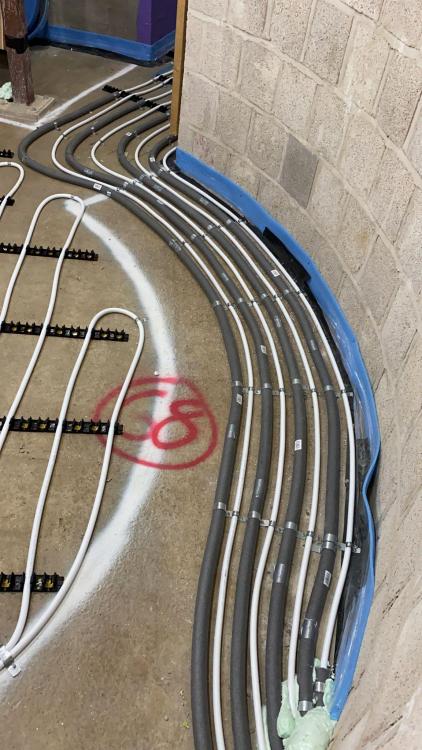
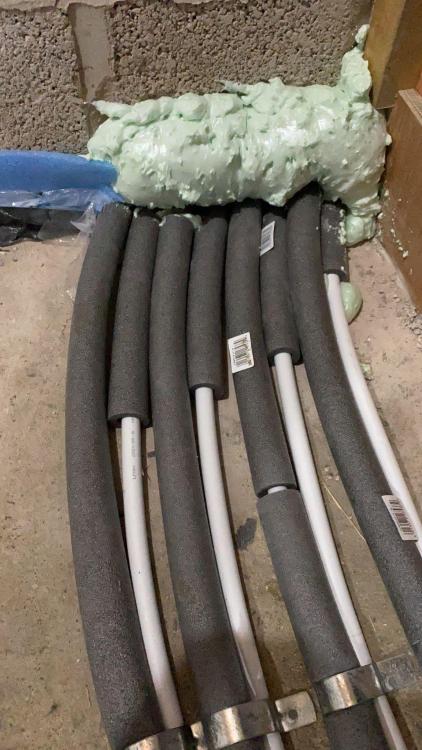
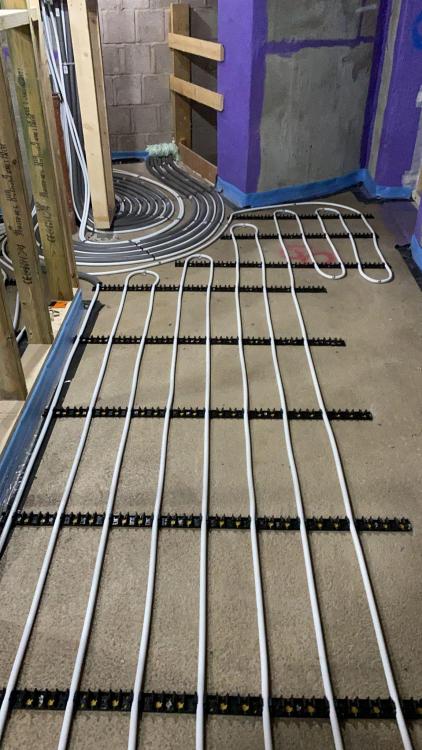
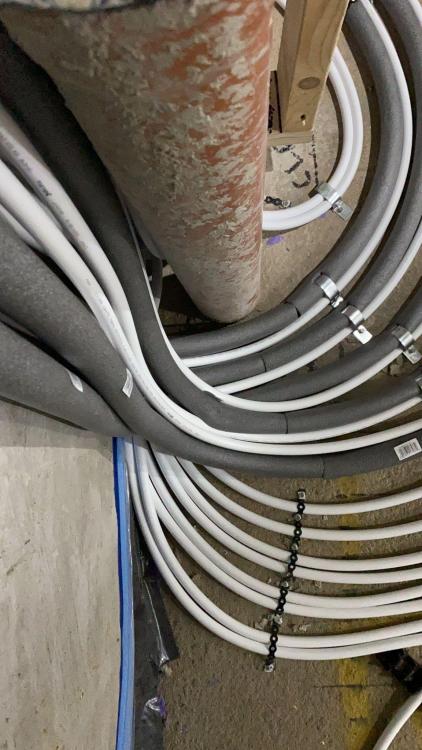
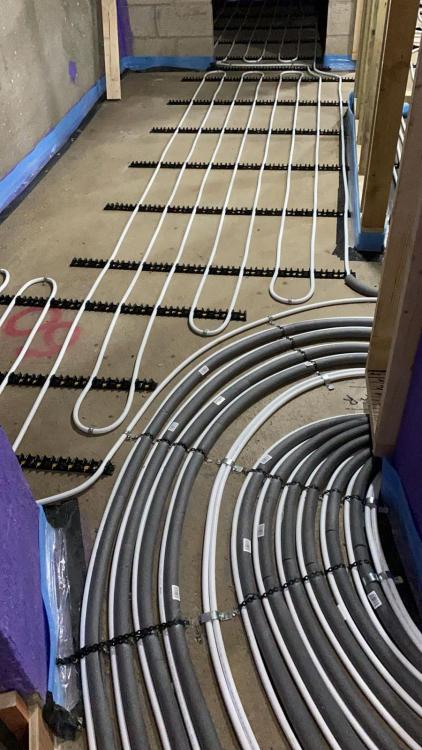
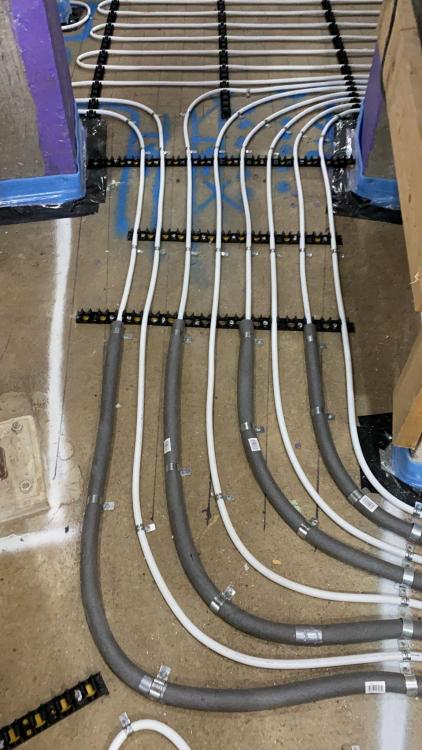
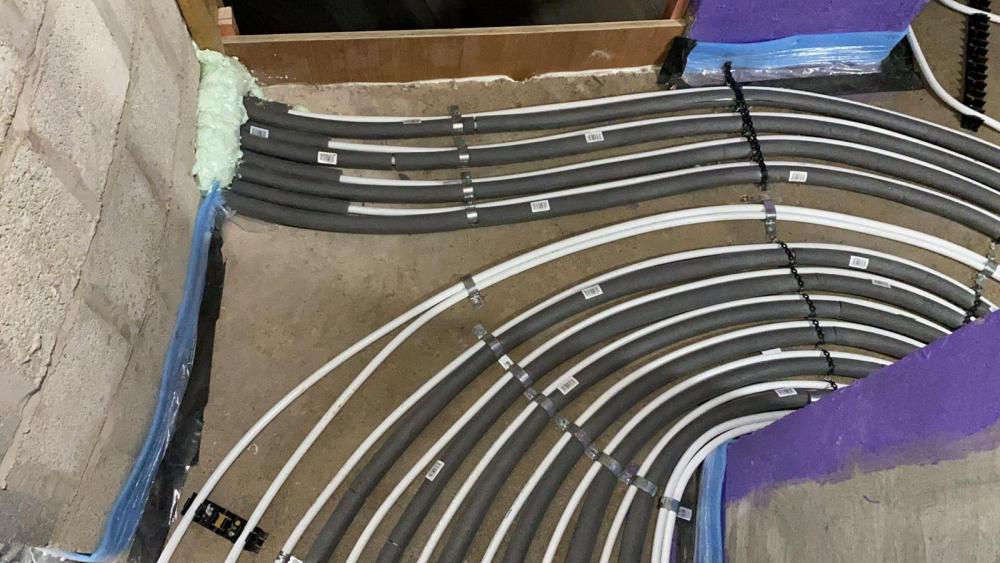
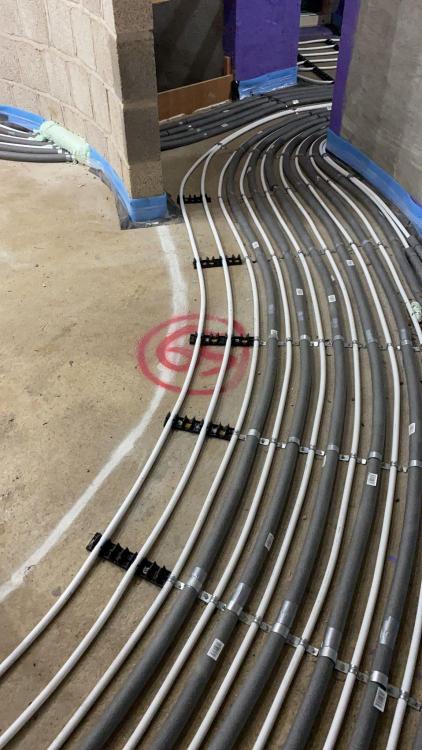
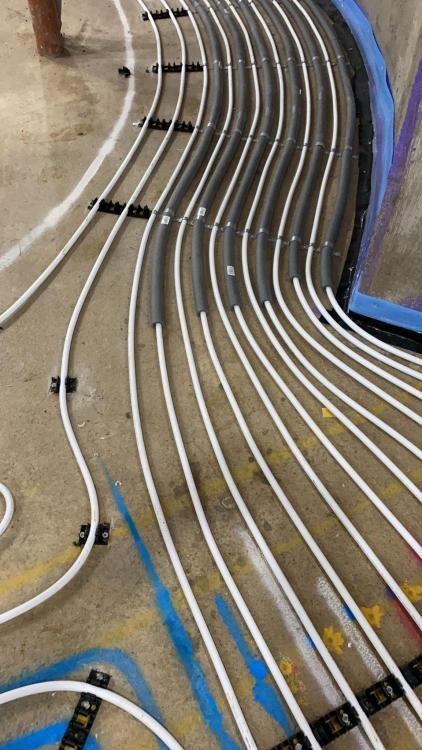
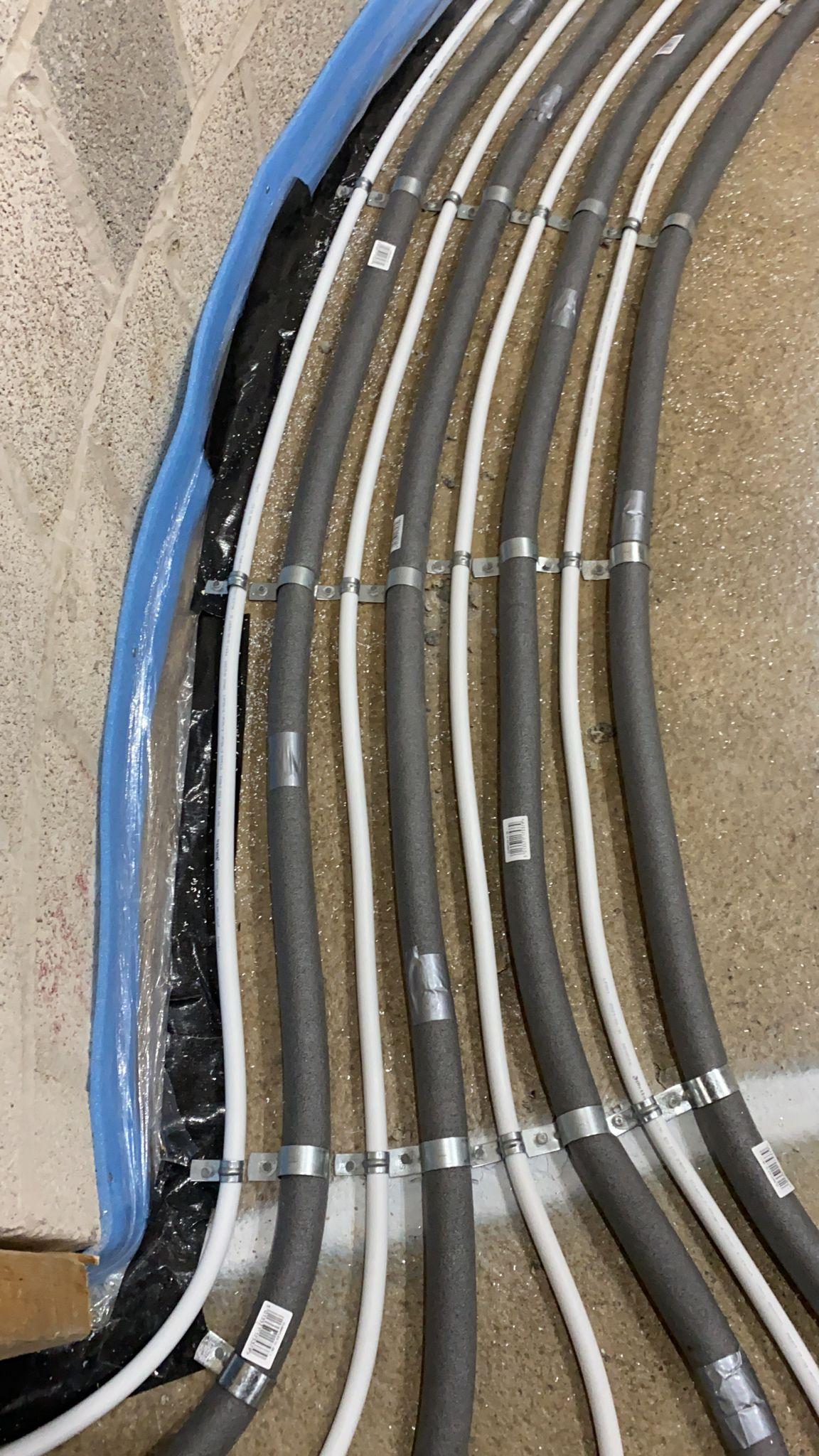
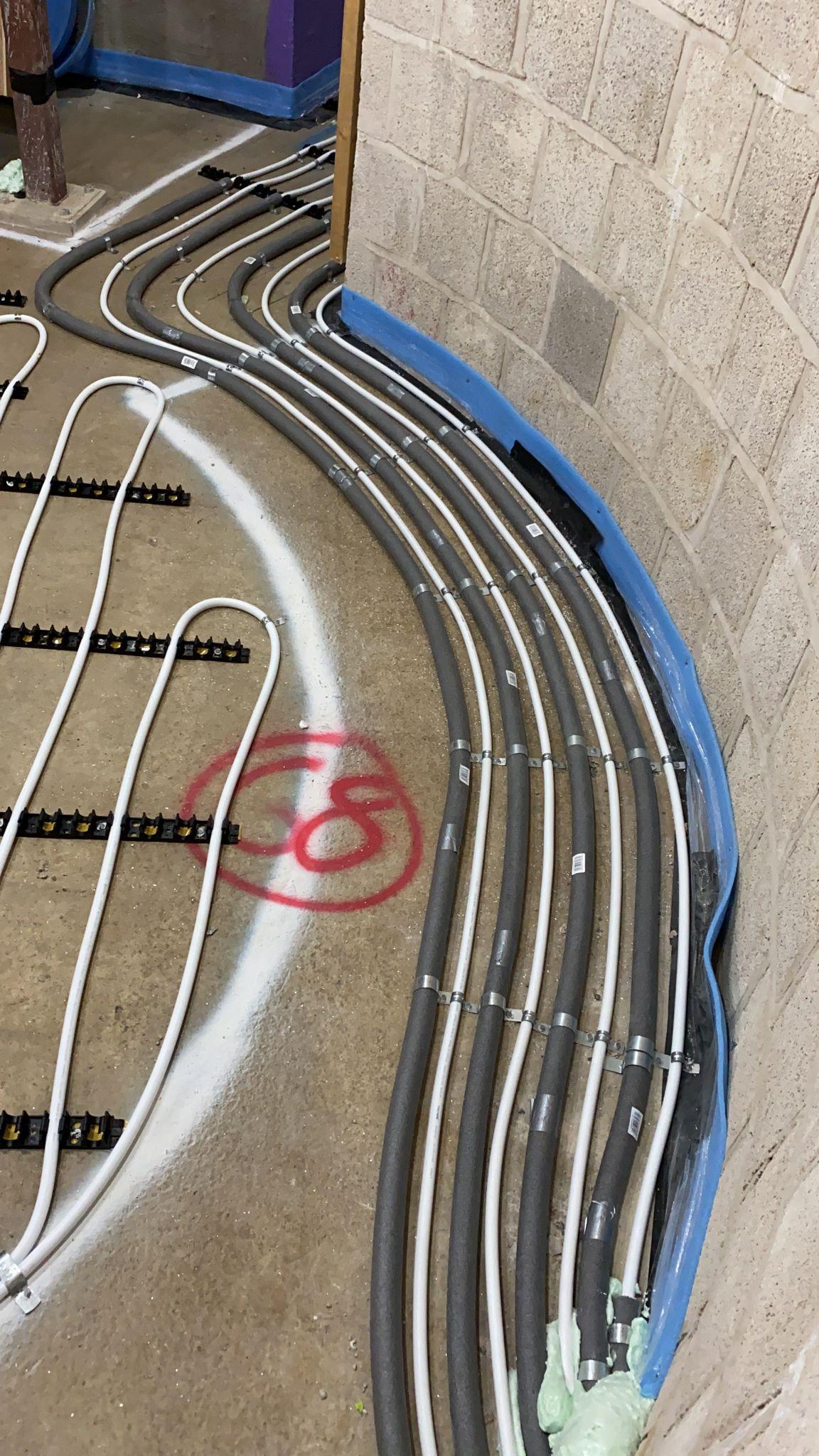
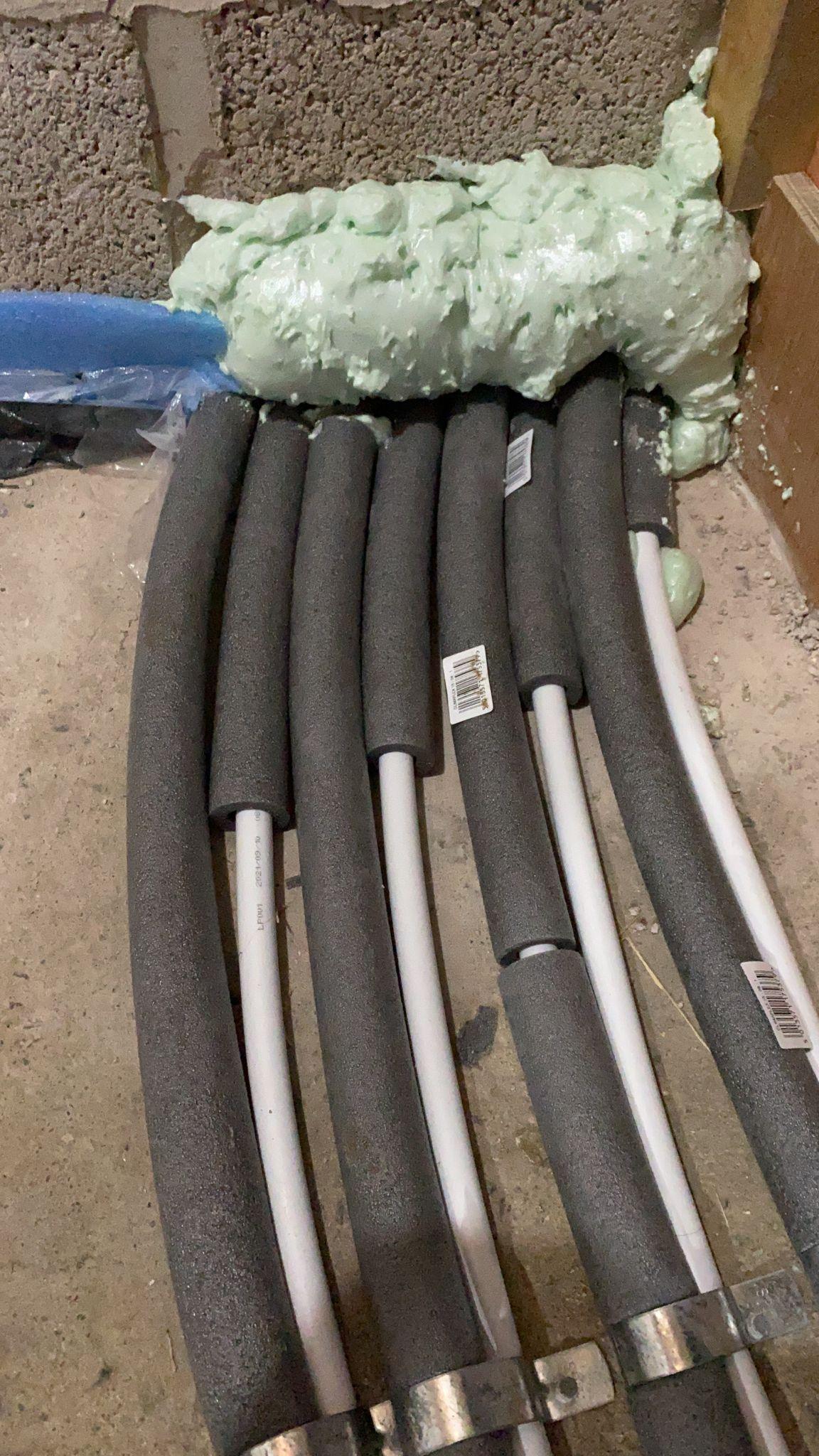
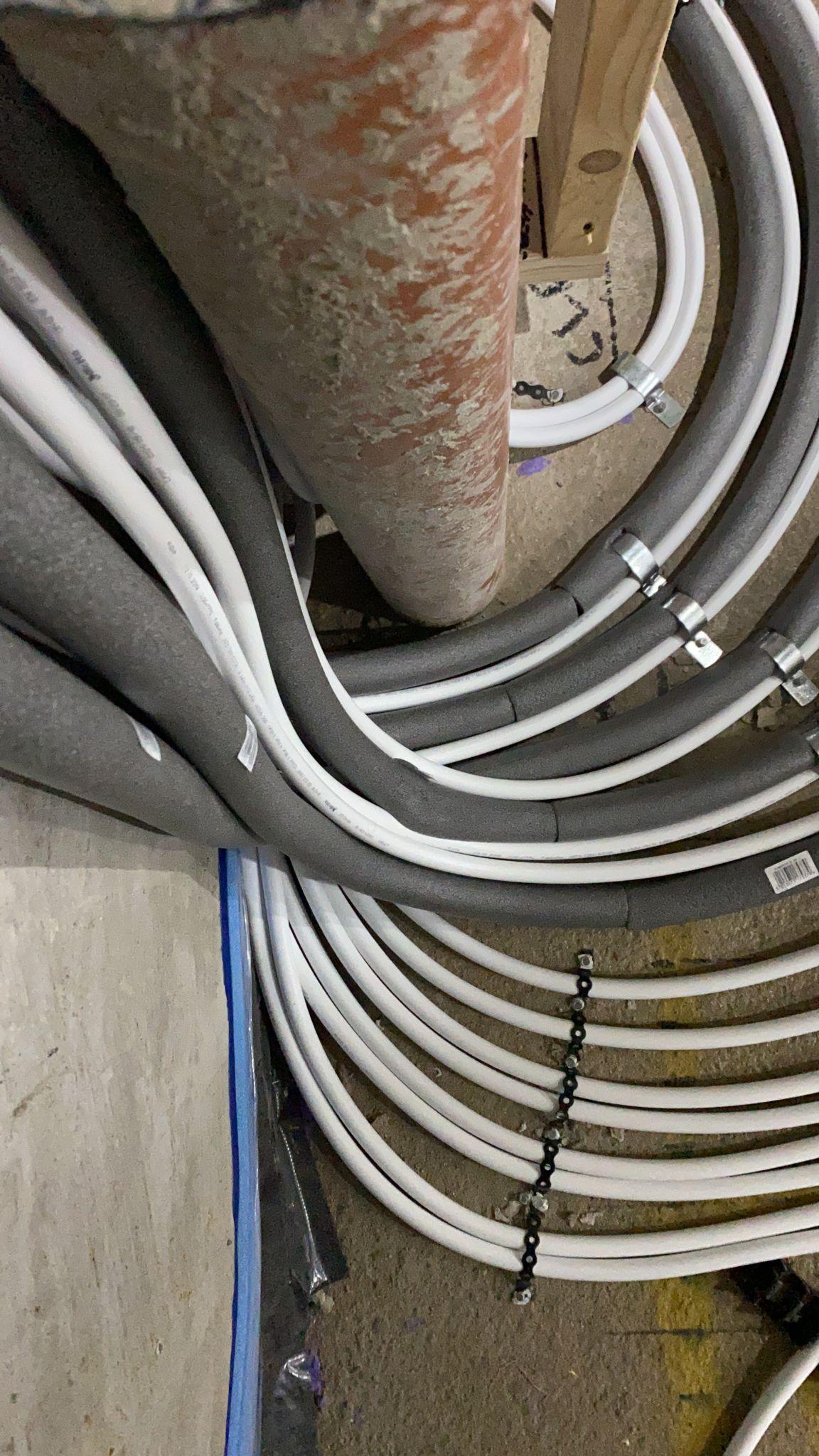
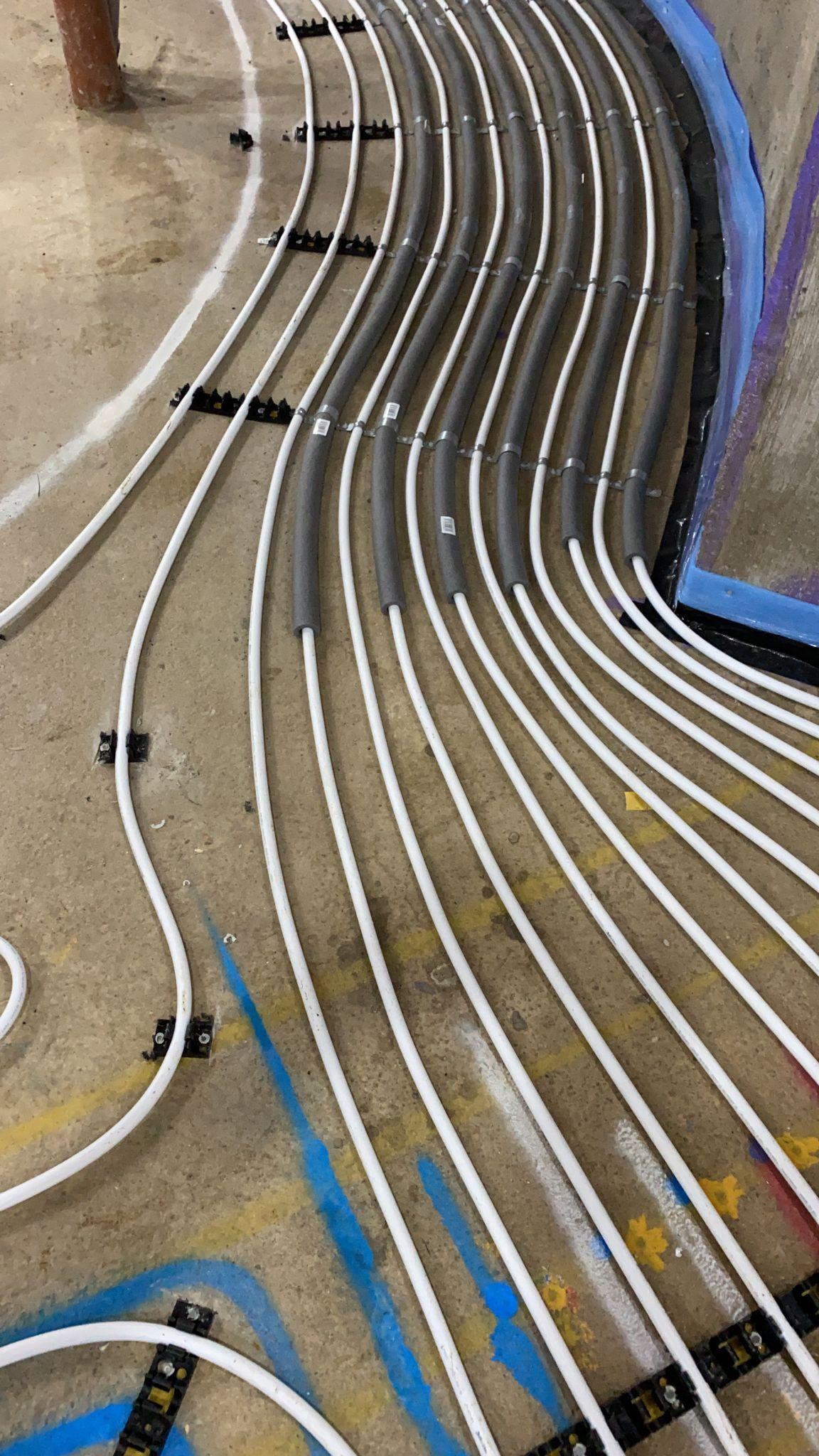
With PH it’s very much academic to look at ‘hot-spots’ as the flow temps and room temps delta are ridiculously close together, but even with my current job which will smash PH I still had to follow my heart and isolate the longest runs ( with Insulaton ) to preserve the temps at point of origin to the rooms / zones that it was to service. For clarity, Flow pipes only were insulated.