
Nickfromwales
-
Posts
31381 -
Joined
-
Last visited
-
Days Won
346
Everything posted by Nickfromwales
-
Loose:
-
Done lots of these where the raft went on to piles, very quick and simple to do, again with an SE who gets down to business and takes control of the BCO. SE overrules BCO btw, so be careful where you take input and instruction from as some just seem to always err on the side of caution, often costing you more £xxxx. Geotechnical surveys are a must, and I always recommend getting independents in for this, so the aforementioned finger can be pointed at whomever was responsible for that specific element. Each to their own afaic. Defo the right option there! The number of doors and windows packages that we've had to sort out and iron out wrinkles with is simply staggering, all the way down to removing completely doors and windows that have been installed, to do them again (properly) at the clients cost/request when I've pointed out the faux-pas. Folk may say this can't possibly still be happening in this day and age, yes it bloody well is!! Not so sure that's true tbh. Gaps are below the DPM, if any, and the installer should be using the U-pins to secure everything in place. I think this one is down to the individual experience of the installer/groundworkers, not the type of system, sorry. Often a lot of self builders see something progressing, with a big smile on their faces, and think it's all going well. Then someone in the trade arrives and says "that's not been done properly, tell them to do it again". Often that's a conversation I have to have, but still hate seeing the look on peoples faces when they get the news. There's lots of good people out there, it's just hard to discover them is my direst experience, ask me how I know...
-
Yes, they seem to not like the friction of self-builders being 'involved', and prefer to just come in, whack the rubber stamp into the ink, and smack it down onto the paper, then leave asap. Nothing wrong with that as it's a fast and profitable business model, just non-sympathetic to the self-builder who wants to make material and fabric choices beyond the typical comfort zones that these folk have come to enjoy. They we're near impossible to talk to when looking to change from a crappy B&B foundation to a raft, with details and proposals for input air for a WBS (I convinced the client to ditch the WBS eventually, but the journey was difficult to bring in any such changes; more so to my disbelief as they we're not doing the founds for this particular client due to "difficult" grounds conditions on a sloping site!). My founds guy and my favourite SE seem to take these things in their stride, so it's down to GAF and a bit of tenacity IMHO, to raise the bar and get the client something better, hopefully for the same money (or less as of recent experience). Also have a great architect to reach out to which oils the cogs massively; have met some clueless and even obtuse ones along the way, and they've been flushed and replaced. I've gone through the filter with a number of TF suppliers/erectors and that's taken a long time to do, to see the good/bad/ugly, and the excellent, same with ICF, but for self-builders they need to get it right 1st time so a bit difficult when you only have one roll of the dice and then you're left with what you're left with. Research, research, research, but you don't know what you don't know, and I've been around long enough with these types of projects to see 1st hand what a good project looks like. PM me if you want some details for the good ones .
-
Loose: Tight:
-
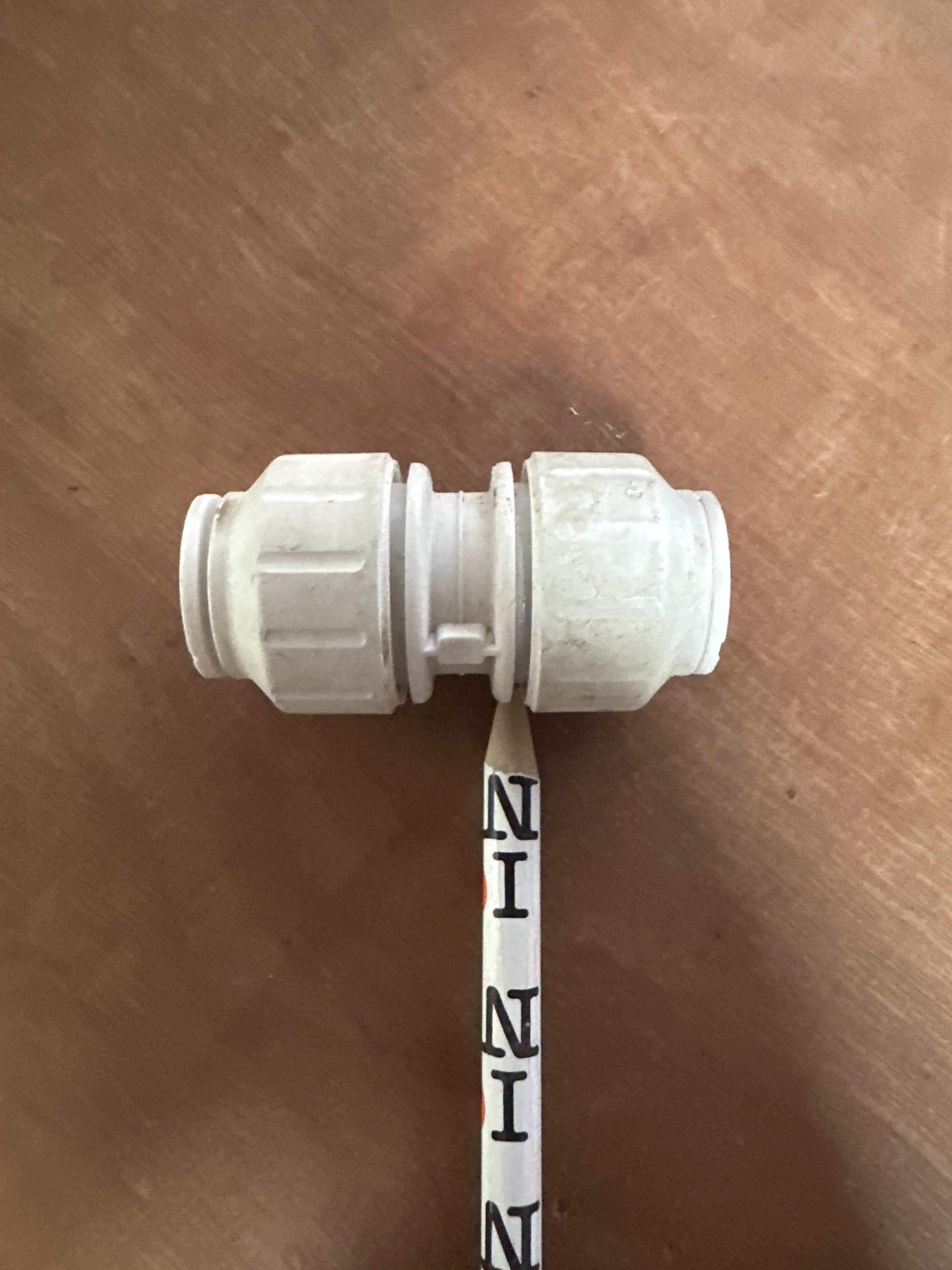
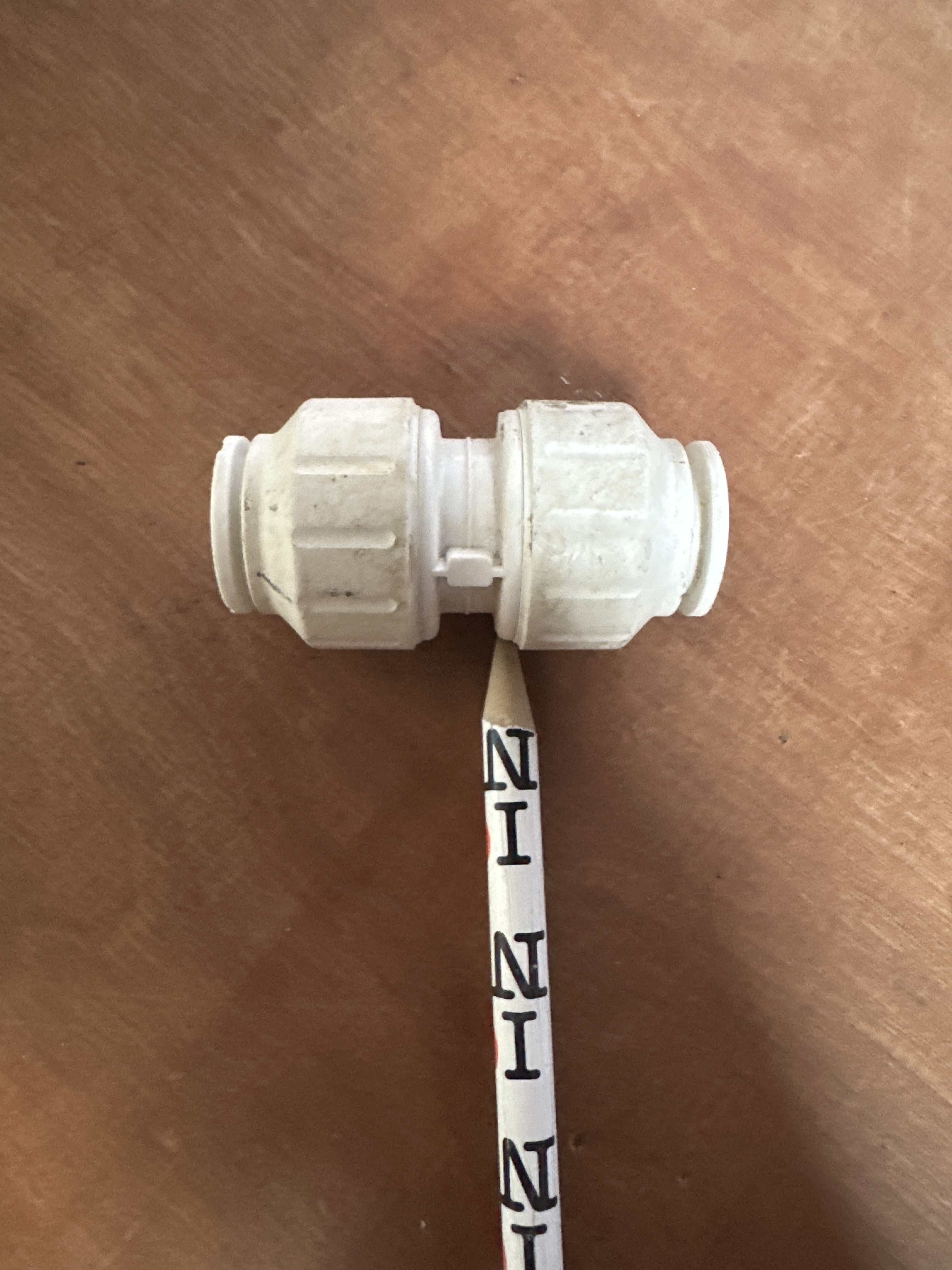
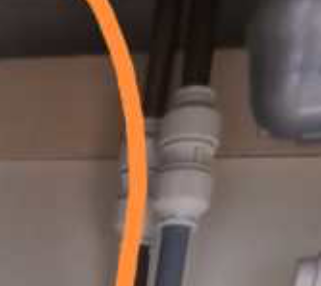
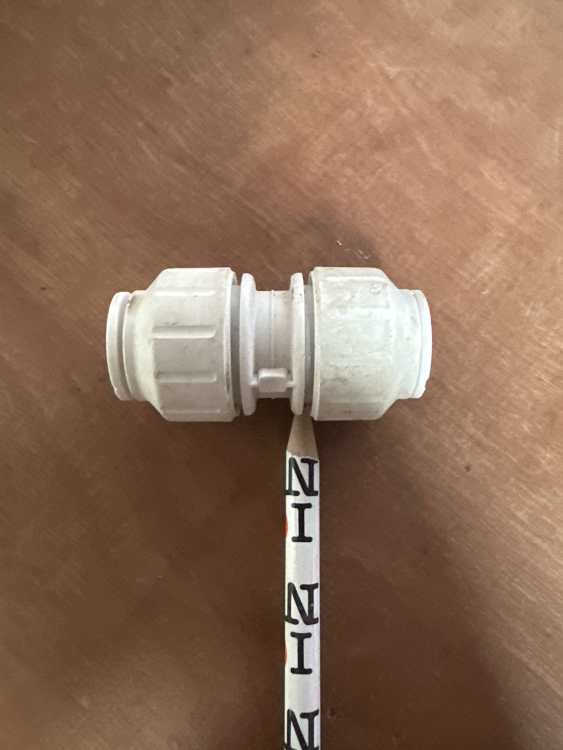
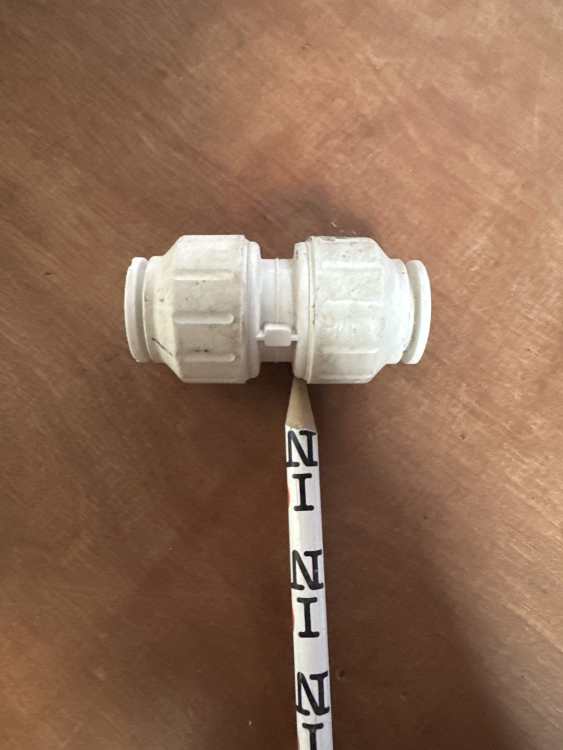
Yup. JG invented a fitting which slowly undoes itself over time.....when installed without the clips @Gone West refers to. The shroud around the fitting, the twist-to-lock piece should be closed tight to the body of the fitting eg no gaps as you see top & bottom in the OP's pic.
-
I've not seen, literally even ONE, installer/plumber EVER fit them. Most merchants look sideways at you when you ask for them....and you always hear "never been asked for them so we'd have to get them in for you..."
-
Good, so you're not got the very worst of problems there to be honest. I defo think an accumulator, and no pump, would get you over the line. Pumps add ballache, and need replacing, so KISS imho. Remember, if you want super-fast flow rates and a shower which exfoliates you then that potential has to come from somewhere. My 2 cents is be happy with a sufficient shower experience, ditch the pump idea, and just go for the uplift that a 300L acc'r will provide. I have had fantastic results adding a simple 300L or 500L acc'r into a domestic residence, and swear by them. The good news is you can fit the acc'r and trial it, see how that goes, and then add the pump set retrospectively if you think you need it. I'd say 99% sure that you don't/won't
-

Multipipe Maxima FM 16-port manifold (..and 13, 14, & 15)
Nickfromwales replied to mikeysoft's topic in Underfloor Heating
It is, but if that means longer runs to satellite loops/zones, it makes zero sense. They should state that the loops, can be 120m, if the pump potential is suitably increased, but then you have to balance it all down and risk the temp of the delivered water to the furthest zone being reduced over distance. I had to put right a design from Nu-heat in a £4m house which had a double-decker manifold doing 17 loops, the one I stated had 31 in total, and getting the heat and flow balanced out was a total PITA; to the point that NH stated that they were only in for supply and fit of the pipe and manifold, and the rest was someone else's problem....ffs. If nobody has a polished scrotum, don't invent a scrotum polisher FYI, these are the pump sets I use for all my clients projects: https://underfloorparts.co.uk/product/ivar-uni-mix-underfloor-heating-ufh-pump-mixing-kit-underfloor-heating-manifold-control-unimix/ -
Multipipe Maxima FM 16-port manifold (..and 13, 14, & 15)
Nickfromwales replied to mikeysoft's topic in Underfloor Heating
Same with any manifold from 2 ports upwards. -
Multipipe Maxima FM 16-port manifold (..and 13, 14, & 15)
Nickfromwales replied to mikeysoft's topic in Underfloor Heating
Thanks for the additional detail. Respectfully, I think they're talking bollocks. I've been installing CH/UFH for decades, and every single manifold I have ever seen has a 1" inlet, this is in absolutely zero way any type of innovation. My issue is, unless you put a monster pump onto this monster manifold, to deal with the uplift in hydraulic resistance, then you're going nowhere fast, literally. -
Get some 60 grit sandpaper and sand the pipe so the rubber seal can grab onto a roughened surface vs the shiny surface it's currently trying (poorly) to cling on to. Sand around the diameter, not up and down the pipe, as you want 'rings' of scratches so the seal can bite into them. Oh, and tighten up the two John Guest Speedfit fittings in the background. Righty-tighty, as they're both nearly fully undone! JG stuff sucks badly.
-
I used Stairpartsdirect for a project in Leicester, for a very nice oak staircase for a clients build, and they provided a great turnkey service including all the glass procured local to the job and delivered to site. If you give them some dimensions etc they will do a 3D render for you. Other stair providers are available...
-
Multipipe Maxima FM 16-port manifold (..and 13, 14, & 15)
Nickfromwales replied to mikeysoft's topic in Underfloor Heating
It's not bonkers at all afaic. 12's average £300? It could be a big house, I've done houses where we've have 31 ports of UFH. I agree it may be beneficial to have the property split over 2 manifolds to make sure the max runs are <100m, but until we see plans and floor layouts, we cannot possibly comment. So @mikeysoft, me old china mug, lets have some more info please, and possibly some floor plans, then we can stay up and fight. -
Leak coming in around roof light EPDM issue
Nickfromwales replied to nmh's topic in Roofing, Tiling & Slating
A bodge with a very short life expectancy at that! Terrible advice. @nmh You could just bond some offset PVC trim LINK to the flat of that aluminium profile to act like a skirt, and that will stop the leak. Use clear CT1 and take a load of pics to show prospective new roofer(s). Wait until dry weather and get it sorted properly. Looks like a mash of profiles and thicknesses, where the wood should have not been recessed in under the aluminium, as that has made for a very difficult detail for the roofer (on his mothers side) to get right.... -
These sound like a huge step towards managing the trapped humidity, but also via extraction fans where you know you're getting unwanted levels. The rust on that steel is zero problem, seen way worse than that and they've been in for a half century! Scrub, apply the rust convertor, and live a long happy life.
-
You defo need the stairs in first, so it can be mechanically fixed to the fabric of the property. You ask the carpenter to space the stringers to the required spec, so the plasterboard doesn't then accidentally finish flush with the stringers. Are these block walls?
-
You may not need a pump, and I’d avoid installing one with every fibre of my being. A lot of the plumbing would need to be altered to suit, needs a lot of planning / survey etc, and I’d need to know the static and dynamic pressure and flow rates you have there now before advising you on what kit to fit. Lots of people have these fitted and don’t get an improvement, because they’ve overlooked vital stages etc.
-
Ideal drainage pipe gradient advice needed.
Nickfromwales replied to SteeVeeDee's topic in Waste & Sewerage
Cold beer and lay-ins -
You're steaming on fella! Great progress.
-
A standard pine architrave will allow you to butt the PB to it and skim, with a bit of architrave still showing, just ask the plasterer to thin it out there. Yes it does, you move the hinge forward and re-drill the screw holes, just add glue and some pins where the hinges will be to stop the new bit of wood parting ways with the original. Sand off the paint when you go to glue wood to wood, or it'll just pop off and take the last layer of paint with it.
-
Could this be the cause of our noisy heating system?
Nickfromwales replied to Beau's topic in Air Source Heat Pumps (ASHP)
Were they paid for a full, brand new install, or did they reuse some/all of the existing stuff? If you know 100% that they knowingly used damaged pipes then call them back to cut the sections out and renew them. Can't say that would be the cause of noisy rads, but I also can't say it's not.....probably more down to balancing tbh. -
FF to round 1:45 mins in, and ignore the car chat! These guys do a detailed vid of installing the EDPM roof here and this is a good watch, shows sequence from start to finish.
-
Drilling hole through existing foundation
Nickfromwales replied to LSB's topic in General Construction Issues
You weren't swearing hard enough, obvs.... 🙄 -
Defo not the norm, and usually on a kicker course of engineering bricks and Marmox breakers. I noted the low noggins, to catch the tail end of the plasterboards I assume(d), so thought they had this in check somehow.....we gotta pick our battles
-
Yes, that fitting will do as long as stated the pan connector will go into it and be low enough to get onto the pan. Or, you just put that piece of pipe back in, cut it to leave 60mm of stub, and then glue on the one I posted. re 1300mm, see me last