


Temp
-
Posts
10690 -
Joined
-
Last visited
-
Days Won
43
Everything posted by Temp
-
This exact situation is used as an example here... https://www.taxinsider.co.uk/wrong-vat-shown-on-invoices-what-happens-next
-
Arrange for the WiFi stat to be powered off the regular mains and switch a relay coil. Have the relay contacts switch the output of the PV diverter to the immersion heater.
-
They don't appear to be adjustable so wont point downwards so there would be a lot of glare.
-
One option might be perimeter lighting using LED strips pointing up towards the opposite ceiling pitch. Make the whole ceiling glow.
-
There are some adjustable LED downlights designed for small voids but you will have to search and check the void depth required. The specified void depth normally includes the plasterboard layer but check. Just one example Google found.. https://www.nationallighting.co.uk/nitropro-tri-wattage-360-recessed-fire-rated-4cct-8w-led-downlight-dimmable-ip44-matt-white?vat=1&gad_source=1&gclid=EAIaIQobChMI-I2y5sDghwMVJZdQBh0AIwcCEAQYAiABEgIHK_D_BwE Min void for that one is 45mm so would need 33mm battens and 12mm plasterboard. Get RGB colour controllable will be harder but.. https://www.lightingstyles.co.uk/adjustable-cct-fire-rated-led-downlight---bathroom-suitable but colour not fully adjustable. Just cool to warm. again 45mm void. If already battened can you add another layer of battens?
-
brick slips Brick slip companies
Temp replied to John Keith's topic in New House & Self Build Design
Have you tried this place... https://brickslips.co.uk/?gad_source=1&gclid=EAIaIQobChMI582skb_ghwMVZYxQBh1S7jKwEAAYAiAAEgKipvD_BwE I think the market for brick slips is a lot smaller in the UK than in Europe. We lived in Belgium for some years and saw several houses getting EWI and brick slips. I think their VAT system encourages this sort of renovation. When I looked at slips back in 2005 for a house in the UK I was told most slips in the UK are made by cutting bricks which is obviously horribly expensive and wasteful. Since we import a lot of bricks it might be worth trying some EU based companies or the UK arm of an EU company that manufacture rather than cut slips. https://www.wienerberger.co.uk/products/facades/manufactured-extruded-brick-slips.html?campaign=19635358725&content=646924808837&keyword=brick slips outside&campaign=Manufactured_Brick_Slips_HP&content=646924808837&keyword=brick slips outside&gad_source=1&gclid=EAIaIQobChMItNOq1bzghwMVo5CDBx0v4AsgEAAYASAAEgLJBvD_BwE https://www.ibstock.co.uk/products/facade-systems/brick-slips?gad_source=1&gclid=EAIaIQobChMI582skb_ghwMVZYxQBh1S7jKwEAAYAyAAEgJGqfD_BwE I suspect they won't talk direct so try asking about distributors? If really keen perhaps take a trip to the Bati Bouw exhibition in Brussels next February. Likely to be reps there from many of the European Brick manufacturers. May Belgians and French self builders take their house plans to the show. Not much info on the show yet but the site is here.. https://www.batibouw.com/en It's a massive show over 13 halls. Needs a full day to get around if you have a lot of interests. Possibly 2 days! Last time we went they had demonstrations of different construction techniques for things like solid first floors. -
Fan bearing replacement on LG Therma V ASHP
Temp replied to ProDave's topic in Air Source Heat Pumps (ASHP)
https://www.abf.store/s/en/bearings/608Z1-C3-E-NSK/578491 So I think the one from Bearingboys will be fine. -
Fan bearing replacement on LG Therma V ASHP
Temp replied to ProDave's topic in Air Source Heat Pumps (ASHP)
SKF, NSK, Schaeffler, Timken and NTN are the biggest bearing manufacturers. Any of them should be good but beware as I'm pretty sure there will be fakes out there of all of them. Who you buy from is probably as important. -
I think there are companies that will export to the UK but horribly expensive by the time they get here. This ebay seller ships to the UK.. https://www.ebay.co.uk/itm/126471024218?itmmeta=01J4EM01KE59YQ1X2B1374PZ4P&hash=item1d7242ae5a:g:8poAAOSwqZFmOr1F&itmprp=enc%3AAQAJAAAA8C0j6hFpWDh48AzN89kw4QY%2BTPnO0VLosSXAIk4sKHvtZjNRlCUhLqNlNKFqbO9KIeqek%2BOW2pT%2BW2ROgeNY1mz7Fn1fkFvSGsSMrN3WRM%2FM0u2f8PIMY5Fxwf82f5OpPYsZoJzvvJfQIdcvfJzjeMixNyYVex6pZBfZSDwNpX9U%2FOMEFjZpTzGzTEZo7jx18t%2B14ThrI0L%2Bu6dwU32xRD2mD%2BGcFkuV3MHu0e3FJZEZ31nLqVUCLD4yR%2BfINt0nFLAcnSKqX96jn3NWvZCOvt9pv5mqLTa4mHMZj0eZgZ1aVmYSmC%2B3O0zef3%2BNeOKanA%3D%3D|tkp%3ABk9SR-SZgNSjZA&edge=1 Sandbaggy appear to make several different types. I just used rebar that I cut myself.
-
https://www.cambridge-news.co.uk/news/cambridge-news/under-30-car-parking-spaces-29650204.amp Just 1 per 3 flats, and they ain't retirement flats.
-
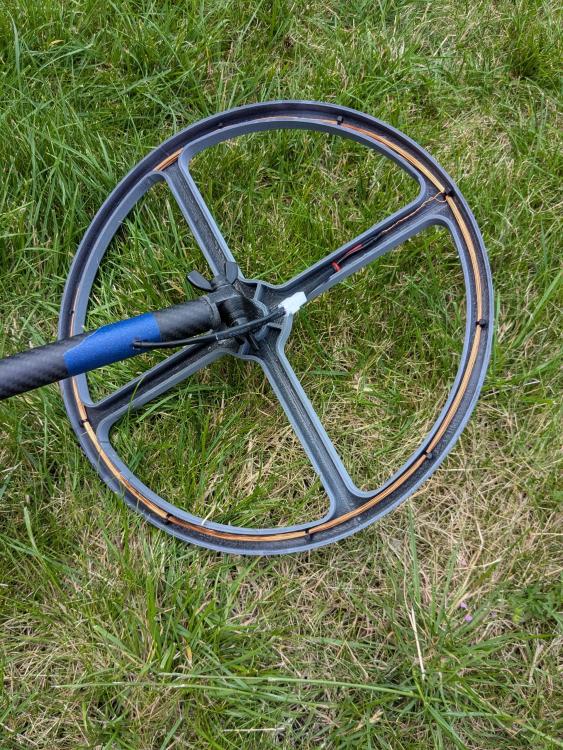
Metal Detector work in progress... Carbon tube and 3D printed parts including coil frame. Still printing some parts.

-
I've got it in my head that stacks must have at least an 80mm (82mm?) diameter AAV?
-
Is there a ditch or piped ditch along side the road? If you propose a storm water surge attenuation tank you might be allowed to put the overflow into that. Failing that an attenuation tank can reduce the flow rate that a soakaway or drainage mound has to deal with. You can also get a combined attenuation and rainwater recycling tank, although they are bigger. Where soakaways are marginal I've heard of some builders telling the council and BCO it's ok. They do build a soakaway but when the BCO isn't looking they also hide a perforated pipe alongside the foil drain pipe. In effect turning the gravel surrounding the foul drain into an additional long thin soakaway that conveniently runs off site. Only works if the land slopes the right way.
-
List down here.. https://www.gov.uk/guidance/goods-and-services-you-can-claim-for-under-the-vat-diy-scheme
-
That's fine if you get receipts in your name for the reclaim. Some trades might not like it as they try and make money on materials they supply. It should be possible to persuade companies that do "supply and fit" (Windows, Kitchens, Plumbers, Painters etc) to zero rate everything to you. This is in VAT 708 paragraph 11.2 and 13.1 it includes a lot of things. https://www.gov.uk/guidance/buildings-and-construction-vat-notice-708 However many suppliers don't know the rules. If you get stuck write to them asking for a new quote showing zero VAT because its a new build. If necessary provide a "certificate" that certifies their supply is for a new build and quote all the details such as planning reference number. Check the list of what HMRC consider is normally incorporated in a new build. I have a feeling the rules are different for batteries?
-
Hire a digger and have a bonfire?
-
+1 The BCO won't like and night not allow the upstairs escape route to be via the kitchen.
-
Door Opening adjacent extension opening column
Temp replied to ricardo100671's topic in General Structural Issues
Think it's needed to buttress the wall. As you would have openings both sides. See also Approved Document Part A. -
2.500 Acre Solar Farm.
Temp replied to twice round the block's topic in Environmental Building Politics
East Anglia has numerous disused airfield that would be a better choice. -
Is this the only WC on the ground floor? Does it need to comply with the disabled access regs (part M)?
-
Is there a soil stack already? If not where is the nearest drain or inspection chamber? What's the floor made of? Could you move the door so access is from the bedroom or is it going to be a shared bathroom? That might make the layout easier. Currently you can't put a shower either end because of the door and window. I suppose you could put it at the window end but that's not ideal.
-
I think it was to encourage the fitting of fire doors. Nobody was fitting them because of the need for closers?
-
Outline planning and approval of reserved matters
Temp replied to mjc55's topic in Planning Permission
If the CIL is a thing in your area don't start any work on site until you have formally claimed and been granted the CIL exemption for self builders. Even if the planners tell you it will be exempt you must formally claim it on the right paperwork or loose it and pay £fortune. -
https://www.planningportal.co.uk/permission/common-projects/fences-gates-and-garden-walls/planning-permission
-
This.



