AliG
-
Posts
3211 -
Joined
-
Last visited
-
Days Won
11
Everything posted by AliG
-
In our last house we had a fridge with ice and cooled water. The cooled water was often warmer than water from the tap, especially in winter. We just have ice now and it is inside the freezer as visitors also constantly played with it when it was on the fridge door and it drove me mad.
-
Meter Readings Panic and Electricity Costs
AliG replied to canalsiderenovation's topic in Electrics - Other
Does anyone actually do this? -
Lag everything. Hot pipes should all be lagged if possible, I think that is in the regs. I find that the standing water in our cold pipes gets warmed up by the hot pipes close by. Pipe insulation is very cheap.
-
Yes it can be done, but - Before you start work on this I would recommend trying swimming in something similar to see if you like it. As ever if you use something a lot then go for it, if you don't then it is a waste of money. Our pool is at 29C and my wife still feels it is cold and it puts her off going in it. Although after a minute or two you adjust to the temperature and quickly you actually get quite warm if you are exerting yourself. Heating an outdoor pool is extremely expensive.
-
Meter Readings Panic and Electricity Costs
AliG replied to canalsiderenovation's topic in Electrics - Other
My guess is that a boiler all fitted would come in nearer £3k. There is pipework, flues, connecting up electrics and so on all to be considered. I am not saying that is what it should cost, but that would seem nearer the mark for what it probably would cost. I have recently gone through the same thought process on my parents' place. Putting in a gas supply plus installing a boiler - £5k versus an MCS install of an ASHP around £7-8k. However, the MCS install then returns over £1k a year in RHI payments. This more than offsets the installation cost and provides a bit extra that should cover modestly higher running costs. It looks like @canalsiderenovation is getting £1500 a year in RHI payments which would more than pay the electricity bill. But that doesn't mean you wouldn't want to minimise the bill. As I understand it, at least in Scotland, you now need either an ASHP or PV to get an SAP pass. I decided the ASHP was the better option considering the RHI payments and issues with installing the PV on the small flat roof of the new place. I might look at putting PV on a carport roof instead. Putting in a gas supply comes with a series of its own issues as the regs around gas pipework and boilers are extremely tight. this is another reason that pushed me towards the ASHP. I must admit without the RHI subsidy I may have went the other way. -
Meter Readings Panic and Electricity Costs
AliG replied to canalsiderenovation's topic in Electrics - Other
That's good, so as you say the heat pump sets the hot water temperature and the immersion is used for the legionella cycle. Just switching off the legionella cycle should eliminate the immersion use and you should be sorted. -
Meter Readings Panic and Electricity Costs
AliG replied to canalsiderenovation's topic in Electrics - Other
BTW I checked the PV inverters and I am generating roughly 1.5kWh per day at the moment -
Meter Readings Panic and Electricity Costs
AliG replied to canalsiderenovation's topic in Electrics - Other
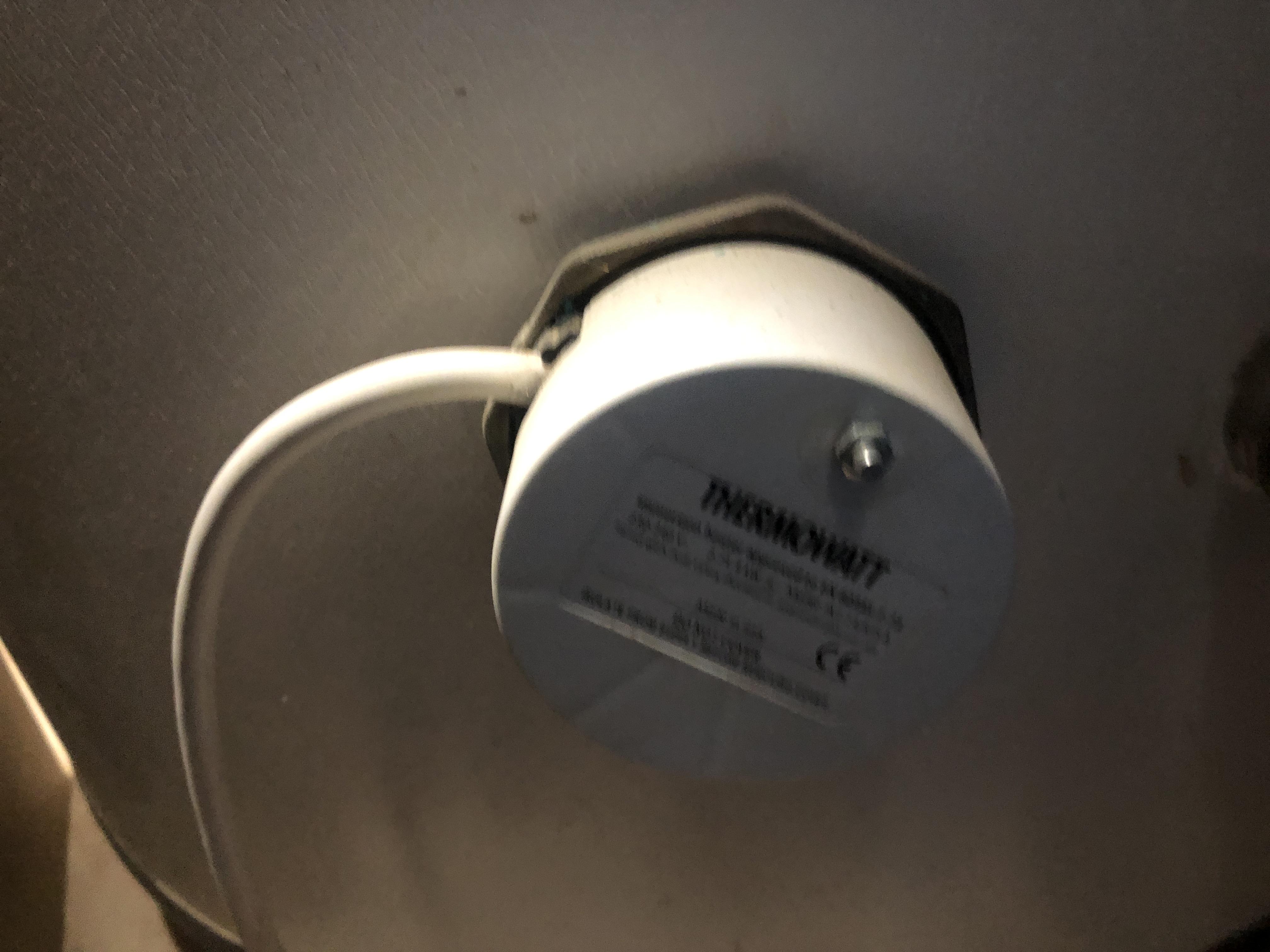
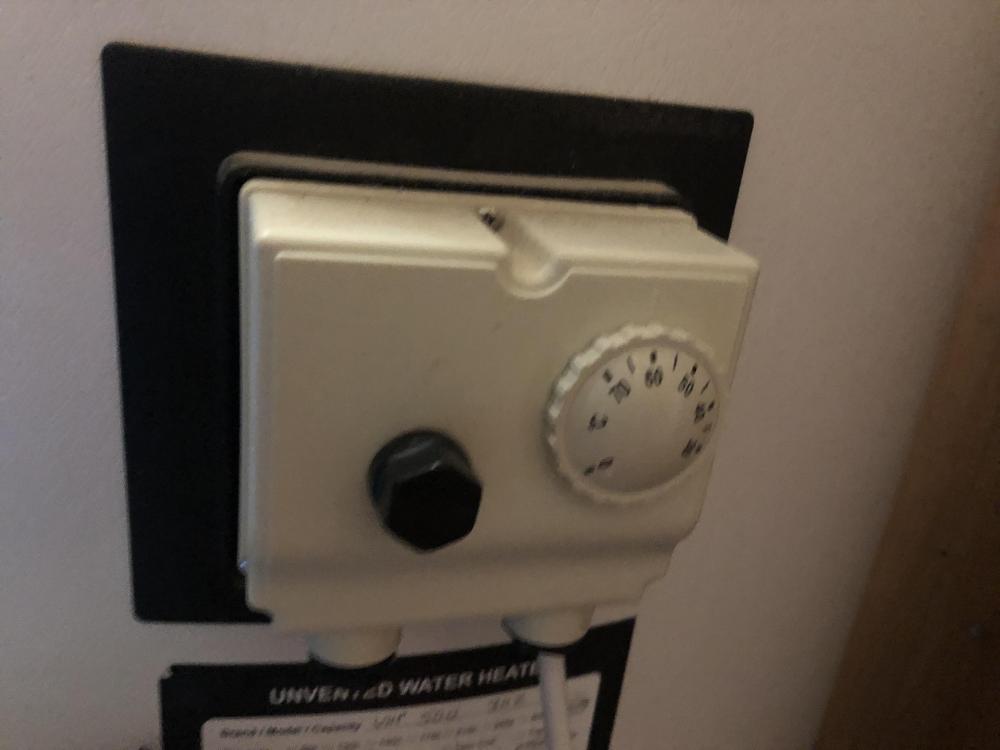
Immersion and thermostat on tank.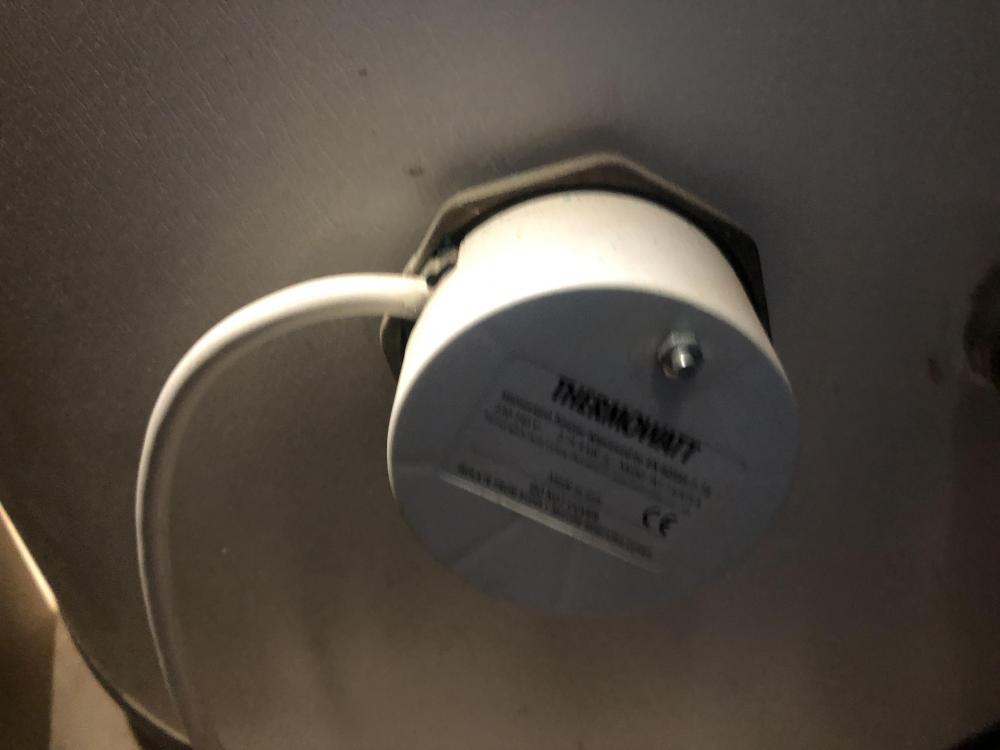
-
Meter Readings Panic and Electricity Costs
AliG replied to canalsiderenovation's topic in Electrics - Other
46C is probably a bit cold. You’ll lose a couple of degrees by the time it gets to the taps. The thing to understand though is what is driving the immersion. That’s your unexpected energy use at this point not the ASHP I would say. The immersion will be set into the side of the tank with a wire coming out of it. It might be wired into the ASHP due to the legionella cycle. Simply switching that off may sorry things out. Again don’t change too many things at once as it will be difficult to tell what the problem was. -
Meter Readings Panic and Electricity Costs
AliG replied to canalsiderenovation's topic in Electrics - Other
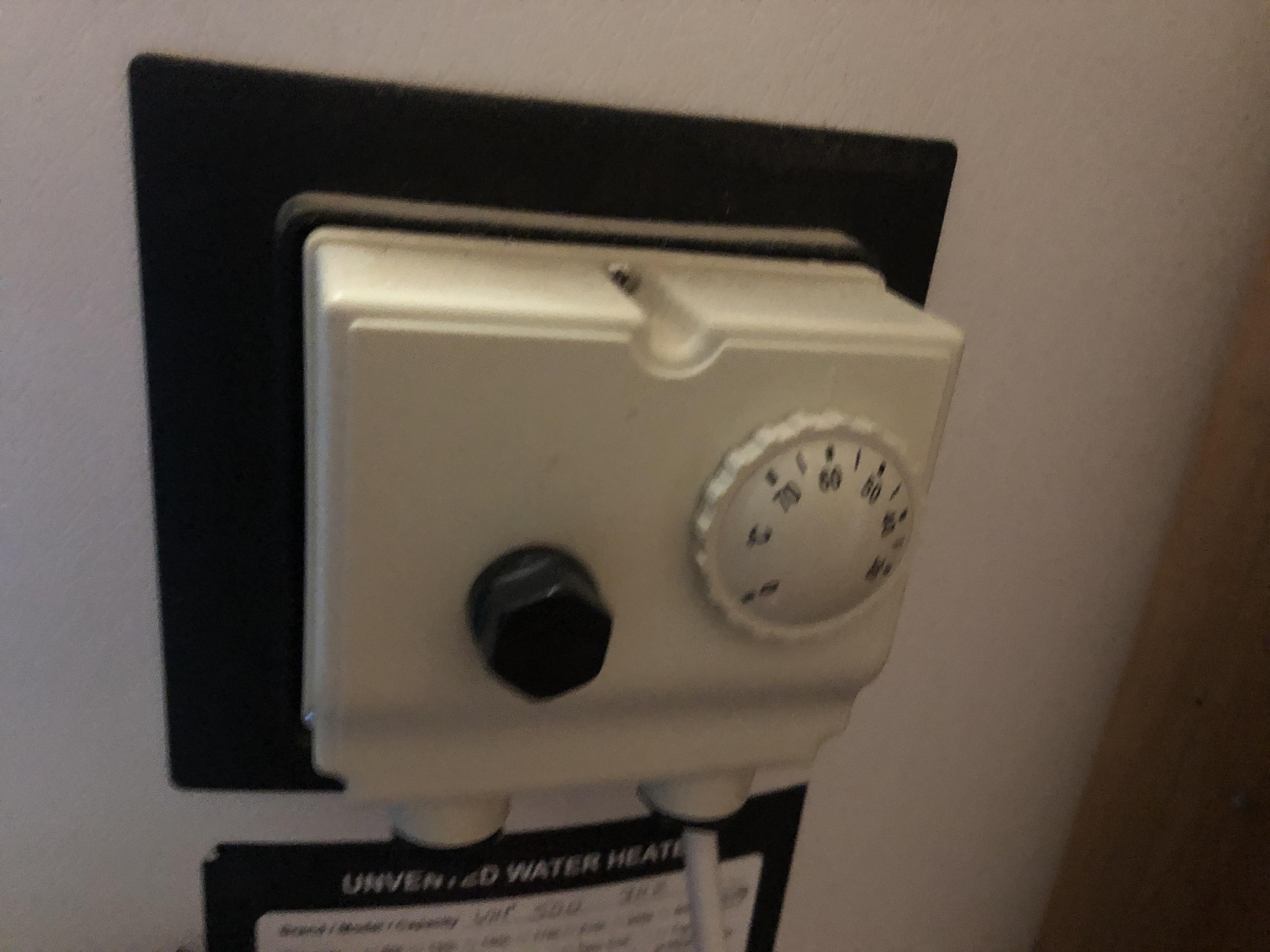
Your hot water setting on the ASHP is 48C from an earlier post. Is there something that looks like a thermostat on the side of the hot water tank. It is a little grey box with a circle you can turn to change the temperature on ours. If this is set much higher than 48C I wonder if the immersion kicks in to finish off heating up the wate, either that or as you posted it keeps trying to heat to 60C and not getting there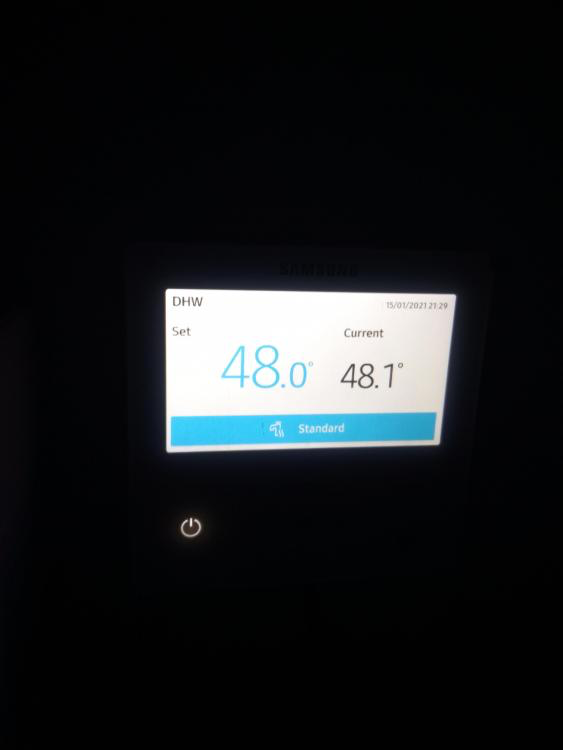
-
Meter Readings Panic and Electricity Costs
AliG replied to canalsiderenovation's topic in Electrics - Other
Something funny is going on with the immersion. 5kWh is enough to heat 100L of water from 6C to 50C.If the ASHP is heating the water this seems like a very high usage for the immersion. However, if the immersion is coming on every day to heat the tank from 50-60C then this would use 3kWh a day assuming a 250L tank. Could the tank thermostat be set at 60C whereas the ASHP output is set at 50C? -
It seems like the PV is the way to go. Looking at the SAP score, is 1.4 the actual U-Value of your windows or an assumed U-Value? If the actual value is materially lower it may get you over the line.
-
Meter Readings Panic and Electricity Costs
AliG replied to canalsiderenovation's topic in Electrics - Other
It has been a lot warmer in the last few days so that will have made a difference, but I reckon it is close to what I would expect. Thanks for having faith I would have an answer ?. I think it is probably be a legionella cycle as @SteamyTea suggests. Unless there is some kind of boost programmed in so that if you use hot water and the ASHP will take a while to warm it back up or it falls below a certain temp then the immersion kicks in? -
This company sells wooden ones. They look comically expensive for a small wooden box. https://ecoheatingstore.co.uk/product/air-source-heat-pump-wooden-guards/ I too would be concerned that they would reduce the efficiency. Could you plant a hedge a metre in front of it? That would hide it but be reasonably permeable to the air and not surround it. Maybe even just a few bushes would break it up.
-
Heatmiser Neostat v2 temperature sensor problem
AliG replied to Ultima357's topic in Underfloor Heating
This probably explains it. Almost all of mine are in dot and dab plasterboard with a small cavity behind it which would allow heat to dissipate. If the back box is surrounded by insulation then they would probably get somewhat warmer. I have one which I have noticed consistently reads 1C higher than I reckon it should, funnily enough also in the dining room. The question is, does the extra heat actually stop them reading the temperature at all or just raise it relative to the room? As long as the temperature reading still rises and falls with the room temperature then you should be able to recalibrate it or set a higher target temperature. If not and they are just heated by the internal heat generation then you do have a problem. Could you create a little space around the backboxes inside the wall? I find mine sensitive enough that I have changed the sensitivity from 1C to 0.5C as I don't like the temperature falling 1C before the heating kicks in. -
Heatmiser Neostat v2 temperature sensor problem
AliG replied to Ultima357's topic in Underfloor Heating
I have over 20 of these thermostats and don't have any issues as described, but I have a few questions and they do have their quirks. Did you just urn off the MVHR to see what happens with the thermostats? They do generate a little heat, but there would be an assumption that air movement within the house would dissipate this. With your exceptionally low ACHR figure this would not happen and I could see why they would warm up. If however, the MVHR is never turned off normally then what happens in this situation is less relevant. I am not sure if the thermostats will be impacted by being as close to a surface as shown in the picture? Also is there some kind of phone on the surface below the thermostat or was that just something you were using whilst testing them? That might be raising the temperature in a relatively sheltered area. The big drop you show in the dining room temperature - is the stat near the door? The stat in our bedroom often drops a couple of degrees in the morning as it is somewhat cooler in the hall outside the bedroom and so when you open the door the temperature it reads changes changes. I can see why you would want to calibrate the thermostats to the correct temperature, but I just accept that different thermostats in different rooms read slightly differently depending on where they are in the room. Different rooms also feels comfortable at different air temperatures depending on the solar gain and the flooring. So I adjust the setting on the thermostat relative to how the room feels to me. For some rooms I have them set at 20.5, for some rooms I have them set at 22C. I don't really care if the temperature is exactly that I just want them running the heating at a comfortable temperature. I have the same issue moving between different cars - 22C may be comfortable in one car, too hot in another and too cold in another so I change the climate control setting to the comfortable setting irrespective of what the actual number is.- 150 replies
-
- 1
-

-
- neostat
- temperature
- (and 1 more)
-
Meter Readings Panic and Electricity Costs
AliG replied to canalsiderenovation's topic in Electrics - Other
I think it is best to just monitor it day by day now that you have made changes. When I go through this kind of exercise I try and take a reading at the same time each day for a couple of days each time I change the settings. It might be the initial getting up to temperature as it seemed very high for a few days then dropped closer to what would be expected. I once calculated the weight of our house and the amount of heat required to get it up to temperature if it had been left and it is a lot. The slab holds a lot of heat. -
Best spec for high pressure hot water to multiple outlets?
AliG replied to sendu's topic in Boilers & Hot Water Tanks
A larger tank would be cheaper than a TMV and a TMV has moving parts so can break. I think they also may limit the flow or pressure available. There are various regs that affect the installation of these so it’s not always possible. You’d need someone who knows more about plumbing than me. Seems like a Horne TMV2 is a well respected valve for this purpose. -
Beat me to asking @Gav_P I was having a think about it and the more I think about it, mesh systems used to probably have a max throughput of 100Mbps so the overhead of the mesh would considerably slow down your WiFi if you had faster internet. Nowadays with some the mesh systems having a theoretical throughput closer to 1000Mbps, they probably have a lot more capacity so they probably don't have the impact they used to on speeds.
-
Best spec for high pressure hot water to multiple outlets?
AliG replied to sendu's topic in Boilers & Hot Water Tanks
Either 30 or 35kw boiler should be fine. As you are tight for space the way to effectively increase the size of your tank is to run it hotter. You can fill it with 75C water and then have a mixer valve that minimises the temperature coming to the taps. 15mm copper pipe holds 0.14L per metre and 22mm holds 0.31L per metre. Plastic pipe has thicker walls so is a bit less. So a 12M 15mm pipe would hold around 1.5L of water. Assuming a shower at 10L/min it would take around 10 seconds for 15mm pipe to run hot and 20 seconds for 22mm pipe. I wouldn't worry about it. Gravity shouldn't have any impact as long as you have enough water pressure. I have a circulating water circuit as my longest pipe run is over 30M and there was nowhere else to put the tank. They waste a lot of energy if you leave them running all the time. I just run it 4 times a day. It is like having a radiator that is hot in your house 24hours a day 365 days a year and I would recommend trying to minimise the amount water in the pipes instead which reduces losses and speeds up the water getting to the tap. -
Best spec for high pressure hot water to multiple outlets?
AliG replied to sendu's topic in Boilers & Hot Water Tanks
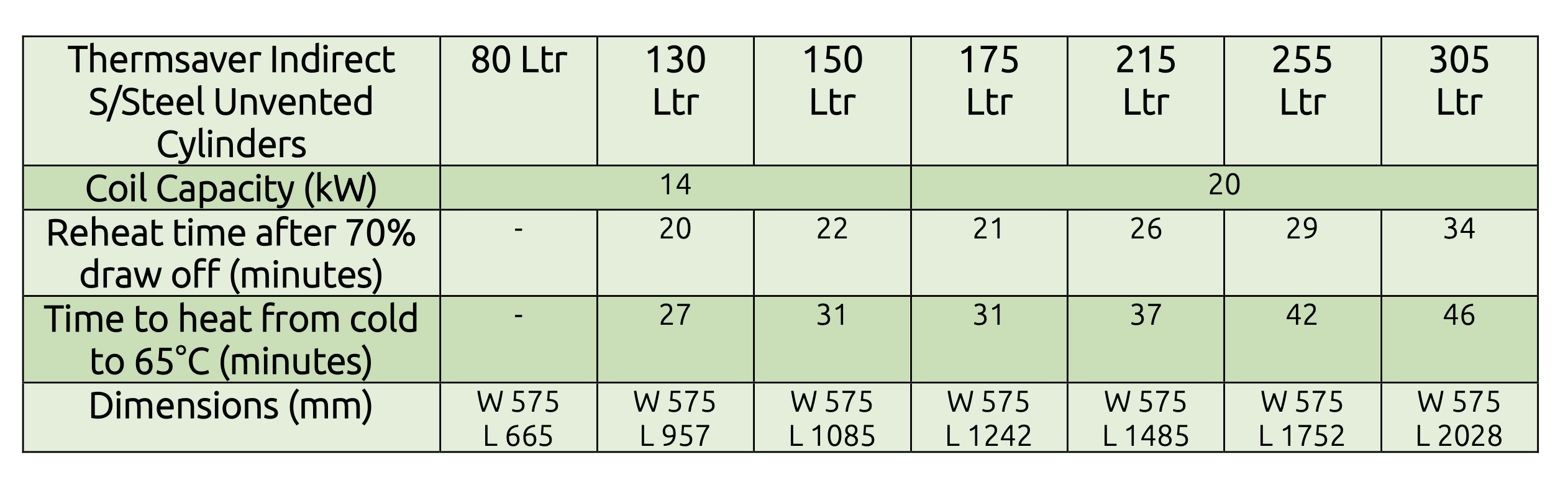
I have a 500L UVC but set it to only 50C, I can turn it up if we have a lot of people staying. It came from this company, as you can see from the specs it takes time to reheat a tank and all the time you are diluting the water temperature down. The Telford 300L cylinder says 29 minute reheat from 75% draw off so similar to the numbers below. An UVC cannot take the full 40kW output of a large boiler usually, so you cannot just add a bigger boiler to heat it up faster. A couple of simultaneous 10 minute showers at 40C are going to use around 150L of 64C water. So your tank would need around half an hour to reheat. If you draw 150L of water from a 250L cylinder at this time of year when the water temp is only maybe 4 or 5C then you are going to reduce the temperature in the cylinder to around 30C The water will be heating up as you draw it out, but a 250L cylinder would struggle to hold 40C for the duration of 2x10 min simultaneous 10L/min showers. It would be at around 37C when the showers were over. A 300L tank on the other hand would only see a drop to 35C as you are using less of its capacity. Thus including the heating capacity it can hold the temperature over 40C for the same two showers. The issue then is what if someone comes along to have a third shower. You would only have to wait around 5 minutes for the 250L to be back at 40C. But if you start with the temperature at 40C, by the time you are finished it would be 26C, again the boiler is running, so it would actually end up at around 33C. To be able to have a shower you need a starting temperature in the low 50s in a 250L tank and 50C in a 300L tank so either tank would need close to 20 minutes to heat up after 2 showers before you should start another one. From these numbers basically a 250L tank would struggle to hold the temperature above 40C for two simultaneous long showers or a bath and a shower. A 300L would do it more comfortably. Neither tank is going to have enough hot water for 3 simultaneous showers. This is why I went to 500L as 3 simultaneous showers or a bath and 2 showers was my target. We often have a lot of people staying.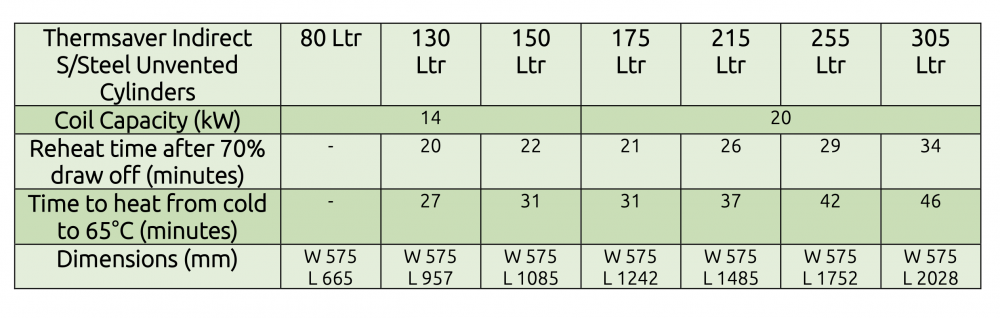
-
Meter Readings Panic and Electricity Costs
AliG replied to canalsiderenovation's topic in Electrics - Other
It was just fixed 6 weeks ago so I need to go check that it is all switched back on correctly. Gives me an excuse to get back into the loft to seal up the top of my pipe boxes -
Meter Readings Panic and Electricity Costs
AliG replied to canalsiderenovation's topic in Electrics - Other
So @PeterW the pic that says 201* you would put at 10 and -5 and the pic that says 202* you would put at 35/42? @AliG This is the main one I had set at -5 to change change to -3? Our room thermostats are all set to 19 degrees but it is a bit cooler than I'd like but I'll perhaps leave them here just to see what impact it has. -3 would be the same as setting it to 34 and 42 (-3 from the current 37/45 setting) so it is just a less faff way to do the same thing. -
Meter Readings Panic and Electricity Costs
AliG replied to canalsiderenovation's topic in Electrics - Other
Assuming it is working properly, my 5kw PV system has generated 11kWh is the last 6 weeks, but generates 3-3500 a year. So they are as good as useless for offsetting high electricity usage from an ASHP in the winter. Their electricity generation is almost the exact inverse of heat requirement. -
Meter Readings Panic and Electricity Costs
AliG replied to canalsiderenovation's topic in Electrics - Other
TBH those settings look OK. I am not clear why the flow was 56C the other day if it is set at 45C max. Maybe it was heating hot water at the time. Considering those settings I would just set the Water Law setting to -3C which would theoretically give a maximum flow of 42C and set your thermostat at 21C and see what happens. As @Temp says it may be that your EWI will make a big difference and you have an underinsulated house during a cold period. It looks like the ASHP was averaging just over 50kWh a day before the 16th when you were fiddling with it. It is not that far above the 45 a day I was estimating. That suggests that you are using 20odd a day for other electricity which is quite a bit higher than the 300 units a months you said you were using before the renovation. You might want to investigate that. Maybe the 300 was average over a year and you are using more because it is darker, or maybe you have treated yourself to an 85inch TV over Christmas. It does seem a bit high. I don't think our electricity usage is that much higher in winter than summer.