


SteamyTea
-
Posts
23838 -
Joined
-
Days Won
200
Everything posted by SteamyTea
-
Every £1000 spent on a battery could buy 6.6 MWh of E7 (@ tomorrows EDF rate of 15p/kWh).
-
Fit a shower pump.
-
@Gill From tomorrow, work out what the energy usage of your DHW is. That really seems, to you, your big unknown. Measure, measure, measure. It will tell you what you need to know.
-

electric boilers are cheaper than heatpumps to run
SteamyTea replied to dpmiller's topic in Environmental Building Politics
Exactly. We have created a housing system that is not functioning at every single level. I wouldn't, as such. I would just force the energy companies to borrow loads of money and install RE systems. If the companies fail, at least the sell off cheap.re is in place for the receiver to sell off cheap. -
electric boilers are cheaper than heatpumps to run
SteamyTea replied to dpmiller's topic in Environmental Building Politics
Council tax surcharge would be the simple way. Not that any government will every do anything simple. So expect a mixture of household income, property value, location, energy usage and complete bollocks. Then it may come in by 2030, which will be moved to 2035. -
And storage heaters.
-
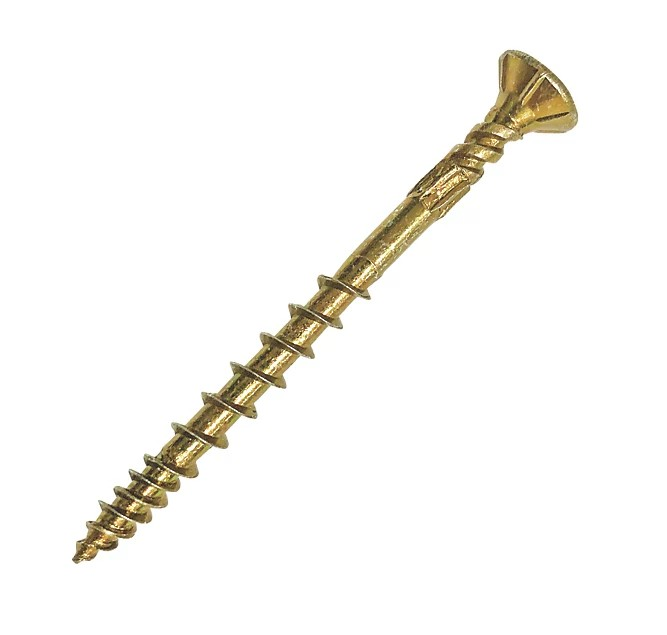
Try putting it down with the proper type of screws. https://www.screwfix.com/p/screw-tite-2-pz-double-countersunk-thread-cutting-screws-3mm-x-12mm-200-pack/304FY
-
I don't understand your heating regime at all. Are you saying you don't turn on your heating to take advantage of E7? Washing machine and dishwasher are relatively low usage.
-
I wonder what is worse, being locked out or locked in.
-
"Letsby Avenue"
-
Cyclo electric boiler?
SteamyTea replied to Adsibob's topic in Energy Efficient & Sustainable Design Concepts
Except on all roundabouts. Compulsory stopping before entering, and a very strictly enforced 10 MPH limit. Even (expletive deleted)ing pensioner emmets would manage to get on one then, rather than waiting to there is nothing within 250 metres. -
Cyclo electric boiler?
SteamyTea replied to Adsibob's topic in Energy Efficient & Sustainable Design Concepts
I have found that as I get older, I get better MPG from my cars. The really odd thing is, except for long journeys, I get to places in the same time. Also found that a set of brake pads can easily last over 100k miles. -
Domestic burglary is down though. https://www.met.police.uk/sd/stats-and-data/met/year-end-crime-statistics-22-23/ Dog attacks are up almost 22% though. How the British love dogs.
-
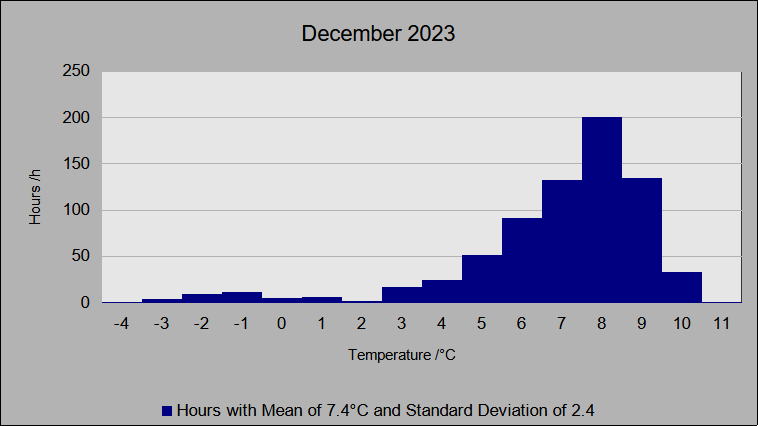
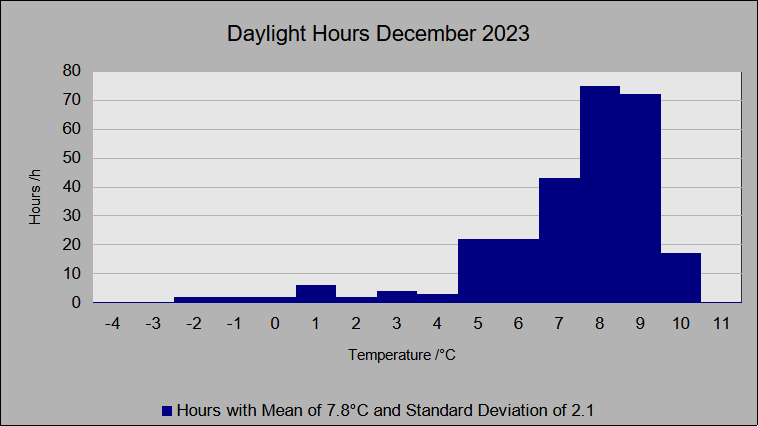
I am quite high up, so a bit cooler. This is until today. And this is daylight hours.
-
electric boilers are cheaper than heatpumps to run
SteamyTea replied to dpmiller's topic in Environmental Building Politics
Yes. A2AHP will change the numbers somewhat as well. May be worth looking at again. -
electric boilers are cheaper than heatpumps to run
SteamyTea replied to dpmiller's topic in Environmental Building Politics
I looked at this a while back, along with someone else. We came to the conclusion that the realistic break even point was 3.5 MWh/year. Not looked at it for a few years now, so the BEP may be a bit lower, but then there has been general inflation. I use between 3 and 4 MWh/year. -
I live in a place where they dump stolen cars. We think we may have had a break in at work today. One of the outbuildings seems to have had the four forced open. We were very busy today and saw and heard nothing. Might just have been the maintenance guy forgetting to lock the building up, but he has been away for a few days, so we should have noticed it before now. Was windy today, for 7 to 9 on the shipping forecast, so hopefully just an extra blocked door. We have a long drive to the back if the building, security lights and video cameras. Get broken into quite often. There are no effective burglary detergents except drug rehabilitation courses.
-
electric boilers are cheaper than heatpumps to run
SteamyTea replied to dpmiller's topic in Environmental Building Politics
Thing is that these are being sold to large organisation i.e. military and councils. Surely they must have someone that can chase these fraudsters off the premises. I worked for a crook once and he had no problems telling lies to everyone, including us staff, who could see what was going on. -
I got told off by the BSI man who audited our quality assurance because I had used a blue pen when it should have been black. Something to do with photocopying, like back in the early 1970. There has been a trailer for a radio show about government uselessness. 'some people sort the problem, others just restate the problem'
-
As a rule of thumb, if you halve the ∆T, then double the surface area, then round up to the next available size.
-
electric boilers are cheaper than heatpumps to run
SteamyTea replied to dpmiller's topic in Environmental Building Politics
Oh dear. If only people had stayed awake in school science lessons. What sort of (expletive deleted) approves these installations. -
Creating a smile in the mind - with bricks.
SteamyTea replied to ToughButterCup's topic in Brick & Block
@Pocster being the retard 10% -
Can't you get an Ecocent type water heater that draws warm air from the house? I think it usually expels cooled air to the atmosphere, but a bit of ducting would sort that. There are a lot of ideals that are chasing a small pot of development money. A friend of mine left a well paid job because his main task was having to shift though bonkers ideas that would never work. Here is a similar conversation.
-
I am happy with my Bosch washing machine. Much easier to use than my old Bosch one, which lasted 14 years. Not always and as I found out, it is cheaper to buy a new one. My German Bosch was made in Poland.
-
Creating a smile in the mind - with bricks.
SteamyTea replied to ToughButterCup's topic in Brick & Block
Everyone with OCD.

