Kelvin
-
Posts
4081 -
Joined
-
Last visited
-
Days Won
48
Everything posted by Kelvin
-
We placed thin hardboard pieces in all the doorways. Despite we had one slight crack appear running away from one of the doorways. We’ve also put tile expansion joints in every doorway and across the width of the large open plan area.
-
If it’s sand/cement over insulation then 65mm-75mm typically. Flowed screeds can be less than this. https://www.concrete.org.uk/fingertips-document.asp?id=823#:~:text=The optimum thickness of a,for more heavily loaded floors.
-
Thanks @Gus Potter Happy to share my experience and how I approached it. When I got the warrant approval letter and therefore got the name and number of the BCO assigned to our build I made a point of asking a few folk that had built houses in the area what their experience of the BCO was. I also asked some of the trades I had lined up what they were like to deal with. The common feedback was helpful, pragmatic, and practical. I then called him to introduce myself and tell him a little about our project. I asked him how he liked to work and if he had any advice for me. He asked me which trades I’d lined up and while he didn’t offer a direct opinion on them I still got his opinion (if you catch my drift) What I did notice was that the trades I was using made a big difference. For example when I told him the groundswork company I was using he immediately said brilliant you’ll have no problems there which presumably helps him a bit too. They are busy people working in an underfunded department so getting them onside early is important. I can imagine that their approach on the islands will be quite different to my area due to necessity of geography. My BCO can drop in when he’s passing which he has done a few times. Yours can’t so when they are there they are likely to want to make the best use of their time. Plus you’re doing this yourself and their experience of people doing much of the work themselves is mixed hence his slightly more thorough approach possibly. The BCO told me of some horror stories when he first visited. All of that said, the guy might just be a bit of an arse, some are. If so you’ll need to bite your tongue a bit and work around that. One last point, whenever I’ve visited the islands I’ve seen lots of building work going on and very little in the way of security fencing in place. If that’s you then I’d make your site more secure. Your site insurance could be invalid if it’s not secure. Clearly Heras fencing isn’t the last thing in secure fencing but it stops people randomly entering your site.
-
Yeah but Glenalmond Contracts is in Inveralmond Industrial Estate alongside all the other trade suppliers and my favourite place, Highland Industrial Supplies. Posh by association.
-
Lack of investment in the infrastructure and the very slow approval process both in planning and Ofgem. Offshore wind farms can generate more capacity than can be transmitted to where the electricity is needed.
-
The issue in the UK isn’t necessarily about generating capacity it’s more about transmission.
-
What problem are you trying to fix? Your aim with UFH in a screed is to get the house at the desired temperature and then more or less keep it there rather than using it like a radiator. Therefore while it might take longer to heat initially it’ll be fine thereafter. 50mm screed isn’t that thick, it’s almost close to the minimum depth so UFH will react more quickly even with something else on top. Some people on here have their UFH pipes in 100mm concrete slab so it performs like a heat storage radiator. If you’re worried about expansion you can fit a decoupling mat. It’s not a cheap option though. But there a reasonable difference in finished floor level between fitting a 12mm or not so presumably you have that all in hand.
-
😂 no. If you met them you’d know why that’s funny.
-
Can also recommend Glenalmond. They were really helpful for me when we had all the last minute buggering about.
-
Condensation on internal Internorm door handle
Kelvin replied to IanofEpping's topic in Doors & Door Frames
Yeah I had them piped into a few buckets as the built in container only held a few litres. The heating was in floor drying mode at the same time as plastering as we had the tiler booked a few weeks later. It got up to 32°C at one point. -
The K103 stuff (phenolic) is really expensive. Just use PIR at a minimum thickness of 150mm ideally more and all the PIR stuff is the same so buy on price.
-
I let the timber kit company hire the tele-handler then didn’t let anyone else but their guys drive it other than the scaffolders who would start using it the minute my back was turned so I had to remove the keys and keep it locked. They keep the original codes it seems as there was a common code with all the JCB kit that every trade that came to site knew.
-
Condensation on internal Internorm door handle
Kelvin replied to IanofEpping's topic in Doors & Door Frames
Exactly. During the day I had all the windows open and had the three dehumidifiers running at night. They held 16 litres each and were generally full/nearly full by the time I got back on-site the next morning. -
I have deducted money from some of the trades when I’ve had to make good avoidable damage or fixed/re-done something they did or I’m just not happy with what they’ve done. Most are ok about it. The running total so far is £10,000 but that was mostly the garage. Therefore if it was me I’d deduct something for the work you did to make good.
-
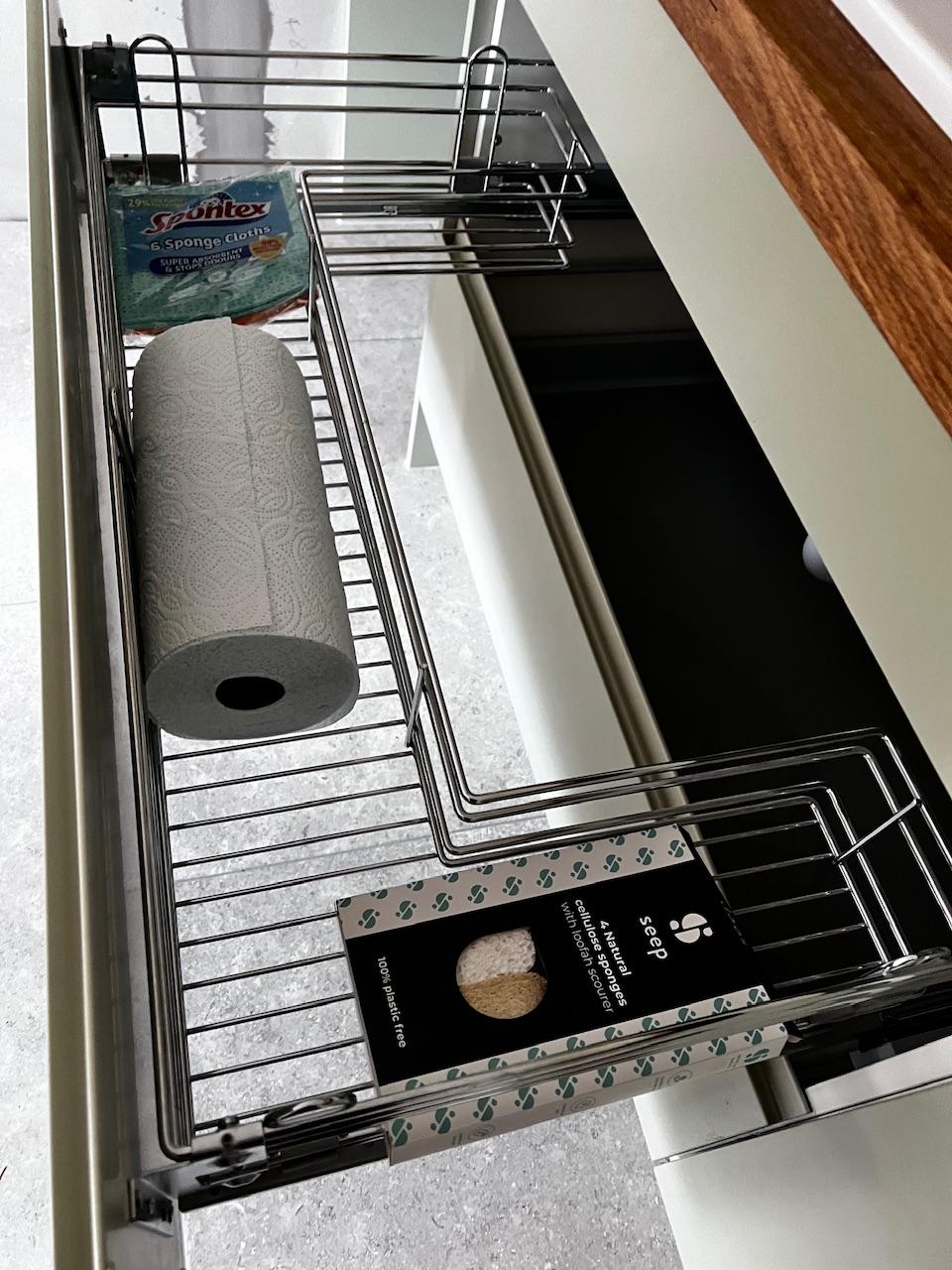
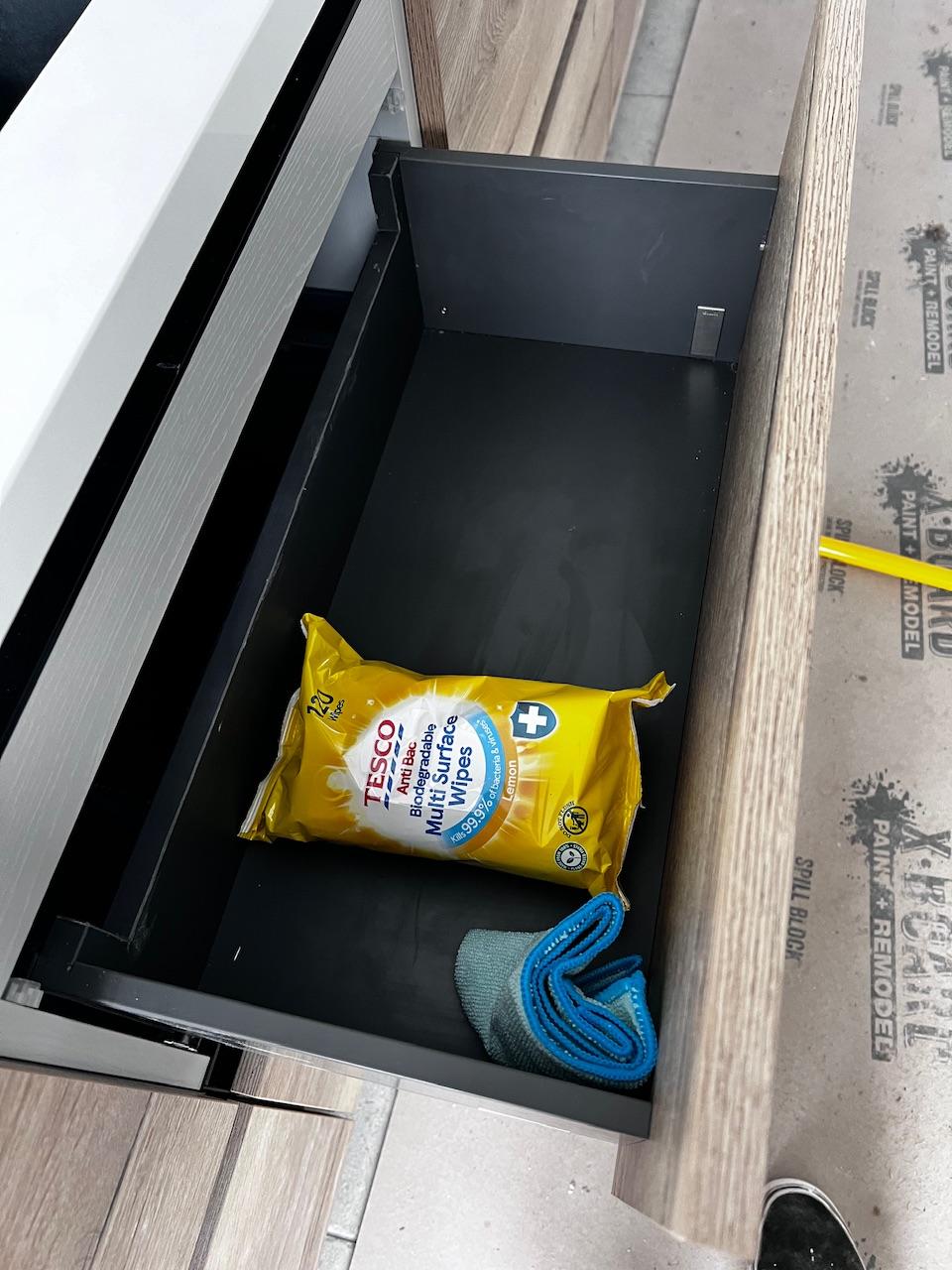
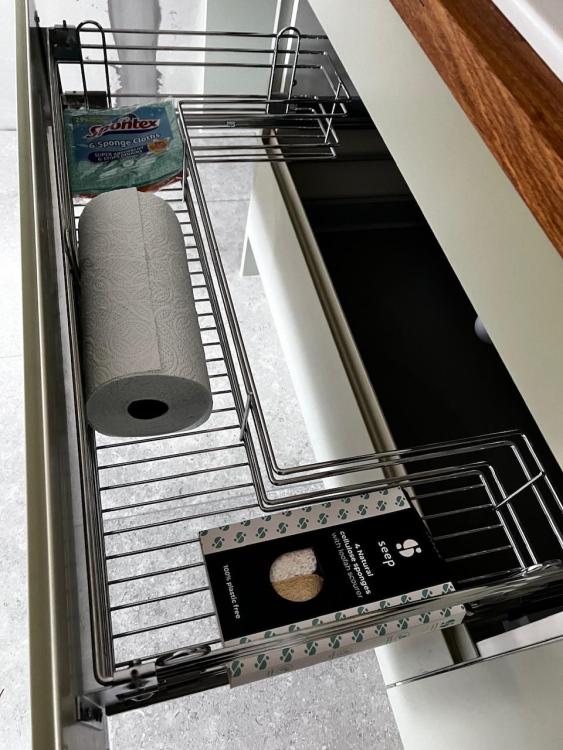
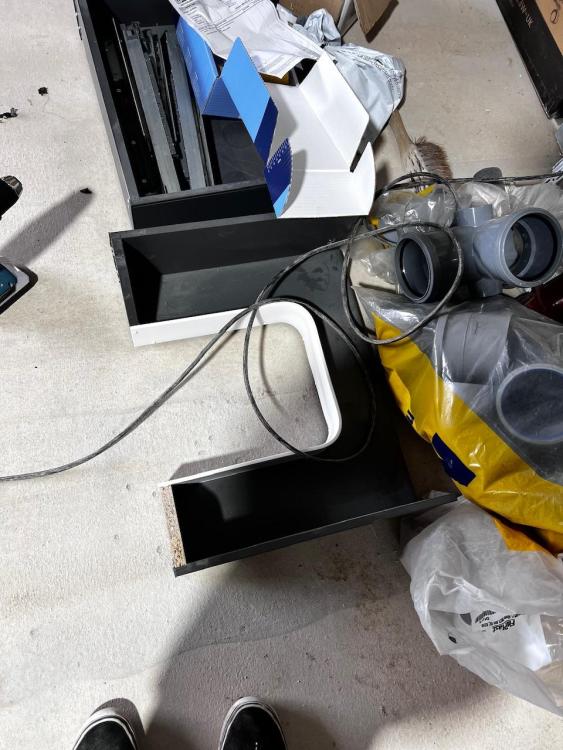
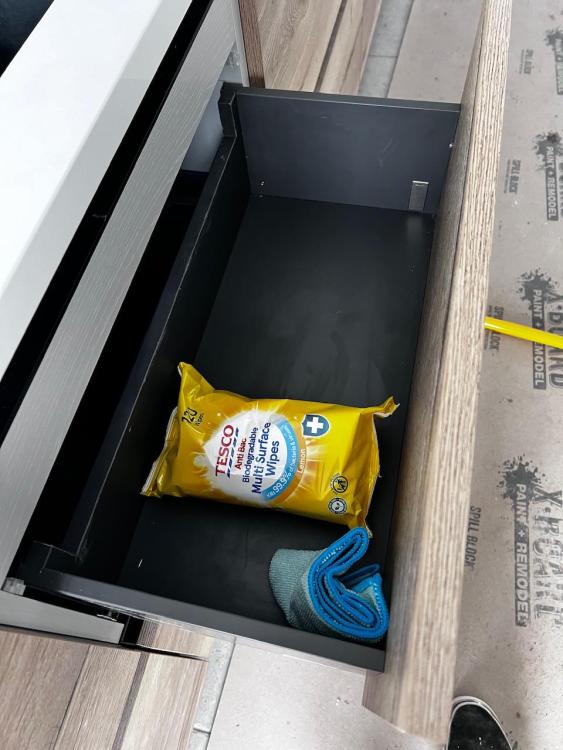
Just to complete this with pictures. The top picture is the Diy online kitchens under sink drawer. The second picture is the U shaped Blum under sink drawer that didn’t fit as it fouled the bottom of the sink and the Quooker wouldn’t fit behind it. The bottom picture is how we fixed that problem with the two half depth drawers one of which I cut down at the back to get it to clear the sink.
-
Condensation on internal Internorm door handle
Kelvin replied to IanofEpping's topic in Doors & Door Frames
The heat loss through your door handles will be tiny. I don’t have the MVHR running yet and the house is very airtight. Zero condensation anywhere. It’s 99% condensation because the house is still drying out and can take 18 months or so to fully dry out depending on how it was built and how wet it got during the build. My screed had been down for months before we switched the heating on to dry it out before tiling. I was surprised how much moisture was still in the screed. -
We have drawers everywhere £££. But they are a lot more useful. You can get the U shaped drawers for under the sink as we have one. However it fouled the bottom of our sink and didn’t leave enough room for the Quooker so be mindful of that. How we got around that was to have half depth drawers made up. They are big enough to be practical. Diy kitchens on-line also do undersink U shaped drawers. We have one of those in the utility room. It’s a wire drawer.
-
Condensation on internal Internorm door handle
Kelvin replied to IanofEpping's topic in Doors & Door Frames
Regardless of that you shouldn’t be getting condensation on the door handle. The only time I’ve had condensation on the metal door parts was after we had plastered and when we first switched the heating on and that was with three dehumidifiers running. It is likely humidity in the house. -
We had no choice but to tile after as the original tiler let us down and then the locally made staircase arrived as he couldn’t store it and I didn’t want to keep it in the garage. However our staircase runs up behind the kitchen wall so it was easy for us to get the measurements right and only a small bit of cutting for the tiles. Under the stairs is a wardrobe so the tiling in there wasn’t so much of an issue. It would have been far harder if we had a more complicated staircase.
-
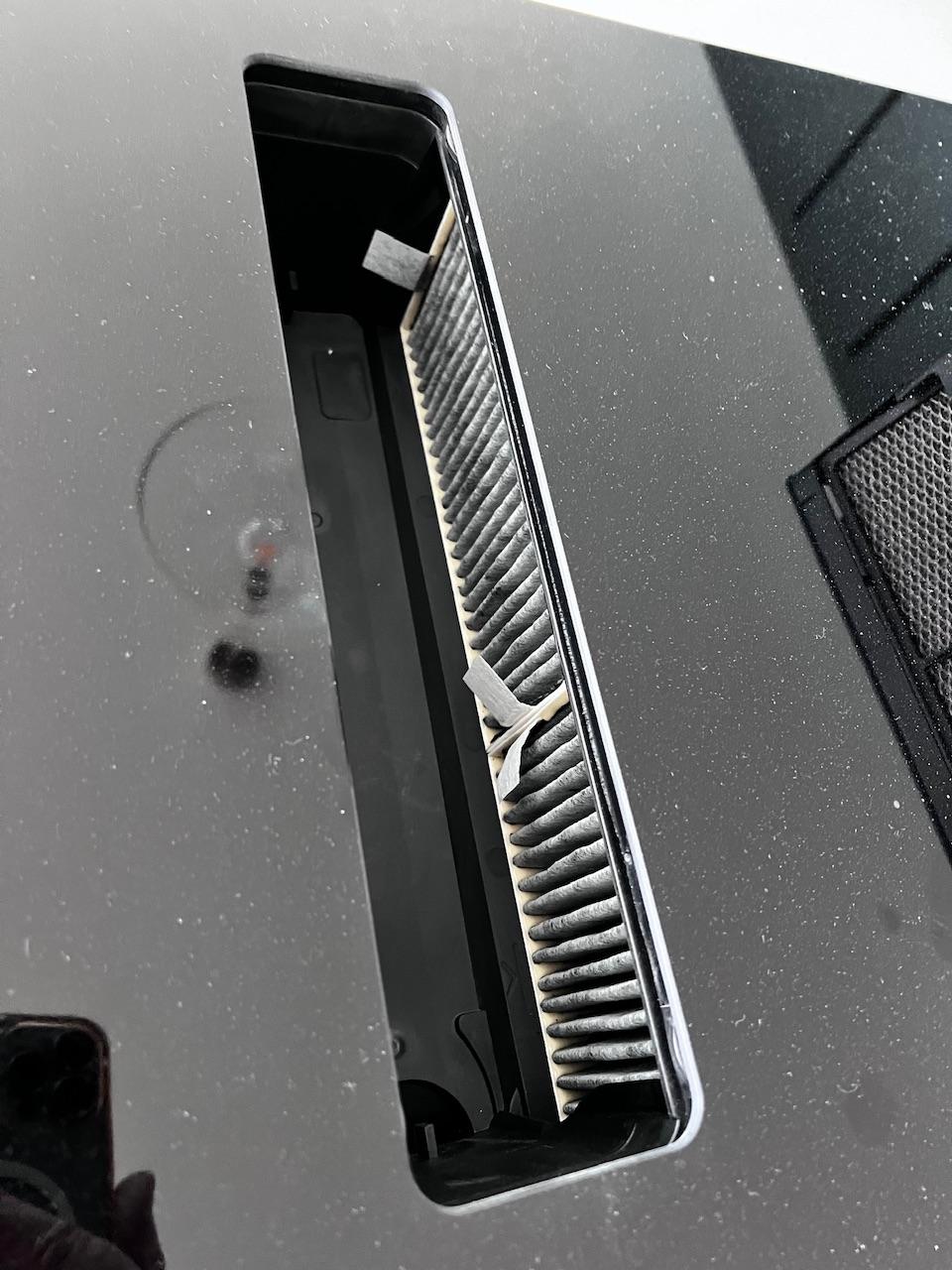
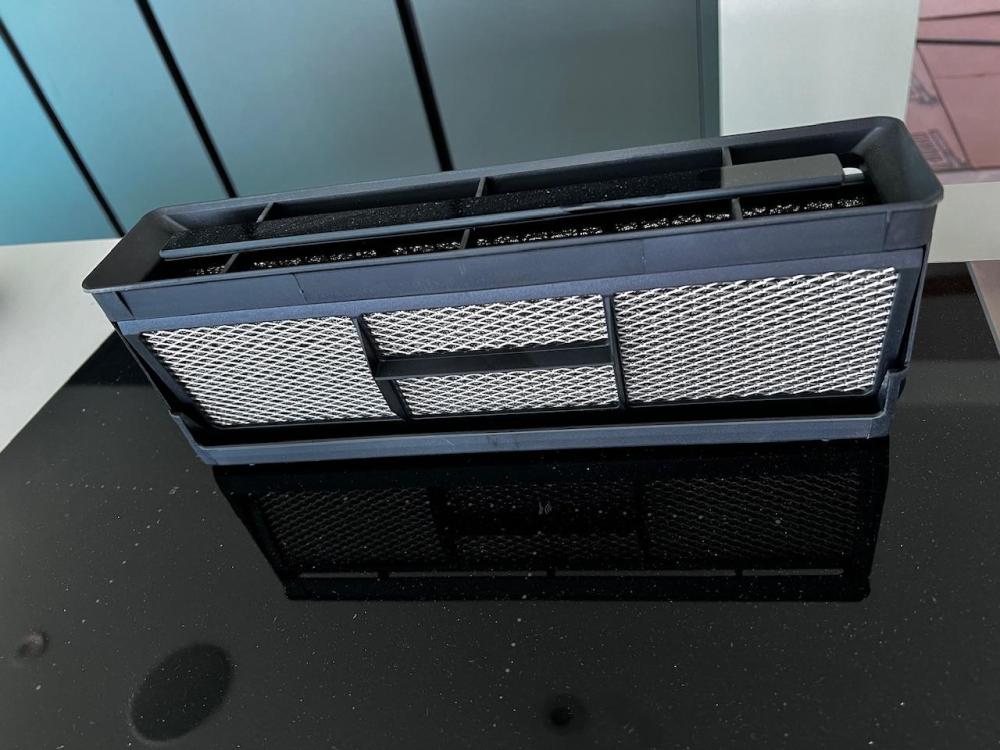
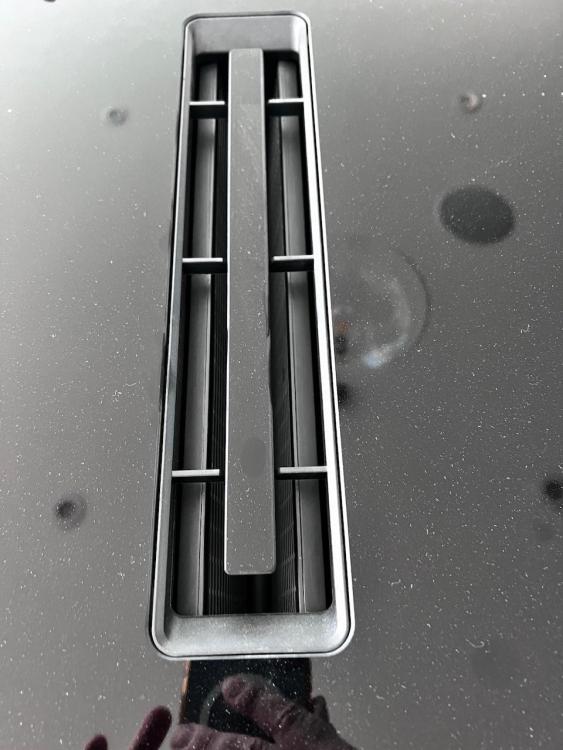
For completeness it extracts to a duct that attaches to the back of the hob and runs down behind and underneath the cabinet. This was a fiddly thing to put together. A bit like the scene from Apollo 13 where they have to make a CO2 filter out of bits that don’t quite fit. The duct doesn’t come with the hob though so you need to buy that separately and they do different types to suit different installations.
-
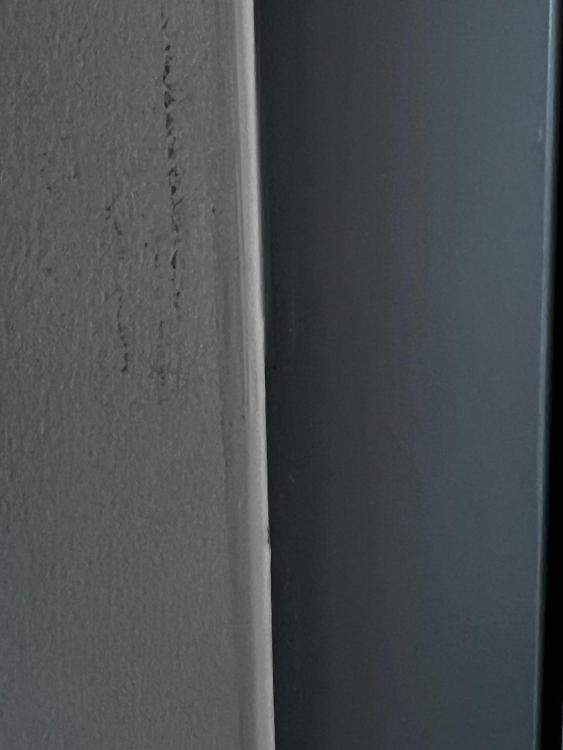
Do you intend to paint the wood frame white? Why didn’t you get framing to match the cabinets? We originally had wood coloured framing to match the island but it looked daft (unfinished) so I removed it and got the kitchen supplier to send me a few lengths of plinth in the same colour as the cabinets. This has completely changed the look of the cabinets as they now look properly built in. I had a smaller gap to fill but just used white caulk. Yet to paint it.
-
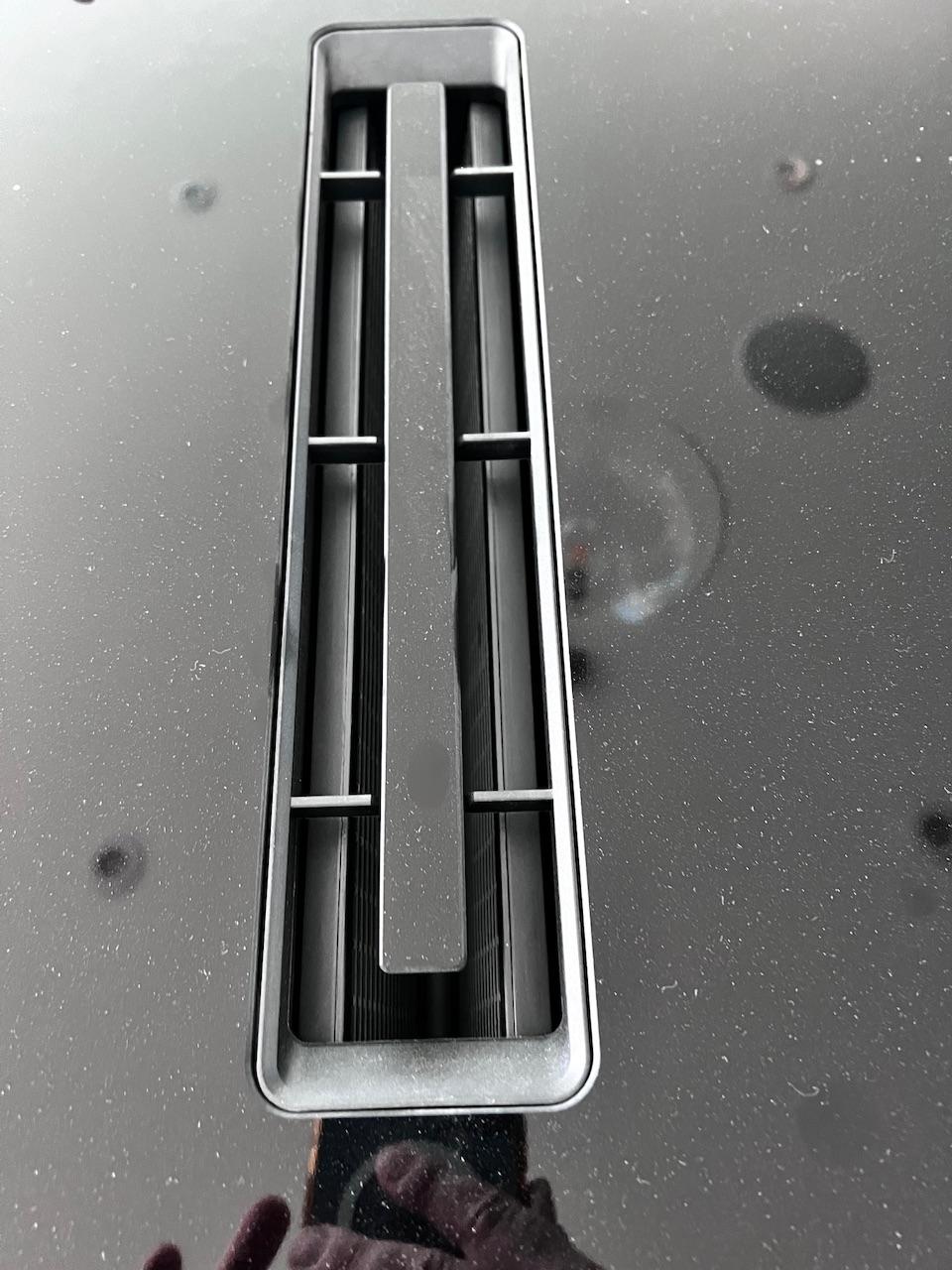
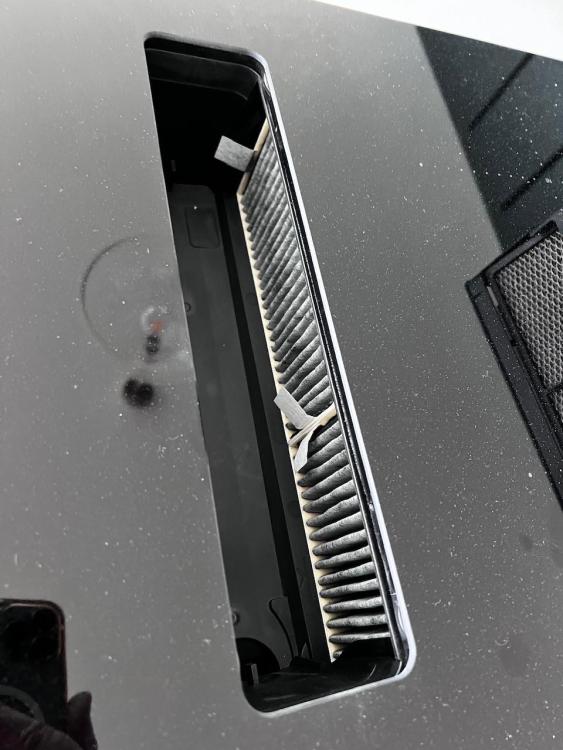
😂 yes, it’s a speckled finish. It is very effective with steam even at a low speed which is quiet. At full pelt it’s noisy but much the same as a cooker hood. You can configure it to come on automatically or manually. It also runs for a variable period of time after you’ve finished cooking. In the installation manual it mentioned that you can replace the carbon filters with acoustic filters.
-
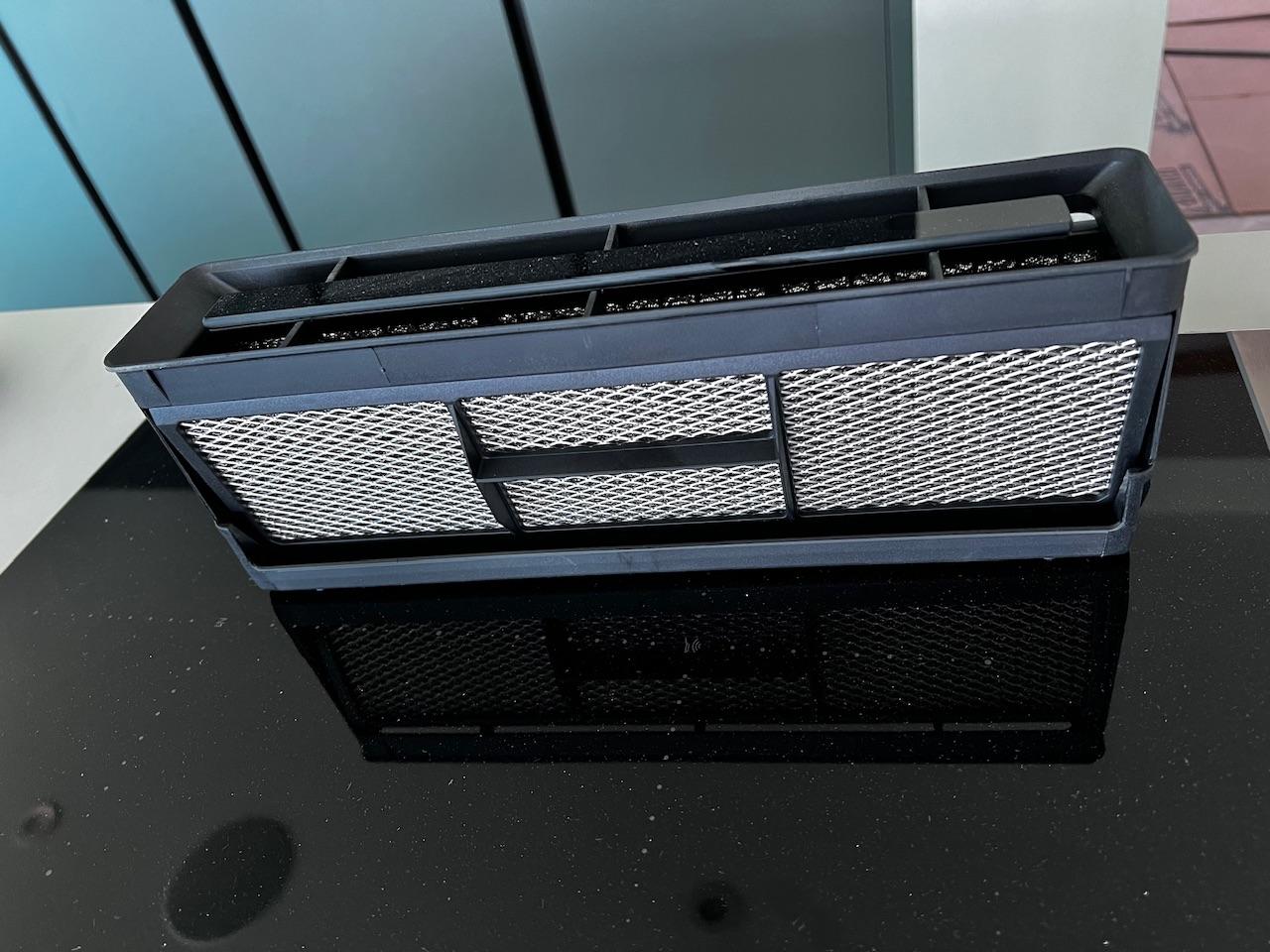
@saveasteading the two removable grease filters are in this caddy. The four replaceable carbon filters are in the second picture with two either side. The third picture shows the grease filter caddy/holder in place. Excuse the dust.
-
Blinds that are compatible with Loxone
Kelvin replied to Dunny1234's topic in Networks, AV, Security & Automation
When this was posted it would have been easier if the original source had been copied to the thread… https://umbrashading.co.uk/7-ways-to-connect-loxone-with-your-blinds-and-curtains/ -
We have 6 houses closer than that and they all have wbs that seem to burn 24/7 and smelling the smoke was something I was concerned about but I can’t recall ever smelling the smoke. I worried a bit about this when planning to site the plant room and therefore the MVHR.