Moonshine
-
Posts
2094 -
Joined
-
Last visited
-
Days Won
6
Everything posted by Moonshine
-
i wouldn't be so sure, from what @tanneja has described the external wall build up is 150mm timber frame with PIR insulation in the cavity. PIR isn't good for sound insulation and it won't have the same level sound insulation as if it was a porous insulation (e.g. mineral wool), of course if mineral wool was used the U-value would significantly drop. In this case the glazing may actually not be the weakest link.
-
What is the window build up and single figure Rw rating? I presume its road traffic you are trying to insulate against.
-
If you can loose another 15mm of room space, double board would be better acoustically. Depend on what space is available. Increased cavity depth would also help
-
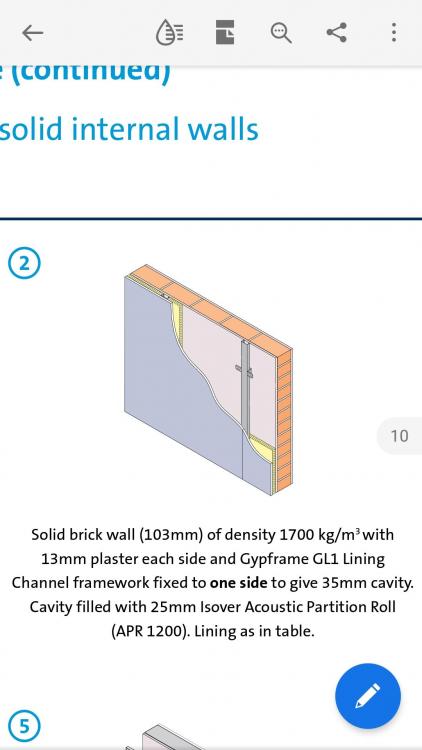
This, from the link I provided.
-
Also if that insulation wasn't standard PIR with an R value of 0.022, but of a higher spec like phenolic foam with an r value of 0.018.
-
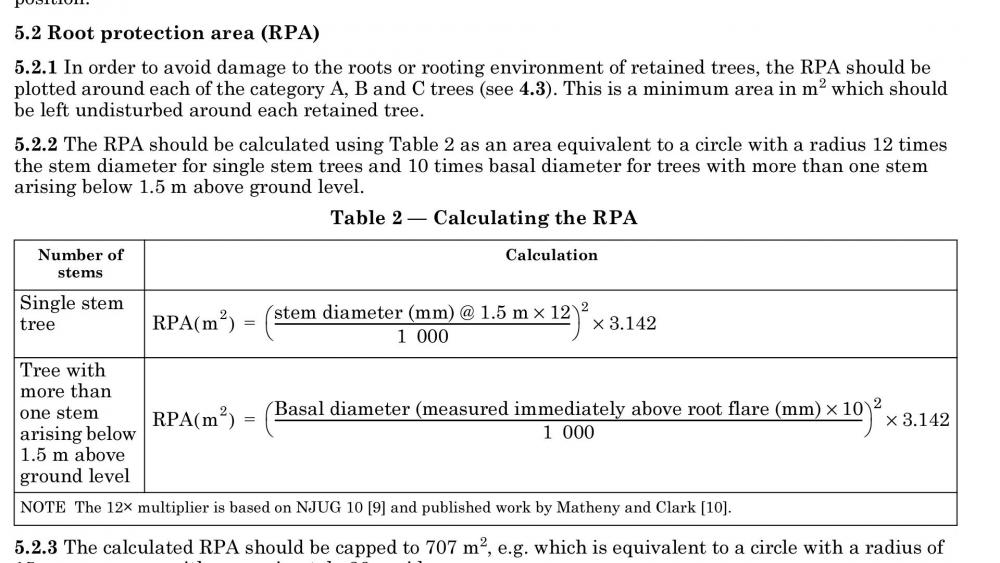
Have a look at BS5387, this is found on line. The root protection zone extends to a circle of a radius 12 times the stem diameter. So if you have 10m space, you only have problems if the circumfrance of the tree 1.5m above the ground is 2.6m, which is a stem diameter of 0.83m. Basically you need to have bloody big trees to have an issue on your site
-
 Actually there are loads of tutorials already online, such as https://support.dronesmadeeasy.com/hc/en-us/articles/217759823-Using-QGIS-to-make-custom-Contour-Maps?mobile_site=true Google and other resources would be much better than anything I could put together.
 -
I'll see what I can do.
-
It is possible, would take a bit of work to show you how, though I could probably do it in 10mins when I have spare time if you wanted. Let me know.
-
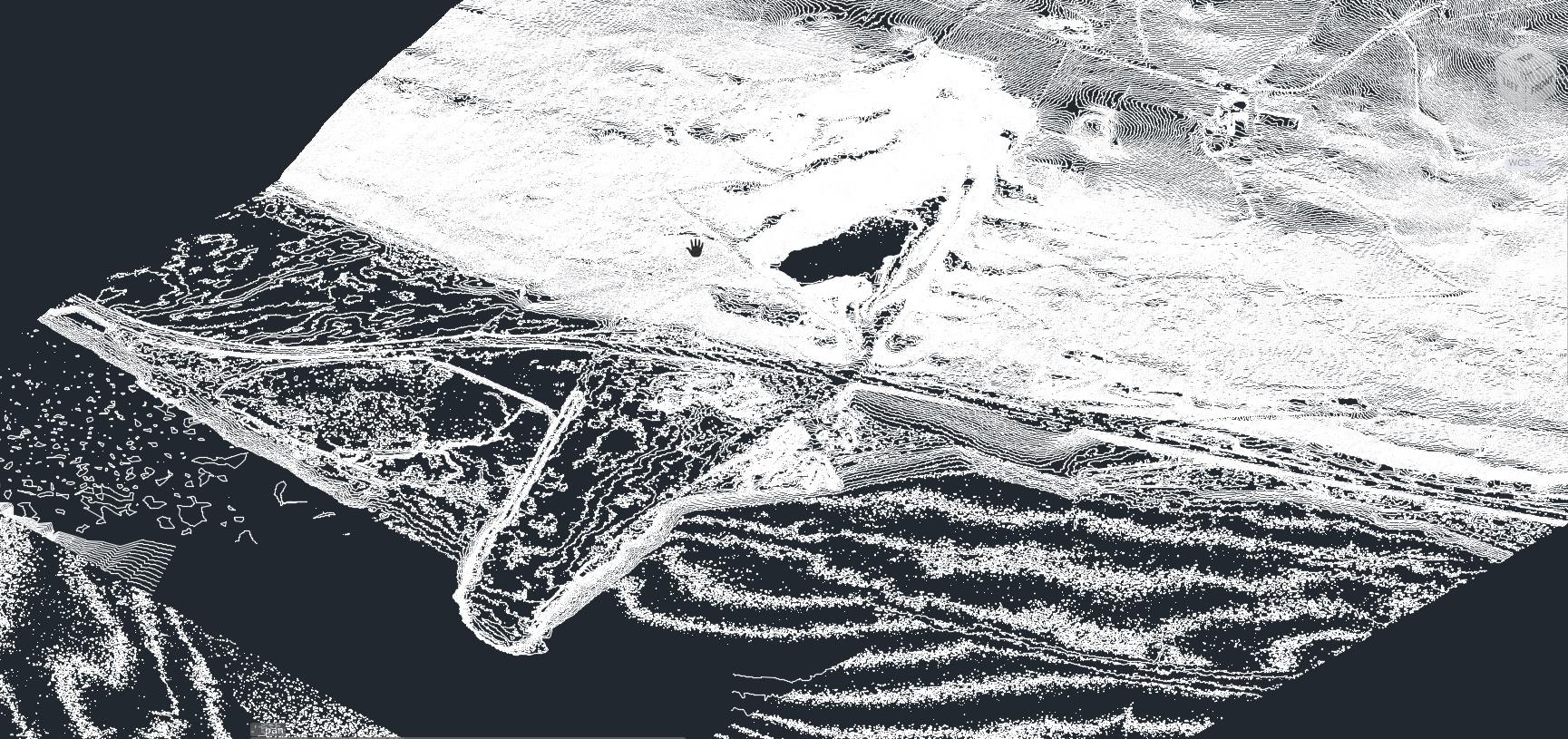
No, the white bits are where there is no data, nice one getting this far! What are looking to do with the data?
-
What are the usual route for ASHP external pipes into the house to the heating system and ufh manifold? Are they laid in screed, boxed in, or in a wall? Cheers
-
I am probably not the best person to review as I am on the learning curve too. However I would definitely advise you to get the ground investigation done and structural design below dpc done, including any bending bar schedule. The ground workers i have spoke to wouldn't even give me an indicative cost and needed the design they would be working too. Do you have planning / building control approval? From here it sounds like the quote you have is built on loads of contingency from the company as they don't know the details of what they are buildings. Also it sounds as your ground conditions are clay which will increase the cost I think.
-
Yes, though there coatings didn't include steel rebar and a step beam, so I am expecting some upward movement. Also total floor area of mine in 80m2, so over the basement, there is only 60m2 of foundations needed I am in the south west and likely to be cheaper than London commuting belt, though really need a formal quote to see if the qs is in the right ball park. Have you had quotes from more than one contractor?
-
QS estimate for excavating, retaining walls, tanking, foundations, and basement floor is £39k. The ground floor (block and beam, screed, insulation) adds on £13k to that. Basement is a 3 sided box dug out of a slope, total retaining wall is 17m. Only 7m of that needs tanking as the rest is garage. Of course this may not be accurate and I won't know until I get proper quotes. Hopefully will be able to get firm prices in a month or so.
-
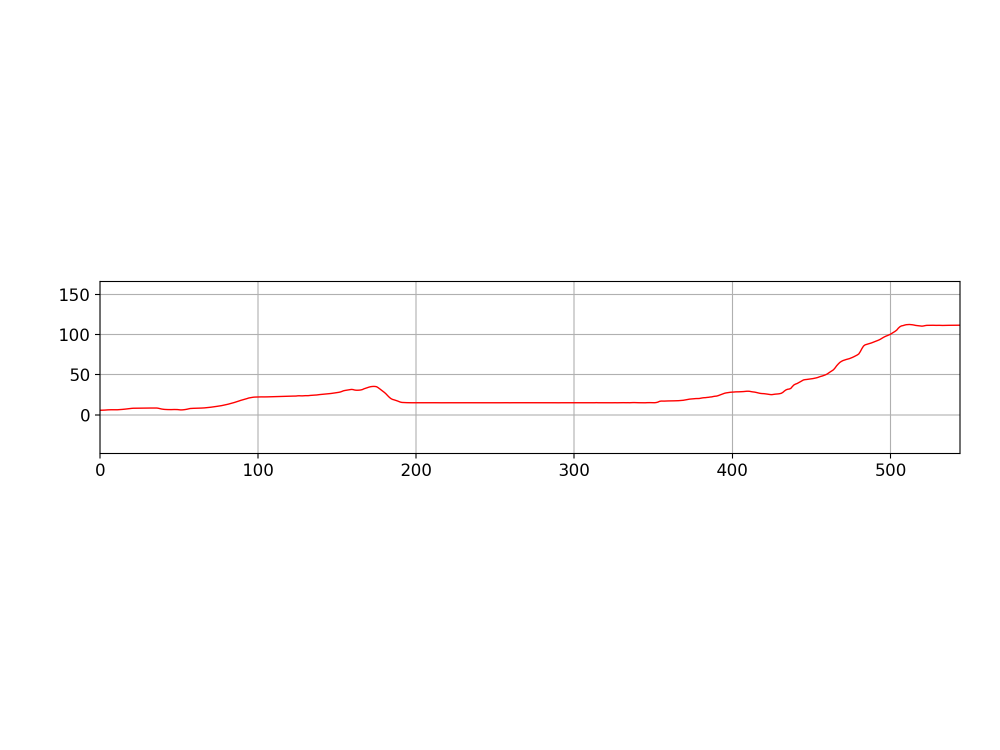
The data is here https://environment.data.gov.uk/DefraDataDownload/?Mode=survey You can select tiles of data you want to look at. I use a GIS software called Qgis to look at the data as well process it and present it (amongst of data sets). The tile you download is a geo referenced tif file, which is a image. The colour of a pixel in the image represents the hieght at that point. You can use Qgis to export the image to 3D contour lines for use in other software.
-
What is the insulation and thermal performance?
-
I thought that it was that falls to be designed with minimum 1:40, to ensure a finished fall of 1:80. Where does the 1:60 come from?
-
Sounds similar to what i have heard. I am looking to do a hybrid roof for noise intrusion, 150mm PIR (0.022 w/mK) above the deck with 100mm mineral wool (0.044 w/mK) above the plasterboard, U value - 0.11 I spoke to a couple of PIR manufactures about it and they did a condensation risk calculation, which showed there was a risk of condensation in Jan - Mar, with a max of 0.00342 kg/m2 (Feb) for an exterior temp of -5 degrees. However the annual moisture accumulation is 0.00000 Kg/m² and any condensation will dry out over a 12 month period.
-
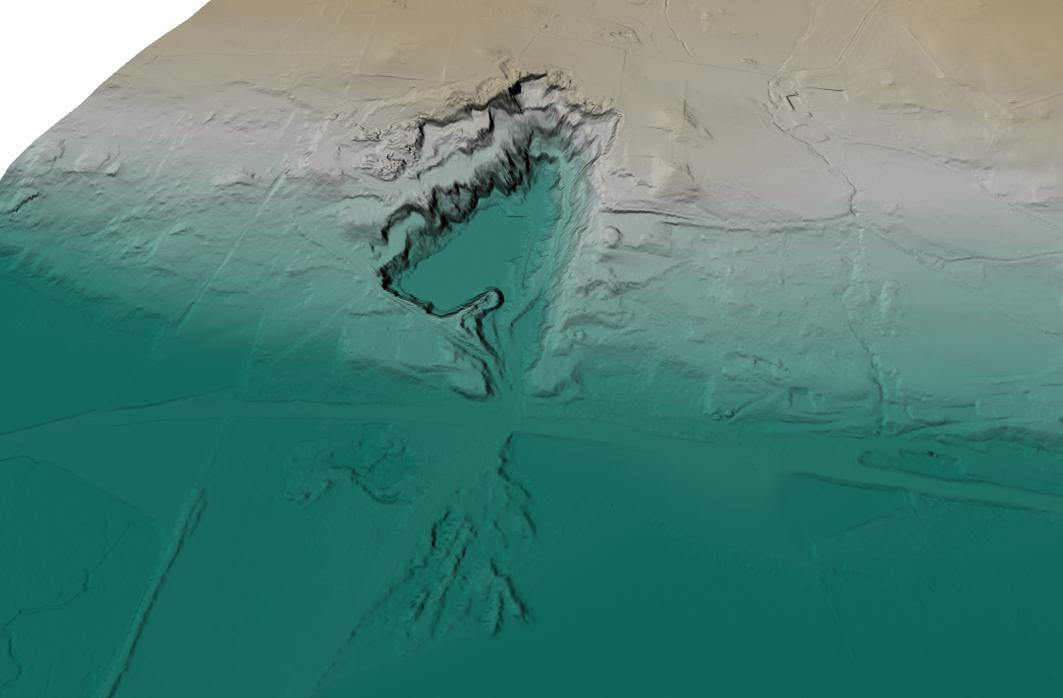
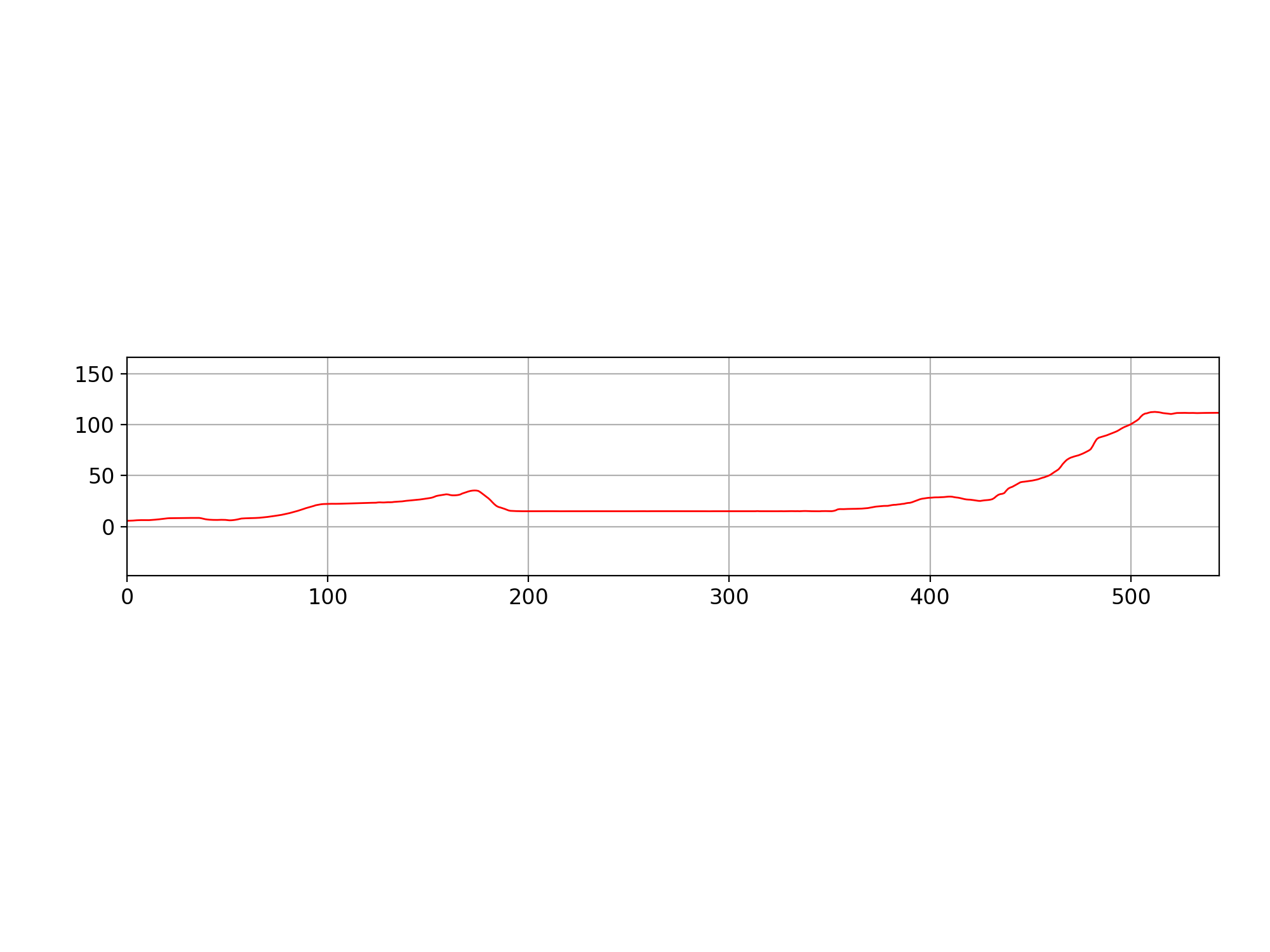
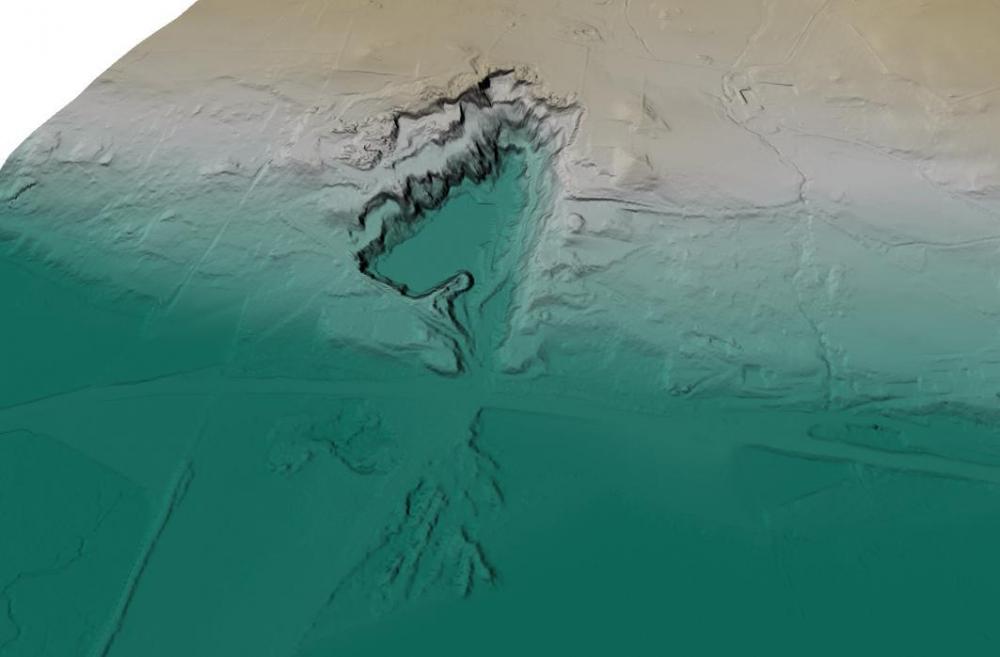
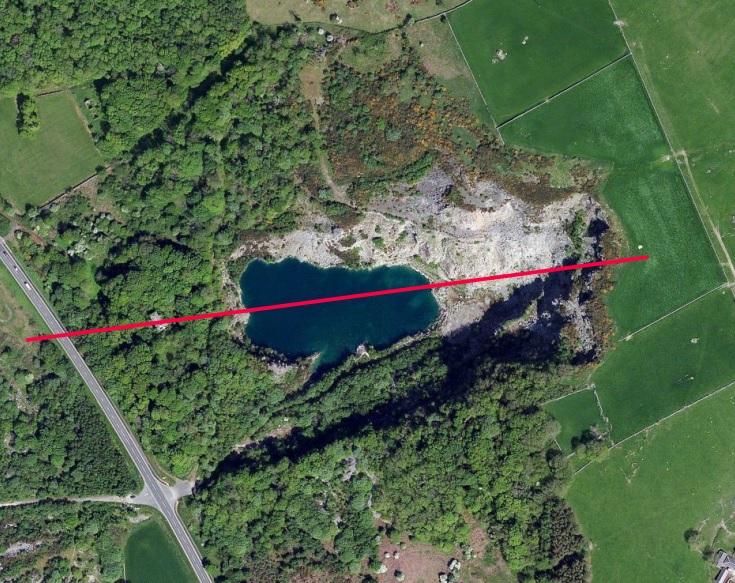
If you want more detailed terrain information your site may have freely available lidar data for it. Below is some terrain maps I made for a members much larger site which has a quarry in it. You can put sections though the 3D map. For my own site I made a 3D surface of my existing site from the survey data. This has been really useful for working out areas and volumes of cut from the site.

-
Sorry I can't help with the costings but following the thread with interest, as I am looking to excavate a basement from a sloping site. The basement is 25m2, and includes and integrated garage and entrance hall, my hope is that the garage won't need significant tanking. Ground investigation works (4 boreholes) were done earlier this week which found dense sand with a sandstone layer 2.5-2.8m below, though will be 3 weeks until we get the formal report and slope stability assessment. Got a SE lined up to do the below dpc calcs. Once we have though calcs and spec it can go out for pricing from ground workers. It will cost us £4k ish + VAT for the SE and ground investigation. My hope is the basement and foundations for the house up to dpc build cost doesn't exceed £30-40k. Time will tell how far off I am going to be on that!!!!
-
I will be getting someone to do the ground works and retaining walls as a package which I will give them the ground investigation report and structural design for the walls. Good to know sandstone will come out fairly easily.
-
we had our ground investigation today which seems to be dense sand to about 2.5-2.8m and sand stone below that. We are excavating to 3.5m for a basement cut into a slope. The presence of sandstone is good for our retaining wall design (I think), however I am concerned how to excavate through the sand stone. Have anyone had experience digging / excavating sand stone?
-
Sounds like a really small amount of insulation. Also what you are describing sounds like a hybrid roof construction and may be prone to interstitial condensation
-
Go staggered if you can, a 3 dB increase in sound insulation isn't to be sniffed at. Typically a metal frame wall will acoustically out perform a timber stud of a similar build up.
-
That is £300 /m2 with labour, is the £150 inc labour? Also a factor is ufh and the majority that needs to be laid is at first floor level so will need to be pumped, which is going to add to the cost of the concrete option.