
saveasteading
-
Posts
10890 -
Joined
-
Last visited
-
Days Won
93
Everything posted by saveasteading
-
Anything that stops air flowing through the curtain.
-

New member... over budget at the start, what to do?
saveasteading replied to worriedexpat's topic in Introduce Yourself
One very good client (it turned out) called me to site after quotations and started by saying " we need to discuss the price". OK say I, but it can only go up. Or I can tell you where there are design simplifications. (All declined). Good project, everyone happy, and a very good written client quote for the website. -
outer hebrides it seemed like a good idea at the time…
saveasteading replied to Chris HB's topic in Introduce Yourself
Good to hear of progress. Keep us informed please.- 56 replies
-
- 1
-

-
- western isles
- isle of lewis
- (and 2 more)
-
In approximate terms, a wall tends to break about 1/3 up from the base. An earth or stone filled (rammed) patio up to that level might hold it. My garden sprayer is not very precise. Be careful not to accidently spray weedkiller onto the offending plants. Be careful several times a year. You are allowed to cut overhanging branches , but not to spray them.
-
A utility room is part of the house. I can't see what the issue is.
-
DIY ers become craftsmen (and woman)
saveasteading replied to saveasteading's topic in General Joinery
Thanks I will pass these comments to the team. Joinery isn't my thing. It may be that there are constraints on the door positions as we have the constraints of the geometry and the need for disabled movement space. Or maybe we need to change it as suggested. There is only 1/4 done, so they are learning all the way. Any advice on the tools to buy for door hanging? There are over 20 so it is worth getting the right stuff. -
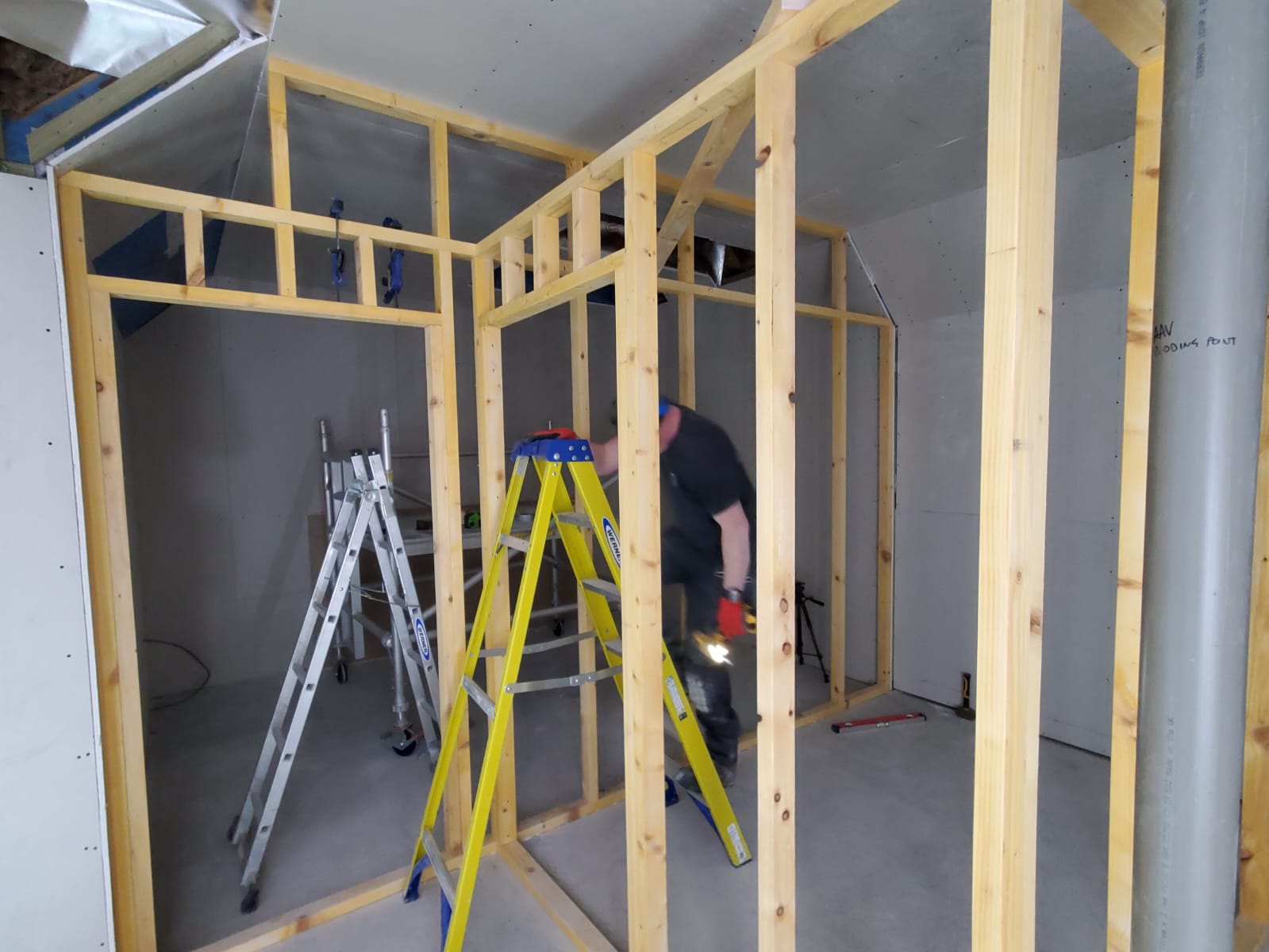
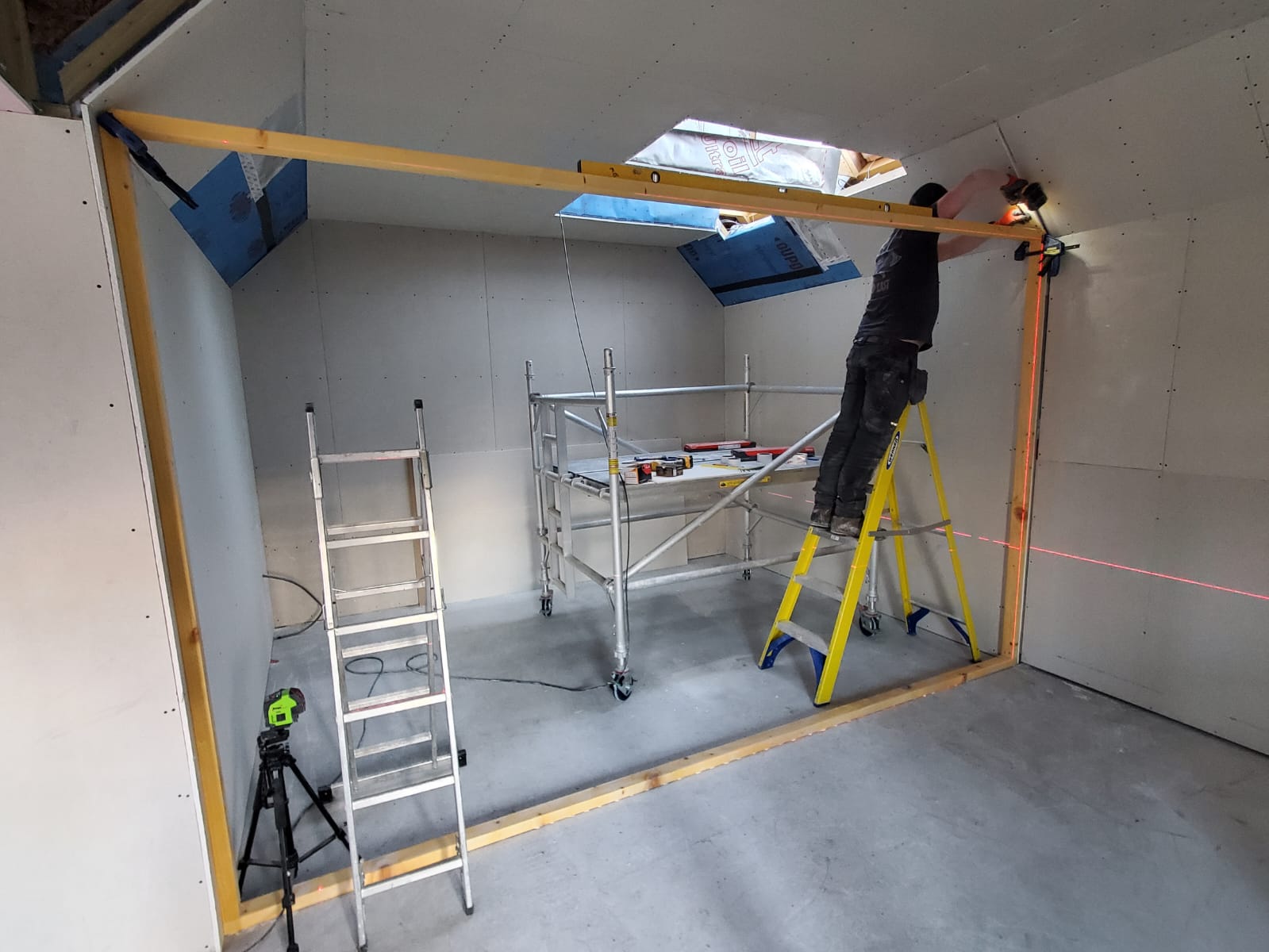
Progress photos. I am seriously impressed with this workmanship, for our complete beginners.
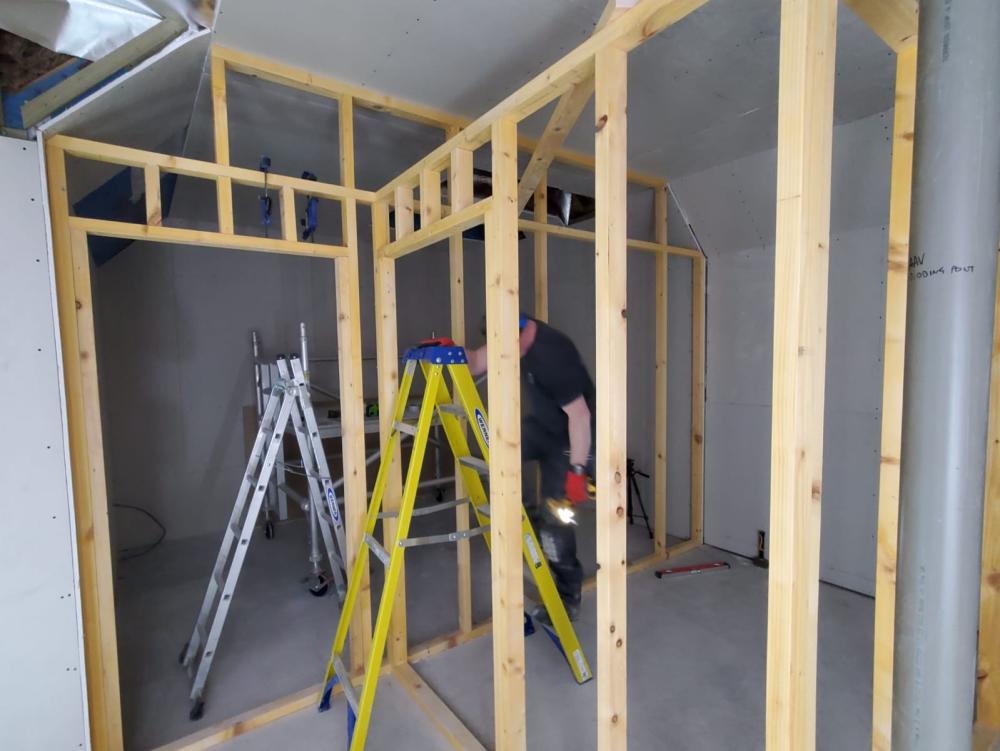
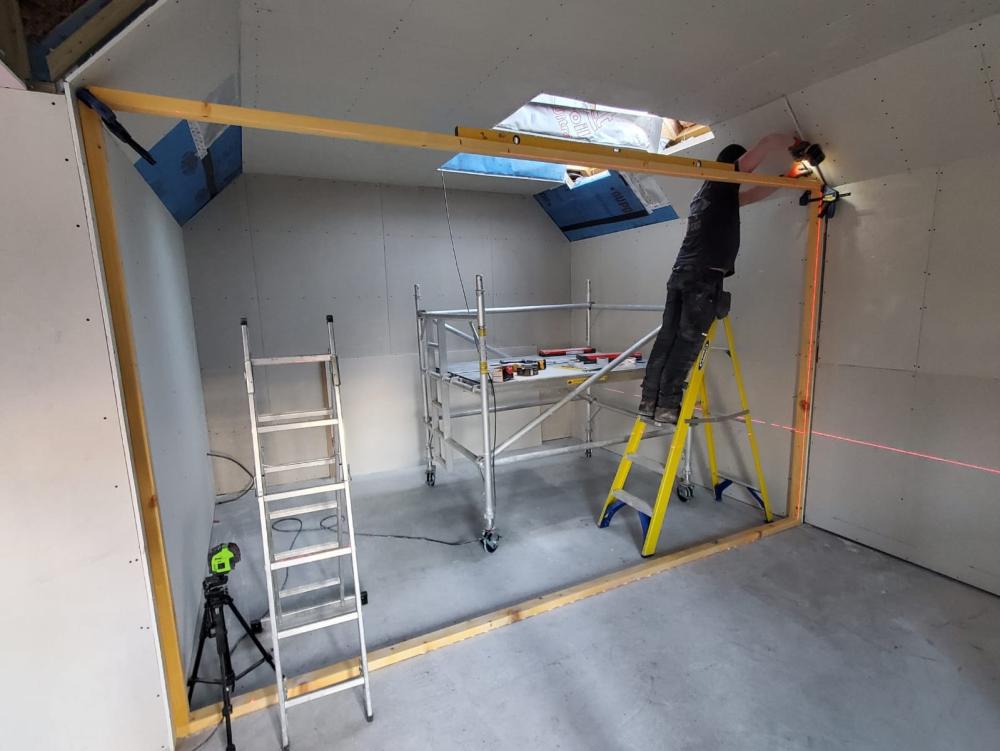
-
New member... over budget at the start, what to do?
saveasteading replied to worriedexpat's topic in Introduce Yourself
"They" meaning contractors? Nor fair. Don't assume everyone is the same. My first price was the right price. If you want it cheaper use someone else or we can discuss some optional changes. Of course others may quote too cheap then look for extras. Ask by all means, but beware what might be changed in service of quality. Except, to be open about it, when a repeat client always needed to negotiate a discount. Then you add 2% so it can come off again. -
Anyone know what these guys do with rainwater?
saveasteading replied to Alan Ambrose's topic in Rainwater, Guttering & SuDS
One other thing re domestic use. Who wants to hear rainwater in pipes boxed into the living room / bedroom? -
Anyone know what these guys do with rainwater?
saveasteading replied to Alan Ambrose's topic in Rainwater, Guttering & SuDS
When i have had to use valleys or internal gutters, I have worked out the flows and gutter dimensions myself, and ensured large tapered outlets to maximise flow. This because the theoretical depth doesn't allow for sag in the gutter, or the massive risk if it fails. I discussed this with a supplier expert, and asked what they do in tropical areas. Of course they avoid internal gutters , but have extra deep ones if necessary. In a portal frame this requires special detailing and deeper purlins, which can be costly.....but the architect isn't paying of course.. Another issue is splash from one side onto the other. Also always visited site during or after heavy rain as a check in advance of handover, or tried to test it if no rain. But external is best. Control nature, don't try to defeat it. -
A wall is made of brick, bonded with mortar. Thus too much mortar is not good. Just in case you don't know (and some "brickies" certainly don't) obtain all the sand and cement you need in one delivery, so that the colour doesn't vary. Bricks too, and you may need to mix them between pallets as the bricky might not. Discuss with the bricky, as a good one knows all this.
-
Anyone know what these guys do with rainwater?
saveasteading replied to Alan Ambrose's topic in Rainwater, Guttering & SuDS
Not so. External gutters can be deep and carry more water. The biggest span I did was 50m and the gutters and dp were external. If a freak rainstorm, or blockage, overwhelms the capacity, then the water spills harmlessly. With an internal gutter it overfills and tries to force through rubber profiles. For that reason, Internals must have greater spare capacity and end up huge. No, parapets are there for appearance not function. (They also increase snow buildup and need extra support from the structure)..and snow blocks the gutter, so send workers up to clear it ir risk leaks) Also, seagulls love parapet walls to build nests.....in or beside the gutter. A leak in a warehouse can, indeed, be catastrophic financially. There is case law for a blameless QS being liable for water damage and repair (millions) when the other designers and builder went handily out of business. I have done internals. Oversized and additional outlets is the answer, but was still the aspect of the designs that worried me. -
Anyone know what these guys do with rainwater?
saveasteading replied to Alan Ambrose's topic in Rainwater, Guttering & SuDS
Yes rain is seen as an inconvenience by some. Building internal gutters increases the risk of leaks dramatically, especially when gutters block. I have never known a client to want to pay extra (a lot extra) for internal gutters. They only want the building to keep the weather out, so keep it out. The gutters, downpipes and drains. Secret gutters, sometimes behind parapets (to conceal that there is a pitched roof) are specified by architects usually, for appearance only. Philistine me, I try to give clients a choice, and there is only one answer once they know the implications. I think I've done 5 internal gutters, where I did not have enough influence (and the end client was not asked) so know of what i speak. If you are sold on the appearance, allow for the extra cost, watch the build quality constantly, and clean the gutters at least 4 times a year. -
Thanks. I tried another search and success this time. Even the right style of door. Much more solid and thicker veneer than I had expected. Whether our amateurs can get this right first time, or just cap the cut, i will report later.
-
I did read somewhere that uk electrocutions are a lot lower than other countries with 200+ volts. That needs checking though.
-
Did this on 50 + buildings. None houses but not one person ever had a problem. After 10 years nothing has changed. I think I prefer that to a board covering that would need a connection. Full bricks are cheaper than slips, and more stable, so use block inner and brick outer for preference.
-
Cordless scissors.
-
Anyone know what these guys do with rainwater?
saveasteading replied to Alan Ambrose's topic in Rainwater, Guttering & SuDS
Bttoq. Many architects consider that drainage is 'by others'. When complelled to have internal gutters, i have always got the pipes out of the building asap. -
Simply paint the block face with bitumen. Nobody will notice. The engineering bticks option can be overcome, esp with the patience of diy. Drill holes in solid brick and use an expanding nail, or plug and screw. Bricks with holes through will take a dowel into which you can screw. Insulation can either go in the cavity if you have one, or against the inside face.
-
Anyone know what these guys do with rainwater?
saveasteading replied to Alan Ambrose's topic in Rainwater, Guttering & SuDS
These are all impressions aren't they? Although the first one seems to have some scabby wood cladding so may be real and 'settling in to its rural environment.' -
I did that with a heated radiator. I think i fitted a switched spur so there are no cables visible in the other room.
-
You mean dismantle and take a piece of frame off a third door, and splice it at the diagonal?
-
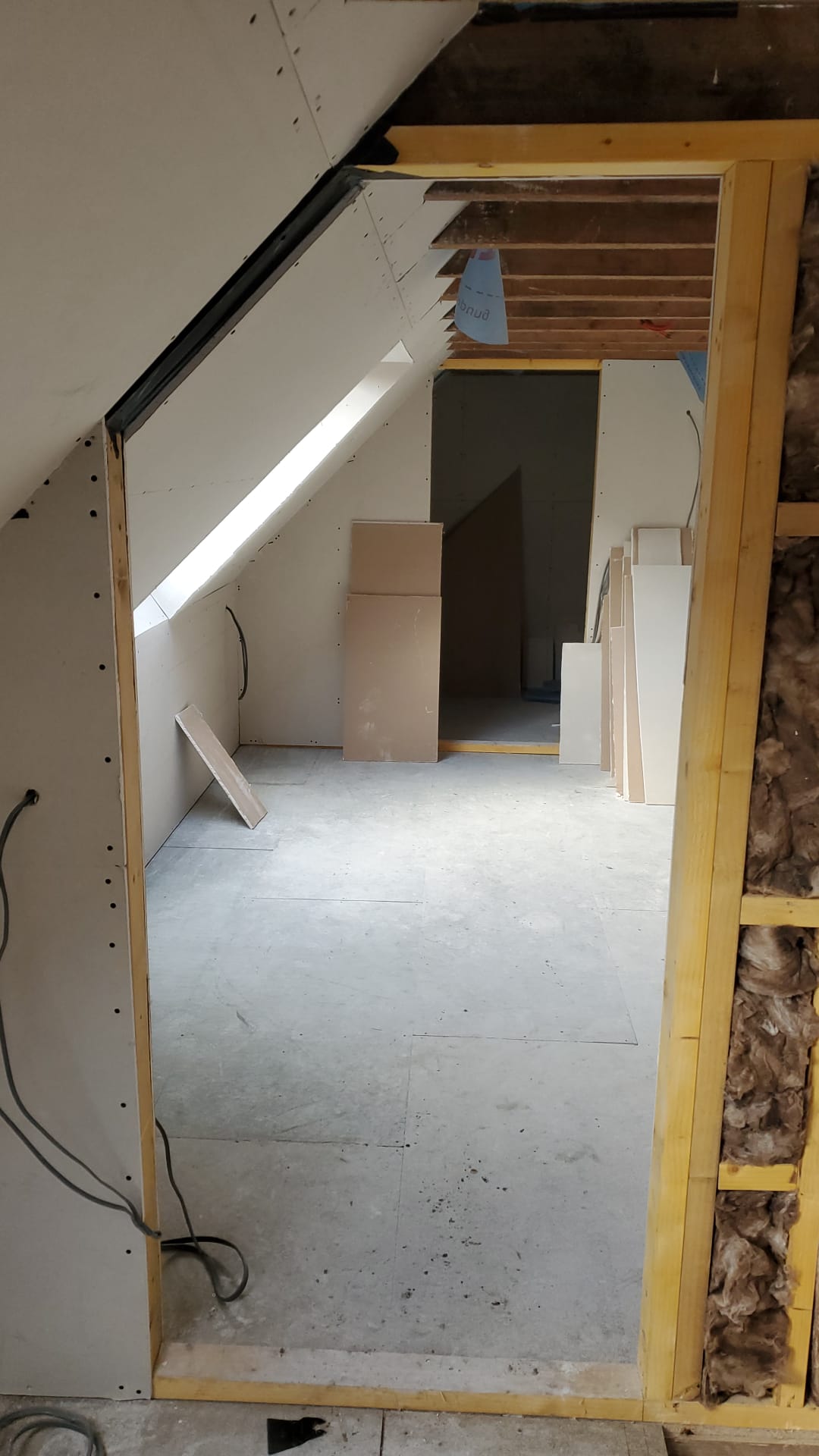
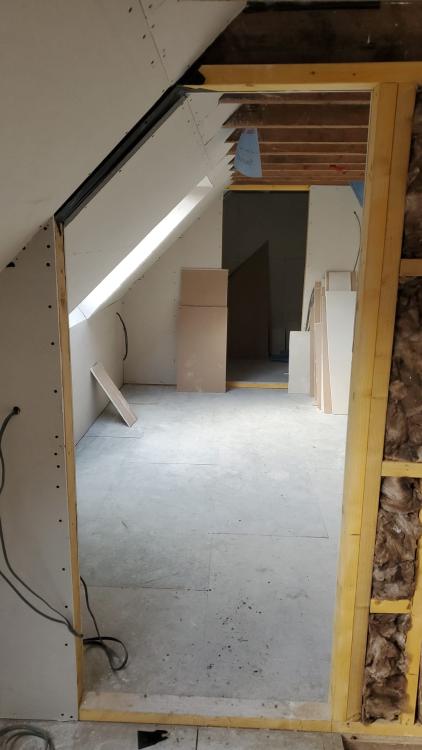
We have 2 doors in the roof space which will need the corners cut off. Hoping not to need them made specially or to have to use ugly great fire blanks. Elsewhere we plan to use the ubiquitous veneered oak, vertical plank effect doors from howden or a bm. But i assume these are filled with cardboard or wood fibre and not suitable for cutting. Any suggestions please?
-
OK that's clear thanks. Only rainwater should go into the pond. Any grey water, even from bath, will have detergents and body dirt in it, and a risk of bleach, none of which is nice in a pond. Would you swim in it would be a decent test. You will get plants and creatures, which would be great. The plants will drink some water too, and the roots may increase drainage routes. Fish drinking the water doesn't count. The volume of water from sewage is relatively small. To avoid a huge drainage field, ask your bco if a soakaway is enough.
-
Will I need to still do Percolation tests if it's usable? (planning stipulates approx 50m2 pond) Why don't you? It is very easy to do, and you will understand your options better. it requires a spade, a bucket (and water source) a watch and an hour of your own time. If more than an hour then there is a percolation challenge. you should not let your sewage anywhere near the pond. I'm not sure I understand your problem? Is it that you don't want to do it, or there are technical issues or a lack of space? For example, how much rainwater can it hold, and where does it go if it overflows?