


saveasteading
-
Posts
11094 -
Joined
-
Last visited
-
Days Won
97
Everything posted by saveasteading
-
I'm no expert on solar but am on metal roofs. Never make holes in a standing seam roof. Are these glued on for that very reason? And no cables penetrating either I hope. Is there a spec on how they fix it? Very clean and dry roof as default. And mention of effects on galvanised or plastic coatings?
-

Advice on painting 1.5km2 of plasterboard
saveasteading replied to saveasteading's topic in Decorating
But that would be limewashed and tapestries and I'd be asking for gargoyle advice -
Garage doors. This shouldn't be so difficult
saveasteading replied to saveasteading's topic in Barn Conversions
I will pm. They probably won't travel to you but may know someone your way. I chose them simply from a local search of vehicle door people, not from Facebook which was just agents selling on contacts.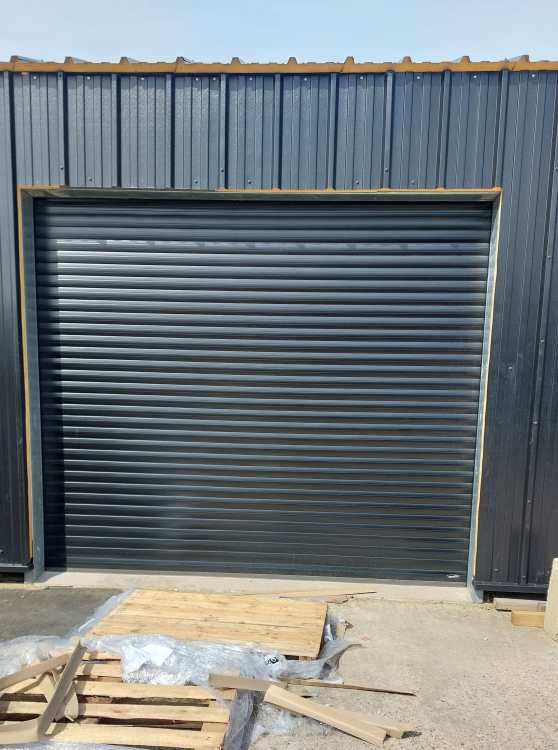
-
That's remarkably good info from ai. Fortunately ig has found and cringed good advice, not bad. I'd only sat that outlets are better at quarter to third points than ends as water runs both ways with shorter travel.
-
Advice on painting 1.5km2 of plasterboard
saveasteading replied to saveasteading's topic in Decorating
Yes it's about 1,500m2.somebody had mentioned that rather large area and I was impressed by the magnitude, couldn't be bothered to calculate it, and it does grab the attention 1,500 to 2,000 is about right in an off the top of the head sum. Btw we really have used 10km of timber. I'll be asking for recommended paint brands soon. Not expecting it to be farrow and ball. -
Garage doors. This shouldn't be so difficult
saveasteading replied to saveasteading's topic in Barn Conversions
Very happy with the roller door. They fitted it in about 3 hours. Only needs an extension lead until we get final cable in. Electric rs door, black, pneumatic sensor on the bottom. Easy push button box inside. 2 remote fobs. We went for the less well known manufacturer, saving £400 and happy with that. It was about £1700, fitted. Specialist firm about 10 miles from site, with real people. -
Advice on painting 1.5km2 of plasterboard
saveasteading replied to saveasteading's topic in Decorating
We will definitely have the tape and joint by others, and lighting will be set well off wall faces to avoid shadowing. What were the other 3 doing? -
Indeed. It's best to be passing-by friendly with all of them. But if the manager/boss you have a contract with isn't there then you need to know who is in charge. Unfortunately that may not be the brightest or most knowledgeable one.
-
The magical powers of skin, fat and mould.
-
The decorating quote is far beyond budget. The plasterboard area is enormous and so is the rate. We don't have the diy time to take it all on ourselves. But maybe with the investment in a quality spray machine which would be a lot of cost on a smaller project but worthwhile here? Recommendation on the machine? How much faster would that be? What don't we know? Perhaps even just the mist coat to get the ' easy' bit done. Perhaps at least we do the very high areas (off a cherry picker) where no-one will see.
-
Being in the workers faces can annoy them. Asking why repeatedly likewise. Otoh as the client, there should be an expectation of close interest. I find having 'other things to do' lets me observe discretely. tidying is an easy one and is constructive too. And saves money on skips you fill carefully because you care about the cost. After a while you may well be respected and included. But it is ok to ask what the day's plan is and any challenges and for explanations of anything bothering you... just not every 10 minutes.
-
There will be hardly any free moisture in the screed unless you allow the room to be damp. To prove this, lay polythene down and see if any moisture appears on the underside after a few hours or on a warm day.
-
Exactly so. The hardening is mostly chemistry, not drying. Changes in colour are normal too, depending on water content, being laid straight or worked extensively, thickness, and any objects or joints below.
-
If this is a shed that you will sit in occasionally then it probably isn't a bc issue. A fire is unlikely and you would walk out of the door. If it is a bc issue then the osb is a risk. There have been full scale fire tests on exposed osb and the fire and smoke spread scarily fast. I once had a bco agree that masonry paint would suffice as protection as it doesn't burn. But that wouldn't suffice now as test results are required for everything. The clear protection is intumescent varnish. It is expensive as it needs a thick layer then sealjng coat. : possibly more cost than plasterboard and finishing. It can look OK but can be a bit streaky. Plus, osb can flake and filler would look awful. The same varnish would be required for ply or t and g.
-
In my limited experience, a float valve will cut in again when the water rises. I have a small irrigation pump where there are 2 sensors set at slightly different depths. They simply kick in again.
-
I'm thinking that the risk there is for the vendor. You might apply for a design that has no chance of approval. Then they have list time and have to marker again. But if going for outline pp then fair enough.... but why wouldn't the vendor go for that first?
-
Sq ft... I've found Scottish conveyancing lawyers to be proper experts and keen to represent your interests. Thus I urge you to discuss such concerns with your chosen one. They will know how to handle conditions and timescales. If the other party won't agree then you have to decide to proceed or not. On technical matters though you need other advice and perhaps surveys.... again the lawyer can write conditions but you will have costs rising while risks reduce. What technical risks do you foresee? But, the less experienced you are, the more "unknown unknowns" there will also be.
-
It's much more definitive than the process in England. It prevents/reduces gazumping and gazundering, changes in terms and such games; also time wasters. To what extent conditions can be applied I'm not so sure.
- 23 comments
-
- 1
-

-
- due diligence
- land registry
- (and 4 more)
-
Patio level-ish with house FFL
saveasteading replied to vala's topic in Landscaping, Decking & Patios
I've not found them to be keen on decking. Too wet and draughty. Under the shed, up in the loft, in the warm , covered compost heap though, they like and will prefer. Plus, how are they going to get under a raised slab if it has an edging? -
Partition walls: what is the best way to build them
saveasteading replied to MariaD's topic in General Construction Issues
My favourite esp for diy. If you make double sole plate and header plates then even vacuum cleaner impact is isolated. It is superior too if having a tv fixed to a wall -
Cutting XPS insulation?
saveasteading replied to Alan Ambrose's topic in General Self Build & DIY Discussion
How slow? Any accurate method is slow, especially when done twice, and your cuts look very tidy. -
It's a huge difference affecting ease of building and fire specification. Normally reduces foundation size too. Fire still applies though so do check it out.
-
Average 8? Probably 20 used it in total. It was going that way anyway. So close to zero fuel used for us. In term time it would have been packed. It is possible some of those people don't have a car and were coming back from hospital. Exactly. One solution is that your local community has a vehicle and volunteer drivers plus a free parking agreement at the bus stop. Stand as a local councillor and you can do this using the huge fund that the wind turbine people will give you.
-
Average 8? Probably 20 used it in total. It was going that way anyway. So close to zero fuel used for us. In term time it would have been packed. It is possible some of those people don't have a car and were coming back from hospital. Exactly. One solution is that your local community has a vehicle and volunteer drivers plus a free parking agreement at the bus stop.
-
As you've asked, here is the solution: Sorry, I jest.. A few thoughts though. 1. An ex friend was, say 20 years ago, very shouty that global warming was a con. Mostly because of suspicion of anything that didn't suit him, but also because it was snowing. Now he is an advocate, albeit not in an educated way, just that climate change is a problem. What changed? Drip drip of information. Probably one or more persons he listens to. Moral. Education on the facts and the threats and that we can make a difference. 2. Transport. I have a new bus pass. I used it, and saved a car journey. If only there was more than one bus a day I would drive much less. So would others. Scotland has simplified and cheapened rail travel. I think bus travel too but others can confirm. We have travelled several times from airport to home by train and bus much cheaper than by driving. The train cost shouldn't be anywhere near the plane fare. Moral. The authorities can make a difference, if allowed by central government and the taxpayers who have to subsidise it. The service has to be there first. Poss tax fuel even higher after the services are in place. 3. Fine anyone £5 on social media who says "It " is ridiculous and something has to be done about it. There is no point in us doing anything. "They " are all the same, and taking bungs. Spells 'our' as 'are'. And spend it on public transport. 4. Most of all. No new housing, except genuinely social housing, where there isn't the infrastructure. * "It" means potholes, traffic, water shortages. "They" is politicians.


