Tom
-
Posts
866 -
Joined
-
Last visited
Everything posted by Tom
-
badly scuffed UFH pipe - repair or leave?
Tom replied to Tom's topic in General Self Build & DIY Discussion
Is there some sort of resin that could be poured around the fittings, a bit like the stuff used in the connections used by power companies to join uncerground cables? -
badly scuffed UFH pipe - repair or leave?
Tom replied to Tom's topic in General Self Build & DIY Discussion
Not possible without major work, there is about 100m in total and would be a complete nightmare. -
badly scuffed UFH pipe - repair or leave?
Tom replied to Tom's topic in General Self Build & DIY Discussion
That'll be me! Almost 2km of pipe laid and that was the only bit that popped to the top. Should have been seen and sorted by the people who poured the anhydrite screed though. -
badly scuffed UFH pipe - repair or leave?
Tom replied to Tom's topic in General Self Build & DIY Discussion
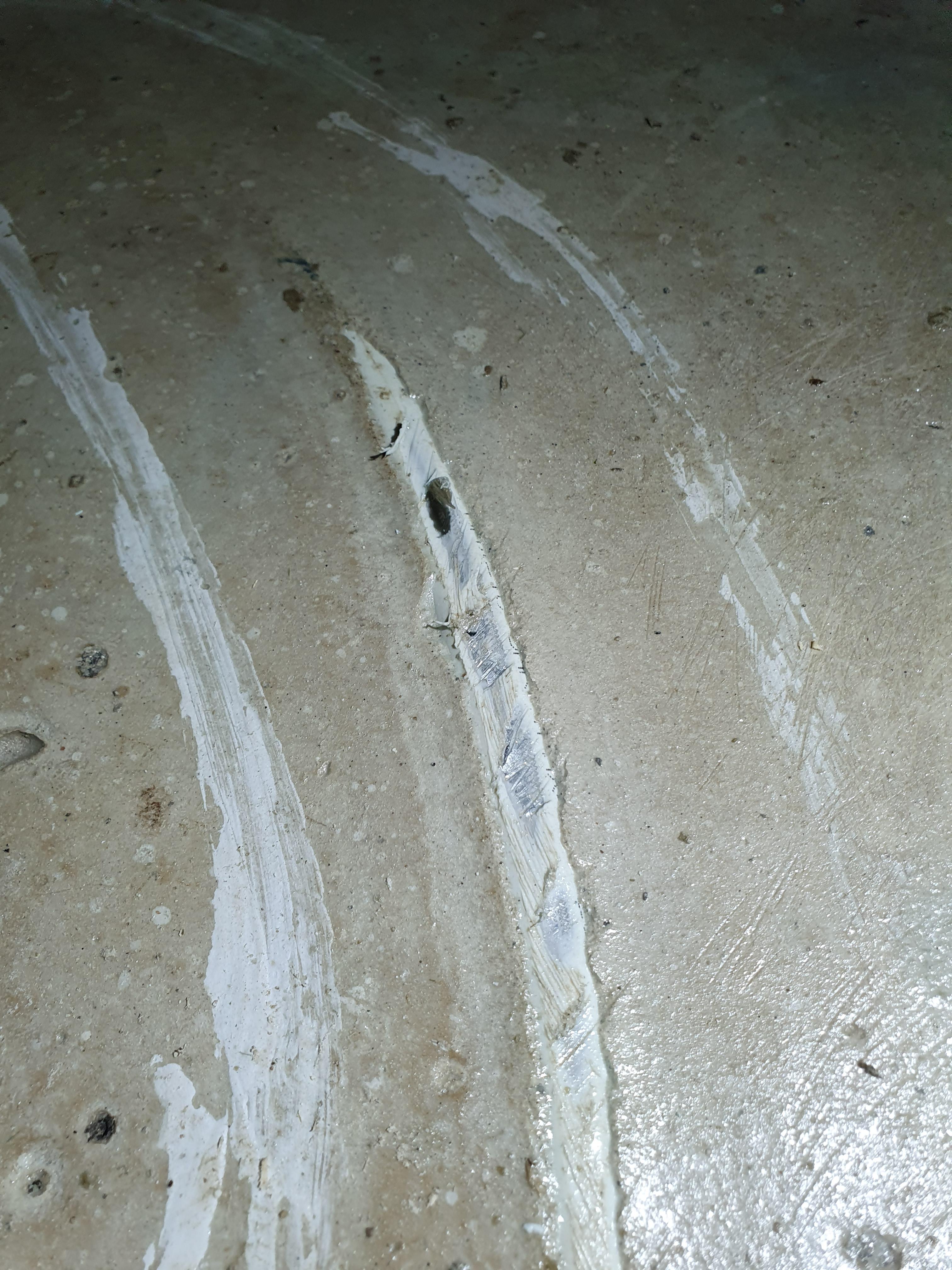
Thanks both. The floor people have accepted liability (how generous!) although not actually apologised. They are paying for the plumber to dig out that section of pipe and replace. However I will now be left with two compression fittings buried under the floor. Honestly, the level of incompetence displayed by some people is astounding and is a never ending source of wonder and amazement to me. -
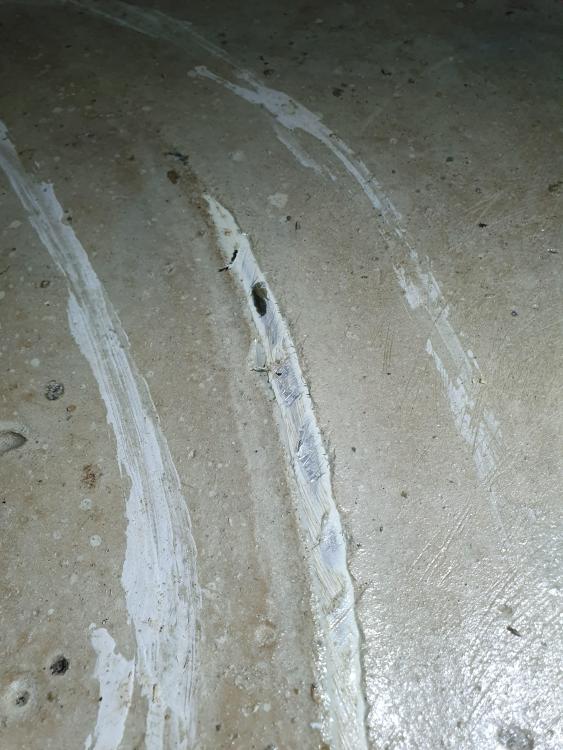
So inspite of making people abundantly aware of this exposed UFH pipe in my screed they have still managed to go over it with the floor grinder. The outer PEX layer has been taken away in a few places and the inner alu layer scratched. No holes fortunately and the system is still pressurised. There is a few mm of latex screed going down next, then an engineered wood floor. Should I leave alone or get it cut out and replaced? I'm worried that cutting it out will cause more issues and then there are two compression fittings to leak in future. Thoughts?
-
Thanks for the input folks. I've had to park the idea for now as the tilers have managed to cock up the cut out around the shower controls so need to sort that one first. 120x120 tiles are going to have to be hacked of the walls and redone. FFS. Does any trade, EVER, not cock it up? @nod @Nickfromwales et al. excepted of course....
-
Hi all - the tilers are in and no one seems to have thought about access panels, they'd happily tile all the boxing in and leave all the tap tails, cistern feed etc inaccesable when the inevitable happens in the future. They have suggested some tile magnets to hold a tile in place over an access hole cut in the tile backer, but these just seem a bit flimsy to me ( https://www.tileexperience.co.uk/schluter-rema-magnets-set-of-4 )- I can just see the tile coming out and smashing. There also seem to be tileable access doors out there eg https://hidex.co.uk/product/tile-access-panel/?gad_source=1&gclid=Cj0KCQiA5rGuBhCnARIsAN11vgSoBLQb5k0FhQZCjExM8FNxxlVGr8fO2PXCEnC9uu-MKE-dhaam7QQaAuKKEALw_wcB . Any real-world experience of either of these things? Cheers all
-
I think you all need to meet on site to sort it out - the boss man, his surveyor, your builder and you. Going backwards and forwards over email clearly isn't going to go anywhere and sometimes you just need to do these things in person. If they refuse then at least that's an additional point in your favour if it does go to law.
-
Their argument hinges on this, if you can prove that the opening was not made smaller when the bow was sorted then they would have to concede that the surveyor was wrong. If you "signed off" on the meaurements by eail then it might get a bit tricky, but at the end of the day you have to trust the surveyors measurements, because what's the point of having one anyway?
-
It clearly is, see my picture above! Depends on what residual webbing is left between the EPS faces when the blocks are cut, and what external bracing you add Agree!
-
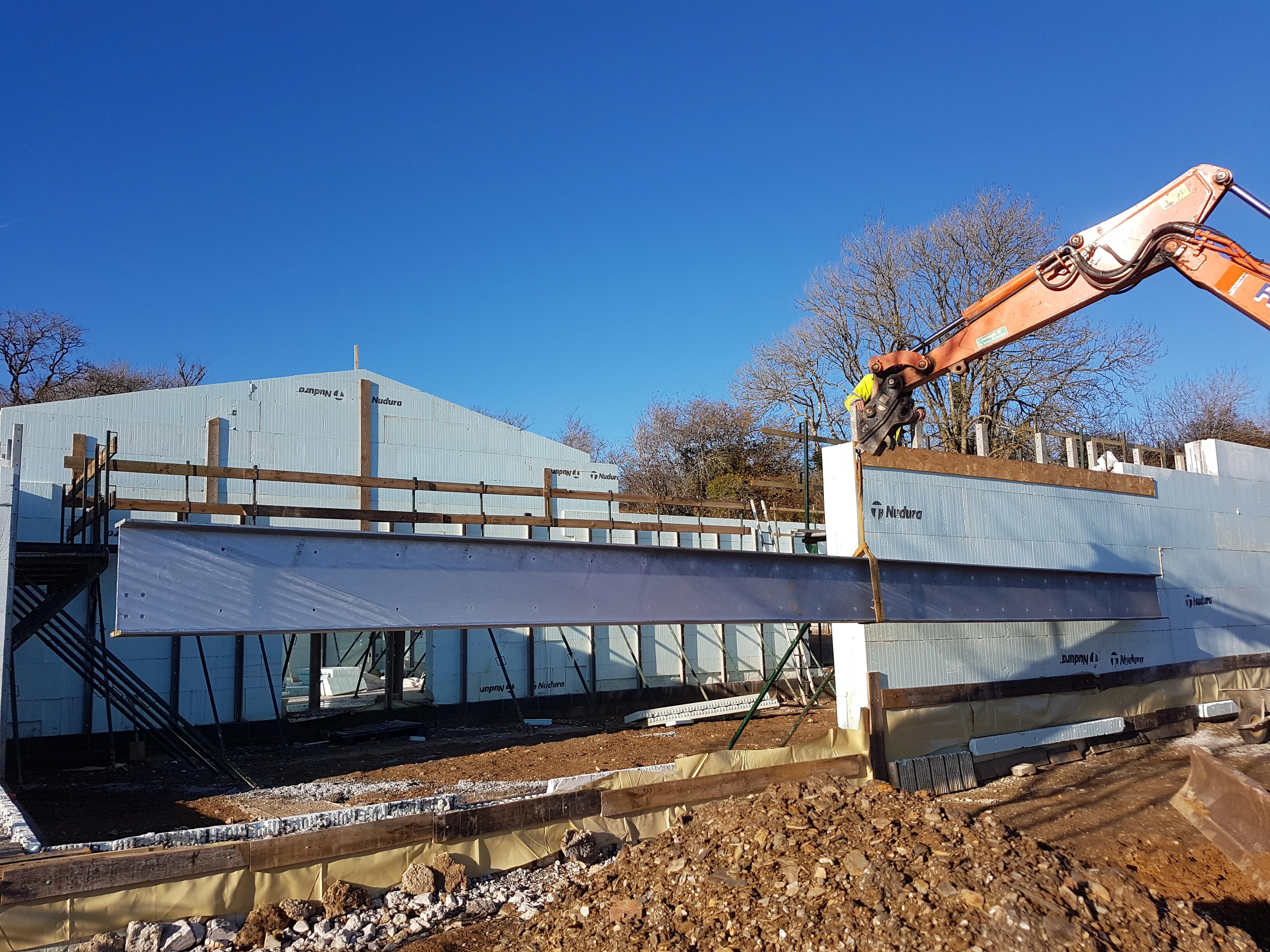
We had to use a large steel for a similar span. Our builder cut the Nudura block exactly level with the bottom of the steel, then the concrete was poured and screeded to this (with some bolts cast in too for attaching the steel. The block was then reinstated around the steel for the second pour. Pic is of the steel being lifted in to place but you can see the cut Nudura on the right

-
Should I be filling this before tiling?
Tom replied to Tom's topic in General Self Build & DIY Discussion
Thanks all. Have filled it all in -
I do not recommend Cortizo Windows or the company that made them.
Tom replied to gc100's topic in Windows & Glazing
Cripes, just seen this thread- we had these very sliding doors fitted a few months ago. No water has been blown in, yet. Give it time... -
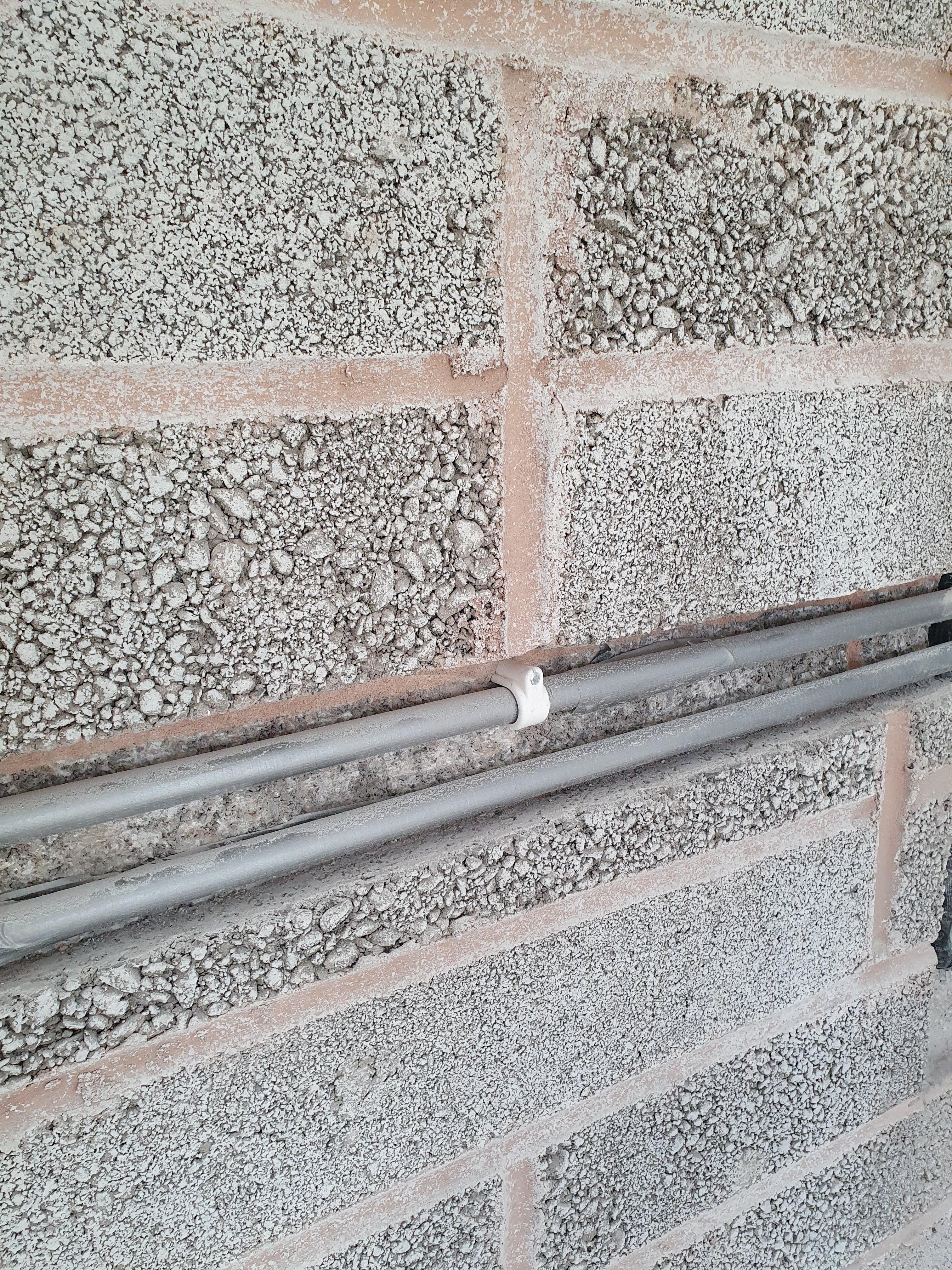
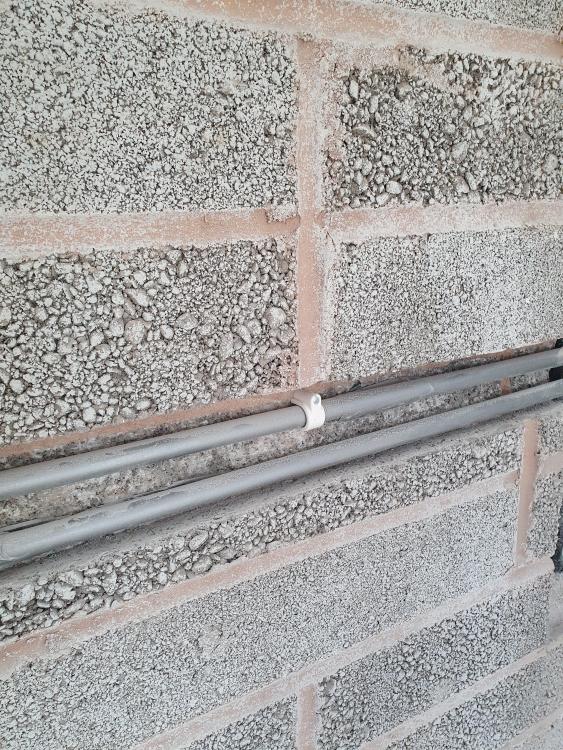
Hi all - I've chased these pipes into a wall which is then going to be tiled, should I fill in around the pipes with mortar? The pipes have been wrapped in duct tape. Would the tiles have a hollow sound if I leave it as is? Many thanks!
-
Just saw your post Gus! Many thanks, I'll have a read and see where I went wrong...
-
-
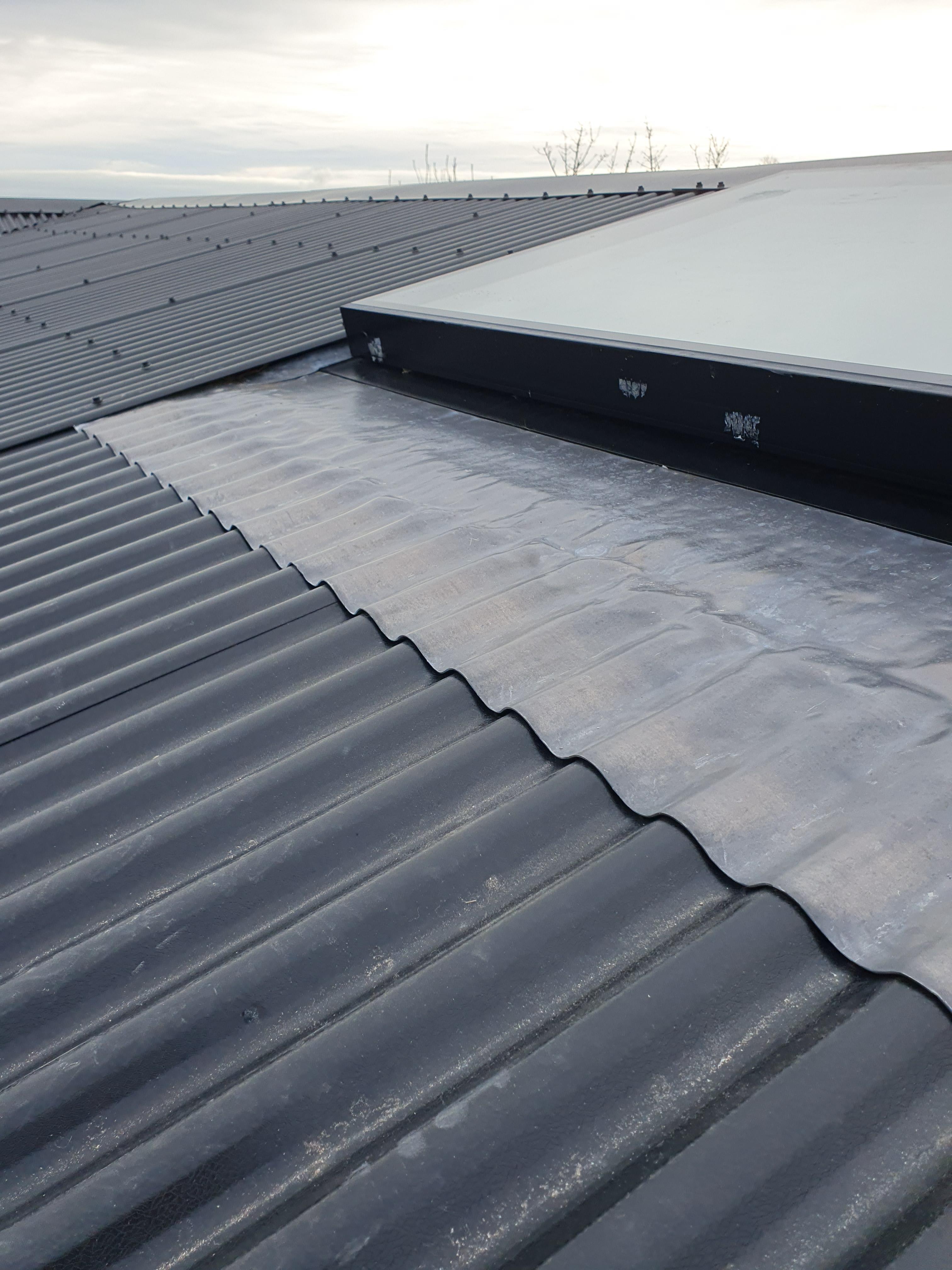
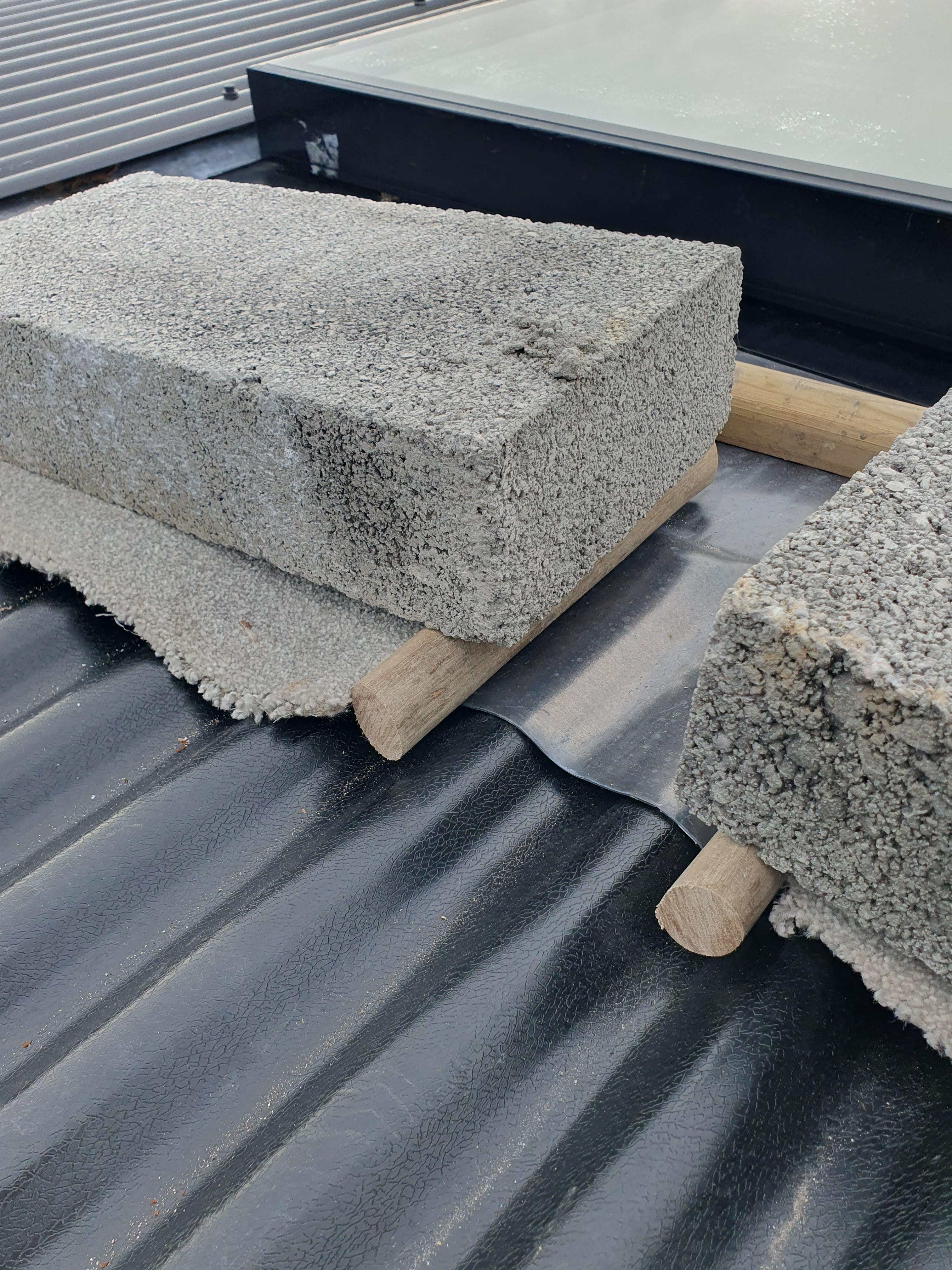
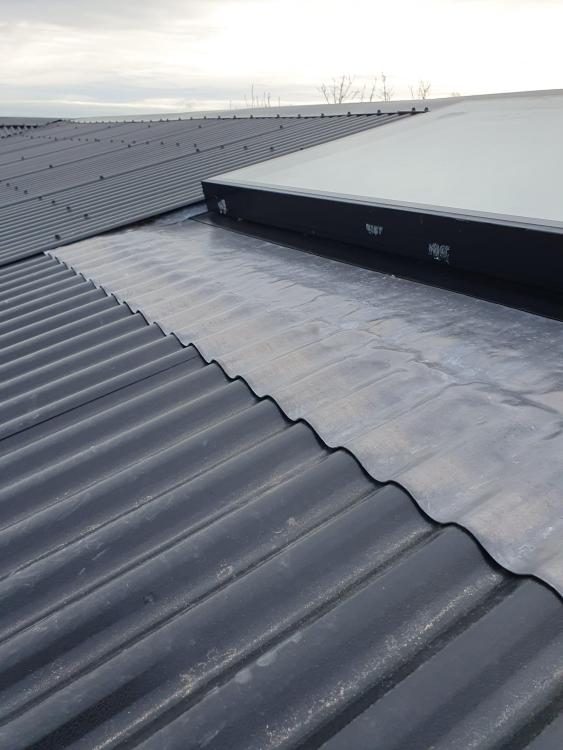
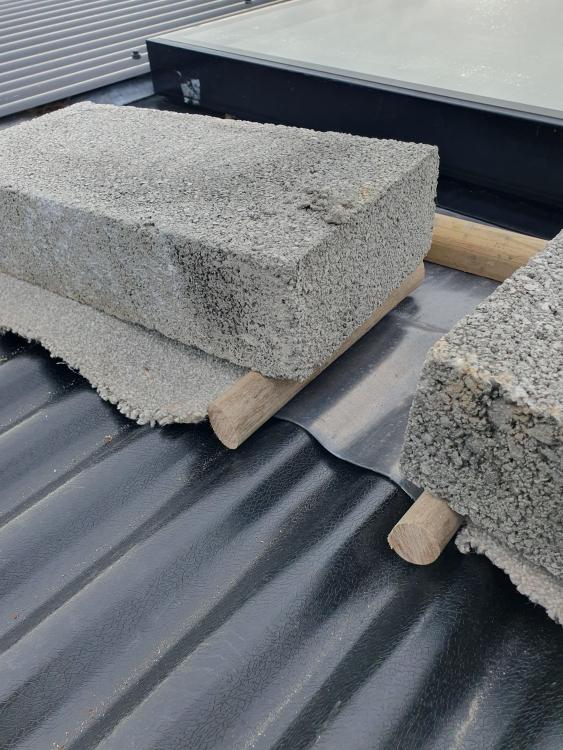
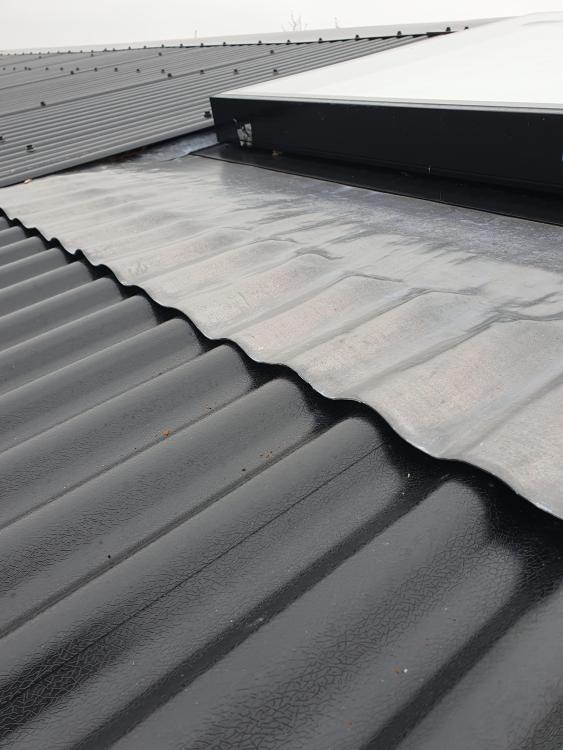
Thanks all, I think any adhesive - butyl tape or stixall etc - just wouldn't hold it down. Foam fillers would have worked, but only if I'd left the led flat I guess. Anyway, in the end I opted for some concrete blocks to hold down the valleys each side as I tapped down the corrugation with some wood and a lump hammer. Perhaps not 100% but a definite improvement
-
casting a concrete plinth for a wood burning stove
Tom replied to Tom's topic in General Self Build & DIY Discussion
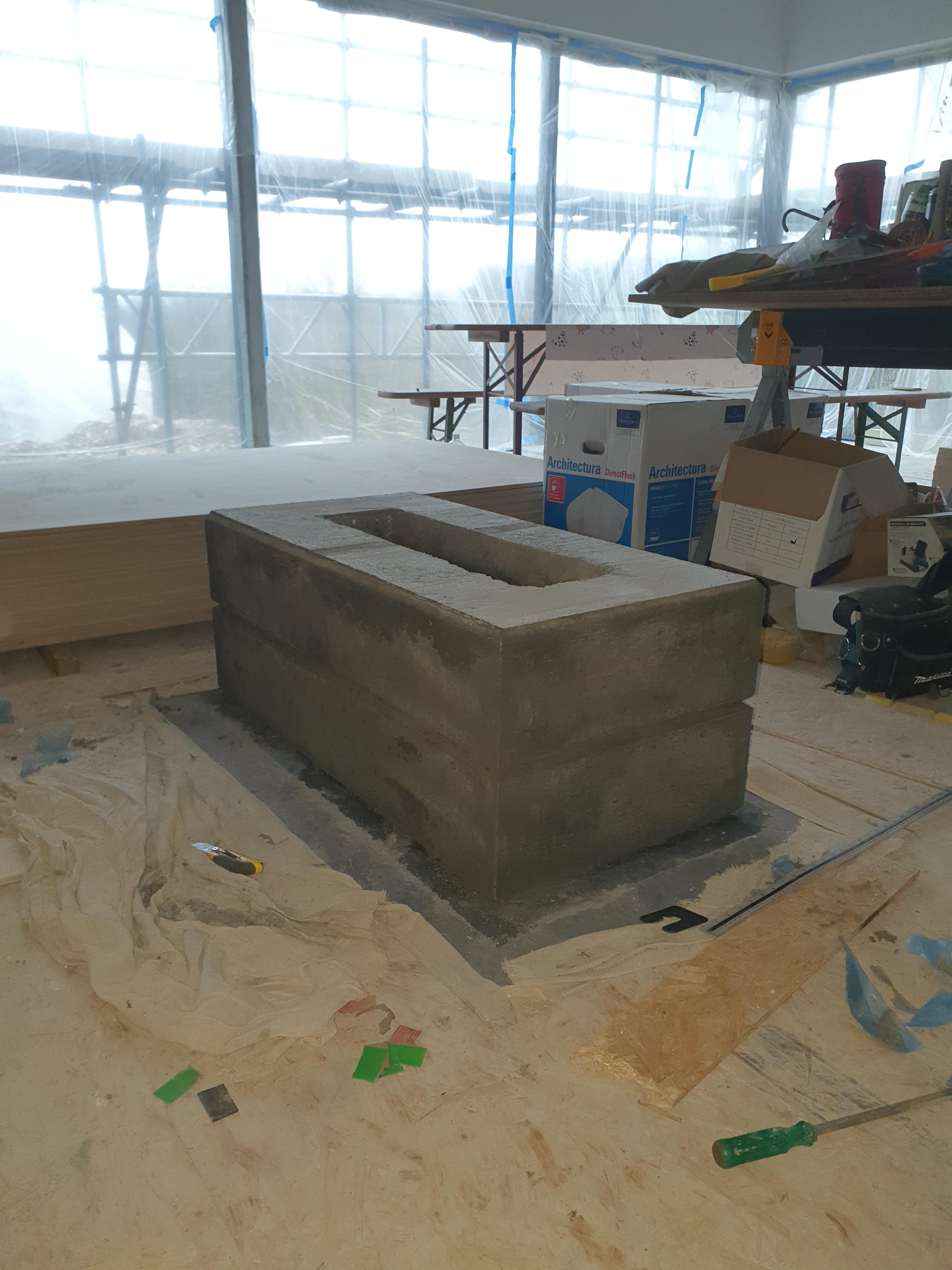
The stove on the top and nowt on the sides! The floor is concrete. BR needs 225mm in front and 150mm to the sides IIRC which obviously must not be flammable (which the floor wont be!) but also serves as a demarcation so furniture etc cant get too close - so we might just put down some tiles to satisfy them for sign off and then remove after. Exactly this. Looks good when smoothe but has to be 100%. Our floor is going to be polished, so I think the contrast with the rough concrete monolith will look good. -
casting a concrete plinth for a wood burning stove
Tom replied to Tom's topic in General Self Build & DIY Discussion
Timber removed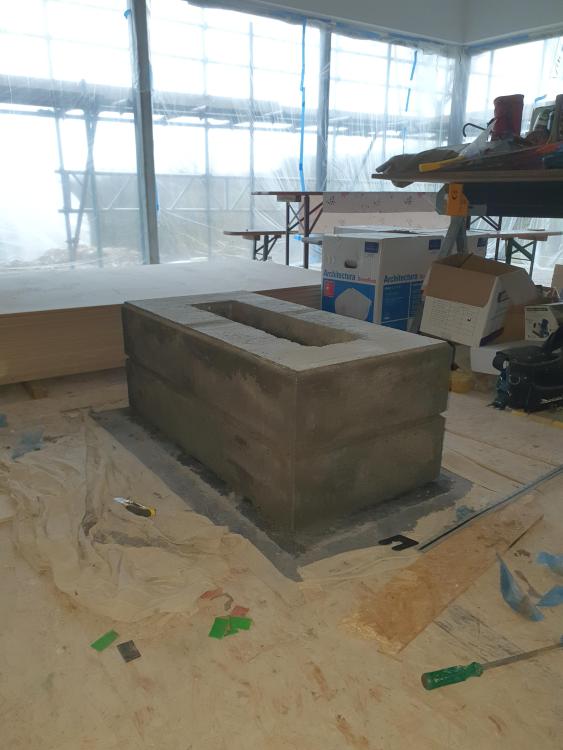
-
casting a concrete plinth for a wood burning stove
Tom replied to Tom's topic in General Self Build & DIY Discussion
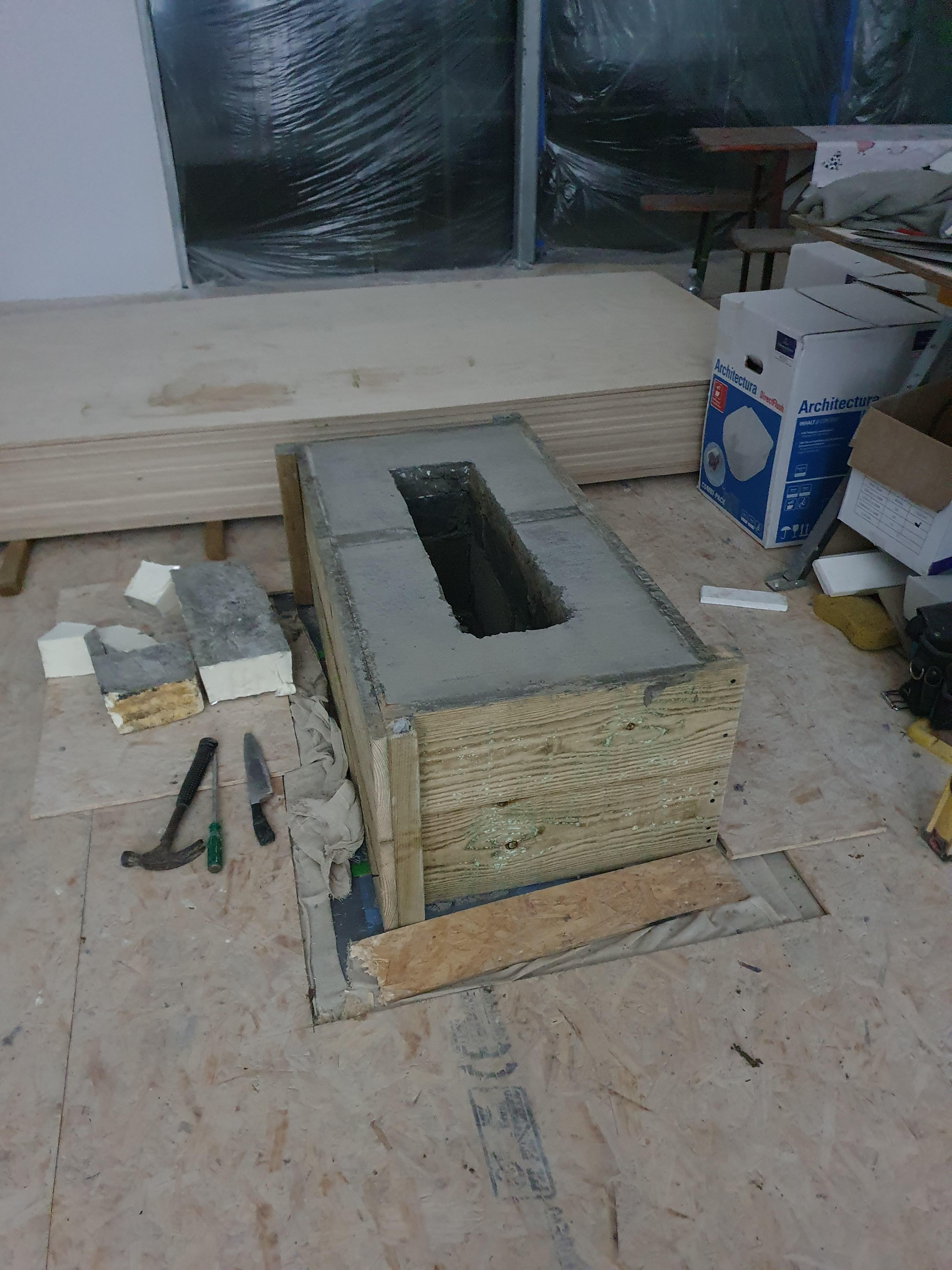
Wood former around the outside and fill with concrete between this and the blocks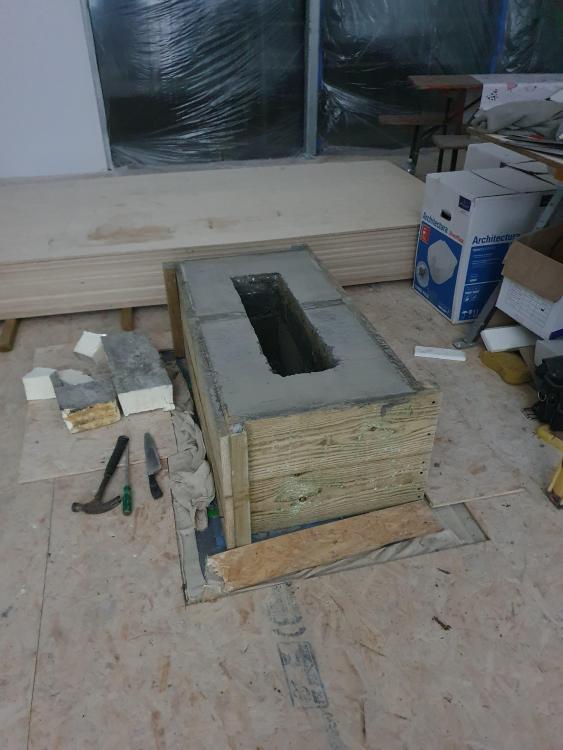
-
casting a concrete plinth for a wood burning stove
Tom replied to Tom's topic in General Self Build & DIY Discussion
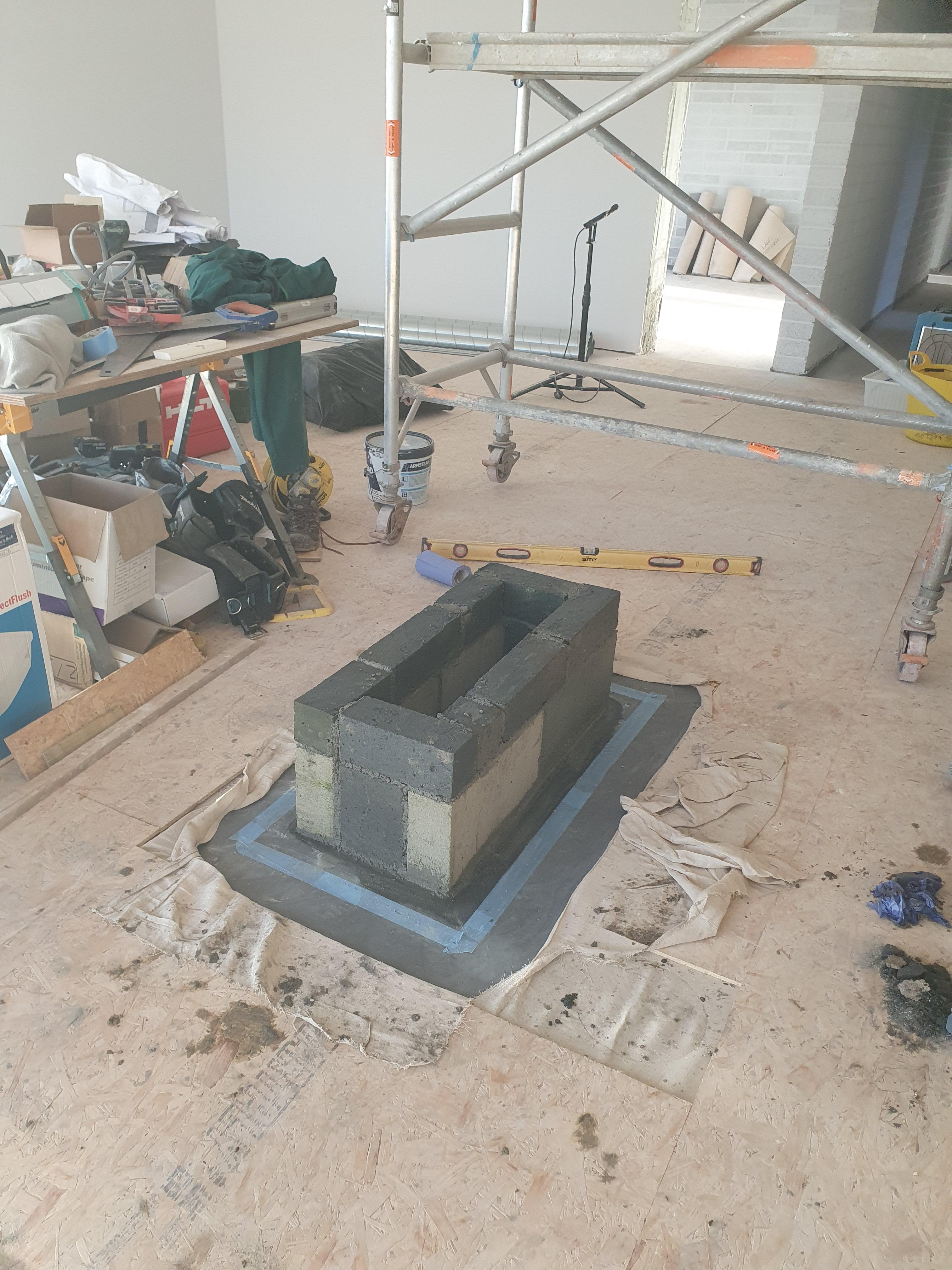
Here's what I did in the end. Lightweight block "core"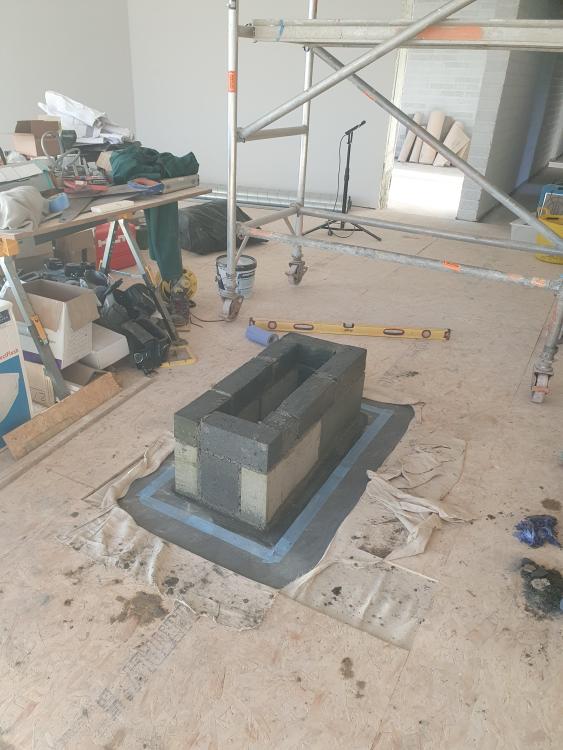
-
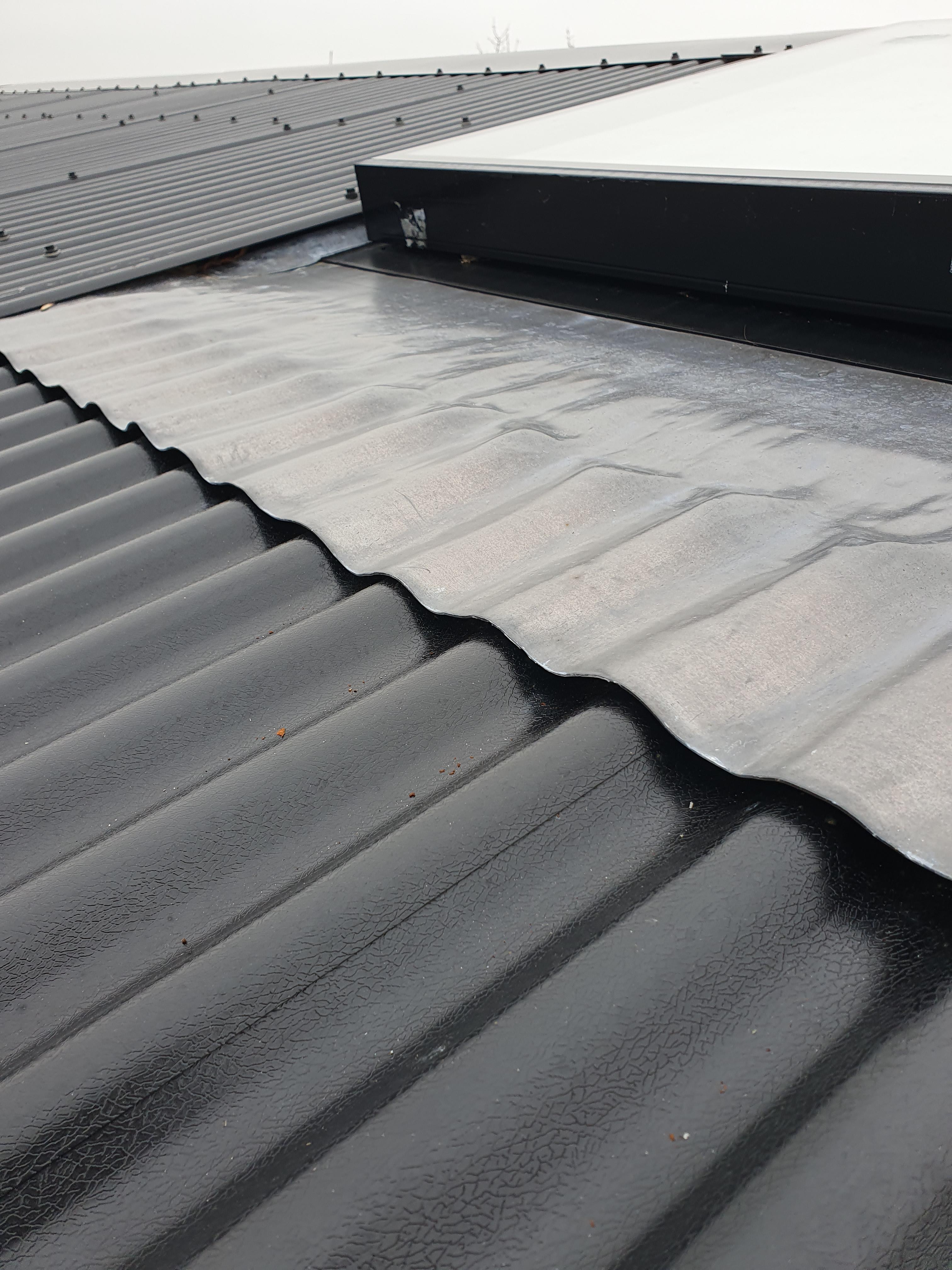
For a while I've felt the need to improve the dressing of the lead flashing below one of our roof lights. Trouble is, every time I knock the lead in to one of the corrugations, it pops out of the two either side. Any tips? I could put some weight (half a concrete block?) on the lead either side while I tap one of the corrugations in? Apply some heat? Thanks all
-
"it helps prevent heat gain by reflecting hot air away from your walls and back into the environment" - Who writes this cr@p??!
-
Usually because they blame their children's breathing problems on the mould - not their twenty Rothman's/day
-
casting a concrete plinth for a wood burning stove
Tom replied to Tom's topic in General Self Build & DIY Discussion
Like the idea of a PIR former 👍