BMcN
-
Posts
168 -
Joined
-
Last visited
Everything posted by BMcN
-
Just read my report and it came out at 7.13kw heat demand, so the 10kw pump is 40% oversized already. Anyway, if you want to go with builders best guess feel free. Personally I would ask a few to quote for it and get a feel for what is recommended.
-
In my case it was the heat pump manufacturer came out and measured every room. Took into account the radiators, UFH spacing, flow temps, glass sizes etc and did a full heat loss calc and produced a report. While you may be correct that some MSC installers are not fully clued up, most will be far more experienced than a general builder taking a guess. I would ask a few companies to quote and see what the consensus is - they won't under spec it as its less money for them. Saying that you should oversize is fine - but if you find that a 10kw is more than enough, then jump up to 14kw the pump may not be able to run low enough and will end up cycling. I dont know for sure but I'd guess an inverter driver pump will go down to 25-35%, so by speccing a 14kw it will start short cycling at around 4.2kw heat demand.
-
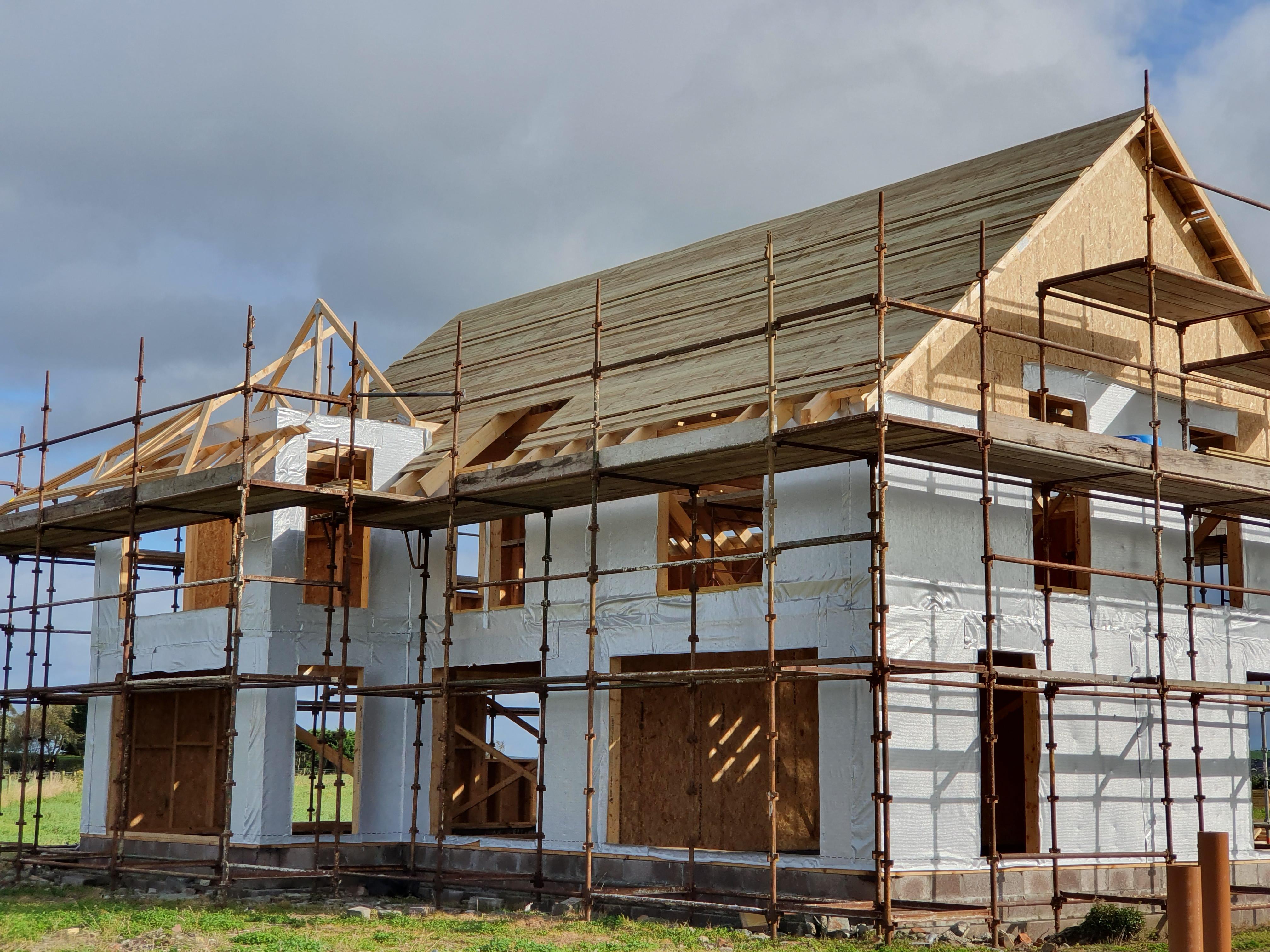
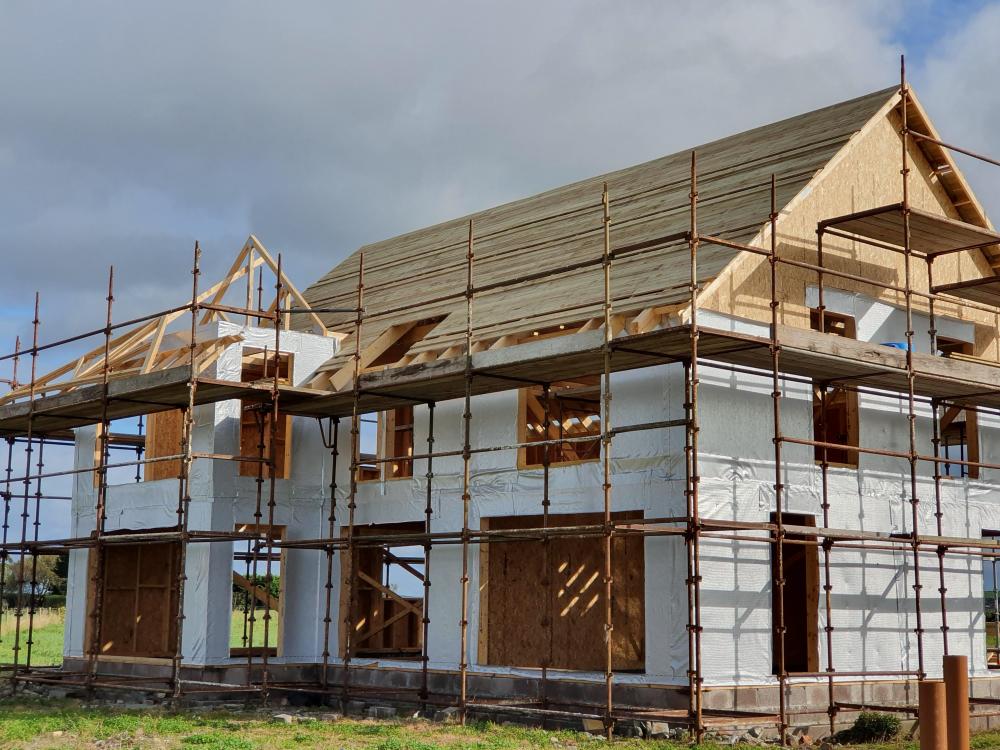
I would expect your kit will be sheeted in 9mm OSB to provide racking strength and then covered in a breather membrane. Also I would let your installer/manufacturer spec the size of the ASHP. Mine is a similar spec and size to what you have suggested and I have a 10kw ASHP with 300L tank.
-
200cc strimmer? How heavy was that? Depends how much you have to do and how tough going. For 100 quid (with 3 year warranty) a 2.5hp petrol is hard to beat for me.
-
I've had One of these for about 3-4 years (cost about 75 quid), use it regularly for heavy grass, edges or use the blade for brambles and thick nettles. 52cc so very powerful, maybe overkill for what you need Never missed a beat. I did replace the strimmer head with a better bump head.
-
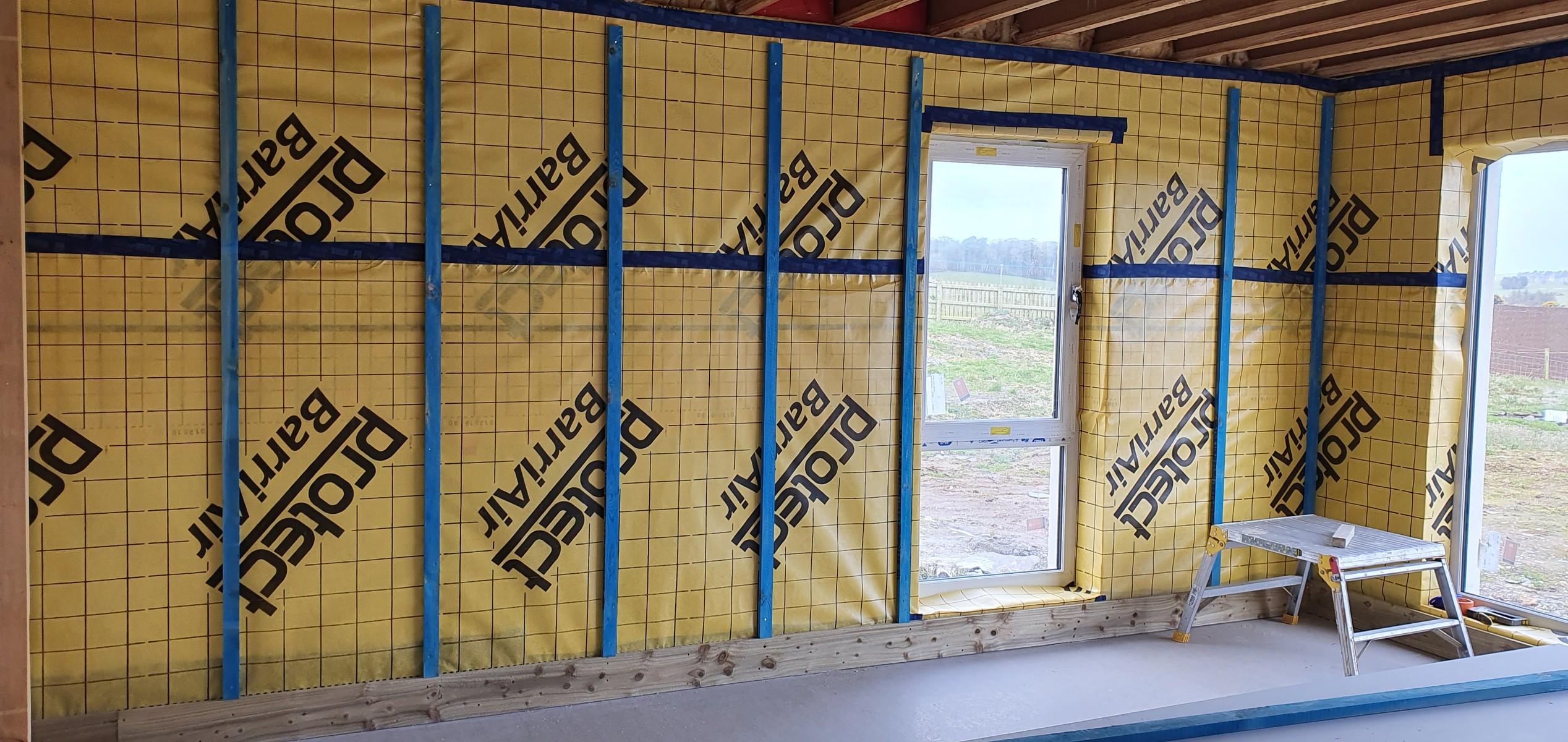
Definitely easier to strap around your services. I had to multi tool a few I'd forgotten and it's a pain trying not to damage the VCL behind.
-
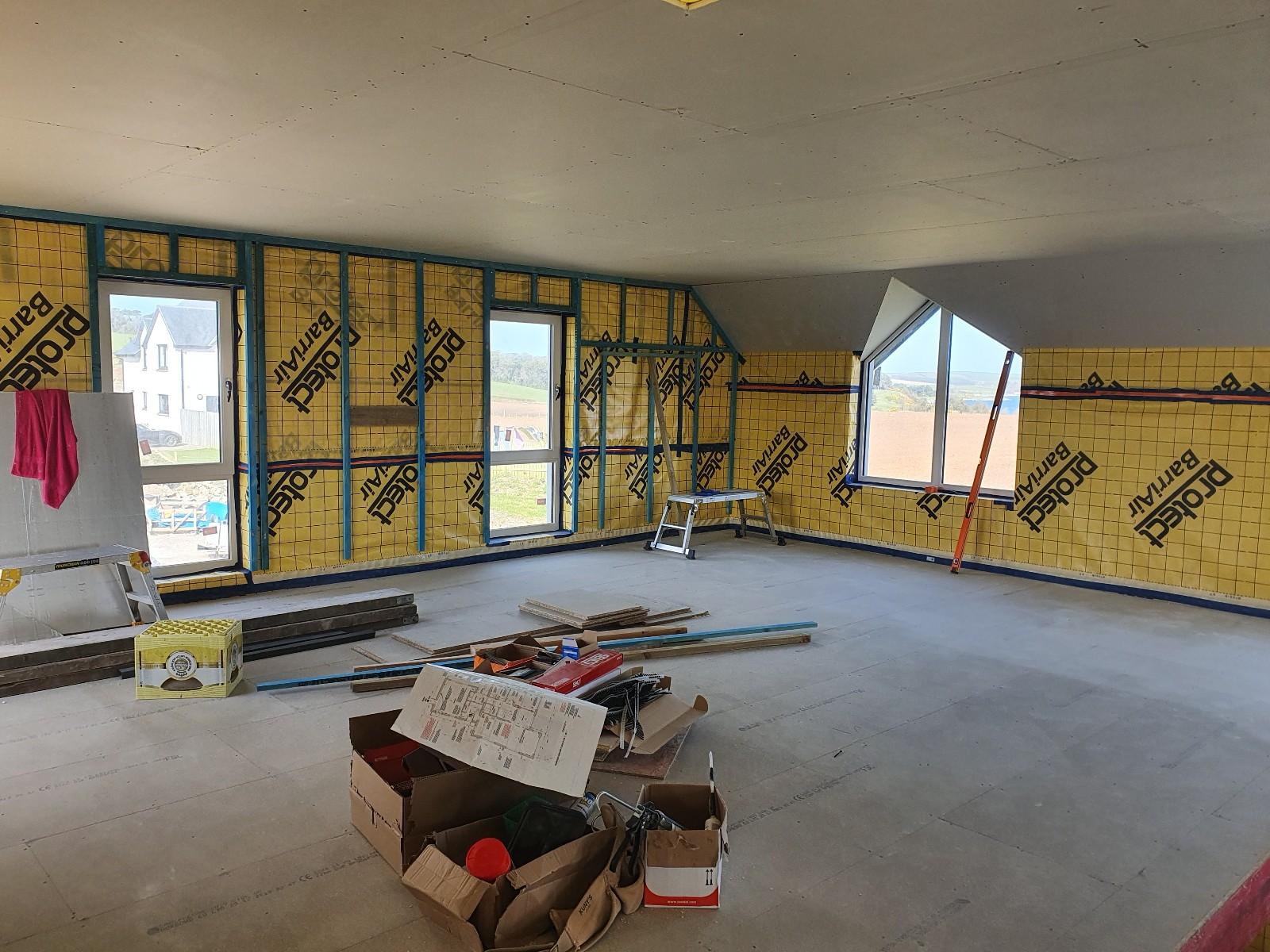
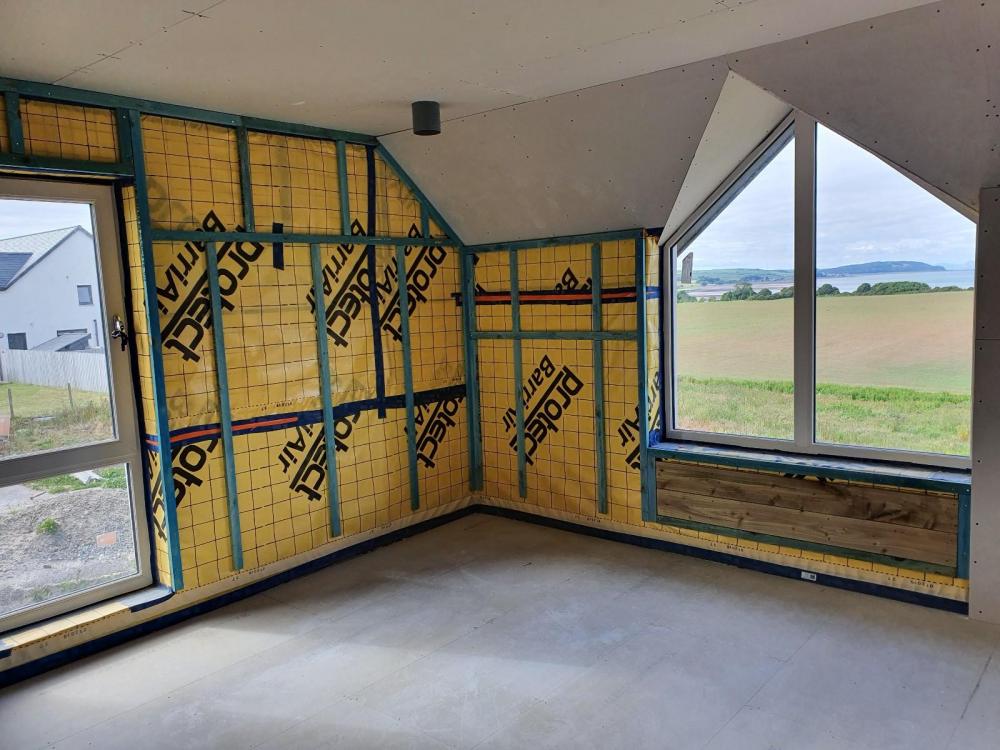
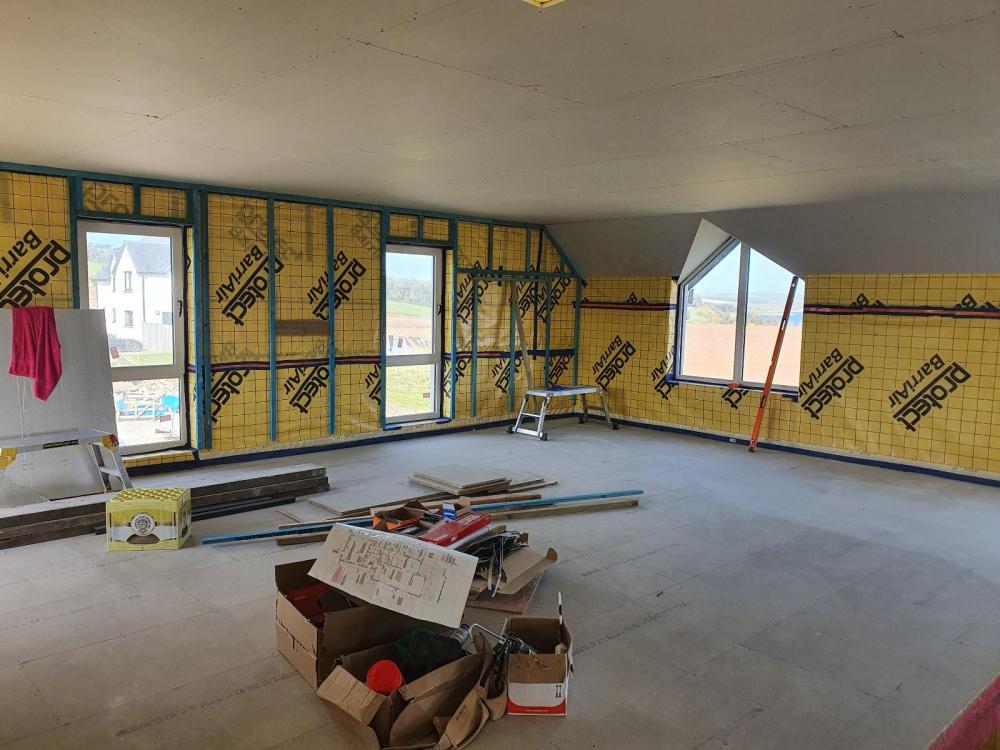
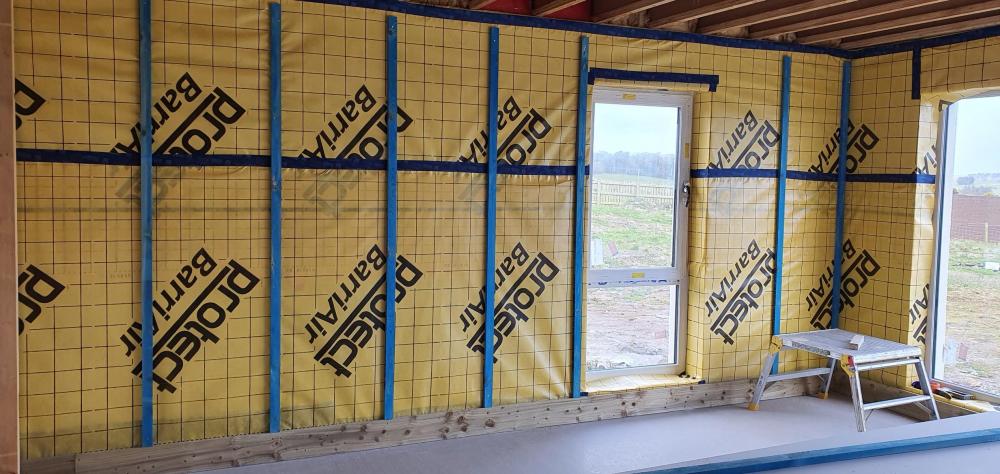
We put sarking board along the bottom for fixing skirtings. Then 25mm vertical straps at 600mm cc. And 25mm strap along the top. It's easier doing the top or bottom strap after services are in.
-
Is this a new build? Wouldn't achieve minimum u values at that. Presuming it is 150mm studs, I'm not sure 35 alone would pass either. Prob need 25mm PIR, then your VCL and strapping.
-
With gas, just get one and try it. If i had spent 600 quid on a new gun I might treat it to Paslode nails and gas. I paid 150 second hand on ebay for my gun so after 4-5 boxes it will have paid back the cost of the gun.
-
I've used these and never had a problem. Timco firmahold
-
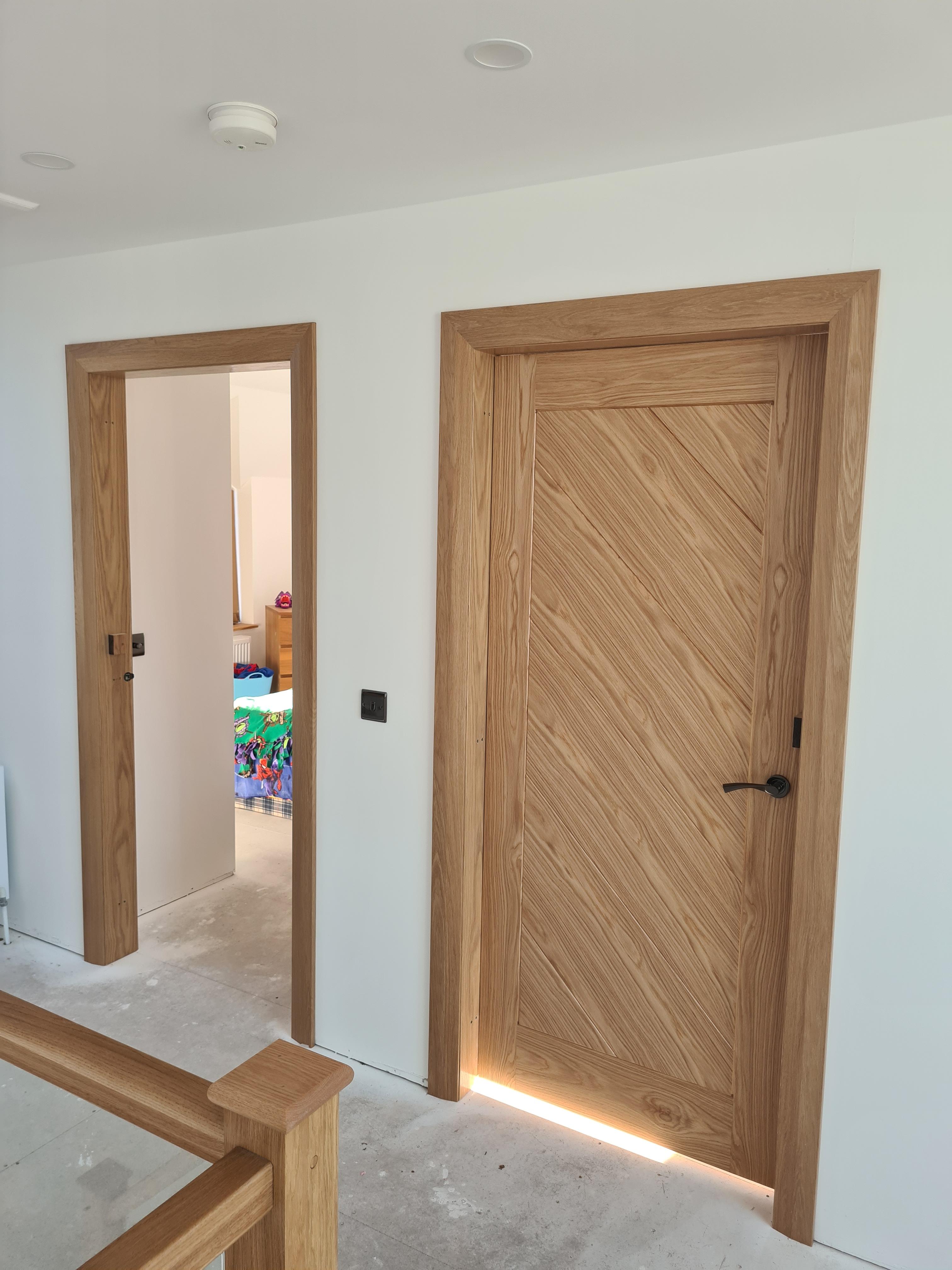
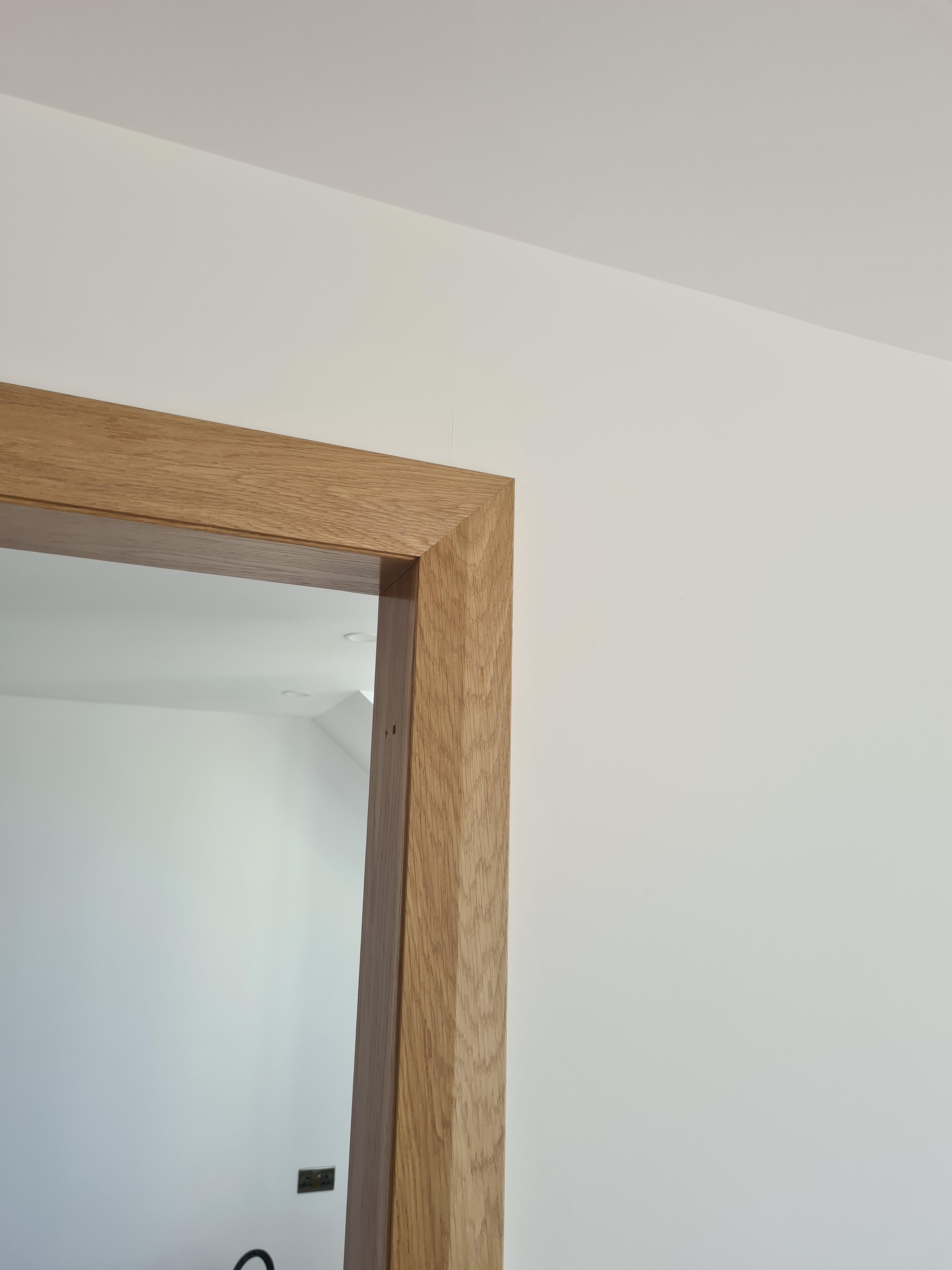
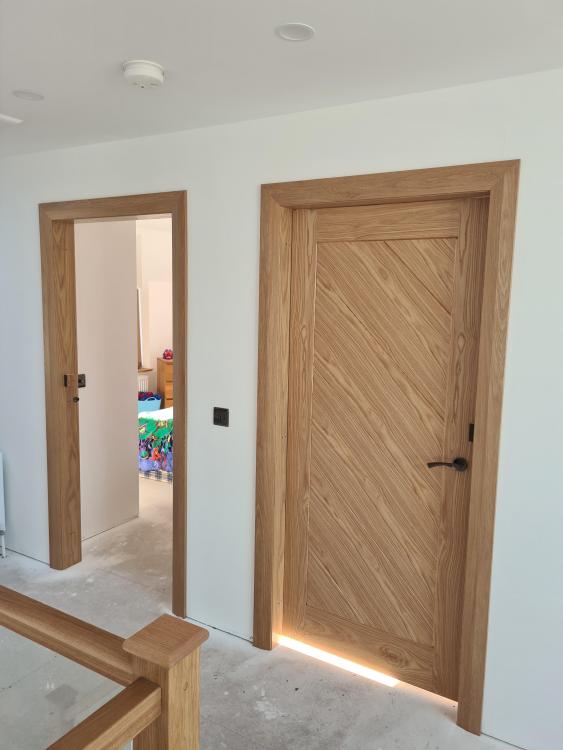
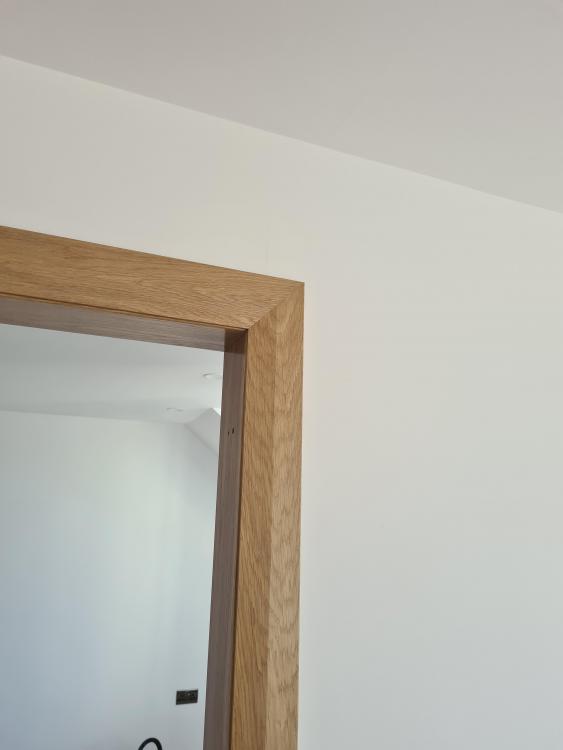
I went for oak veneer for all my architraves, skirtings and half my door casings (different wall thickness meant the veneered casing was not suitable for all openings). Stairs and window cills are real oak. All doors, architrave and skirtings are by Deanta. I think casings were around £40 - 50 ea. Architrave was only about £39 for a pair (enough to do both sides). Skirting was around £7 per meter.
-
Yeah. I am pretty sure the unit must be faulty. Even if there was a problem with the clamp - it shouldn't be powering the immersion while saying water heating off.
-
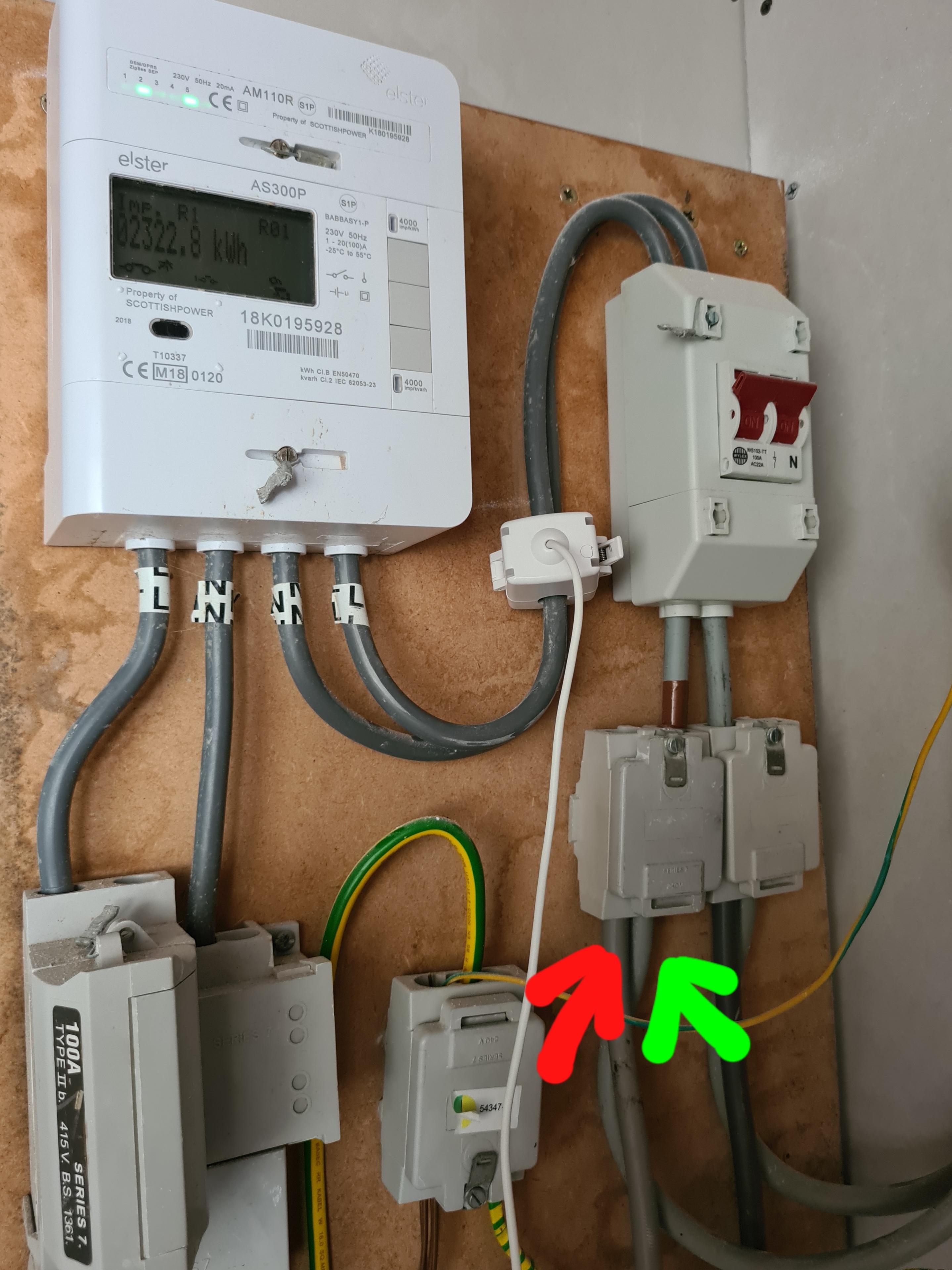
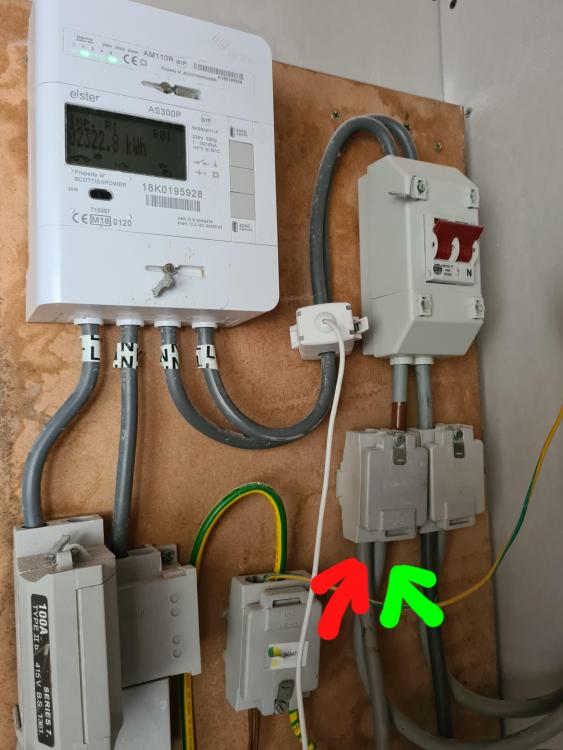
No dave it is on the single tails between the meter and main incomer. See attached, red to to house CU and green to garage CU and solar inverter. What I was saying before is that I tried on the location in photo, the garage tail and the house tail. The garage and house tails net is equal to the moan tail so I'm confident clamp is OK.
-
I did. Meter is a cheap one, I can re try with a fluke later maybe. Tried the clamp on various positions. Out of the meter I have two sets of tails, one to the garage where the solar is and one to the CU. The clamp seems to be reading correctly, If I place the clamp on the main incoming it will show say 2kw import, if I place it on the CU tail it will show 2.7kw import and if I place it on the garage tail it will show 6-800w export (for example). Regardless, why would it be heating the immersion at all while showing 'Water heater off'?
-
Looking for a little help with my iBoost. I have had it in and running for a while in the background without paying my attention to it. Now we are using some hot water I bought a iBoost buddy and have been paying attention. I think my unit is faulty, most of the time it will show 'Water not heating' but the Buddy is showing us importing 2-3kw. I checked the unit and the blue lighting bolt is flashing. Checked voltage and it is putting 450v to immersion heater (between L and N, 230v between L and Earth), until immersion thermostat cuts off. Also, when it does say heating by solar, it seems to be on or off - it doesnt ramp up and down. So when heating my solar it is always around 2.7kw. Should this not be proportional to what is being exported? ie if we are exporting 1kw then only 1kw should be sent to immersion? Thanks.
-
Are my slate vents installed upside down?
BMcN replied to AndyMT's topic in Roofing, Tiling & Slating
I'd say upside down, the first lip should divert the water around the lip for the vented part. Also I presume that is the fixing hole at the bottom. -
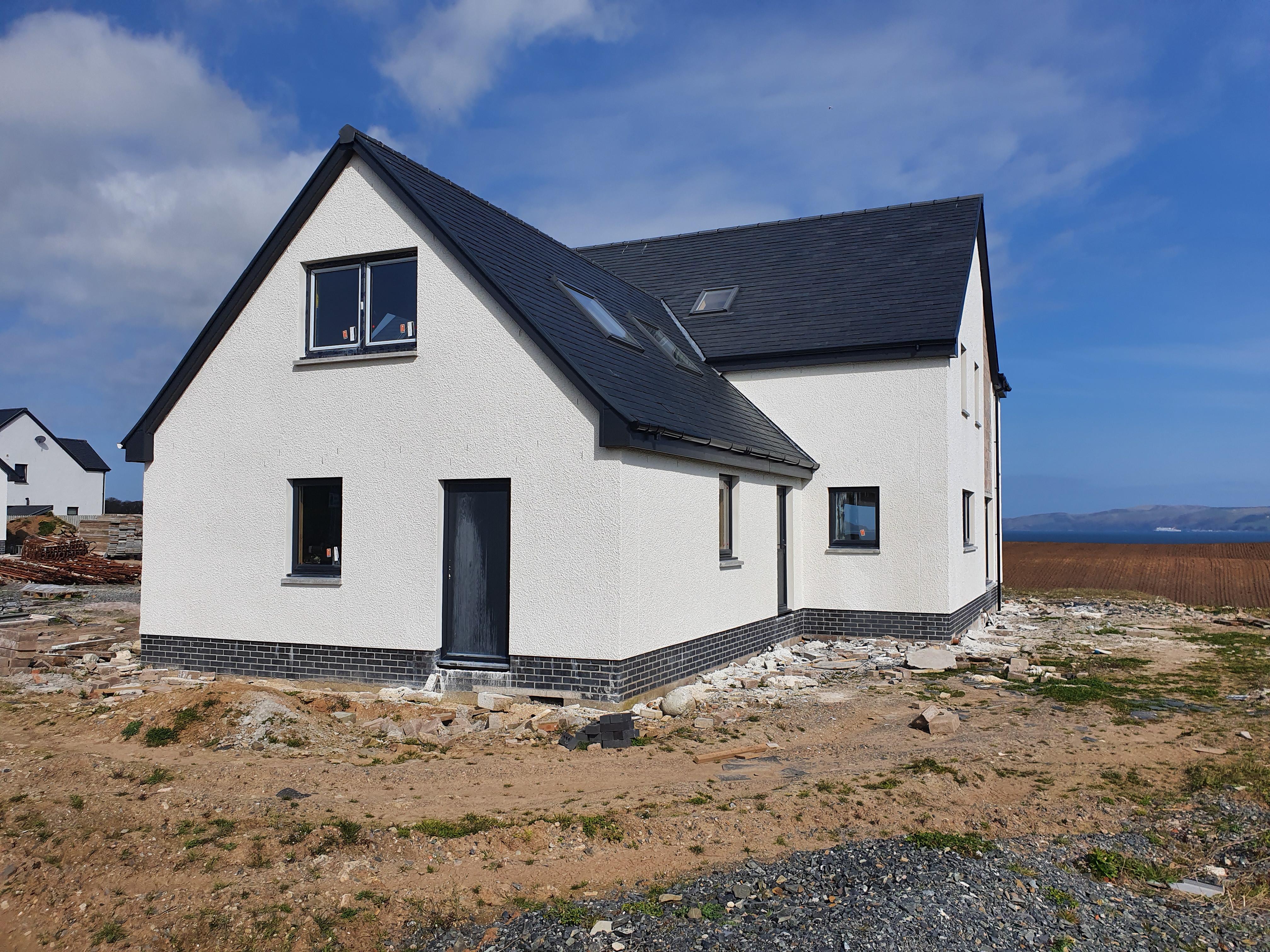
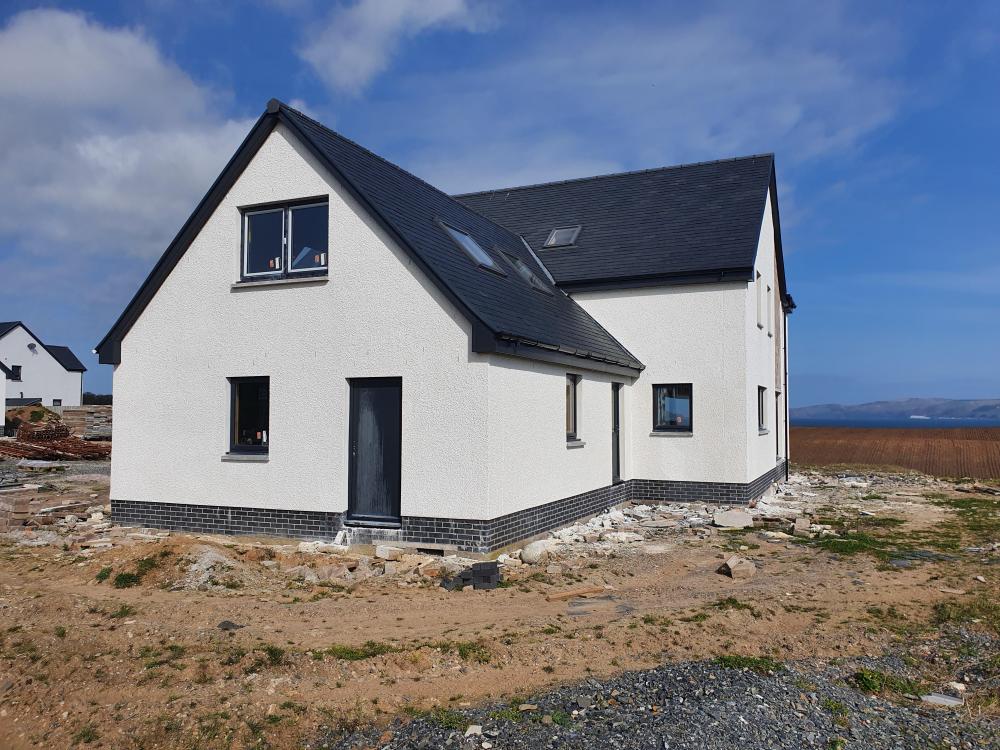
I went for white cement, silver sand and white chip wet dash. Gives a bright white finish without painting and far cheaper than k-rend or similar.
-
I have just installed these throughout the house. They work perfectly with Knightsbridge trailing edge dimmer. Dim right down to nothing more than a slight glow. I ended up going with BG electrical sockets and they only do leading edge which is causing a flicker at maybe 20%. I have ended up ordering the knightsbridge ones and some blank BG faceplates, which I will drill and install the trailing edge dimmers to. Edit, sorry I just reread and see you are wanting to change the bulbs only so my reply probably not very relevent. ?
-
Thanks for the reply. Did you prime the floor? And Tilemaster Setaflex below ditra then for tiles too?
-
I am looking to tile two thirds of my downstairs. I am looking for some advice on decoupling and which adhesives to use. The screed is cemfloor (cement based flowing screed). I see Ditra mentioned a lot. Is there a massive advantage to it over something like this? Also, are they suitable to cross from one screed section, over the 4inch block and onto next screen section? I would prefer to not have a joint as one will be in the family room open plan area. Next what adhesive both below then on top of the decoupling? (tiles will likely be 600mm porcelain).
-
I've just checked mine and it's not a buffer, it's a 30L volumiser. No stat on this. I have installation pack 2 from the pdf attached. grant-aerona3-installation-packs-january-2020.pdf
-
Yes there is a buffer too. @PeterW not 100% to be honest - it heats the DHW till the cylinder stat is happy. The rads and UFH are then run straight through the ASHP and plumbed in parallel, with the 3 channel programmer controlling the motorised valves. Manifold controller is a Heatmiser so does have a 'heat enable' that is closed when a stat asks for heat. Attached is pretty much how mine is wired except there is no 'room stat' for the UFH circuit. I am proposing adding the heat enable from the manifold in here. grant-aerona-r32-installer-uk-doc-0136-rev-2-0-september-2020.pdf
-
Hi guys, I finally got my ASHP. fired up after a few issues. The heat pump is a Grant UK 10kw. My system has a 300 litre for DHW and then a motorised valve for a radiator circuit and one for UFH )with DHW having priority via a relay). These 3 'circuits' are run off a 3 channel timer. I was told to leave the DHW running all the time and to leave the UFH running all the time, then allow the UFH manifold and stats to control everything. Now to my issue - since turning on it has consumed between 30 and 50kw of electricity a day. This is with no DHW on and no radiators yet fitted, so purely UFH and all stats set to around 16 degrees. Most of the time no stats are calling for heat so the UFH pump shuts down however the ASHP still runs to keep the supply at UFH manifold at temp. Should I use the 'Heat Enable' contact on the UFH manifold, so that when no heat is called for the ASHP shuts down completely? The loft isnt fully insulated and there are no doors internally yet but this is still higher than I was expecting to keep the chill off the house.
-
You have a 70mm service void but it's filled with celotex - where are you putting the service in? Are you cutting grooves in the celotex? Same goes for the electrical boxes.
-
Where achitect specified. Normally it would be before service void but since your service void is filled with insulation it should go on the warm side of this. Is the insulation to be checked out for services to run in?