
JohnMo
-
Posts
12468 -
Joined
-
Last visited
-
Days Won
179
Everything posted by JohnMo
-

Heat Pump design, supply and install
JohnMo replied to PaulD's topic in Air Source Heat Pumps (ASHP)
Basically yes But using your example of airtightness from 6 to 1.8 would also mandate MVHR on a new build, so that would be a dramatic decrease, you come down a size or two on heat pump. If you are trying for 6, you aren't trying anyway, so not likely to be taking airtightness measures. You are going to have 100mm dia holes in every wet room for the fans, so reality you will leak air anyway. Running cost could be higher, buffer sizing may also increase, with an oversized heat pump. But you wouldn't do the final spec on heat pump until you know what your the most likely heat needs are. Would be better to specify after an initial air test, which would be prior to plasterboard. Over specced UFH doesn't matter, cylinder will be the same -
Heat Pump design, supply and install
JohnMo replied to PaulD's topic in Air Source Heat Pumps (ASHP)
I would split the tasks to different people, UFH and DHW could be your local plumber, heat pump most likely not your local plumber, without some assistance I e. The the design already done. But it's all quite straightforward broken down to piece parts. DHW is just UVC with 3m2 heating coil. Size will depend on house size number of occupance. UFH heating pipe layout will depend on single floor or multiple levels, heat losses upwards and downwards. But once these are known quite straightforward. ASHP really depends on heating demand, need for a buffer will depend on number of zones you break you UFH into. One zone likely no buffer required. Any more than that a buffer likely to be needed. A buffer can kill efficiency if you are not very careful with its design. Then all you really need is a 3 way diverter valve. And size the piping. Going to one company and taking the grant, will be expensive. -
Seen the idea on another forum also. If the heat was coming from somewhere else other than the heat pump, that may work. Such as from solar thermal. If the heat, to heat radiator came from the heat pump, you would have to make more kW out of the heat pump to support the radiator. So the result would be likely be more energy usage, not less. You can't magic energy or efficiency from the same heat source. Have been mulling the idea of a radiator heated by solar thermal, heating the air being pulled in by the ASHP fan. Issues I have thought about, would need to run a small pump to circulate through solar panel and some control logic. Weather compensation would require temperature probe moving as it would be influenced by radiator heat. Days where it would work best are, cold sunny winter days and if you tied in the logic to work with DHW heating all year. But would need to be off when in cooling mode. Have everything needed in the garage, may be worth rigging up if I have a day spare.
-
Plenty near us, 12 months later the slates look perfect, the tiles have started to get yellow moss, algea all over them.
-
If you have a cheap overnight tariff then heat at night, if you have solar heat when sun on the panels. Other than that when it's most likely to be warmest.
-
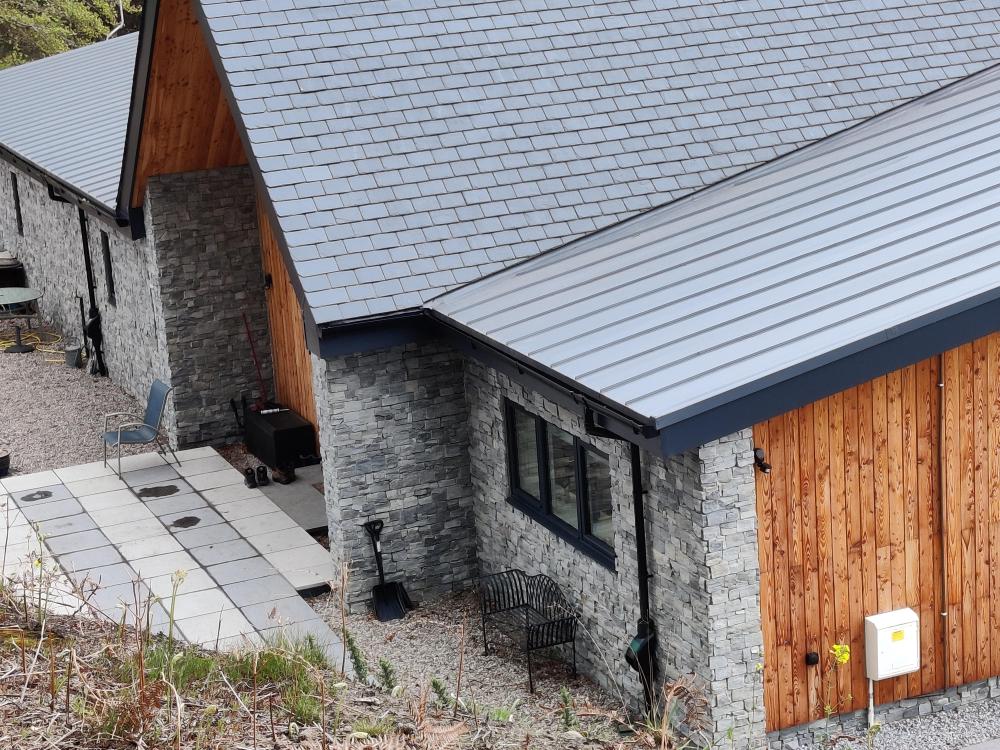
Why not keep the standing seam look and move from metal to a mechanical fix welded seam EPDM like Sarnafil? The seams are heat welded on profiles
-
I used 100mm PIR and there was 100mm concrete
-
City plumbing is also competitive with most pricing. Shop around for pricing.
-
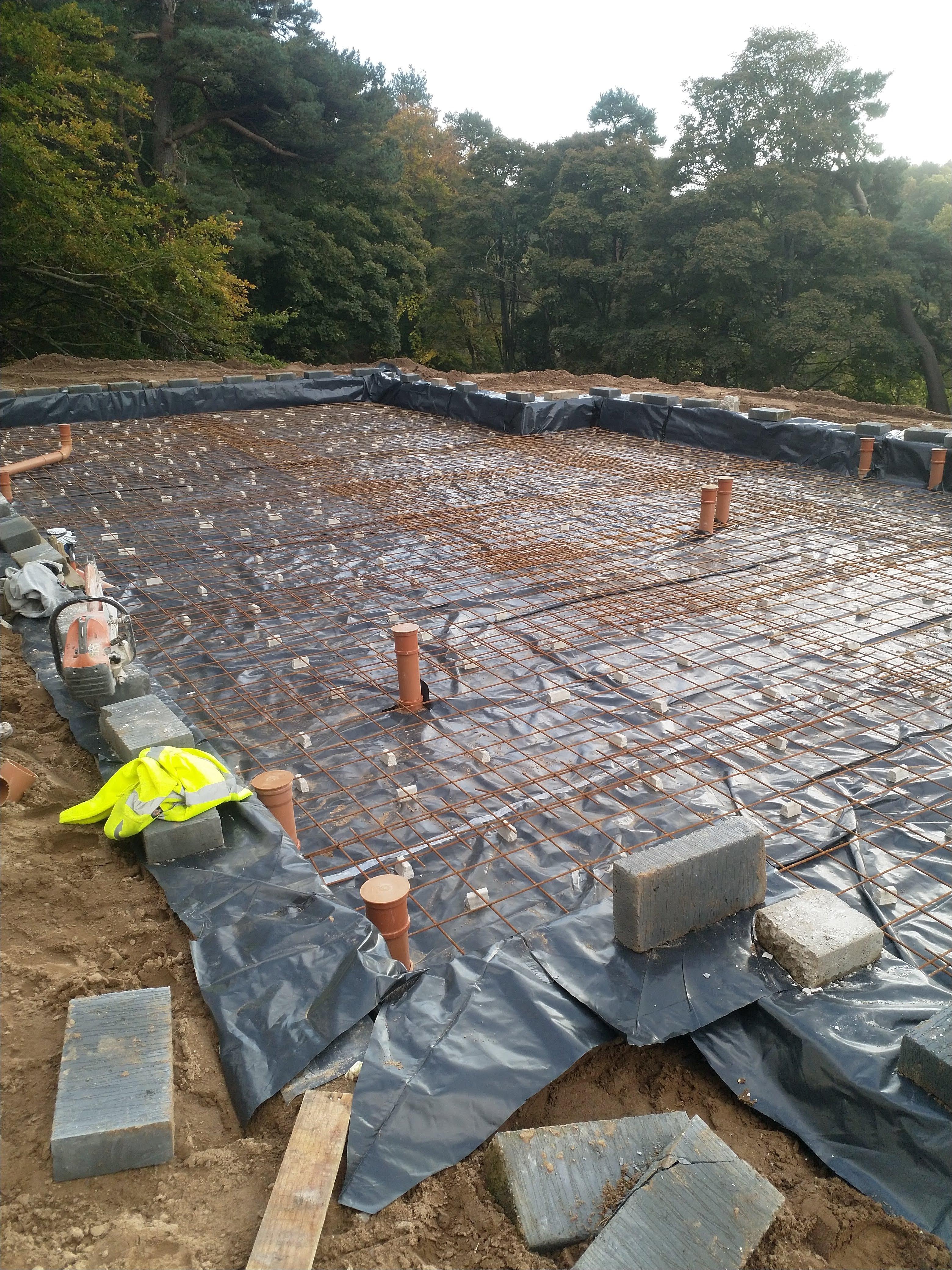
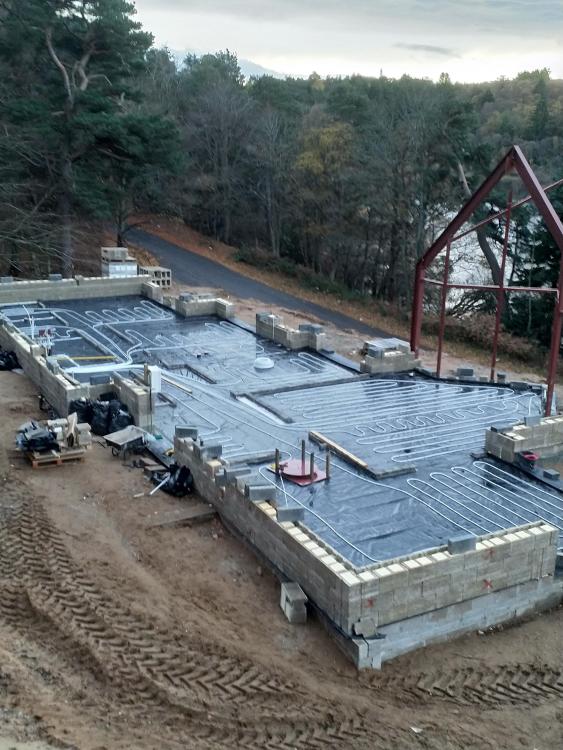
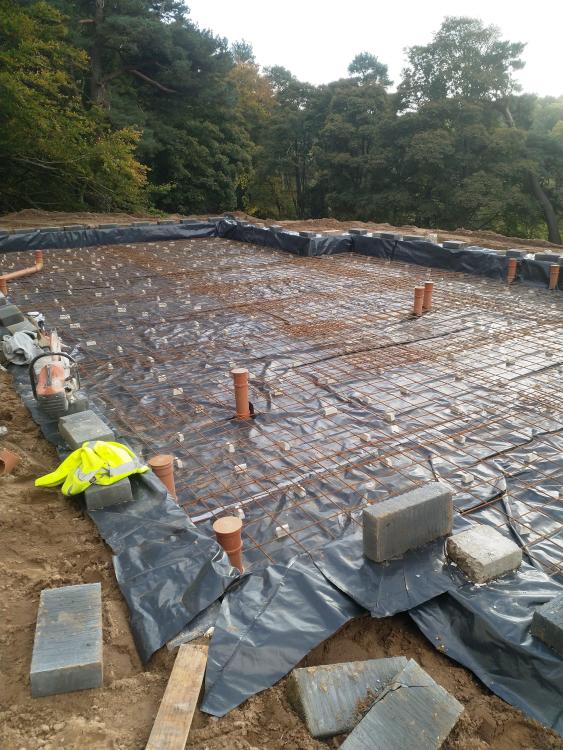
I used left over PIR insulation, around areas like this, was easy to break out later, make big enough to give some wiggle room to move around later and make connection easy. Once you are ready back fill these areas with concrete if the need too, or leave as is. Our construction is slightly different from yours, 200mm reinforced concrete, 200mm insulation, 100mm concrete. First image is prior to first concrete. Second image just prior to second concrete, where you see the pipe stubs coming up, these were encased in PIR but only on the second pour.
-
Thinnest screed is no screed, just do a floating floor on pre grooved insulation panels. Not suggesting this company but the first one that came up on a search https://ambienteufh.co.uk/product-category/floating-floor/
-
Some design strategies please
JohnMo replied to Nic's topic in Energy Efficient & Sustainable Design Concepts
Mostly sorted, the room with a bit of echo is the living room, but it's a 6m2 room with a a wall of glass and vaulted ceiling, so 6m tall also. -
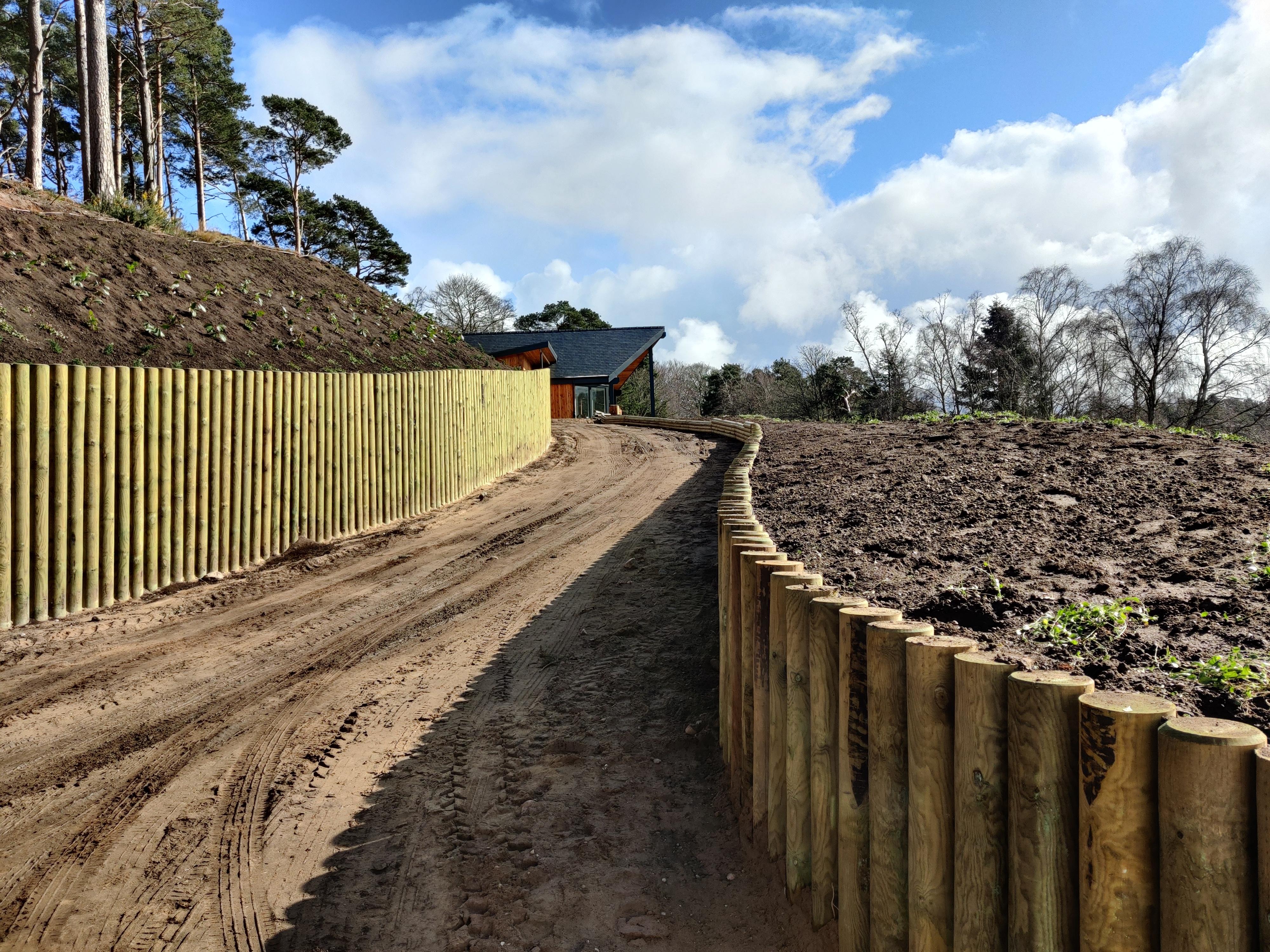
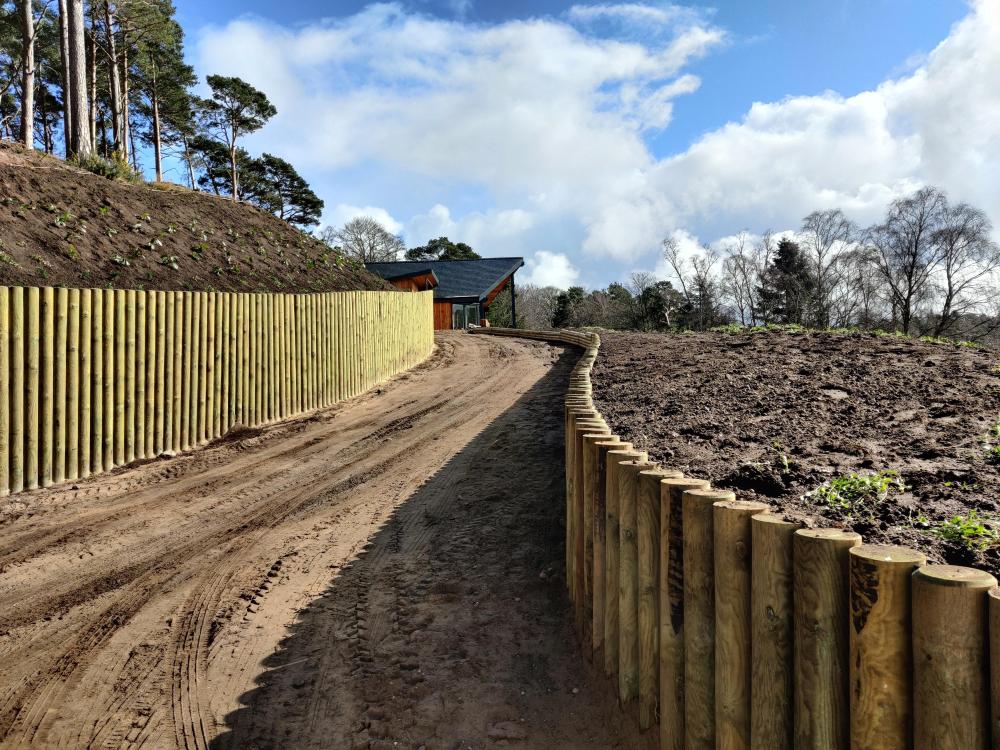
Buy a pair short ski's or snowboard. Small dry ski slope? We used 8" diameter posts to hold our bank back. Think they are 3M long, with a meter concreted into the ground. .
-
Some design strategies please
JohnMo replied to Nic's topic in Energy Efficient & Sustainable Design Concepts
The noise changed in the house when we installed the plasterboard. The parge coated walls and stud walls filled with installation, was nice no echo and very silent. When plasterboard went on there was a lot of echo, this softened again as soft furnishings went in. But did prefer the noise or lack of, prior to plasterboard. -
Some design strategies please
JohnMo replied to Nic's topic in Energy Efficient & Sustainable Design Concepts
In Scotland the norm is to dry line, tapered edge plasterboard, taped and filled. Then painted or papered. Rarely do you see plastered walls. -
Loxone question: So many dimmers...
JohnMo replied to BartW's topic in Networks, AV, Security & Automation
Don't bother installing and get on with life, you will use for the first month and be really happy, then no one will ever use again. -
Some design strategies please
JohnMo replied to Nic's topic in Energy Efficient & Sustainable Design Concepts
Plasterboarded and taped, not plastered. Didn't insulate in the 50mm void, would if I did it again. All our ceilings are vaulted and insulated between and under rafters. Basically 350mm of spray foam. AVCL, batten service void and plasterboard. -
Nothing wrong with A2A, can be very cheap to run. But has to installed by certified person for F gas. No grants, but should be vat free. Is it an Airbnb type of rental or long term? A cheaper more sensible option would be to spend a little to make your heating controls not playable with and more automated, with simple sensors that says window open heating off. Have time control wireless, away from end user in your hands.
-
MVHR Decisions...what to do?
JohnMo replied to Thorfun's topic in Mechanical Ventilation with Heat Recovery (MVHR)
Beam are based in Belfast, they sell Titon MVHR units rebadged, at less cost than direct from Titon, worth asking them. -
Some design strategies please
JohnMo replied to Nic's topic in Energy Efficient & Sustainable Design Concepts
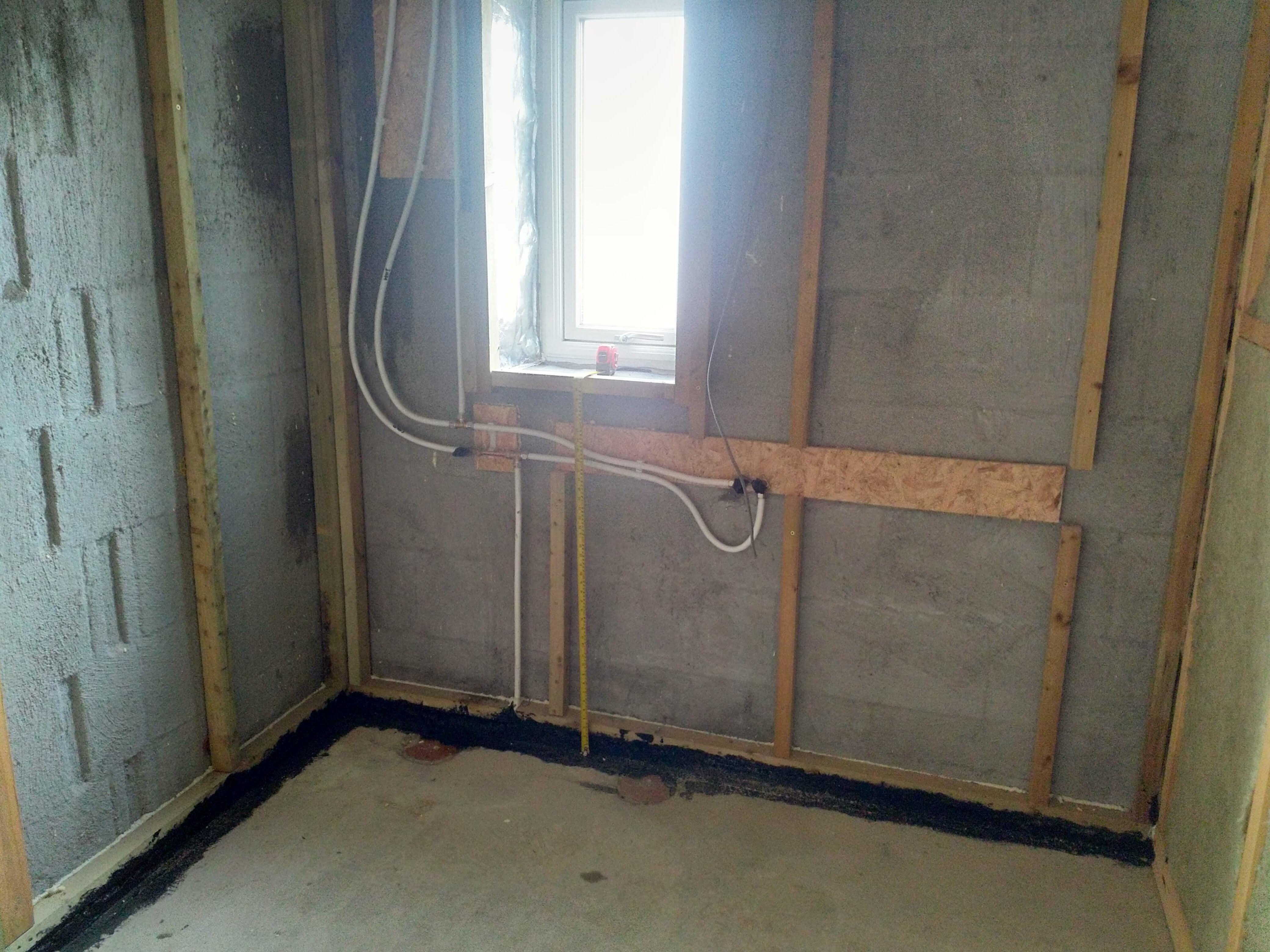
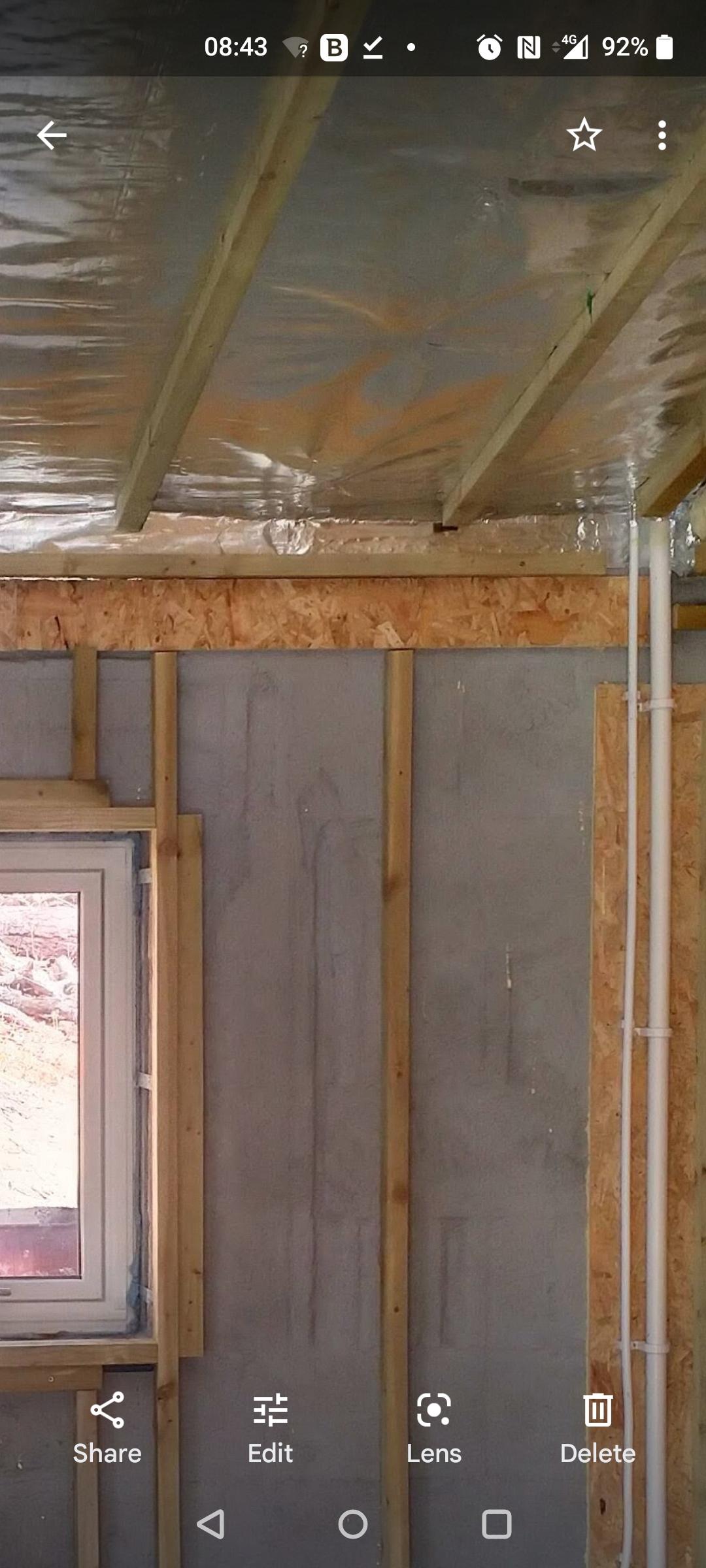
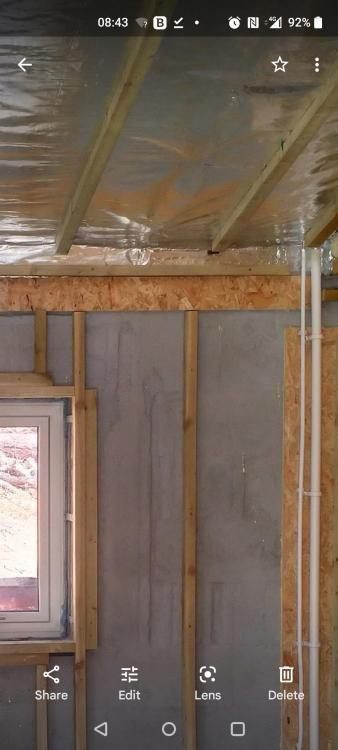
Parge coat was a double cream consistency mix of cement, lime and soft building sand. Mix was applied with a soft broom, just enough to fill the gaps in the block surface. I used 50mm square battens, screwed through the parge coat into Durisol block. I used a CT1 sealant at the point where the screw broke through the batten to help seal. I used airtight paint at the floor wall junction. On the wall to roof junction I draped the avcl membrane down the wall 150mm and used airtight sealant to seal to wall. Some photos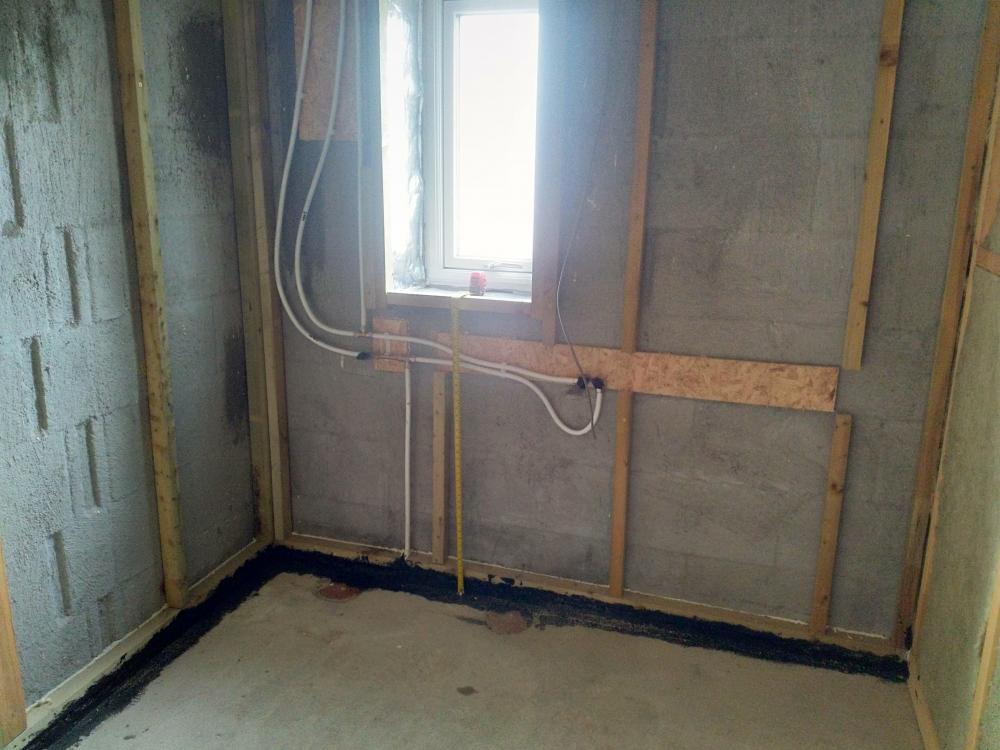
-
Recommendations wanted for MVHR
JohnMo replied to IanP's topic in Mechanical Ventilation with Heat Recovery (MVHR)
No idea, worth a question - I just designed and installed myself. Pretty simple once you get your head around the requirements. I used 90mm semi flexible duct and a combination of normal terminals and Coanda effect supply terminals to keep duct length as short as possible. -
Some design strategies please
JohnMo replied to Nic's topic in Energy Efficient & Sustainable Design Concepts
Just thought you need complete sections of wall, so the concrete doesn't just come out of an open end. -
Some design strategies please
JohnMo replied to Nic's topic in Energy Efficient & Sustainable Design Concepts
Yes it funny to watch, grey slug goes in the top, clear water out the bottom. The structure of the blocks and the resulting concrete shape, is like a lattice structure, not a solid chuck of concrete like polystyrene ICF. Don't see any reason not too. We had had some very small sections of wall between doors and corners so these were filled by buckets, so as not to move anything with the pressure of a cement pump. -
Some design strategies please
JohnMo replied to Nic's topic in Energy Efficient & Sustainable Design Concepts
Not that was specified by Durisol or structural engineer. I was was pouring in December so plenty cold enough. -
Assume you will have a separate heat source for all this hot water, as it will be busy most of the day, either reheating water or making up for the heat loss. Plus may be, if well insulated you may not need much other heat in the house, if you can distribute the heat coming off the cylinders and interconnected pipes. But plenty of cooling in the summer required. Quick calc makes about £10 per day on DHW alone, assuming CoP of about 2 to 2.5. £3.5k a year - you must have deeper pockets than most. Have you looked at something like this, which may offer more flexibility. https://originaltwist.com/2016/06/23/eco-heating-system-for-heat-pumps/
-
Some design strategies please
JohnMo replied to Nic's topic in Energy Efficient & Sustainable Design Concepts
No plasticiser, less than 10mm (I think) aggregate, very high slump. The water basically drains away. We had 2 deliveries of concrete, plus a batch mixer for about 4 hours (for a part fill of Durisol by bucket and several other concreting jobs around site) and 2 hires of cement pump.