


JohnMo
-
Posts
13298 -
Joined
-
Last visited
-
Days Won
200
Everything posted by JohnMo
-
Decided I would like to install my new heat pump UVC myself. So did the training for it and water bylaws today. I can now self certify my install. Well in about 3 weeks, when my cards come through.
-
Our smart meter coverage is poor, so time of use tariffs may not be available, but octopus is trying an install anyway and if unsuccessful they will manually program for E7. Will have battery installed by then, so 7 hours cheap rate, 13.5kWh of battery either filled by PV or cheap rate, plus any solar generation in day time. So hopefully all or mostly all cheap rate. May have the odd week or so paying some expensive day rate tariff.
-

Efficient slimline aluminium window suppliers?
JohnMo replied to GaryChaplin's topic in Windows & Glazing
Like most things when building, we over think things to death. I just had to get up and go to the kitchen and see what our mullions were like. After this stuff has been installed a little while you just don't look at it. We have a window with a fixed pane in the middle and two opening windows either side. The mullion and the frame of the opening window is 130mm across. Our windows are wood. -
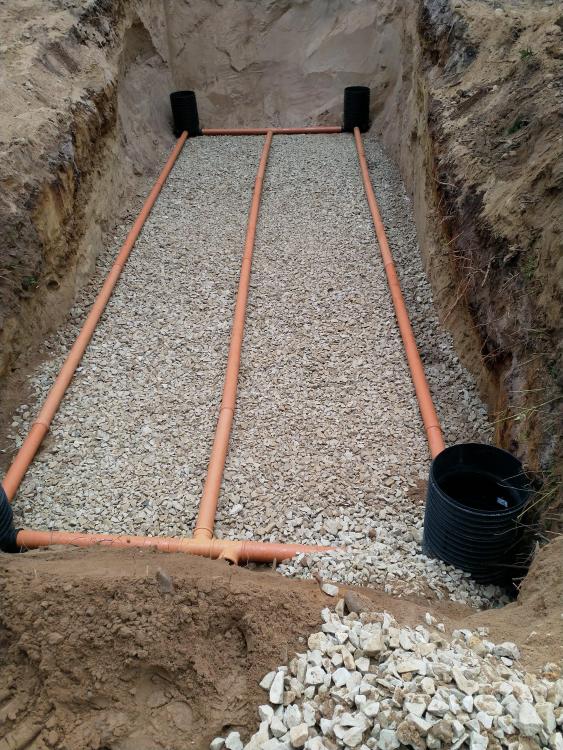
We failed our test, water ran away to quickly - sand. If you read sepa guidelines a fail doesn't matter if it fails by flowing away to fast or slow. The sizing guidelines are same either way when you are outside the pass criteria. We just put in a big soakaway.
-
Didn't think it has been legal to DIY asbestos for the last decade, two or three, asbestos is a control substance.
-
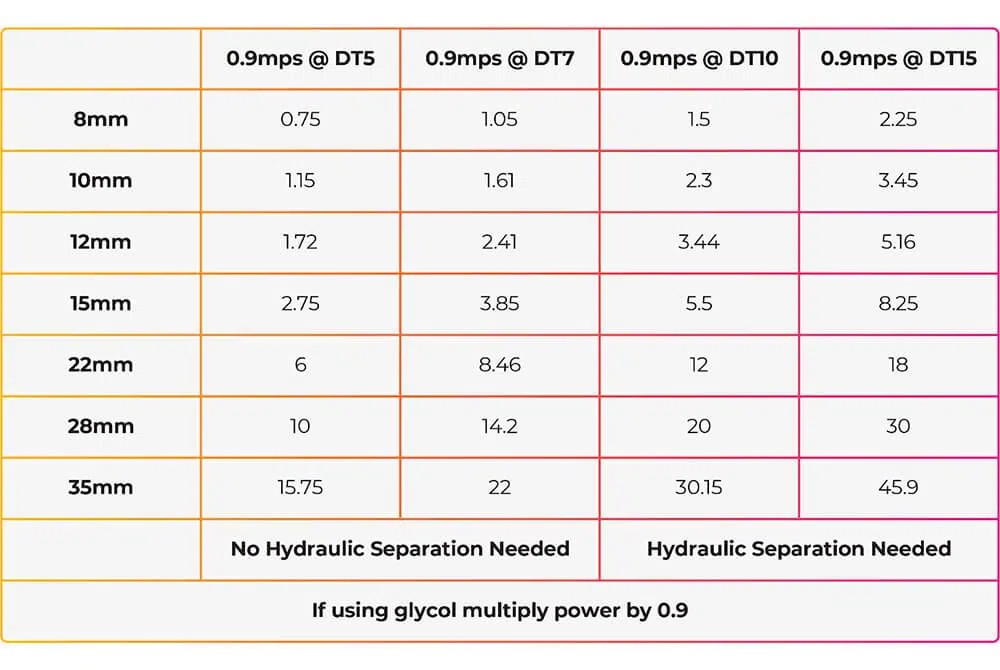
As posted by yourself 15mm fine for a 2 to 3 of kW. I am also stuffing 6kW (0.96m3/h) through about 10-12m of 22mm Hep2O, but that needs the assistance of a second pump in the return line. So various ways around an issue. We all know that mentality will continue, given a magic bullet or not. That may be required the way most people seem to want a zillion zones all over the house. Sticking a gismo on a random pipe is sh**e in sh**e out. It doesn't tell you much about how the water is being distributed, is it just opening a bypass valve, funnelling through a big section of pipe and then short cutting past most the system.
-
Efficient slimline aluminium window suppliers?
JohnMo replied to GaryChaplin's topic in Windows & Glazing
Good luck - I tried and couldn't get anyone to supply anything with a decent Uw. The all quoted Ug. Basically hoping you didn't go through the numbers. If you are not careful you will end up paying for triple glazed and getting poor double glazed performance. -
Your ok with 15mm in a lot of cases, I have a 2 port UFH manifold fed from the main header in 15mm Hep2O, approximately 6m each way. Zero issues with flow rate.
-
Not legal or sensible for you to touch it. You have to pay for it to be removed and disposed of safely.
-
Never heard of a DPM being required for an outdoor patio
-
What you need is a strap on ultrasonic flow meter. Or you could just use a look up table, like on heat geek. From the heat loss calculations you will know what each section of the heating system needs to supply in kW. Use the look up table to manipulate the flow rates and dT if required. Maybe small sections of a header will need up sizing.
-
I had an interesting conversation with the battery installer the other week, he was saying, one of the inverter manufacturers has a dedicated immersion output. But it looks at the state of battery charge and solar generation, and if it feels it is right, puts the whole 3kW in to the immersion for a set period, then assesses battery charge state and PV output, repeat... Good concept if you have a battery and don't want to or can't export due to you G99 restrictions
-
It does but I have a diverter when I am transferring a few hundred Watts to the immersion, it's questionable how much heat it's actually transfering to the water. Because unless the element surface temperature is higher than the water temp, there is no heat transfer. Think if I was doing it just for water heating I would buy a Willis heater casing, add a matched heating element (per the spreadsheet attached a few comments above) then hook up to the top and bottom of the cylinder. It would always be drawing through cold water and the hot water would go direct to top of the cylinder.
-
How does my boiler know when my rooms are heated to 20C?
JohnMo replied to vagrantly3893's topic in Boilers & Hot Water Tanks
Sounds like you have half the WC system installed. So next question does your system have 2x 2 port valves or a 3 port valve - these will be near the cylinder or boiler. -
How does my boiler know when my rooms are heated to 20C?
JohnMo replied to vagrantly3893's topic in Boilers & Hot Water Tanks
Did the senso comfort get installed? -
How does my boiler know when my rooms are heated to 20C?
JohnMo replied to vagrantly3893's topic in Boilers & Hot Water Tanks
So if set to weather compensation, and you are on a system boiler, you should have two different flow temperatures from the boiler, one for cylinder and one for house heating. So on cylinder heating, a high fixed output temperature and a lower variable flow temp for the house heating. WC flow is running the boiler at the lowest output temperature to get the highest efficiency. To stop short cycling of the boiler you NEED an open system. So WC should operate as an open system, i.e rad stats should be moved to say 23 degs if your room target is 20. If the room or all rooms are getting to hot or not enough the WC curve is not adjusted correctly and will a require a tweak. Read the manual on how to make adjustments. If the odd room isn't correct but the rest are ok only the flow to that rad needs adjusting. Go on heat geek website and read up on system balancing, for what to do if this is the case. -
How does my boiler know when my rooms are heated to 20C?
JohnMo replied to vagrantly3893's topic in Boilers & Hot Water Tanks
Boiler doesn't know or need to know what occurs downstream, all it manages is temperature and delta T. So the basis of operation is. There is a target max temperature and a corresponding dT. The boiler will in a controlled manner increase flow temp in response to a change in dT. The dT being the difference in flow and return temp. The flow temp will increase to the max it is programmed to do. It then stops. Once the return temp has dropped the process starts again. Now a couple of questions for you. 1. You have an outside sensor, is your boiler set up to run weather compensation? 2. Combi or system boiler? -
Slate comes in many different grades, same stuff doesn't come out the ground the same from different locations. They can also slice to different thicknesses. This affects price and life span, also some thinner slates are unsuitable for higher wind speed areas. Welsh slate can be bought (more expensive, but way better quality) should last a 100 or more years.
-
I was told by my roofer if I wanted him back in under 10 years to do the roof again go for Chinese. If I wanted a roof that lasted, to go Spanish Cupa heavy 3s. So that's what I did.
-
2020, so a while ago
-
Don't tiles always look a dog's dinner anyways specially when cutting around something. That's why I like slate, they are thinner and the cut edge is clean.
-
You could - I wouldn't - it's a bodge. GSE panels have correct drainage and ventilation, cable routing and wind load design. They stop the ingress of water, and once you get your head around the install, very simple to install. If the panel flies off in high wind gse get the blame, bodge job you do. PV panel is basically a pane of glass in a frame, if it hits from a roof, leave that to the imagination. The GSE panel is £30, fixing and trim piece cheap also. Or don't integrate, install slates or tiles and roof bars and hooks. Do it properly once.
-
If you go on to GSE site, there are videos showing how to install. Would doubt gse panels are suitable for standing seam
-
Not here this panel is £29. But all parts available separately https://www.tradesparky.com/solarsparky/mounting/gse-integration/mounting-plates-frames/gse-halfport16501135-1610-1800x1130-1135?gclid=CjwKCAjwrranBhAEEiwAzbhNtYXjvlOJ8rSRX3slCB3ccQdXHEAiGgPUjaA15HDbvyw4lMClpprwBxoCH7oQAvD_BwE
-
PV and immersion heaters isn't as straight forward as DC to the immersion as the impedance (think that's the right term) needs to be balanced You need to use something like the attached spreadsheet to calculate the match between panels and immersion. Or as @SteamyTea say, go AC and then diverter. Solar PV Calculator (1).xlsx


