


JohnMo
-
Posts
13296 -
Joined
-
Last visited
-
Days Won
200
Everything posted by JohnMo
-

Air Source Heat Pump - 12kw vs 16kw
JohnMo replied to sokoma's topic in Air Source Heat Pumps (ASHP)
It really depends there are many variables. Heating method is one, depth of modulation another. Thick screed UFH is way different to radiators. The difference in heat capacity of air 'v' concrete is huge. So a radiator has very little place to dump heat and the air is soon up to temperature, a thick screed UFH system has a mammoth buffer store built in by the nature of way its built. Agree with a radiator system you need a heat pump capacity close to the max heat loss AND a good volume of water. The ideal for a radiator system is 20 to 25L per kW at minimum load output of the heat pump. This ensures a good run time and good control of modulation. Our heat pump 2x oversized for the heat loss, but only really heats a thick screed slab (57 Tonnes of concrete), so the heat pump will chug away for as long as you want without cycling. Then when it does go off, it's off for the rest of the day. -
Just had a look at our quotes and kits were wanting 20% deposit and everything else a month before scheduled delivery. If we had gone that route, delivery would have coincided with the start of COVID, having paid lots of money to them prior to knowing this. But the whole factory closed for 6 months plus, so money and kit would have been trapped for six months at least. Good for me I didn't go that way.
-
First floor, no radiators/larger radiators ???
JohnMo replied to Post and beam's topic in Air Source Heat Pumps (ASHP)
Part L of building regs actually states the following for heat pumps 6.39 The heat pump should have external controls that include both of the following. a. Weather compensation or internal temperature control. b. Timer or programmer for space heating. So you don't really need any temperature controls. Heat pumps should always be set to run WC, it is normal for the manufacturers controller to have a timer or programmer built-in. Part L is full of contradiction, so use which you feel suit you. But if push comes to shove, a trv with a timer is a zone. -
Implication of not using MVHR
JohnMo replied to Indy's topic in Mechanical Ventilation with Heat Recovery (MVHR)
I know that feeling. I eventually went down the path of what I can do well. Plasterboard - no, too heavy, walls ok but not ceiling. So got someone else to do it all. Joint Taping, the same. Electrics - no Second fix joinery - no. Roofing - no, likely to kill myself. Windows - no one company does it all Everything else was fair game. -
Air Source Heat Pump - 12kw vs 16kw
JohnMo replied to sokoma's topic in Air Source Heat Pumps (ASHP)
MCS rules will not allow you size heat pump based on something you MAY do on future. Until it's done, it isn't done, so may only get done. -
Implication of not using MVHR
JohnMo replied to Indy's topic in Mechanical Ventilation with Heat Recovery (MVHR)
Why do you need to sell you house to design the MVHR? Ideal first step is know how big a unit you need, then look out for a bargain -
Implication of not using MVHR
JohnMo replied to Indy's topic in Mechanical Ventilation with Heat Recovery (MVHR)
£200 -
Implication of not using MVHR
JohnMo replied to Indy's topic in Mechanical Ventilation with Heat Recovery (MVHR)
Ours said similar, but the requirements are to be commissioned with instruments with a valid certificate of calibration and a certificate to be issued. They guy who did our air test, did the MVHR final commissioning and issued certificate with calibration certificate details. I did everything else, design, purchase and install. -
Didn't see anything, so presume nothing
-
No, mainly because at time of design I didn't realise you could. Plus I didn't order enough to do it as a change. A guy down the road did his with Durisol below dpc, full filled with concrete. He even did all the internal walls with Durisol.
-
Durisol install manual says

-
First floor, no radiators/larger radiators ???
JohnMo replied to Post and beam's topic in Air Source Heat Pumps (ASHP)
So he is just playing with numbers, to fudge the design, for your benefit. The likelihood of a new build actually running at 45 degrees to UFH is none existent. So you are getting small radiators you want. You will just operate the same temperature as the UFH - so low temperature. So long as he does the design without buffer and mixers, the reality is you will run low 30 or less on the coldest day. Do you actually need bedrooms with rads in a new build airtight well insulated build? Unlikely, but they will add capacity to system when on which is good. -
At least it's easy to bleed!
-
First floor, no radiators/larger radiators ???
JohnMo replied to Post and beam's topic in Air Source Heat Pumps (ASHP)
I would be aiming at same as ground floor, no additional mixers or additional pump required for UFH. Then all you need in the house is a diverter valve between DHW cylinder and heating system. Add TRVs to rads only if you really need them. Or fit fan coils to bedrooms. -
I found with a diverter I was only getting to mid to high 50s. Not sure if it just the lower power input that screws thing up. Now divert differently, so the immersion only gets full power (3kW) and now can get to 70 degs. Have you tried switching the immersion on diverting past the diverter to see where it ends up?
-
Implication of not using MVHR
JohnMo replied to Indy's topic in Mechanical Ventilation with Heat Recovery (MVHR)
My first quote was £10k, hence I started to learn quickly. -
But would you not be excavating approx 5 to 600mm from the whole area of the house to replace with MOT anyway even for a passive slab?
-
Implication of not using MVHR
JohnMo replied to Indy's topic in Mechanical Ventilation with Heat Recovery (MVHR)
I just pointed you towards an MVHR unit, about £1k off full retail. I bought everything else from Paul Heat Recovery and EpicAir. Everything except MVHR units is either Zender or Ubbink, about £1500 plus my 2x MVHR units (£550 for the two in total delivered) -
So what's so special about a raft, that suitably detailed normal strip foundations and slab cannot achieve? I just started the structural engineer and architect in the direction of travel to get thermal bridge free design that any ground worker can follow.
-
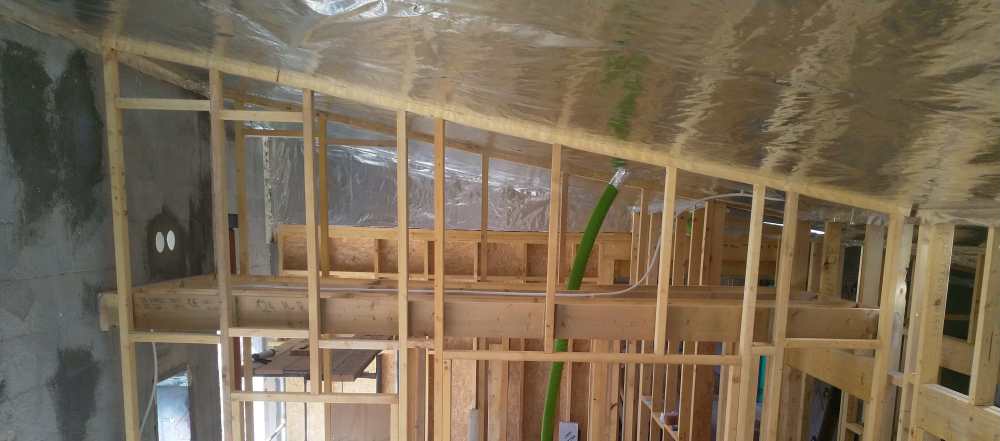
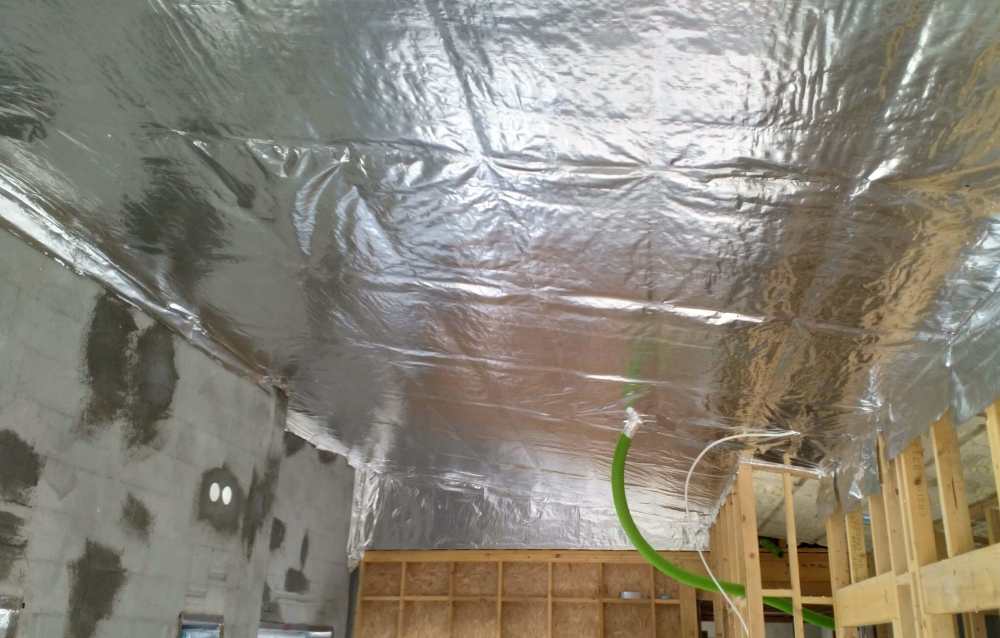
Not just MBC - That's exactly how I did mine, but did the membrane before the studs to make life easier. Before After, stud walls do not attach to external walls either, gap then filled with mineral wool to prevent noise migration. External walls were later battened for service space.
-
Radiators needed for ASHP and UFH?
JohnMo replied to YorkieSelfBuild's topic in Air Source Heat Pumps (ASHP)
Did you go via the MCS umbrella scheme? The quoted ASHP is huge! Install depends on what you need installed is it the whole heating system or just the heat pump and cylinder? -
Implication of not using MVHR
JohnMo replied to Indy's topic in Mechanical Ventilation with Heat Recovery (MVHR)
Good case of shopping around, I have 2x MVHR units both from eBay, and think I was a total of just over £2kwith all additional materials installed. But I did design and install myself. Other alternatives are MEV or dMEV, both need trickle vents, but this should be self acting (automatic), the MEV or dMEV fans should run at a low rate and automatically boost or increased extract rate based on humidity and or CO2. As mentioned if you test 3m³ per m² or better you may have to retrofit balanced supply and extract. Expensive option, can be pretty rubbish as flow rates aren't really high enough. If you go this option you need to be able to run the MVHR at full speed to get any useful cooling. Ventilation is basically just ventilation, it's pretty rubbish at anything else. You have to do an as-built sap anyway. Increased energy usage due to additional heating my also drive to complete other things like PV you may have not budgeted for. My advise do MVHR, look around and shop around, understand the design of it and requirements. Dump cooling and any heating option. Not sure of your ventilation requirements but here is a unit after 10 seconds on eBay - less than £500. Titon are a good make, have good tech support in UK and UK made, with full spares support. https://www.ebay.co.uk/itm/405573660870?mkcid=16&mkevt=1&mkrid=711-127632-2357-0&ssspo=eo-y_vbiseu&sssrc=4429486&ssuid=8KgwDlAbTJS&var=&widget_ver=artemis&media=COPY -
If you have a pool, I would really incorporate that into the main heating scheme for the house. Pool kept at 26 to 30 degs is pretty much the same temperature as required for UFH. Pool heat pump (designed for all weather), big plate exchange between pool and house heating system and a pump (aim for HE to have an approach temp of a Deg or less). Keep pool to temp and use as a huge buffer for heating the house.
-
Use soapy water on all joints, if you have an air leak it will bubble up. I started to use loctite 55 cord stuff.
-
Air Source Heat Pump - 12kw vs 16kw
JohnMo replied to sokoma's topic in Air Source Heat Pumps (ASHP)
Why would you bother, I would just move, if we needed house circa twice as big. Especially if it leaked heat like a seize.






