Thorfun
-
Posts
4891 -
Joined
-
Last visited
-
Days Won
36
Everything posted by Thorfun
-
can't you just ask the tiler to install them and tell him you accept any risk in 'that area'?
-
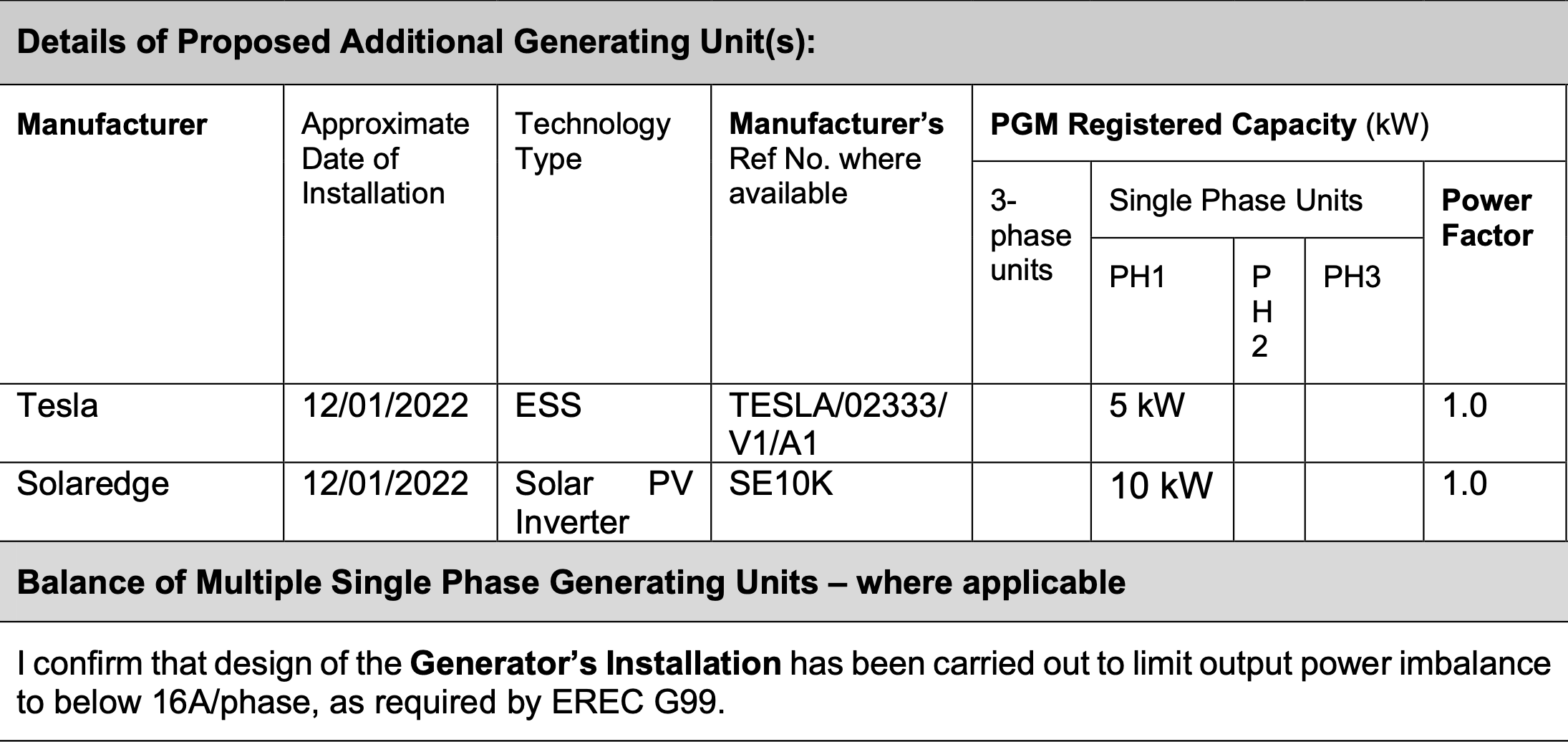
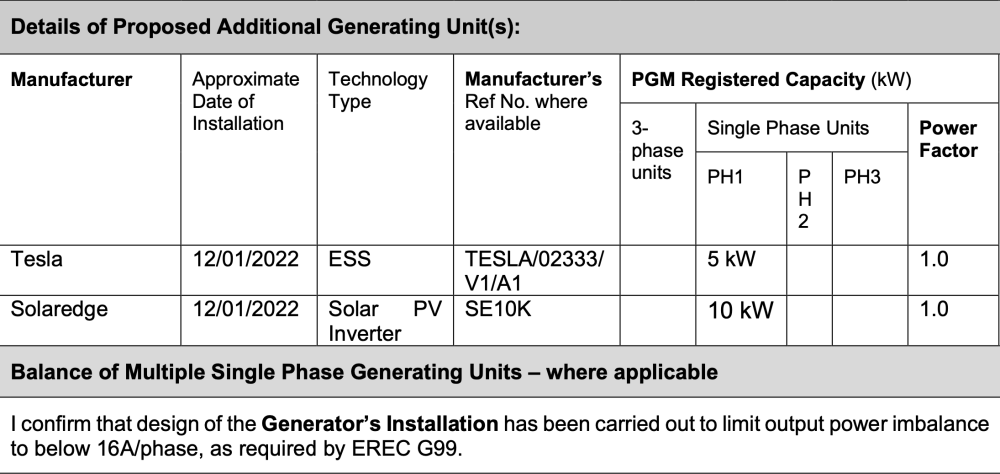
on the subject of informing DNO....our G99 application that has been approved has this: if I'm not going for the PW2 any more but using another battery storage solution do I still need to inform the DNO? if so, is that a whole new G99 application?
-
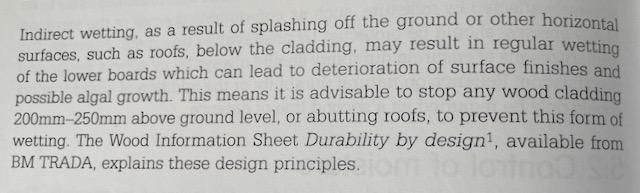
ref: External timber cladding - 3rd edition; Patrick Hislop, Peter Kaczmar and Lewis Taylor; TRADA publication
-
+1. and this is a Trada guideline as well. (actually I think they say 200mm - 250mm, I'll go grab the book and check!)
-
I'm not as knowledgable about this stuff as those already commented but if you're going back to the drawing board can you not design it with an insulated slab? that way you can sit the cassette on top of the slab as recommended and have loads of EPS insulation below ground to reduce thermal bridging. unless I've completely got the wrong end of the stick here of course.
-
Battery Storage installed
Thorfun commented on MikeGrahamT21's blog entry in Back on the self-build waggon...
I disagree with this at current prices. I have been quoted £9500+VAT for a PW2 installed. if we ignore VAT as I'm a new build that would be £703/kWh. And with a system like @MikeGrahamT21's (and what I'm considering) the price per kWh gets cheaper with the more storage you add as quite a bit of the cost is the inverter. so if he adds the US2000C adding 2.4kWh to his storage array his £/kWh goes down to £542. it's why I can't justify a PW2 at the moment. oh....and the 9 month lead time on the PW2 units! -
I'm not going to lie to you, my arms hurt! I did the final 9 holes this morning which took about 90mins and by the end of it I was covered in dust and could barely lift the core drill. but it's done now and I have lovely pretty round holes. 🙂
-
and Isover Batts from Jewsons. I got a good price on my 32 batts when compared to Knauff stuff.
-
yes, it was slow (although not as slow as I thought it'd be after reading your experiences!) and very dusty (which isn't really an issue for me as I'm in the dungeon and nothing else is down there) but wasn't that bad at all. I managed to do 10 holes today and have another 9 to do tomorrow. I could've easily done it all today but I also have a day job that takes up most of my time! I'm going through dense concrete blocks and used a Screwfix/Erbauer 107mm diamond core drill bit (https://www.screwfix.com/p/erbauer-diamond-core-drill-bit-107mm/1121v). what was it you were core drilling again?
-
there was a good thread if I remember correctly on this subject that gave me lots of ideas (assuming I understand your dilemma)
-
Sequence (flooring, kitchen units, decorating etc)
Thorfun replied to WWilts's topic in General Construction Issues
now that makes more sense. 🙂 -
Sequence (flooring, kitchen units, decorating etc)
Thorfun replied to WWilts's topic in General Construction Issues
probably not so bad with LVT but in our last house (new build by a mass builder) we had tiles which were obviously laid after the kitchen went in and when I had to get the dishwasher out from under the worktop I couldn't do it as the tiles were so high the feet would retract enough to get the dishwasher out! ever since then I have decided that I will take the extra cost hit and tile under the units. -
well, I figured that that top row of blocks has nothing at all sitting on it so if that block collapses then it won't affect anything! I was actually quite tempted to just take the whole block out but I paid good money for the core drill and wasn't going to waste it. 😉
-
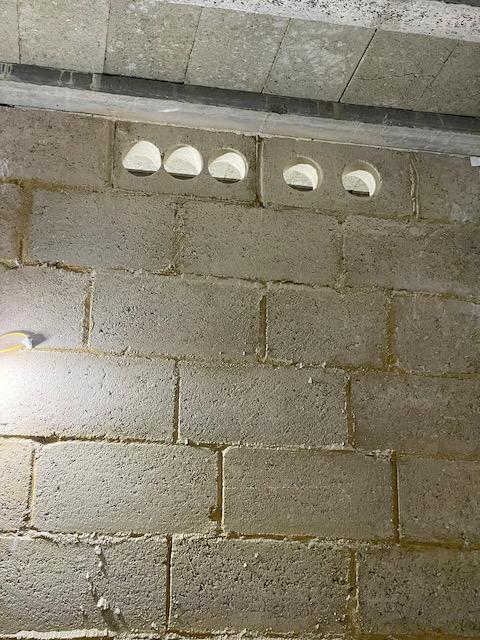
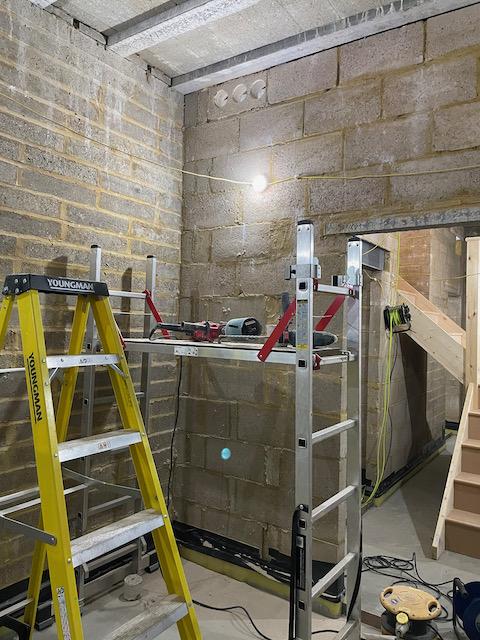
thanks all for the advice. hired a core drill this morning, used a platform rather than a ladder and have drilled 8 holes so far (107mm) and, even though the drill is bloody heavy for this weedy middle-aged man, it seemed to go through pretty easily.
-
look forward to reading it thanks. 🙂
-
I'd be more concerned about the water pressure lifting up the house than water ingress! but I'm not a structural engineer or an engineer of any kind but I do know that I have an external sump and pump with a land drain around the base of my basement and there is a constant run of water (and it's above the water table!!) where water runs beneath the surrounding rock 2m below ground level. I'd hate to know what would happen if I let all that water build up with the upward pressure on the basement and house above. I'm sure more intelligent people will be along soon.
-
me neither. you need a structural engineer to sign off on that
-
doesn't digging down to just have a void increase the costs? why not dig down to the basement floor level and then dig the pool area out a bit further? seems counter intuitive to do it the way you suggest and more costly! not only the increased depth but then also paying for block and beam flooring and supporting walls etc. seems crazy to me. Also, you'll need some form of sump and pump to pump out water from around the basement.
-
we have built a basement and put 200mm EPS 300 underneath it and others, like @Bitpipe put 300mm under the basement slab. just do it and I agree that you might have issues with SAP and building regs if you don't put any insulation underneath. I note that you don't mention what type of insulation the architect has specified but it's my understanding that PIR won't have the compressive strength which is why our structural engineer specified EPS300 for under the slab. if it's EPS then I would up it to 200mm minimum in my opinion.
-
our local Groundworker dug a big hole and then outsourced the basement build to McGuinness Brothers Construction based in Luton who did a very good job.
-
and, if aesthetics are important to you, it looks a lot nicer.
-
I have my G99 application and the battery was included in it so I’m good to go I think. But will double check everything
-
this one https://www.jewson.co.uk/p/hand-held-diamond-drill-JTH3063A has a built in water feed. I could just hire it for a week, stick it on my account and be done with it. thanks for all the answers, I'll have a think about it all and work something out. going to leave this job until next week now as well so I'm not rushing to do it.
-
like this https://www.screwfix.com/p/erbauer-erh750-3-4kg-electric-sds-plus-drill-220-240v/232fv ? says it has a safety clutch
-
interesting idea. was looking to hire a core drill at about £50 per week but if I can buy a cheapo then that might be an option. will take a look at screw fix, thanks.