Thorfun
-
Posts
4891 -
Joined
-
Last visited
-
Days Won
36
Everything posted by Thorfun
-
when you're investigating bamboo for external use check with your chippie as ours said he'd fitted it before and it was really soft and warped/twisted easily.
-
me too (given up on Powerwall that is) and I have my Squirrel Pod and 6.4kWh batteries in the garage waiting to be installed. I just thought that someone might be interested in the news.
-
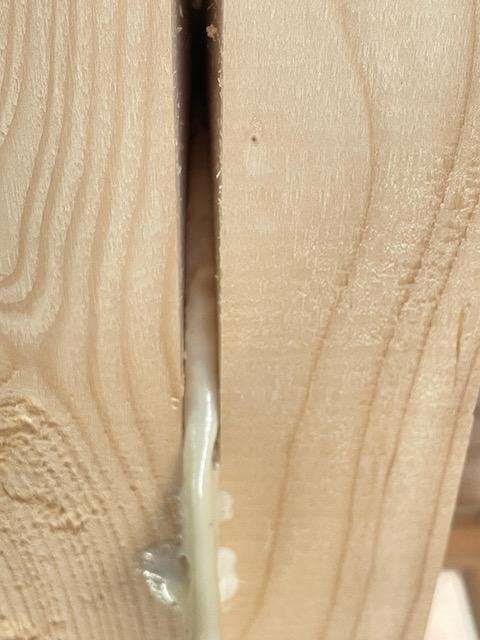
I've done as planned and I'm very happy with the results. I can see a continuous layer of foam from top to bottom of the cord and it's spread quite wide so I'm very confident that it's airtight! great solution from the hive mind. thanks again.
-
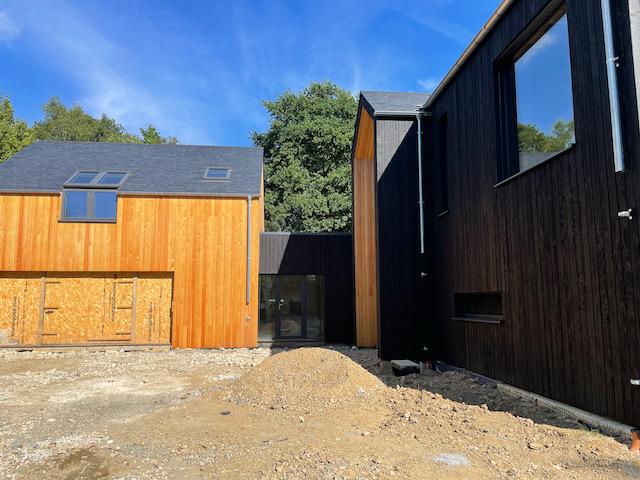
our burnt larch and non-burnt larch combo. we're letting our standard larch age naturally so it will go silver with the OP doesn't want but it can be treated to stay the same colour. in the second photo the larch nearest the camera has just been put up and the larch furthest away was done a couple of months ago so you can see that it's already started to change colour. we didn't want any ongoing maintenance with our cladding so decided to go for the weathered look.
.jpeg.4d9d22043fe85187211d64121d92ceb6.jpeg)
-
https://apple.news/A46nta_nuQha62O9NW43pYQ In 2022, we are heavily investing in Tesla products. I can’t say exactly what is coming we want to maintain confidentiality but across the board on PVs, on Solar Roof, on Powerwall look forward to greatly improved installation efficiency, aesthetic, and product performance.
-
Yep. It’s what I meant but obviously didn’t word it well! That’s why I thought the document would do the talking for me. 😉 for me it’s perfect as I can start small as funds are rapidly running out and then if I find I need more storage or higher discharge I can add batteries and another Pod to suit. when I finally get this ******* house finished and the batteries all hooked up I’ll report back as to what it’s like and how it all performs. But that could be a while! 😂
-
it's both with the Squirrel POD. a single POD has a max discharge rate of 3.5kW which increases with the number of batteries, but add another POD and you can increase that to 7kW with enough batteries. details below:

-
0.55ACH isn't fantastic? wtf! that's passive house standards, right? I'd say that was pretty darn rooting tooting good. 🤠
-
yeah, I can't see how they could push tape between those all the way up! regardless, I guess your airtightness score was pretty darn good anyway so maybe the airloss through those double trusses is not as bad as I think it will be.
-
so, basically, stuff tape up there and hope for the best!? 😉 those cords seem quite shallow compared to ours though which is why that might've worked. ours are 197mm deep so would be really hard to try and force tape up there.
-
and thank you to all the other suggestions. this forum, once again, proves how awesome it is. 🤘
-
thanks. will definitely be minimal removal as I will use an 8mm bit which is enough for the foam gun tube to fit up, then I can fill while retracting the tube and it will fill down the gap. now just need to decide whether to use expanding foam or Orcon-F!
-
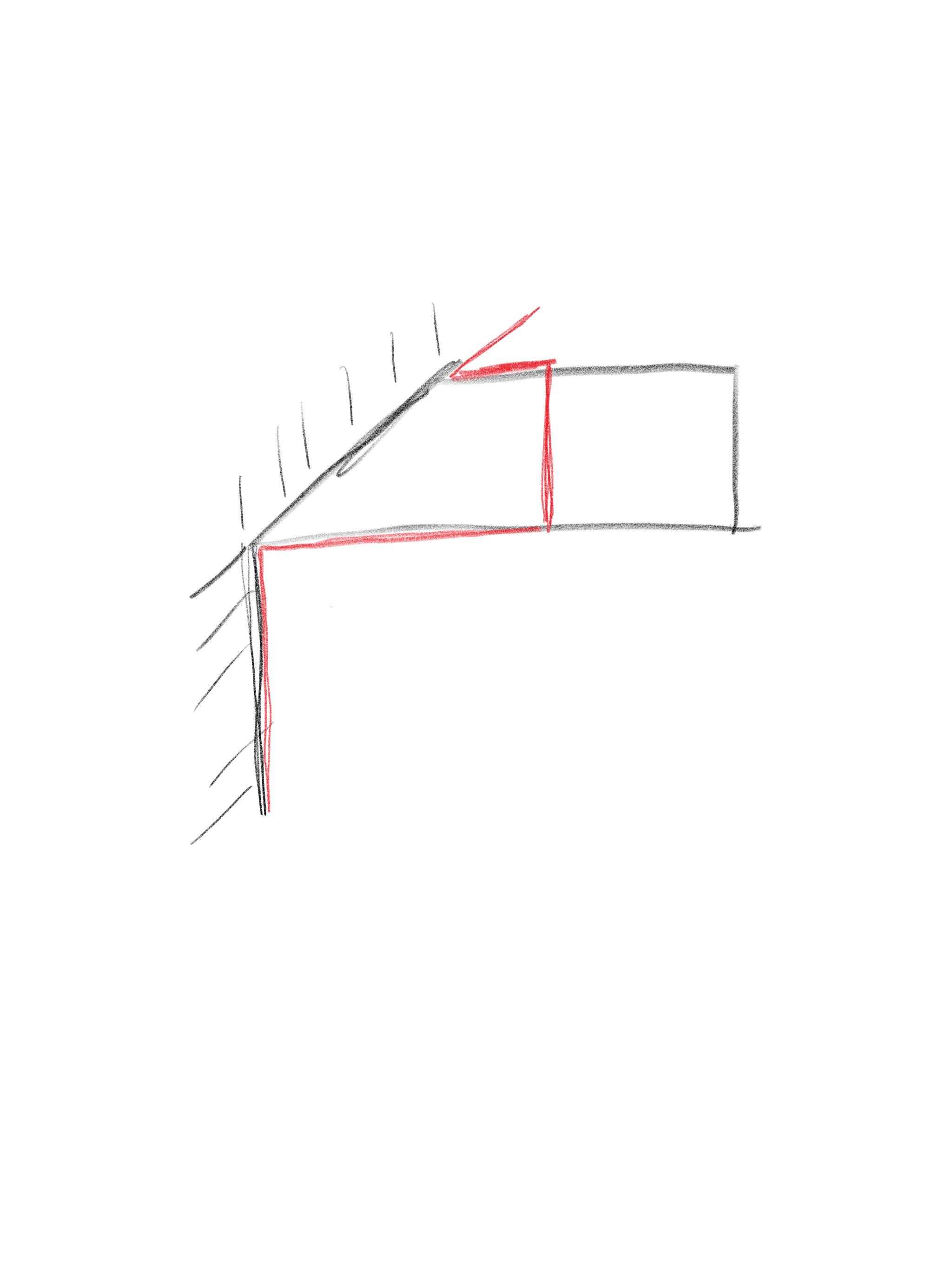
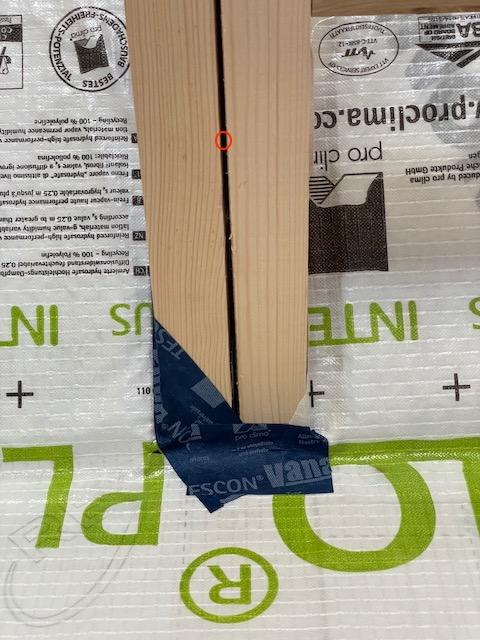
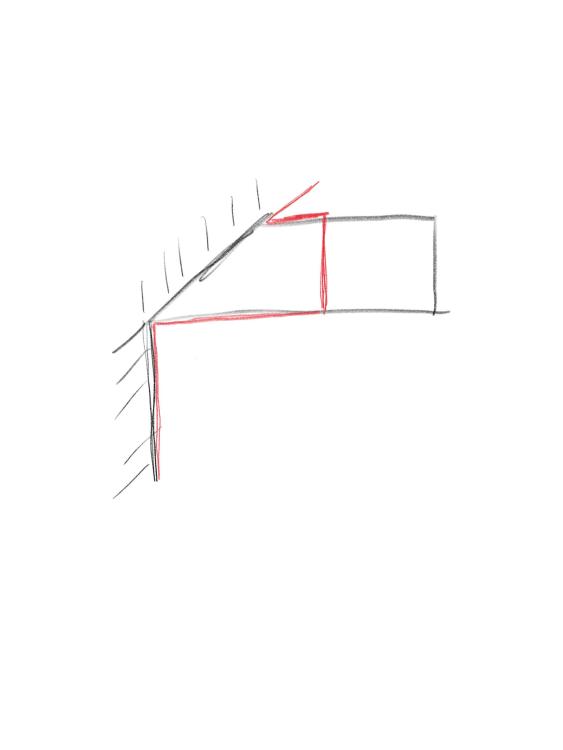
I'm sorry but I don't understand the whole removing material from compression area while maintaining tension material bit! I'd have to drill 'upwards' as I can't get a drill in above close to the end of the truss due to the angle of the roof (35°). so are you suggesting to drill at that point I circled in red to only the half way up the cord? that could potentially give me enough to get the nozzle up and then fire away with expanding foam which should, in theory, expand upwards to fill the gap between the cords. then as I pull the nozzle out I keep firing with foam which will fill the gap in the hole I'd just drilled. I can then tape top and bottom between that line of foam and the AVCL and job done! 🙂
-
very interesting idea. although I guess I couldn't guarantee how airtight that will be so I'd like to use some form of foam/tape/silicone to ensure an airtight barrier. also, would that not make them 'twist' where screwed together when compared to the rest of the truss? and, any potential detrimental effect on the battens and tiles above? but could potentially think about doing both solutions, foam and screws!
-
that's good to know. don't suppose you'd know if I drill vertically between the two cords taking a couple of mm off each one how that would affect the integrity do you? something like the below: then I could get a nozzle all the way and create a vertical line of foam/silicone/orcon-F and then tape underneath and above and that should seal it all. something like this?
-
this is an interesting idea and extends @Conor's suggestion. I presume cross drilling is less detrimental to the structural integrity of the trusses than drilling vertically between the 2 and 'taking some off the sides', so to speak? I could also drill alternate holes on each truss to halve the number of holes in a single truss?
-
now I really want to know what it was! 😂
-
I do have some Orcon-F but, again, the issue is the gap is too small to get a nozzle up there. also, the joists run the width of the house so I can't just seal top and bottom where the AVCL is as air can get between the joists along the entire length of the double truss.
-
it's tight to get any sort of nozzle in unless I can find/print a nozzle that's less than 5mm in diameter. drilling is an interesting option but I'd be concerned about taking too much off the roof trusses and it affecting their weight bearing capability. (yes I am paranoid!!). although, I guess a 10mm hole would allow a nozzle to get in there and would only strip a couple of mm off each joist.
-
yeah, I definitely wish I'd thought of it before as I could've easily sealed from the outside! but at no point when the TF was being erected did it cross my mind that those double trusses would cause a hole in the airtightness layer. foam sheet could be an option I guess. maybe I could get some compriband, or similar, and push that up with a steel ruler? then that would expand to fill the gaps? any other possible products that could do this job?
-
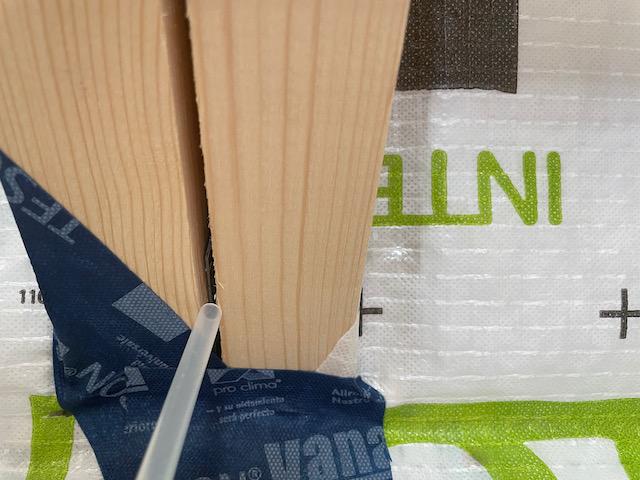
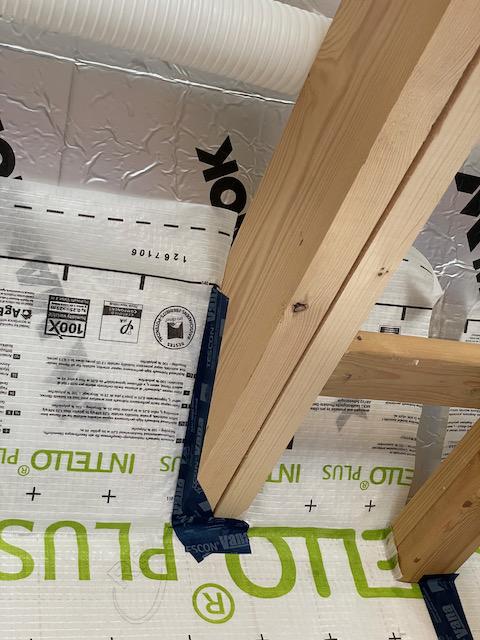
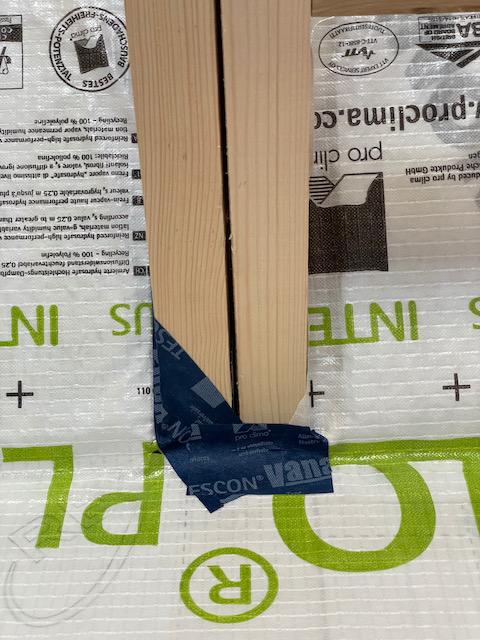
greetings. we're doing the airtightness at the moment and have come across and interesting/annoying detail around the attic trusses! we have 4 x 'double trusses' where two trusses are joined together. sadly they're not joined very tightly and it's become apparent that they are now a hole through our airtightness layer. 😞 so that gap will go to the outside where the cladding is already installed covering it so I can no longer get to it from the outside. that gap also spans the entire width of the roof so taping underneath and on top, although possible, is not ideal especially as so of the length of the joists are covered with chipboard flooring. I was thinking of 'injecting' expanding foam into that gap to try and fill it as much as possible to reduce the air hole but the extension straw I have is too fat. the gap is about 5mm on this particular joist but others are smaller. any ideas about how best to block this air gap? ps. I do have a 3D printer so could, in theory, print myself a nozzle that's thin enough to fit in the gap but my 3D modelling skills are limited.
-
we did the few voids on our basement slab with sand to just level it out a bit. there weren't that many though tbh.
-
I got my natural Spanish slates from Jewson. the Mont Azul Lombeiro. they were around £1.25 a slate Nov 2021. a very good slate and our roofer was very impressed with them. even another BM rep came to site and saw them and said they were really good for that price and Jewson were on to a winner there! might be worth checking them out. according to the owner of the Mont Azul brand they come from the same quarry as the Cupa slates. some pictures in my blog post, it'd be interested to see what the current price is on them as could save you some money.
- 1 reply
-
- 1
-

-
Ubiquiti home networking - initial impressions
Thorfun replied to Adsibob's topic in Networks, AV, Security & Automation
Or just turn the other APs off! A lot easier than walking around the house with a TV and Firestick. 😉 -