Onoff
-
Posts
21056 -
Joined
-
Last visited
-
Days Won
206
Everything posted by Onoff
-
Just used the little 3mm + shaped things. They held in fine. I just went wrong by not using a levelling system! ?
-
Your practice run is better than my finished tiling!
-
You're talking to a man who cuts down old oil cans and heavy duty detergent bottles to make storage containers. Hell, there's even some rinsed out tuna/sardine/mackerel cans in use in my garage. Upcyling is king.
-
Carpet it as a long bench seat? Or shelve that whole wall with that as the bottom shelf.
-

Kitchen layout options - an island too far?
Onoff replied to Moonshine's topic in New House & Self Build Design
We've currently an impromptu island in our kitchen in the form of a brand new washing machine we borrowed for a week when ours went wrong. The owner is in no rush to collect it. Amazing how much use this 600×600 area is getting used. Sanitised, phone, keys, wallet, shopping etc goes from being cleaned at the sink to the top of the wm before being redistributed. The FiL leans on it when he totters in. The best bit is it acts as a sort of roundabout in the kitchen to stop SWMBO and I getting in each other's way and cursing. If it doesn't go soon it might be getting a piece of worktop stuck on top! -
On the assumption you don't have UFH pipes under the ASHP, couldn't he just drill into the slab later and resin fix 4 studs? Making damn sure if course he knows where the yet pipes are by measuring and writing down/photos beforehand?
-
I haven't got the time now anyway to reinsulate and board out so other than getting rid of the lagging etc it's staying as it is.
-
Already bought the 9mm capping board above. ? All I know it's twice the price in black!
-
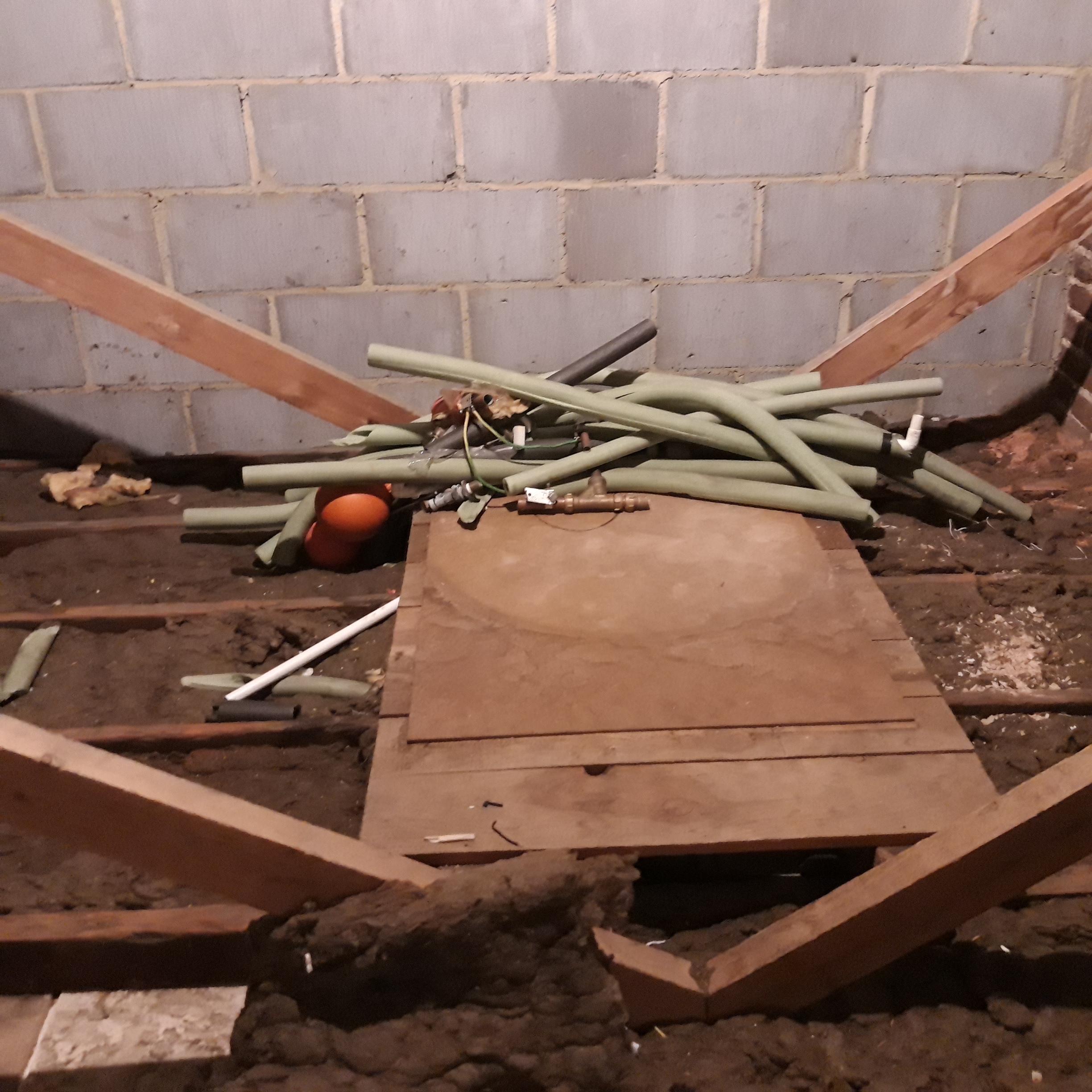
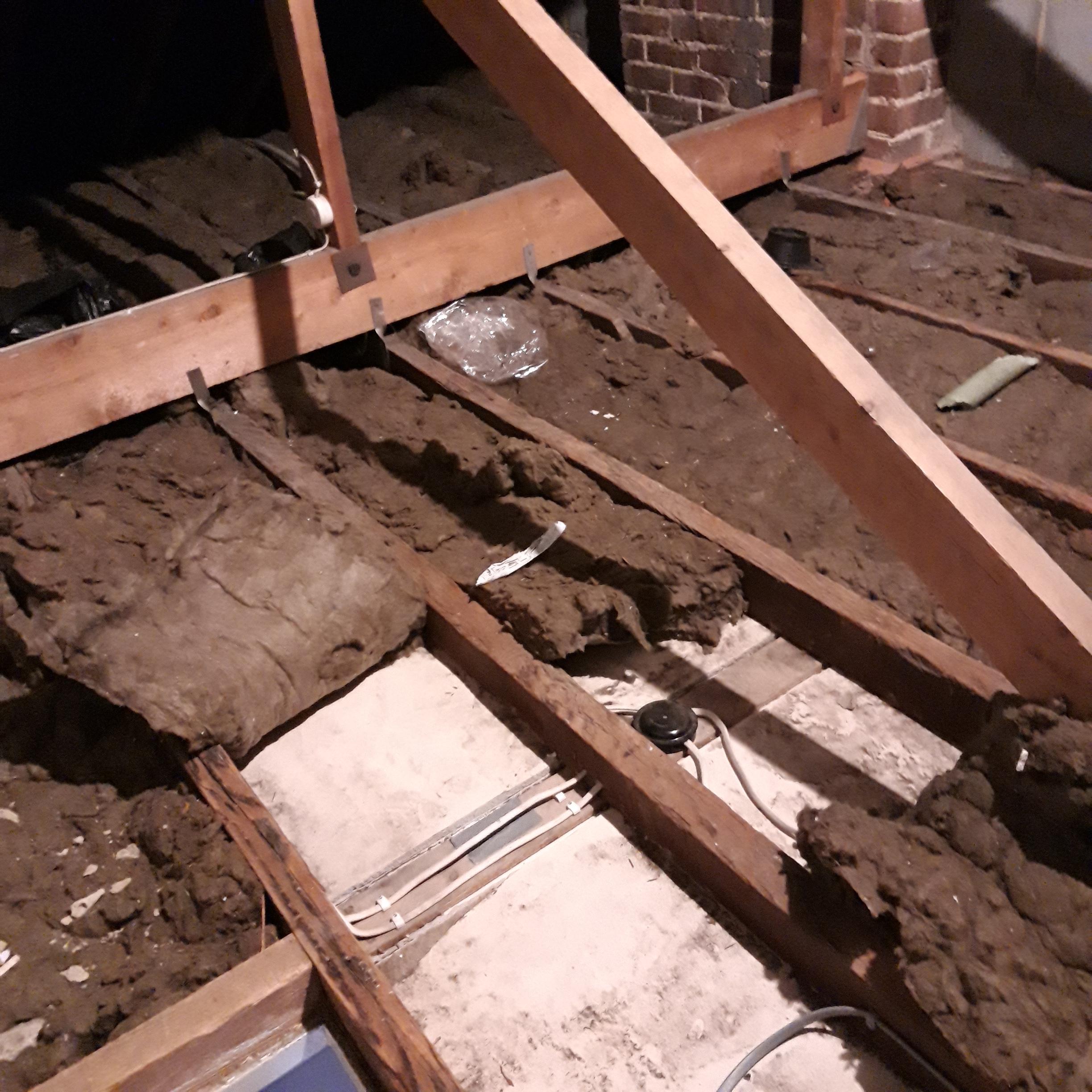
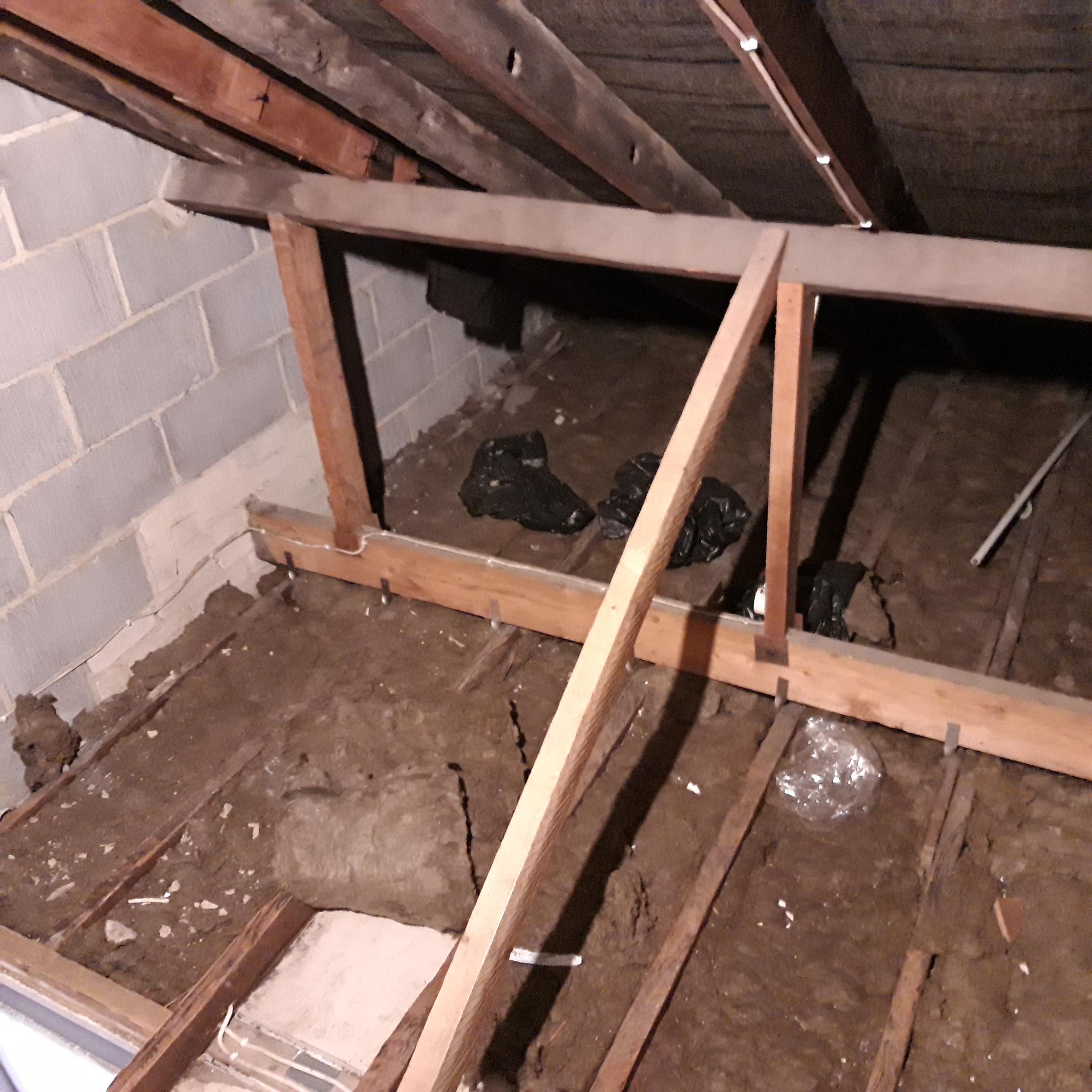
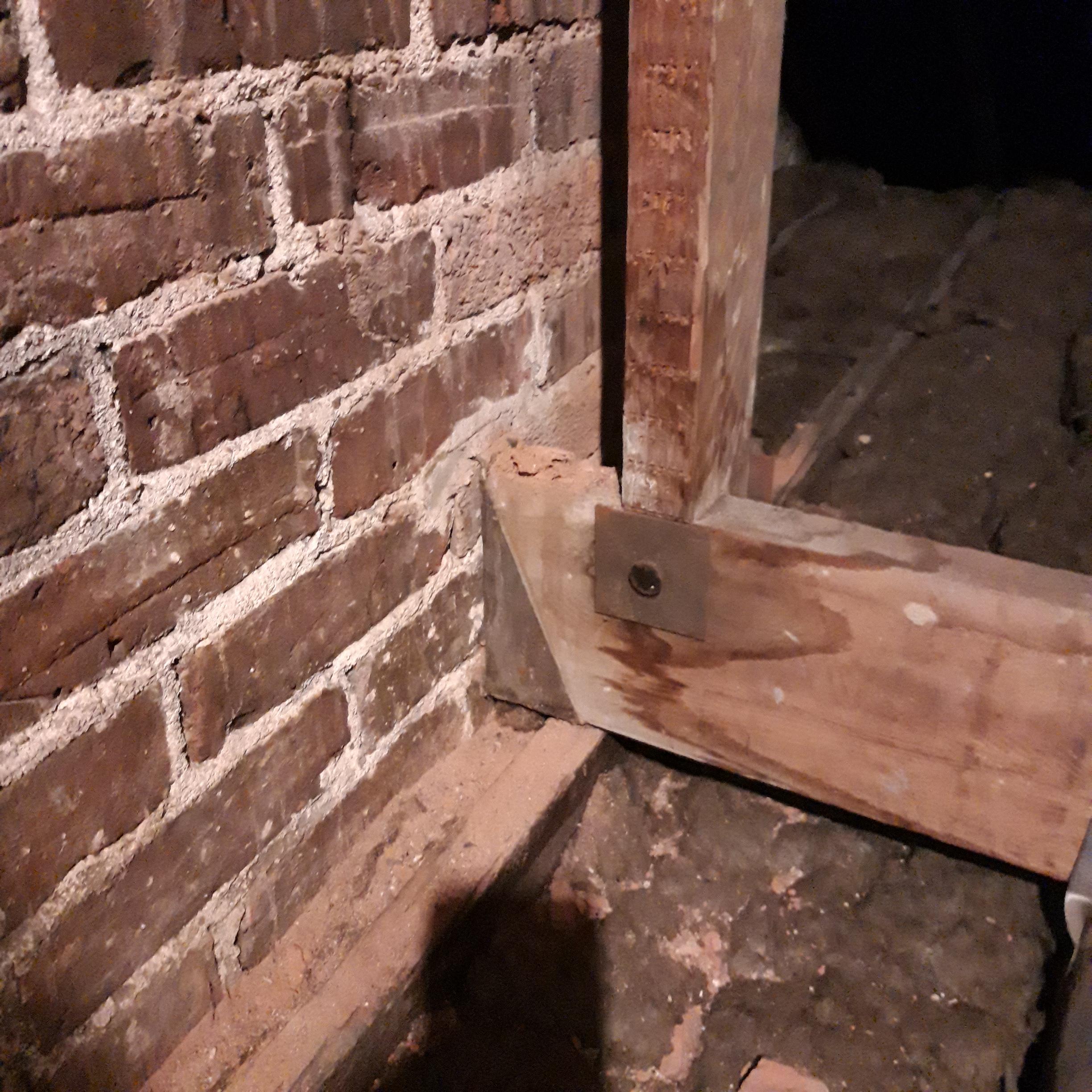
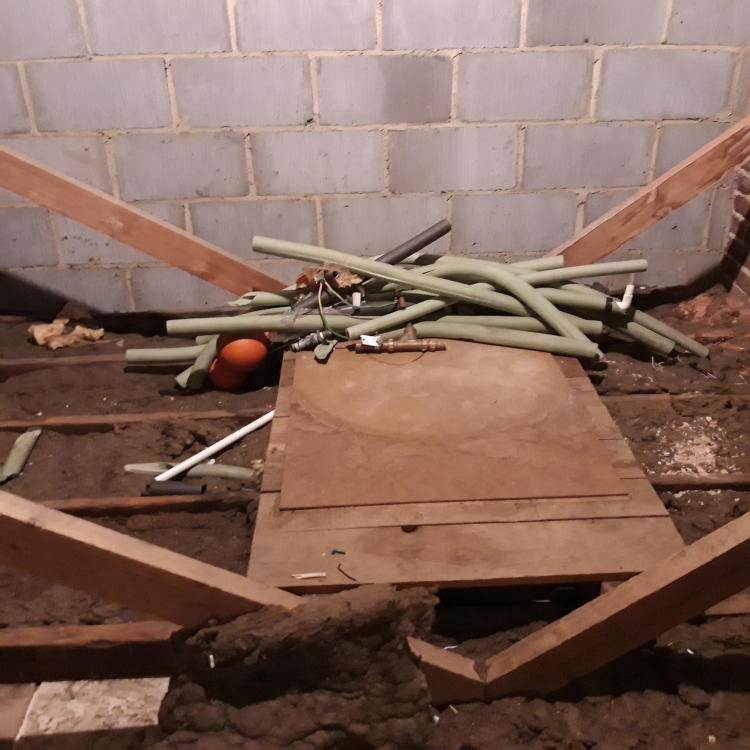
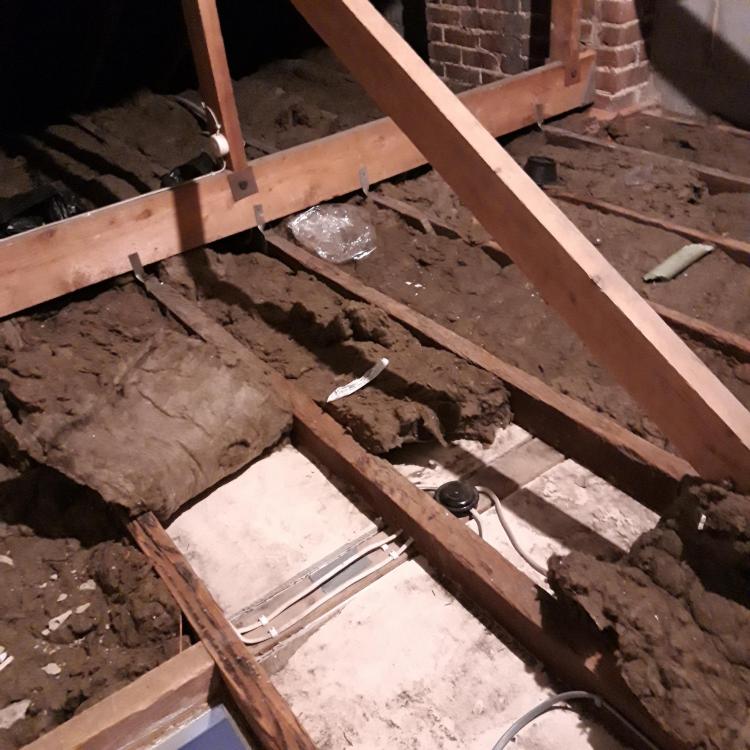
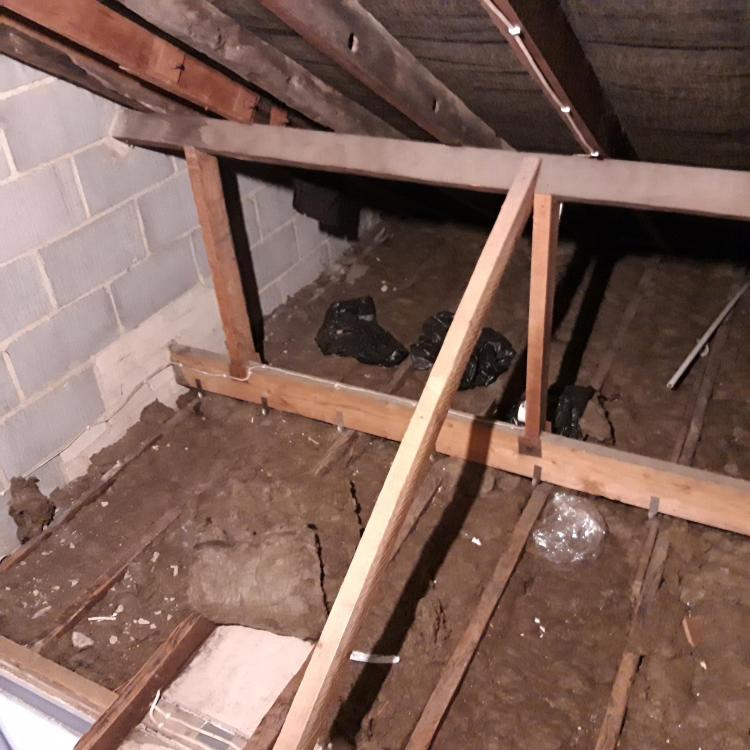
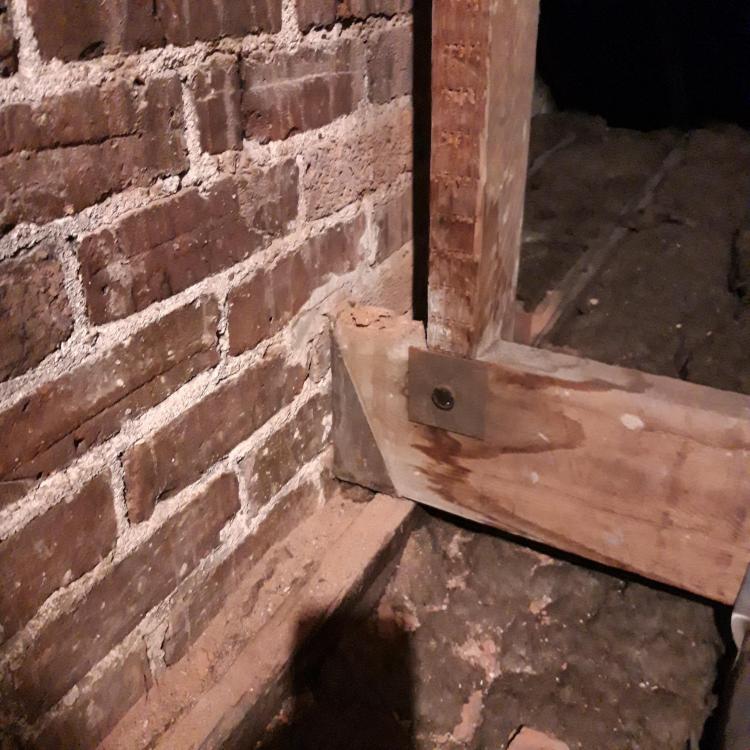
Needs a bit of a clear out. Roof seems to have been reinforced / repaired when tiles were put on (would have been slates originally). Insulation is very thin tbh and I guess compressed through age:
-
I cut some Celcon into wedges an mortar gunned them in.
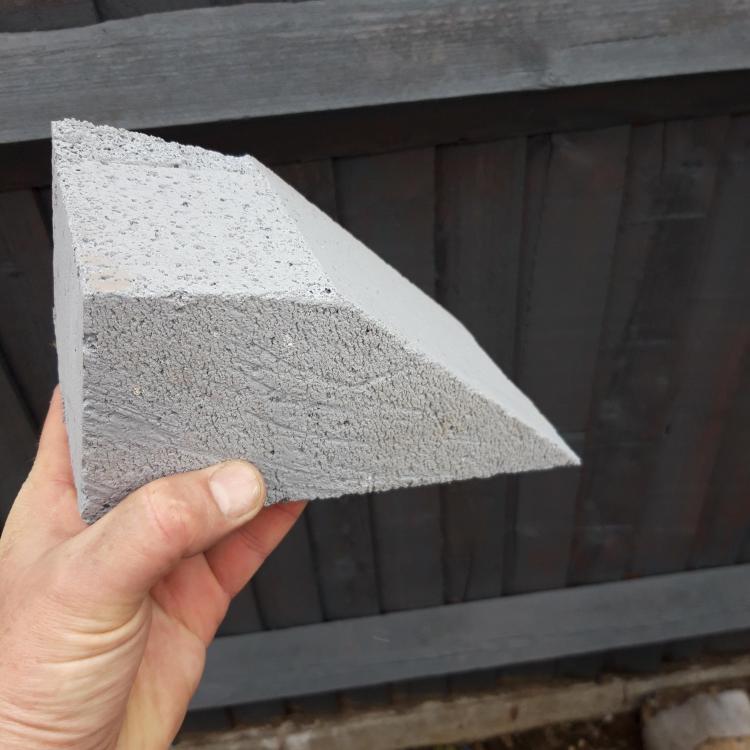
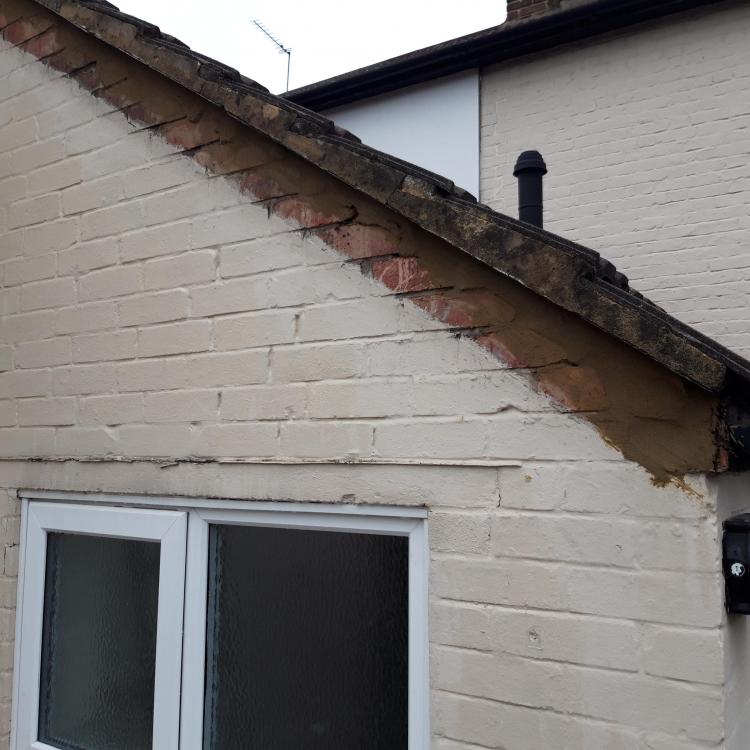
-
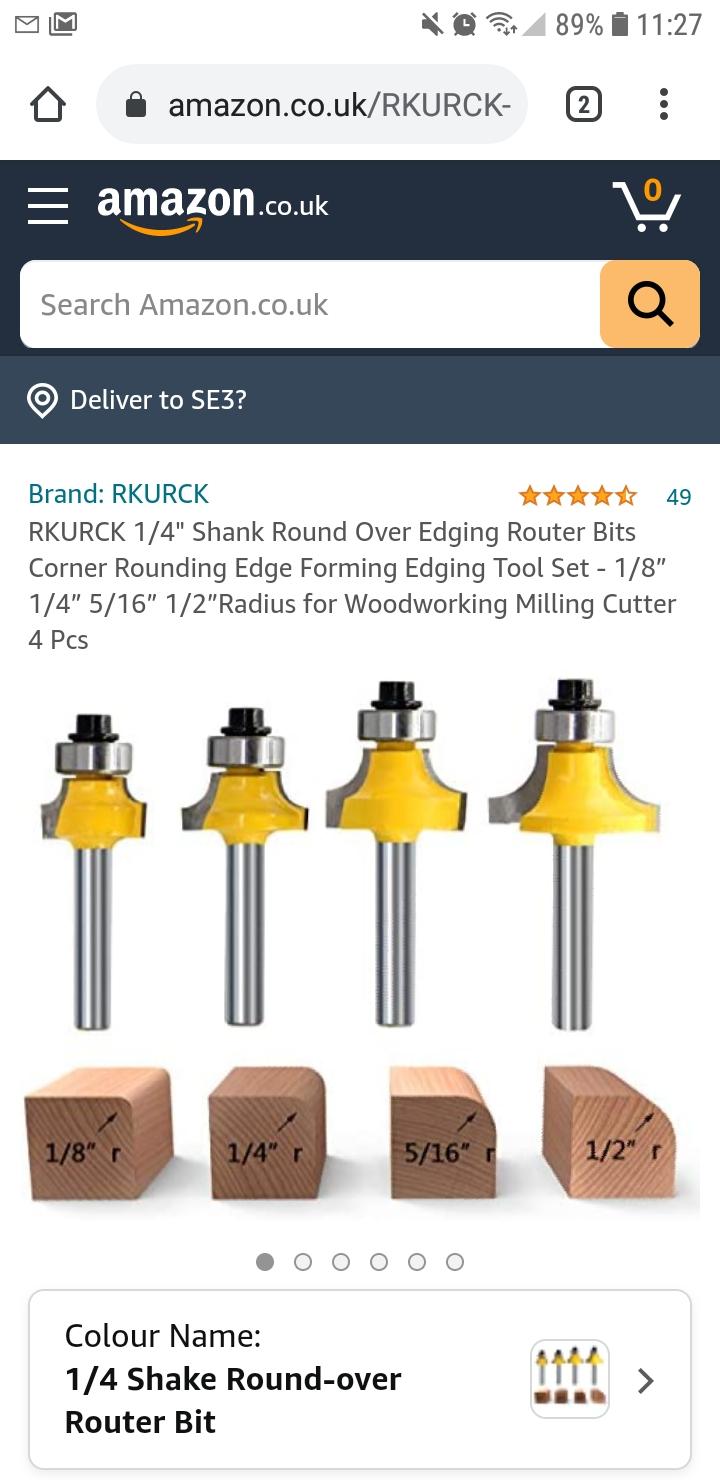
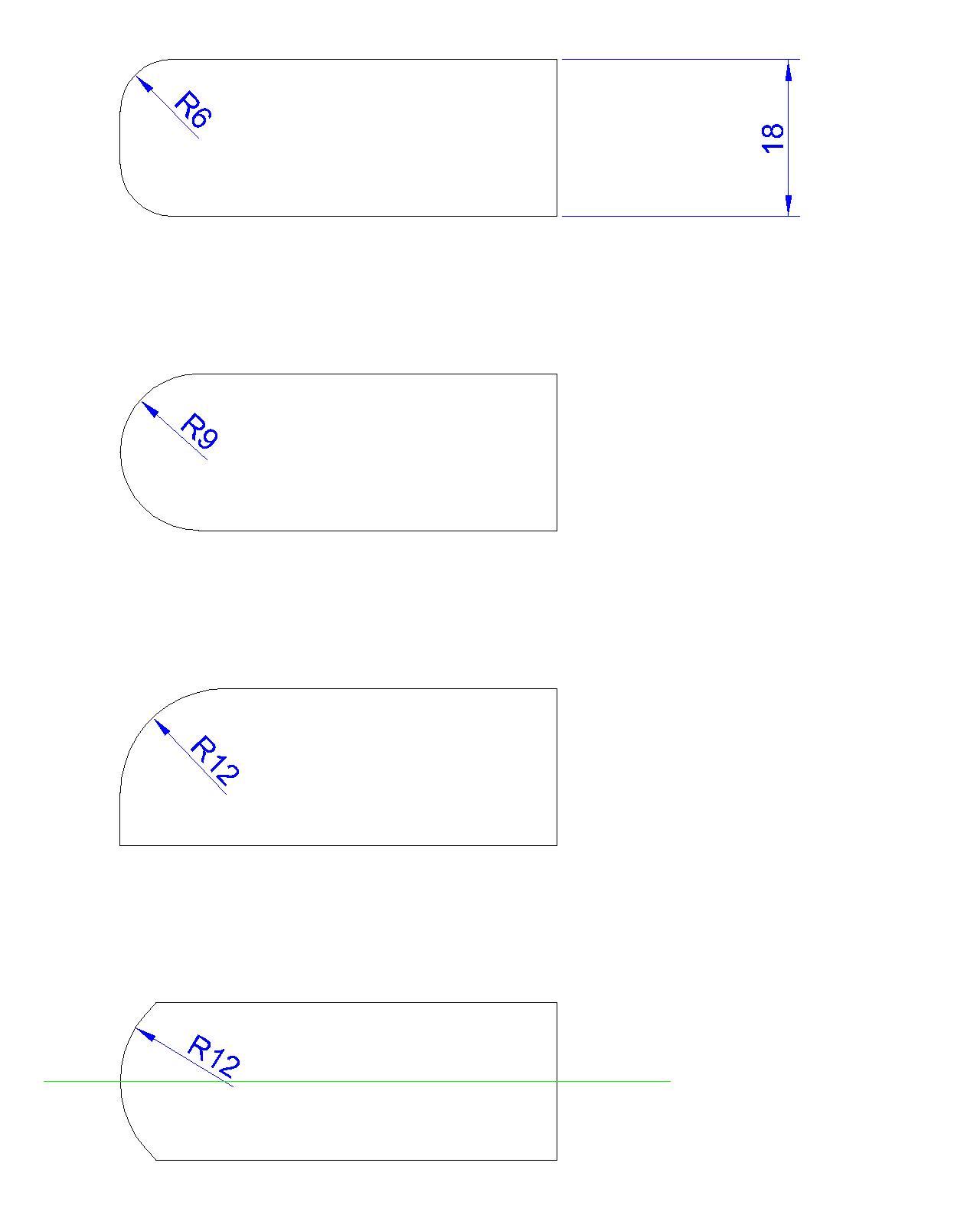
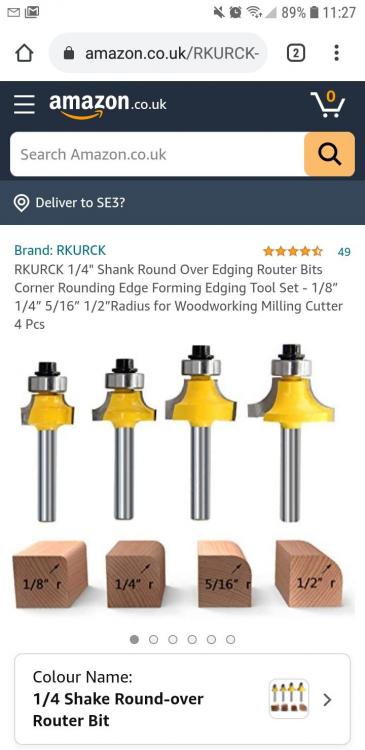
With this sort of bit. If it's all covered in carpet then the radius is fairly immaterial. It's just something for the carpet to curve round rather than a sharp edge.
-
Loads of options depending on what router bits you have:

-
That'll be all the weak shandy.
-
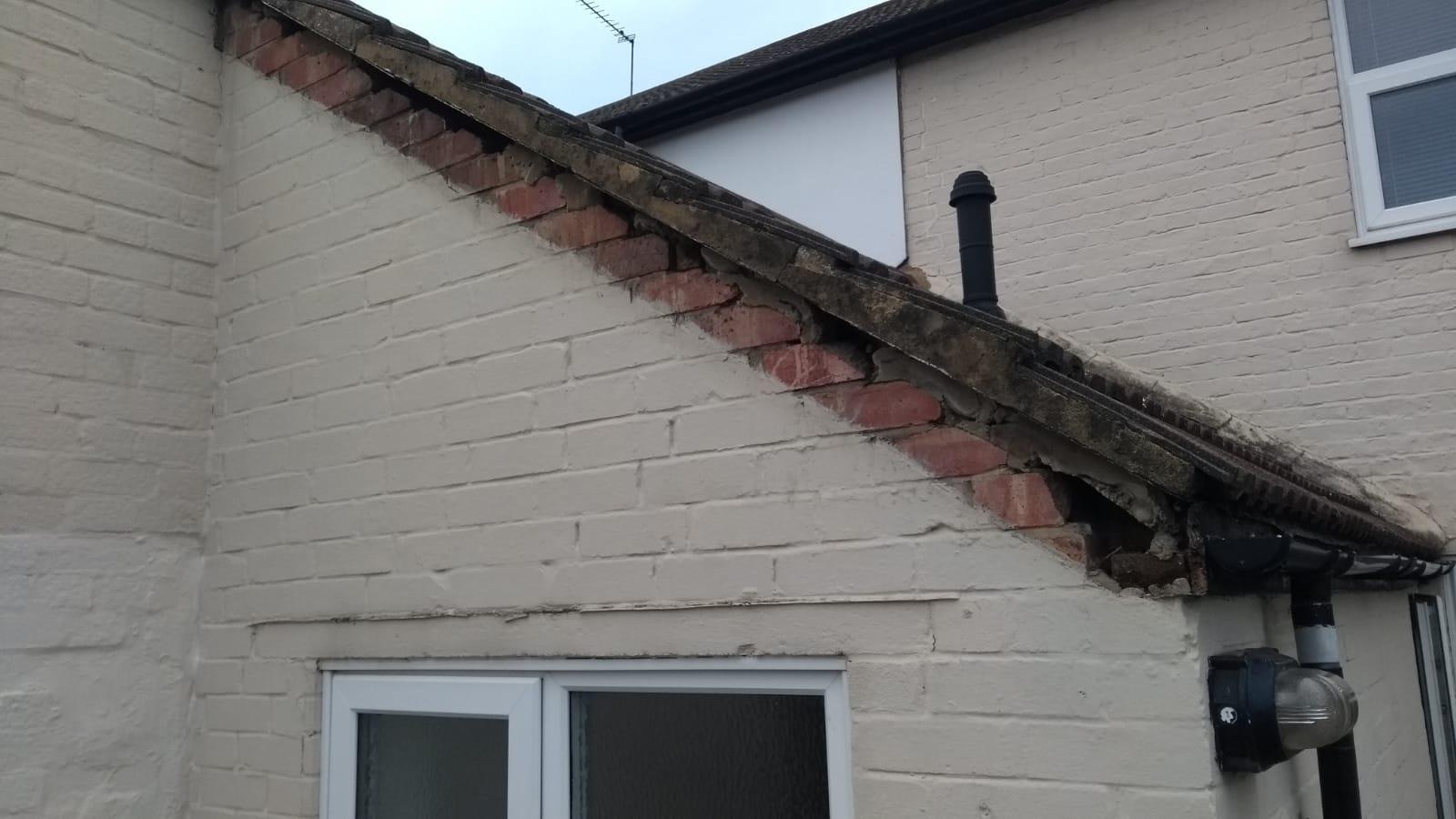
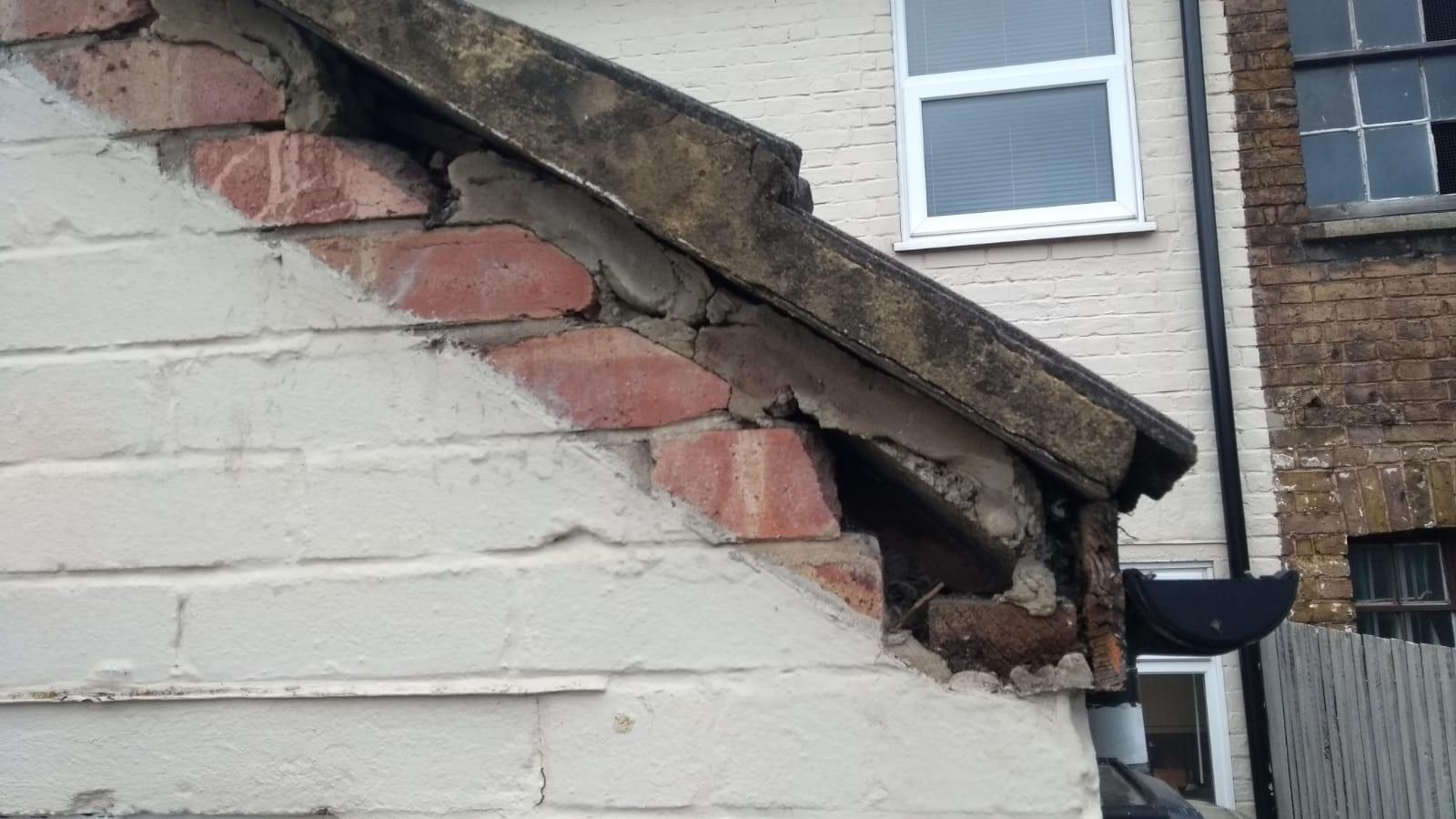
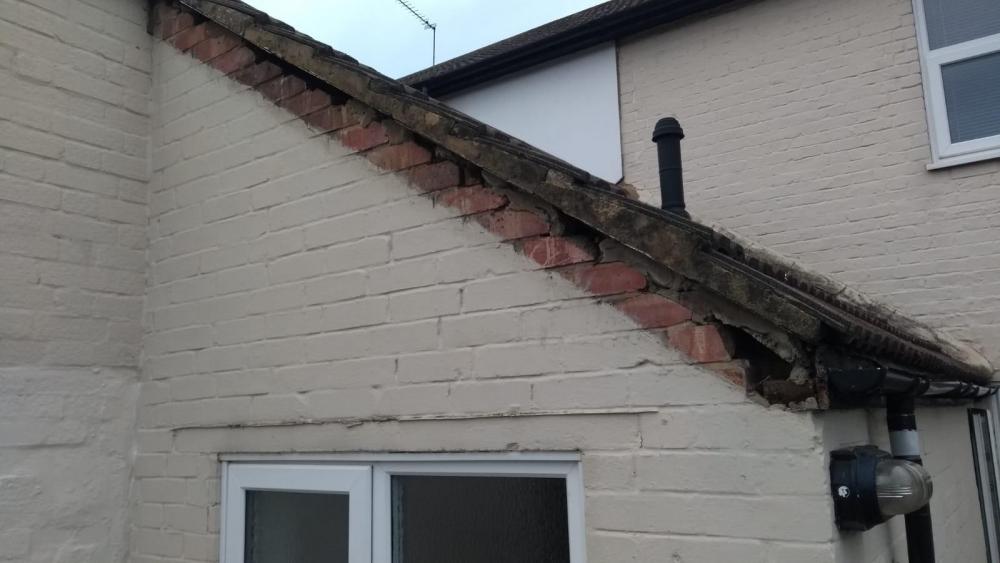
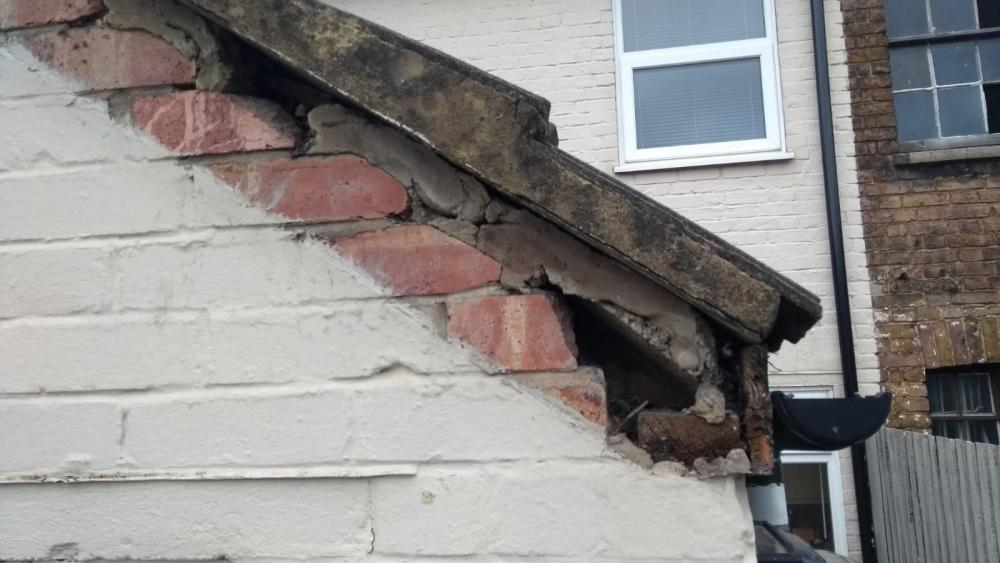
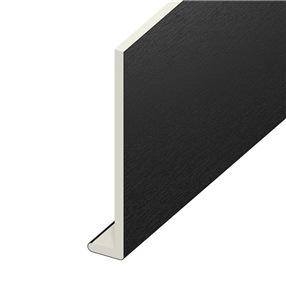
I pulled off an old, loose, rotted 6" fascia board earlier to find this. The fascia was nailed through into loose fitting, rotten, wooden blocks. The rest is quite solid. How best to fill these holes and fit the new fascia? Is low expansion foam a bodge to fill up where the bricks are missing? I've bought some black ash effect 9mm capping board. One thought was to "fix" some 25mm thick timber battens, 140mm long, perpendicular to the roof then nail the capping to those. Was wondering even if CT1 could be used to stick the battens to the wall.
-
Tile Backer Board or Marine plywood?
Onoff replied to Snowbeetle's topic in Bathrooms, Ensuites & Wetrooms
I used Aqua Panel. 6mm and 12mm thick. Cuts made using a cheap circular saw with a TCT blade, carbide grit edged jigsaw blades and Starrett cutters. It's good stuff but brittle. Studwork has to be dead level or it'll hairline crack. Not a major deal as it's full of interwoven strands and the subsequent tanking / tile adhesive sticks / seals any cracks- 10 replies
-
- 1
-

-
- bathroom tiles
- bathroom board
- (and 2 more)
-
Sh!t loads more expensive. £30 - 40 for a switch with built in receiver or a switch and seperate receiver just to do one light/bank of lights up to 6A. Offset that against no chasing or making good on existing/refurbs and cable saved with whatever method even if you have a service cavity to easily drop cables down. They come into their own for some things in particular. Say a shed where you would like to put the lights on before you leave the house and walk down the garden. Ditto they do flood lights that just need mains in. Stick those on the side of the shed/garage and switch on by remote control! Say you want a switch in a flat roof extension where running cables would be a pita. Another switch on a tiled wall in a kitchen etc, etc.
-
Quinetic now available in matt black: https://www.tlc-direct.co.uk/Products/QUWS1B.html
-
Does counterbattening take the place of noggins or is it in addition to?
-
A lot to be said maybe then for proper old wood screws, pilot drill, clearance drill etc. All put in with a Yankee! ?
-
Different brand but see this video for how they work. Particularly around 2.30 in, he shows how using a "normal" screw you can actually not be pulling your floorboards tight to the joist but in fact cause a gap. I went over my 18mm tongue and groove chipboard floor upstairs with the Spax ones I linked and it cut down the squeaking a Hell of a lot. The floor having been fixed originally with hammered in angular ring nails. The floating floor I did with Spax from the start downstairs has zero squeaks. Feels like a solid floor tbh.
-
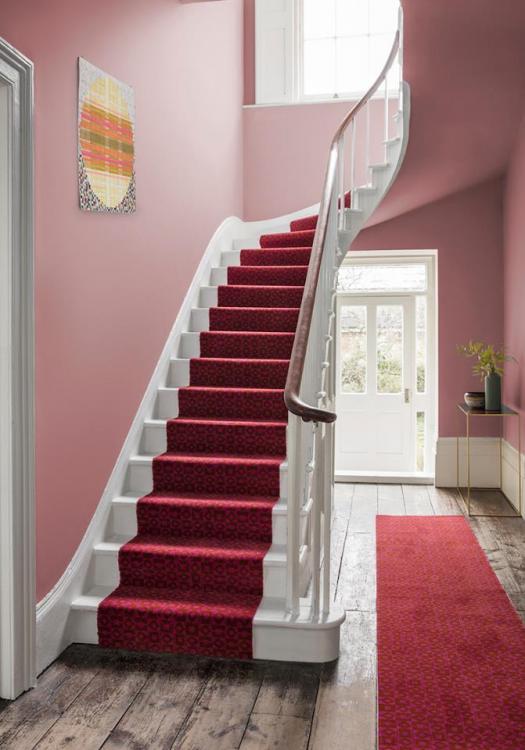
Either quadrant or half circle. Yes, like primed mdf sill, that's a variant of a bullnose Yes as a glued on addition to the sticky out top step bit. For instance if your top bit was chipboard or cheap ply you might glue and pin on a bullnose made from hardwood to be harder wearing. You could, if your top bit is thin, stop it level with the front of the step then use a construction adhesive to glue the bullnose to both the edge of the thin top and front edge of the concrete step. You either glue on a roundy edge bit onto thin or cheap topping board, or one with a crap edge like chipboard or if the topping board is thick enough and good enough, say like close grained, decent ply, rout your own edge on it, with a router. This site, found at random has some info on carpeting stairs. https://www.johncoopercarpets.co.uk/stair-runners-for-spring/ You might want the bottom step curved on plan so as not to catch your ankles when you step down into the room or more likely rush out of it to fend off the burning torch wielding neighbours:
-
Just route a bullnose on the front of the ply etc if you're carpeting over it. And or route your own bullnose using a bit of softwood and glue and pin to the edge of a chipboard floorboard.
-
As for screws you cannot beat these: If the boards are screwed you may be able to just replace the screws with these. Then add more as required. The clever bit is the plain shank. They drill thru the board and the main thread goes into the joist. The plain shank then sits in the drilled hole and the top threads pull the board down tight. https://www.toolstation.com/spax-wirox-t-star-plus-flooring-screw/p31871 Be sure you know where your pipes and cables are though!
-
You joke but I was seriously considering routing out that thin piece of timber they edge the top of the door with and dropping in a block of timber.
-
Ta. Not seen them before. Minimum substrate thickness though is 12.5mm i.e designed for plaster board.