Spinny
-
Posts
923 -
Joined
-
Last visited
-
Days Won
1
Everything posted by Spinny
-
Looks a bit like the levelling compound now blocking my drain - see my topic also. How do you drill out a u-bend ?
-
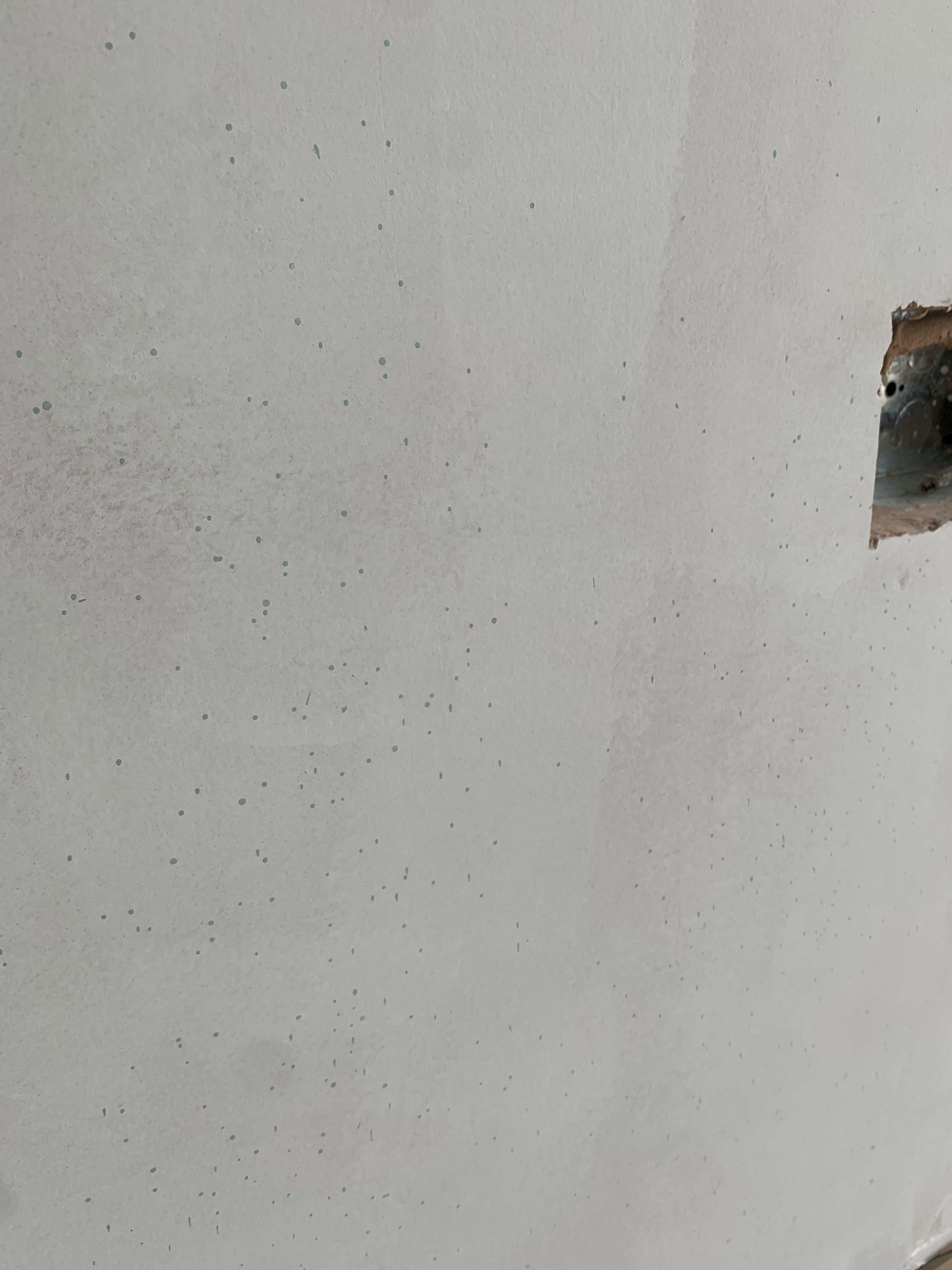
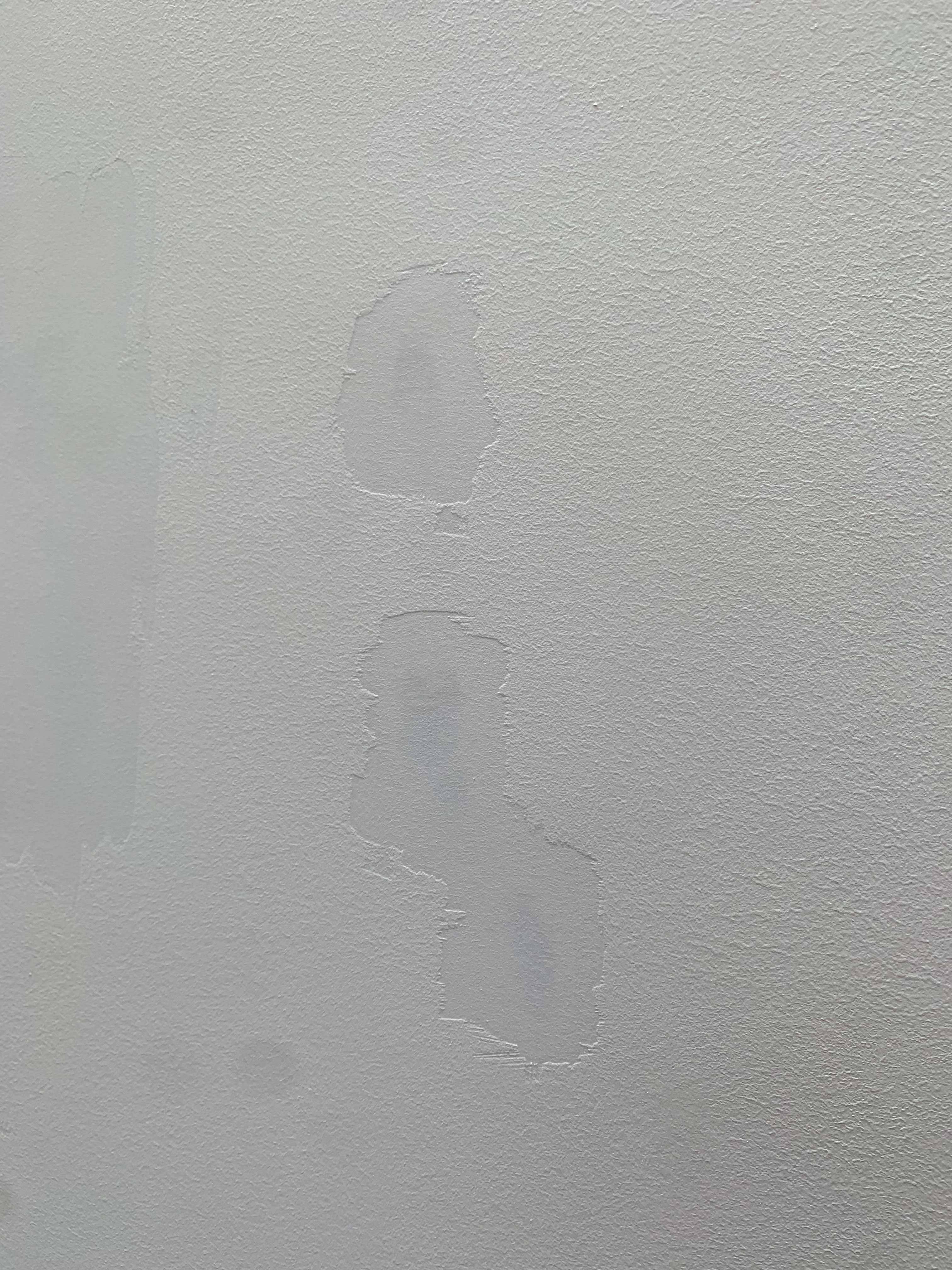
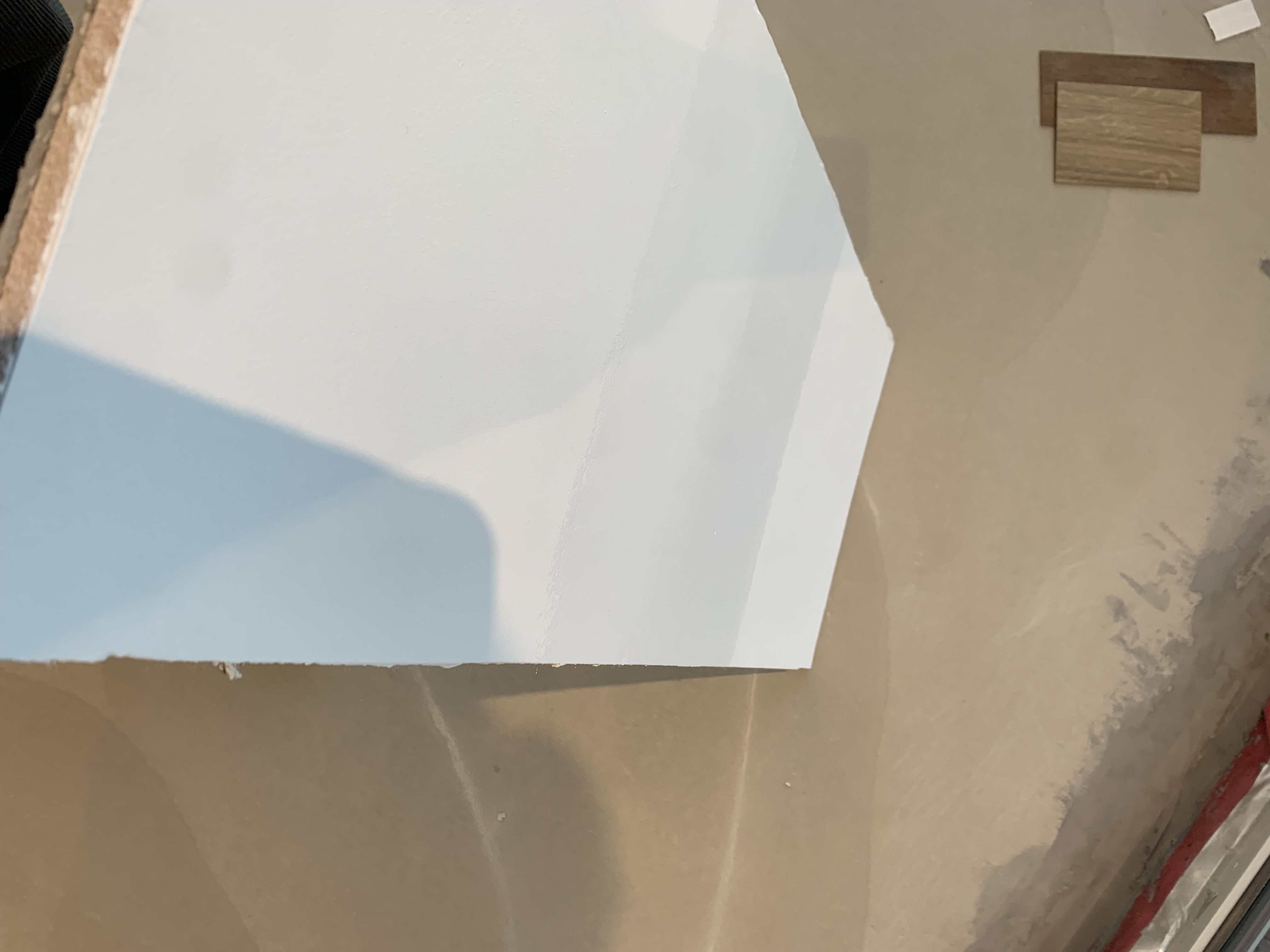
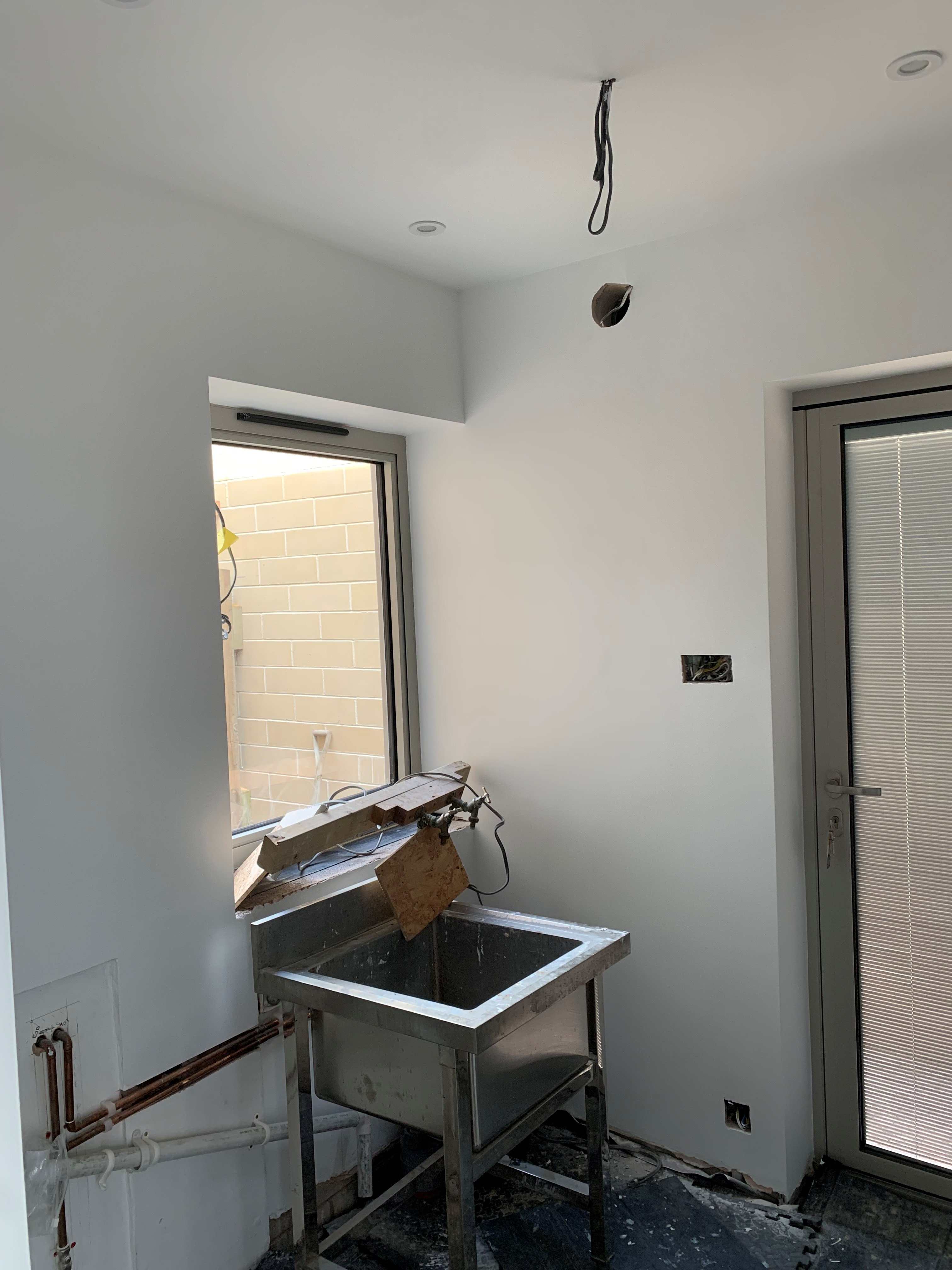
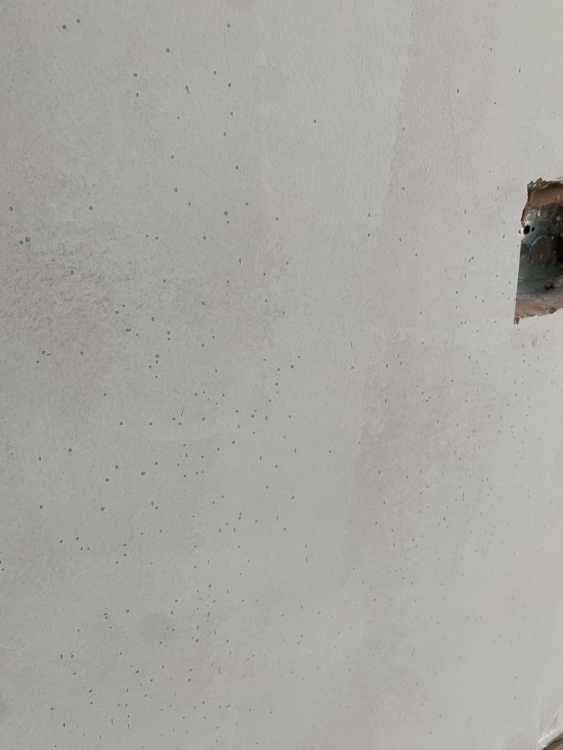
So we had some splashes/drips of PVA showing through the mist coat on our plaster. I scraped the surface PVA off, then treated the plaster with Zinsser 123. Now our F&B modern emulsion has been rejected by the primer (see photo) leaving excellent sploges over the wall. In other painting news, our flooring contractor managed to spray floor primer onto the bottom of some of our mist coated walls from his roller (See Pic). Now it becomes apparent that our paint won't cover this either and we have some nice blue dots showing through the paint. One step forwards, and two steps back is wearing thin after 3.5 years of continuous shit snorkling.

-
- 1
-

-
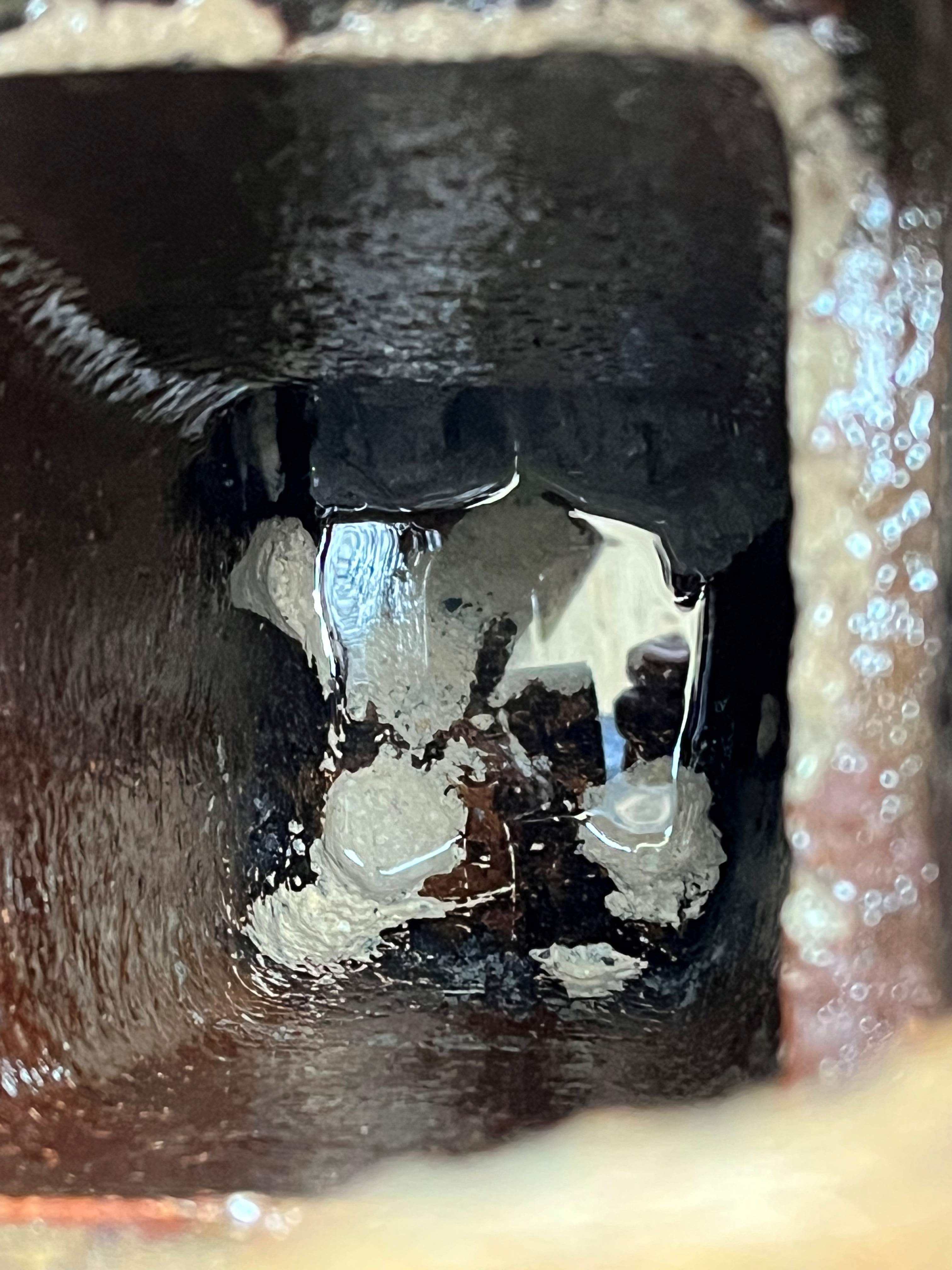
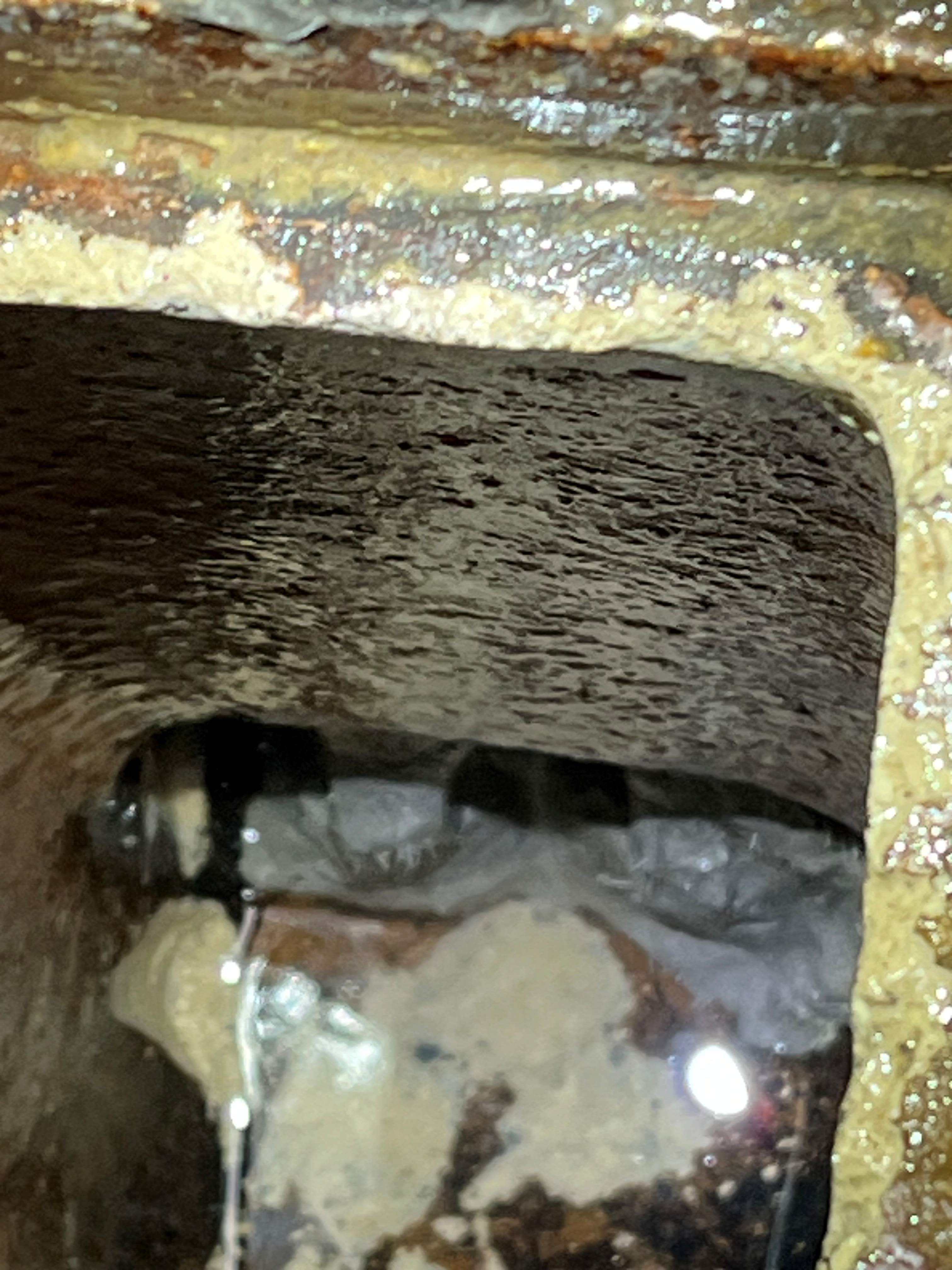
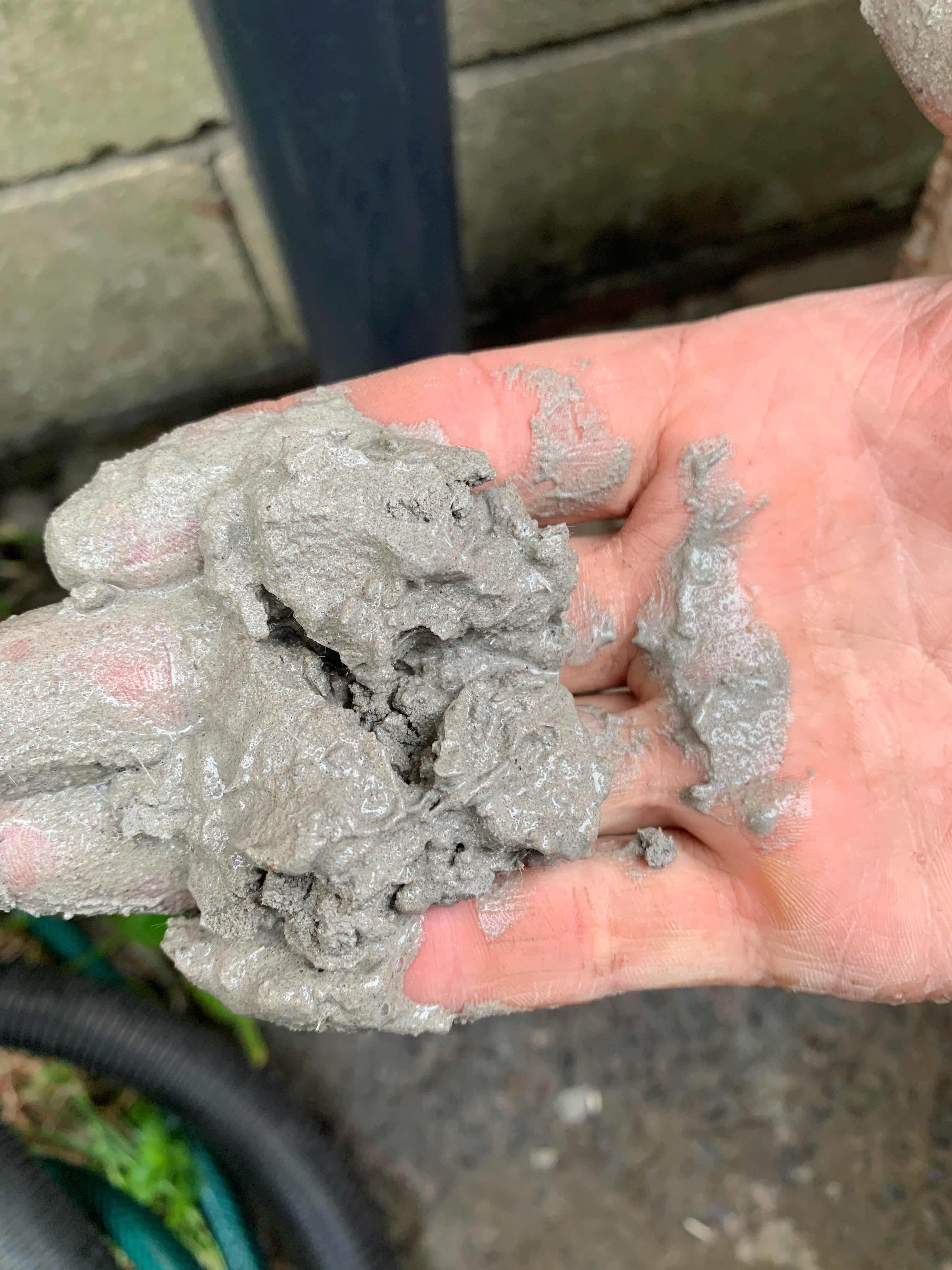
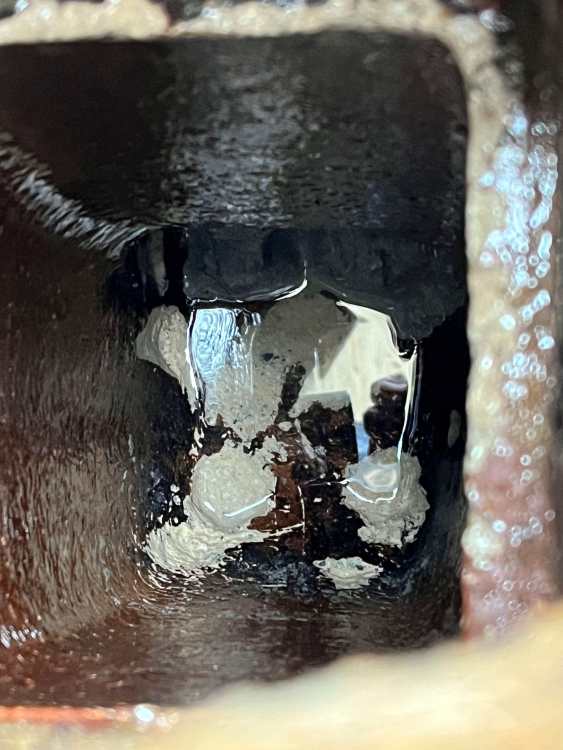
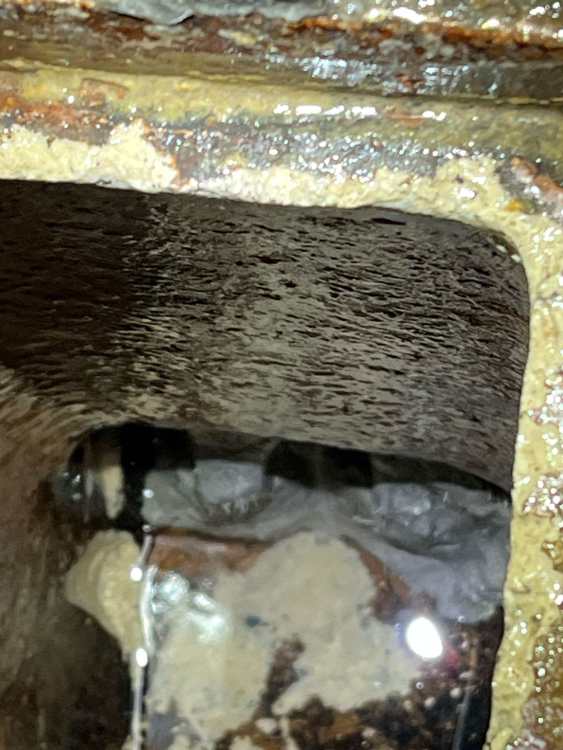
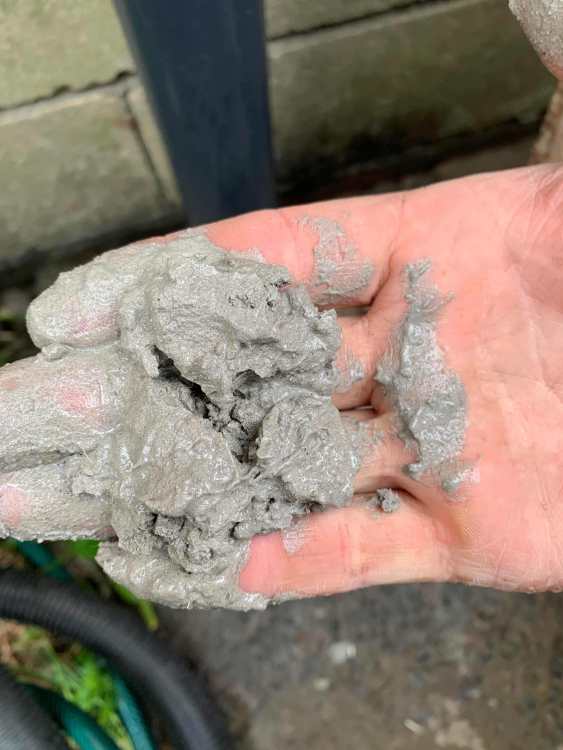
So our flooring contractor has managed to pour floor levelling compound down one of our drains ! We have a rain water drain that is completely blocked at the u-bend. Other parts of the drain had deposits. Is there any way we might be able to unblock the rain water drain ? Some kind of solvent or acid ? Plumber cleared some from the vertical part of the drain using a very long drill bit, but clearly won't go around a bend. Drain pipe is clay. Levelling compound is Bostik C530 which has fibre reinforcement.
-
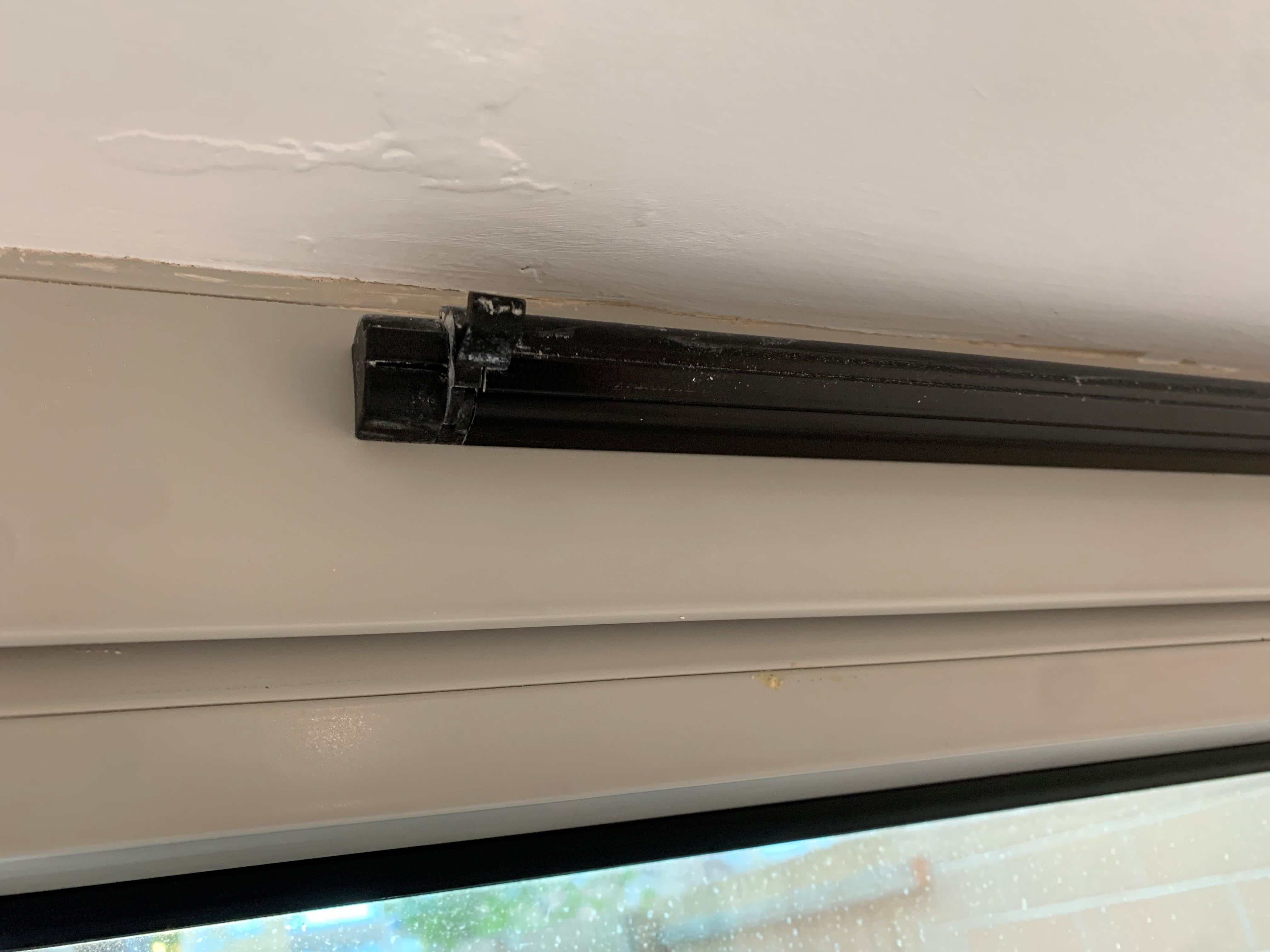
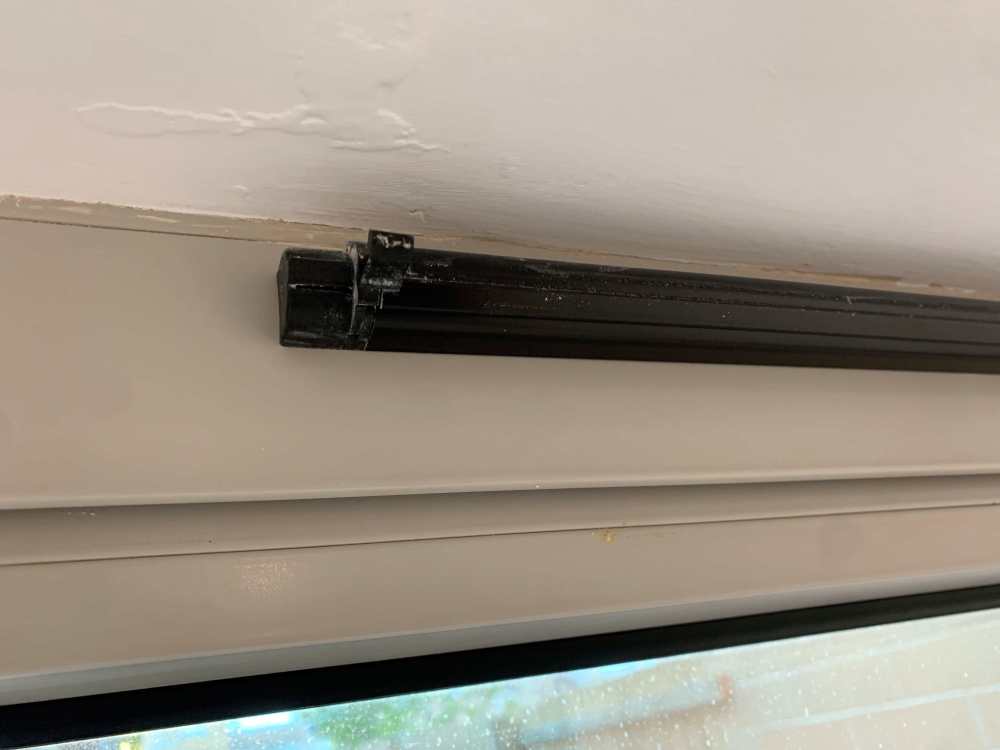
How can you remove a trickle vent to give access around it for painting ? - See photo.
-
OK fingers crossed. Spouse and I did our ceiling together, half each working from the bifolds back inwards, so were able to keep a wet edge going between us.
-
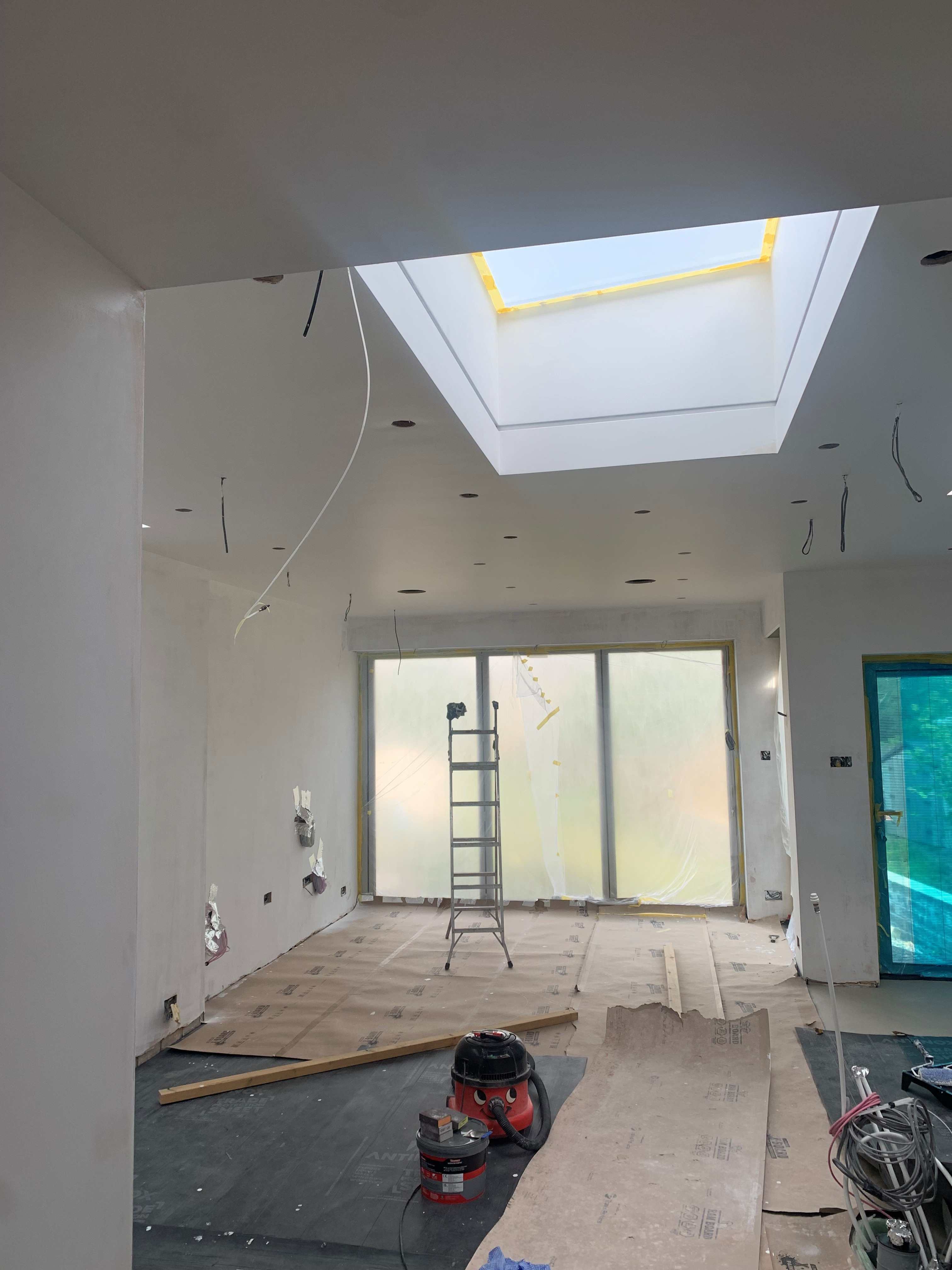
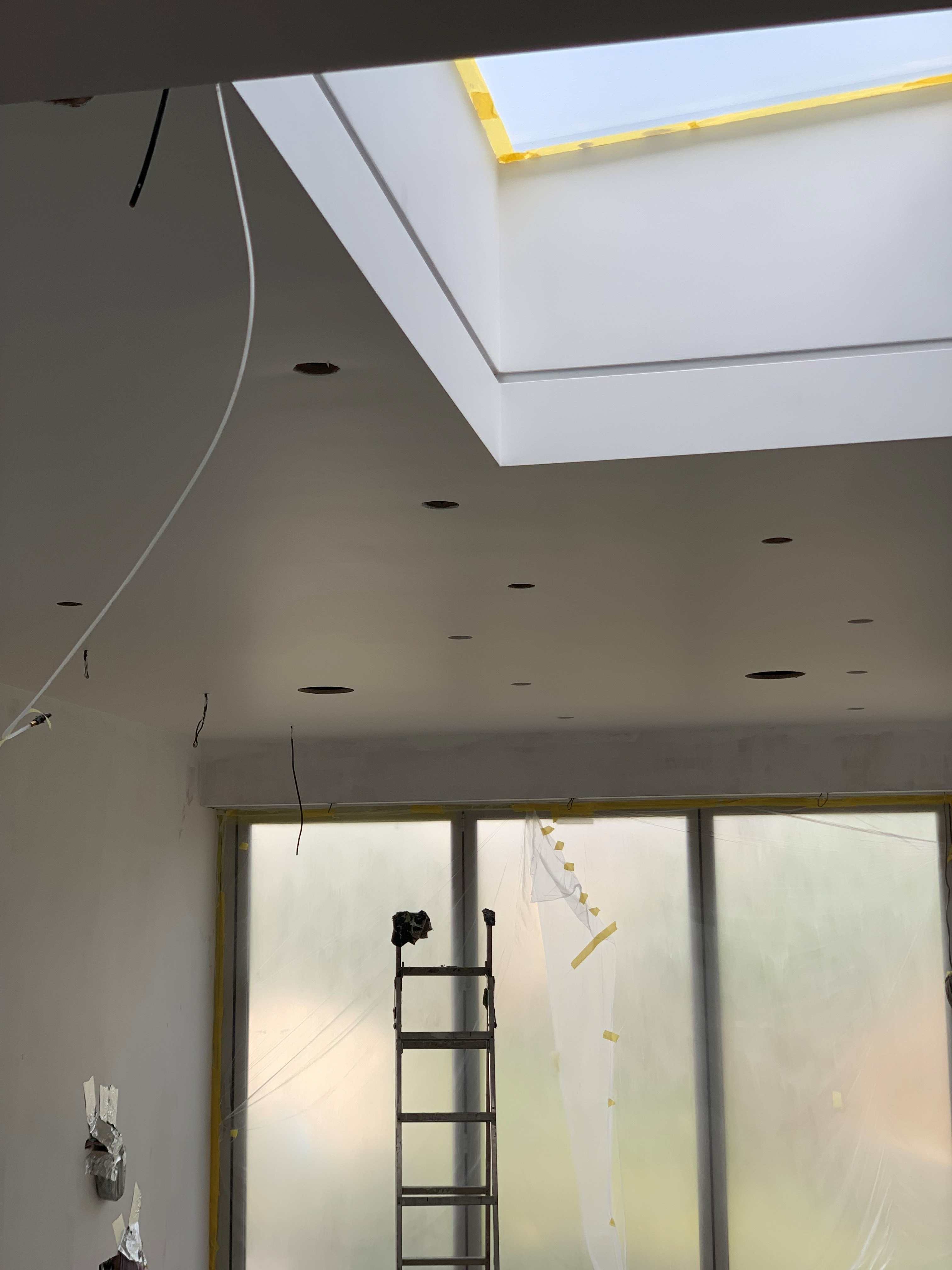
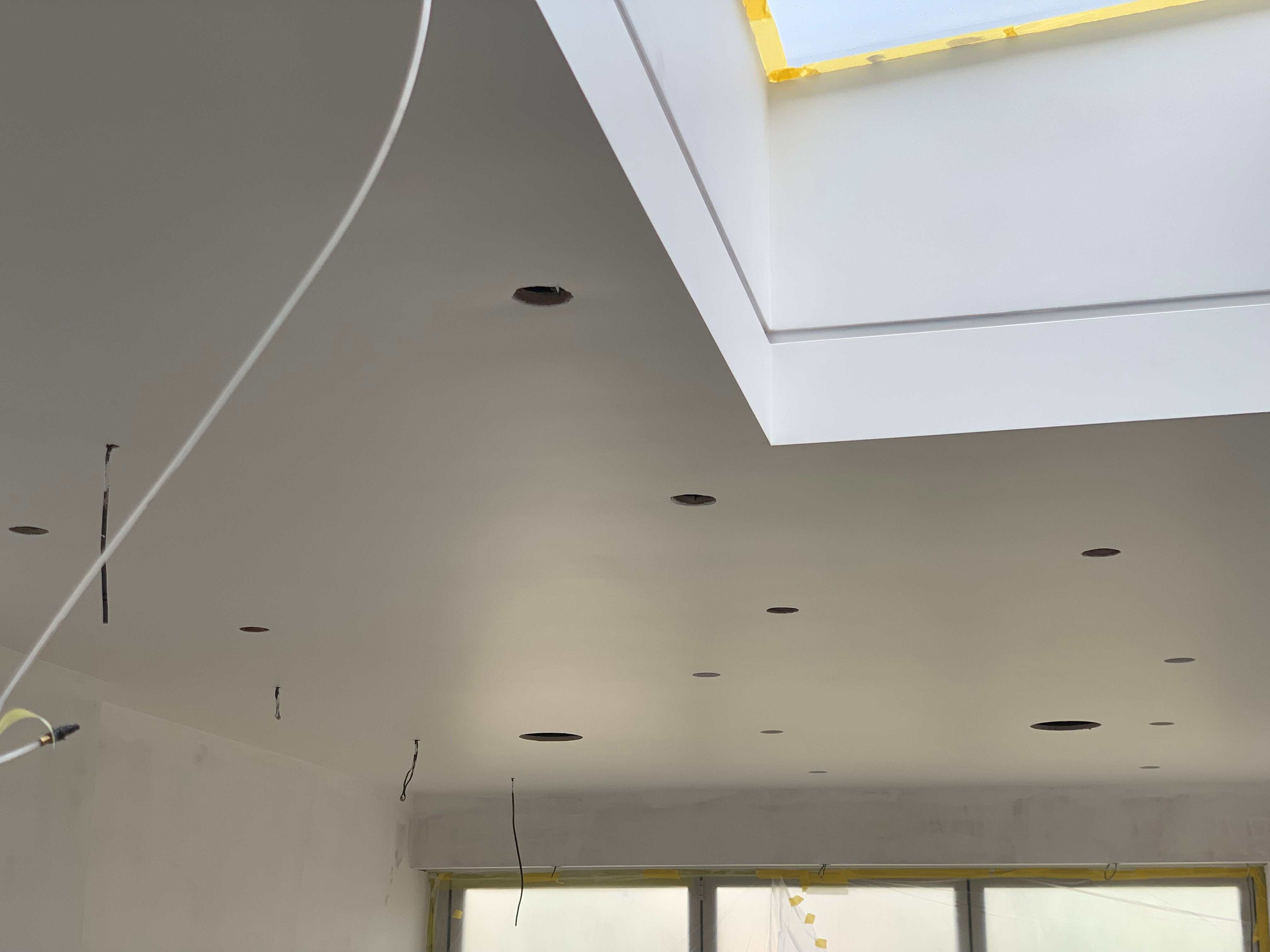
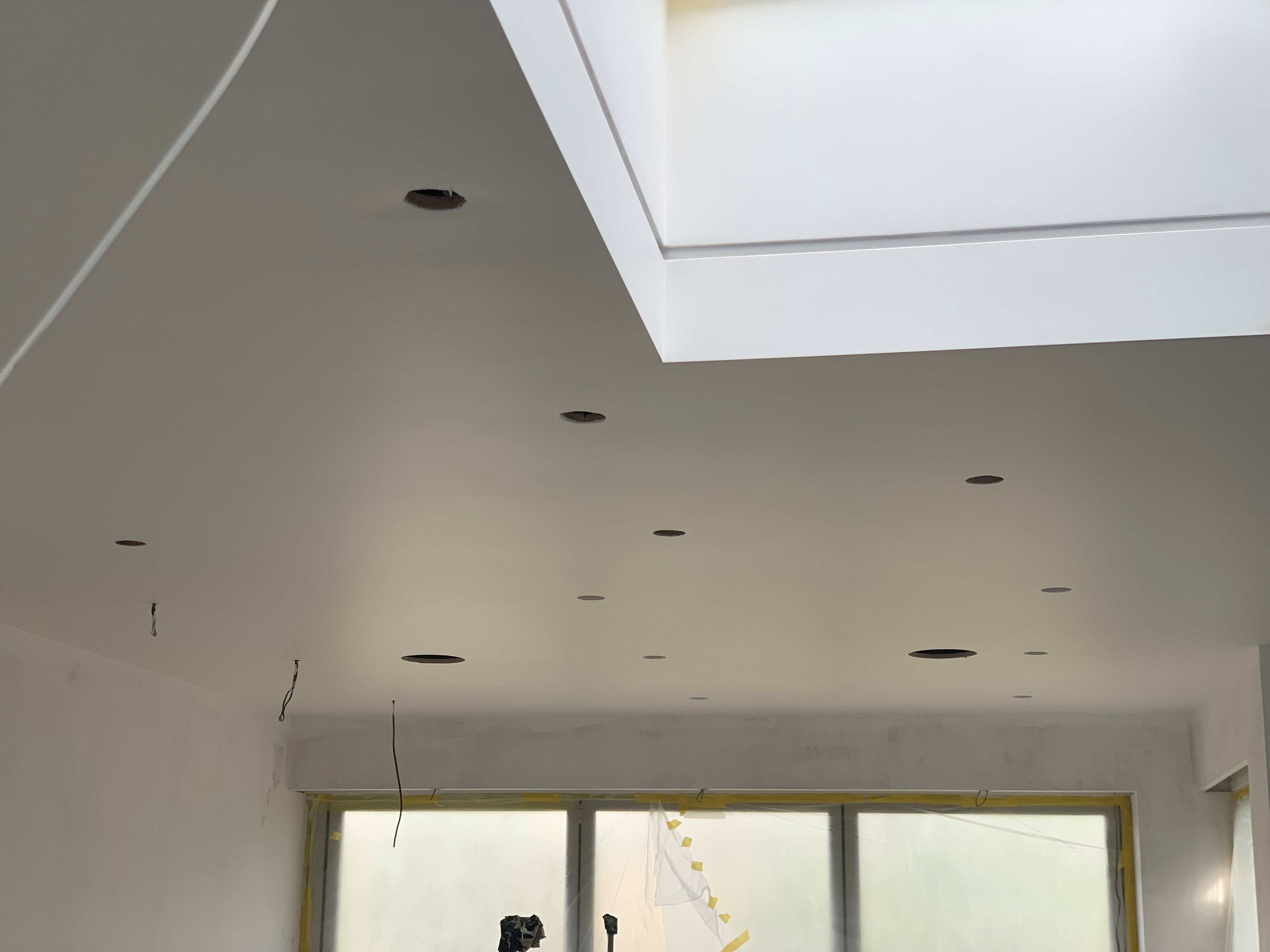
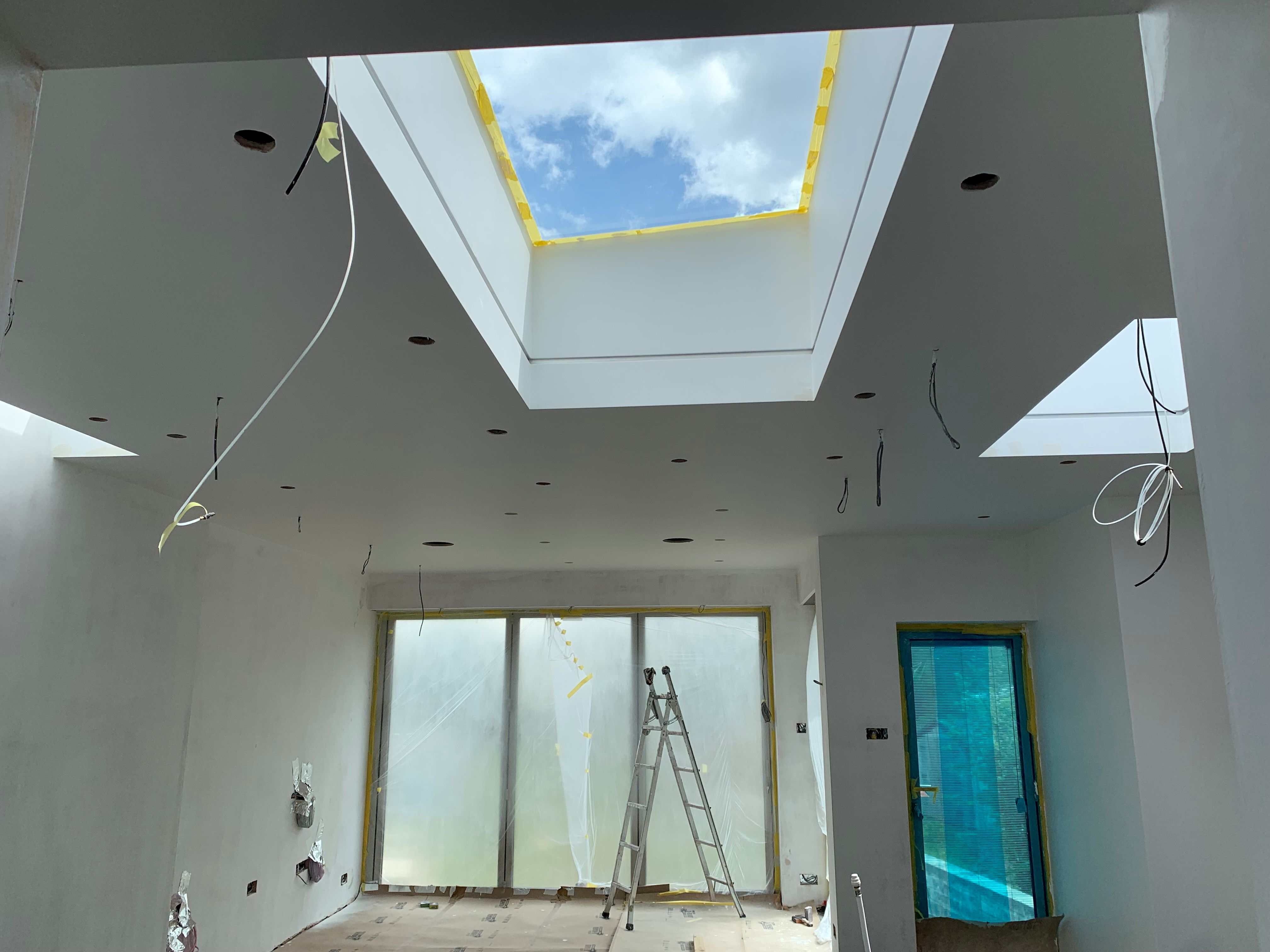
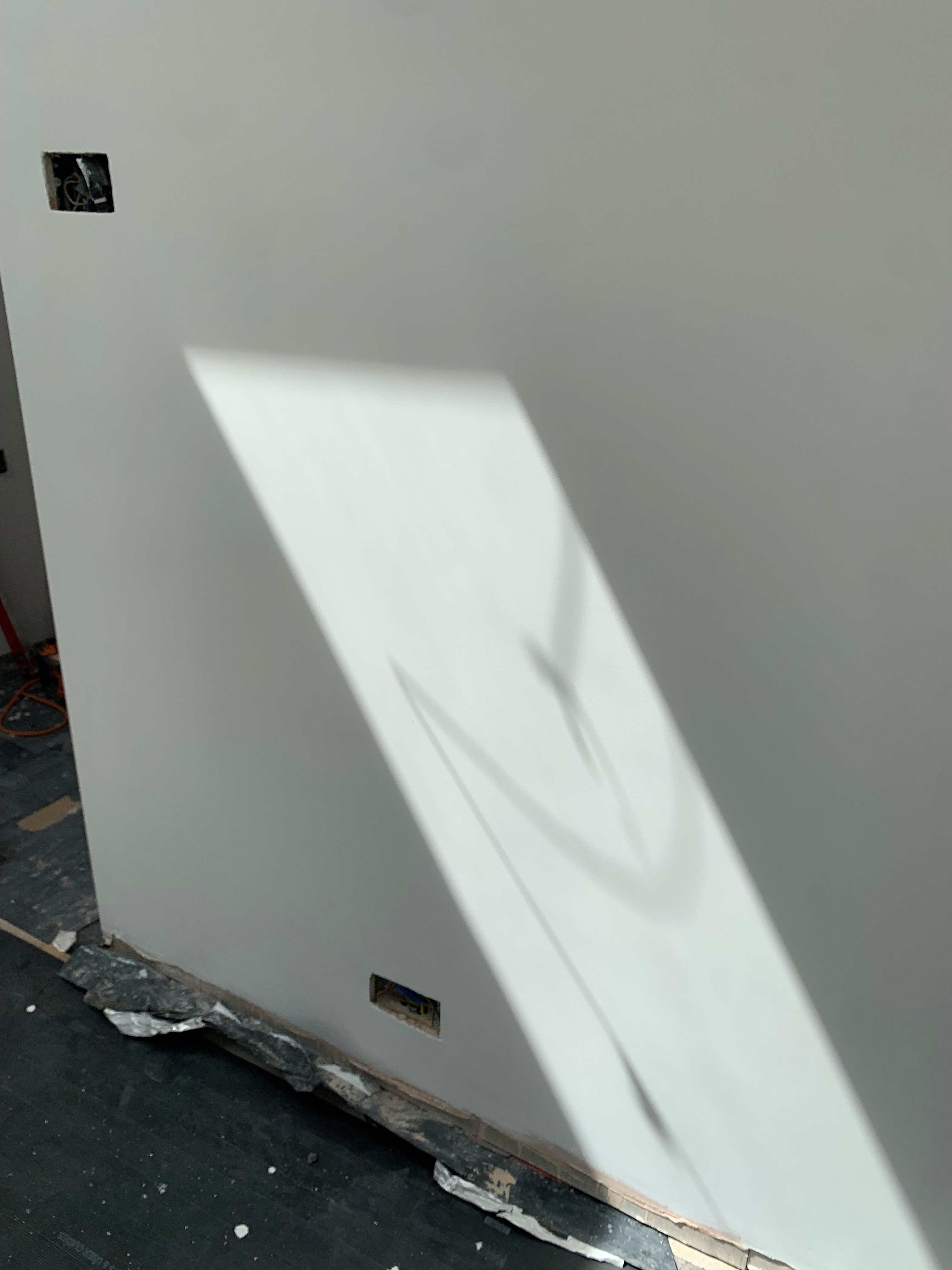
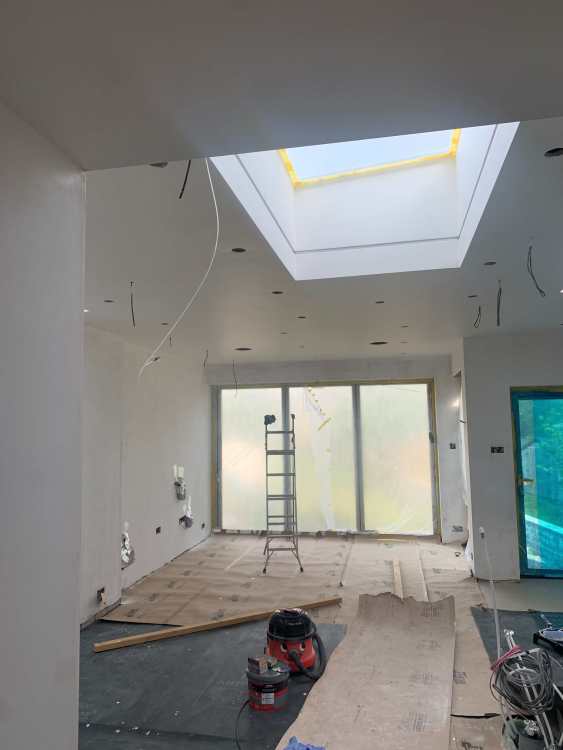
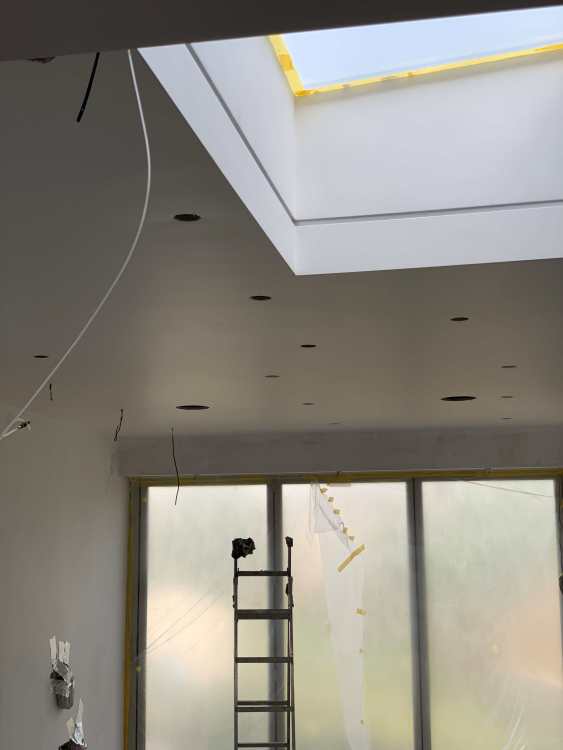
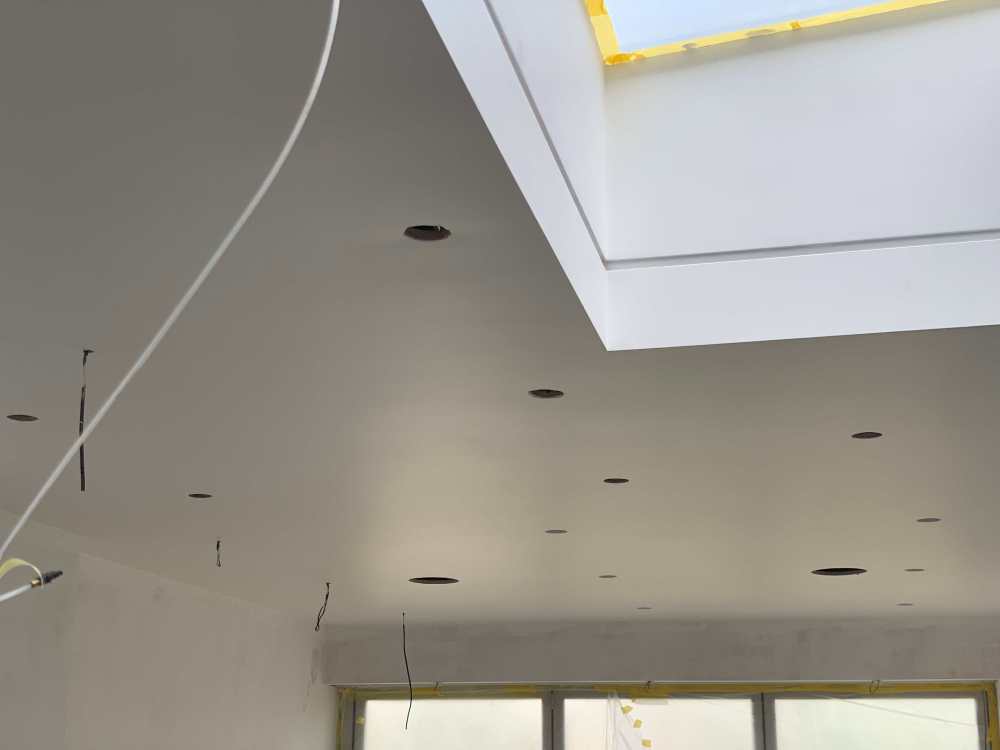
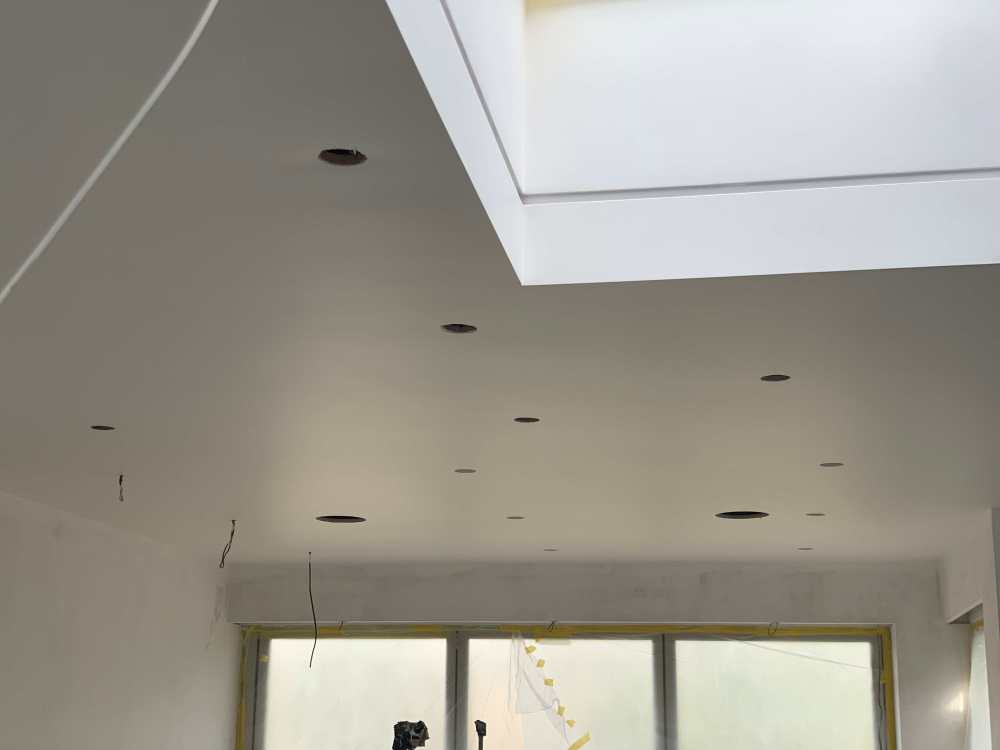
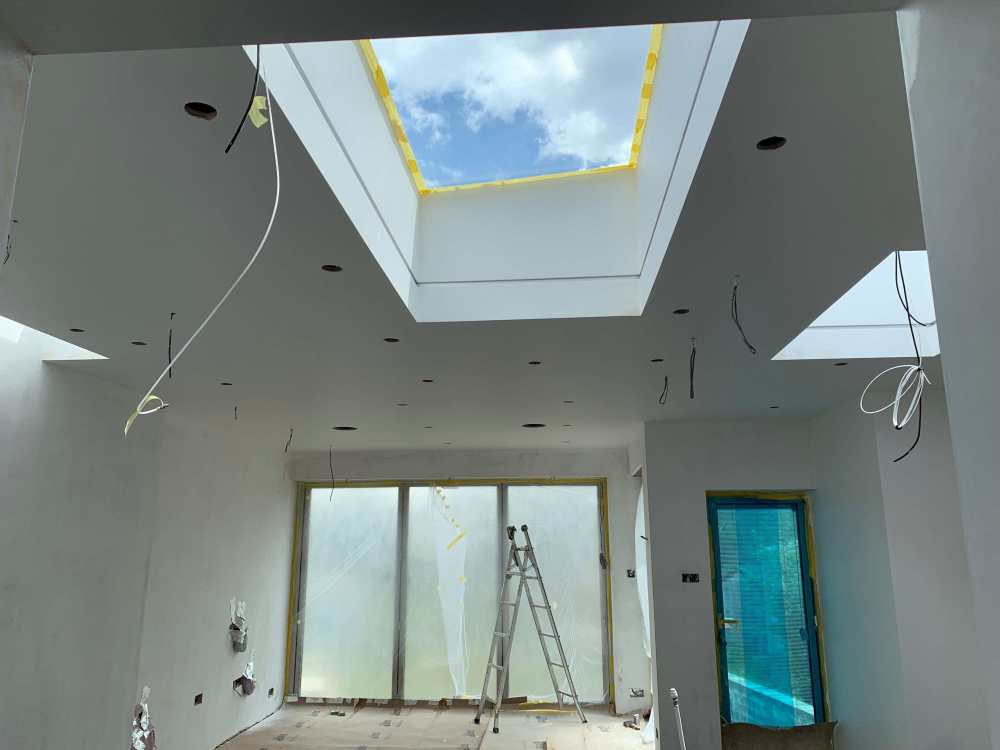
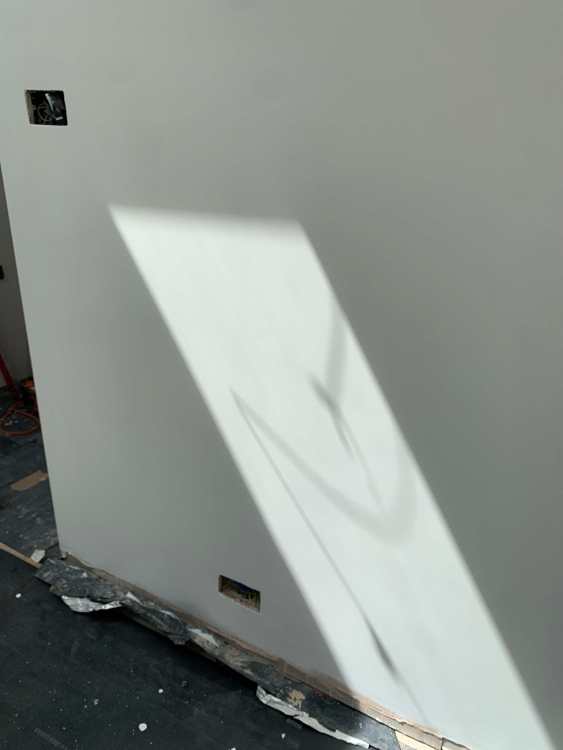
@G and J Yesterday evening we got some reflected evening sun coming through across the ceiling again. So here are the photos. Definitely an improvement over the one coat cross rollered I think. I am surprised you have issues with F&B Dead Flat - is it the paint ''flashing'' or the visibility of flaws in the plastering showing up that is the issue ? Do you have any photos ? Here are some youtube videos I came across... https://youtube.com/shorts/CbXHbD7wM8o?si=OL-PgLa60o51VVwB https://youtu.be/u-LBkui6m7Q?si=k_exMHjPOKB7H_AF https://youtu.be/-jT9Iv1axFE?si=v8XDJR6DwHdMqYWB In our utility after the first coat of F&B Modern Emulsion I found I had spots where the paint was rejected/didn't take because there were some splashes of PVA on the wall. So I had to sand these off, then spot prime with Zinser primer, then fill and sand to level with the first coat. After a second coat you could still make out the repaired areas, so had to give a third coat to that wall. Annoying and time consuming. My plasterer recommended Toupret Renovation Skimcoat for remediating uneven areas. It does seem to sand down well and not really sag when covering indentations, so I do like it. Dries off-white though and seems to need two paint coats to cover. Yes we probably get over obsessed with getting finishes just right, and in 2 years time won't be thinking about it anymore. In my family I seem to be the only person that does the preparation work, everyone volunteers to roller paint on, but no-one else wants to fill, sand, fill, sand, prime etc. Shades of 'the little red hen'' https://youtu.be/JTCsL26vob4?si=4Gxs3MWoZgLH1wF4
-
OK. I have never put in any drainage. I guess I would have imagined the socket needed an angle so that a pipe pushed squarely in against the seal would follow an appropriate fall ? I guess there must be quite a lot of play in the seal joint then. I have a 4m pipe run from my kitchen waste drain which it would probably be wise to somehow check/test before it has stuff going through it. How can I check the fall ? Would somehow need to measure the relative height of the pipe bottom at both ends ? Or shine a laser down it ?
-
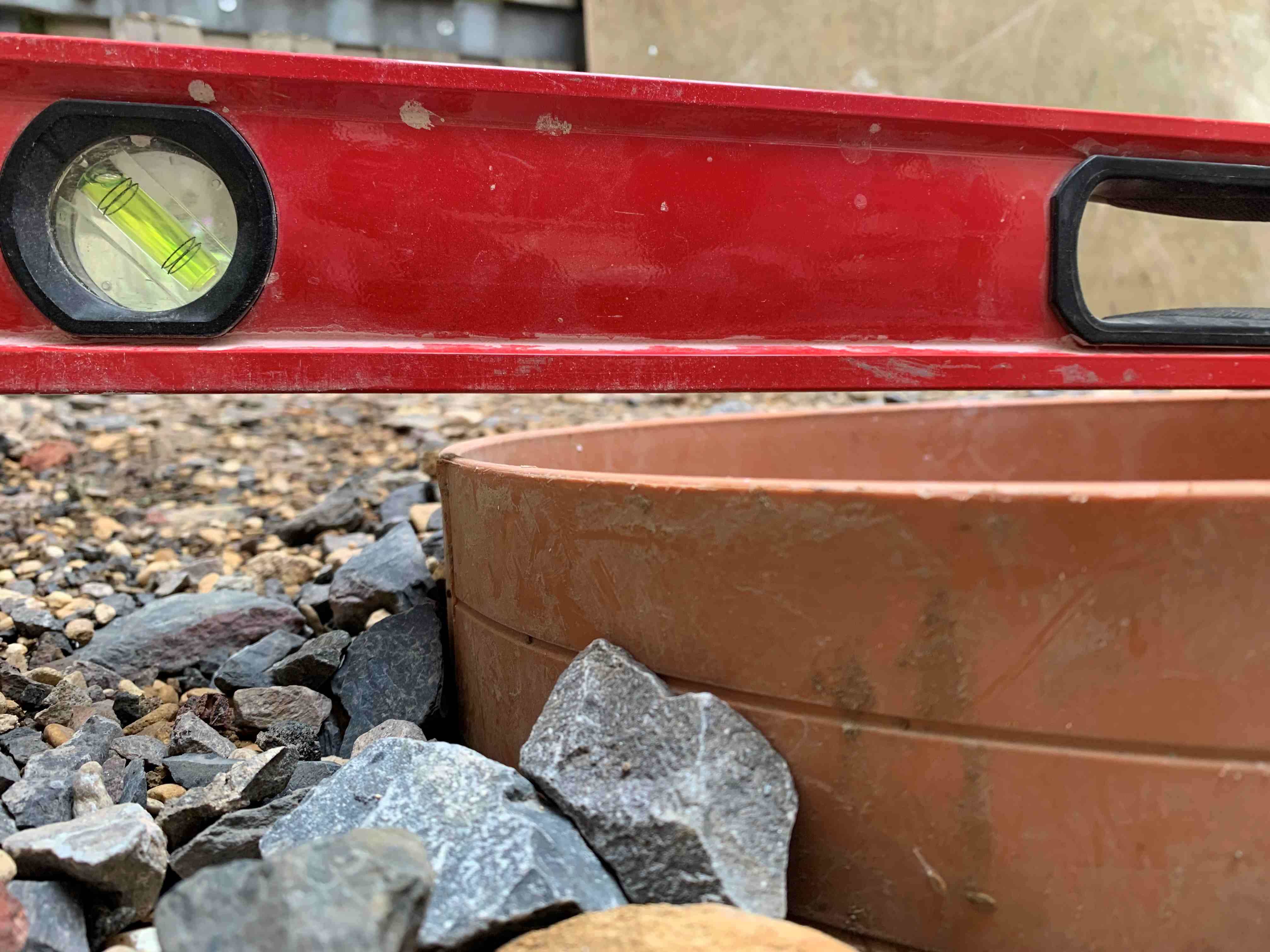
Yes not too concerned about getting the cover level and know nothing about IC cover casings. Just wanted to use the top as a guide to whether the fall is correct or the chamber has moved. other than watching flow, have no idea how to measure actual fall of an insitu pipe ?
-
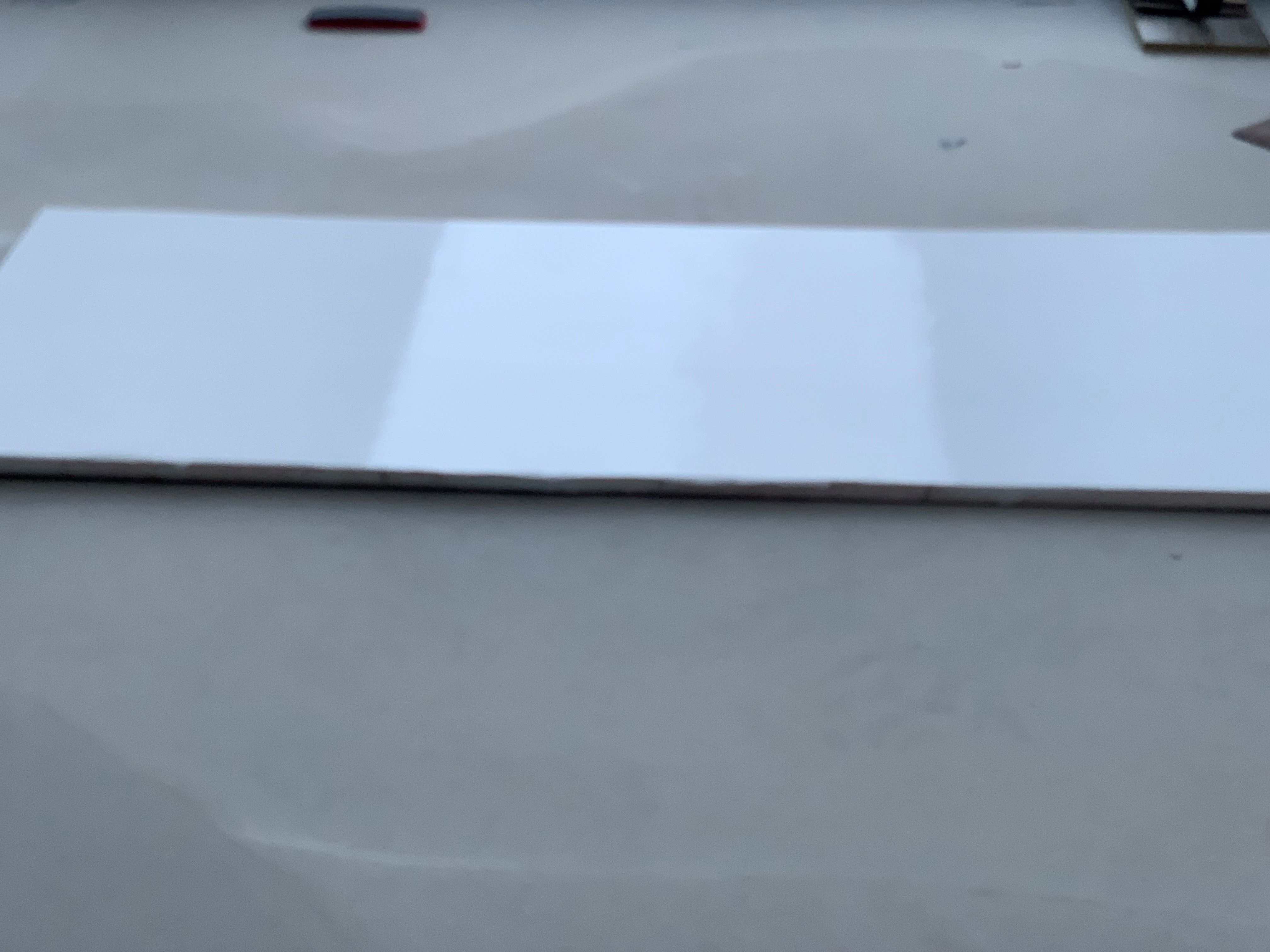
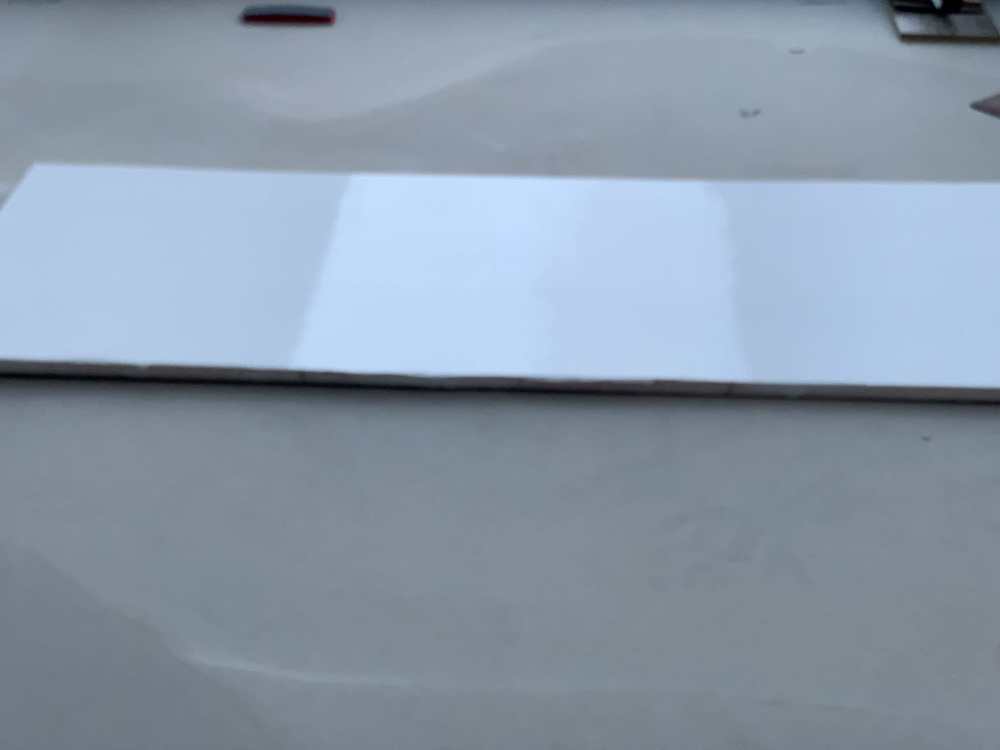
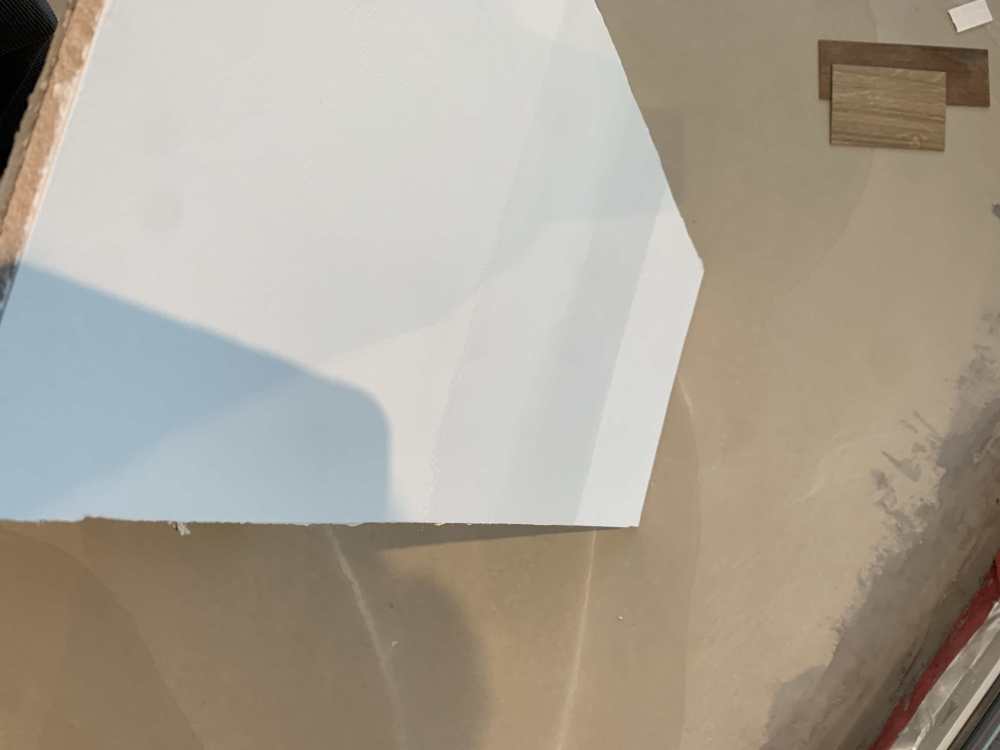
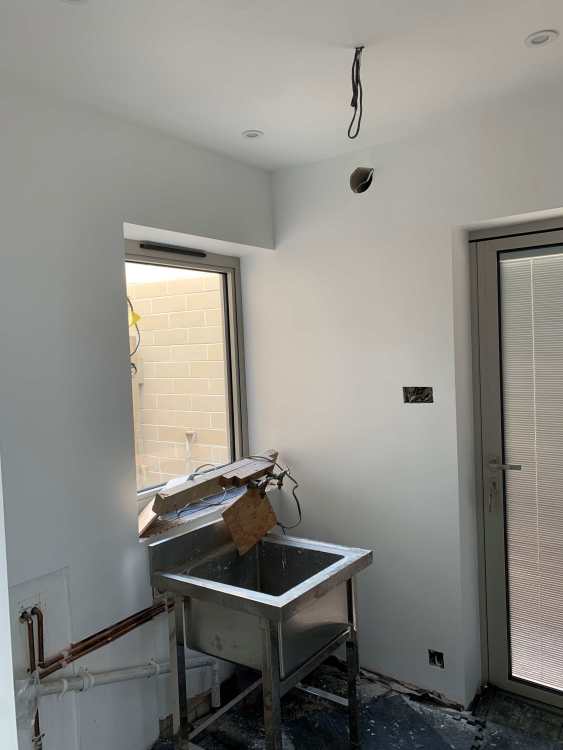
Hi @G and J, So spouse really liked/wanted the F&B all white. I tried Tikkurila anti reflex 2 but it cannot be mixed to another colour. The Tikkurila Nova 2 can be colour matched, but I noticed it says it has a distinctly non-white base and may not appear fully white - so crossed it off without trying it. I got some Johnsons Perfect Matt colour matched to F&B All White and tried it. Man in shop said they can barely get any as there is some major supply problem with the base coats for colour matching. Had to go to a Johnsons shop to get some. Also got some F&B Dead Flat in all white. Test board photos attached - Tikkurila at one end, Perfect Matt matched to 'All White' at the other end, F&B Modern Emulsion, and F&B Dead Flat in the middle. Oddly can look different in different light/orientations. But F&B seemed 'whiter' or more pigment heavy. Spouse was insistent F&B was wanted. So we have gone with/stuck with F&B Modern Emulsion in All White in the end. I am hoping part of the flaws showing in reflected light on the ceiling was because the first coat had been rollered across the light, whereas we have done the second top coat down the light - i.e. rollered away from the bifolds, and of course it is a second coat adding depth of colour. It looks absolutely fine in most lights - cloudy, mixed, house lights, subdued light, direct sunlight etc However whether it is better on the ceiling now is too early to tell as the bifolds have plastic sheeting over them and the weather has turned dull. Will let you know when we have seen the full evening light across it.
-
OK thanks. It is just that I have had someone reconfiguring a toilet outlet and suspect the chamber may have been disturbed in the process...
-
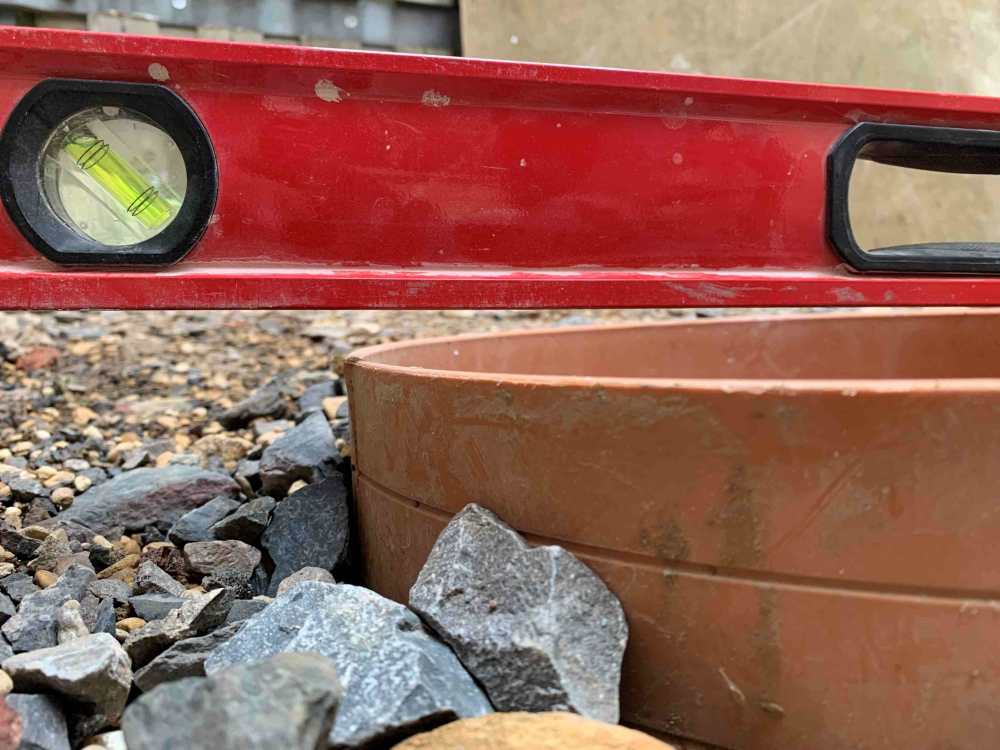
Just wondered are the tops of drainage chambers supposed to sit level if you put a spirit level on them in both directions - I mean across the chamber itself rather than the cover ? Just thinking presumably they are made with slight angles/falls on the outlets/inlets. so designed to sit square at the top ?
-
If renewables are so cheap and profitable then why are renewable investment funds doing so badly. Investment in renewables has been driven by profit - but that profit has come from subsidy, guaranteed pricing (itself another subsidy), and low interest rates (now gone). Already the government are trying to row back on previous guaranteed pricing and breaking contract law. This in an environment where few bid for renewables contracts now. In an act of desperation, having already destroyed British industry to create renewable jobs in China, they now propose to use variable pricing to force the UK population to buy millions of batteries. The cost of these batteries being fully justified by the extremely high costs of UK electricity. This is what happens when politicians meddle in markets - they generally make things worse.
-
On the outdoor stuff you haven't said what you have to light front and back - is the garden small or large ? patio ? long drive ? outbuilding ? etc. One thing with lighting, whilst yes it is the standard thing to have a circuit for each floor, sometimes having a light on a different circuit can be helpful if the circuit trips. Our porch light and understairs cupboard light is on a separate circuit to the downstairs lighting. If the downstairs circuit trips, you still get some light coming in from the porch, and you have light where the consumer unit is.
-
Reseal while the bath is full of water. (Any downward movement of the bath will open the joins, and you avoid the sealant being put under tension whenever someone gets in the bath.)
-
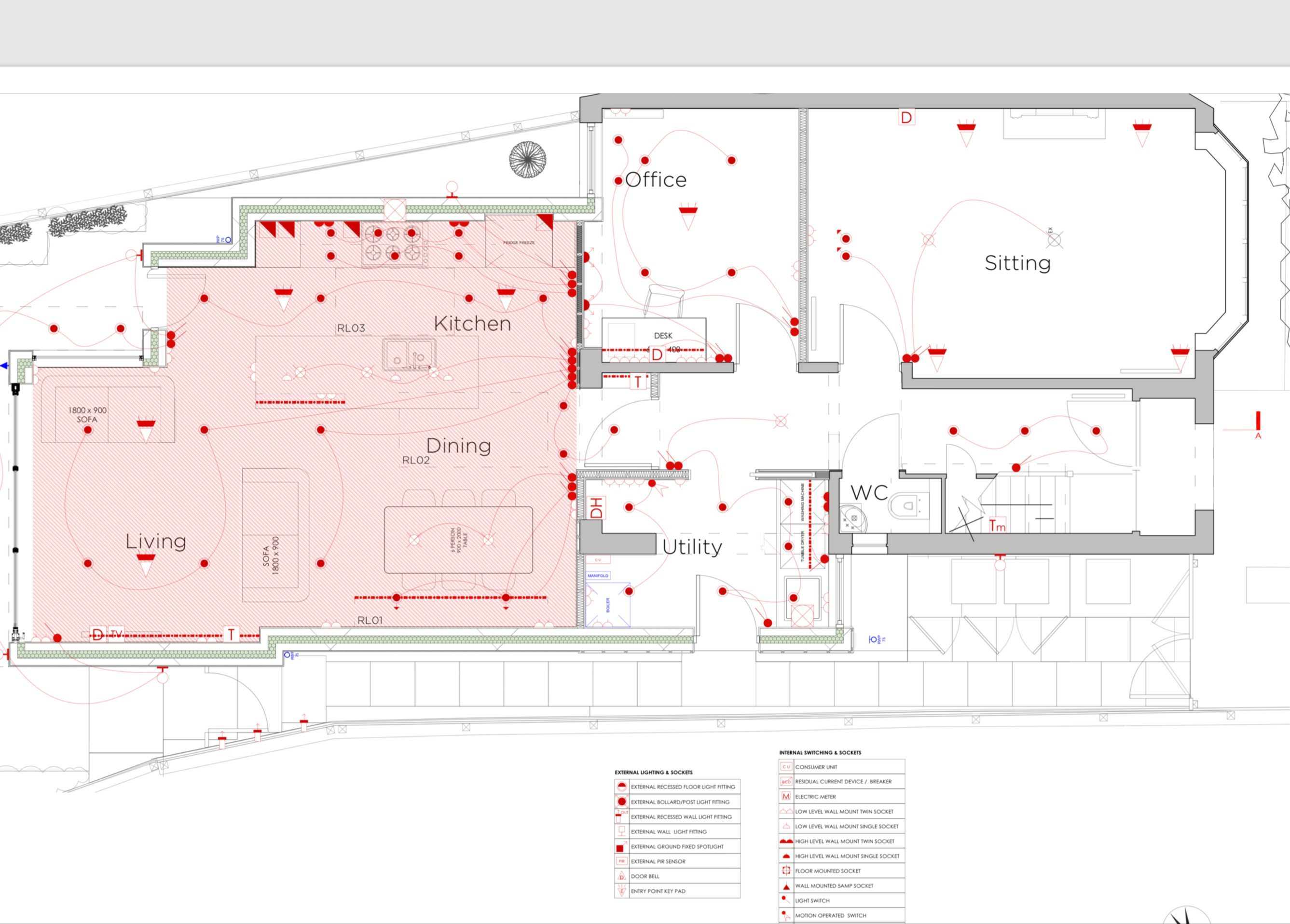
If you want to be able to put in any smart light switch modules at the light switches then putting in oversize/deep back boxes is goint to help a lot. Second fix, but you might want some smart sockets in due course - e.g. for the outside sockets to turn Xmas/Garden lights on/off remotely from inside the house, or in awkward to reach locations. Cabling and transformer niche's anywhere for LED strip lights ? Wire for a video door bell ? And the non leccy stuff - cat6, speakers cables, HDMI, telephone (though POTS is dying), fibre internet connection. Run conduit where feasible Are you going to have a small network rack/cupboard/shelf anywhere ? (Router. switch, NAS, assorted hubs)
-
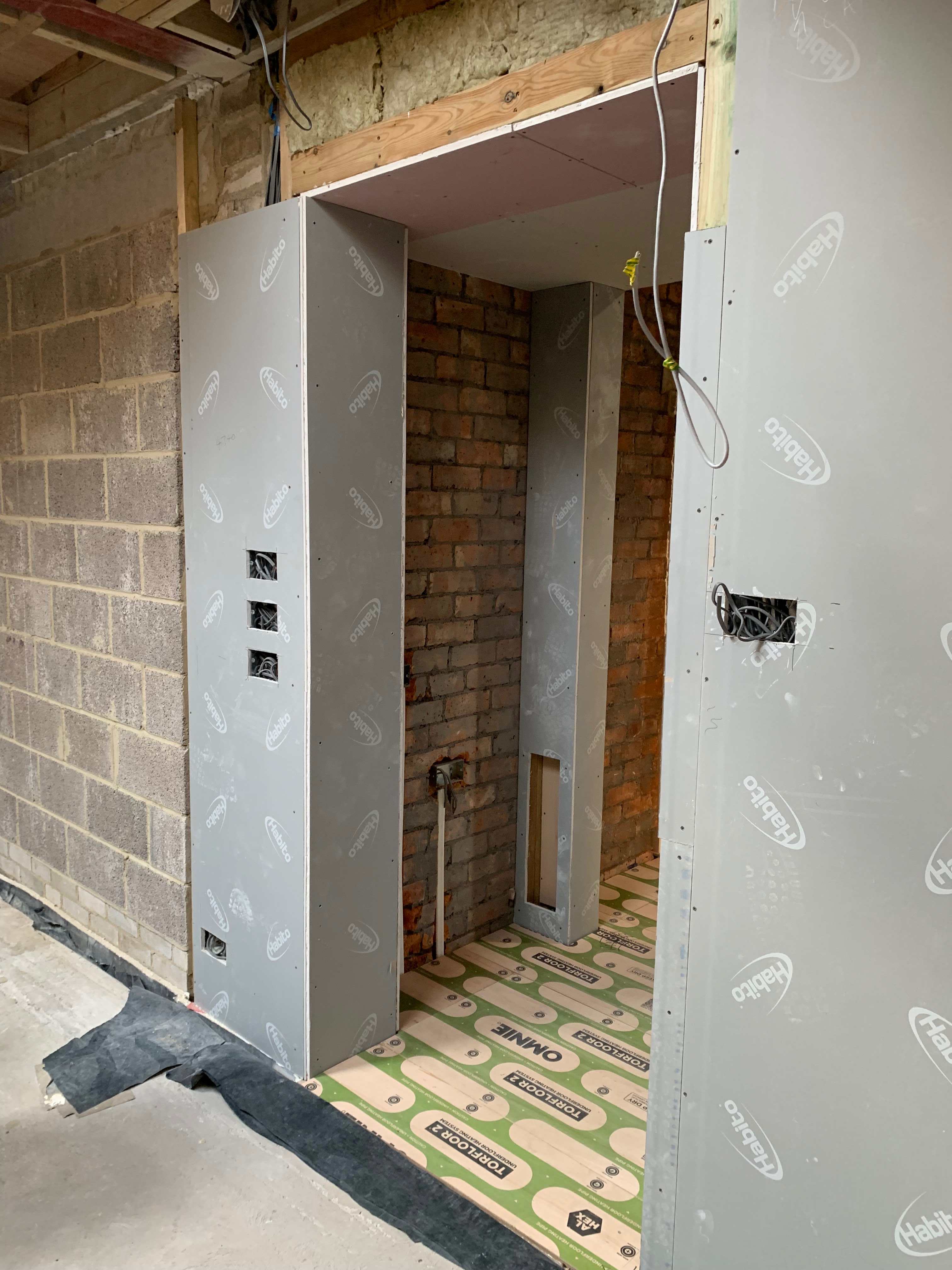
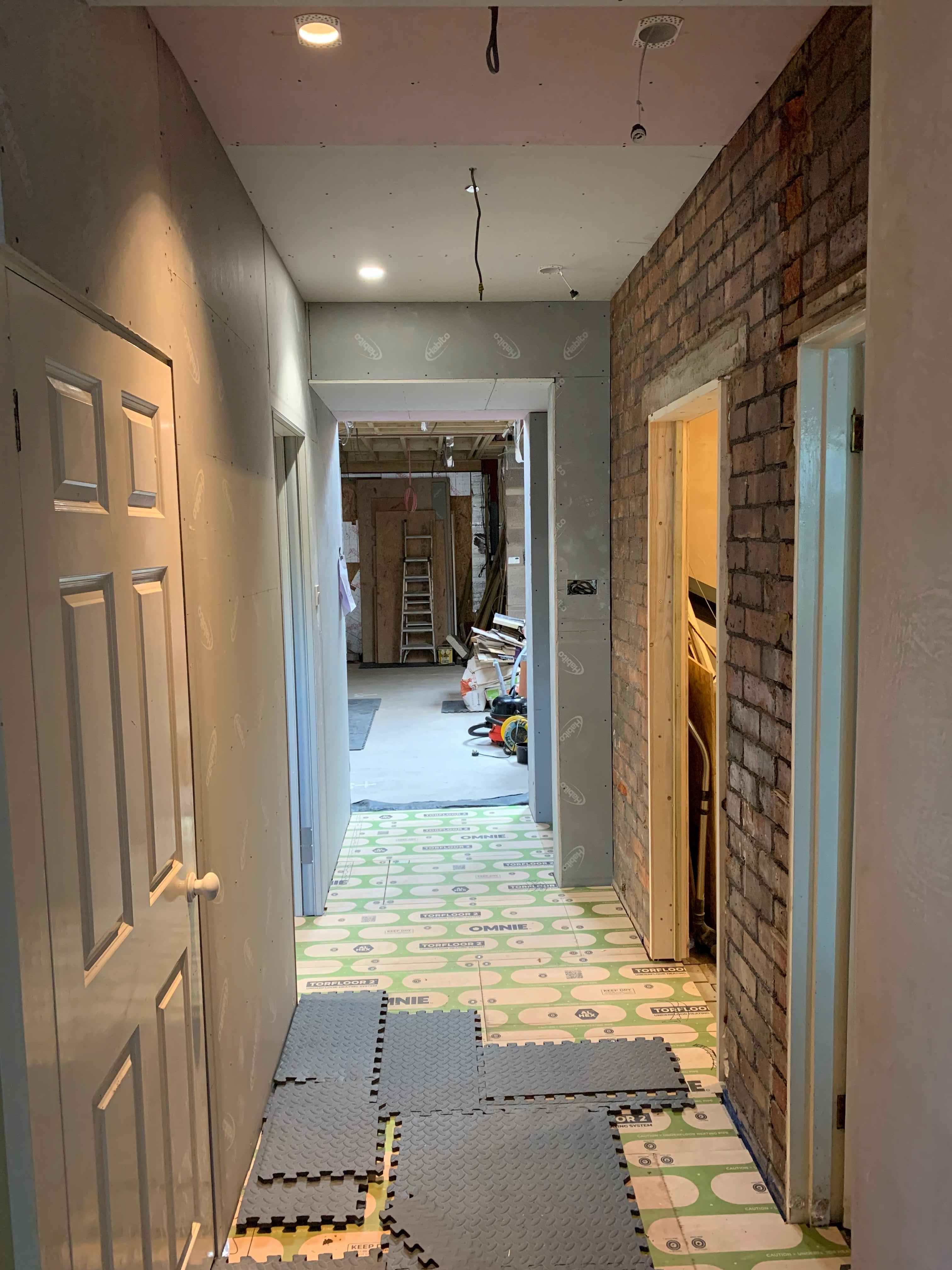
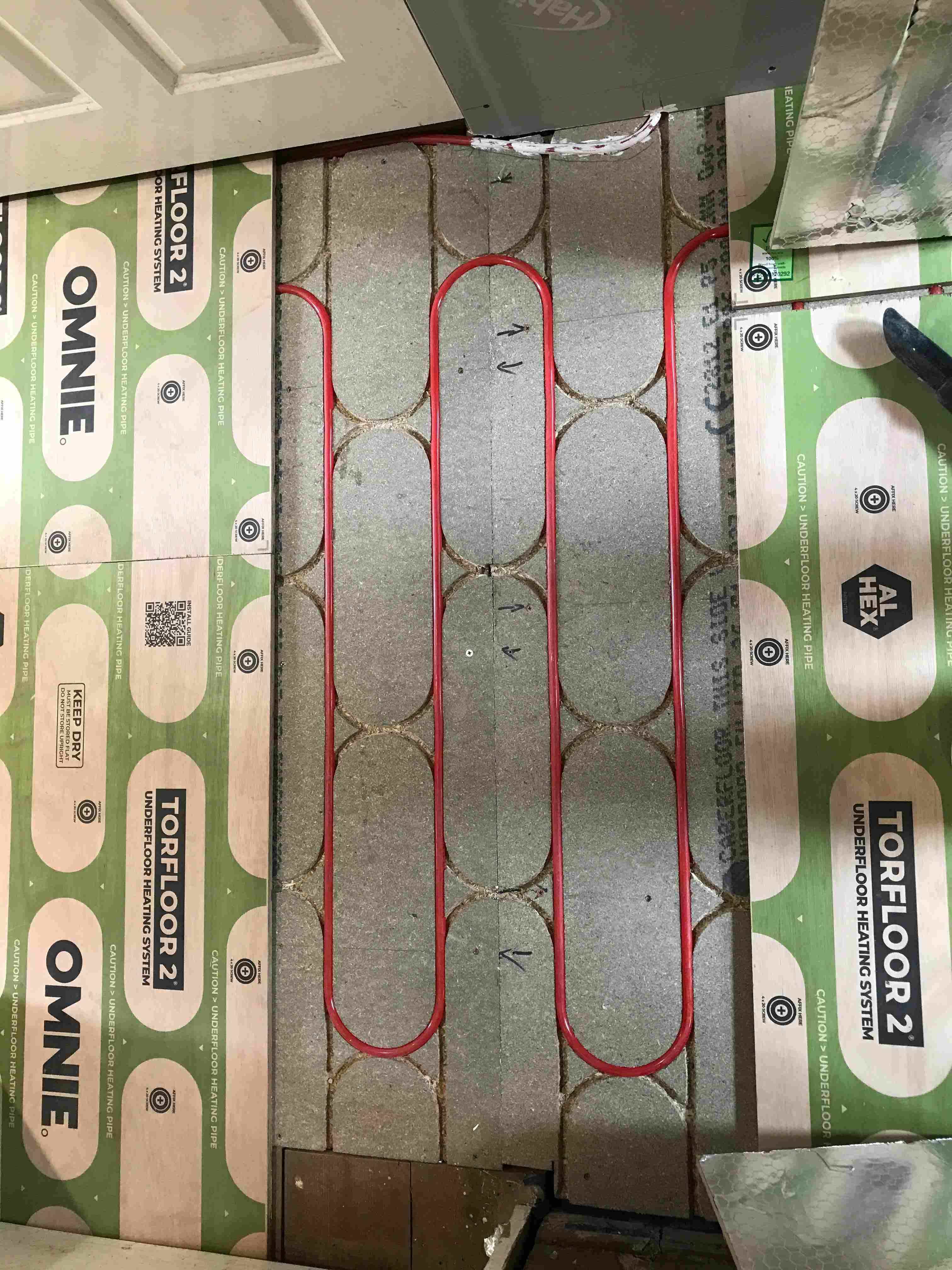
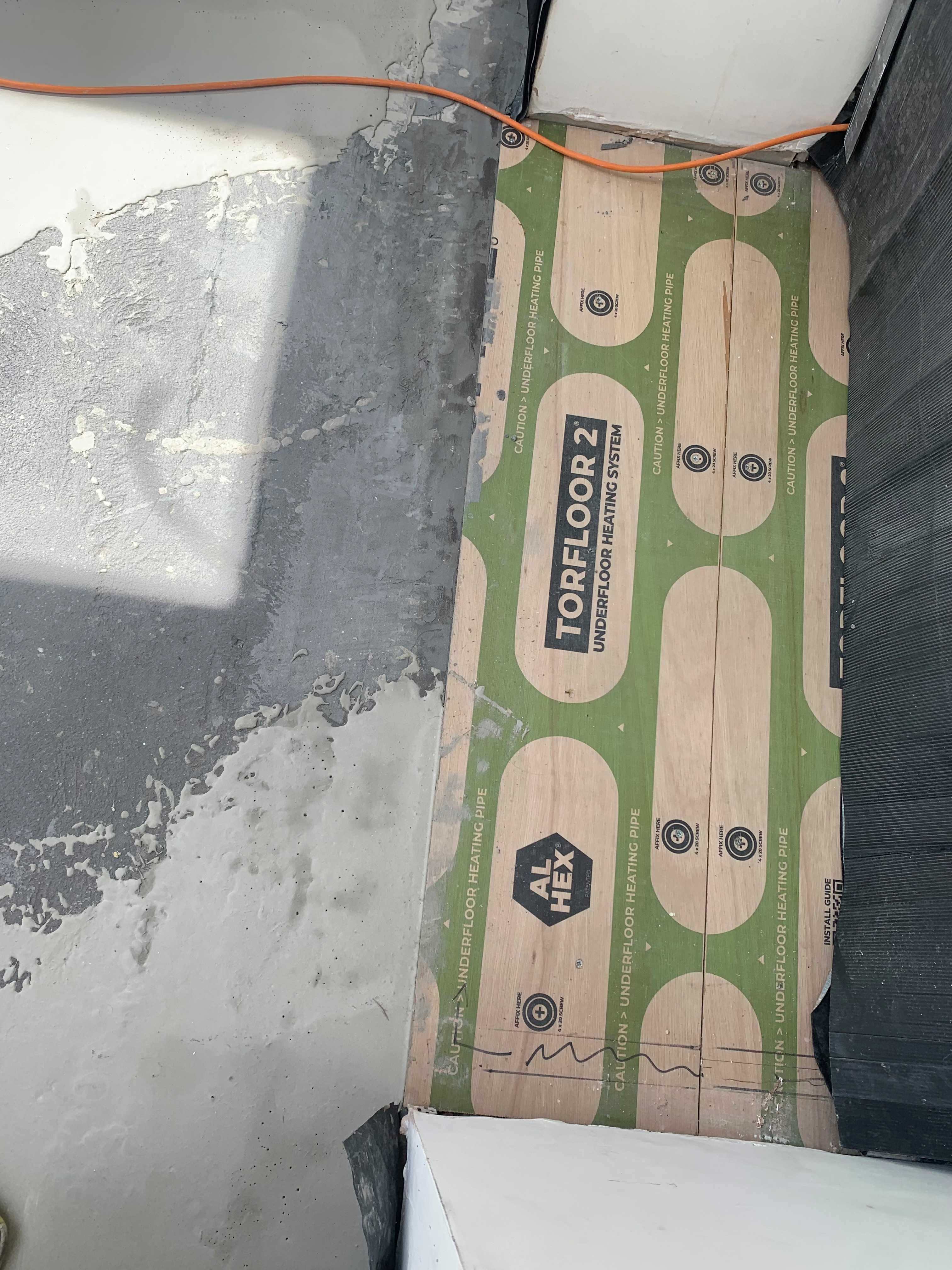
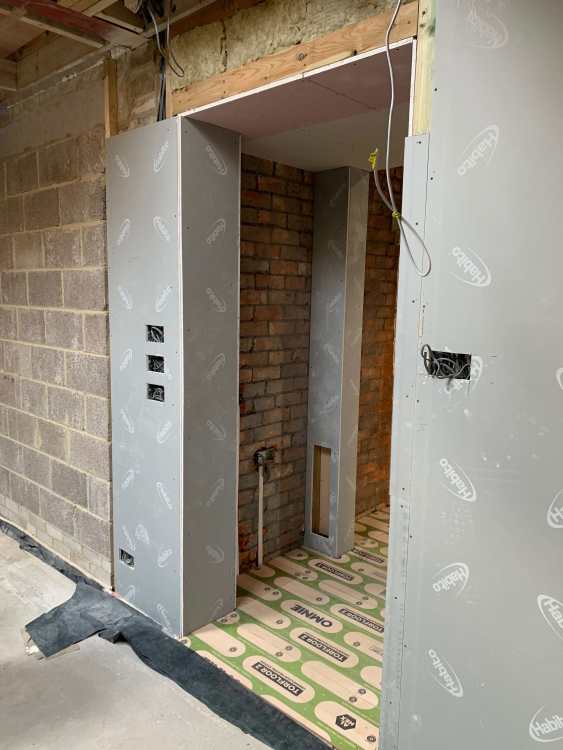
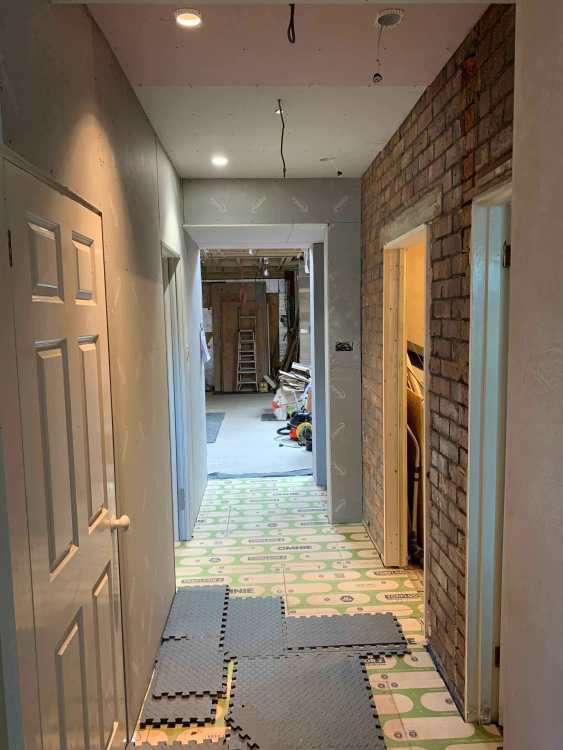
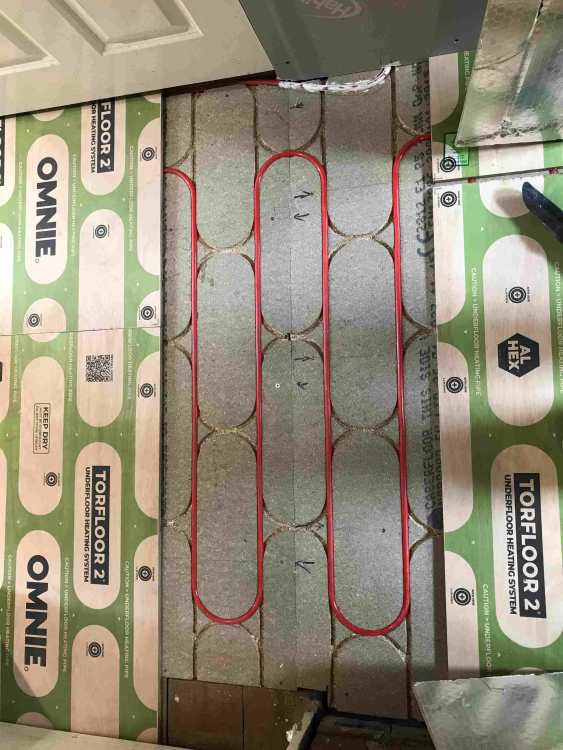
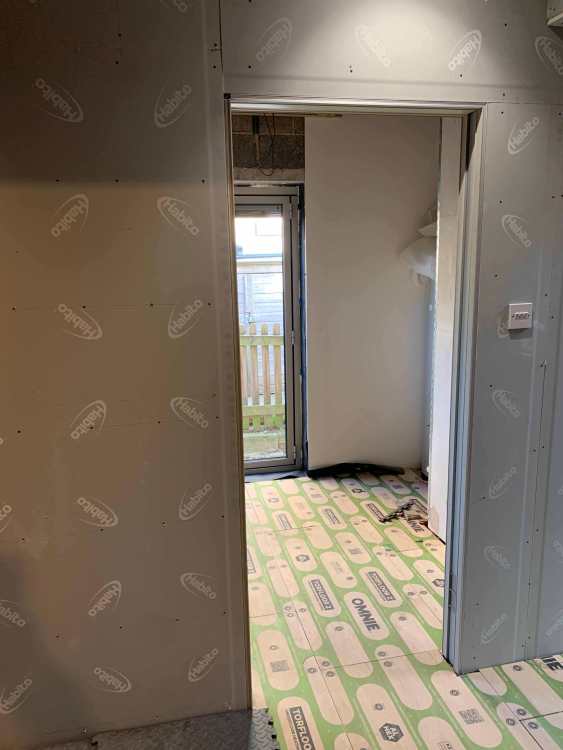
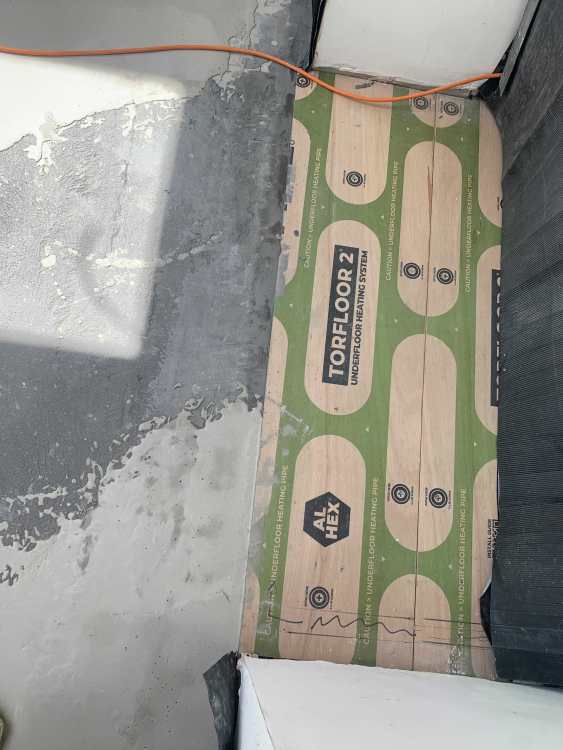
We chose Omnie TorFloor2 back in 2023 and had the makeup of 22mm routed chipboard, with 12mm routed plywood coverboard. I think we had the plywood cover board because (1) it was 12mm and helped us get the floor up to the level of the concrete which the builder had laid higher than planned and (2) the flooring people normally lay plywood as the basis for laying LVT. We had a debate about the omnie plywood topboard not being SP101 but the flooring company said they could LVT onto it in the end. I see Omnie have now been bought by NuHeat and the Omnie dedicated website has disappeared. https://www.nu-heat.co.uk/underfloor-heating/suspended-timber/torfloor2/
-
Surely you need to understand the specifics of the refusal. Have you or the architect spoken to the planning people to discuss ? Did neighbours object ? Perhaps modest modifications to your original plans would be approved ? I'd have expected the architect to be proactive with the planners - unless they told you it was unlikely to be approved. As ever, and in my view always a hugely bad thing, planning drawings do not show the wider street scene. What does the surrounding street and other houses look like ? I would have thought going 3 storey is more imposing, and never great for layout. Redesign the roof above the garage ? Flat Roof ? Lowered ridge line with gable end ?
-
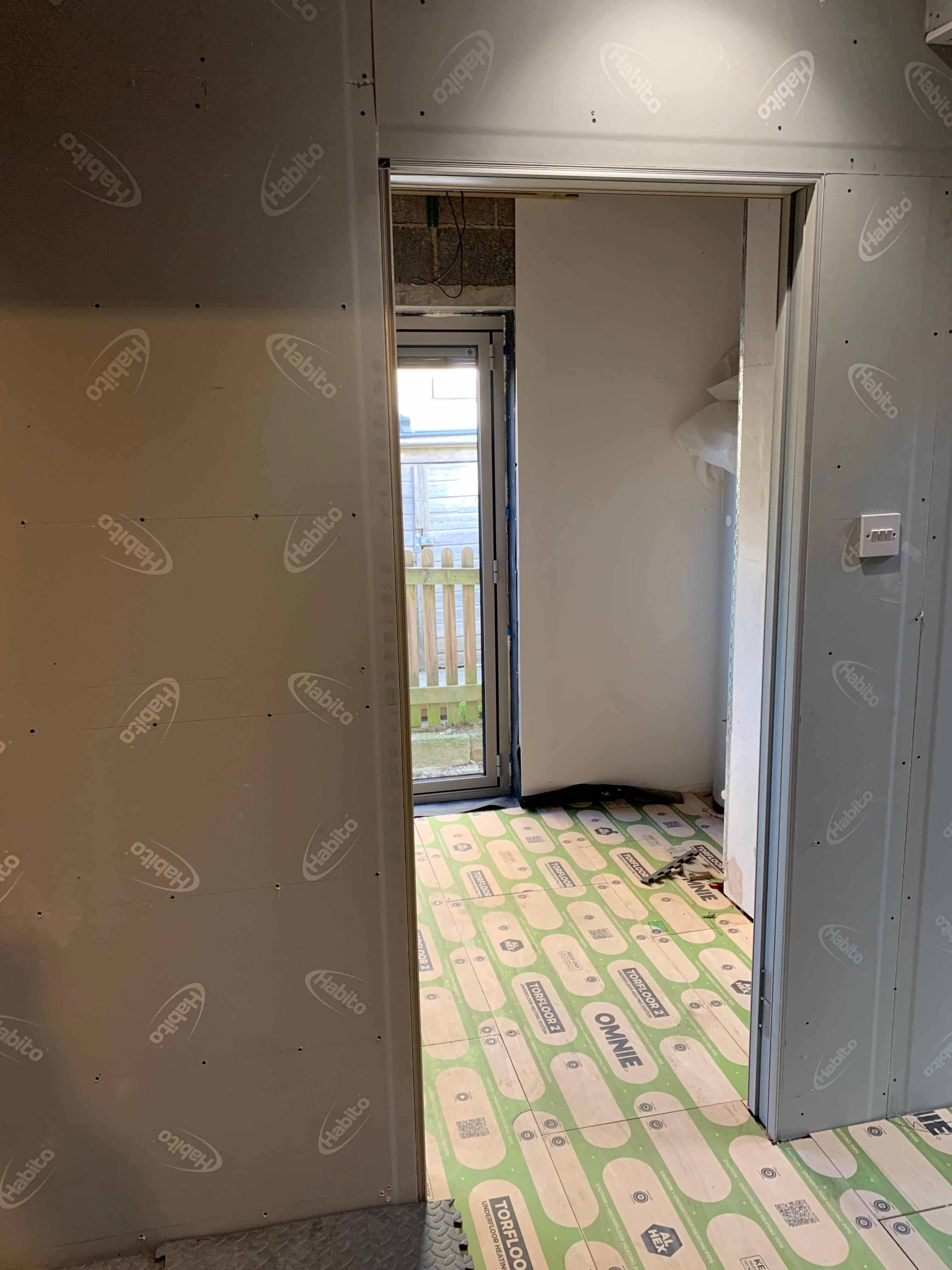
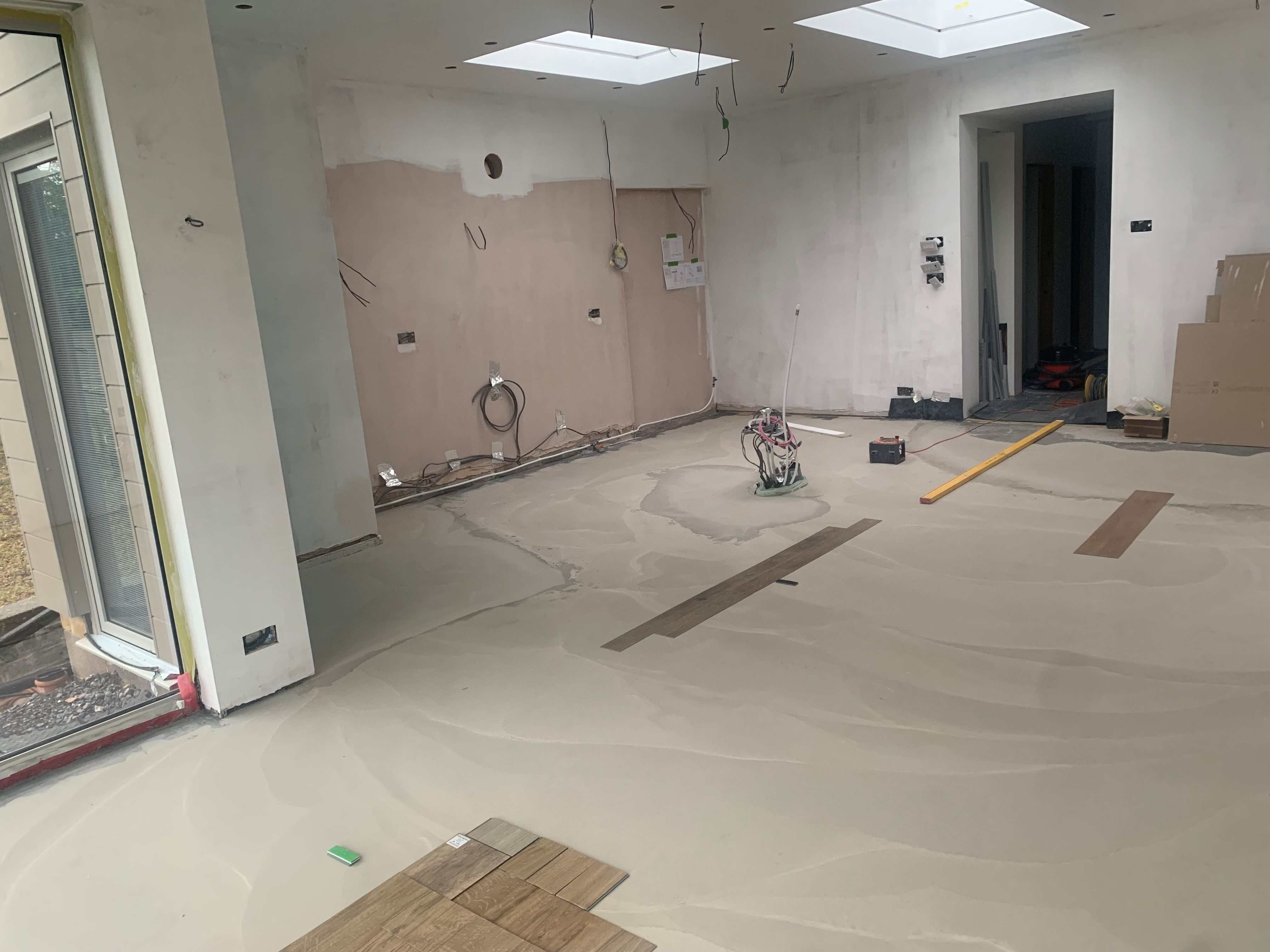
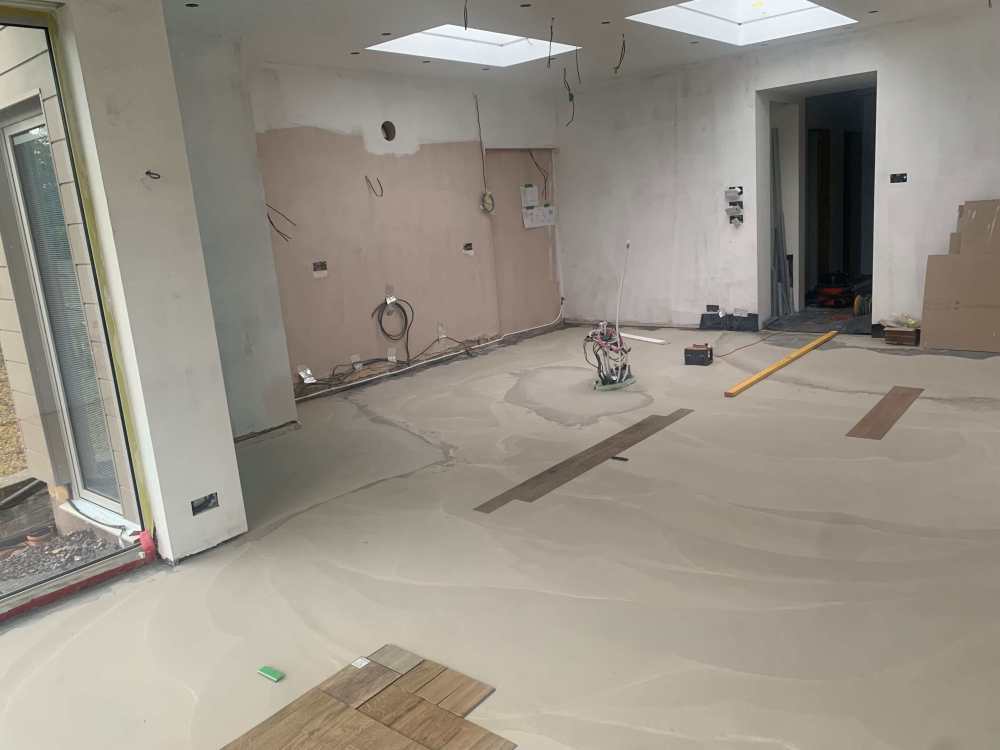
So now my flooring people say they can't fit in levelling my suspended floor before my kitchen & utility fit ! They are now proposing to finish levelling only the open plan kitchen room (concrete floor) and stop the top coat of levelling compound a few inches onto the suspended floor with some mesh under across the join. Then return later (after the kitchen fit) to screw and prep the suspended floor and put the levelling compound down the hall and into the utility. Is this sensible or wise ? Should I call off the kitchen fit (again) ? The suspended floor is omnie torfloor2 underfloor heating system with 12mm ply top board. The kitchen company obviously want to fit kitchen and utility together, and obviously don't want to rearrange their kitchen fit. They are telling me it will be fine for them to fit the utility onto the raw omnie ply and then have the flooring people put the levelling compound on afterwards (to be followed by LVT) so that it runs around the bottom of the panels that go down to floor level. It is just a 2m run - washing machine bay, dryer bay, sink cupboard, and wall cupboard. Is this a sensible approach, or just trades wanting to find any botch they can to (1) fail to deliver my levelled floor on time and (b) install the utility onto a floor that isn't fully prepped ? Cons: 1/ Will there be issues where the final levelling compound is done in two pours - one for kitchen - another later for hall and utility. e.g. cracking, step or ridge in levels ? 2/ Is it wise to not have leveller under the utility end/divider panels/legs - possible route to future water spills/leaks reaching the plywood ? Damage to bottom of panels from the wet leveller ? (they tell me bottom of panels are sealed). PITA if the utility cabinetry was changed in the future as there would be strips of missing floor leveller and missing spots under the legs. 3/ Not having the final floor level in the utility when they fit the cabinetry in there. 4/ Delay to floor finishing in hall/utility Pros 1/ making the flooring people do the whole job in a rush could jeopardise a good floor finish 2/ More time and space to screw and fill the suspended floor boards properly Should I make the kitchen people come back to fit the utility later and separately from the kitchen - no doubt at extra cost and with great resistance from them ? Prior linked topic here... https://forum.buildhub.org.uk/topic/46994-membrane-finishing/
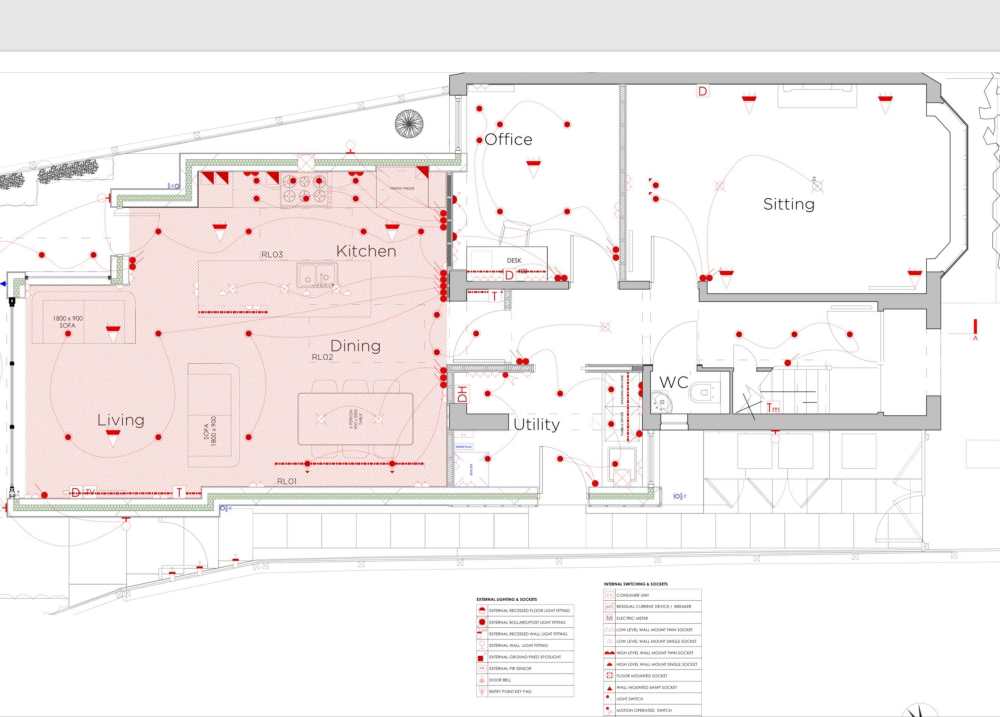
-
Neighbours want to scaffold in my courtyard
Spinny replied to DannyT's topic in General Self Build & DIY Discussion
i think your letter at the moment is still too open and almost offering them an immediate route out by them simply replying to say the foundations will be shallower than yours. I would simply say in the letter that the Party Wall Act applies as their planning approval shows they intend to build at or adjacent to the boundary between your properties. Your letter is to put them on notice that complying with the Party Wall Act is a legal requirement. Including the link to the act is excellent because it shows you are trying to be helpful. (Presumably you have the planning application with planning drawings and approval documents which LA's usually publish online. You can also normally check online to see whether they have registered a Building Notice which is required before works begin. Sometimes people are very ignorant, sometimes they may be aware but have decided to rail road their way through. Sometimes people may have looked for builders, found the work more expensive than expected, or had builders ask if they have a Party Wall Agreement in place, etc, then gravitated to a cheaper builder offering to just get it done, no questions asked etc. Our neighbours didn't even understand that you can't build over a gas supply pipe. You are doing the right thing in thinking about the issues and what you will or will not accept. I would also recommend sounding out local Party Wall Surveyors now in case you need to appoint one. When you receive the Party Wall Notices from the neighbour there is only a 14 day period to agree or appoint a Party Wall Surveyor and 14 days is a short period to find a PWS from scratch when you are busy working during the week and they are closed at weekends. Our neighbour completely ducked the route of agreeing something with us using standard letters etc and went straight to a PWS and then we got notices through the post out of the blue. In our rush we made the mistake of appointing a PWS that turned out to be quite young - 30ish. The neighbours PWS knew him, actually told us he was still learning the job and that he was 'training him', and effectively bulldozed him on some issues. Look for an experienced PWS that shows he can act assertively in your interest. All PWS costs have to be paid by the neighbour including yours. -
Neighbours want to scaffold in my courtyard
Spinny replied to DannyT's topic in General Self Build & DIY Discussion
Danny, I would say the PWA applies anyway, because they are building at the boundary. I would just assert that to them in the letter and tell them they need to comply The PWA is potentially your friend here, it is the law, and it makes your agreement with the neighbour legally binding. I certainly would not tell them or suggest to them that you want foundation drawings to determine if the PWA applies. As far as you are concerned they are building at the boundary and so the PWA does apply. I would say, ask for the construction drawings for the extension they are building. This is important because what is built may be or end up different from what is only approximately depicted in planning drawings. Do you not care what type of bricks or blocks that wall is built in ? Do you not care if the eaves illegally overhang your property ? Do you not care when conveyencers start to ask you whether the building at the boundary was covered by a PWA when you try to sell your house ? Do you not care if the drainpipe discharges onto your patio ? Do you not care if their kitchen extractor belches out over your patio ? Foundation depth is not the determining issue here. Foundations typically extend beyond the wall itself - which would put them on your land ! A construction drawing would show this, eaves width, height, rainwater handling, will there be a soakaway ? The legal responsibility is theirs - you need to state that unequivocally and invoke the act. They need to do the work and make the running here in order to get your formal written agreement, otherwise they are in breach of the law. I would not begin to state to what you will agree with at this stage. Things need to follow the PWA process - you can't just make it up yourselves. It feels like you are wanting to be super friendly and helpful to someone that appears ignorant of the law, too rude and selfish not to have spoken to you way before now, is breaking the law, and could make your life a misery for 12months and more. Be positive and assertive, hold them to the law, do not make concessions before you have even got them on the right page legally. There is a negotiation and agreement process here which is legally required. As an example the boundary line is not necessarily defined by your fence. Whose boundary is it in the deeds ? part of the negotiation might be you deciding that when the wall goes up (very likely to require complete removal of the existing fence) that you would decide not to have the fence re-instated giving you 4 extra inches of useable garden. Don't start rushing to complete a process in days that is supposed to take weeks or months. -
Rodding points or inspection chamber for rainwater
Spinny replied to lizzieuk1's topic in Rainwater, Guttering & SuDS
Are you having a silt trap ? -
Neighbours want to scaffold in my courtyard
Spinny replied to DannyT's topic in General Self Build & DIY Discussion
Any reputable experienced builder would know about the existence of the PWA and would not build illegally without ther being compliance and signed agreements. Don't let the neighbour hide behind the builder - all the responsibilities are the neighbours, he is responsible for everything the builder may do or say as his contractor. Take photographs now, during, and after. Any disputes need evidence. Builder is required to have liability insurance - ask for evidence of it. Make sure projections are defined on drawings in the PWA before work begins. Our neighbour was going to build at the boundary, until I sent him a formal letter giving notice that any projection over my land was against the law. He was supposedly going to use an infinitely thin undefined capping on the drawing ! Then he agreed to set back 50mm, then at marking out insisted on 40mm as capping would project 32mm - FFS. -
Neighbours want to scaffold in my courtyard
Spinny replied to DannyT's topic in General Self Build & DIY Discussion
Oh, one other thought... -
Neighbours want to scaffold in my courtyard
Spinny replied to DannyT's topic in General Self Build & DIY Discussion
Certainly looks like the PWA applies. https://www.gov.uk/government/publications/preventing-and-resolving-disputes-in-relation-to-party-walls/the-party-wall-etc-act-1996-explanatory-booklet#part-1-party-wall-etc-act-1996 I suspect legal advice line etc advice you will get is to send a registered delivery/signed for letter to your neighbour. Inform them in the letter that the Party Wall Act applies to their building plans and work, and that they are required by law to adhere to the requirements of the Act and that you are hereby giving them formal notice that they must comply with the Act before work commences. I have had direct experience of similar with a single storey extension built by my neighbour. Formal letters and documents are required. Assuming goodwill and that everything goes without issue is a dangerous thing. Sadly there are too many people out there that through ignorance, stupidity, selfishness, dishonesty and malice will cause problems. Prepare for the worst and hope for the best. After all any sensible neighbour would have knocked on your door to set up a chat and a coffee to talk over the plans and any concerns, and would already be fully aware that under the PWA they need to issue notices in the correct way, obtain your agreement, and give notice. A Party Wall Agreement or Award normally covers off many of the things that could go wrong...damage to your property, access period to your property, working hours, noise and dust, reinstatement of things taken down (e.g. fence), vents, outlets, and pipes etc not discharging onto your property, not having diggers driving over your property, size and materials of what is to be built, access security for the site. Also check whether they have a building notice with the LA, talk to the LA planning service, ask who is doing the Building Control for the work. Look at the plans very carefully and closely - we raised queries about inaccurate drawings regarding ground levels - got no answers to reasonable questions. Turned out the neighbour was going to raise up the land on their side of the boundary not declared anywhere. -
Neighbours want to scaffold in my courtyard
Spinny replied to DannyT's topic in General Self Build & DIY Discussion
I'd have thought the Party Wall Act is likely to apply. Building anything projecting over your land is trespass and legal action can be taken. When you say the extension is 'right on your boundary' do you mean the wall will be built against the boundary, or is the wall set back from the boundary by some distance ? You are not allowed to build eaves and guttering that project over somebody else's property. How close is the extension to your own building and foundations ? Have you examined the plans which have been given approval ? If you have house insurance then you could call their legal helpline for advice. You can also get some initial free advice from the Faculty of Party Wall Surveyors https://fpws.org.uk/services/ has the telephone number. Clearly the neighbour is a ****. Act accordingly. This may seem like a request for scaffolding, but many other things can occur if you don't push back against somebody that has no regard for others.