Iceverge
-
Posts
4487 -
Joined
-
Last visited
-
Days Won
32
Everything posted by Iceverge
-
I'm guessing airtightness for the coldness and the SW window for the overheating. Second hand Flir One on eBay for £120. Don't know if they're any good but I've been looking myself.
-

Alternative sliding doors to be used with ikea wardrobes
Iceverge replied to Adsibob's topic in General Joinery
I've always liked this idea. https://www.plykea.com/ -
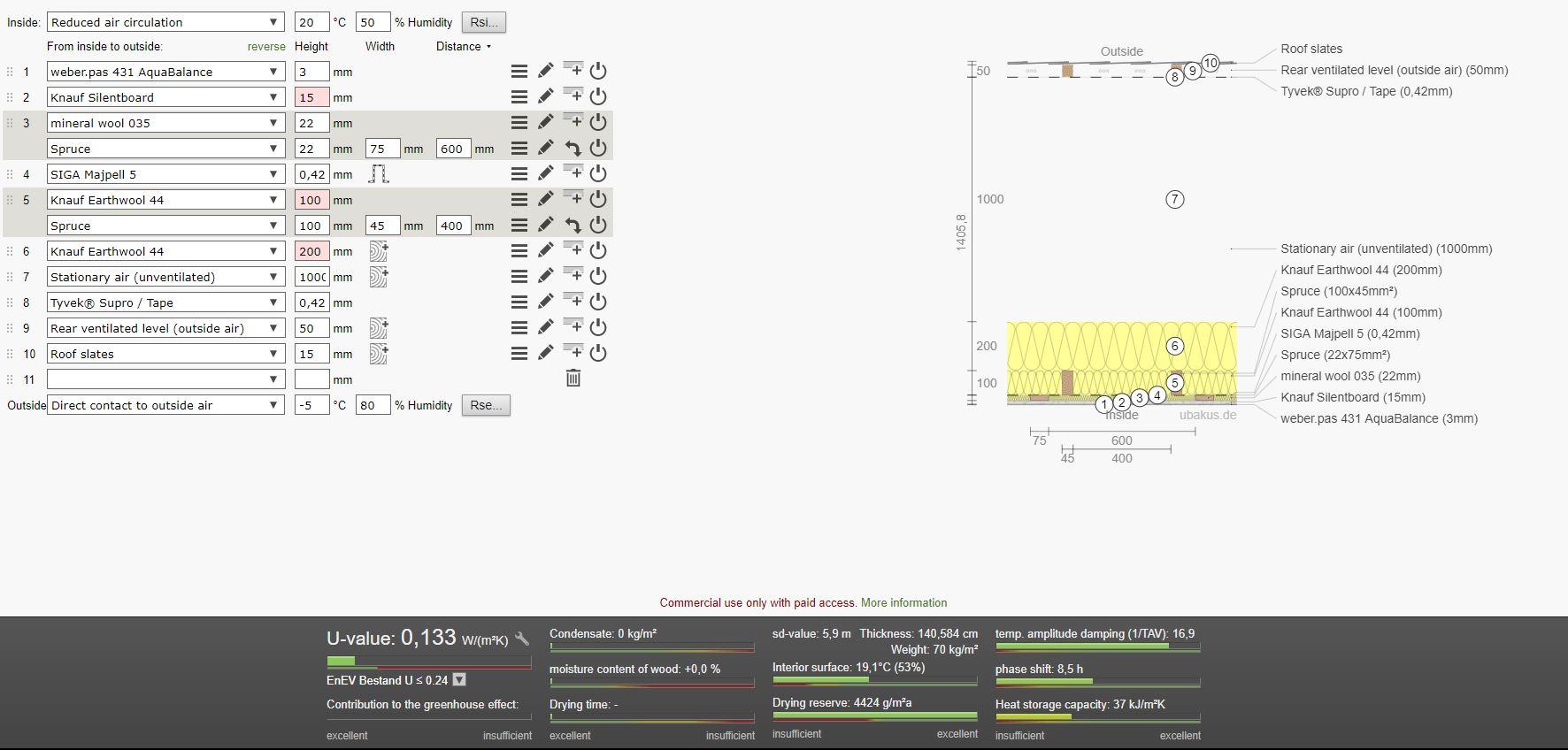
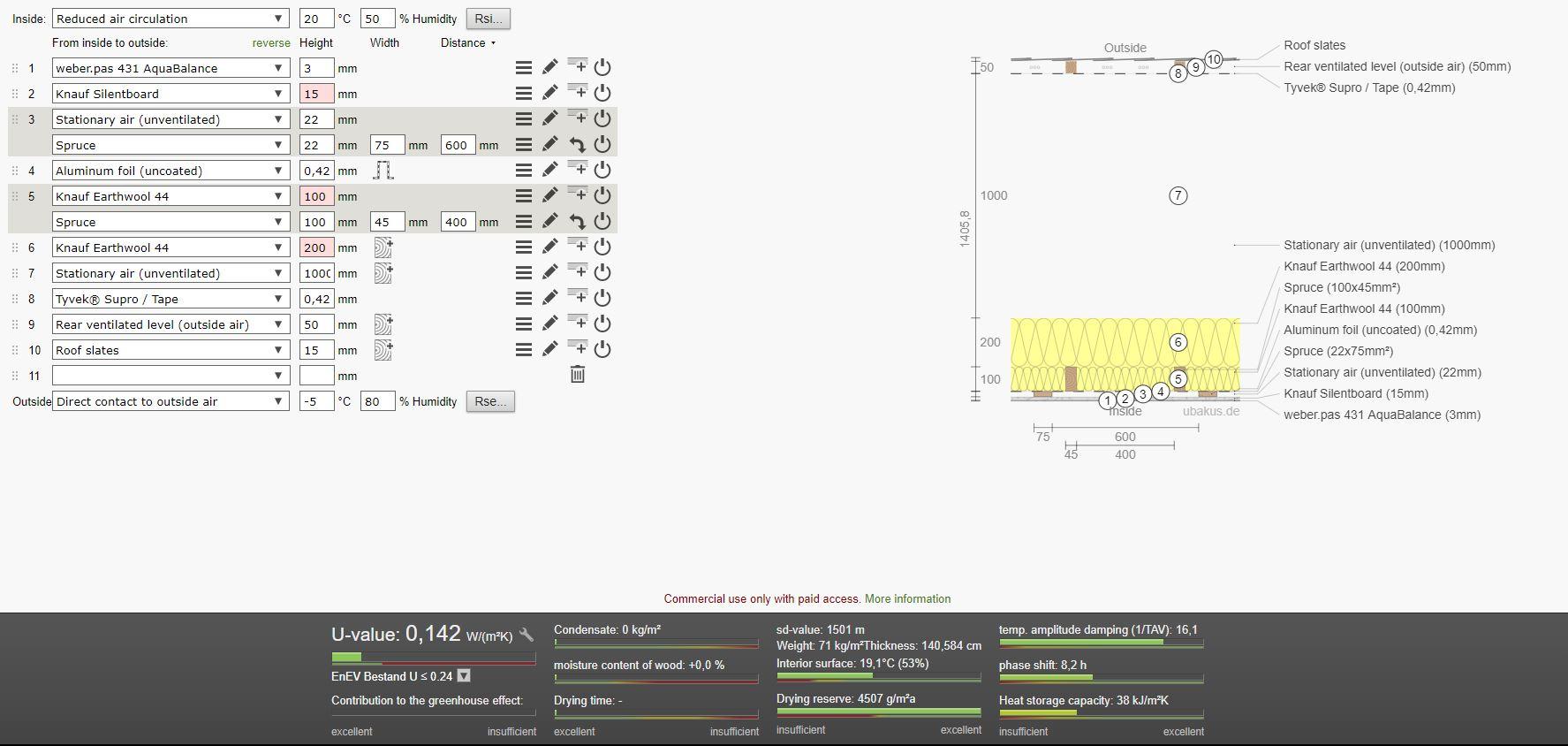
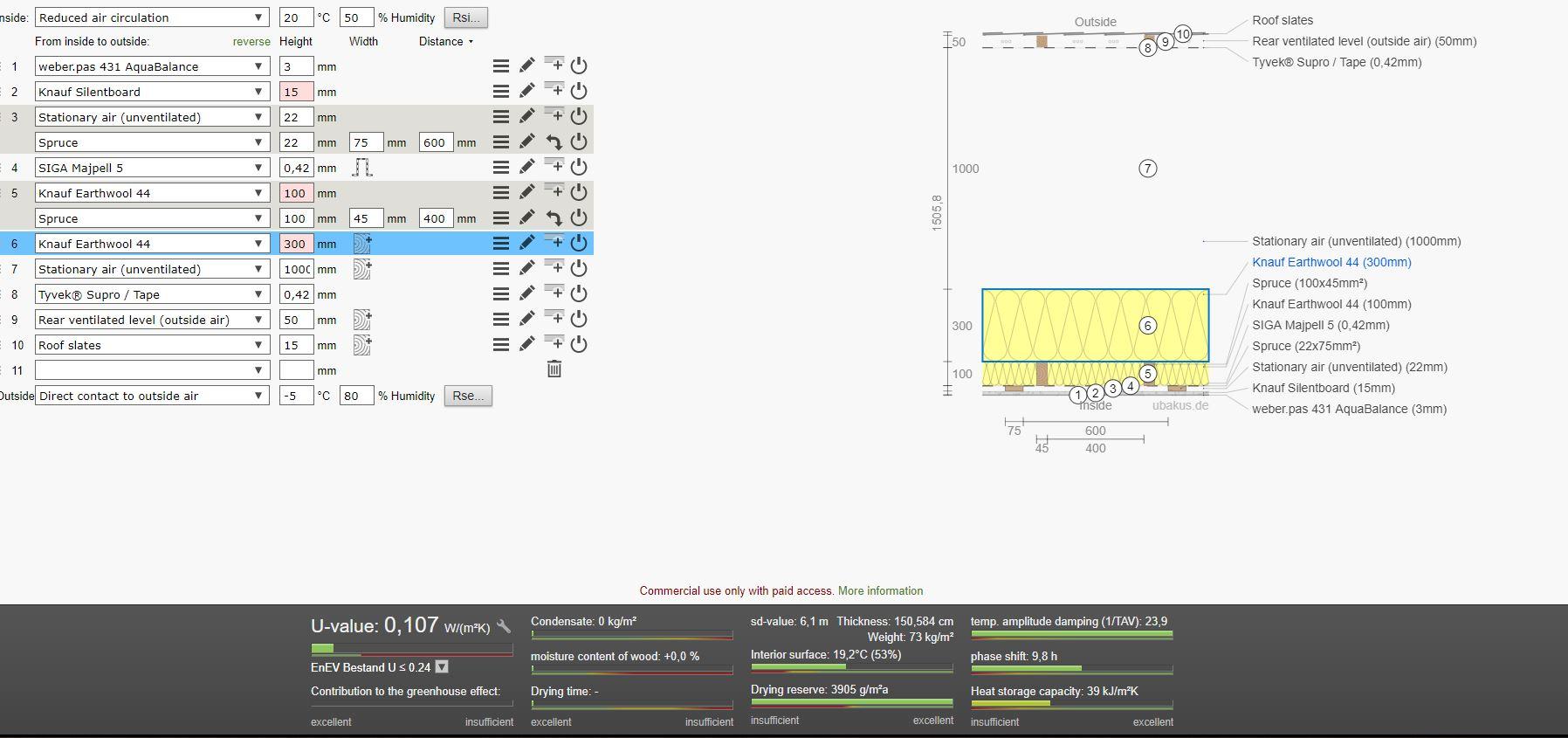
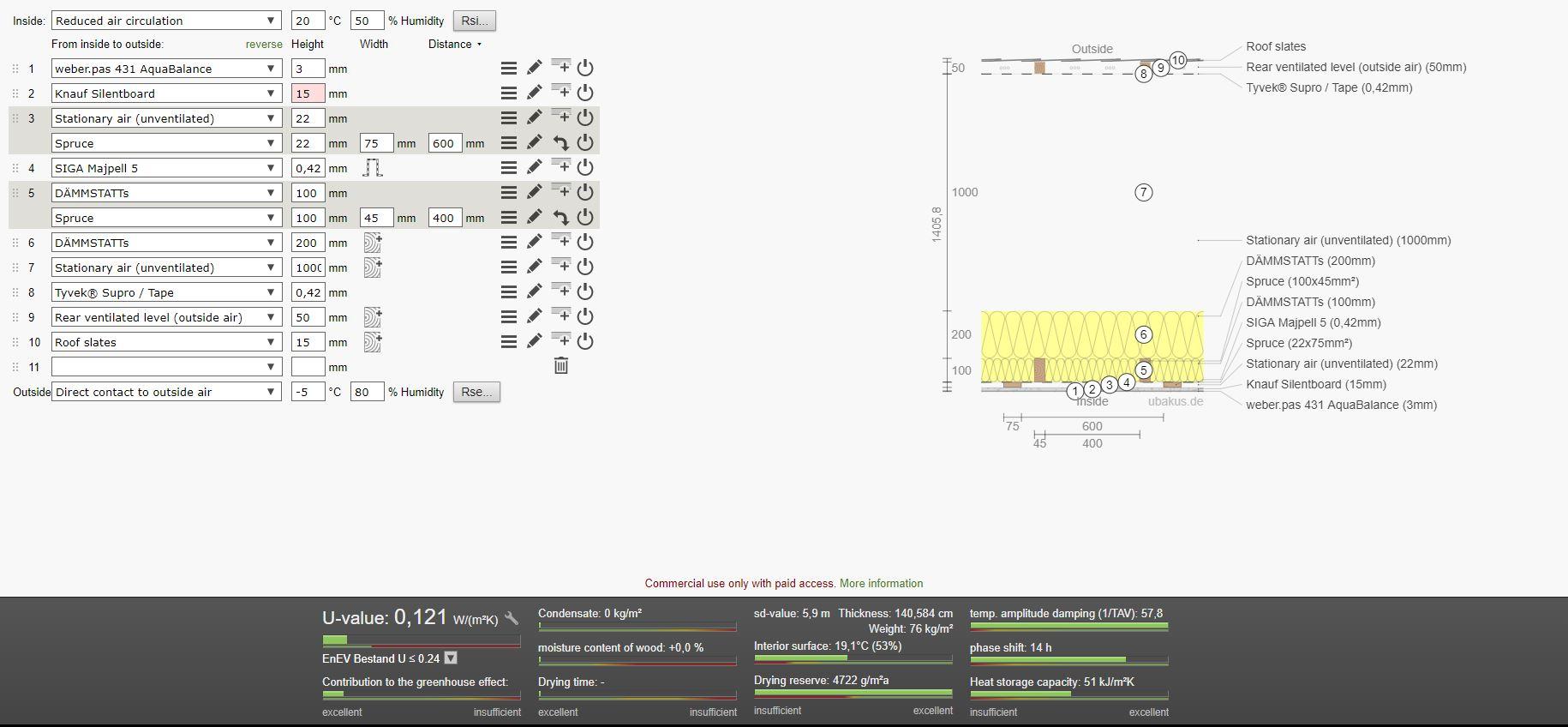
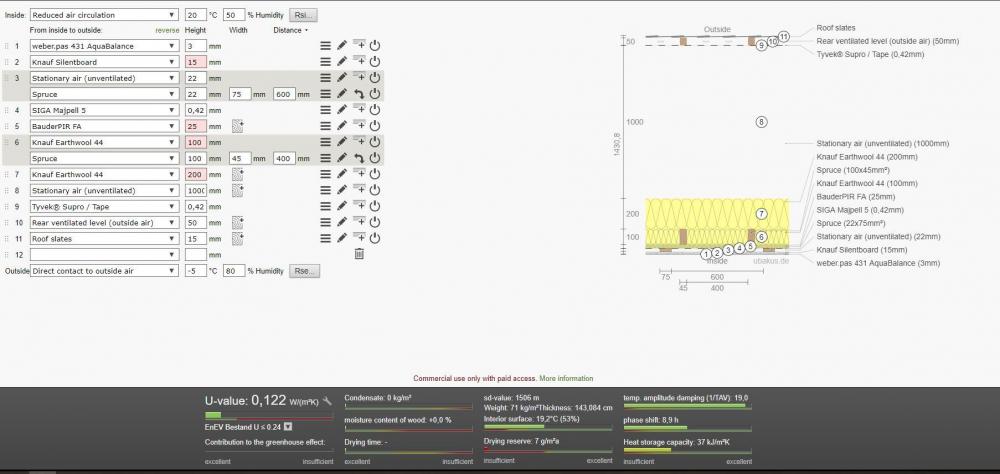
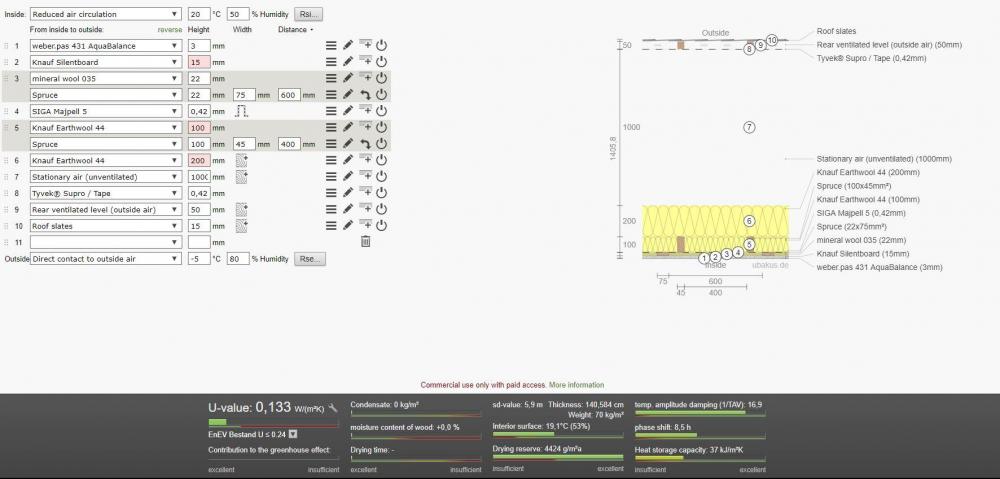
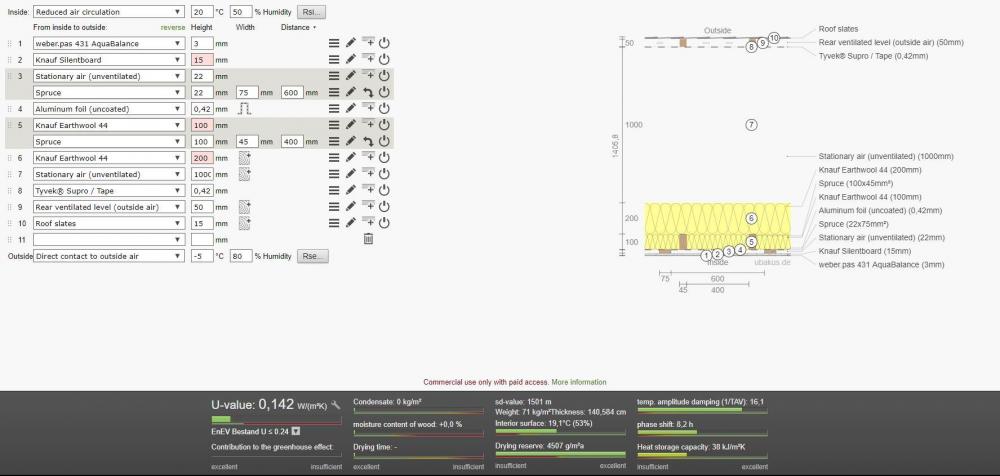
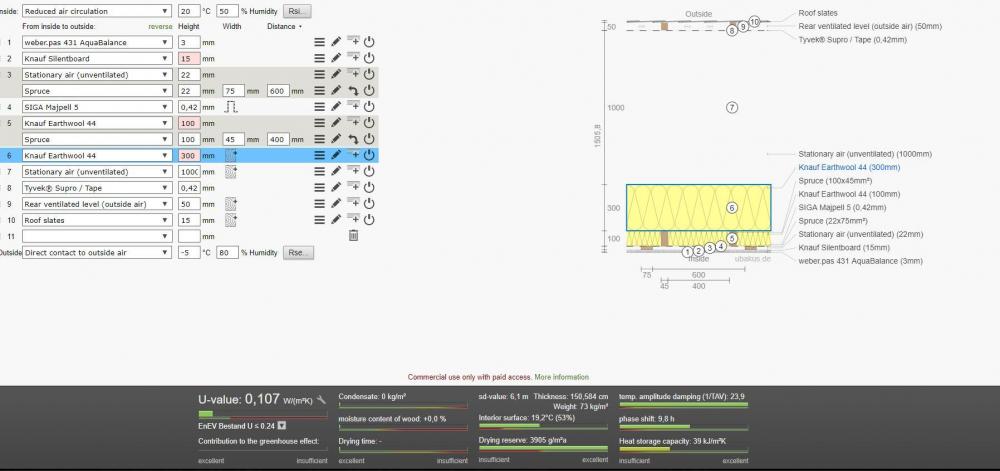
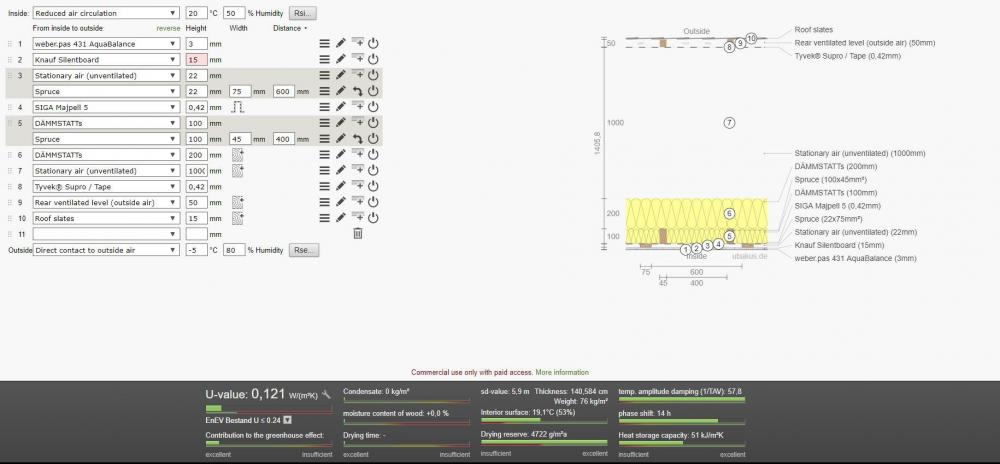
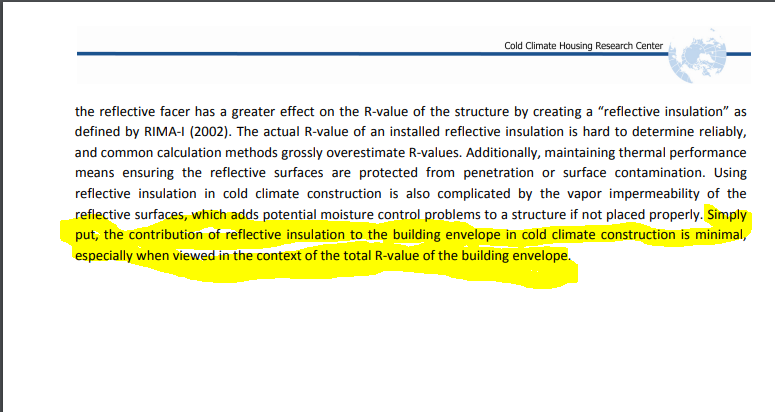
Hi @cwr I've run your choices through Ubakus. For me I would do 400mm earthwool and an unventilated service cavity. Cheapest and easiest to build. If you want better cellulose is best for heat protection, soundproofing , airtightness, embedded carbon, ease of installation, fire protection, real world continuity of insulation and thermal bypass. It's what I did on my own roof. Also rolling out loft roll is awful. @JohnMo Reflective layers do help in keeping heat in but their contribution is very small. Most of the insulation in your case comes from the stationary air. Here's a study if you like but I've highlighted the last line anyway. https://www.insulationstop.com/resources/TR_2011-01_Reflective_Insulation_in_Cold_Climates.pdf Original Proposal
-
100% wool. The tufted/twist is 80/20. https://www.brockway.co.uk/carpets/portofino/turchesi is on the stairs. https://flooringmegastore.co.uk/lingdale-elite-brockway/ I think is what's in the bedrooms. Gut feeling is the twist is later is tougher but after only 7 months both are just fine.
-
@saveasteading Have you done a basic look at heat loss from the structure yet? If you post your, wall area, roof area, window area, and floor area I'll stick it in PHPP and show how little fighting over the last decimal place matters with U-values. Airtightness, MVHR, triple glazing, and thermal bridging are much more important.
-
Shiny insulation makes almost an unquantifiable difference.
-
Oh god. A plethora of completely impermeable materials trapping water in a minimally ventilated part of the roof that's freezing cold outside the insulation. Breaking every rule. If the roof was uninsulated he would have gotten away with it. If the roof was battened to allow airflow above the OSB he'd have gotten away with it. If the humidity in the building was tightly controlled he'd have gotten away with it. If the PUR was above the OSB he'd have gotten away with it. I'm guessing there was no vapour barrier either. I don't think most people realise that the water that rots their structures comes out from inside the building as water vapour.
-
We have commercial grade 100% wool and 80% wool carpets, loop pile and twist pile. I think the twist pile will be more durable. I prefer the 100% wool but my Mrs can't tell the difference. A good underlay makes it very comfortable. We don't have UFH.
-
Your area pretty small. Have you had a look on donedeal? Might be some on there. Nothing to stop you making your own! Let us know how you get on
-
Sounds nasty. Can you describe the metal roof, was it flat panel or wobbly cladding ventilated at both ends? Was it a habitable building ? I think @saveasteading has a slate roof which should have more gaps for ventilating the sarking in any case.
-
I'd do, Metal cladding, sinusoidal profile (I prefer the way you screw through the ridge of the metal rather than on flat) Diagonal 75*25mm battens. Breather membrane pulled tight and taped at joints. Rafters full fill with mineral wool, Airtight membrane. Insulated service cavity. Plasterboard. PIR and OSB are expensive. Alternatively you could buy some insulated panels and do it all in the one shot.
-
yes
-
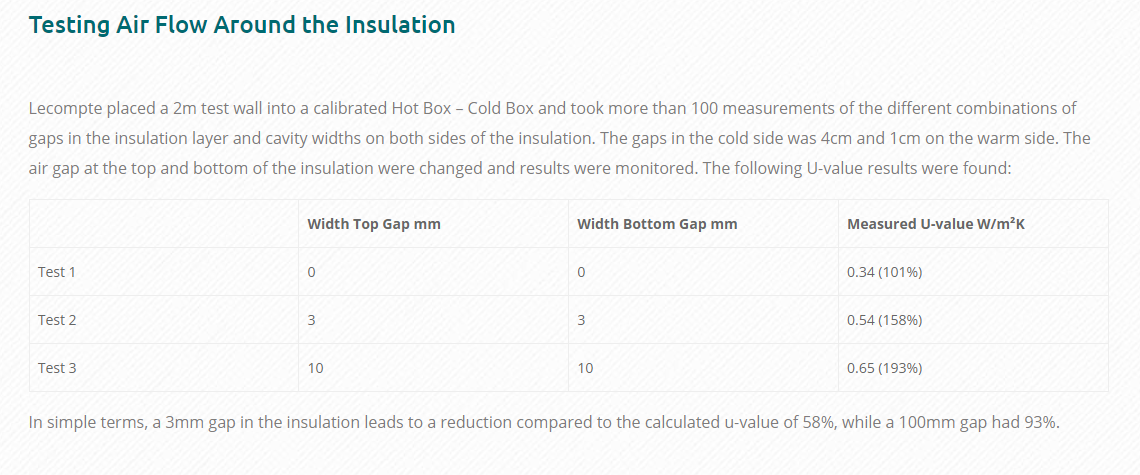
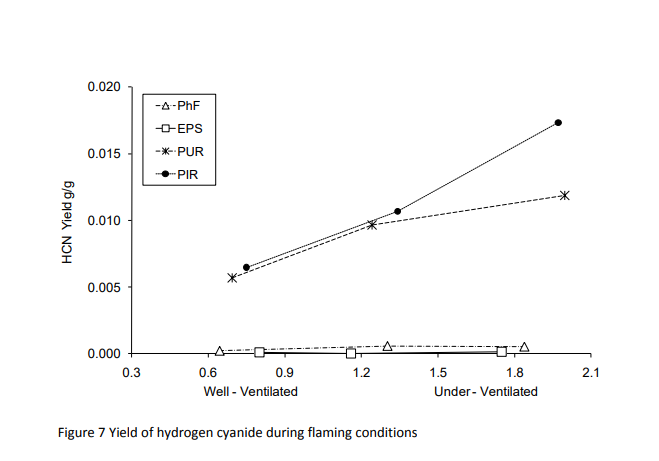
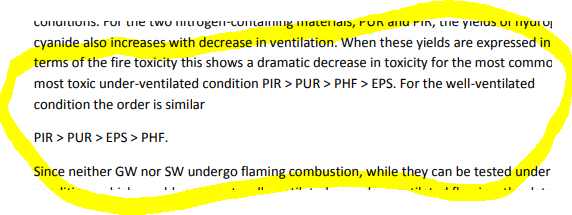
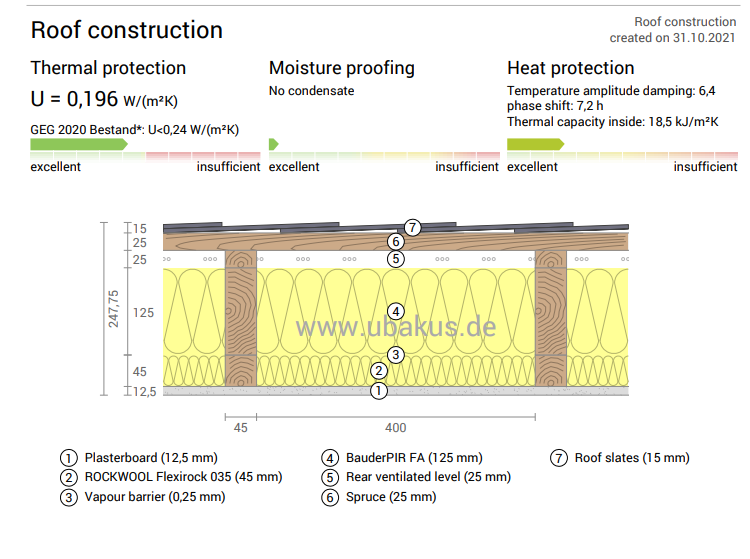
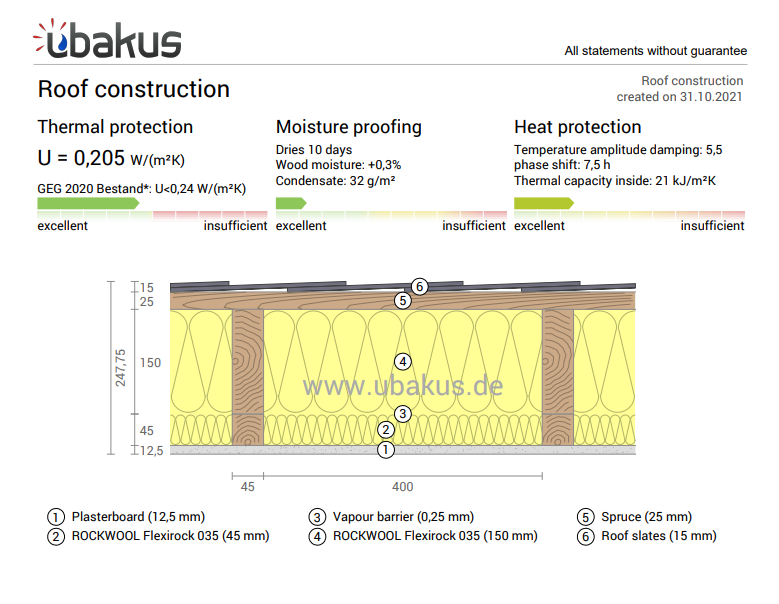
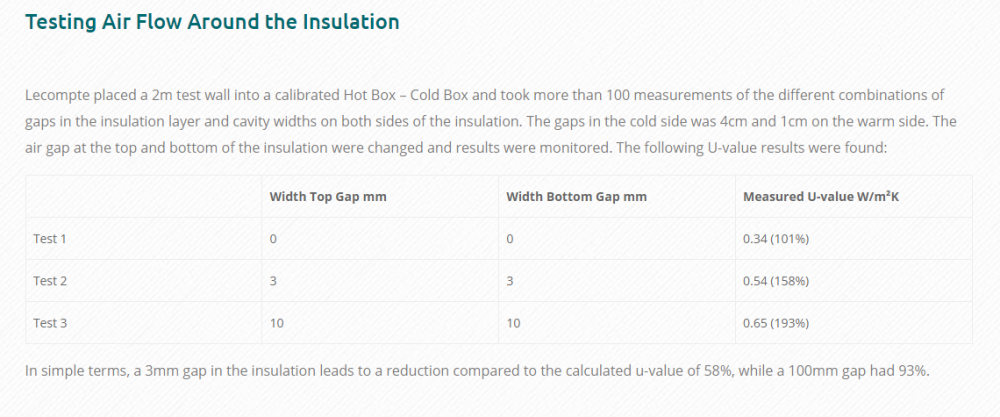
Many Thanks. I'm more than happy to be proven wrong by any longterm independant study of PIR and shrinkage. However with @Marvins contribution the anecdotal evidence seems to be pointing the other way. 1. While you're at it can you offer a robust way of keeping rodents out of the PIR also if you have a free cavity? All fine and well in a new blockhouse with no gaps in the mortar. No so for old stone walls. https://singletrackworld.com/forum/topic/stw-helprats-in-house-wall-and-ceiling/ More swaying away from PIR . Two examples of the roof with PIR and then Rockwool full fill. Maybe It'd be a good idea to push a membrane above the rockwool like a suspended floor insulation. Someone else will know. 125mm PIR £21.53/M2 150mm ROCKWOOL £13.87/M2 FIRE and nasty gasses. I once saw an old fridge burning. PUR insulation I assume. It was horrible. Some extracts from the below. https://core.ac.uk/download/pdf/339952.pdf https://www.sciencedirect.com/science/article/pii/S1876610217348622 It's been tested and checked. Here's an extract from the study published on the Kore website. ( I know everyone has an axe to grind but that's where i found it) The bottom line, 3mm gap reduced U value from 0.34 to 0.54.
-
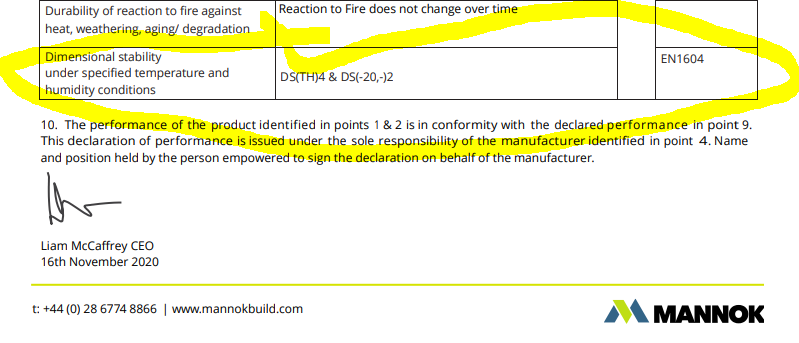
A couple of probing questions if you don't mind. 1. How do you plan to install the breather membrane while maintaining the ventilation cavity? 2. How do you maintain that PIR is twice as good as mineral wool? I get a U value of 0.304 for PIR and 0.398 for full fill rockwool (lambda = 0.035w/mk) with 100x45 studs @400cc. 3. How do you plan to deal with the shrinkage and expansion of the studs with varying humidity and temperature? Won't the boards loosen and you'll get thermal looping? Legend has it that PIR off gasses and degrades in R value over time as well as shrinking like most other foams. I've been searching for over an hour to find a non biased long term study on this but can't. The below is a screen shot of one manufacturers declaration of dimensional stability. 4. Maybe someone more qualified can explain what this means. There is some anecdotal whisperings of this. http://www.greenbuildingforum.co.uk/newforum/comments.php?DiscussionID=16490 By creating a clear ventilated cavity you'll completely negate any insulative benefits of the current stone+ rubble wall.
-
"sucks through teeth and squints through one eye, is that there dem PIR boards between dem studs, errrrr I never liked that so I did not"
-
I'll eat my words, that is indeed the correct document. Have you considered a breathable internal insulant and paint like lime hemp insulation? You would get the full benefit of the insulative value of the wall by doing this and it would not be detrimental to the moisture drying capability of the wall, as well as maximising room space. Here is another study I came across on this. https://tinyurl.com/ek3kfw72
-
Thanks but I was just reading that and it's not the one I was thinking of. I'll keep looking.
-
Here's a report of walls that were in the 400mm to 600mm range of solid historic construction. I'm trying to find another Scottish document that I read that had a more comprehensive report. Specifically it echoed the comments above about the moisture content of the walls being all important.

-
Making window reveal smaller, studs or insulation?
Iceverge replied to hotnuts21's topic in Heat Insulation
Can you get an alternative window supplier? -
It might shrink over time.
-
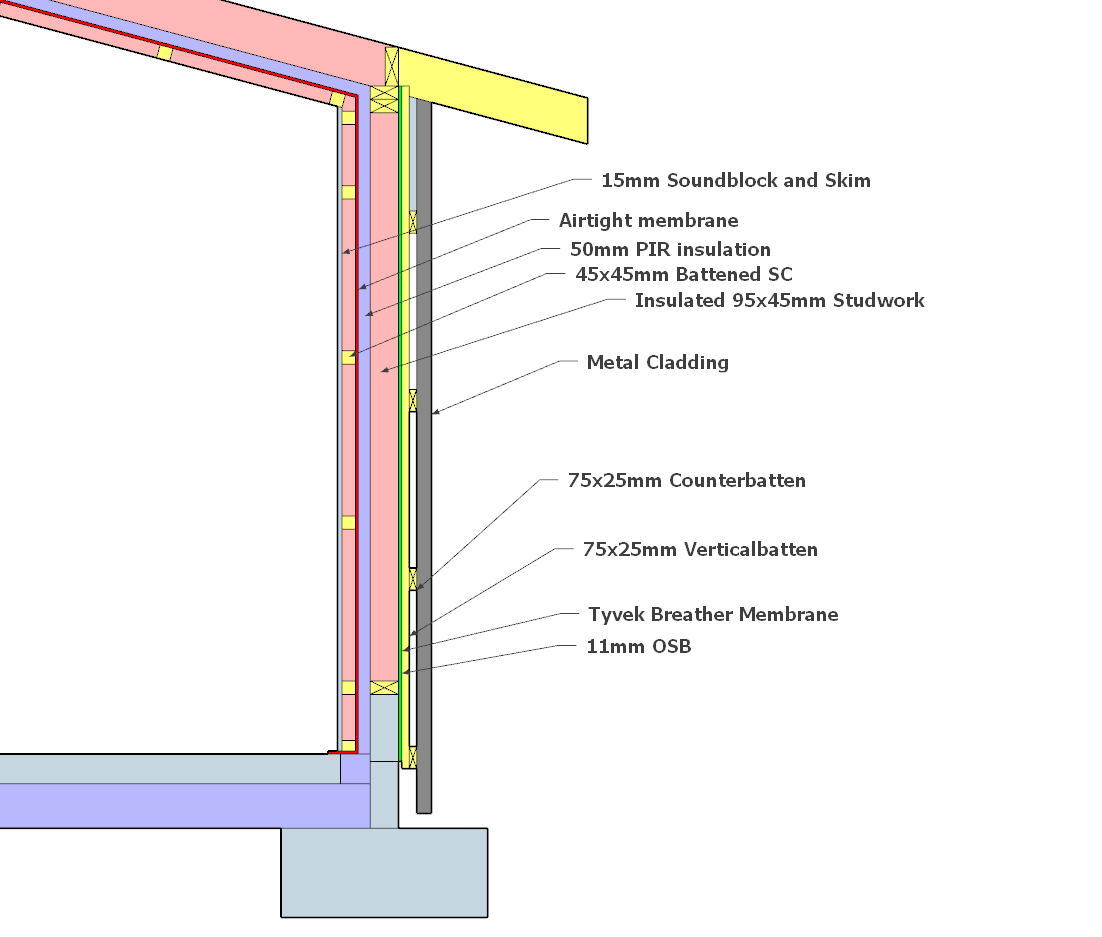
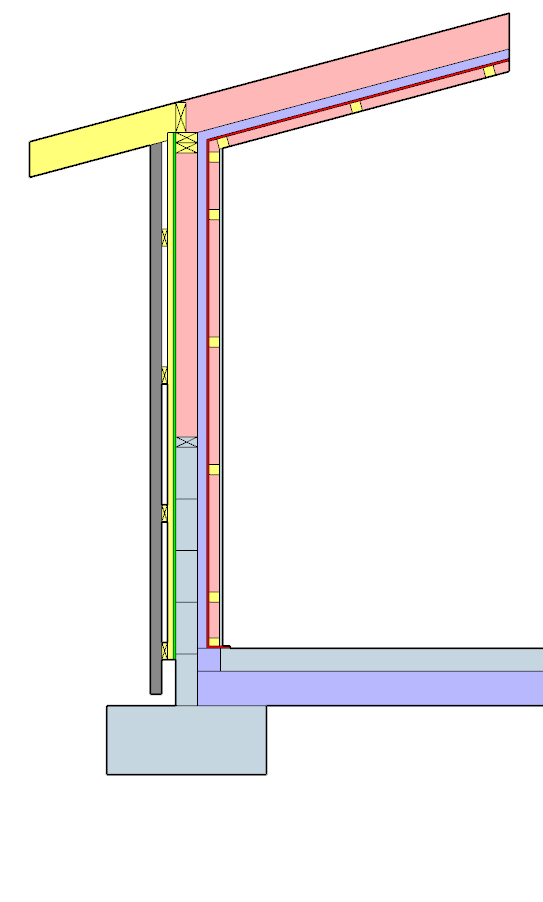
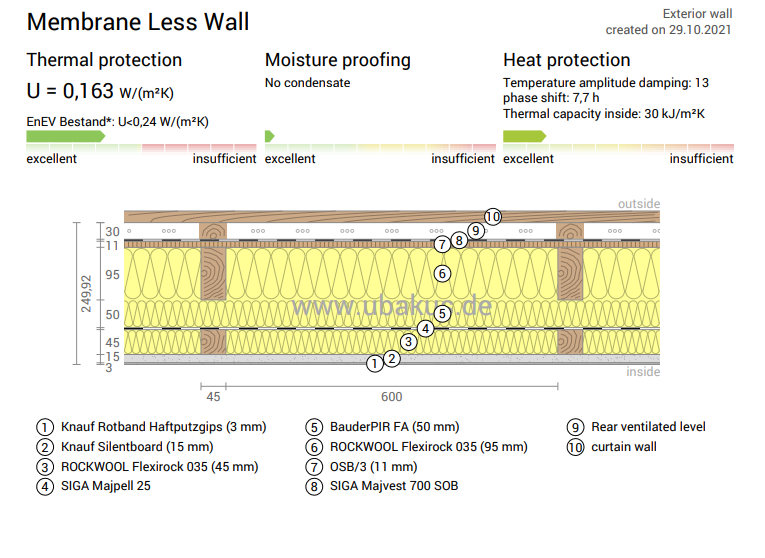
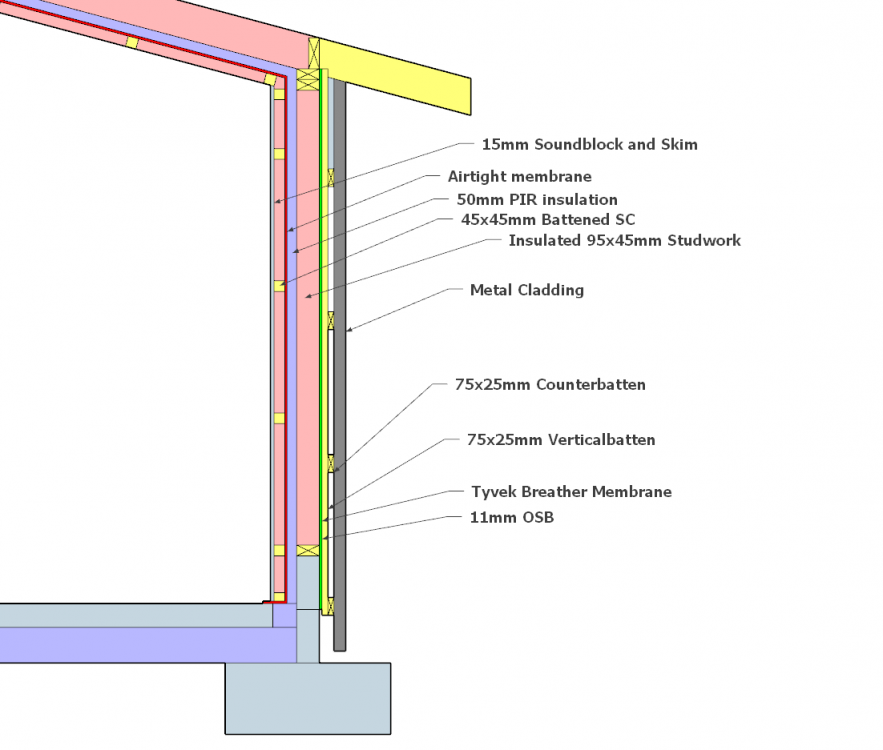
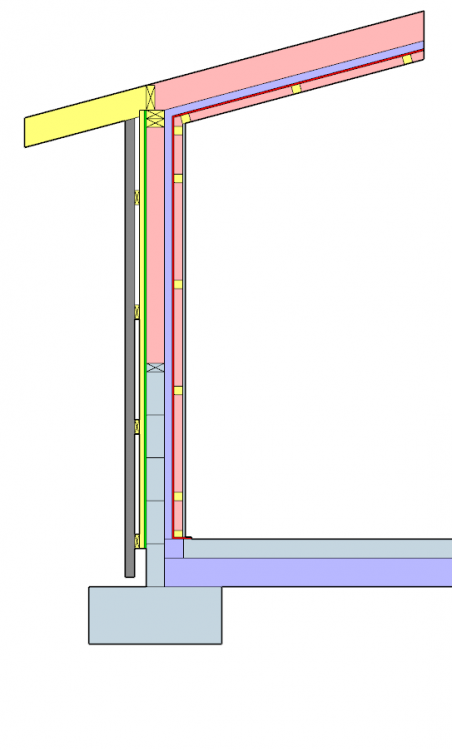
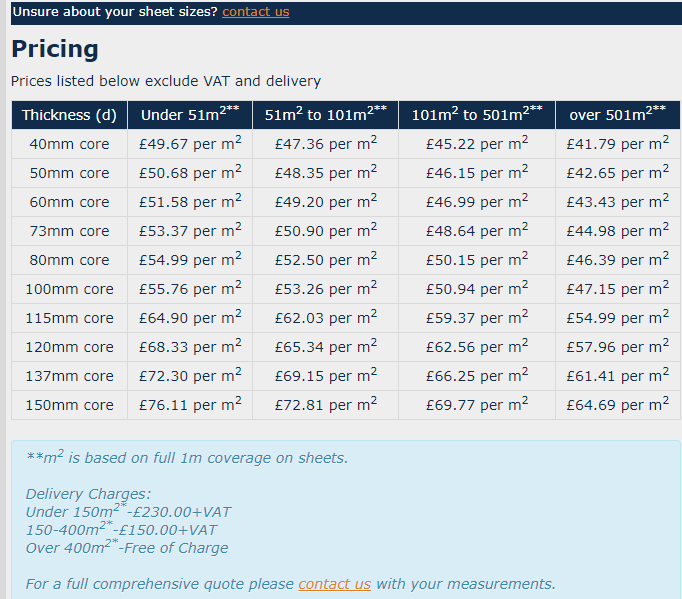
Thanks for getting back to me. I've had a think. Firstly winter is coming. You need to get this closed in as quickly as possible. If cost is a priority I'd forget double framing. Timber and sheet materials are gone far too expensive. It was pioneered in the States where they get extremely cold and prolonged winters and lumber is (was?) cheap. Neither are true at the moment in our fair isles. It might seem like a kick in the teeth but I think you are better off knocking down the 2 courses of external blockwork and getting on with your external cladding. I would also take down the internal studwall being built. My proposed build up is as follows. 15mm Soundblock plasterboard + Skim 45x45mm battened service cavity @600cc insulated with 50mm Frametherm 35 or similar. Airtightness membrane. 50mm PIR. 95x45mm structural stud with 100mm Frametherm 35 insulation. 11mm OSB sheathing, Tyvek breather membrane. 75x25mm treated vertical batten. 75x25mm treated counter batten. You could increase the PIR layer if you're really chasing U values but 0.16 is more than adequate I wager. If PIR is too dear you could omit this but it will really help with the 4ft section of block wall to bring that up to a good level of insulation. by forming a continuous layer of it you would really minimise any thermal bridges with the existing structure. Nothing to stop you using seconds for the PIR. However I would be slow to go above 50mm+45mm service cavity as screws get expensive above 150mm. https://www.secondsandco.co.uk/product-page/50-55mm-kingspan-non-foil-1-2-x-2-4 I reckon that it'll be £18/m2 less and a lot less labour. I'll have a look at the roof if I get a chance tomorrow however a quick google suggests it is a very expensive way of purchasing insulation. Are you absolutely totally committed to this thickness?
-
Oh also are you using a nail gun?
-
How important is this? What level of thermal performance do you need? Do you have a list of materials you have already bought and are committed to using? You're clearly able to do and are doing a lot of work on site yourselves. Is this coming at a cost or are you fortunate enough to be in a position that your time isn't an issue? Sorry for all the questions. I'm just trying to come up with a balance of what I think is best. Cost vs performance vs time.
-
150mm?
-
Thanks for the pic, How wide is the cavity shown and I'll try to determine a cheap solution.