
Nickfromwales
-
Posts
31381 -
Joined
-
Last visited
-
Days Won
346
Everything posted by Nickfromwales
-
 Air-Haus is CVC btw.
 -
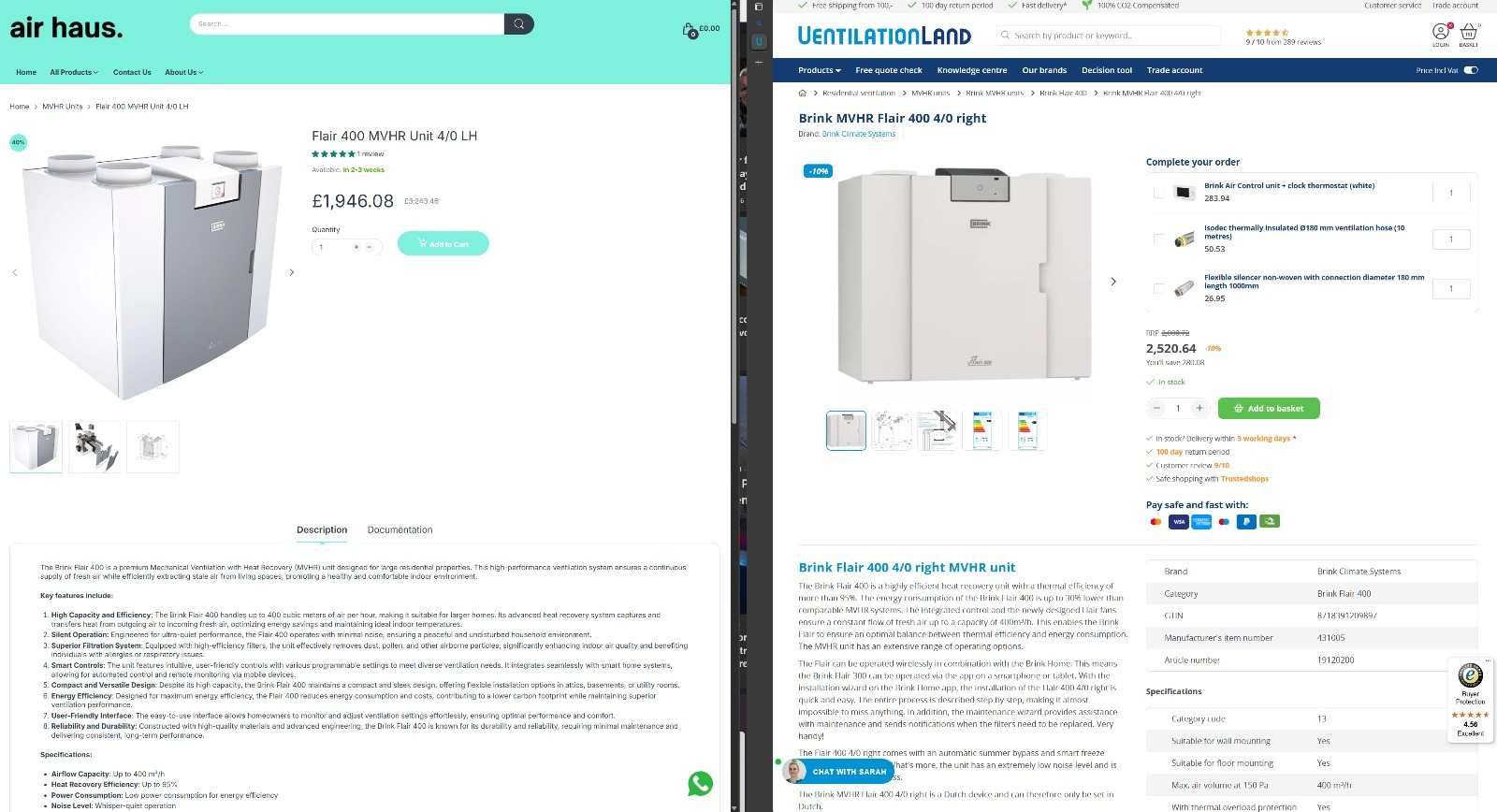
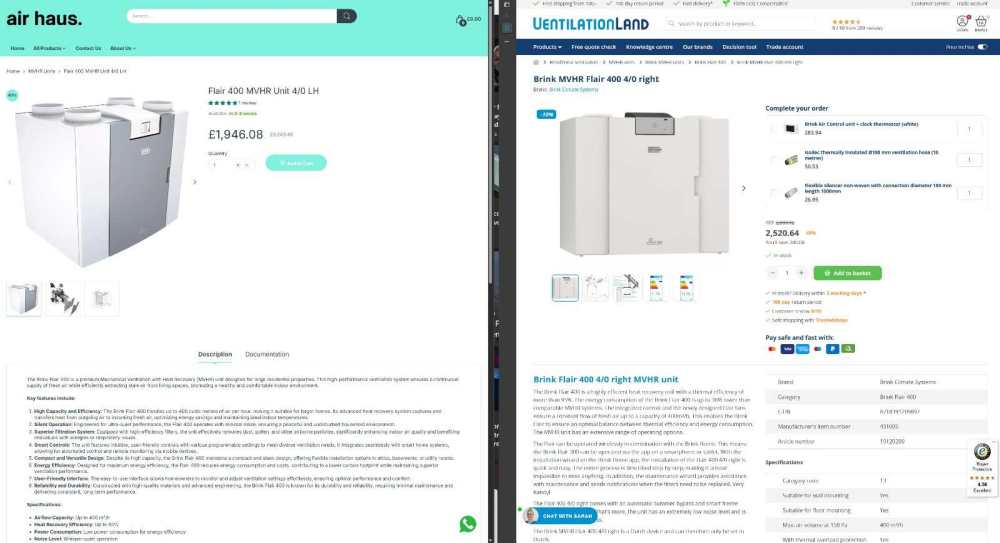
@Post and beam I enquired, and got this back, FYI.
-
Pull the rockwool out on the hot days?
-
@Spinny MVHR or trickle vents and extractors?
-
Confirm the thickness of the Mac etc with them, and do that via WhatsApp or email, not in person or over the phone.
-
Cool. Just make sure they are told you won’t accept pooling water on the mac when it’s laid, and that you expect them to show you water running off the driveway and into the ACO’s correctly. Tell them this before they arrive to site with the materials, as that’ll show you if they’re men or boys. Be firm but polite, but explain that is part of the agreement and terms for final payment to be made. Better they run away now vs you fighting in court later if it’s a poor job.
-
Ouch. Yes, defo an issue, but I’d bet the deflection started before this and has now just got worse. What they should have done is butt timbers to that large timber (running perpendicular) and screwed them together with construction screws, and then had those perpendicular timbers head off to meet the wall plate, or at least sit on 2-4 of the smaller original roof timbers. Needs sorting sooner than later, and afaic that timber work they’ve done is utter shite, placing the load directly onto one small existing timber is appalling workmanship. Did OSO do it or a sub contractor?
-
Do the roof lights open?
-
Builder's upstand vs proprietary
Nickfromwales replied to JackOfNoTrades's topic in Skylights & Roof Windows
Is this still for a true skylight opening or roof lights (Velux type units)? Just swapping out the plasterboard for Marmox on the internal reveals would make a huge difference to prevent cold bridging. Forming the upstand as a sandwich is easy to do, bench built and then offered into place as a finished item, so you can install a thermal break in that too, plus the IWI. -
What type of driveway are you installing, as you will need to speak to the contractor regarding prep etc. Water will sit on compacted type 1 so maybe throw some patio slabs down between the pavement and front door to keep your shoes clean until it’s time to complete the works. The ‘mud’ is just the fines of the type 1.
-
Expanded PolyStyrene Link
-
How to close reveals for integrated garage
Nickfromwales replied to ruggers's topic in Brick & Block
In a nutshell, fire / flames / smoke shouldn’t be able to escape the compartment (garage) into an adjacent one, nor in to the cavities. If there’s a plasterboard closing the cavity, sides and head, with a hardwood timber threshold, and the boards are plastered (or is FR PB) then that likely meets historic regs. Any windows should ideally be FR, especially if there are escape openings above on the same elevation, check your B Regs drawings to check re windows etc. Builder is right, so the door protects the cavity. -
No chance!! You need a good few days for this to dry properly.
-
You may need to remove the plasterboard so you can see the whole valve, and then look again. The Allen head plugs usually give access to the NRV inserts, so you can change them.
-
Yes, that type are concealed but should have forward facing plugs which allow access to the NRV's etc, plus you should be able to remove the cartridge too. Get the dials off, slide the cover plate off, and take a pic. I'd bet its the shower, lets put a 4-pack on it
-
If you speak to them (CVC) they will assist with design etc and calculate flow rates and sense check it all for you before you place an order. TBH I just use my gut when sizing and numbering duct runs/type of duct/size etc, and I've been on the dot with all of the so far, as in when the systems have been commissioned downstream by CVC they have all passed with flying colours.
-
Air came out of the fresh, and left via the extract, so yes lol. It was an attic room, 3rd storey up in a PH, so a fresh alone wouldn't have done much up there tbh, so I altered the design to allow fresh in and stale out, and afaic it was doing the job nicely. No way to get ducts up the walls to the ceiling so went with these.
-
The oval is your friend here, unless you can add a 25x50mm batten and beef the wali thickness up? I've always bought from CVC Systems, who now shift boxes via Air-Haus.com, if you're looking to buy and self-install.
-
Twin coil HW cylinder - worth it?
Nickfromwales replied to d438a1's topic in Boilers & Hot Water Tanks
Is this somewhere you'll be staying long-term? -
Grohe Concealed Cistern - Very very slow weep into pan
Nickfromwales replied to steveoelliott's topic in General Plumbing
No, a totally different brand. LINK -
I imagine it would be a balance with you checking flow rates vs results. Not sure if you can set the RH, but the manufacturers literature should make for good reading there?
-
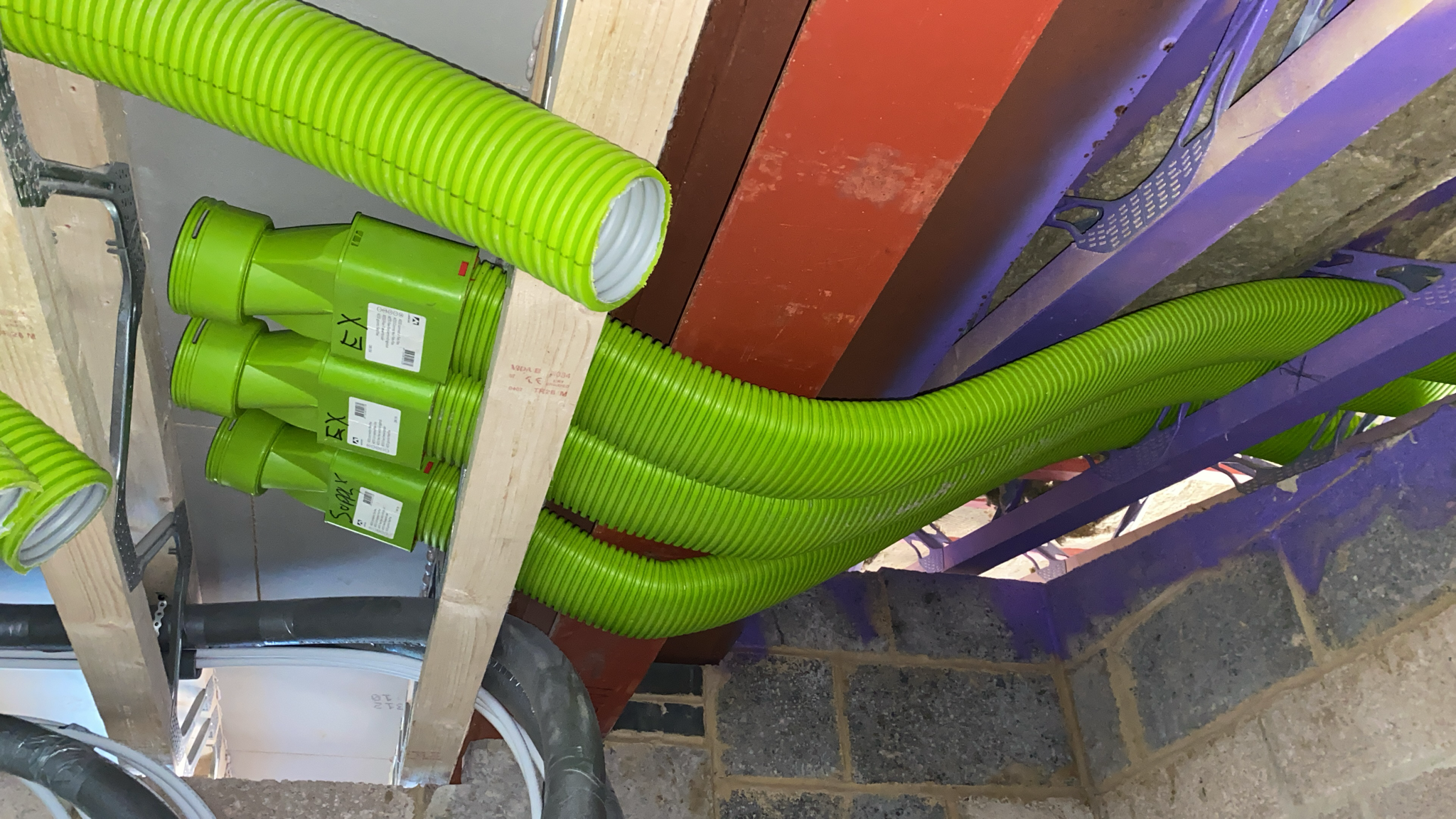
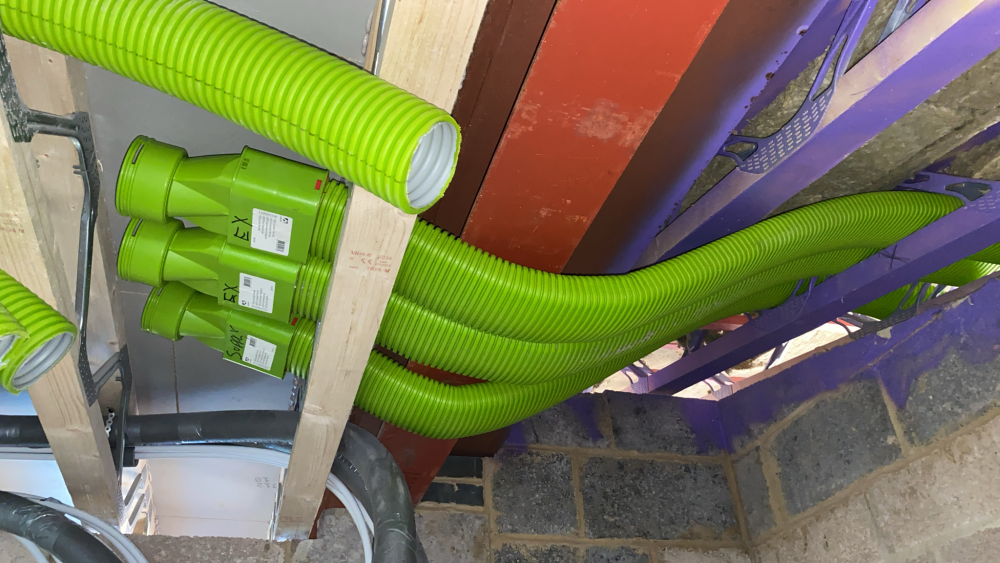
You can use a lower profile rectangular duct, referred to as ‘oval’. I use it when we’re stuck for service space and because I always try to get the services absorbed into the fabric of each of my clients projects. I used it above, as we wanted the ceilings to be flat all the way to the wall. You can see the adaptors to convert round to oval, and the reason is that oval doesn’t give brilliant flow rates compared to round, so I try to minimise the amount of oval in a circuit. If you wanted to run a long distance, you can simply do two runs of oval which will perform better than one run of round, so there’s ways around any problem and folk pay me to find these solutions. 👍. Do try to avoid the floor ducts, and if you share pics of where you need to get to/from I’ll try to offer some suggestions for you.
-
Yup, you’ve got the wrong end of the stick here with what the Air Comfort does. Just use the enthalpy HEx? It’d be way more than £1k installed etc.
-
Nothing stopping both being in the ceilings? Going into the lower insulation layer over a B&B floor is feasible, as long as the duct is say over at least 25mm of insulation, and the duct is pre insulated. Just a lot of pain for not much gain, and I’d defo do everything in my power to avoid a vent in the floor tbh.
-
Lay off the bitumen, the fumes are getting to you.