
ragg987
-
Posts
872 -
Joined
-
Last visited
-
Days Won
1
Everything posted by ragg987
-
This was a technique we saw in one German kit-house supplier. Quite a neat solution. We decided to go with MBC in the end and played safe with having the cavity as per TRADA recommendations rather than risk warranty issues at a later date. Our MBC house external walls were not level enough to fix fibreboard tight to the timberframe - we had to use spacers (you can see this in the image I posted earlier) beneath the battens to achieve a square face to render on. Don't know if this is typical or just our build.
-
Just to comment on mortgage and insurance with render. Building warranty requested a third party render system warranty on materials and labour before they would sign off. I argued that this is a bba approved system and they had not requested this at proposal time, they relented and issued the warranty. On occupancy, buildings insurance was more problematic due to timber frame rather than render per se. Managed to find a few and got a sensible price. Mortgage company did not question any of the build at all. Resale value ask in a few years. I think not having a brick skin will put some buyers off and reduce the number of interested parties, my feeling is that buyers tend to be conservative in that respect. But we have a 1 in a 10,000 home so perhaps there are buyers out there willing to pay a premium? If you intend to live in the for a while then do it for yourself, is my view. Else we would all just queue up outside the show house in that new estate...
-
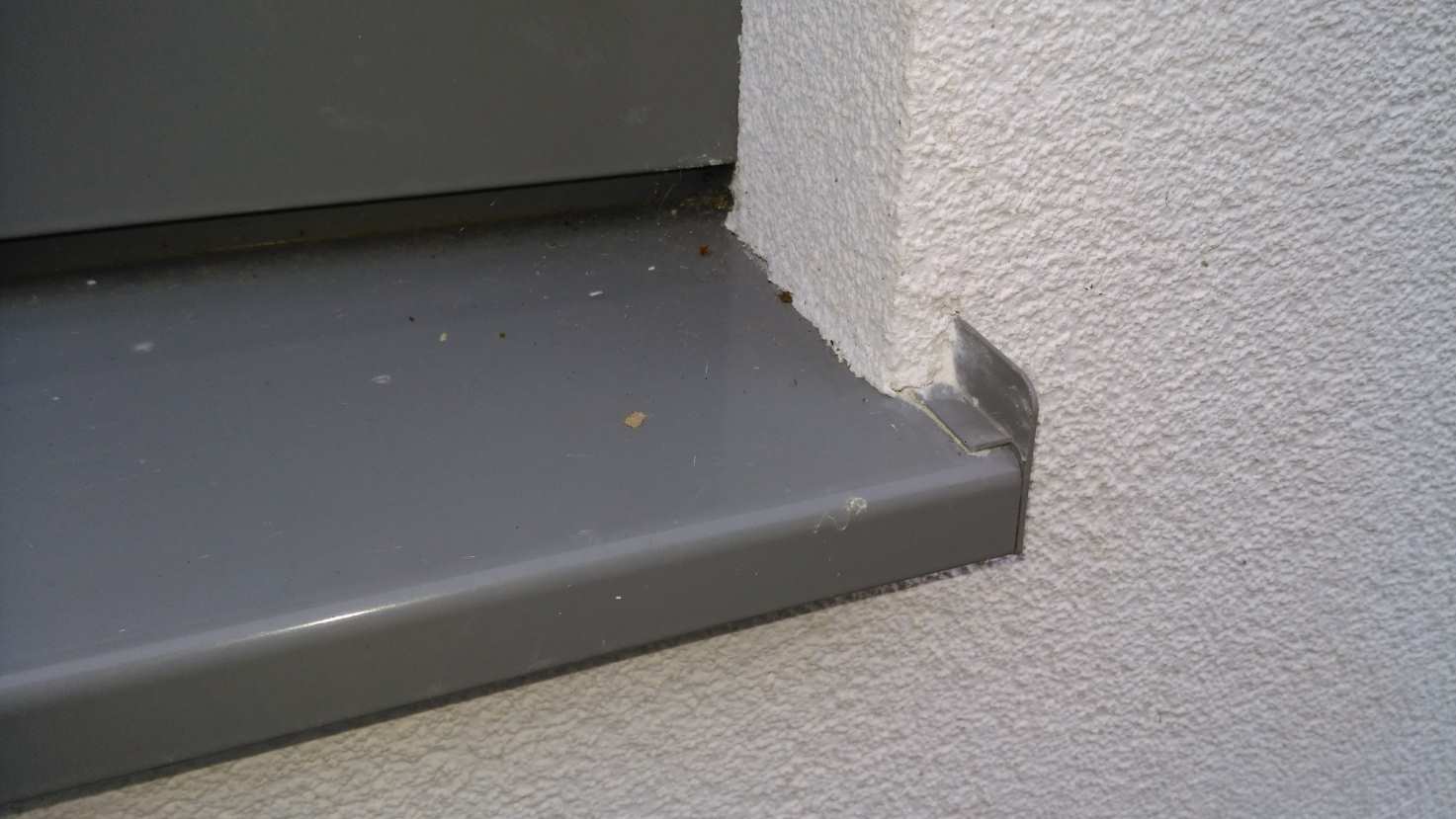
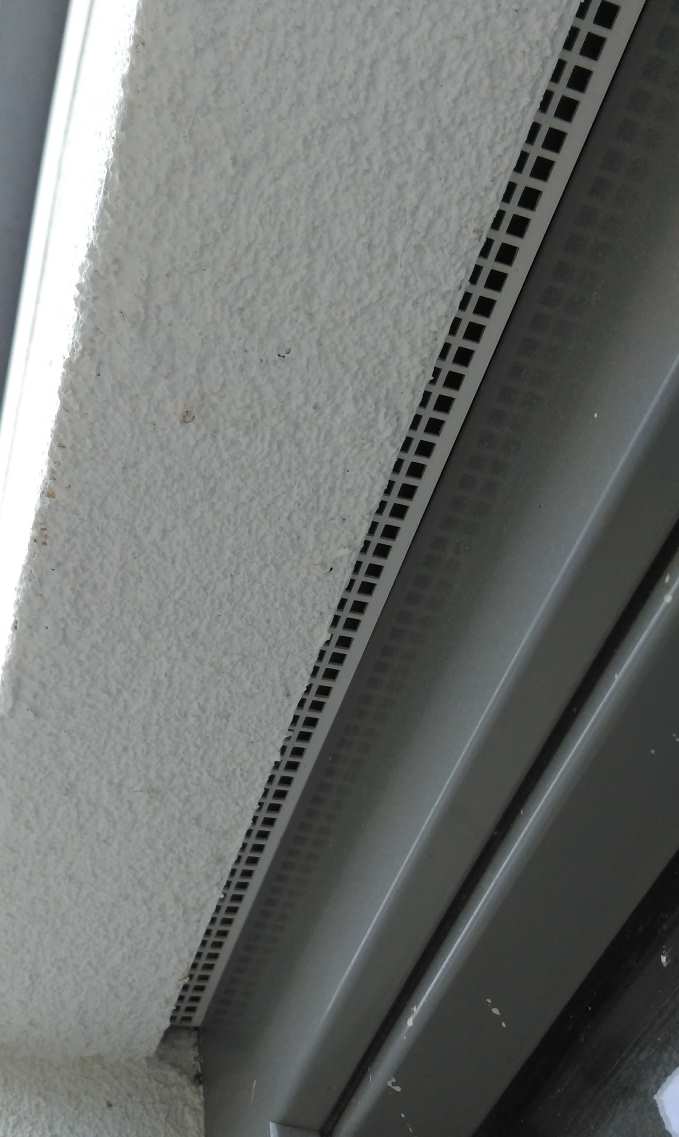
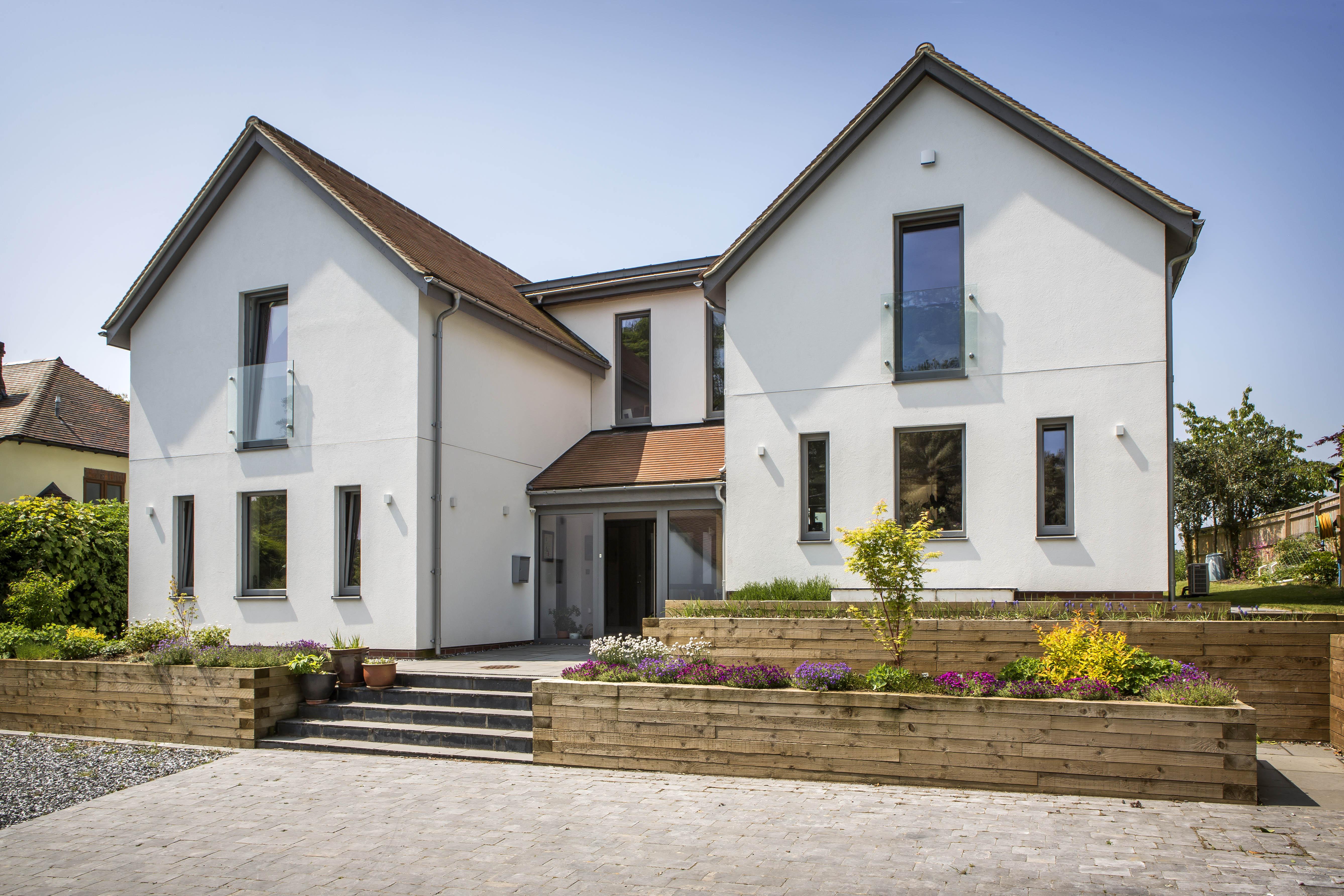
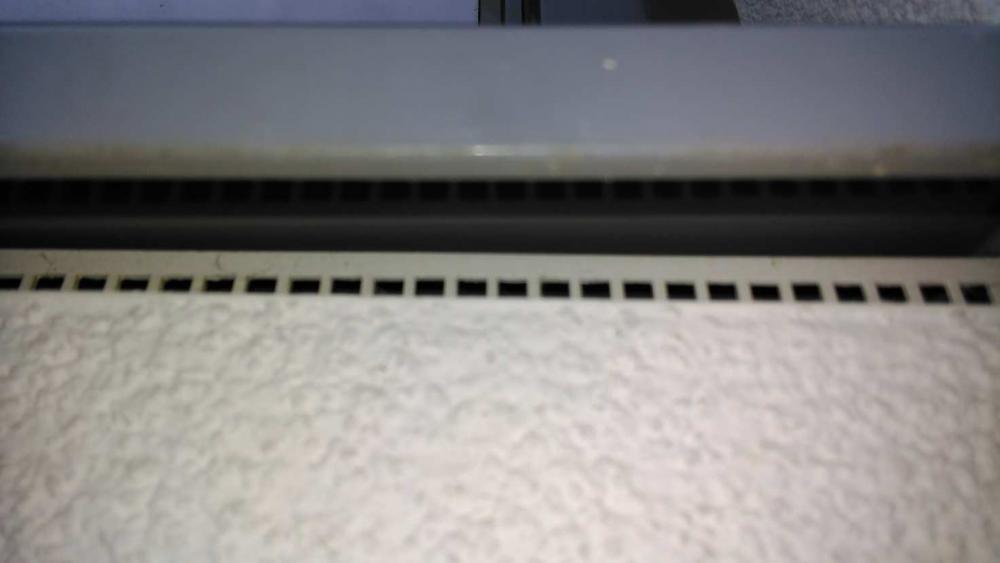
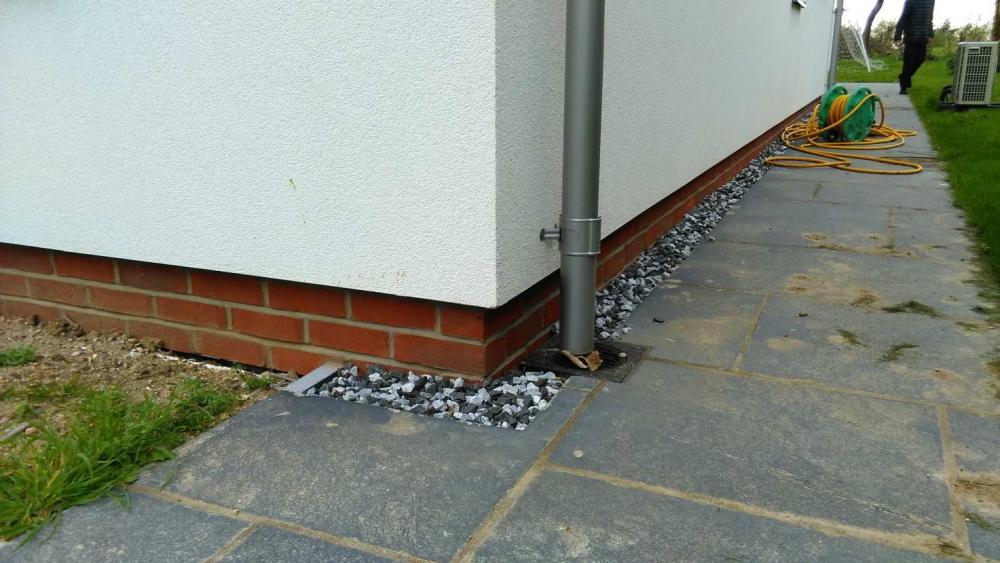
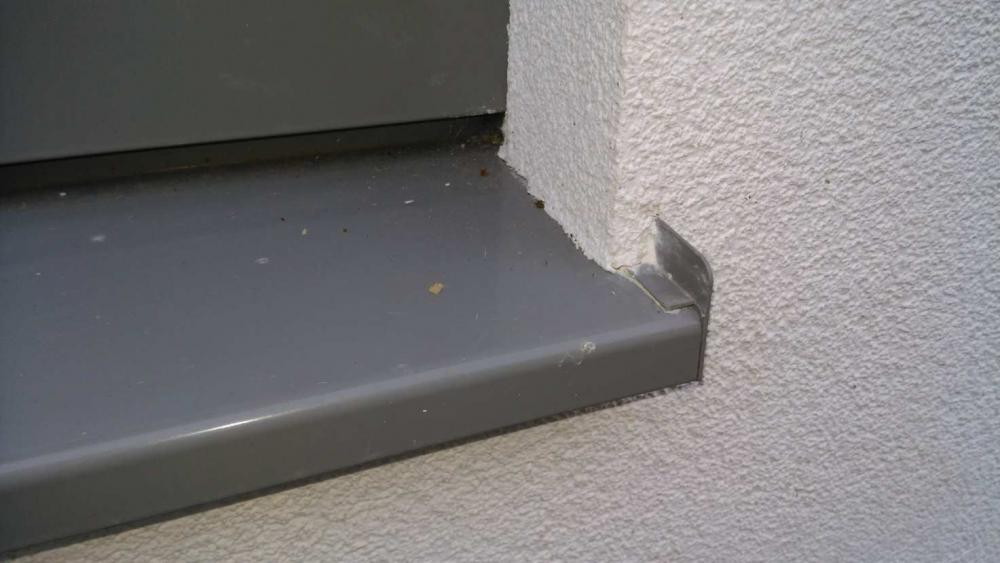
Do factor in the price - I was surprised (unpleasantly so) at how expensive it is. Love the look, though. The detailing should be done with your render system supplier - each one seems to be slightly different, however attached ours. The fuzzy image (no 3) shows detail under the aluminium cill.
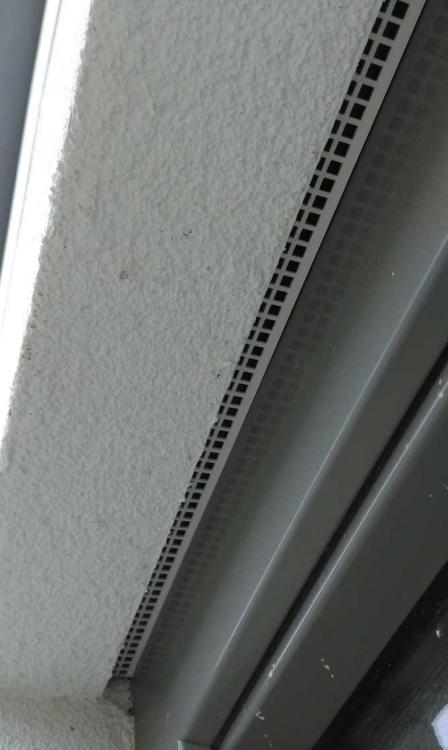
-
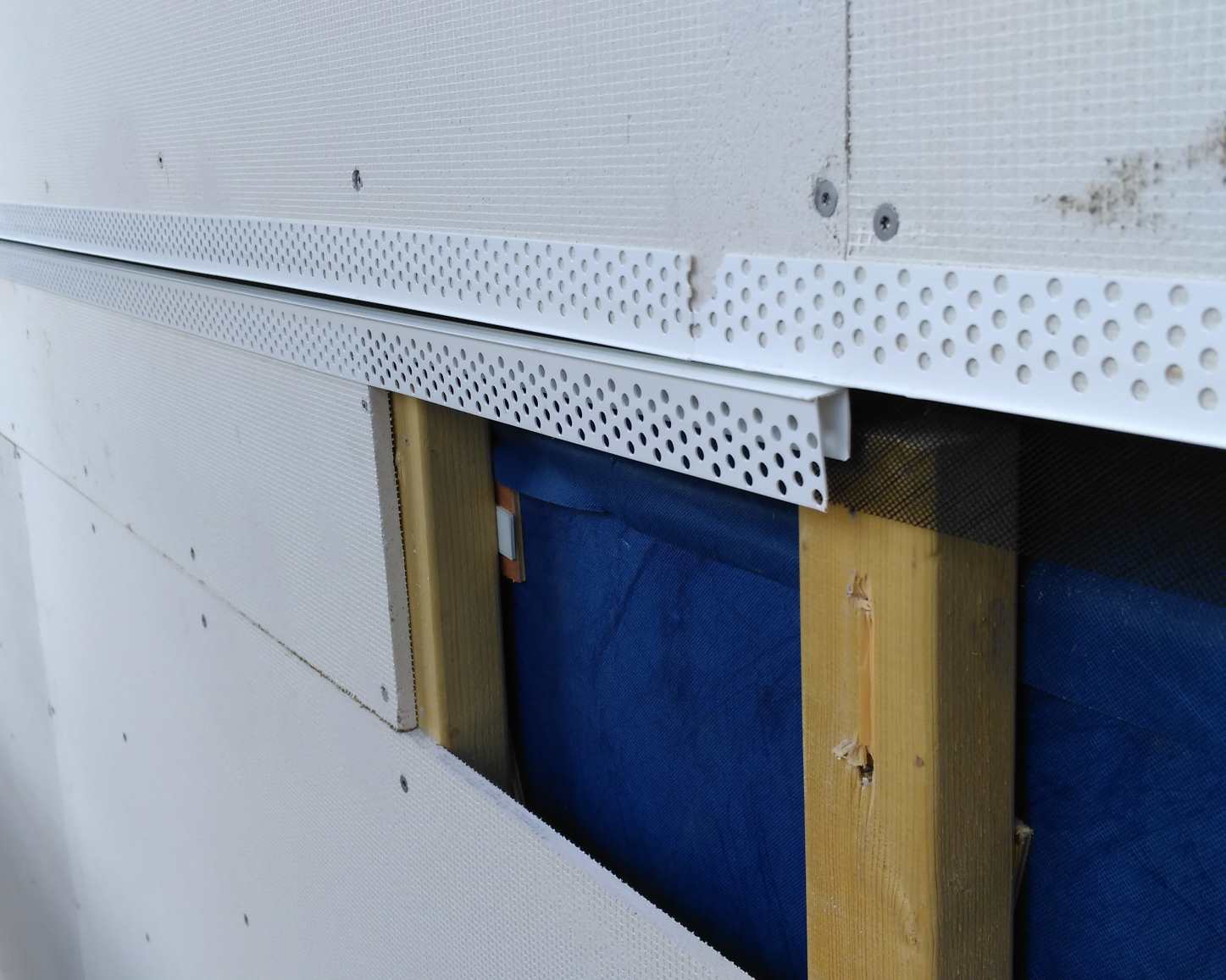
We used 80x35 batten at 600mm centres as specified by STO. Detail of batten and board showing expansion joint.
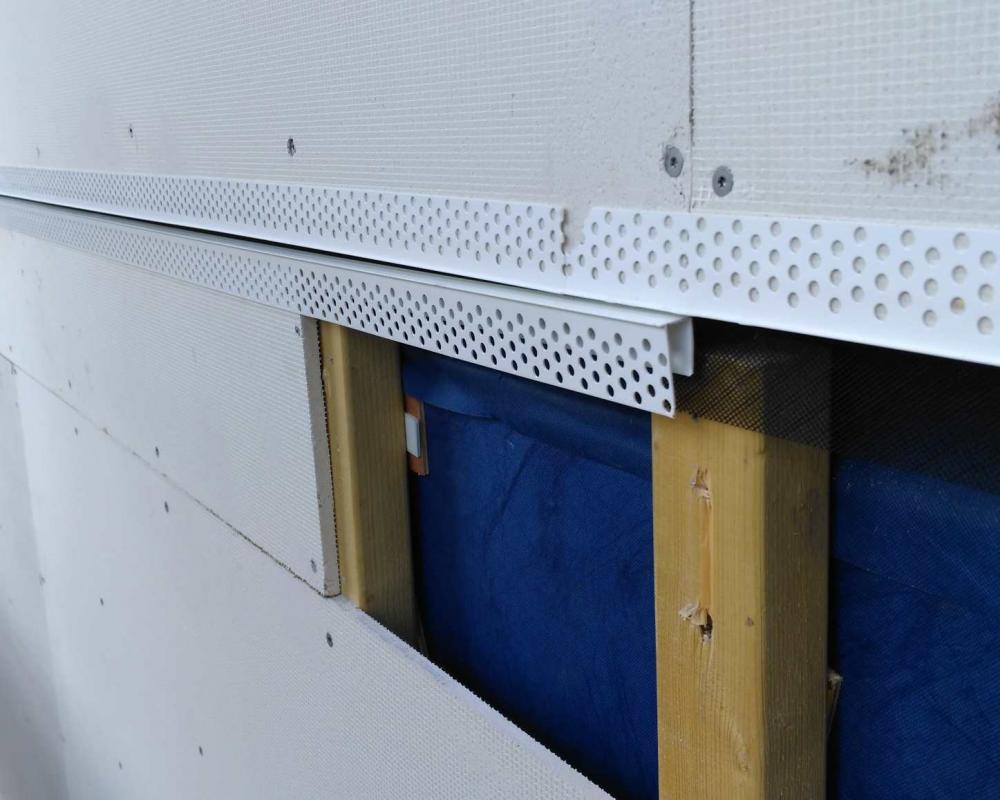
-
-
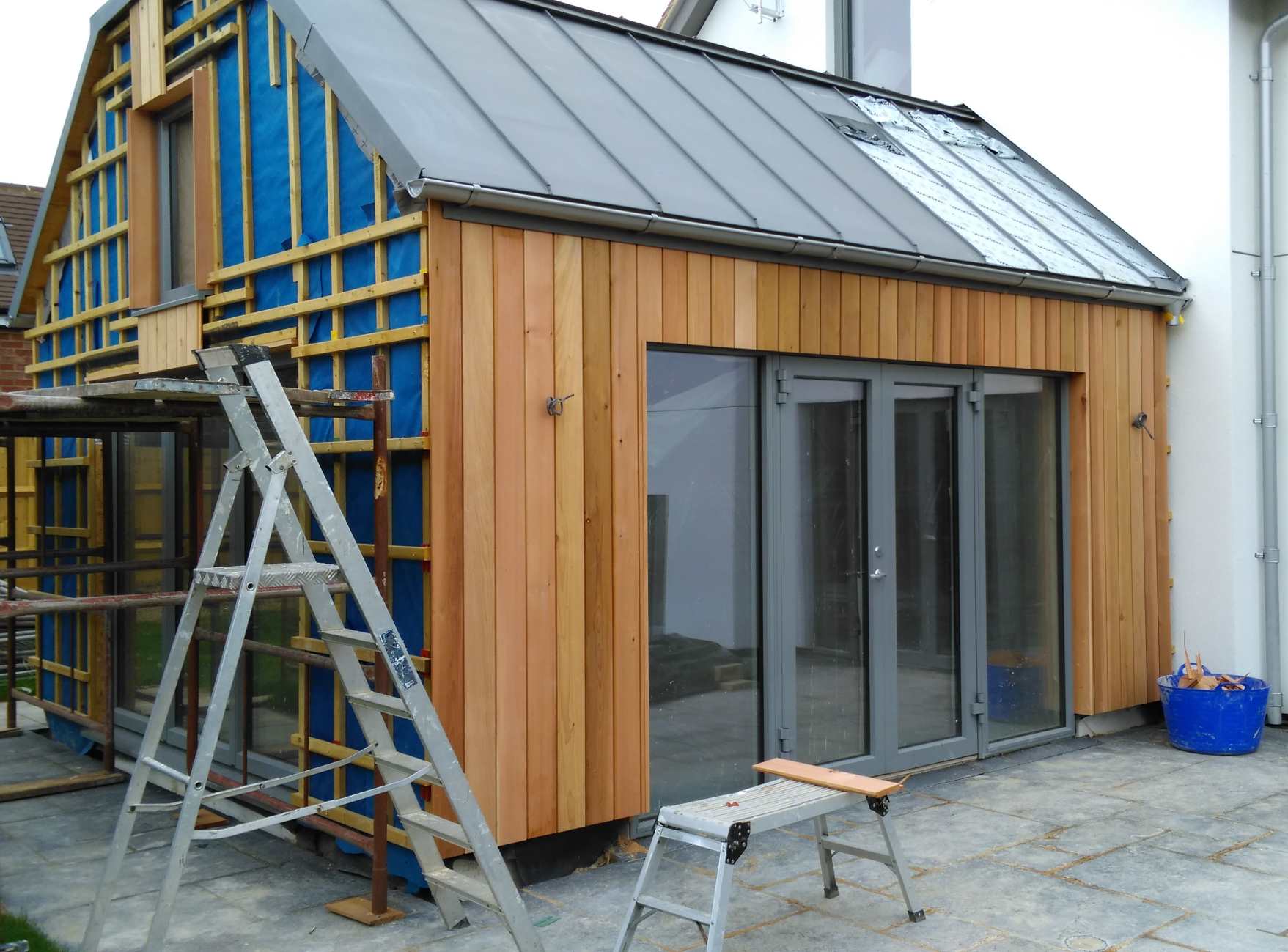
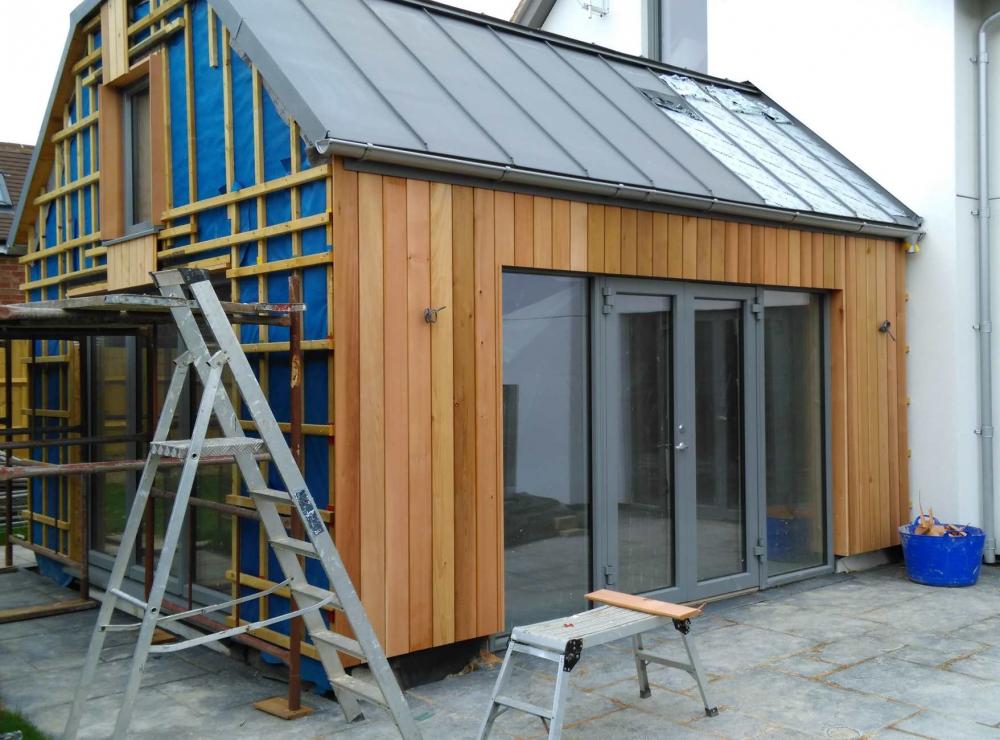
We have vertical half lap boards for cladding in one area. The detail we have is vertical batten over the membrane, screwed into the board, with horizontal cross battens on which the cladding is nailed. The cross battens are tapered so water can run off towards the wall. In our case counter battening is needed for effective run off of water or condensation.
-
Air Conditioning - 1st fix pipework for later retrofit
ragg987 replied to Barney12's topic in Ventilation
To add, once the DIP switch is enabled the controller enables cooling options in the menu. -
Air Conditioning - 1st fix pipework for later retrofit
ragg987 replied to Barney12's topic in Ventilation
Hitachi told me that they have to offer it separately due to meeting some regs (did not ask if RHI - I did not bother with it). With their ASHP, you can retrospectively enable cooling. A DIP switch and addition of the kit i mentioned above. So may be an option if your Samsung permits it - get your RHI signed off and add cooling later. -
Air Conditioning - 1st fix pipework for later retrofit
ragg987 replied to Barney12's topic in Ventilation
One option would bo to reverse your ASHP to cool the water in the UFH. I believe most units are capable and you need to have a controller to take advanatge of that capability and also might need an "aircon-kit" to the ASHP - in our case a drip tray and drain pipe, and some additional insulation. Cool floor. Just need to be careful to avoid condensation issues - e.g. flow temperature no lower than 16C. -
No i meant the water supply just for the building works, so number of bathrooms is not material. Agree that build cost is vague. And does it include finishes, which can be non-existant to gold-plated taps? Pass.
-
This might be useful to someone about to commence a new build. Our water usage for the 13 month build project was 130m3. About 10m3 per month, which is what a family of 4 would consume if they are not too extravagant - approx £400 worth. Prior to the start, our water company offered us the option for a fixed charge at 0.17% of build cost plus VAT vs metered supply. I opted for metered, a fixed charge would have come in at £1,200. This is for a 330m2 timber frame with ICF basement. We had a single stand-pipe for the build, I reckon we could have saved quite a bit of water if we had looked after the constantly dripping tap.
-
If I had mains gas I would have used that and ASHP would not be a consideration. Running costs are pretty similar, but capital costs on gas are much lower.
-
On the pipe spacing, it is a balance you need to strike. With 200mm spacing you need the flow to be hotter than with 150mm to emit the same amount of heat. Of course 100mm will allow you to run cooler. With an ASHP, cooler is more efficient. Why not 100mm? A bit like asking why not target U-value of 0.05 instead of 0.1 - diminishing returns at some point. Also, the pipe loop-back with 100mm spacing would bell out, with 150mm spacing it is more comfortable.
-
In our case the pump and circuit valve are controlled by the ASHP and the manifolds are completely passive and have no blender either. One manifold is in the same room as the ASHP and the other is in the basement with approx 10m of copper pipe between. Water temperature modulation is also controlled by the ASHP, based on set-point, internal and external temperatures. https://www.theunderfloorsuperstore.co.uk/wet-underfloor-heating/manifolds/emmeti-underfloor-heating-manifolds/emmeti-underfloor-heating-manifold
-
I can offer my experience - we have 1 pump driving 160m2 worth of UFH at 150mm centres, though in our case this is aplit across 2 manifolds in basement and ground floor. This still reprsent over 1,000m of UFH pipe. That single pump is running at lowest speed setting, the manifolds are essentially wide open (bit of throttling to prevent overheating in basement). There is no issue distributing the heat with this arrangement. I do not need the pump to be running any harder as the capacity of our ASHP is only 7kW though in most cases they are probably carrying 2 to 3 kW. It seems a single manifold shoule be fine. Our UFH design assumed that a much higher flow of heat would be required in the UFH as they base it on regs rather than passiv levels. In that case speed and hence pressure would increase, so a 2-manifold scenario could come into play.
-
Our architect recommended STO, he said it is better than others (not sure of the basis for that claim - e.g. said Parex gives a more chalky finish). I looked at a number of other options like Wetherby, Knauf, Brillux (via Greenspan, mentioned by MBC), but in the end the price of the finished system was not very different so I went with the STO. Do not understimate the cost of these, by the time you have added battens and got them aligned, boarded etc it adds up to a big number - very labour intensive and time consuming, the cost of the materials is a smaller portion. If I were to do it again I would try to focus on finding a more efficient system to apply (if such a thing even exists). One of the issues we kept coming up with, but did not get a definitive answer to, was that TRADA recommend a ventilation gap behind the render for a timber frame house, hence a non-compliant system might void any future warranty claim. STO did insist on their own complete system and an approved installer for the warranty to be effective. My builder installed the battens as per their spec. We fell out with our applicator big time - that is a different story - quality and pricing issues, even though the references were good.
-
The plan with land Registry is meant to be the definitive one (and not the physical fence), though as we know a thick red line on an unscaled drawing leaves it open to interpretation. How much out are you talking about - are there any landmarks (e.g. trees) on the plan that might assist with resolving this? I believe fences are meant to sit on your land if you own them, hence you lose a bit of land on that boundary. However, it seems unlikely that you would own the fence on all sides so you should not lose that narrow strip on all sides.
-
Dodged a bullet yesterday...Kitchen company ceased trading
ragg987 replied to IanR's topic in Kitchen Units & Worktops
I sympathise - hopefully you will get the missing bits. I took one of those bullets with solar PV. Company ceased trading and my deposit went, backup insurance denied the claim. Apart from losing the money, it also impacted our schedule and the roofer had to come back to complete as we went with an integrated solution. Learnt my lesson - from that point I tried to pay at least £100 with a credit card. Most companies are fine with that. I had to use that option one other time when my PV diverter company ceased to trade - credit card company refunded the money pretty quickly. The good news is that I recovered 90% of that lost deposit about 1 year later - FCA intervention meant that someone had to underwrite the deposit warranty. -
The seamless look is down to the skill of your carpenter, not an IKEA limitation. If interested I can take some photos at the weekend. Personally, if anyone were to pitch this to me at a starting price of £15k then I would steer well clear...
-
I think it is too high a price. In my opinion the high-street custom fit are at least 50% too high - so when they have their "half-price sale" they can still make a profit. I bought an IKEA flat-pack for about £1,000 (including all internal fittings, drawers, shoe-racks, jewellery trays etc) and paid my carpenter to hack them to fit under the sloping ceilings. I think it cost approx £2,000 in total. The only limitation with IKEA is that they have standard widths of carcass, so if your room dimensions do not conform you could end up with wasted space. Similar number of wardrobes to your schematic.
-
Controlling underfloor heating in passive house
ragg987 replied to dogman's topic in Underfloor Heating
I finally clicked - you are using direct electric heating and not ASHP, so your solution revolves around that. Makes sense now! I did evaluate direct elecric heating option using E7 and avoiding capital cost of ASHP, but given our larger footprint and hence larger heat requirement, I calculated we would need a massive thermal store of water or would end up with storage-heater syndrome if we used the slab as a buffer - too hot in the morning and cold by the evening. It was a leap of faith too far for me. Are you using this already or still building? Would be interesting to see how it works - do report back. -
Controlling underfloor heating in passive house
ragg987 replied to dogman's topic in Underfloor Heating
We We split the supply manifolds of the MVHR into "upstairs" and "rest of house". "Upstairs" is 4 bedrooms and 2 bathrooms - i.e. 4 supply and 2 extract ducts. Then added an in-line electric heater to the upstairs supply side. Detail design and supply is done by Gary at BPC. For control, I use a simple on/off thermostat which is located on the landing. A Neostat-e, which is designed for direct electrical control of UFH, though we did away with the slab sensor it comes with. We have used it in anger and it works pretty well. We find upstairs stabilises about 3C below downstairs when cold outside. So in those very cold weeks the thermostat would trip (setpoint 20C) and it would heat the whole of the upstairs gently. Timer set for early evenings when kids are bathing etc. -
Controlling underfloor heating in passive house
ragg987 replied to dogman's topic in Underfloor Heating
My limited experience suggests this is difficult to put into practice. One problem is that heat demand is constantly fluctuating over the day, so how do you calculate the requirement for any given day. e.g. a sunny or windy day will decrease or increase the heat needed. Another is that slab response to heated water is delayed by about 5-6 hrs, so waiting for the water return to drop is probably too late and the room starts to cool before the next slug of heat takes effect. I prefer to keep the water flowing all the time and adjust the flow temperature using compensation control. Slab temperature is even. I cannot see how cycling the ASHP a few times a day in the shoulder months is such a bad thing. And a small delta T of the slab vs room should minimise overheating. The logic is already built into the ASHP controller, just add a room thermostat that can complement the controller (by which I mean one that does more than simple demand on / off based on room temperature). -
Controlling underfloor heating in passive house
ragg987 replied to dogman's topic in Underfloor Heating
I went with a "keep it simple" approach to zoning and control. Been meaning to do proper write-up but want to get through a winter and still experimenting a bit. approx 2,000m of UFH buried into our slab, split across 3 manifolds (and I think about 15 loops) manifolds do not have any pumps or blending valves. Each loop is generally at max flow to reduce resistance in the circuit - have throttled a couple of loops a bit to prevent overheat (e.g. in the basement) 7kW ASHP with onboard compensation controller linked to intelligent thermostats from the ASHP supplier i have created 2 zones as we wanted separate control in the annexe, to permit warmer room temps. Zone 1 covers 60m2, zone 2 covers 160m2. No UFH upstairs, we use direct electric towel rails in bathrooms and I have a 1kW heat coil in the upstairs MVHR as a backup.. each zone has a room stat, pump and valve to operate it. Pump running at lowest speed. small 50l buffer for space heating - I do not consider this to be essential as we have 2,000m of pipe but put it in anyway - if zone 2 switches off then we have less than 500m in circuit the buffer is heated direct from the ASHP, and flow from buffer to UFH is direct as well - no heat exchanger or coils One of my objectives is to run the flow at the lowest temperature possible as this has a big impact on COP - so there are no blending valves or heat exchangers in the system. I think compensation control is a must for max COP - the flow temperature adjusts according to outside temperature (and hence heat loss from building). e.g. external temp of 10C gives flow of about 24C and external 0C gives flow of about 30C. The ASHP controller and intelligent thermostat work well together to calculate the optimum flow given the room setting, room and external temperatures. The ASHP modulates to meet the flow temp. I generally see a return temperature 2-3C lower than flow. I keep heating on 24x7. The ASHP seems to run mostly at the lowest setting (I think approx 2 to 3kW heat output), when very cold outside it ramps up and in these warmer months it switches on and off as it cannot modulate so low - the 50l buffer must help in reducing the cycling, but I have no way of telling for sure. Have set the controller to turn off the space heating completely at 16C external temperature - too early to tell if this is OK. Blending valves are a compromise, in my view, as you would set them for a static temperature (e.g. 35C based on a very cold day) and hence rely on cycling on/off to maintain the correct room temp. Asking the ASHP to heat to 35C is inefficient if your flow needs to be at 25C. Same with heat exchangers - you heat the water about 3-4C warmer to maintain the same UFH flow temperature. -
An option might be 2 doors? The one inside the house being the thermally efficient one and the one facing the garage could be a cheap £30ish fire door. Of course you need to double up on the door linings, hinges, handles etc, but if you have energy efficient house then your wall thickness will be sufficient for this approach.