jayc89
-
Posts
1389 -
Joined
-
Last visited
-
Days Won
1
Everything posted by jayc89
-
Wouldn't they be useful if used in conjunction with weather comp? My UFH mixes down to 40c (old house, poor insulation) but with weather comp I'm expecting that to range between 30c and 40c depending on the outside conditions, at least until I finish the IWI. That being the case, the desired delta-t could fluctuate between 7 and 11c.
-
I worked for Ring so naturally got a load of freebies including a Doorbell Pro v2 and their Alarm v2, both of which work pretty well. I never fully understood the dynamic of Amazon acquiring two competing products (and not shutting one down). I'd certainly hedge my bets on Ring.
-
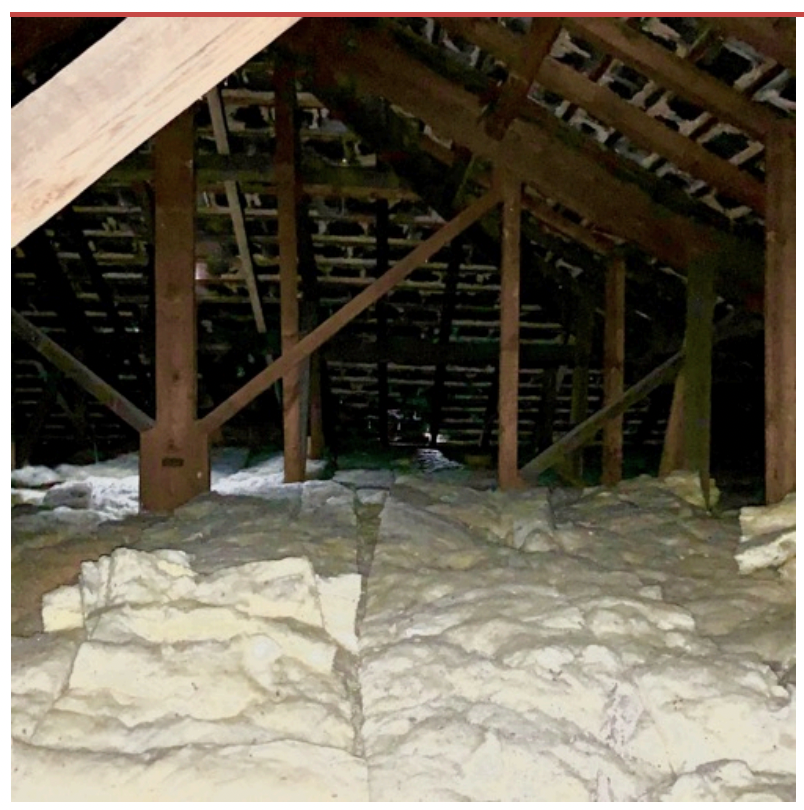
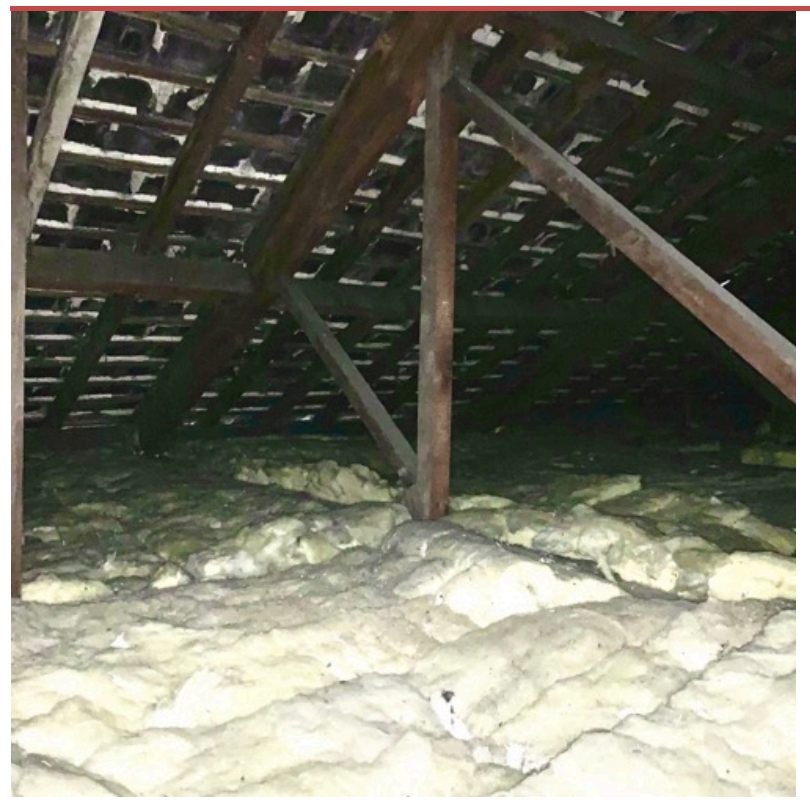
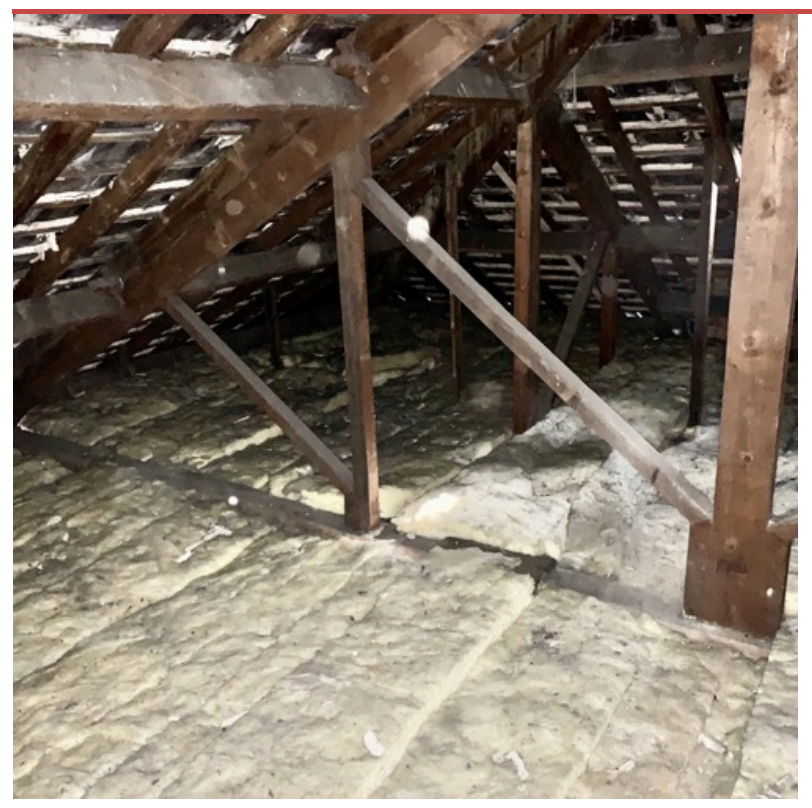
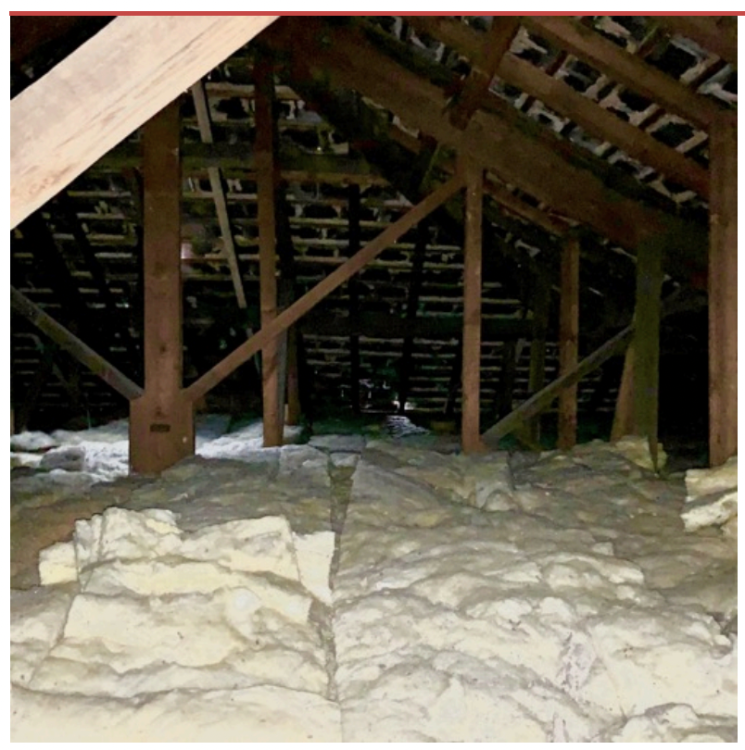
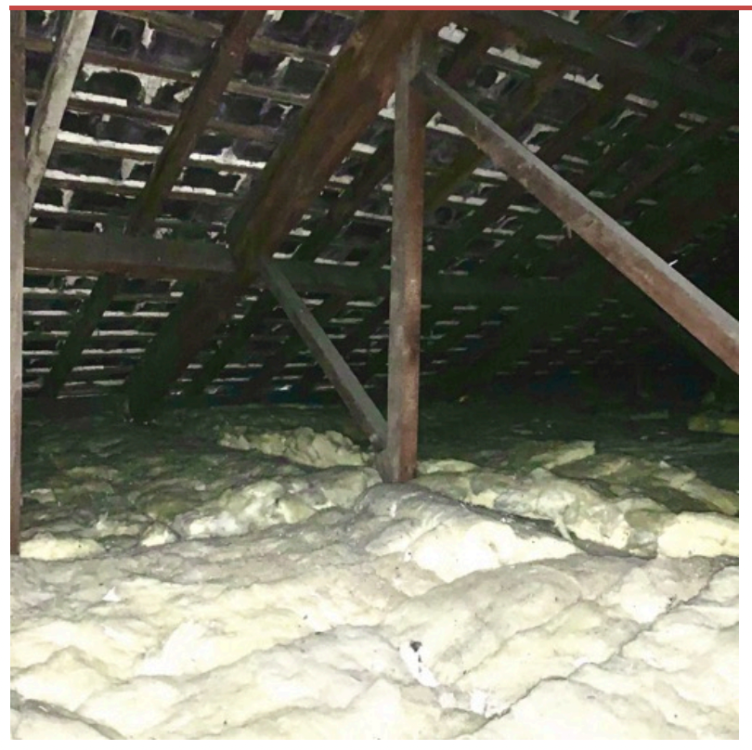
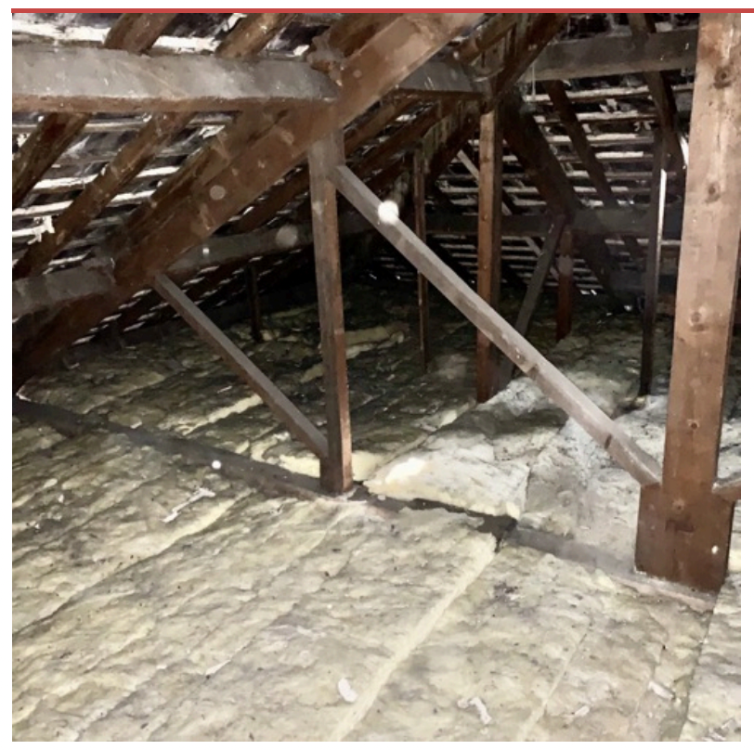
1850's house, hipped roof, no felt beneath the slates. A reasonable amount of insulation laid across the joists, but there's certainly cold spots (i.e. ceiling above shower instantly attracts condensation - I know it needs an extractor - waiting to fit MVHR). The sparky made a right pigs ear of the insulation when he was rewiring the house, so the insulation's currently less flat than these images. My plan was to drop all the ceilings, run an airtight membrane across the joists, batten where we'll install downlight and then attach new PB. Which will at least keep the rooms airtight. But I don't know what to do with the loft itself. My plan is/was to remove the mineral wools whilst dropping the ceilings, place eaves vents all around the perimeter and have something blown in, cellulose? The wood work is in reasonable good nick, so re-roofing isn't a requirement right now, some of the nails are starting to fail, so we do have a couple of slates come loose every year (you can see daylight in the couple of images from areas where this has happened - fixed now). This potentially increases the risk of leaks, and water reaching the insulation could impact its performance, certainly as it'll likely be weeks/months between a leak occurring and me realising. Could I staple a breather membrane to the underneath of the rafters to protect the insulation from any moisture getting through the slates but still maintaining the ventilation? Is that just over thinking? I guess the membrane would direct any air flow between it and the slates, meaning the wood left outside of the membrane could be prone to moisture? On top of all this, the MVHR unit needs to live up here somewhere. The manifolds can live under whatever insulation I end up using, the unit itself and ducting to/from it will need some insulation. Given the space we have up there, I'm thinking of building it its own insulated box/room to separate it from the cold loft space - would that work?
-
Why wouldn't auto-balancing actuators help with this? Wouldn't they effectively drop the flow rate for you, until the return is the correct temp and therefore not dumping too much energy into the floor?
-
If you have a buffer tank, this should take care of the efficiency concerns, so only heat the rooms as you need to. If you don't, like me, I've also found it cheaper to heat the slab as a single zone.
-
Got around to tackling this over the weekend. Started by closing off all loops, hooking up a hose pipe to the return, opening the problematic loop and turning on the fill loop near the boiler. A few air bubbles came out, but not loads. Turned the heating back on and had the exact same problems. Flow gauge bouncing around, half empty and eventually the flow rate dropping off. So I went full throttle. Hooked the hose pipe on to the flow and a bucket onto the return and massive amounts of air was forced out. It must have taken 6-7 buckets before the bubbles stopped - all the while the AAV was also releasing some. Seems to have done the trick though, the flow gauge is full with water, like the others now and flow rates remain stable. Won't be using that plumber again...
-
My bad, I thought when you mentioned self-regulating actuators earlier you were meaning something like the Salus ones. In that case, you should check your flow rates too. As a starting point take your loop lengths and divide them by 40. (i.e. a 100m loop should be running at around 2.5 l/m). Once your loops are balanced (defined as achieving approx. 7c delta-t), you can focus on your mixing temp to ensure your rooms aren't overshooting too much (I generally want to see mine not overshoot by more than 0.5c) and then the only other variable is the room stat temp (we still have draughts and find 21c never feels like 21c...)
-
Agreed. As our house is pretty old, I'm also a member of a couple of historic/restoration Facebook groups. The amount of posts I've seen asking why their heat pump performance is so poor is staggering. I guess they haven't heard of AIM before APE...
-
I use an IR thermometer to measure the difference between flow and return temp. Given you have auto balancing actuators, this should be done for you (assuming they're working correctly!).
-
I'm replacing all our windows prior to cracking on with internal wall insulation in all our rooms. The walls are a mix of 220 and 330mm thick and we're going for Rationel FormaPlus, which are 123mm thick, so assuming they sit within the openings by 50mm, leaves between 47 and 157mm internal reveal. Externally we're leaving the brickwork on show (hence internal wall insulation), I know ideally the windows would sit inside the thermal envelope, but I can't think how we could do that whilst avoiding a thick gap around the windows externally. Do I just suck it up, install the windows as normally and insulate the reveal afterwards, or is there a smarter solution I should be considering?
-
Calculating ducting size
jayc89 replied to jayc89's topic in Mechanical Ventilation with Heat Recovery (MVHR)
It's a retrofit so my plan was to use semi-rigid which seems to make the most sense. -
This. We had to do the same around our water mains.
-
https://www.bbc.co.uk/news/business-64367504 Poor kids won't know what's hit them
-
Depends on your runs. Ours takes a good 30 seconds to run cold. Might not feel like a lot of time but it soon gets frustrating.
-
I say reasonably long eaves, they're nearly half yours at 350mm! (They look much longer, unless the elevation drawings I have are wrong!) The sill would be nearly 2300mm below the gutter.
-
That's useful to know, thanks. We have a hipped roof, so guttering all around and reasonably long eaves, so I'm taking that we'd be lower risk of getting that noise?
-
Sorry to resurrect this. I'm placing my Rationel order and currently deciding between All and Concrete Sills. Shouldn't functioning guttering prevent drips landing on the sill?
-
Do your rooms reach temp without overshooting? If the UFH flow was too high you should see overshooting too.
-
Pump speed should really depend on how many loops you have and how fast you need to pump the water around them to achieve your target delta T (generally 7c with a flow below 35c). I keep my pump speed as low as possible providing my delta-t looks good. As far flow temp, really depends on your heat loss, which will dictate the air temp. Keep the flow as low as SWMBO can tolerate.
-
Dealing with condensation…
jayc89 replied to HughF's topic in Mechanical Ventilation with Heat Recovery (MVHR)
Whilst I recommended PIV, I'm going for MVHR in my renovation. This is mainly because as part of that renovation we're paying special attention to insulation and airtightness. If it wasn't for gutting the place already (to attend to those two points), there's no way I'd be considering MVHR in an existing building, it's a pretty big job to retrofit, whereas PIV alone to mitigate the direct problems makes the most sense in the majority of cases. -
Dealing with condensation…
jayc89 replied to HughF's topic in Mechanical Ventilation with Heat Recovery (MVHR)
Anecdotally I've heard PIV works wonders for this type of problem. It's certainly a quicker and easier fix than MVHR. -
Will I have a problem with pipe lengths changing from a lever to a stop cock? Are the bodies generally the same length?
-
32mm MDPE from the street to the house, then changes to 28mm. All the copper you can see in those pictures is 28mm. It drops down to 22mm after the control valve.
-
We have a 28mm supply (32mm MDPE) and were recommended to go for a full bore lever by our original plumber rather than a stop cock as both our flow and pressure were pretty low (10lpm internal, 11lpm at the outside tap, 1.1bar working pressure 3bar static on our old 15mm supply - didn't retest with the new supply), apparently they have less resistance... Would you still recommend a proper stopcock as a replacement?
-
Urgh how frustrating, it's only 18 months old! Any recommendations? Are they all of a muchness?